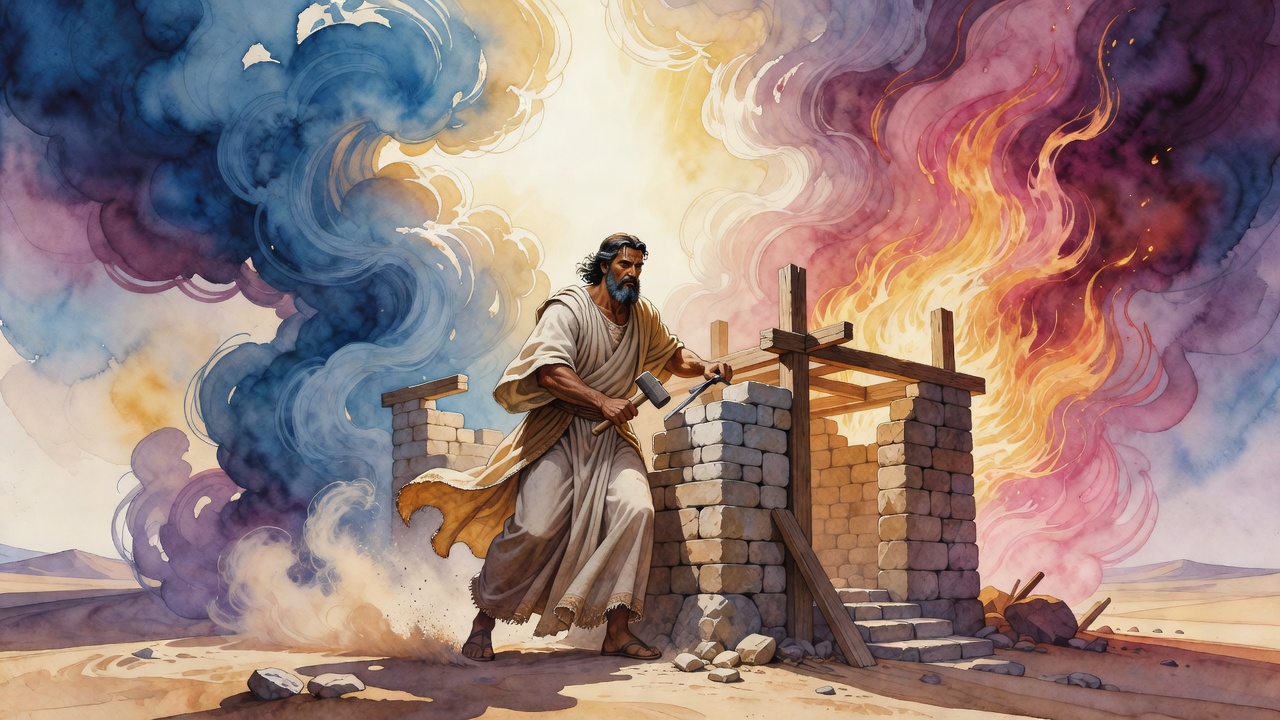
The Wagons Joseph Sent Reopened the Channel That Grief Had Sealed
Jacob had not received prophecy in twenty-two years. When the wagons arrived from Egypt carrying proof that Joseph was alive, the spirit returned in an instant.
Table of Contents
 Click for full size
The Numbness and the Wagons
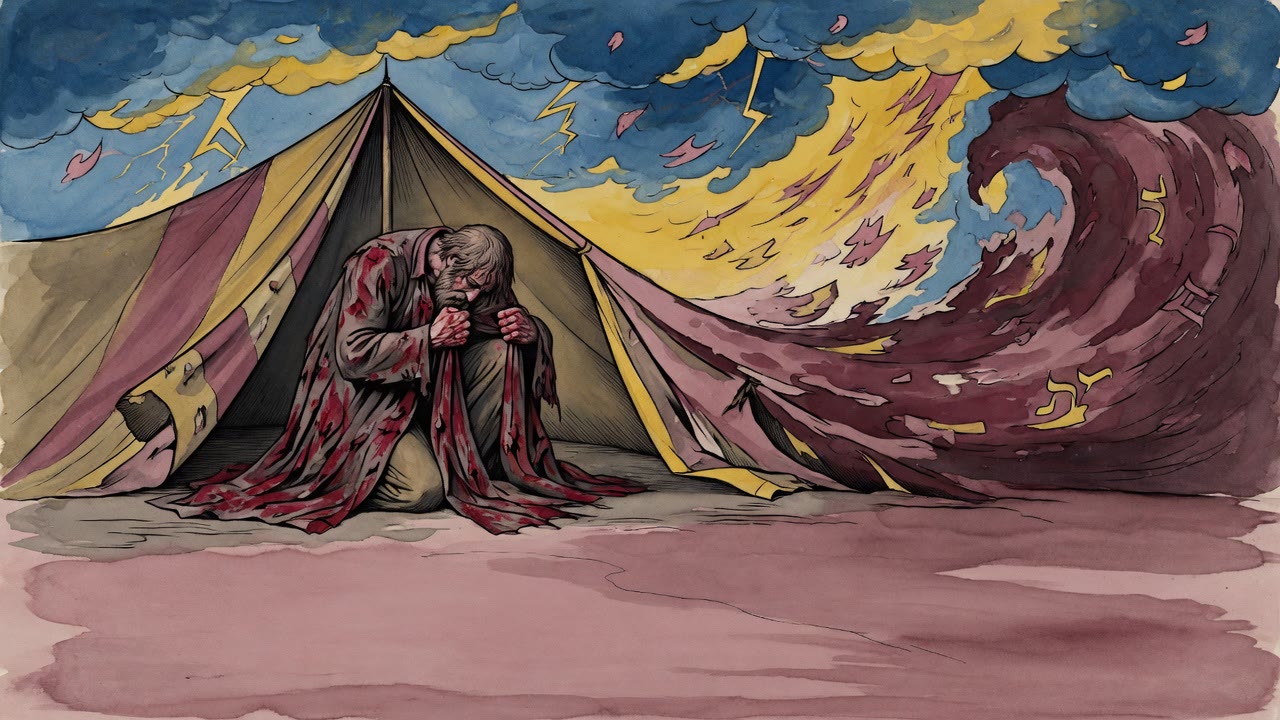
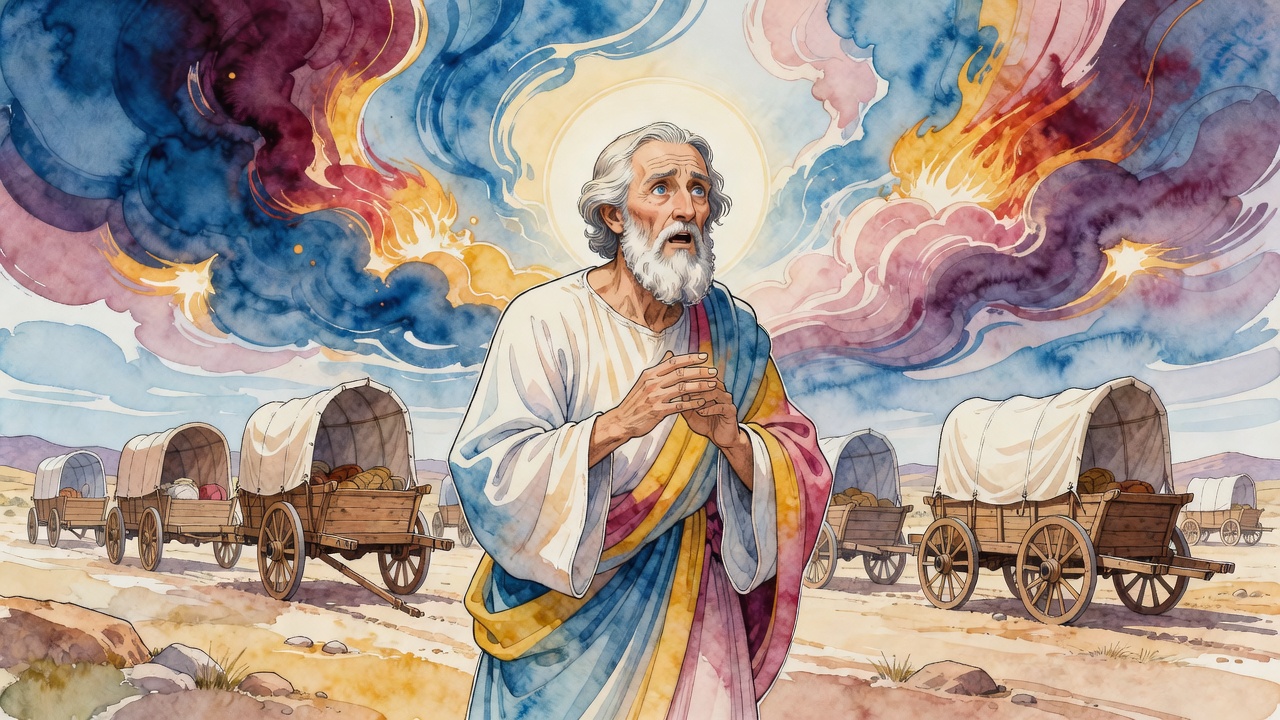
Jacob had been grieving for twenty-two years. He had refused every consolation his sons and daughters offered him, and eventually they had stopped trying. He had mourned Joseph as dead, and the grief had done something specific to him: it had closed the prophetic channel. For twenty-two years Jacob had been unable to receive divine communication. The Book of Jubilees, composed around 160 BCE, records that when the sons came back from Egypt with their news, Jacob was beside himself in his mind, unable to process what they were saying. He did not believe them.
Then the wagons arrived. The wagons Joseph had sent as physical proof, massive Egyptian carts that could not have come from anywhere but the viceroy's personal provision. Jacob looked at them and something came back.
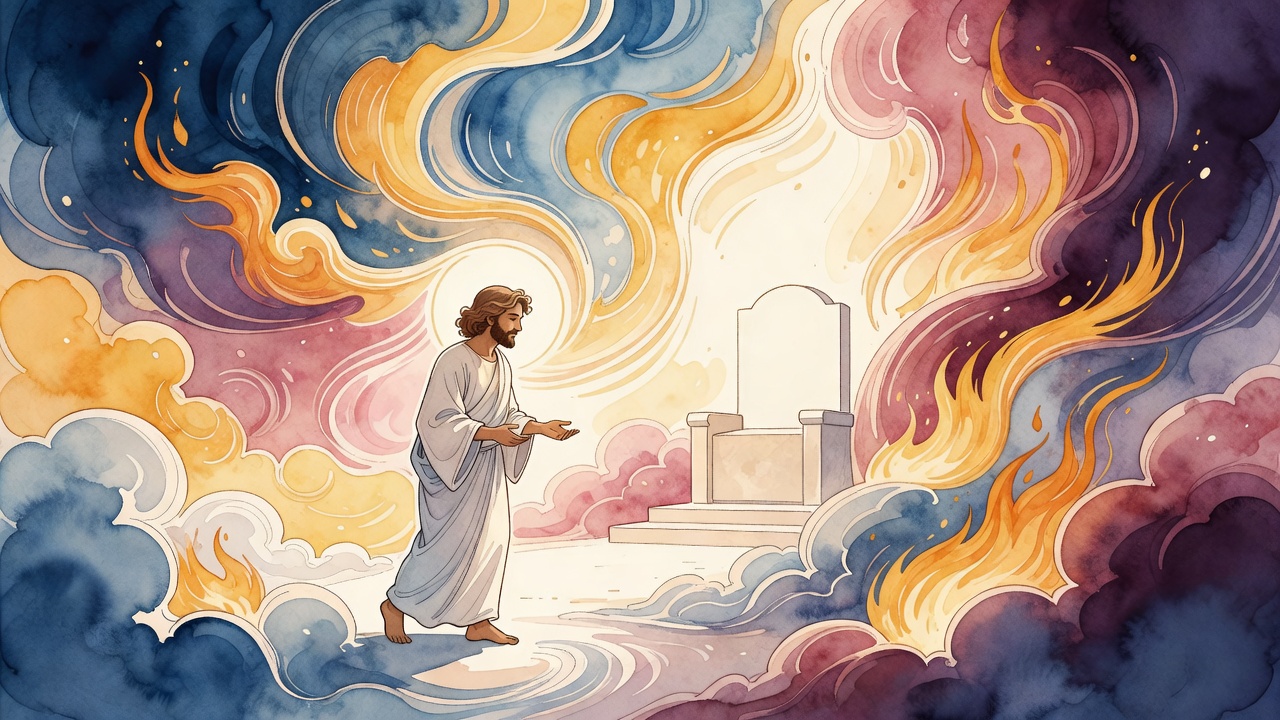
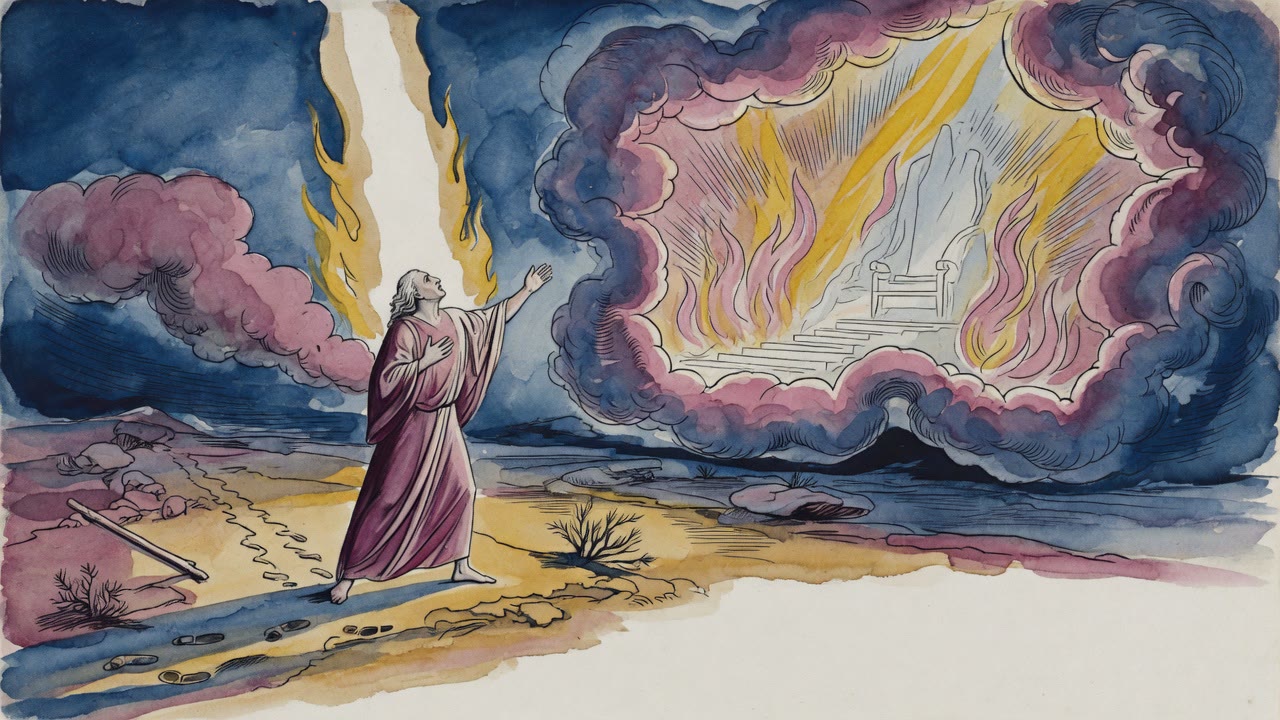
The spirit of their father Jacob revived, the Book of Jubilees says. The phrase is technical in the tradition. It does not mean merely that he felt better or that his emotional state improved. It means the prophetic capacity that grief had sealed was reopened. The channel that had been dark for twenty-two years came back to life when the wagons arrived. For the reunion with Joseph to be complete, Jacob first had to be able to receive it. The wagons did not only prove that Joseph was alive. They restored the father to the state in which he could fully understand what that meant.
What Joseph Had Learned in Egypt
Joseph had not spent those twenty-two years still. He had moved through a slave house, a prison, and then the court of the most powerful empire in the world, acquiring something the patriarchal household in Canaan did not possess: the wisdom of administration. He had learned to read the cycles of nature in seven-year patterns. He had learned how to manage scarcity across a continent, how to build storage systems large enough to outlast a decade of famine, how to make decisions at the scale of a national crisis rather than a family one. He had learned, in short, how to govern.
When Jacob came down to Goshen, the Book of Jubilees records the reunion with the intensity the tradition felt it deserved. Joseph went out to meet his father in the land of Goshen, and he fell on his father's neck and wept. Jacob said: now let me die since I have seen your face. The older man was complete. He had arrived at the end of the grief that had closed him off from heaven for two decades, and he arrived there in his son's arms.
The Thread to Solomon
Midrash Mishlei, the rabbinic commentary on the Book of Proverbs assembled from Talmudic-era sources, preserves a tradition about how the hunger for wisdom was transmitted. Rabbi Ishmael, speaking in the Talmudic period, said: blessed is David, King of Israel, who merited to give birth to a wise son and to rejoice in his wisdom. The verse from Proverbs that he is reading is about the joy of a father whose son has become wise. The father who sees wisdom in his child is not watching something he gave the child. He is watching something the child reached for on his own, and the seeing of it is a specific kind of joy.
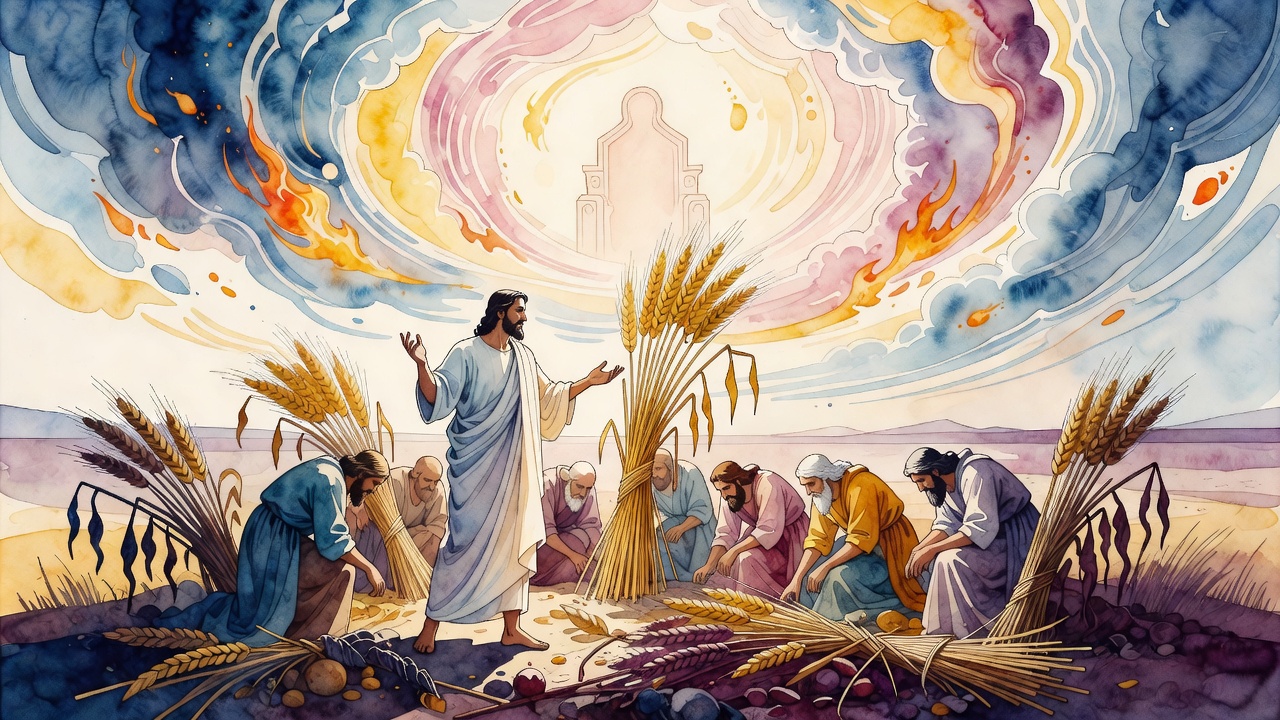
The line Midrash Mishlei draws from David through Solomon is the same line that the Book of Jubilees draws from Jacob through Joseph through the generations of the covenant. What passes between fathers and sons in these traditions is not merely property or title or territory. It is a capacity. Jacob had the prophetic channel. Grief closed it. The sight of proof that his son was alive reopened it. What Jacob passed to Joseph and Joseph passed to the Israelite people in Egypt was not wisdom in the abstract. It was wisdom tested by specific suffering and refined by specific circumstances until it could be transmitted intact.
Solomon inherited from David not the throne only but the particular hunger. Proverbs says blessed is the man who finds wisdom. Solomon's request for wisdom above all other gifts, preserved in the canonical account in Kings, was the culmination of a transmission that had been running from the first patriarch who was struck dumb by grief and then restored by a son's living presence in the world.
The Pit and the Fire and the Survival
Ginzberg's Legends of the Jews records what was in the pit. Not emptiness. Snakes and scorpions. Joseph's brothers had stripped him before throwing him in, taking not only the famous coat but all his garments, leaving him exposed and humiliated in a pit full of creatures that could kill him. The fear would have been of a completely different character from ordinary physical danger. It was a fear designed to break a person. Joseph survived it, and then survived Potiphar's house, and then survived prison, and emerged from each descent with the capacity intact.
The tradition understood Joseph's survival of the pit as preparation, not just biography. A man who has been stripped and thrown into a pit of scorpions and come out the other side has learned something about the stability of his own interior that a man who has only known prosperity cannot know. When Jacob's spirit was restored by the wagons, it was restored to reunion with a son who had been forged in a completely different fire than the one that had shaped Jacob. Together they produced something that could not have come from either of them alone.
← All myths