Asenath Was a Baby When She Swore the Oath That Saved Joseph
Jacob engraved the child's whole history on a gold plate and hung it around her neck. Then he left her at the border of Egypt for somebody else to find.
Table of Contents
 Click for full size
The Gold Plate Around Her Neck
The baby had no name anyone would use and no household that would keep her. She was Dinah's daughter, born out of what happened at Shechem.
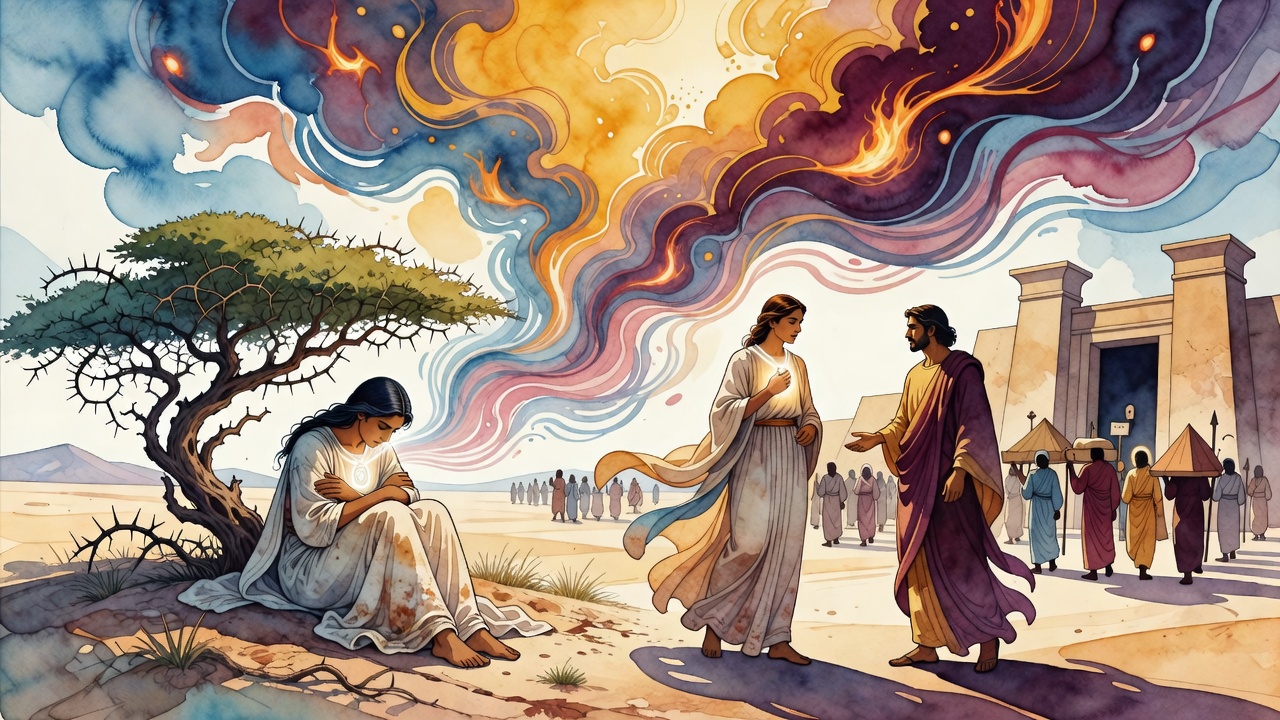
Jacob took a thin plate of gold and cut her history into it. Who her mother was. Who her father was. The circumstances of her birth. He did it so that people might know who she was, since nobody who found her would otherwise believe a word of it. He hung it around her neck, and she was left at the border of Egypt.
That same day Potiphar was out walking near the city wall with his servants and heard a child's voice. He sent them to bring her. He turned the plate over in his hand and read the whole thing standing there in the road, and by the time he finished reading he had decided to raise her as his own daughter. He took her home. They called her Asenath.
The Four Letters of Her Name
The letters carried the account, one by one.
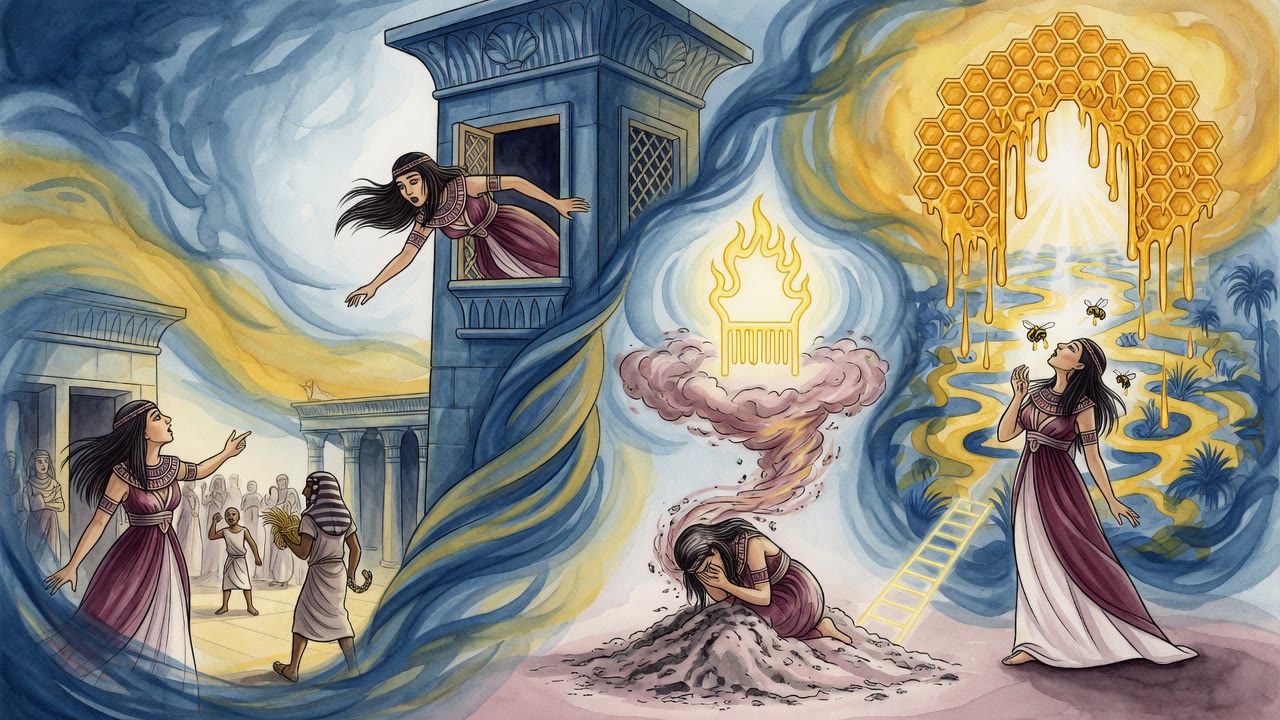
The alef stood for On, where her new father served as priest. The samek stood for Setirah, hidden, because they kept her concealed indoors on account of a beauty they did not want the city looking at. The nun stood for Nohemet, because she wept and begged to be delivered out of the house of Potiphar. The tav stood for Tammah, the perfect one, for the way she conducted herself.
She spent her childhood pleading to get out of that house. Somewhere in the same compound a Hebrew slave was praying the identical prayer.
The Baby Who Swore an Oath
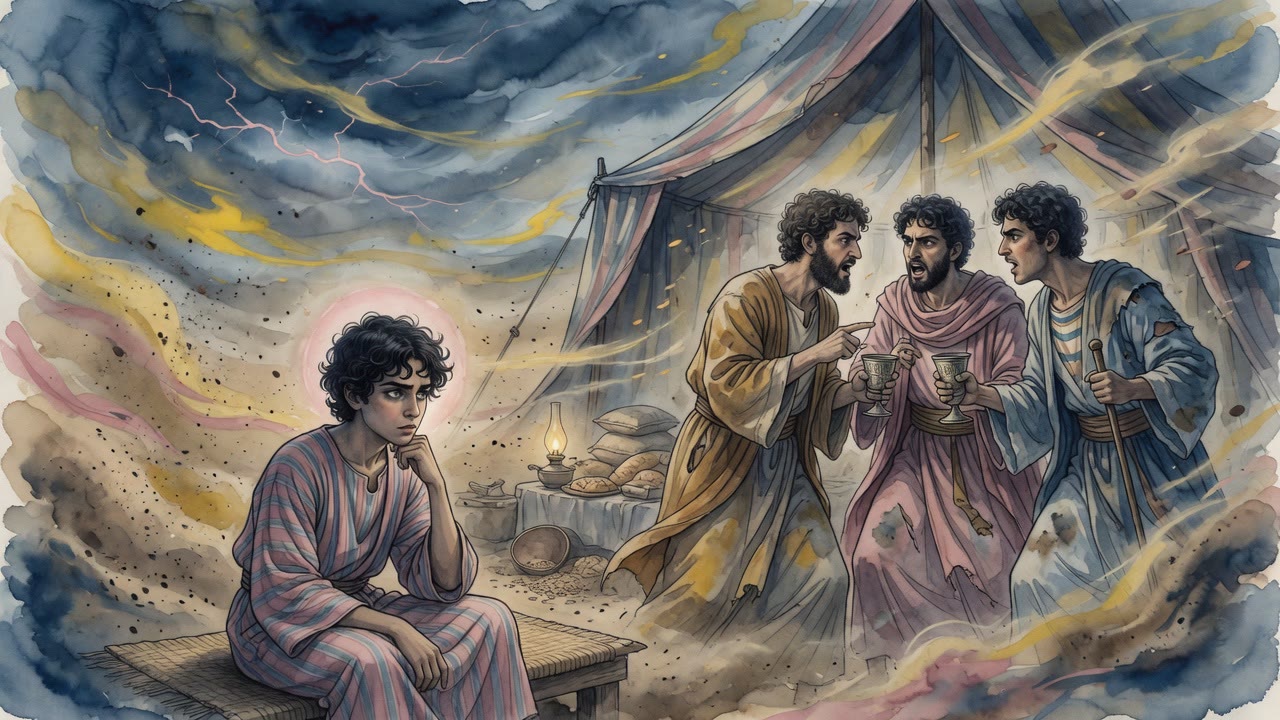
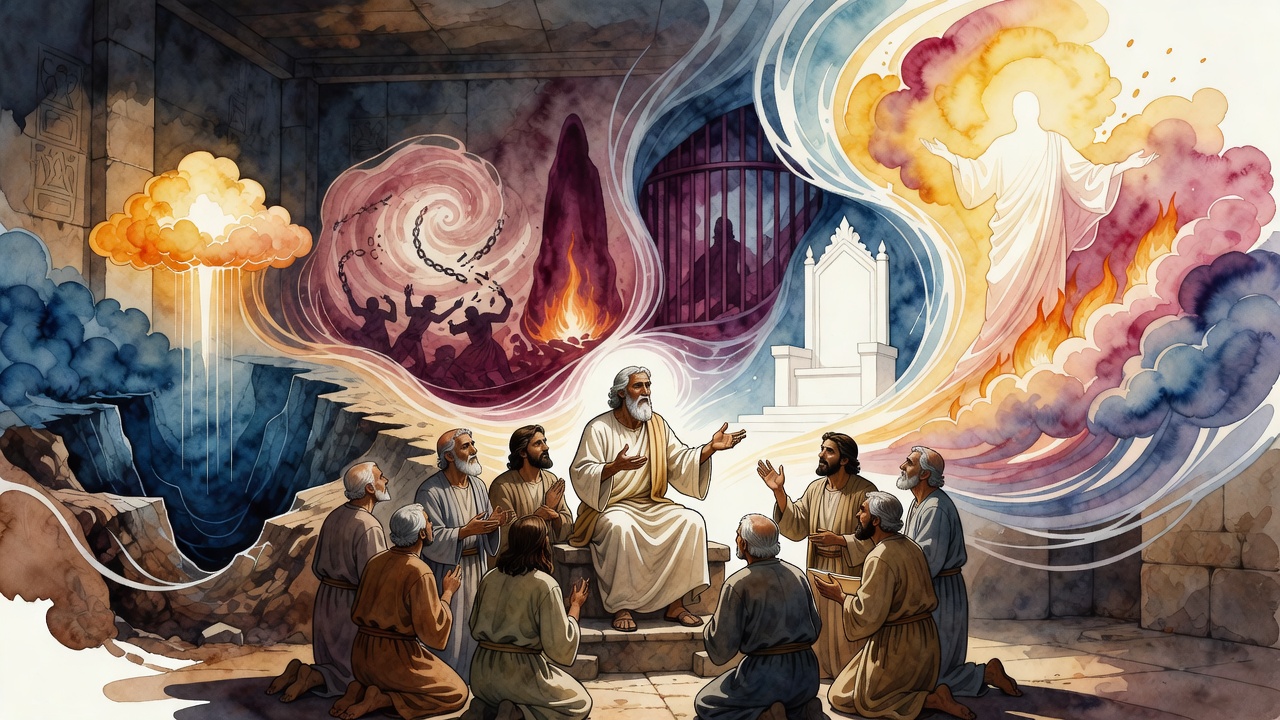
What Joseph was enduring in that house, he described years later to his own children on his deathbed. His master's wife came at him for years. She threatened him with death, handed him over to be punished, called him back, threatened him again. She offered to make him master of her and of everything in the house. She said she would poison her husband and take him for herself. She said she would hang herself or throw herself off a cliff if he would not lie with her. He rent his garments and told her to fear God.
Once she sent food in with a eunuch, and when the dish came through the door Joseph looked up and saw a terrible man standing there holding out a sword along with it. He did not eat it. When she asked why, he told her the food was full of deadly enchantments and that the God of his father had shown him her plan by an angel. Then he prayed out loud, took some, and ate it in front of her. She fell on her face at his feet and wept, and he lifted her up.
None of it held. In the end she accused him, and the women of the household backed her, and Potiphar had made up his mind to hang him.
The infant went to her foster father and swore to him on oath that the charge was false.
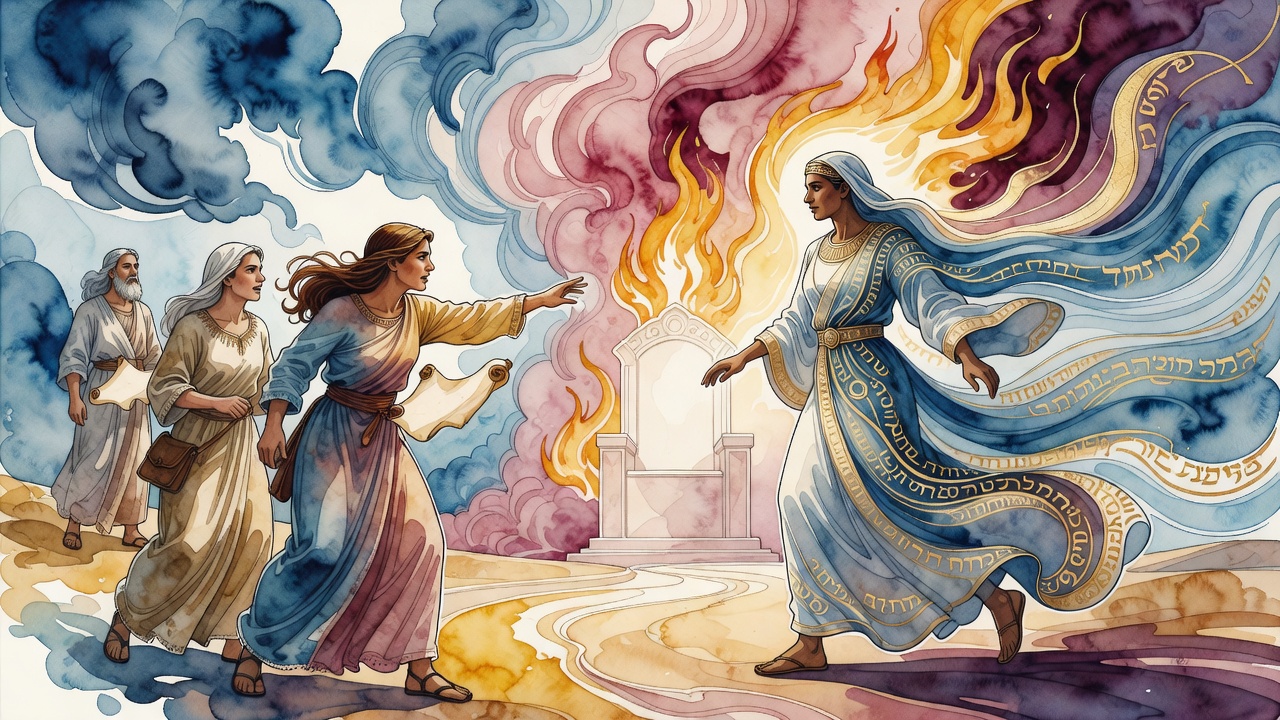
Then God spoke over the cradle. "As you live, because you tried to defend Joseph, you shall be the woman who bears the tribes he is appointed to beget."
She Called Him a Vagabond
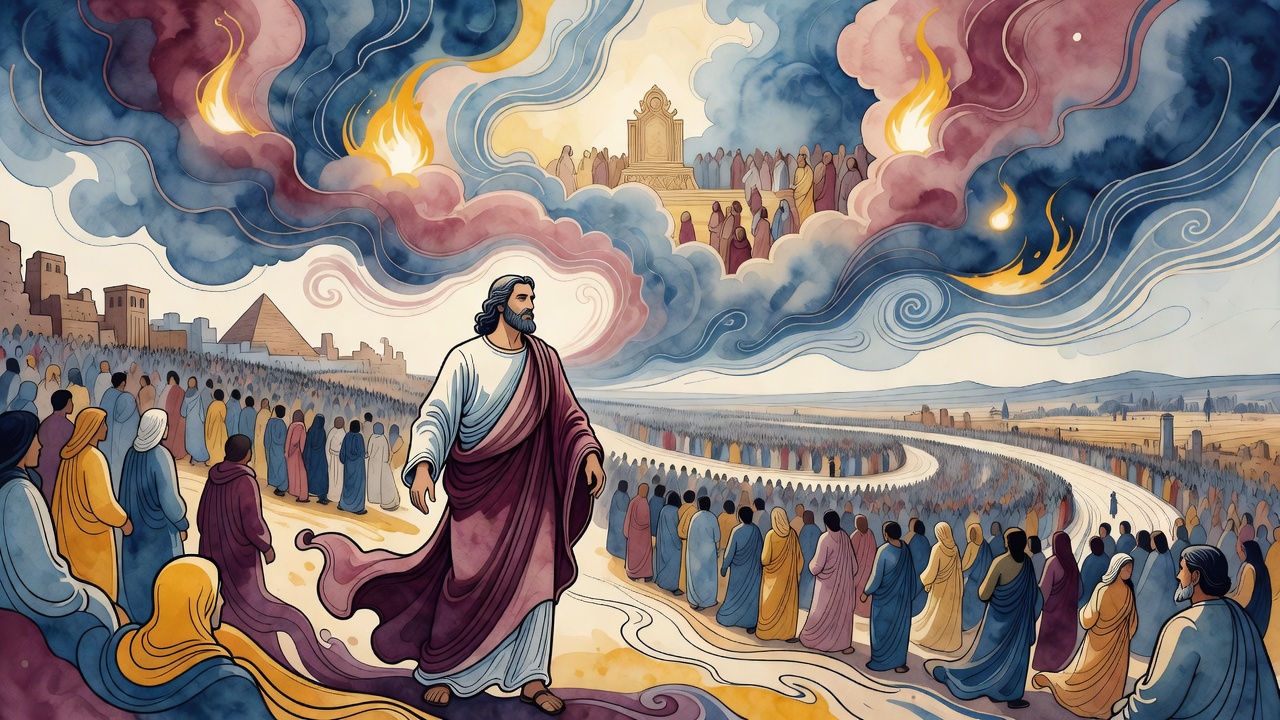
In the first of the seven fat years, Joseph decided to travel to the town where Potiphar lived and sent word that he would lodge at his house. Potiphar was delighted twice over, once at the honor and once at the opening it gave him, and he went to his daughter and told her he intended to marry her to the viceroy of Egypt.
She would not hear it.
"Why would you want to see me joined to a vagabond, a slave? He is not even of our nation. He is the son of a Canaanite herdsman. He is a man who tried to violate the honor of his mistress and was thrown into prison for it, and the only reason he is out is that he interpreted a dream for Pharaoh. Never. I will marry the son of Pharaoh, who will be king of Egypt."
She had grown up and learned the story of the house she was raised in, and she had learned the wrong version. The charge she recited to her father was the exact charge she had once sworn was a lie, in that house, at an age when she could barely speak.
What the Promise Did Anyway
Pharaoh settled it over her head. He renamed Joseph in Egyptian and handed him the daughter of the priest of Heliopolis as a wife, and the marriage went through the way state marriages go through.
The man she got was not the man she had described. He walked in uprightness, took no gifts, showed favor to nobody's face, and judged every person in the land the same way. Egypt was quiet under Pharaoh because of him. The kingdom ran in good order and there was no accuser and no wicked man in it.
She bore him two sons, Manasseh and Ephraim, and she bore both of them inside the seven years of plenty, because once the famine started Joseph refused himself every pleasure he had. The boys were brought up in restraint and in the fear of God, taught statecraft, and schooled alongside the royal princes.
The tribes that came out of her were the tribes God had named to a baby lying in a strange man's arms with her whole story hammered into a strip of gold on her chest. She made one choice in her life before anyone asked her opinion, and it was the choice that counted.
← All myths