3 texts
It’s a story filled with surprising alliances, desperate prayers, and… well, a healthy dose of mistaken identity. So, picture this: Zepho, a king with a problem. He’s about to go t...
The historian Josephus, in his work Against Apion, gives us some insight into this very question. He highlights how Jewish law, as he understood it, navigated the delicate balance ...
A queen and her bondmaid gave birth on the same night. The midwife—curious about what would happen, or perhaps driven by something darker she could not name—switched the babies. Th...
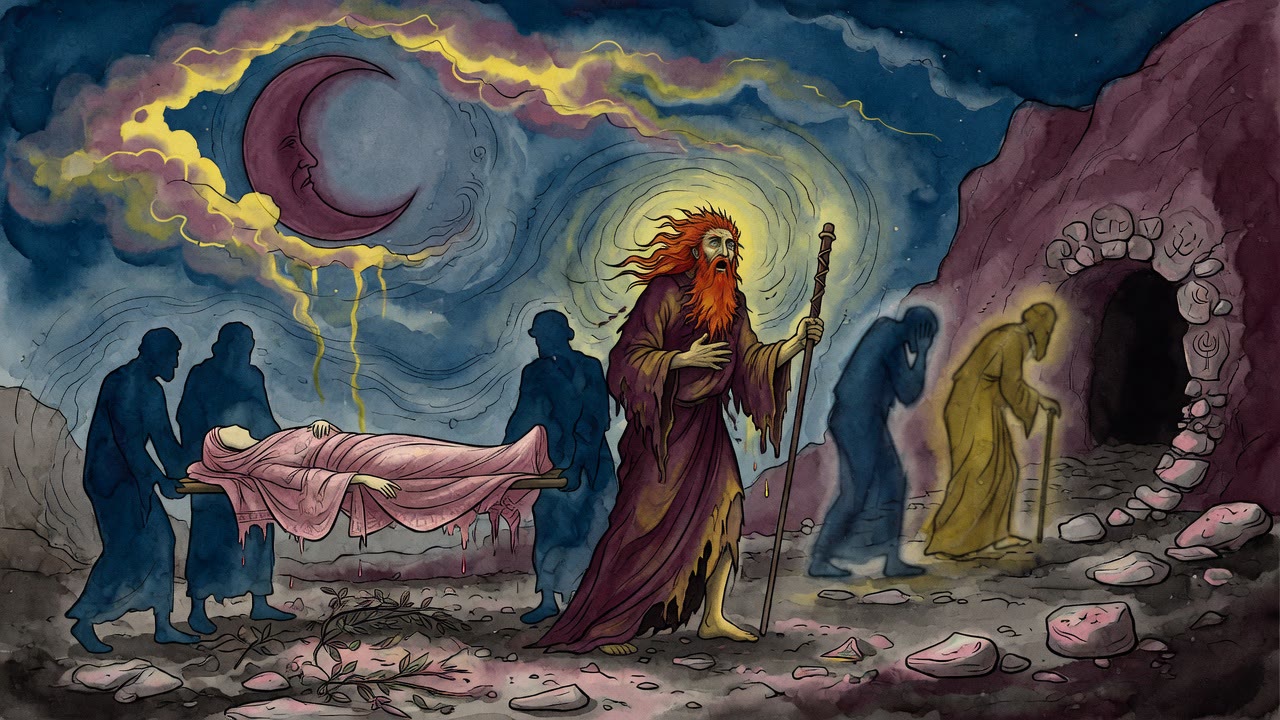
Rebekah died while Jacob was away and Isaac was blind. The family buried her in secret, fearing what Esau's presence at the funeral would provoke.
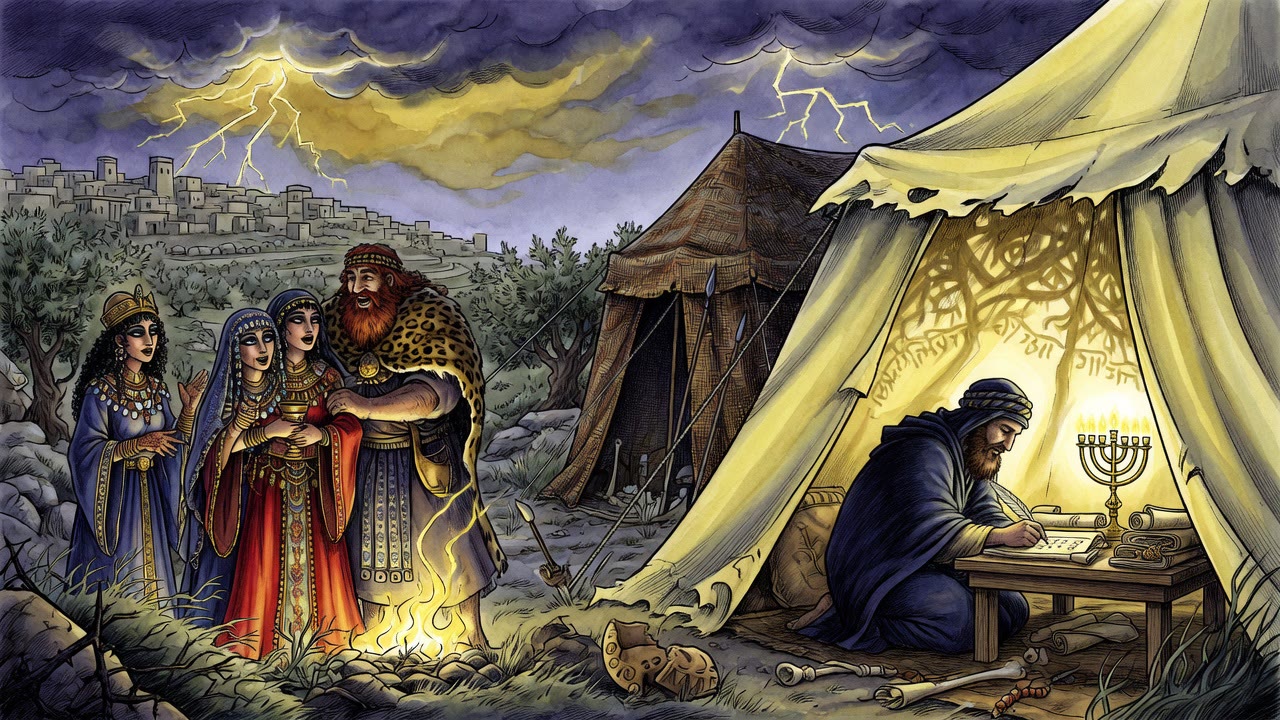
Esau married Judith from the family of Ham the moment he came back from hunting. Jacob was sixty-two and still unmarried, waiting for the right woman.
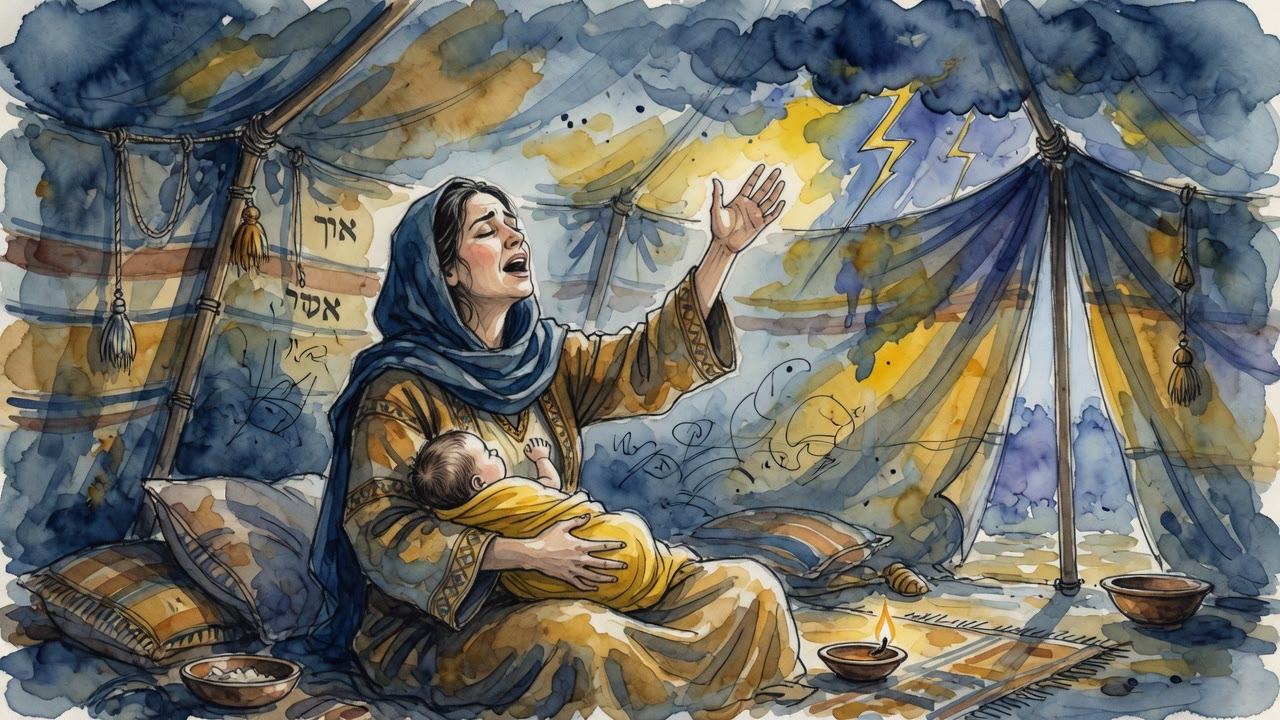
When Leah named her eighth child Asher, meaning praise, she was making a claim about herself no one had asked her to make. The rabbis thought she was right.
Two tribes, born the same night from the same tent, divided the world in two. One took the Torah, one took the sea. Together they kept both alive.
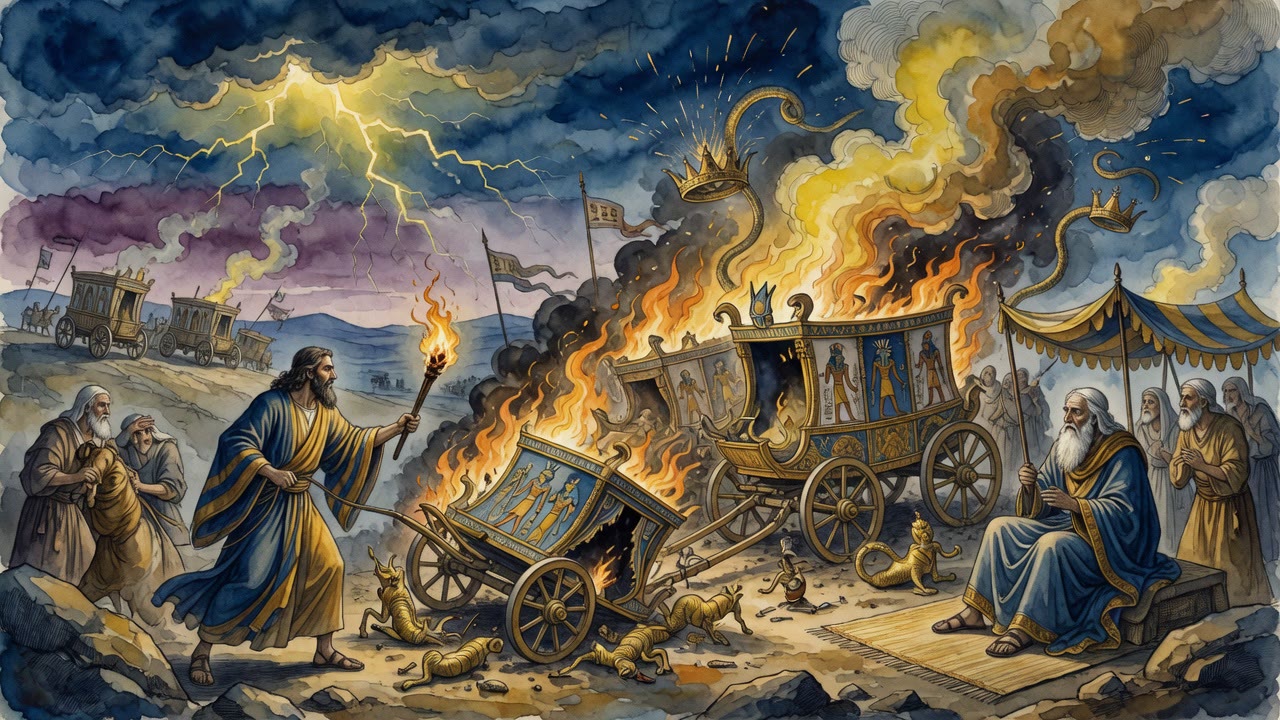
Pharaoh sent wagons to carry Jacob into Egypt. The wagons were decorated with idols. Judah burned them before his father ever laid eyes on them.
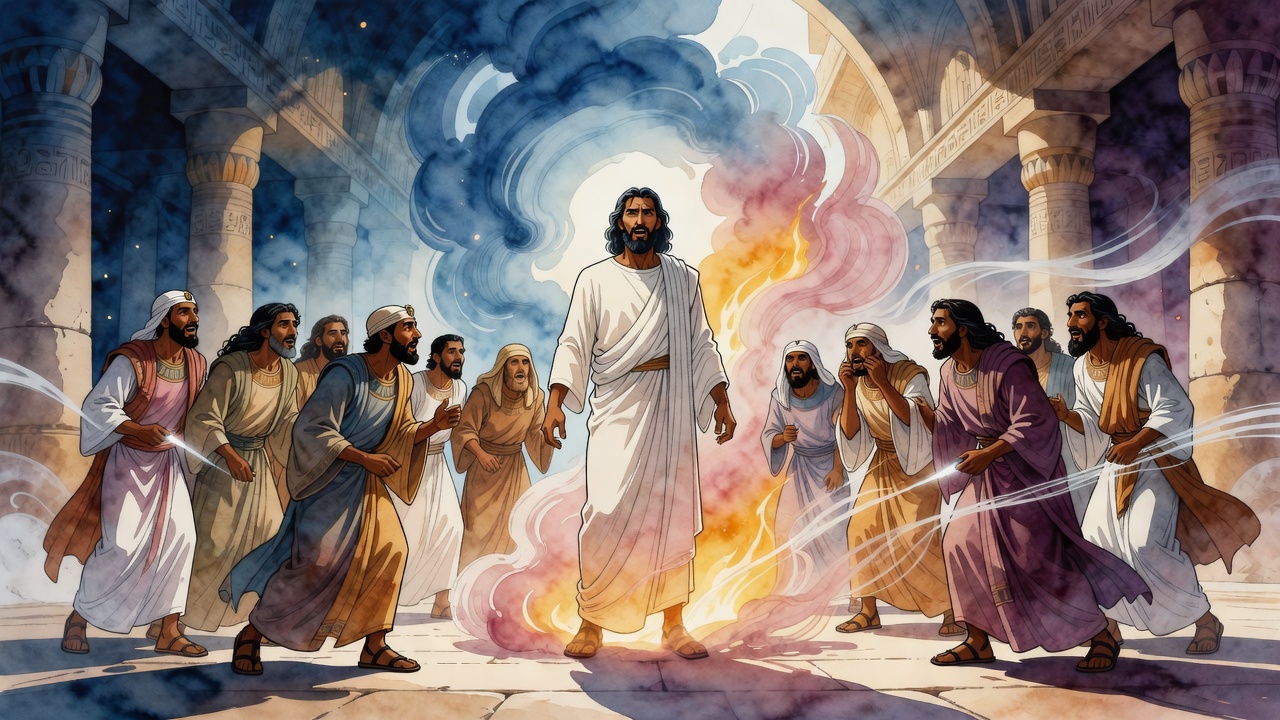
After Shechem violated Dinah, Simeon and Levi massacred an entire city. Jacob called it a disaster. His sons called it the only sentence that justice allowed.
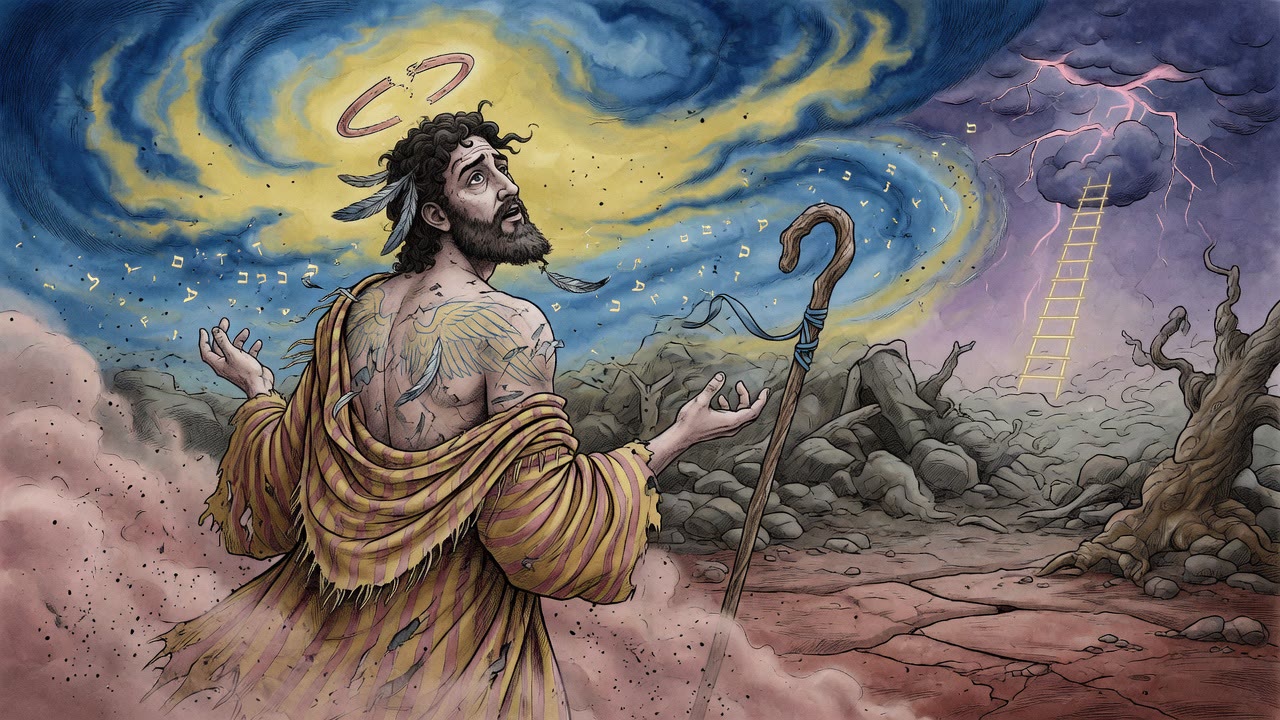
One ancient text says Jacob did not merely wrestle an angel at the Jabbok. He wrestled one because he was one, and had forgotten it.
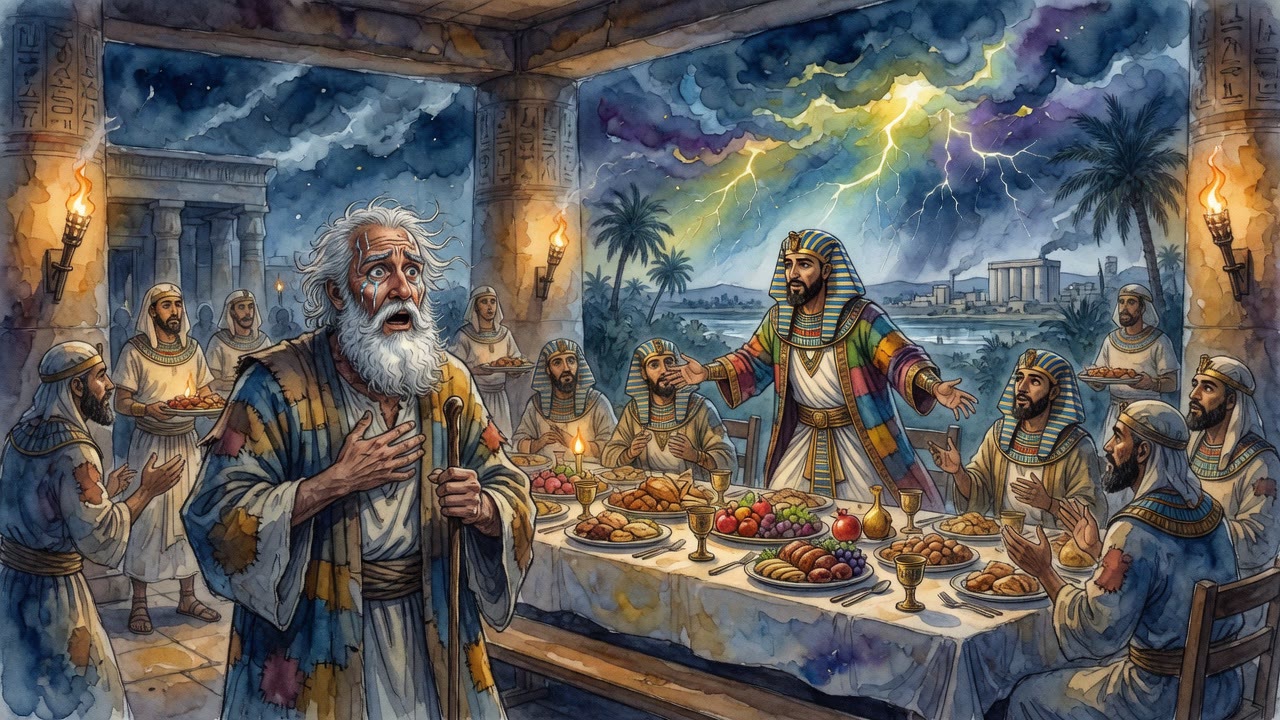
The moment Joseph revealed himself, he switched languages. The Targum says that one move was the proof no Egyptian impostor could have faked.
Every reader of the Torah wonders how the righteous Joseph could marry an Egyptian priest's daughter. The answer the rabbis gave is stranger and more beautiful than the question.
When Moses counted Israel in the wilderness, he got exactly 603,550 men. The rabbis refused to believe that number was an accident.
Over two million people — if you count women, children, and Levites — moved through the Sinai desert together for forty years. The Torah describes exactly how they arranged themselves. The rabbis filled in everything else.
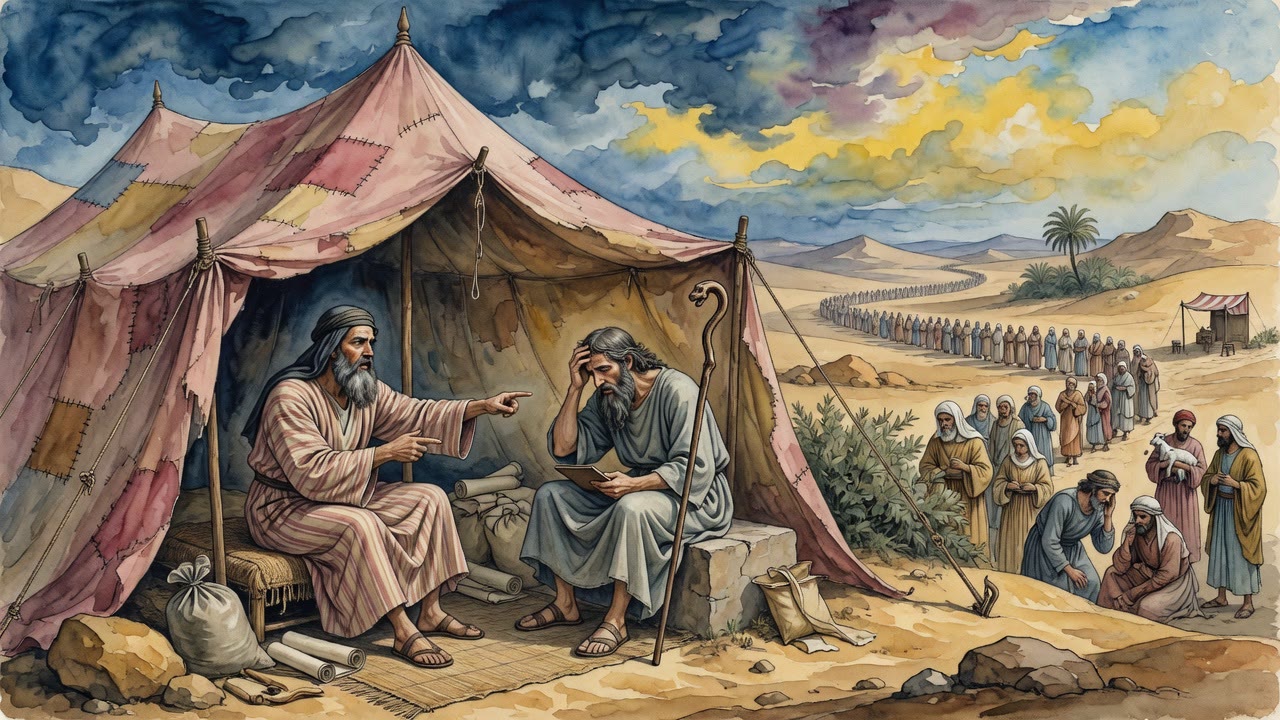
Jethro had worshipped every idol in Midian. He came to the Israelite camp and immediately saw what nobody else had noticed: Moses was drowning.
Rabbi Akiva found in one word of Exodus 12 a principle that overturns everything we think we know about prophecy: Moses heard God's voice because of Israel's merit, not his own.
God told Moses to welcome converts the way He had welcomed Jethro: draw near with the right hand, push back gently with the left. The opposite of what Elisha did to Gehazi.
Through four hundred years of slavery, Israel held four things: their names, their language, their family lines, and the habit of finishing each other's work.
The rabbis asked why Israel deserved to leave Egypt. The answer preserved in Midrash Tanchuma lists four specific acts of loyalty that made the difference.
The Torah created a category of voluntary holiness anyone could enter — no birth, no lineage required. You could become a Nazirite for a week or for life. The rabbis found this troubling and fascinating in equal measure.
When the twelve tribal princes dedicated the Tabernacle, every single one brought exactly the same offering. Same animals, same quantities, same items. The Torah still lists each offering separately — 89 verses. The rabbis found a reason.
Eating chametz on Passover brings kareth, spiritual excision. The Mekhilta closes a loophole no one thought to close: can you escape by leaving Israel entirely?
When sectarians were killing Jews and the communities were dangerously blurred, one sage volunteered to infiltrate the other side, draw a permanent line, and never come back.
When Rachav told Joshua's spies what she had heard about the Exodus, the Mekhilta saw it as proof that Israel's obedience to God echoes outward until foreign kings tremble.
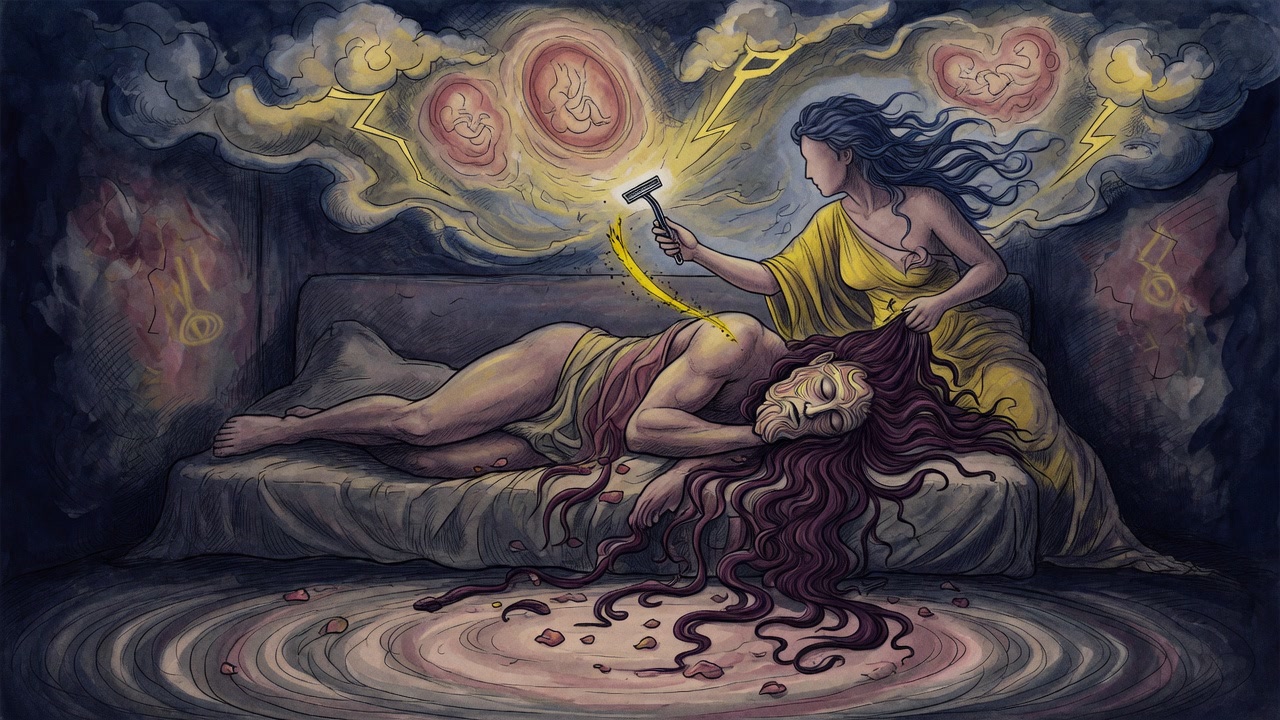
Samson was a Nazirite from birth, designated before conception. When Delilah cut his hair, it wasn't a clever spy's trick. It was the severing of a lifelong sacred vow. The rabbis had a lot to say about what that meant.
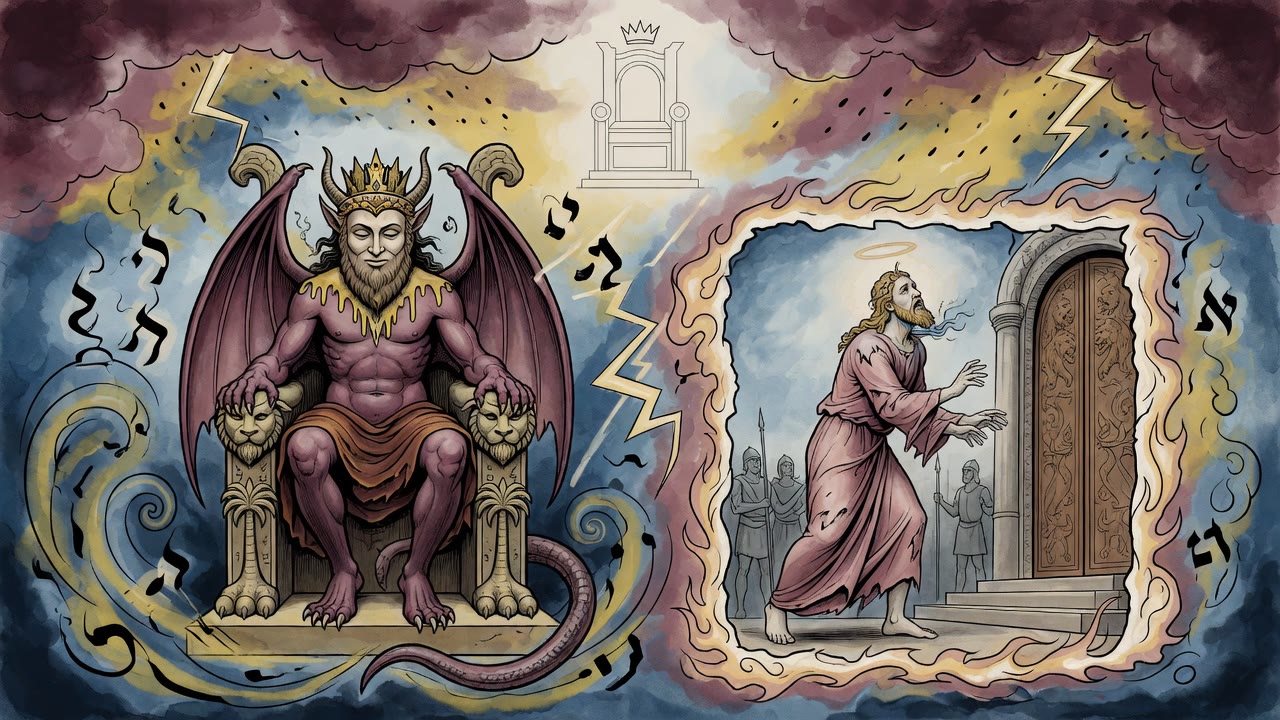
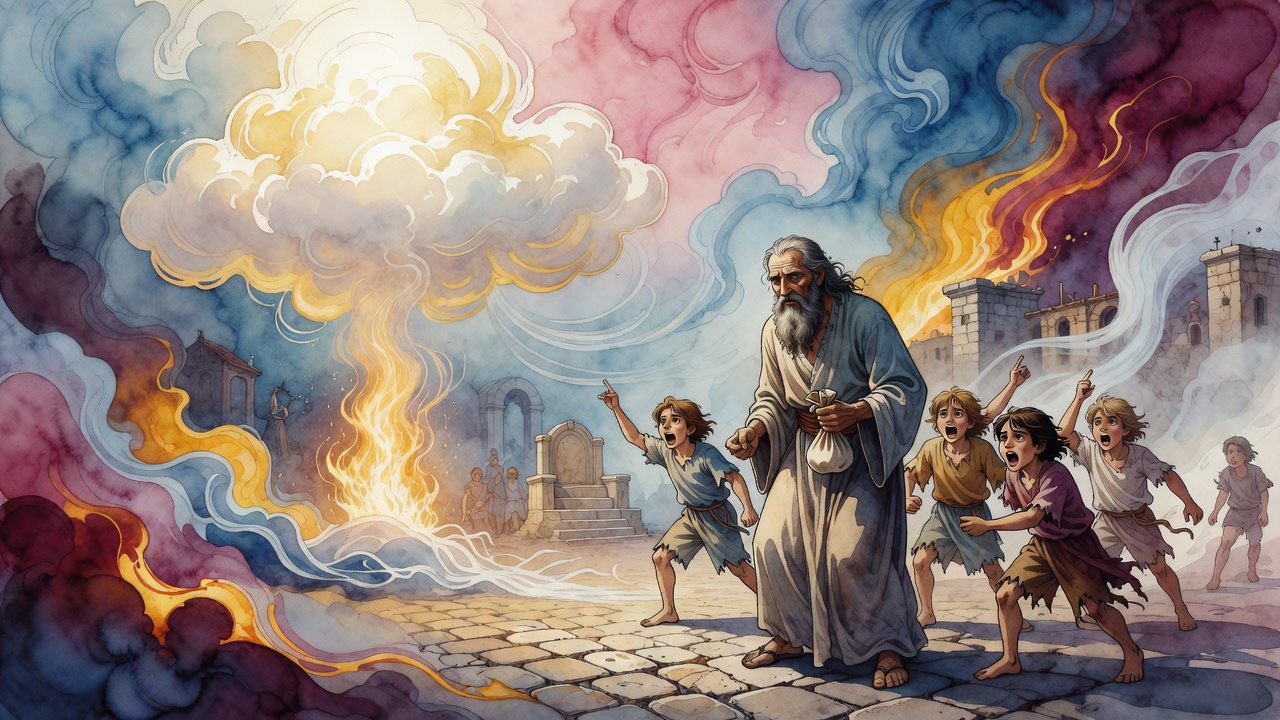
Solomon interrogated a demon made of envy, then lost his throne to the same demon. The wisest king alive spent years wandering as a beggar.
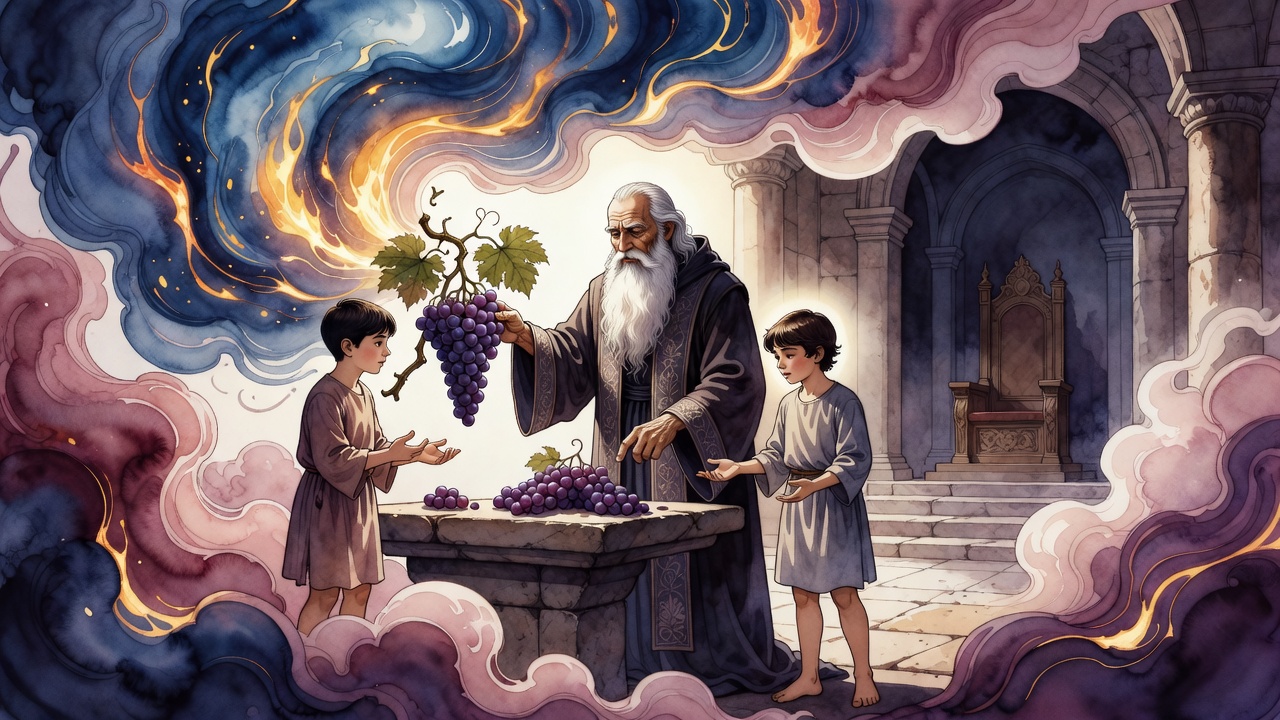
Rabbi Yehudah's question in Sifrei Devarim cuts to the bone: which lineage do you actually belong to? The vine of Sodom, whose grapes are poison, or the holy planting of Israel? Jeremiah's image of a vine turned into alien shoots makes the question urgent for every generation.
Jacob's blessing to Judah contained a hidden transmission that made one man's tribal name the identity of every Jew who ever lived.
The Arameans told Joab he was not really a son of Jacob. He had no answer. So he went to the king, and the king convened the court.
Other nations are exiled and assimilate. They eat the local bread, wear the local clothes, and forget they were ever somewhere else. The Rabbis of Eikhah Rabbah argued that only Israel truly experiences exile, and they explained why.
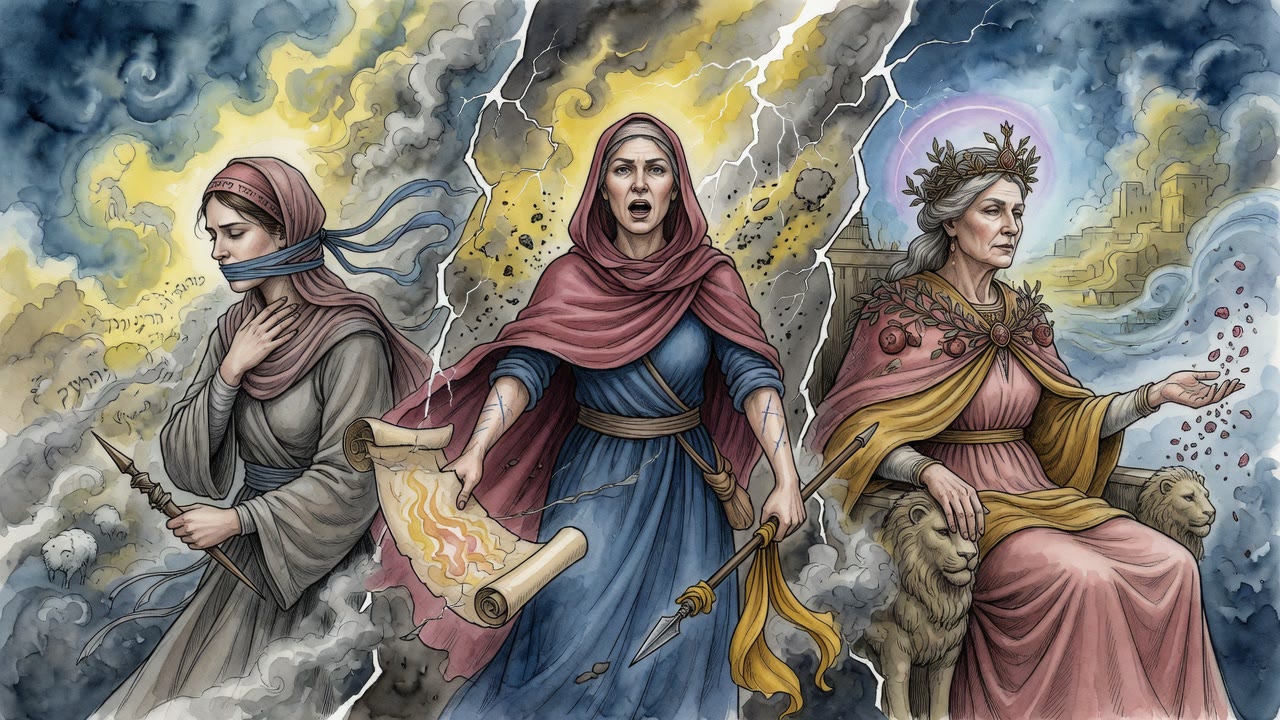
Esther's strength in the Persian court traces back to a moment centuries earlier when Rachel said nothing on her wedding night to protect her sister.
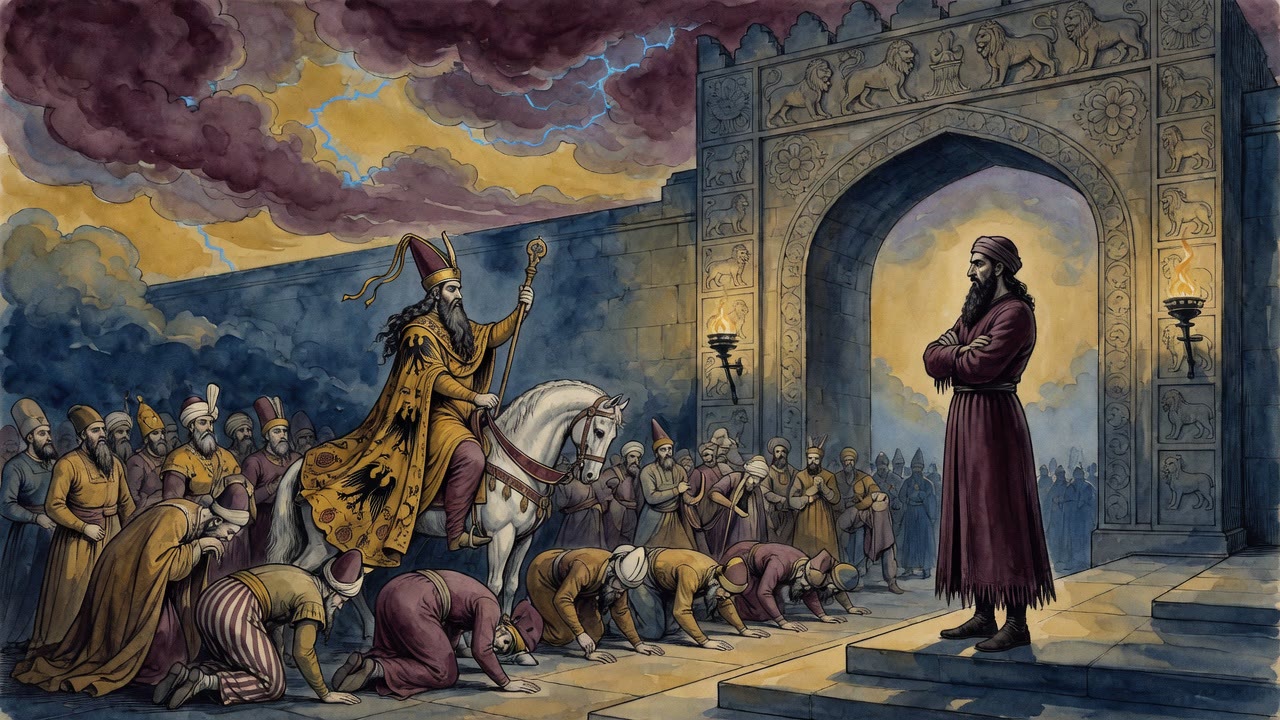
When the Persian court demanded Mordecai bow to Haman, he answered with a genealogy no one could refute and a principle no king could override.
The Mekhilta's reading of II Chronicles reveals a radical principle: until David was chosen, any Israelite could have been king -- and prophets outside the Land still spoke in the merit of the ancestors.