38 myths · Page 1 of 2
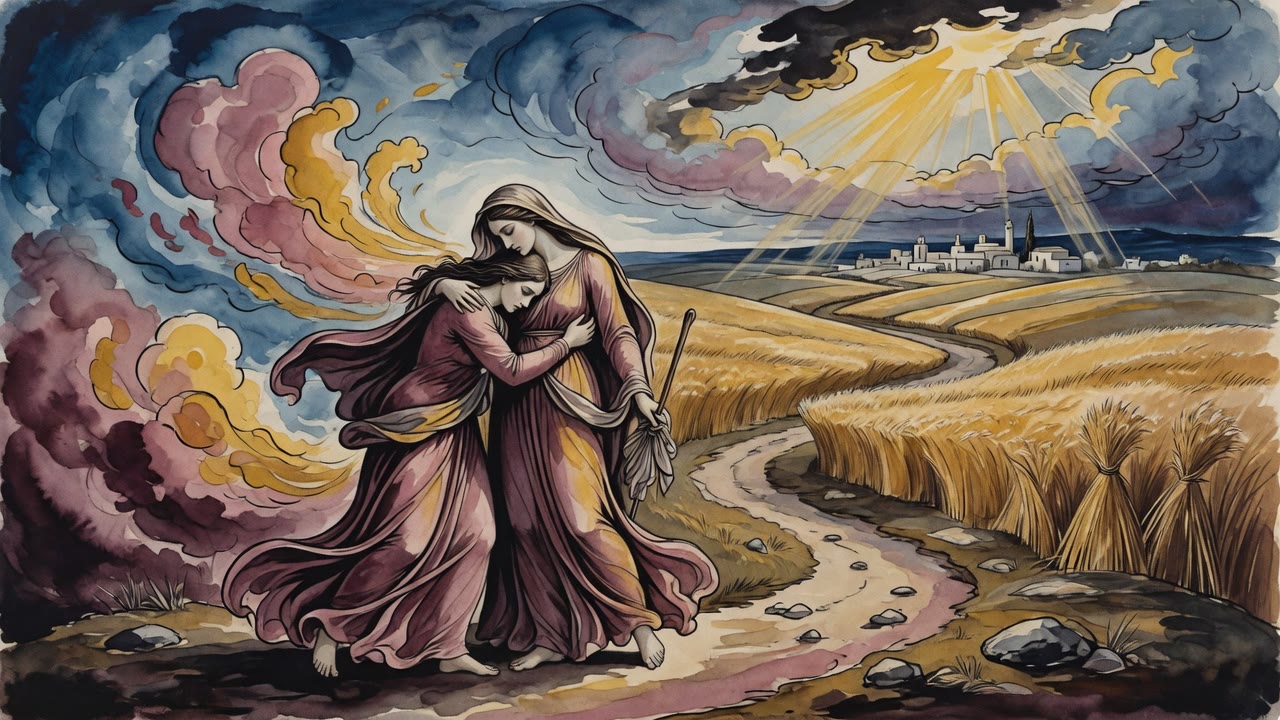
Orpah kissed her and took the road back to Moab. Ruth's hands stayed on the older woman's sleeve. Neither of them was carrying bread.
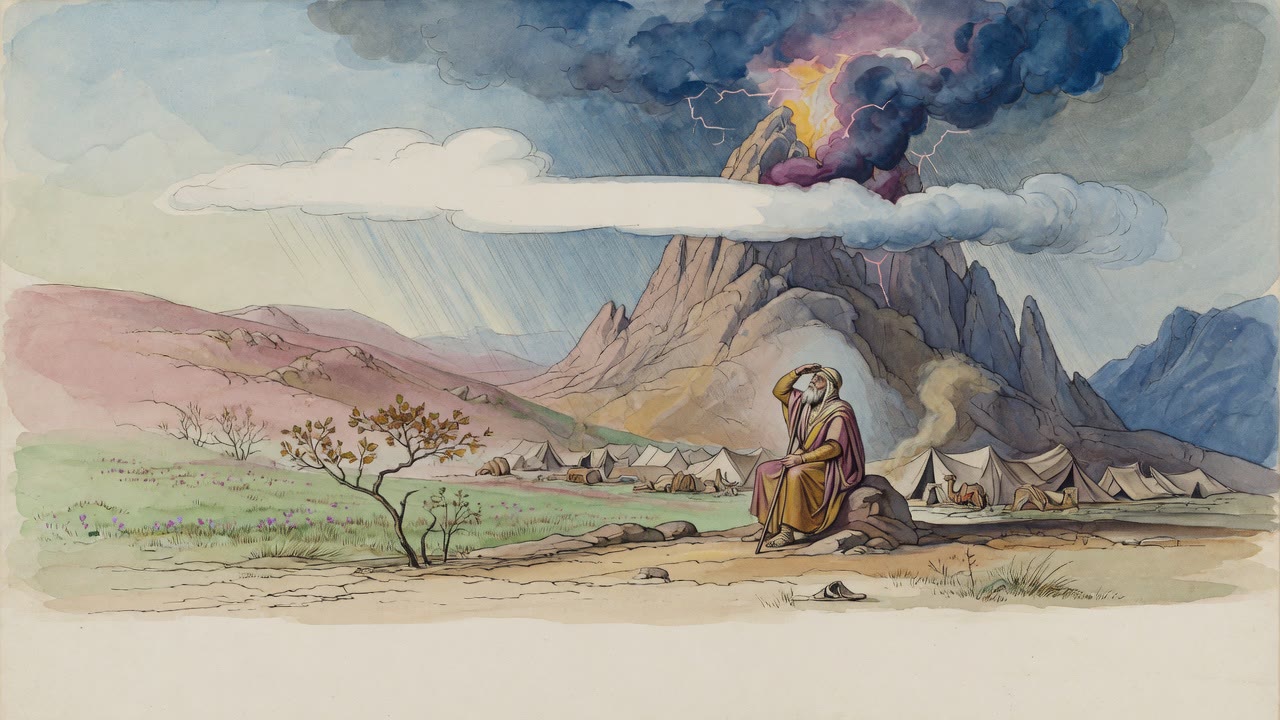
Moses vanished into the clouds of Sinai for the better part of a year. When he finally came back down, his father-in-law was still there waiting.
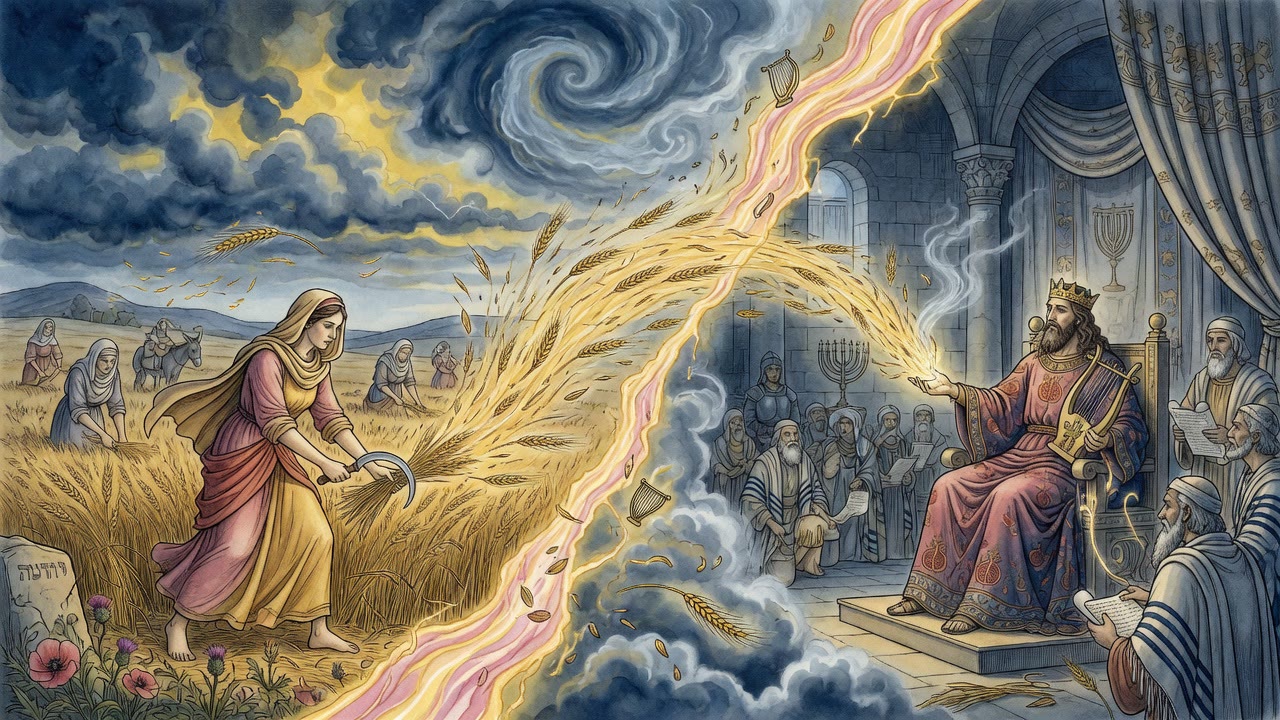
King David had every reason to claim noble blood. Instead he traced his lineage to Ruth the convert and called himself a slave purchased from outside the house.
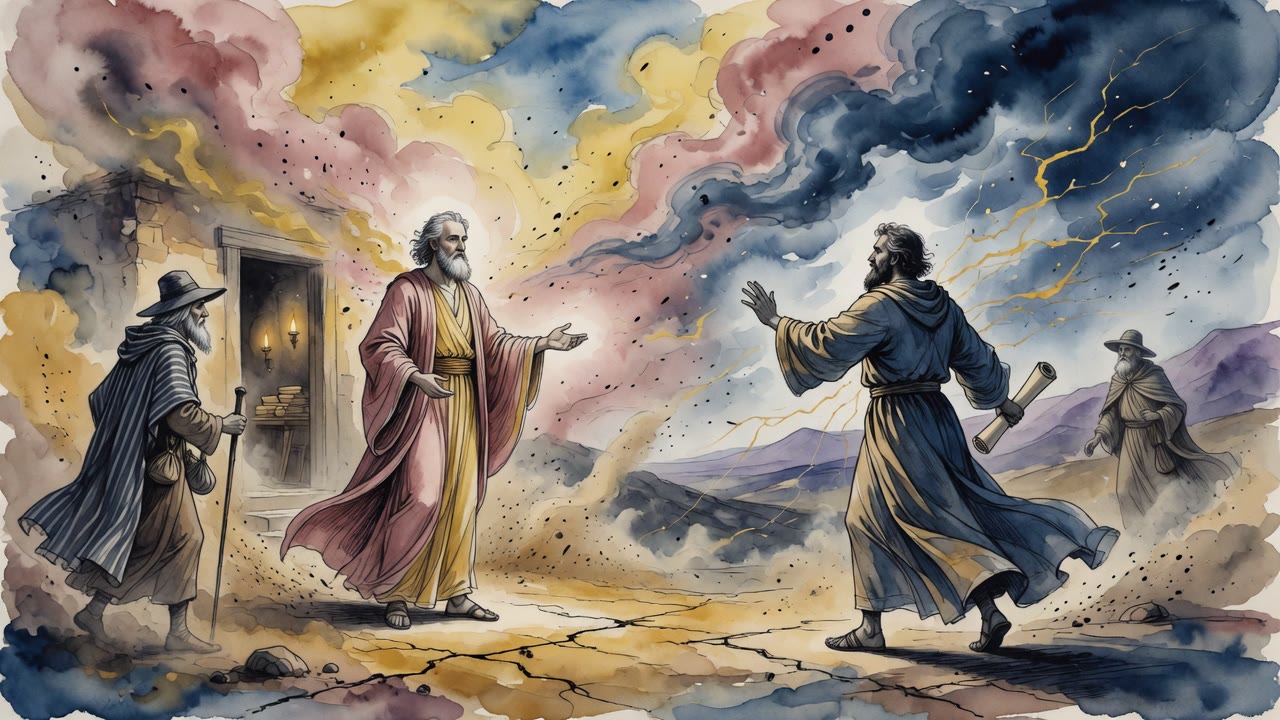
A man bet four hundred zuz he could make Hillel angry. On Shabbat eve Hillel wrapped his cloak and still called him my son.
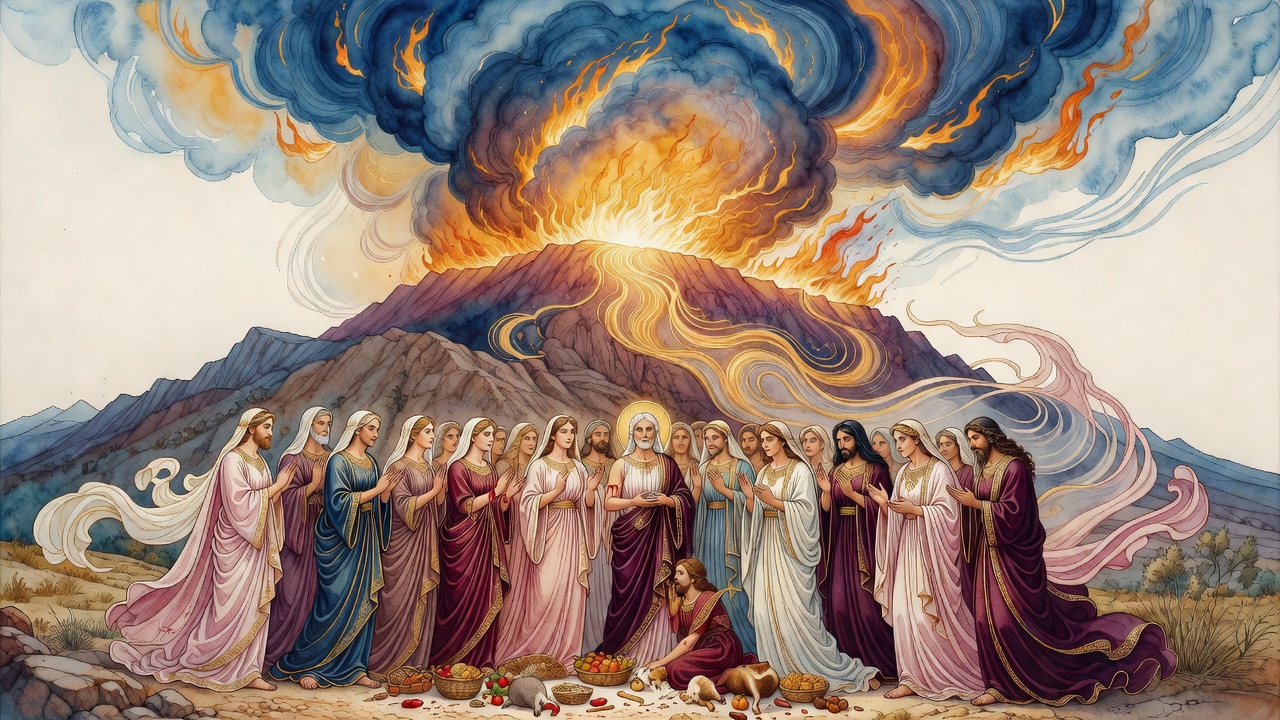
For two days the camp washed and beat its clothes clean. Some of the gold they wore came from Egypt, the rest from the sea after Pharaoh's army drowned.

The kings of the earth asked Balaam whether another flood was coming. He told them no, and every one of them went home relieved.
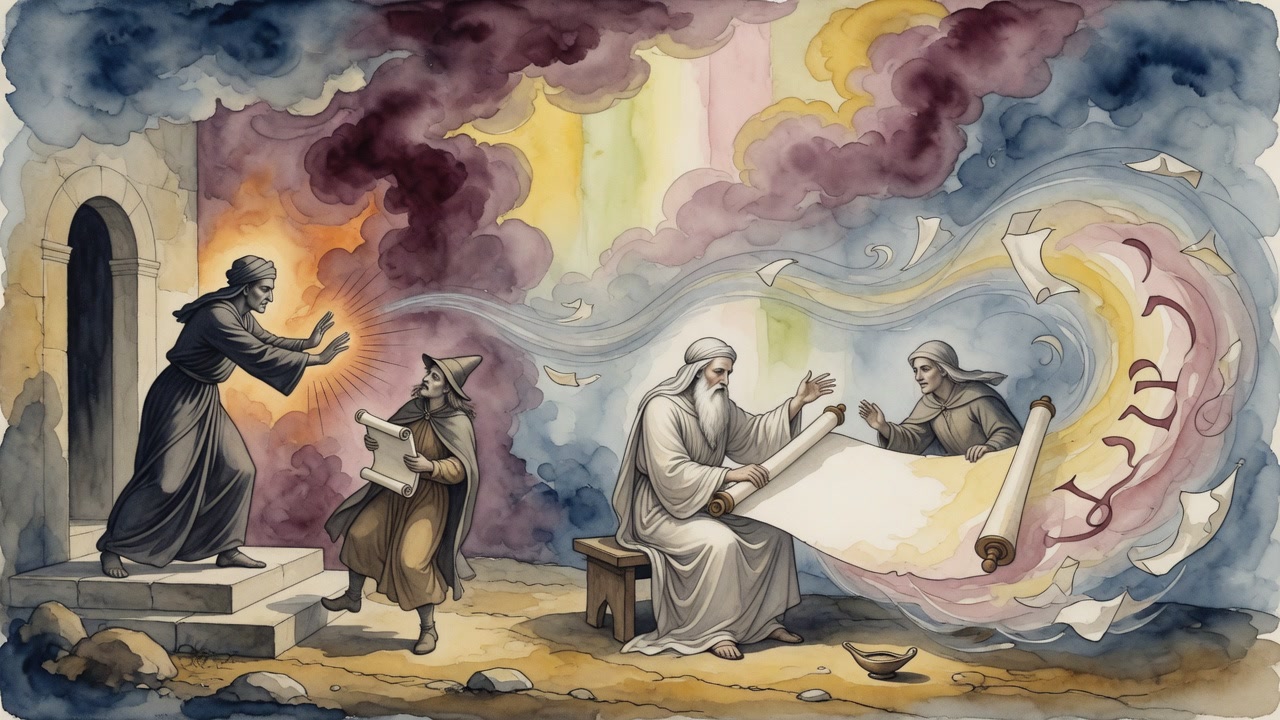
A non-Jew demanded the whole Torah in one lesson. Shammai refused. Hillel accepted and then reversed the alphabet to win the argument.
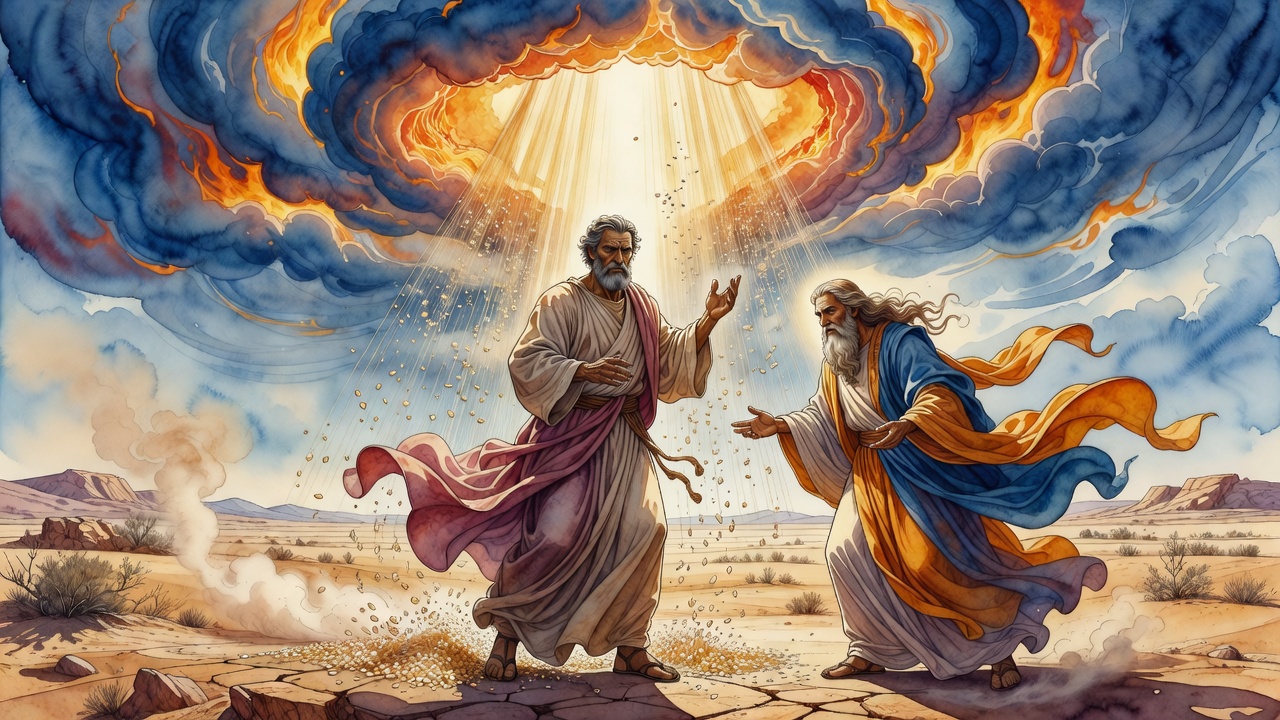
Moses called him the apple of Israel's eye and offered him a share in the land. Jethro tied his bags for Midian while manna still stuck to his sleeves.
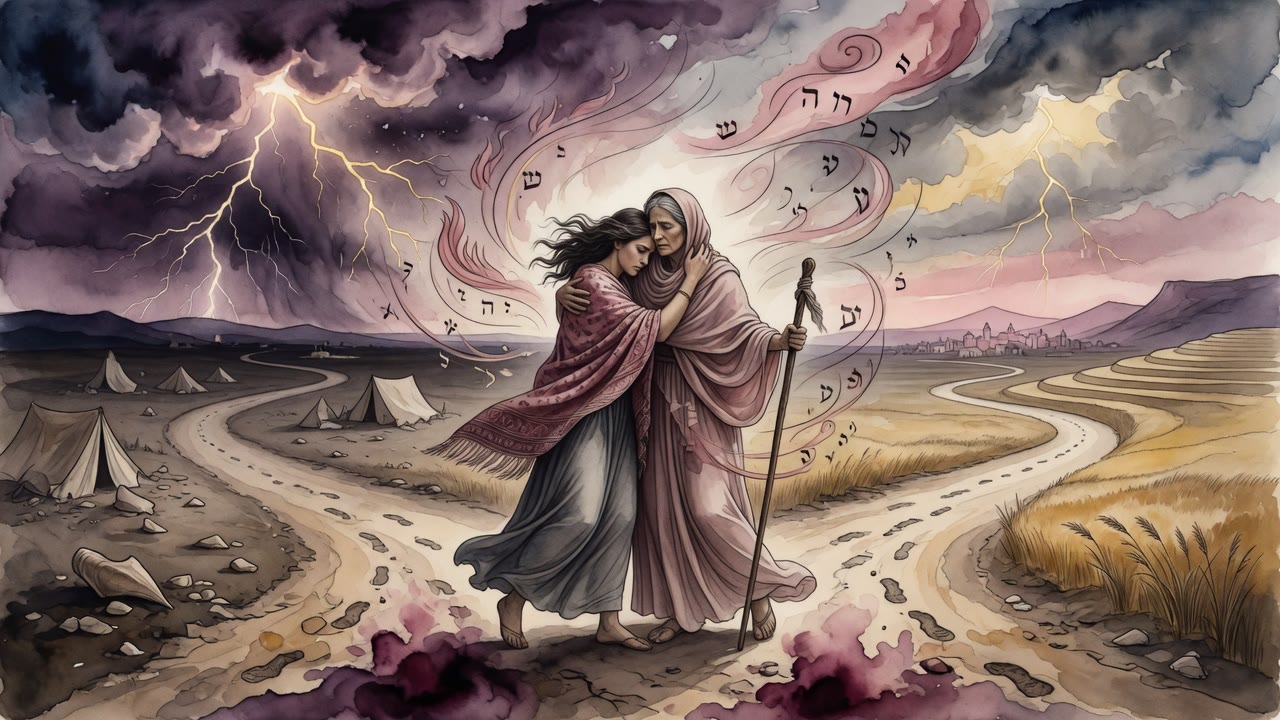
Ruth gleaned only two stalks at a time even when starving. Boaz watched her restrain herself and understood that he was looking at something extraordinary.
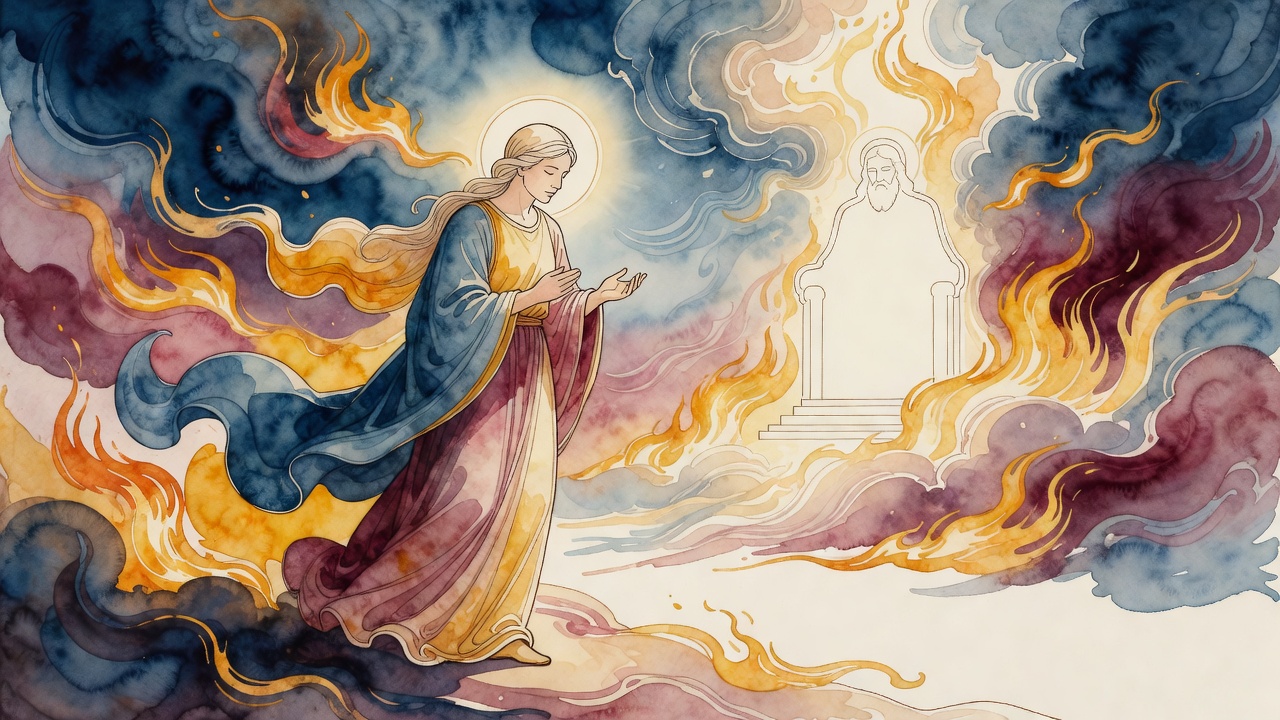
She was ten years old when the sea split and fifty when she asked to be let in. In between she ran a house on the wall of Jericho.
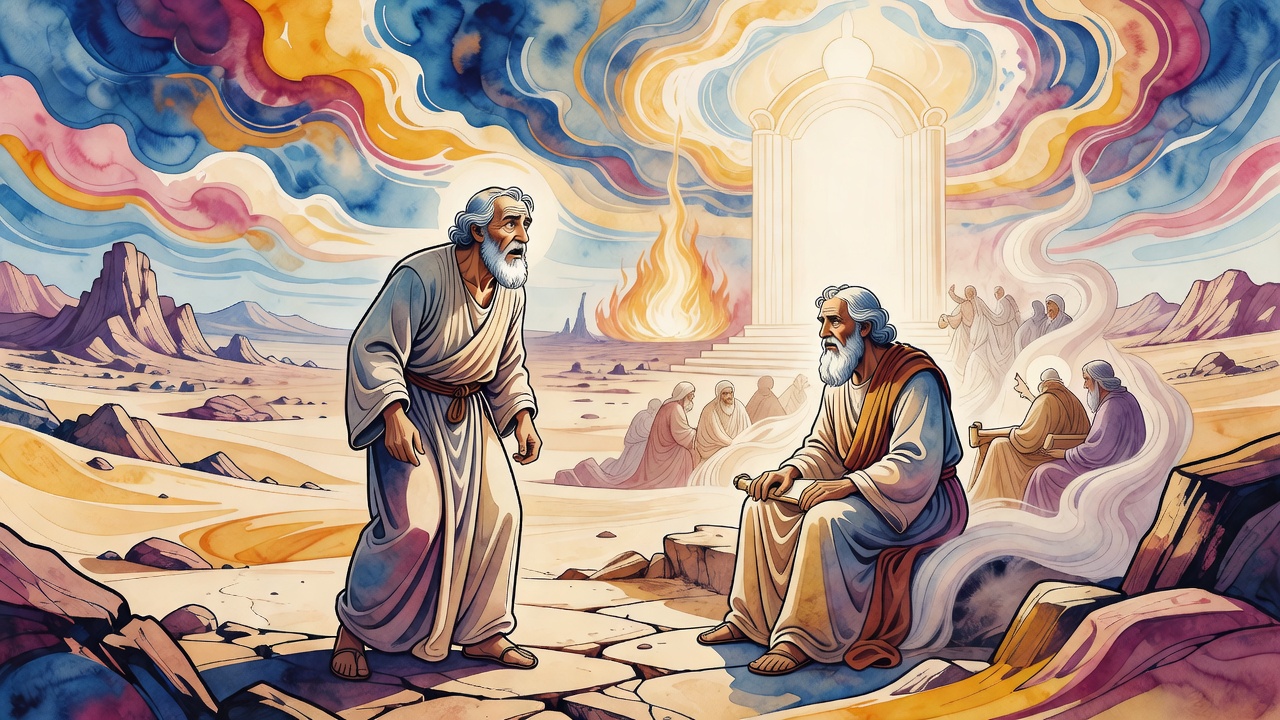
Jethro had already paid for leaving his own gods before he arrived in the wilderness, and what he saw when he watched Moses judge all day frightened him.
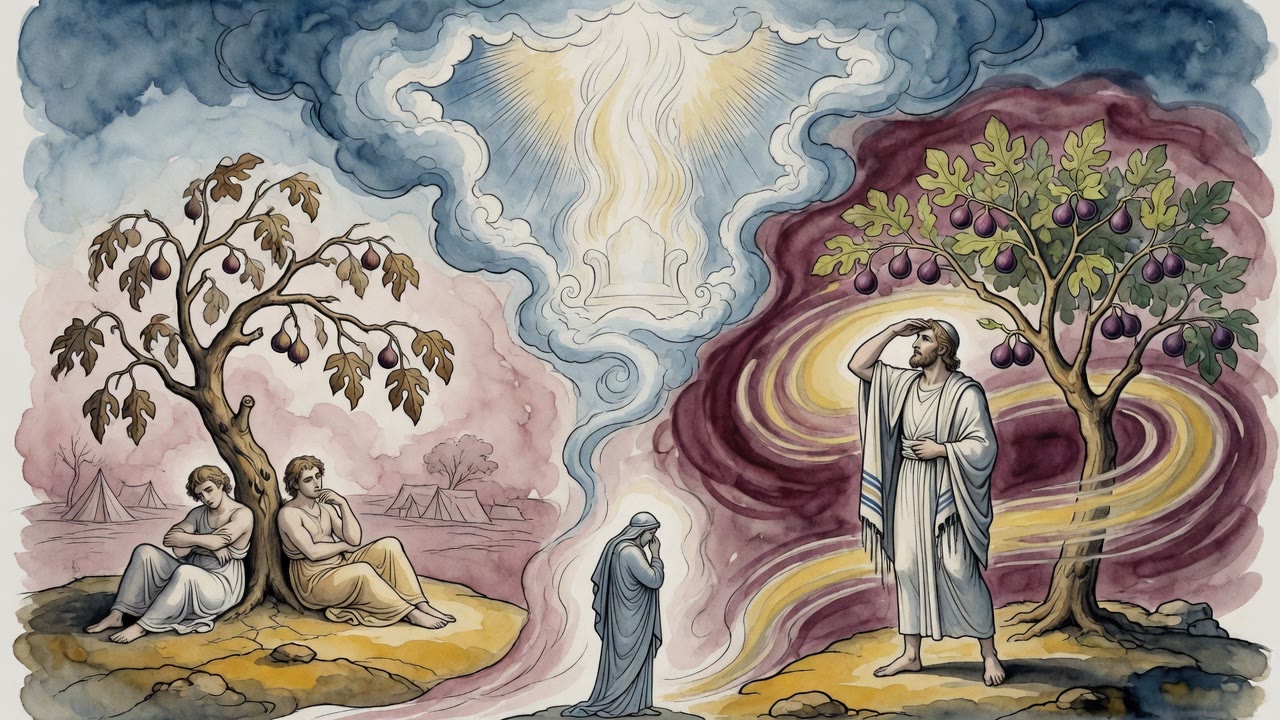
A skeptic demanded the whole Torah on one foot. Hillel gave him a single sentence, then added three words that turned the summary into an obligation.
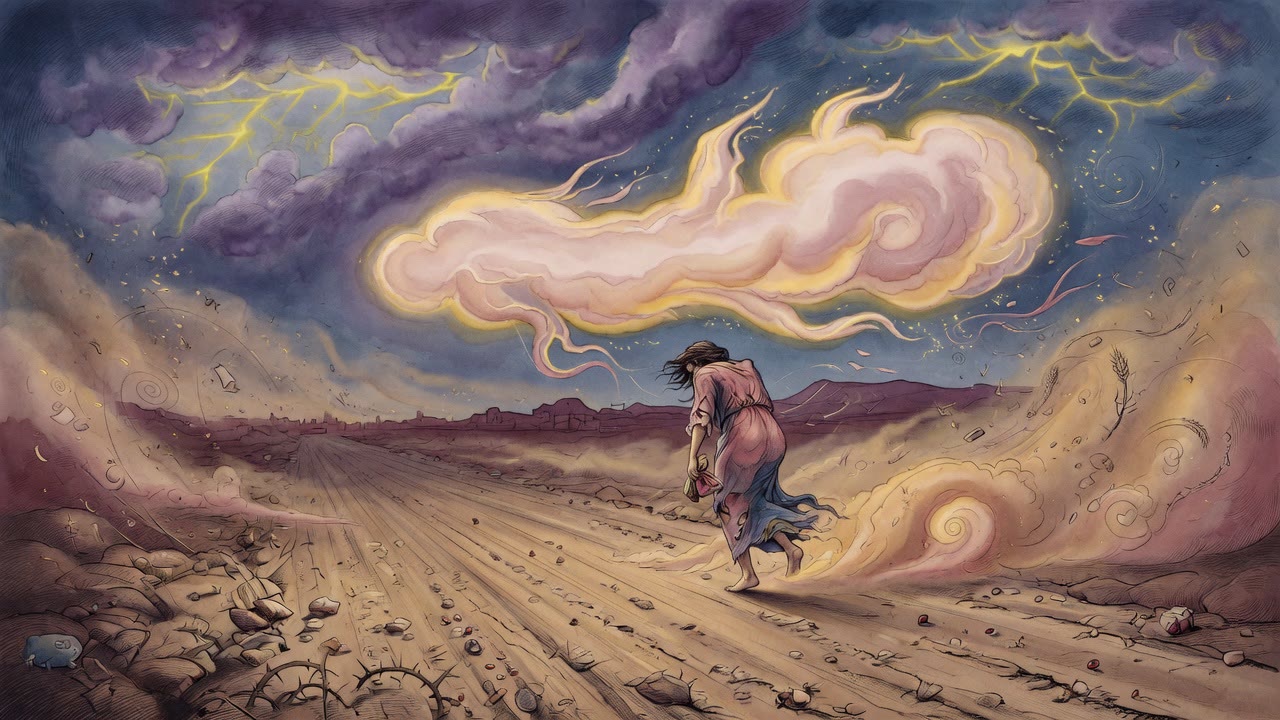
Naomi told her three times to go back to Moab. Ruth stood on the road and would not take a step toward her mother's house.
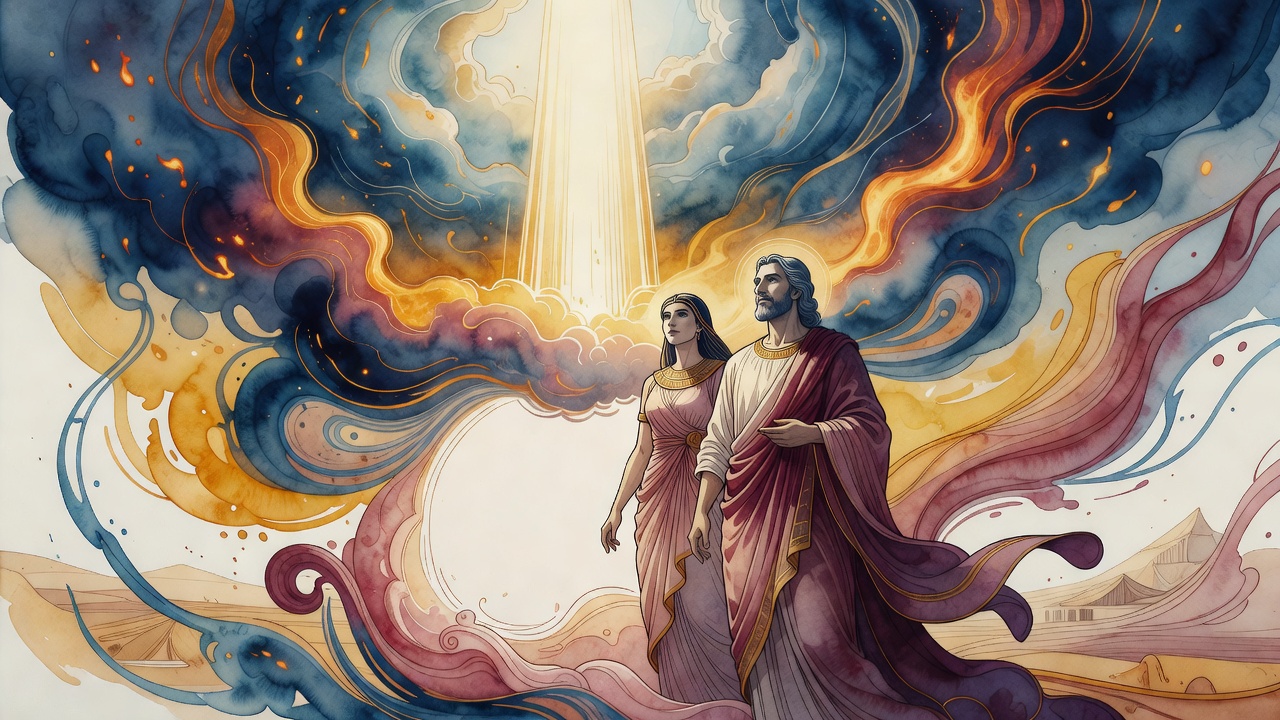
Jacob engraved the child's whole history on a gold plate and hung it around her neck. Then he left her at the border of Egypt for somebody else to find.
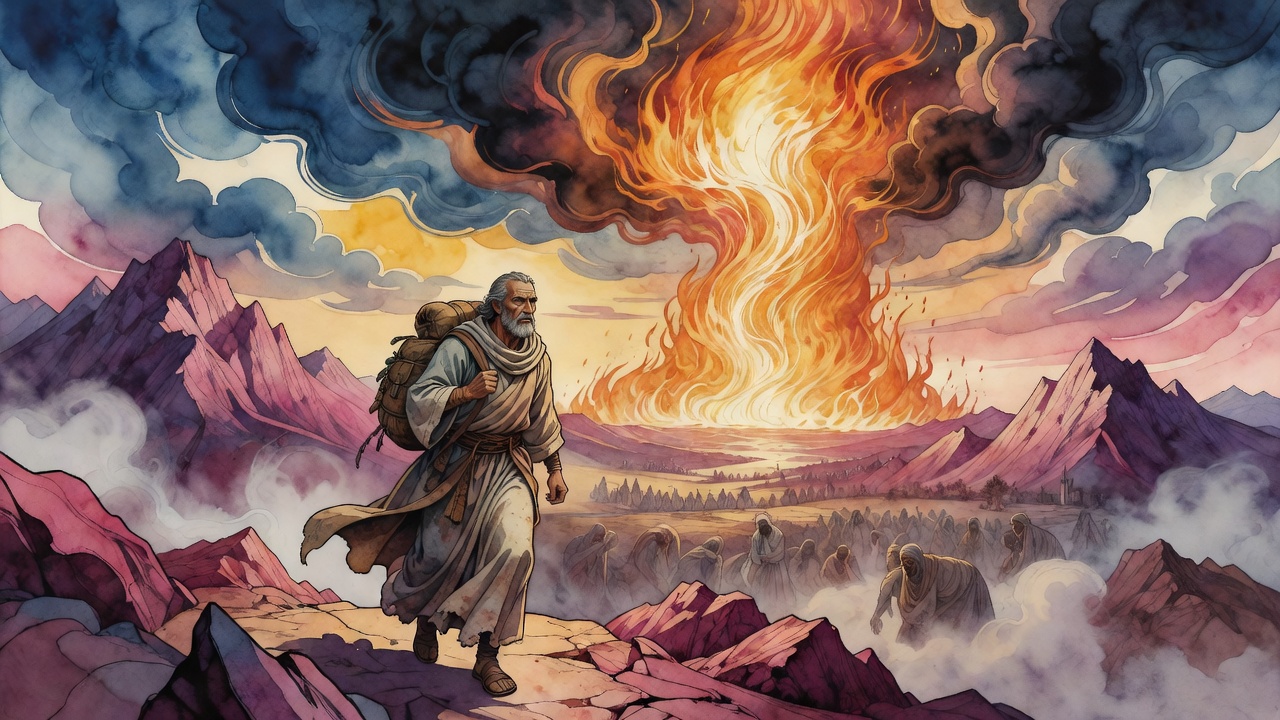
Every nation heard about the Exodus and trembled. Jethro heard it and packed up and walked toward it. The Midrash says that difference was everything.
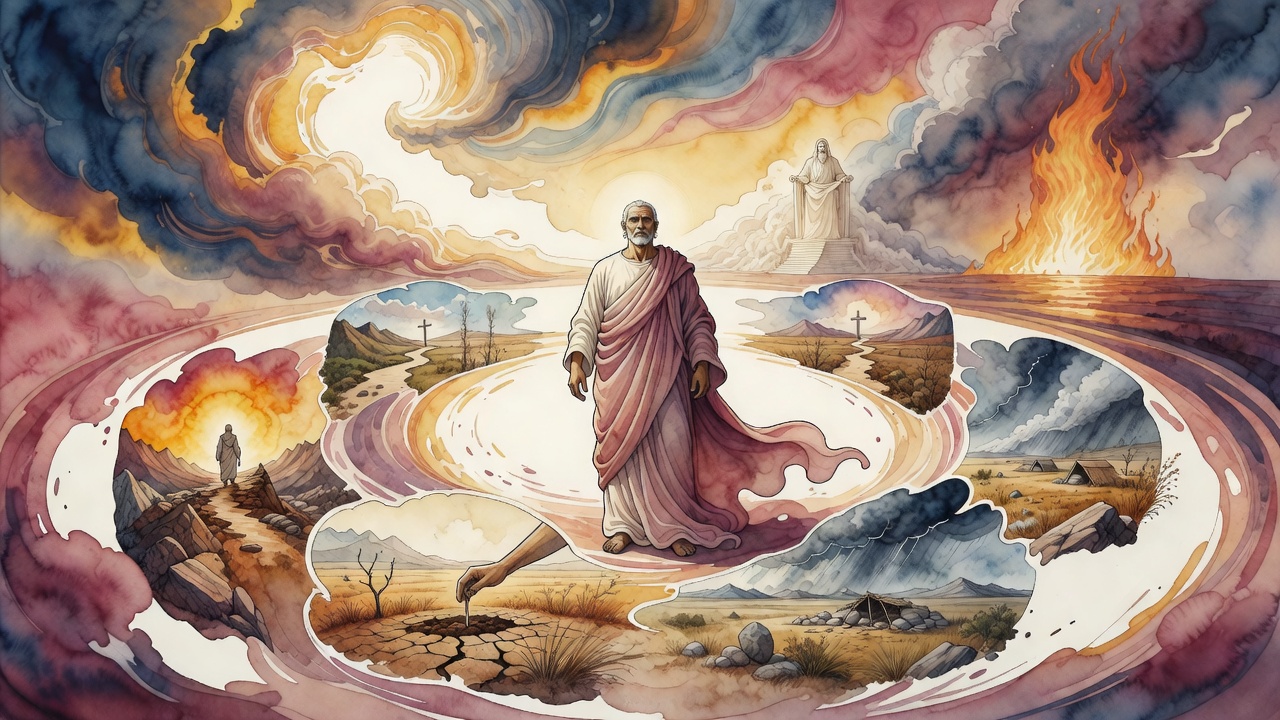
Most people with seven names are hiding something. Each of Jethro's seven names recorded a different act of choosing the harder right thing.
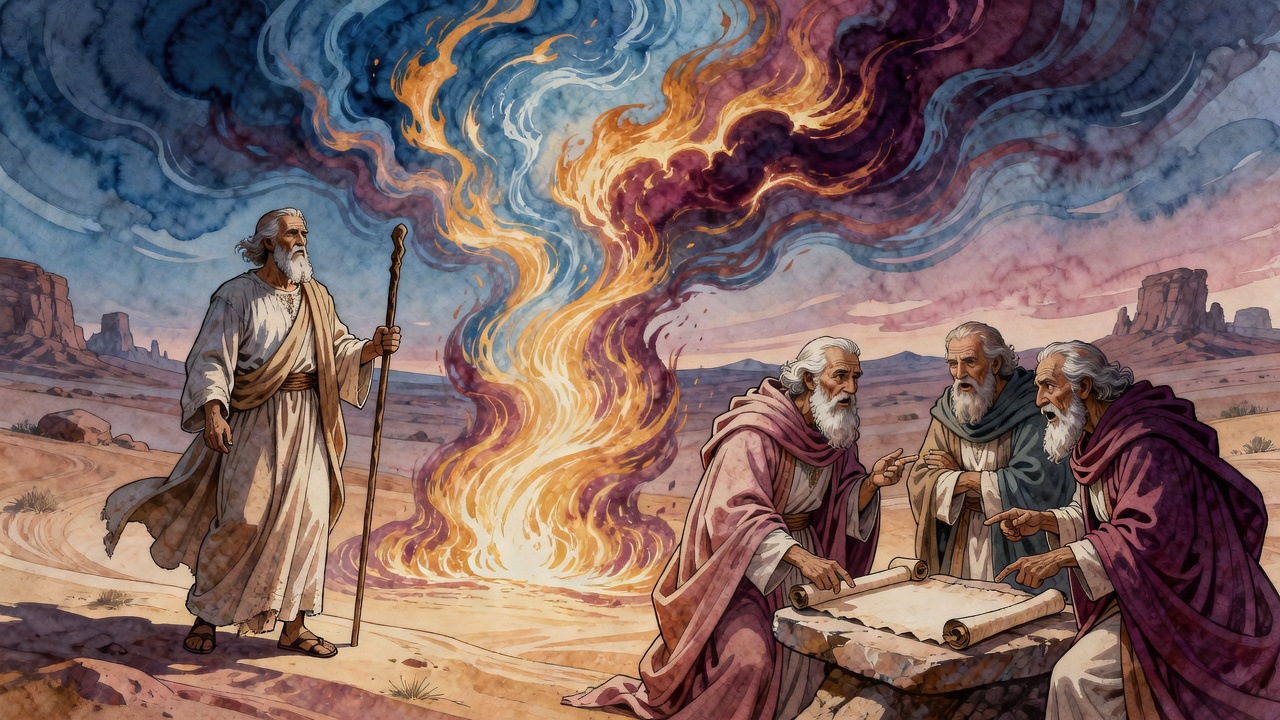
Jethro sent word ahead before he arrived. God told Moses to go out and meet him. Three sages disagreed about what Jethro's message actually said.
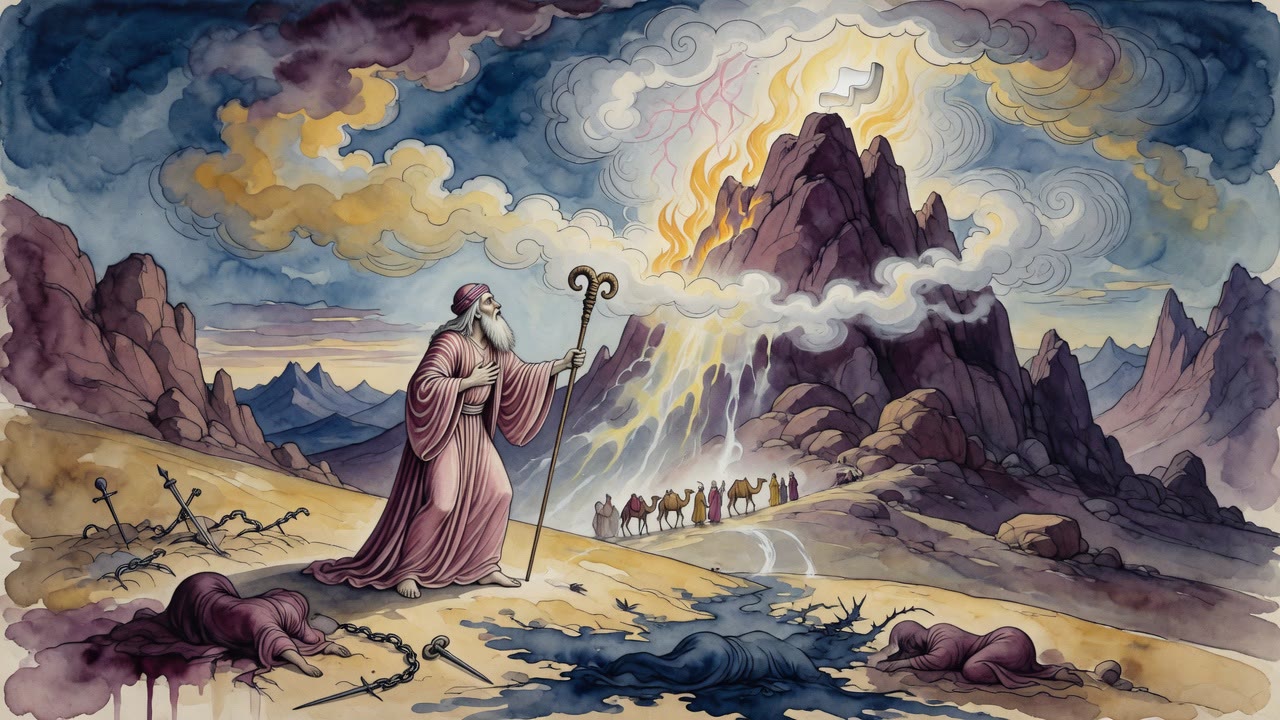
Jethro heard what God had done for Israel and came. Midrash Tanchuma opens with a verse about the wicked and the dead, and reshapes what conversion means.
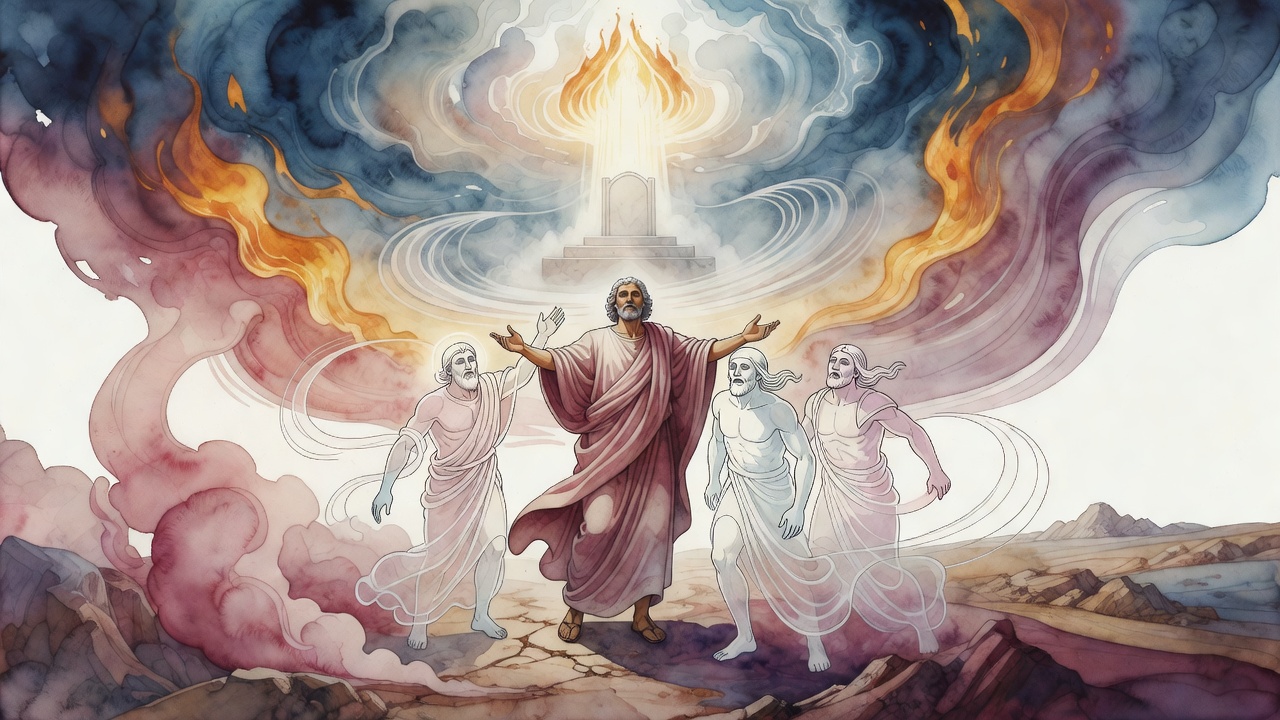
The emperor's nephew called Titus and Balaam up from the dead. He asked which nation is honored in the world to come. Both enemies said the Jews.
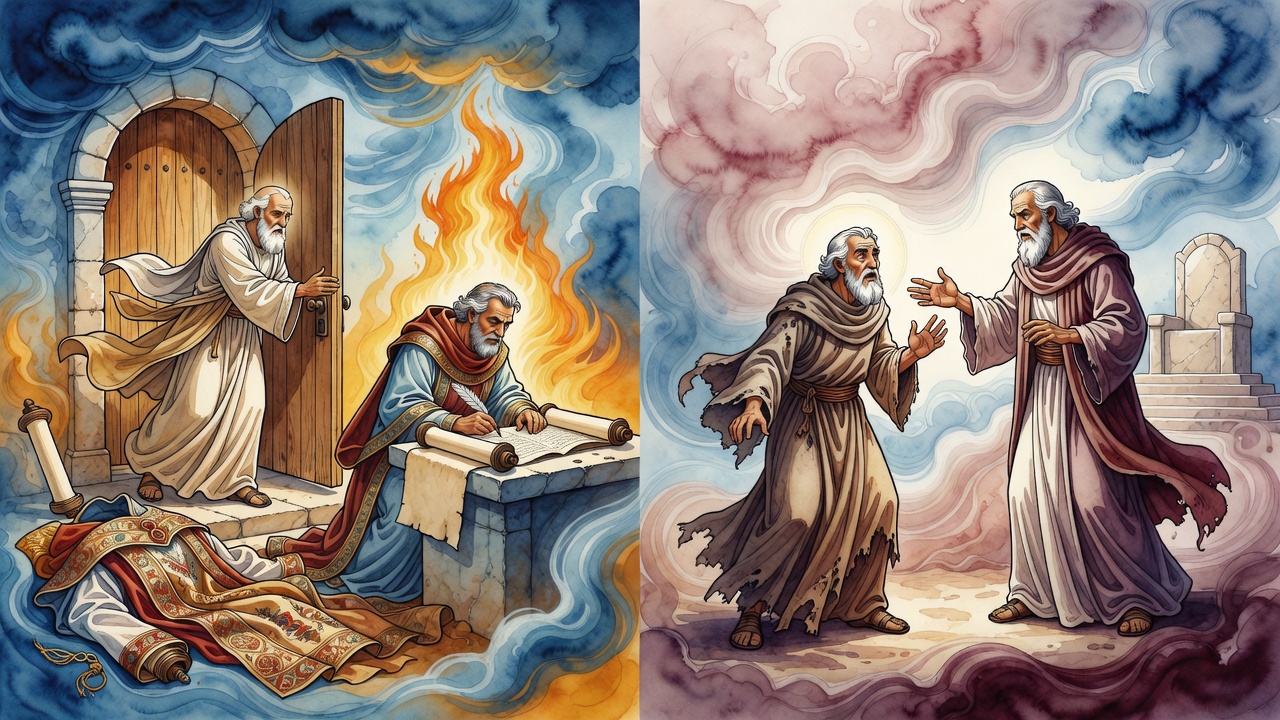
A man who wanted the High Priest's garments became a Torah scholar under Hillel. A robber who became a sage was destroyed by one sentence from his teacher.
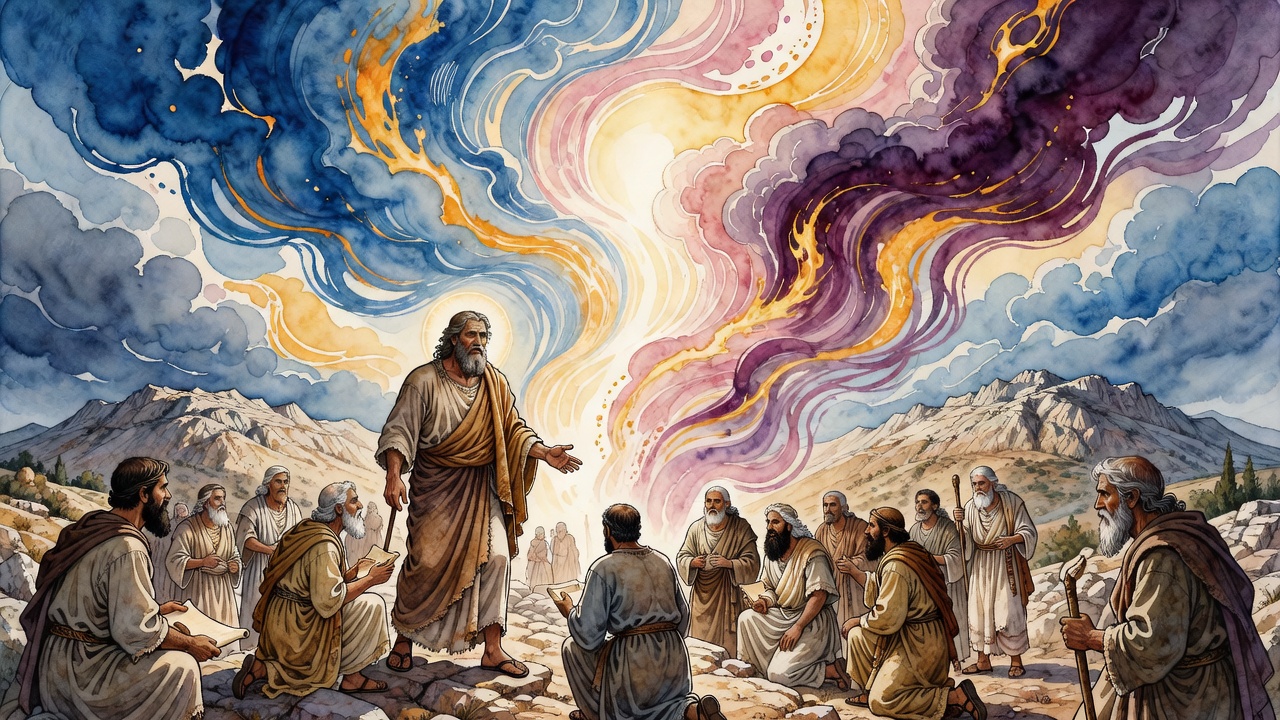
Araunah offered the threshing floor for nothing. David would not put a free gift on the altar. He went to the tribes with an empty bag.
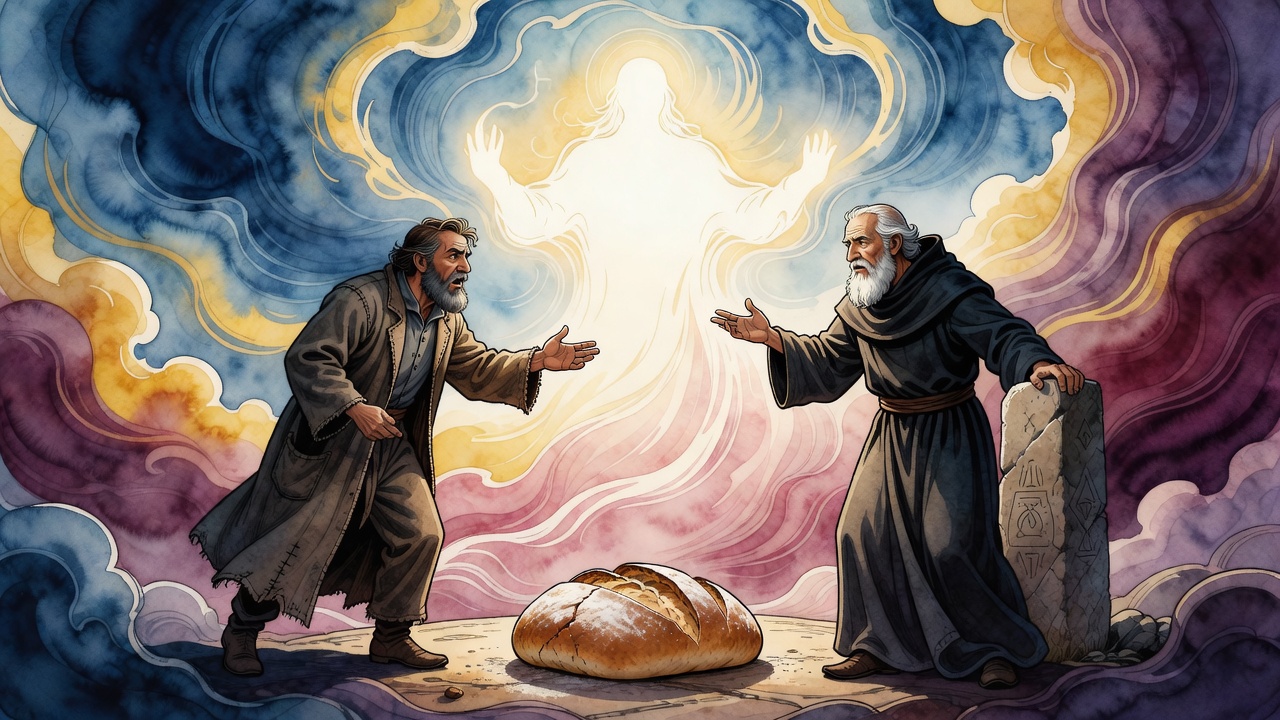
Akilas wanted more than food and a coat for crossing over. Rabbi Eliezer threw Jacob's cold night on a stone at him.
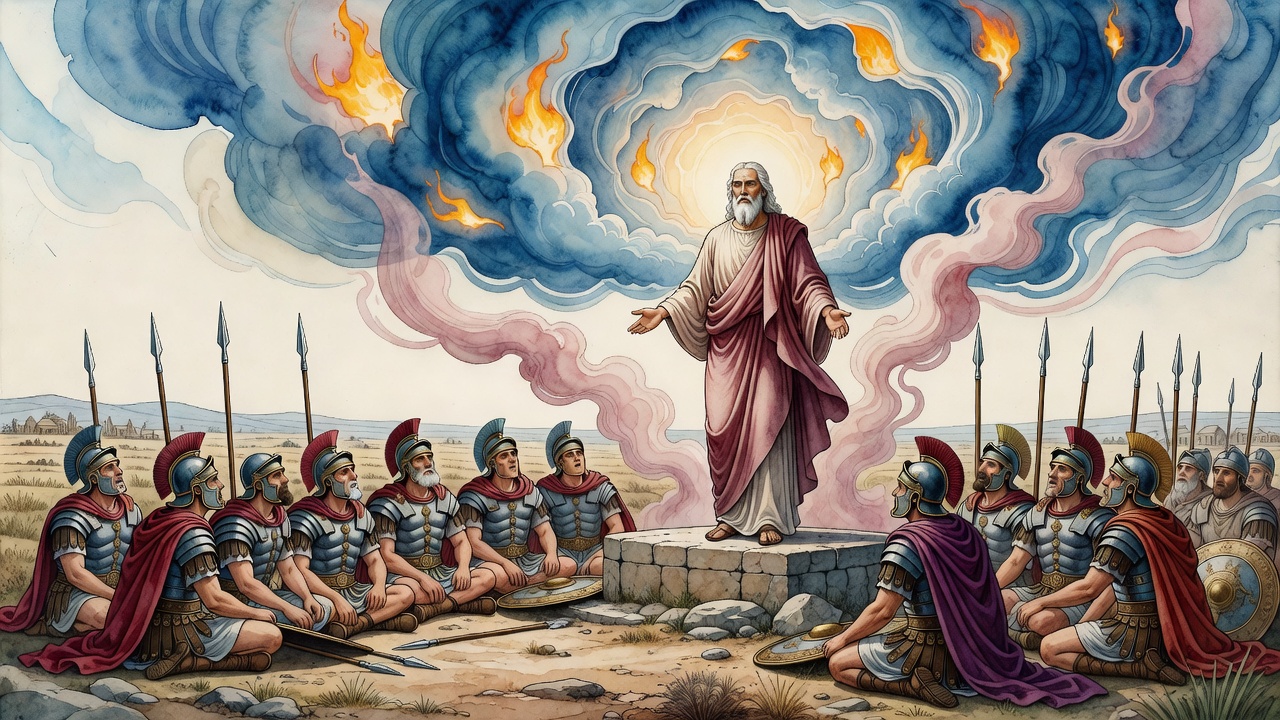
The first cohort came for chains. They sat at his table and never marched home. Rome sent a second company anyway.
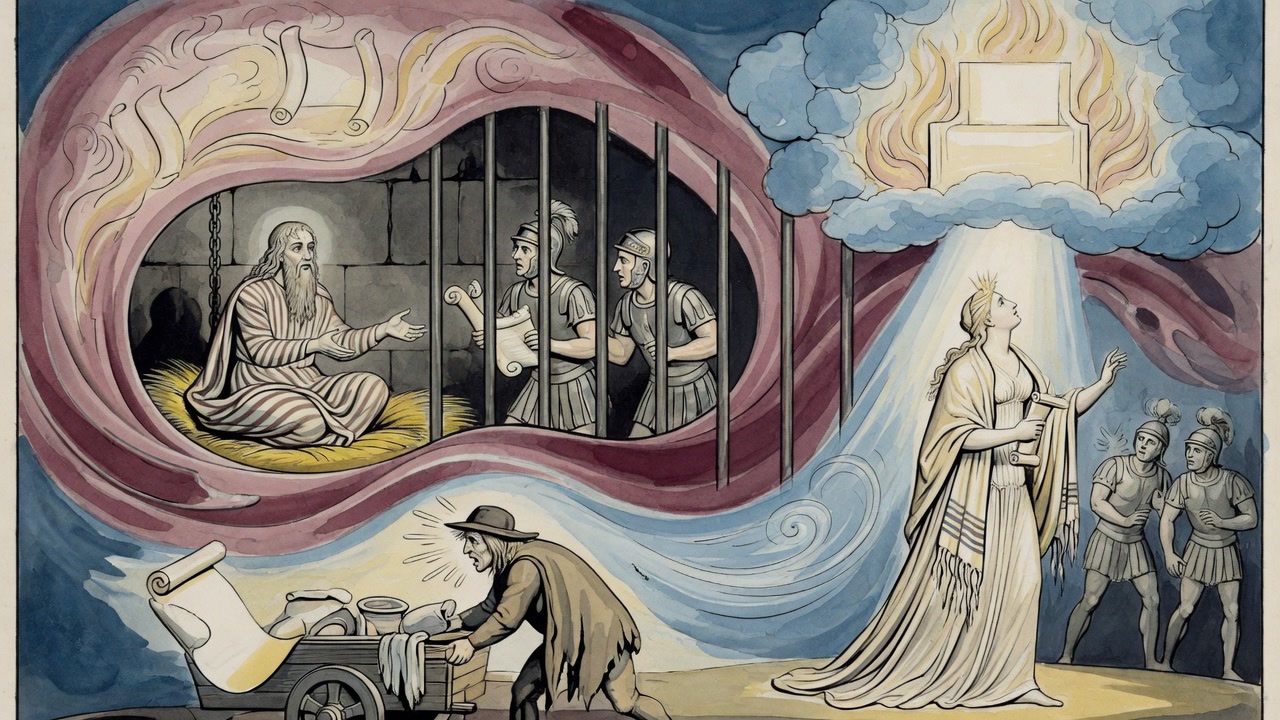
She came into the cell to break the old man on the floor. He kept the fasts the prison could not stop. She left belonging to his God.
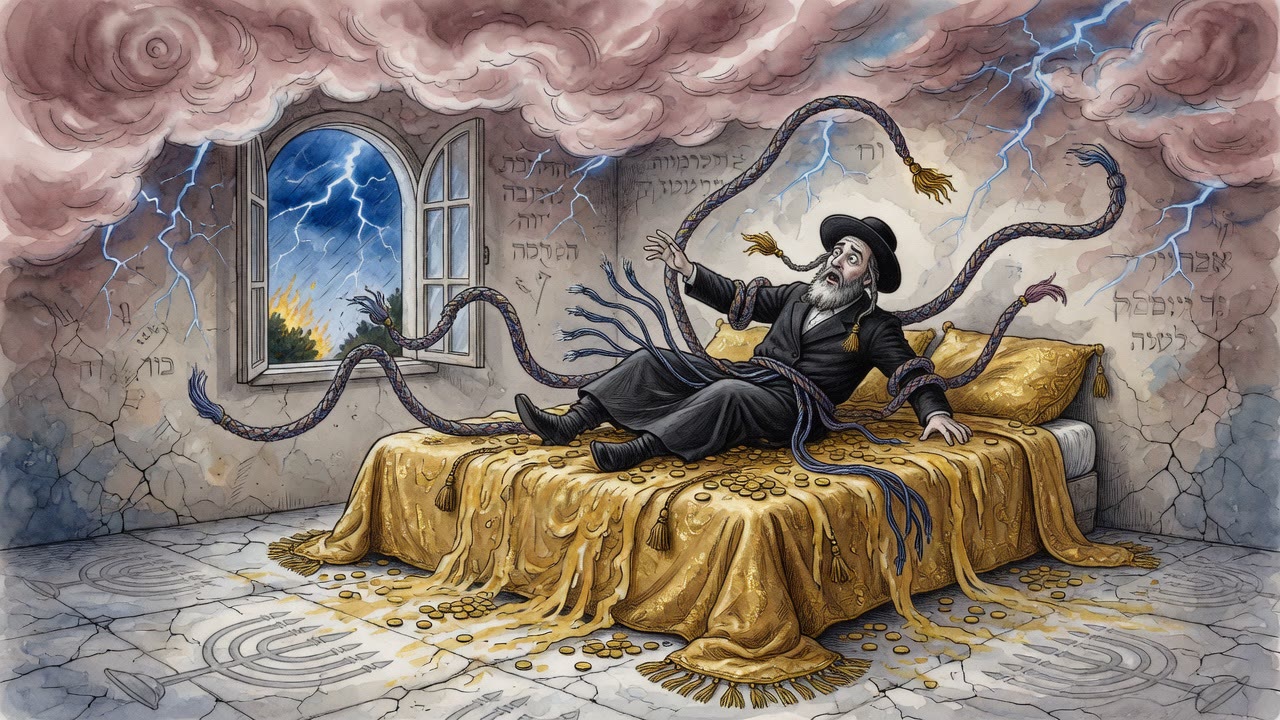
He paid four hundred coins and crossed the sea for one forbidden night, then his own fringes rose up and slapped him off the bed.
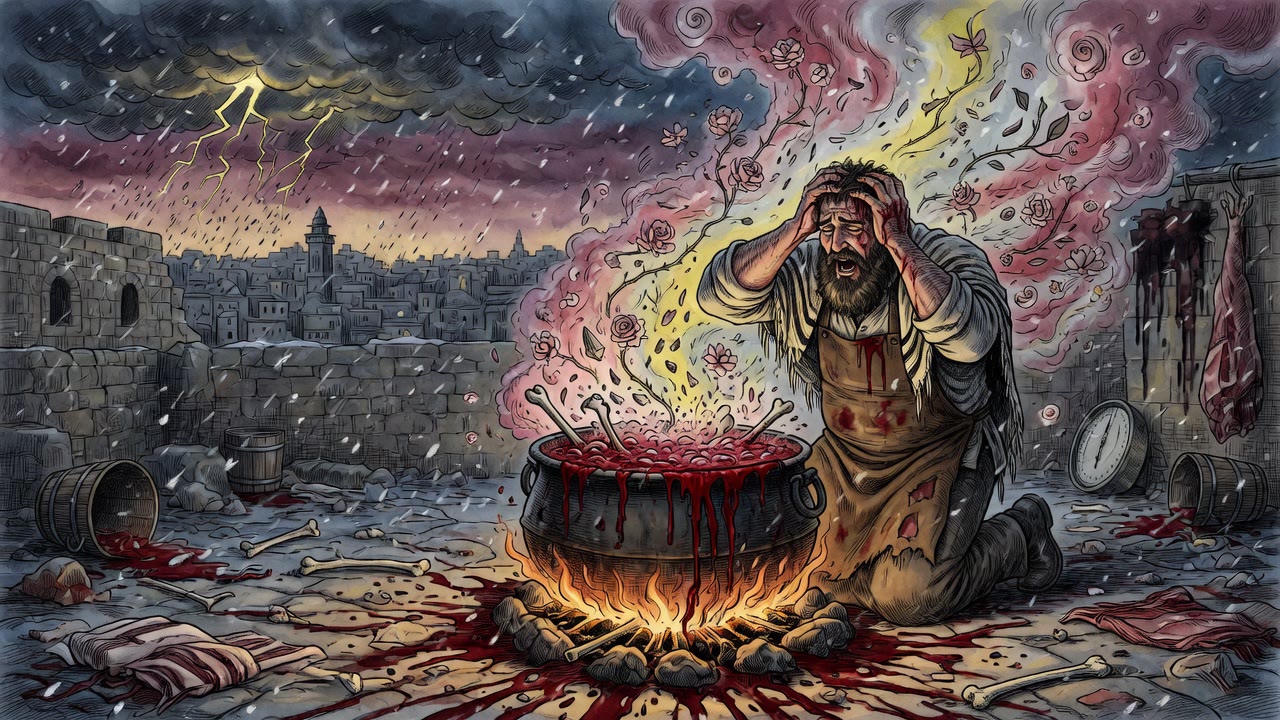
The priests said it was sacrificial blood. Nebuzaradan slaughtered animals on the spot to compare. Theirs lay flat and dead. The other pool kept boiling.
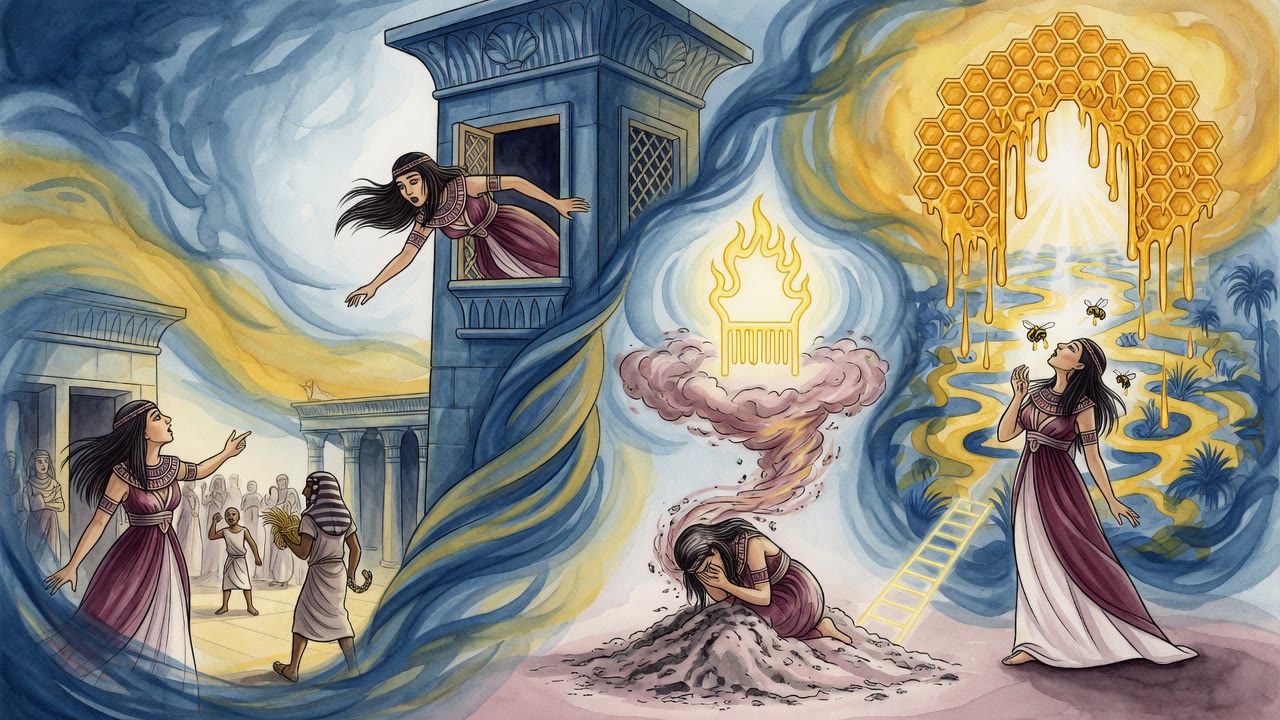
Potiphar's daughter mocks the slave Joseph, then sees him from her tower and falls. Seven days in ash, an angel, and paradise honey remake her.
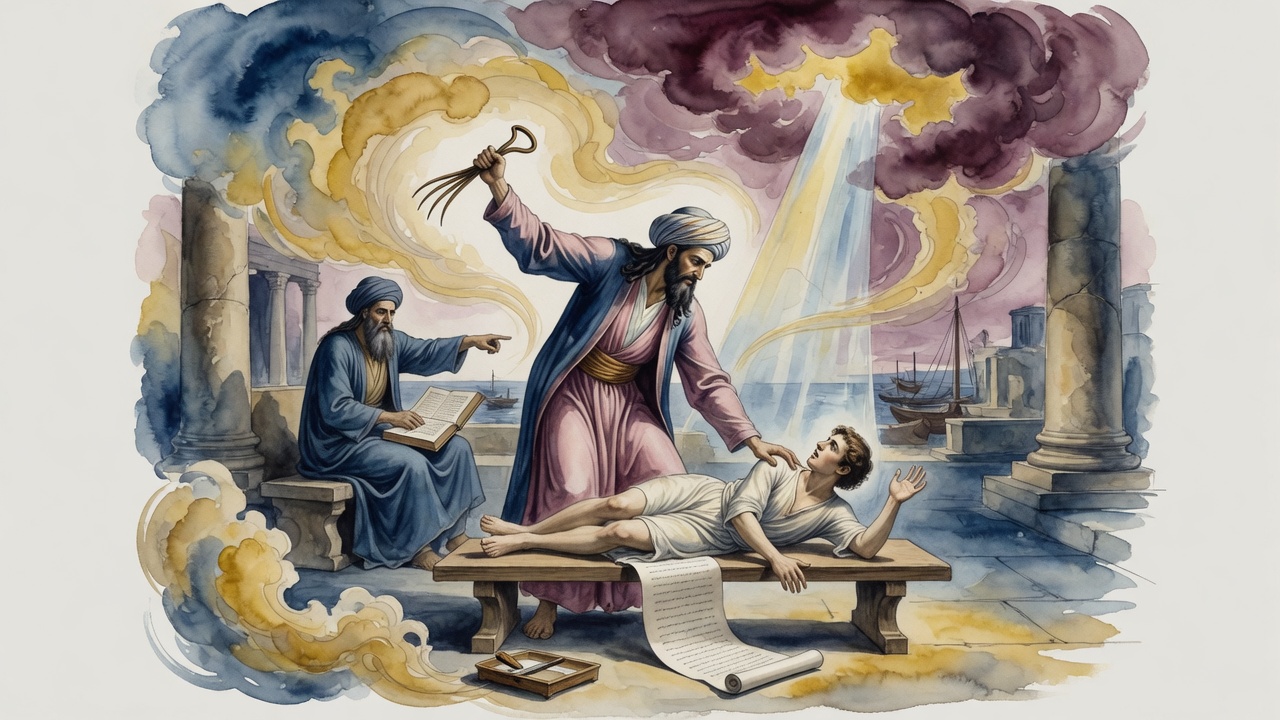
The court in Tyre had a whip on the bench. Jacob of Kefar Nibburaya still thought a pedigree verse could open the Sabbath.
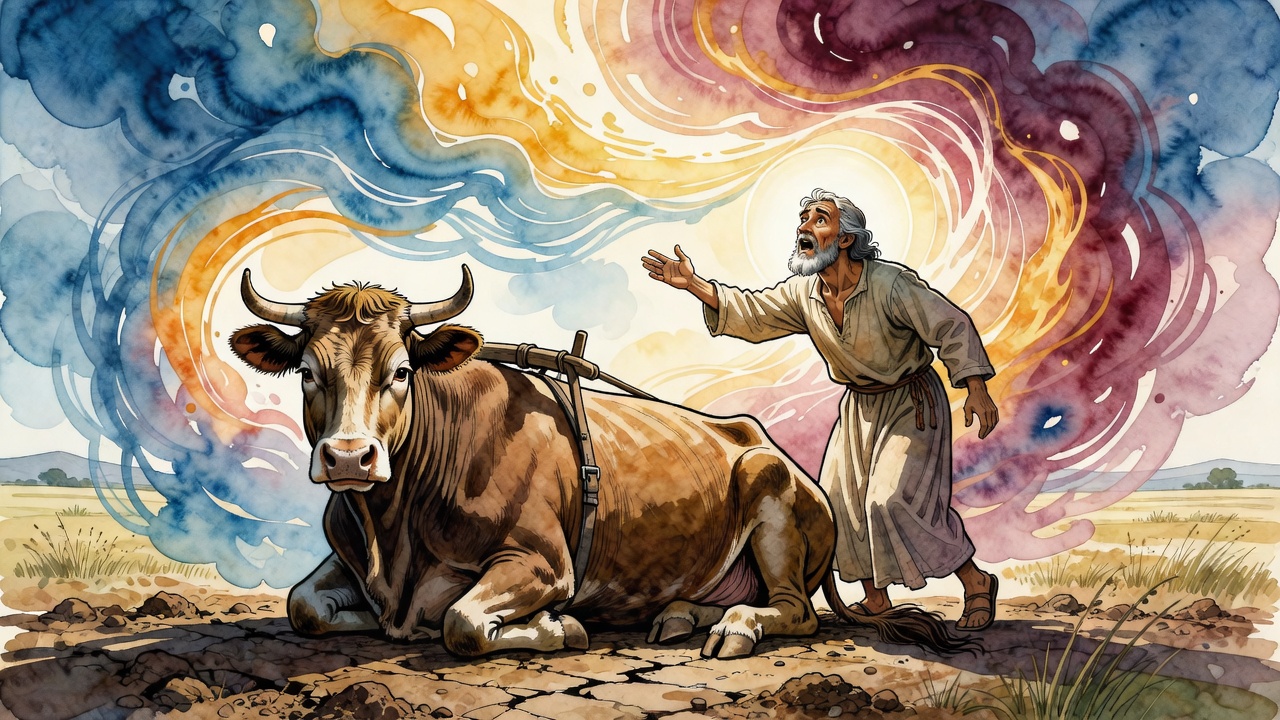
The new owner struck her and she would not rise. He struck again. Dust settled on the unused plowshare. Birds came down on the quiet dirt.
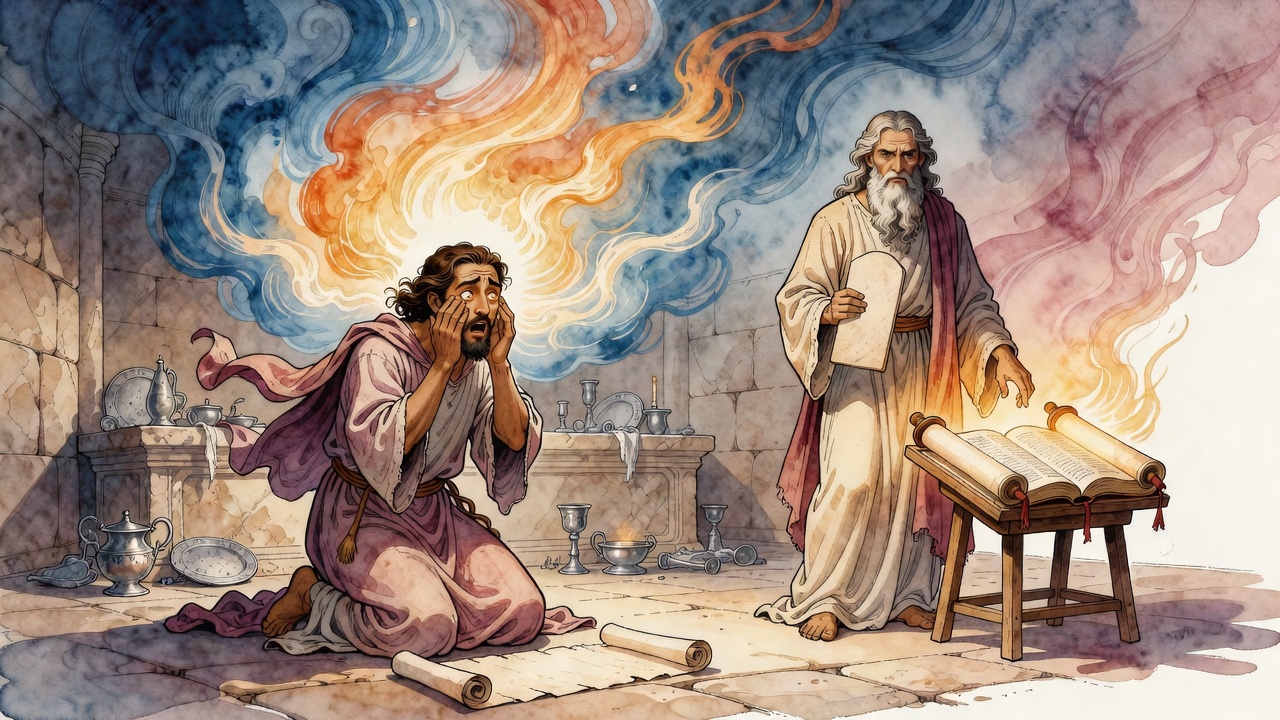
Men left money with him for safekeeping because he held a religious office. He spent it and woke up blind. His fellow priests blamed the idol.
