Conversion

174 texts · Page 2 of 4

The tradition of welcoming converts to Judaism, from Ruth the Moabite to the teachings of the sages on righteous proselytes.

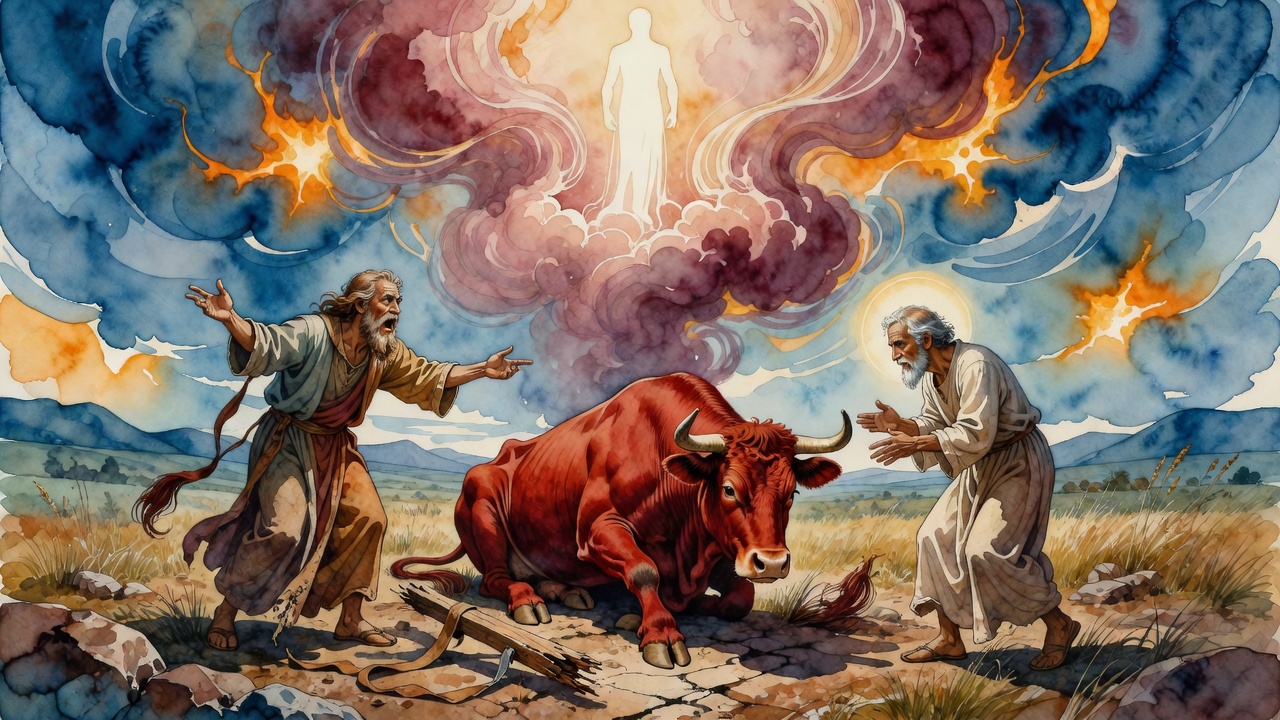
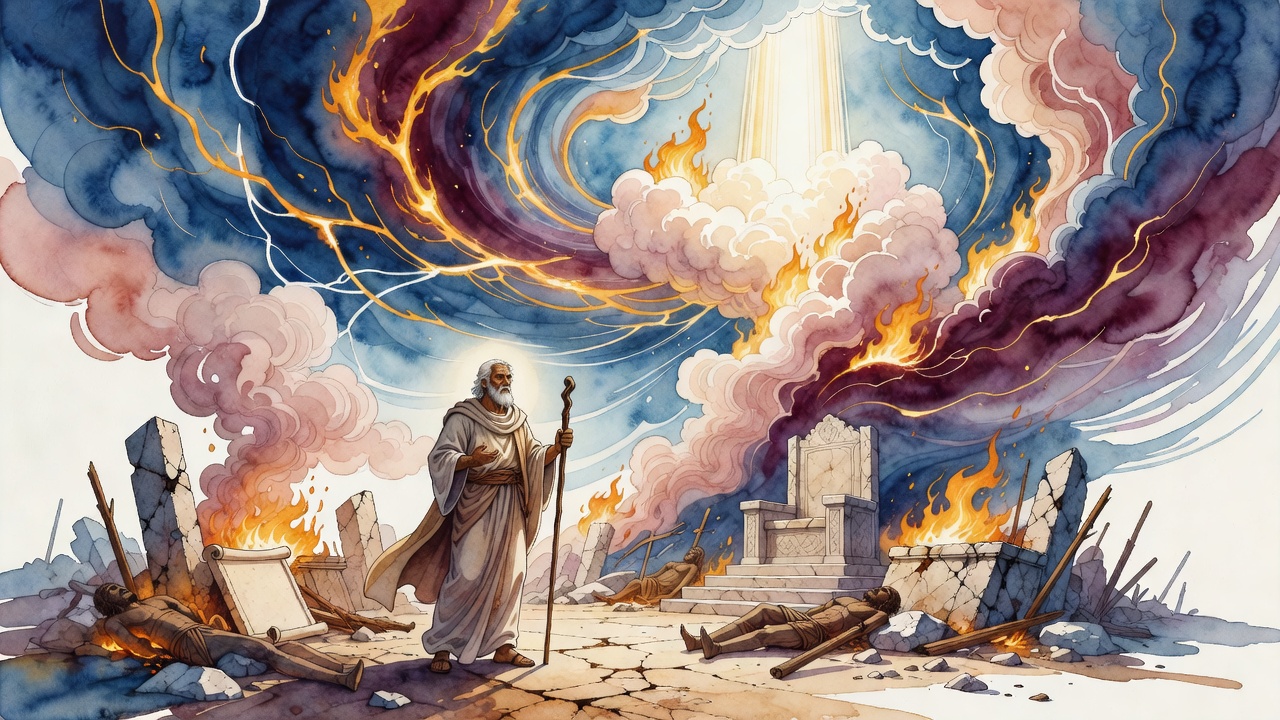
God Struck Egypt's Firstborn Personally, Not Through Any Angel

Mekhilta DeRabbi Yishmael Mekhilta DeRabbi Yishmael

The night of the tenth plague was unlike anything Egypt had ever witnessed. Every firstborn in the land — from the heir of Pharaoh sitting on his throne to the firstborn of the cap...

19) "whether he be a proselyte or a citizen of the land"

Mekhilta DeRabbi Yishmael Mekhilta DeRabbi Yishmael

The Torah specifies in (Exodus 12:19) that the laws of Passover apply to both "the proselyte and the citizen of the land." The Mekhilta explains why this explicit mention of the co...

No Stranger May Eat the Passover - Not Heretics and Not Gentiles

Mekhilta DeRabbi Yishmael Mekhilta DeRabbi Yishmael

The Torah states a blunt exclusion about the Paschal lamb: "No stranger may eat of it." The Mekhilta explains who "stranger" includes, and the answer is broader than it first appea...

Akiva says — One may not keep uncircumcised men-servants

Mekhilta DeRabbi Yishmael Mekhilta DeRabbi Yishmael

Rabbi Akiva ruled that a Jewish master may not keep uncircumcised male servants in his household. Circumcision — the sign of the covenant between God and Abraham — was required of ...

Yitzchak says — What is the intent of "toshav and sachir"

Mekhilta DeRabbi Yishmael Mekhilta DeRabbi Yishmael

Rabbi Yitzchak posed a sharp question about what appeared to be a redundant verse. The Torah states that a toshav (resident alien) and a sachir (hired worker) may not eat of the Pa...

(Exodus 12 — 48) "And if there live with you a stranger (i

Mekhilta DeRabbi Yishmael Mekhilta DeRabbi Yishmael

The Torah states: "And if there live with you a stranger, and he would offer a Pesach (Passover) to the Lord" (Exodus 12:48). The Mekhilta immediately identifies a potential misund...

Shimon says — If one became a proselyte between the two

Mekhilta DeRabbi Yishmael Mekhilta DeRabbi Yishmael

Conversion raises a tricky legal puzzle when it happens at the wrong time of year. Rabbi Shimon, quoted in the Mekhilta DeRabbi Yishmael (a halakhic midrash (rabbinic interpretive ...

Nathan says — "Let all of his males be circumcised, etc

Mekhilta DeRabbi Yishmael Mekhilta DeRabbi Yishmael

Rabbi Nathan found a specific legal scenario embedded in the verse "let all of his males be circumcised." The phrase excludes a particular case from preventing a master's participa...

It happened with Beluria the proselytess that some of her

Mekhilta DeRabbi Yishmael Mekhilta DeRabbi Yishmael

The Mekhilta preserves a remarkable legal case involving a woman named Beluria, a proselytess — a non-Jewish woman who converted to Judaism. Beluria owned several maid-servants, an...

(Exodus 12 — 49) "One Torah shall there be for the citizen, etc

Mekhilta DeRabbi Yishmael Mekhilta DeRabbi Yishmael

"One Torah shall there be for the citizen and for the stranger" (Exodus 12:49). This verse — one of the most sweeping declarations of equality in the Torah — might seem redundant. ...

An analogy — A king has two sons

Mekhilta DeRabbi Yishmael Mekhilta DeRabbi Yishmael

The Mekhilta offers a parable to explain a seeming contradiction in Jewish prayer practice. A king has two sons. He enters the younger son's room at night and says, "Wake me at sun...

Variantly — "Your right hand, O L–rd, is grand in power

Mekhilta DeRabbi Yishmael Mekhilta DeRabbi Yishmael

The Mekhilta notices something extraordinary in the Song at the Sea: the phrase "Your right hand, O Lord" appears twice in (Exodus 15:6). Why the repetition? Because the right hand...

And when Israel do His will, there is no wrath before Him, viz

Mekhilta DeRabbi Yishmael Mekhilta DeRabbi Yishmael

The Mekhilta DeRabbi Yishmael presents a teaching about the direct connection between Israel's obedience and God's wrath, expressed through two contrasting verses that form a perfe...

(17 — 2) "And the people quarreled with Moses" — They

Mekhilta DeRabbi Yishmael Mekhilta DeRabbi Yishmael

When the Torah says "the people quarreled with Moses" (Exodus 17:2), it sounds like a straightforward complaint. But the Mekhilta sees something far worse. Israel "transcended the ...

And the sound of the shofar, very strong" — as in (Ibid

Mekhilta DeRabbi Yishmael Mekhilta DeRabbi Yishmael

"And the sound of the shofar, very strong" (Exodus 19:16) — the Mekhilta connects this to a later verse (Exodus 19:19): "And the sound of the shofar grew exceedingly strong." Toget...

and your sojourner in your gates" — This is a ger tzedek (a

Mekhilta DeRabbi Yishmael Mekhilta DeRabbi Yishmael

The Mekhilta DeRabbi Yishmael turns to the phrase "and your sojourner in your gates" from the Shabbat (the Sabbath) commandment and asks: which type of sojourner is meant? Jewish l...

Eliezer says — This (inclusion) is not needed

Mekhilta DeRabbi Yishmael Mekhilta DeRabbi Yishmael

R. Eliezer says: This (inclusion) is not needed. If a Jew serves, how much more so a proselyte!—But perhaps (I would say) If a Jew serves six years, a proselyte should serve twelve...

Only the Master Himself Can Bore the Servant's Ear

Mekhilta DeRabbi Yishmael Mekhilta DeRabbi Yishmael

The Torah prescribes a vivid ritual for a Hebrew servant who refuses to go free after six years of service: "Then his master shall bore his ear" with an awl against a doorpost (Exo...

then she shall go out free" — when she is a bogereth (i

Mekhilta DeRabbi Yishmael Mekhilta DeRabbi Yishmael

"then she shall go out free": when she is a bogereth (i.e., after twelve and a half years); "without money": when she is a na'arah (from twelve and a day until twelve and half.) No...

And whence is it derived that all deaths (inflicted by the

Mekhilta DeRabbi Yishmael Mekhilta DeRabbi Yishmael

The Torah specifies that a goring ox is put to death by stoning. But what about an ox that kills by biting, kicking, or trampling rather than goring? Are all forms of animal-inflic...

And if a man open" — This tells me only of opening

Mekhilta DeRabbi Yishmael Mekhilta DeRabbi Yishmael

"And if a man open a pit" — the Torah addresses the liability of someone who uncovers or creates an open pit in a public area. But the Mekhilta notices that the verse mentions only...

and there fall there" — in the (normal) mode of falling

Mekhilta DeRabbi Yishmael Mekhilta DeRabbi Yishmael

"And there fall there" — the Torah describes an animal falling into an uncovered pit. The Mekhilta specifies: this must happen "in the normal mode of falling." The animal must fall...

(21 — 35) "And if the ox of a man strike" to exclude the ox

Mekhilta DeRabbi Yishmael Mekhilta DeRabbi Yishmael

(Exodus 21:35) says: "And if the ox of a man strike" — the Mekhilta immediately draws a legal boundary. The phrase "of a man" excludes the ox of a minor. A child who owns an ox tha...

A Damager Must Pay from His Best Land

Mekhilta DeRabbi Yishmael Mekhilta DeRabbi Yishmael

The Mekhilta establishes a foundational principle of tort law in the Torah: a person is not liable for damage unless the harmful agent leaves their property and causes damage elsew...

and he send his beast" — From here they ruled — If he gave

Mekhilta DeRabbi Yishmael Mekhilta DeRabbi Yishmael

The Mekhilta DeRabbi Yishmael derives a precise set of liability rules from the verse "and he send his beast" (Exodus 22:4), establishing who is responsible when an animal causes d...

Eliezer says — Sixteen cubits, as (the distance of) the public way

Mekhilta DeRabbi Yishmael Mekhilta DeRabbi Yishmael

When fire spreads from one person's property and damages a neighbor's field, how far does liability extend? The Mekhilta records a three-way debate among the sages that reveals jus...

(Exodus 22 — 20) "And a stranger you shall not afflict and

Mekhilta DeRabbi Yishmael Mekhilta DeRabbi Yishmael

(Exodus 22:20) commands: "And a stranger you shall not afflict and you shall not oppress him." The Mekhilta identifies two distinct prohibitions within this verse. "You shall not a...

Beloved are the strangers, for in many places you are

Mekhilta DeRabbi Yishmael Mekhilta DeRabbi Yishmael

Beloved are the strangers — the converts to Judaism. The Mekhilta emphasizes how many times the Torah exhorts Israel to treat them well. "And a stranger you shall not afflict" (Exo...

Abraham called himself a stranger, viz

Mekhilta DeRabbi Yishmael Mekhilta DeRabbi Yishmael

Abraham called himself a stranger. (Genesis 23:4): "A stranger and a sojourner am I with you." David called himself a stranger. (Psalms 119:19): "I am a stranger in the land." And ...

Beloved are the strangers (i

Mekhilta DeRabbi Yishmael Mekhilta DeRabbi Yishmael

Beloved are the converts, and the Mekhilta offers a stunning proof: God delayed Abraham's circumcision until the age of ninety-nine specifically to keep the door open for future co...

and the stranger" — This refers to a ger toshav (a

Mekhilta DeRabbi Yishmael Mekhilta DeRabbi Yishmael

"and the stranger": This refers to a ger toshav (a "sojourning stranger [one who shuns idolatry and observes the seven Noachide laws]). But perhaps it refers to a ger tzedek (a "ri...

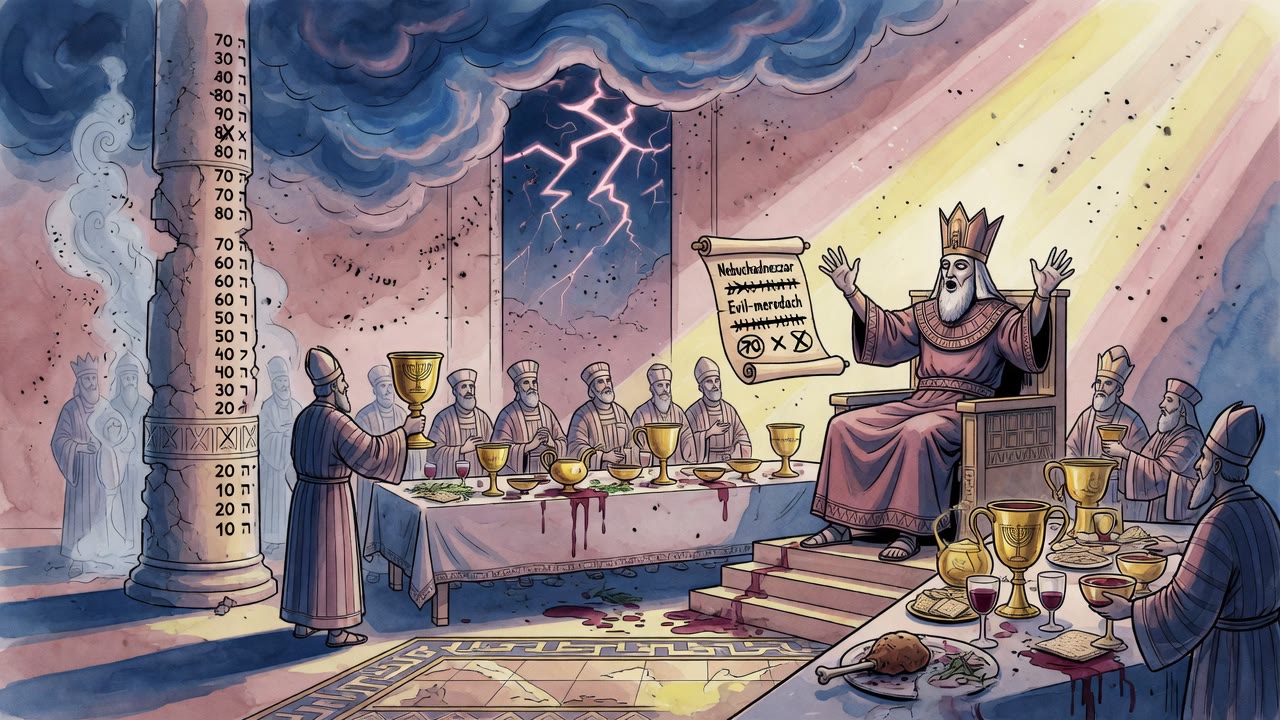
What Causes Earthquakes?

Talmud Aggadah Midrash Aggadah

A reminder of forces far beyond our control. But have you ever wondered, according to Jewish tradition, why they happen? One powerful image suggests that earthquakes are a direct r...

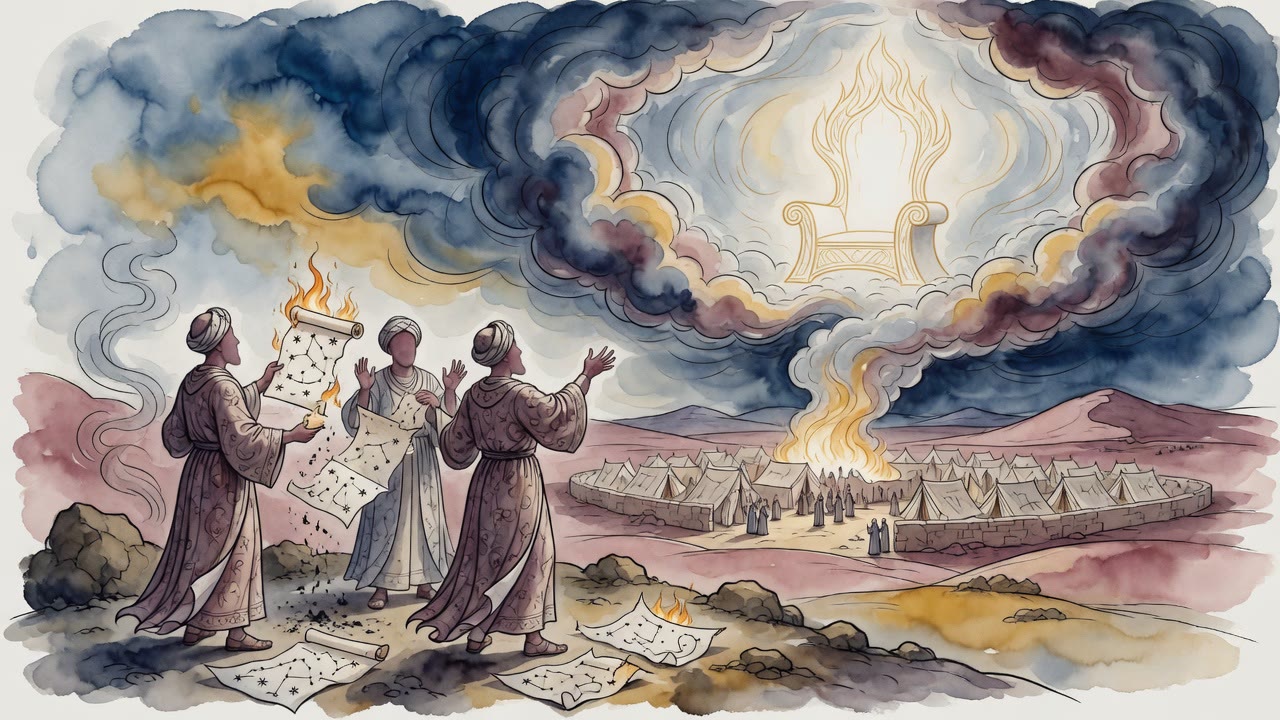
Isaiah Sees Seraphim and Cherubim Around God's Throne

Midrash Aggadah Midrash Aggadah

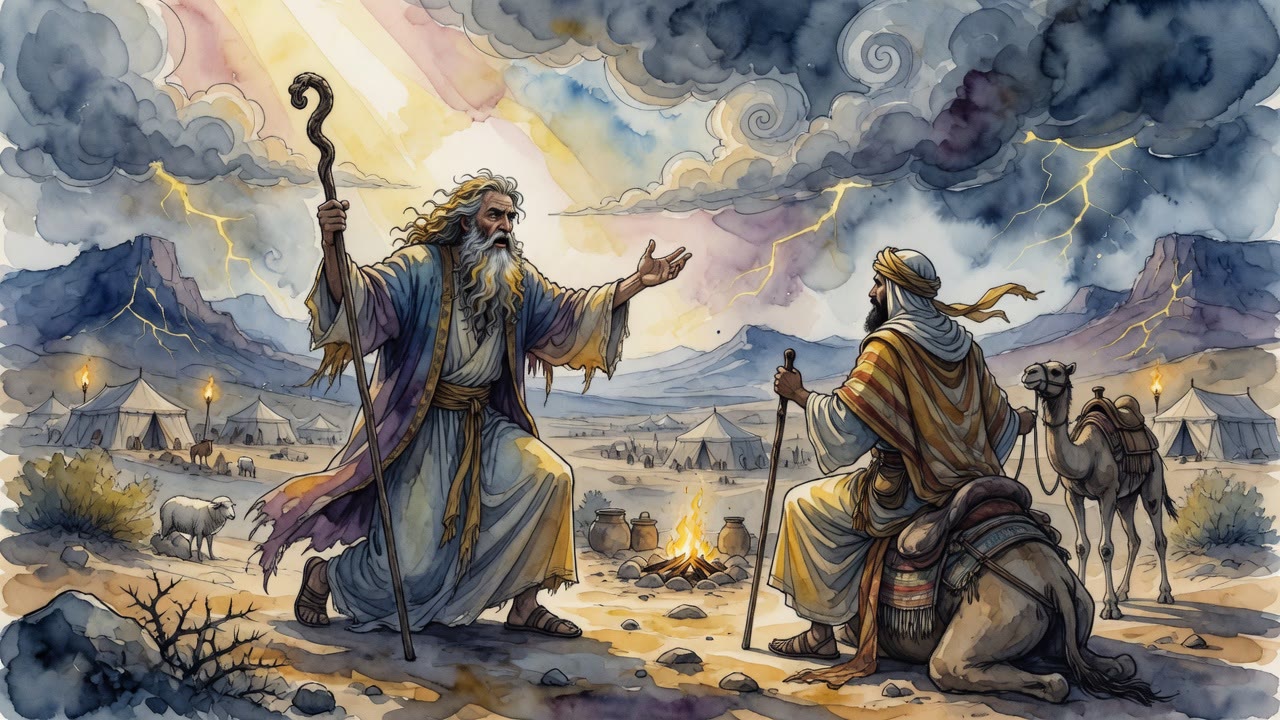
The world is full of injustice, arrogance, things that make you want to scream. Does God feel that too? And if so, what does He do with it? Midrash Tehillim, a collection of rabbin...

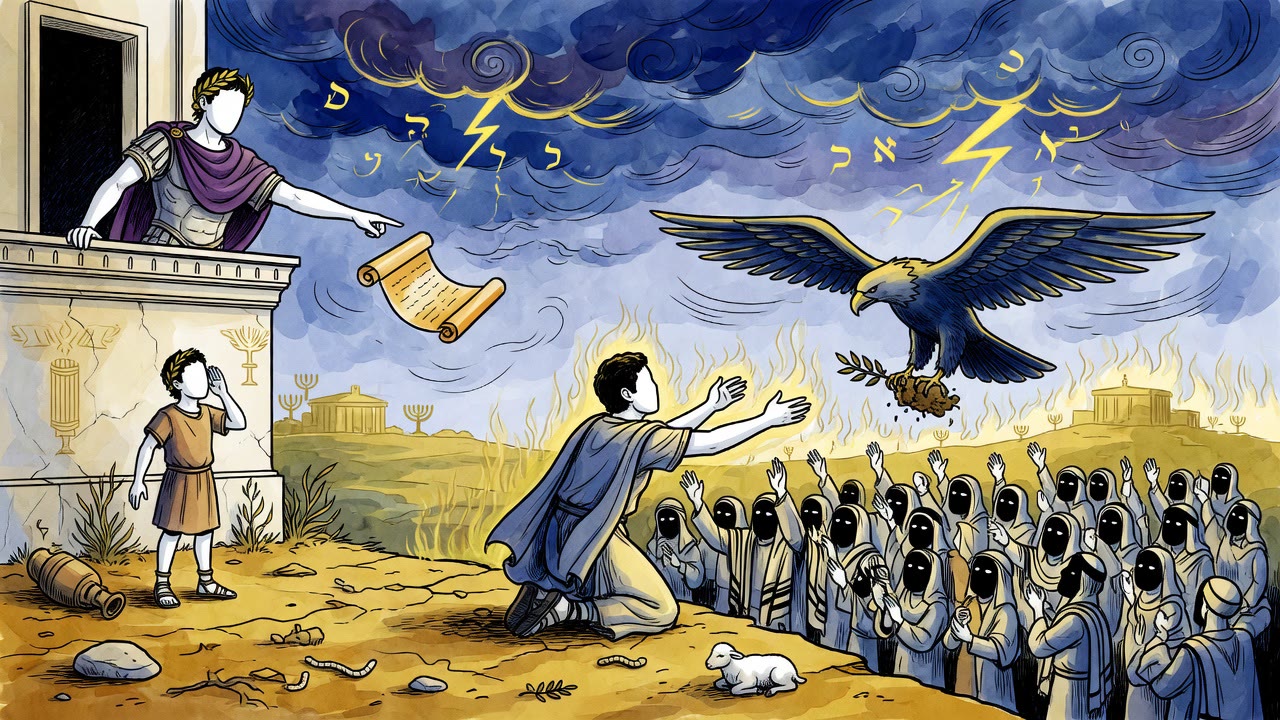
David Learns from Ruth That All People Can Be Liars

Midrash Aggadah Midrash Aggadah

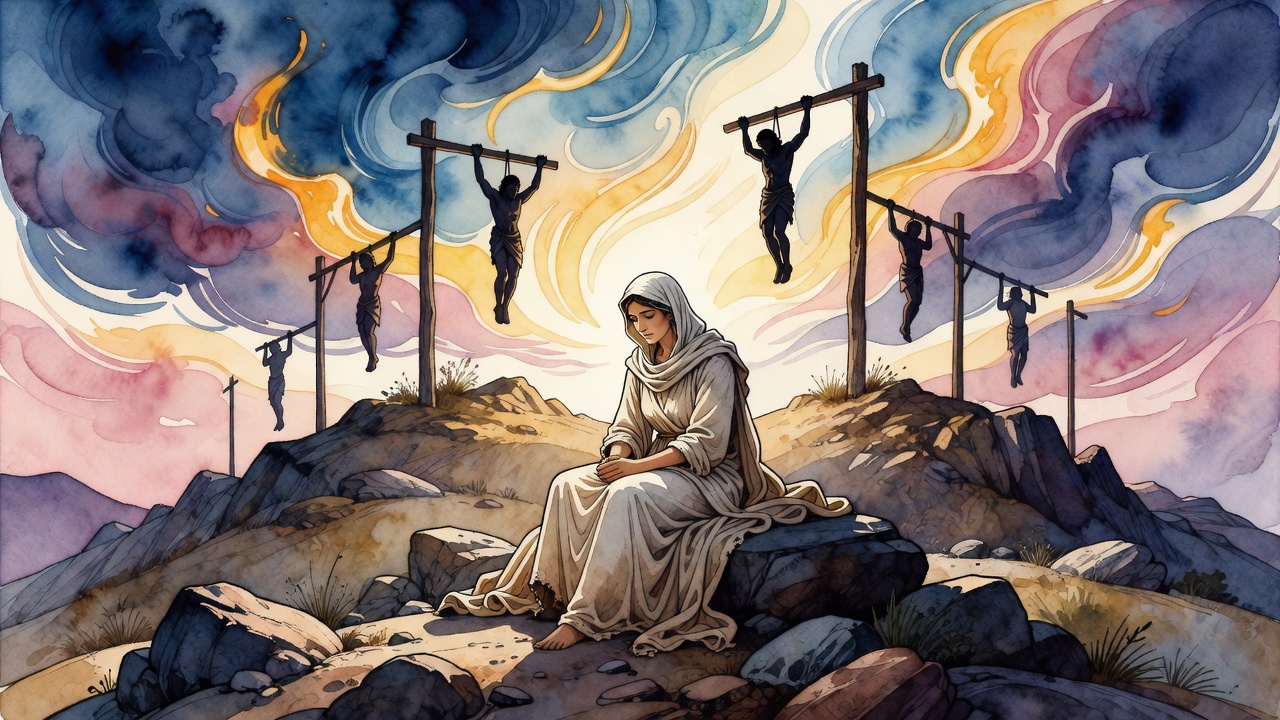
King David, the shepherd boy who became Israel’s greatest king, certainly did. And it's a sentiment beautifully captured in the Midrash Tehillim, a collection of rabbinic interpret...

David Felt Like a Stranger Longing for God's Commandments

Midrash Aggadah Midrash Aggadah

King David did. And his feelings echo across the millennia to us. (Psalm 119:19) says, "I am a stranger in the land; do not hide your commandments from me." It’s a powerful line, f...

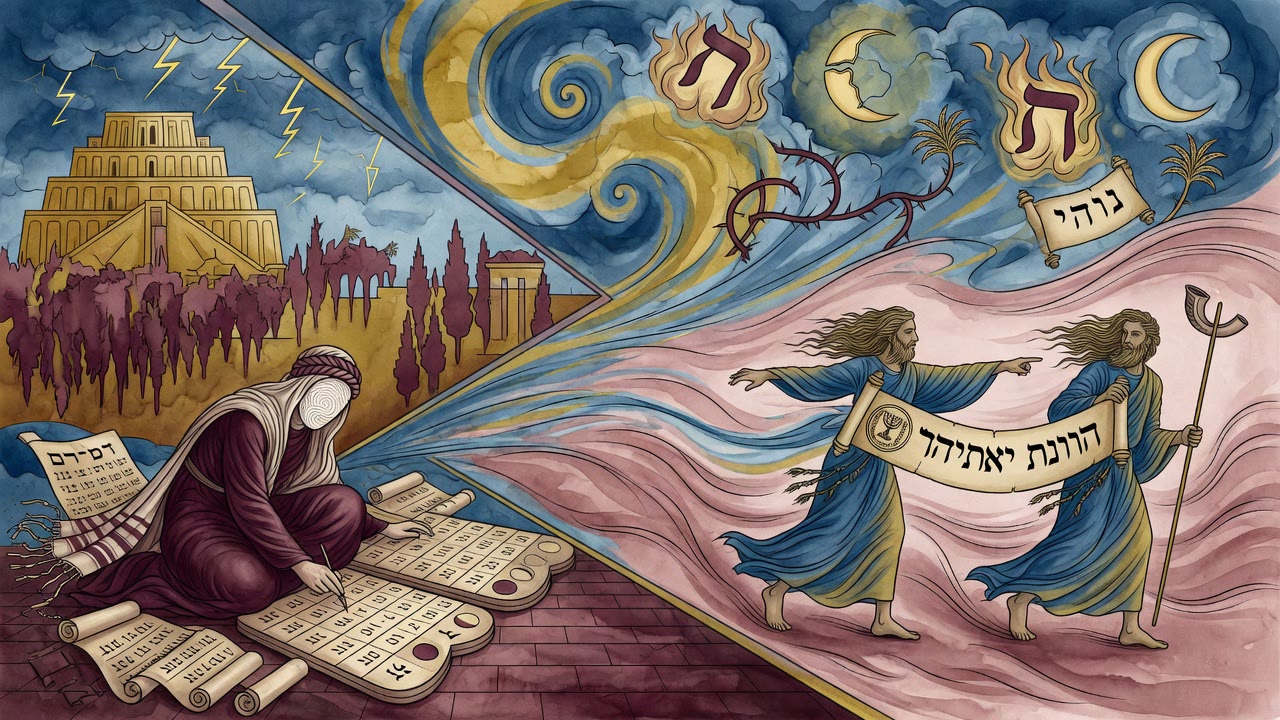
When the Sun and Moon Were Created Equal

Midrash Aggadah Midrash Aggadah

You know, the Torah tells us that on the fourth day of creation, God made the two great lights (Genesis 1:16). But have you ever stopped to think about what that really meant? Acco...

Why Noah Sent a Raven Before the Dove

Midrash Aggadah Midrash Aggadah

It’s a story rooted deep in the Flood narrative, and it's got some seriously fascinating layers. After the great flood, Noah needed to know if the waters had receded. So, he sent o...

A Ban Is as Powerful as an Oath - Rabbi Akiva's Warning

Midrash Aggadah Midrash Aggadah

Jewish tradition has a lot to say about that, especially when it comes to oaths and bans. to a powerful teaching from Pirkei DeRabbi Eliezer, specifically chapter 38, that sheds li...

Marriage of Elimelech

Midrash Aggadah Midrash Aggadah

It happens. But what if that silence has bigger consequences than you realize? The Yalkut Shimoni, a compilation of rabbinic commentary on the Hebrew Bible, has a fascinating, and ...

A Fatal Blow by Hand Carries the Same Weight as Weapons

Other Texts Midrash Aggadah

The verse we're looking at is from Bamidbar (Numbers) 35:21: "Or if in hatred he strike him with his hand..." Now, what does that seemingly simple phrase really mean? The text unpa...

Minor Orphans Are Exempt from Adjudication

Other Texts Midrash Aggadah

It’s about who gets to be part of the legal process, and it starts with the words "between a man." Now, that seems straightforward. But the rabbis, bless their inquisitive souls, i...

The Intensity of God's Refusal to Let Moses Enter

Other Texts Midrash Aggadah

We all know the story: Moses, after leading the Israelites for forty long years, is denied entry into the Promised Land. But have you ever stopped to consider the intensity of that...

Mount Gerizim's Transgression

Other Texts Midrash Aggadah

The ancient text of Sifrei Devarim wrestles with this very question, and its answer is surprisingly nuanced. We find ourselves in the book of Deuteronomy, or Devarim in Hebrew, spe...

Mount Gerizim and the Torah

Other Texts Midrash Aggadah

Today, let's decipher one of those intriguing map coordinates. We're diving into Sifrei Devarim, specifically section 56, which deals with pinpointing a crucial location. The text ...

What a Ger Toshav Can Eat and the Rules of Neveilah

Other Texts Midrash Aggadah

Especially when it comes to something like... well, let's just say something you wouldn't eat yourself. What are the rules? Who can you give it to? The ancient text Sifrei Devarim,...

Being a Holy People and Relations with Converts

Other Texts Midrash Aggadah

It’s a question that pops up constantly when you dive into Jewish texts. Let’s look at a fascinating little corner of Sifrei Devarim (Deuteronomy), specifically section 104. It dea...

The Blood Avenger Pursues the Unintentional Killer

Other Texts Midrash Aggadah

We're diving into a corner of Jewish law that deals with accidental manslaughter, and the desperate flight to safety. Specifically, a passage from Sifrei Devarim, a legal commentar...

Heroines of Israel

Other Texts Midrash Aggadah

The passage begins with the phrase, "And they shall punish him." But how? With what? The text clarifies: with money! A fine. Okay, so far so good. But here's where it gets interest...