Zuleika Swore to Destroy Joseph and He Prayed from the Prison Pit
Potiphar's wife swore to make every man in Egypt hate Joseph. She had him flogged and imprisoned. Joseph prayed from the pit, and the answer took a decade.
Table of Contents
 Click for full size
The Vow That Became a Project
The story of Joseph and Potiphar's wife ends in two sentences in Genesis. In the longer tradition, it takes years.
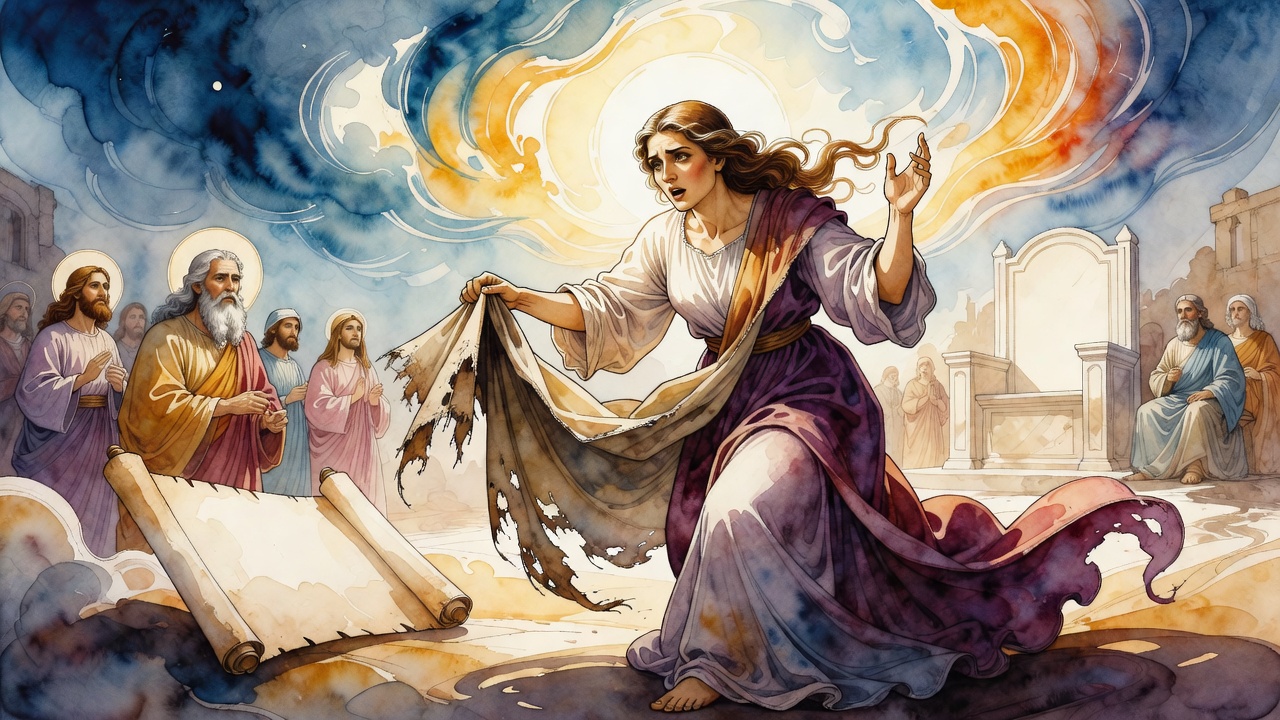
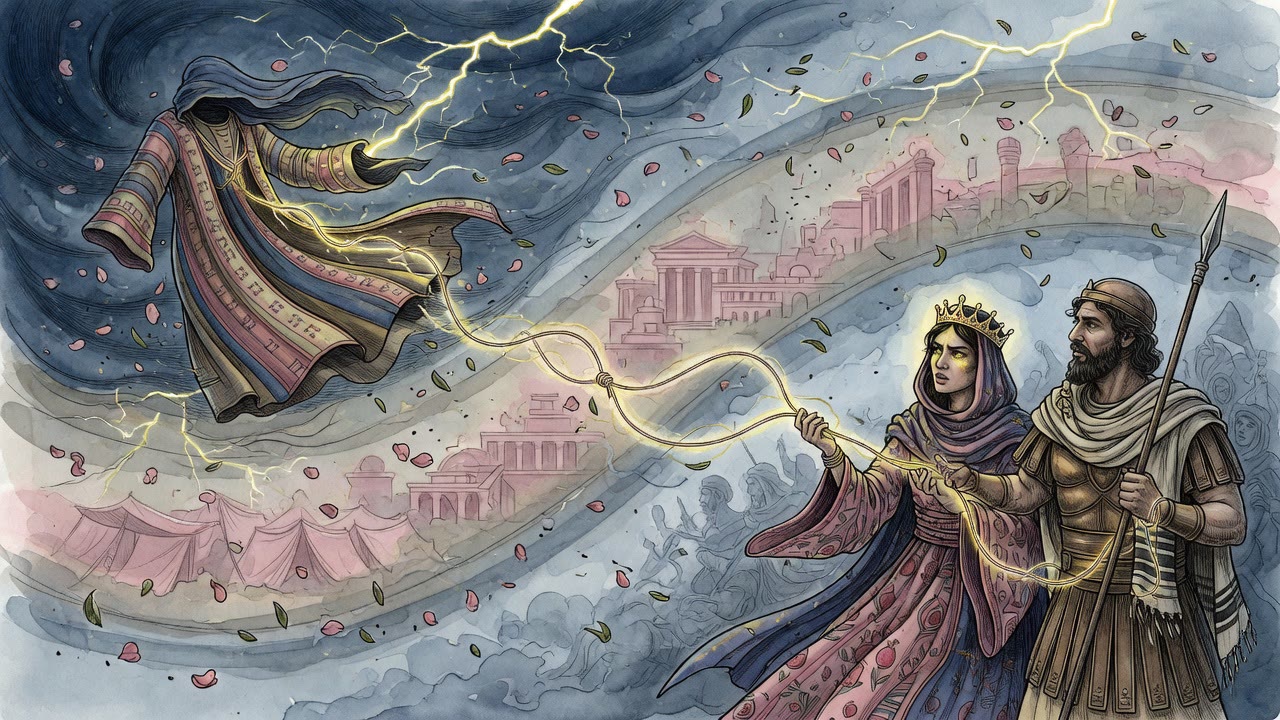
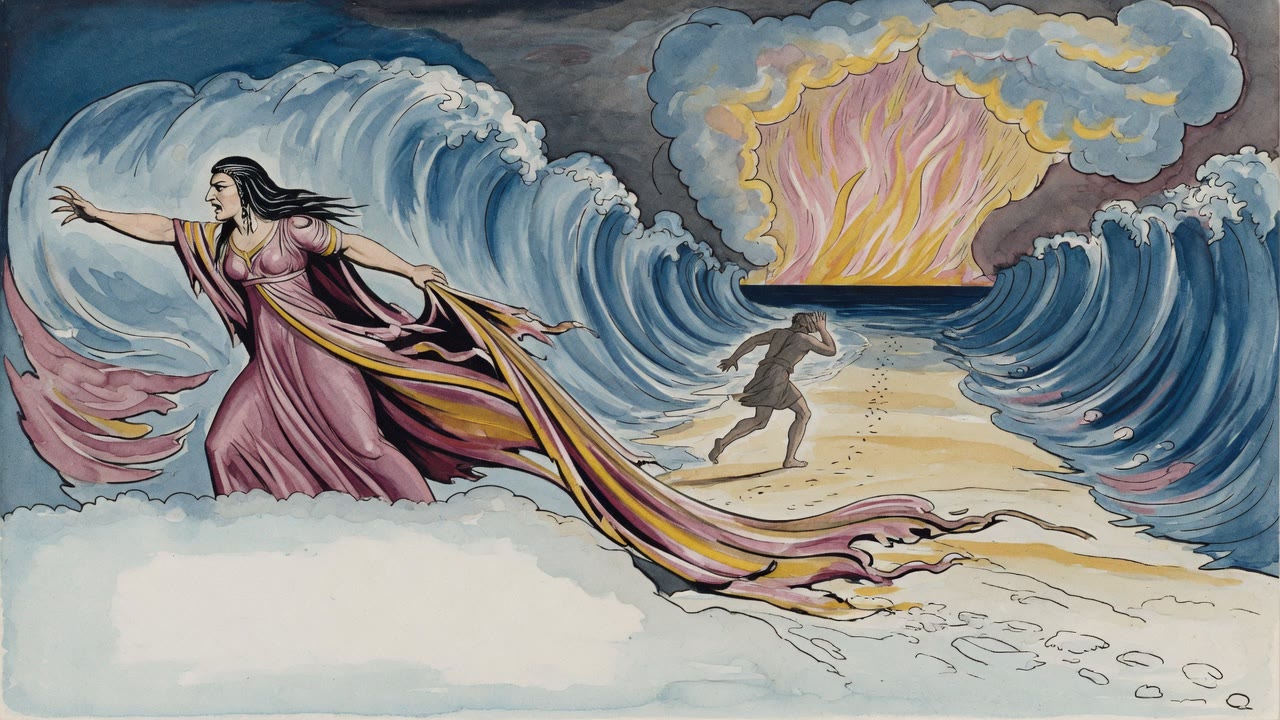
Zuleika, the name the rabbinic tradition gives to Potiphar's wife, did not simply accuse Joseph and move on. According to Legends of the Jews, Louis Ginzberg's monumental synthesis of rabbinic lore assembled from Talmudic and medieval sources, she made a vow: she would push matters so far that all men would hate him. The obsession that had consumed her for years turned, when Joseph refused her for the last time, into a project of systematic destruction. She had wanted him. Since she could not have him, she would ensure that no one else would ever look at him with favor.
This was not the behavior of a woman who had been spurned once. It was the behavior of a woman who had pursued Joseph repeatedly across years and found in her final failure something that could not be forgiven.
The Flogging and the Voice That Stopped It
Potiphar believed her story. He had Joseph flogged. The lash fell on a man who had done nothing. Joseph, bleeding in Potiphar's courtyard, prayed. The prayer Ginzberg preserves is precise in its theology: "O Lord, You know that I am innocent of these things, and why should I die today on account of a false accusation by the hands of these uncircumcised, impious men?" He named his innocence. He named his killers. He addressed the God who already knew the truth and asked why the truth was not stopping what was happening to him.
God intervened in a way no one expected. An eleven-month-old child spoke. The infant in the room, Zuleika's own child, addressed the men doing the flogging with the clarity of an adult: "stop." Joseph had done nothing. What the mother was claiming was false. The detail is extraordinary and was preserved because it made a theological point the rabbis needed to make: there is a form of testimony that bypasses adult calculation, that cannot be purchased or threatened into silence, that speaks from a place before the ability to lie has been learned.
Prison and the Well That Had Come Before
The Book of Jubilees, the second-century BCE retelling of Genesis, records Joseph's imprisonment with the legal precision characteristic of the whole text. The accusation was made. The garment was produced as evidence. Potiphar saw it and acted. Joseph was cast into prison, into a place where the king's prisoners were kept, a place the text does not romanticize.
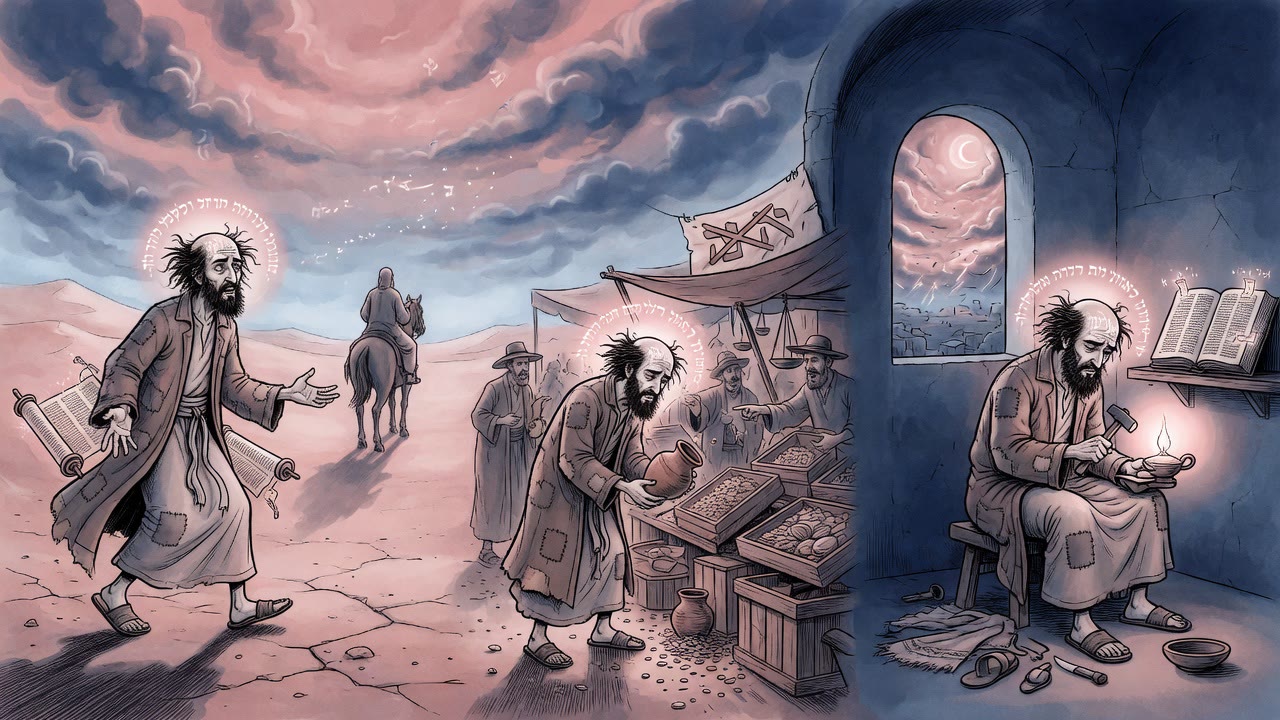
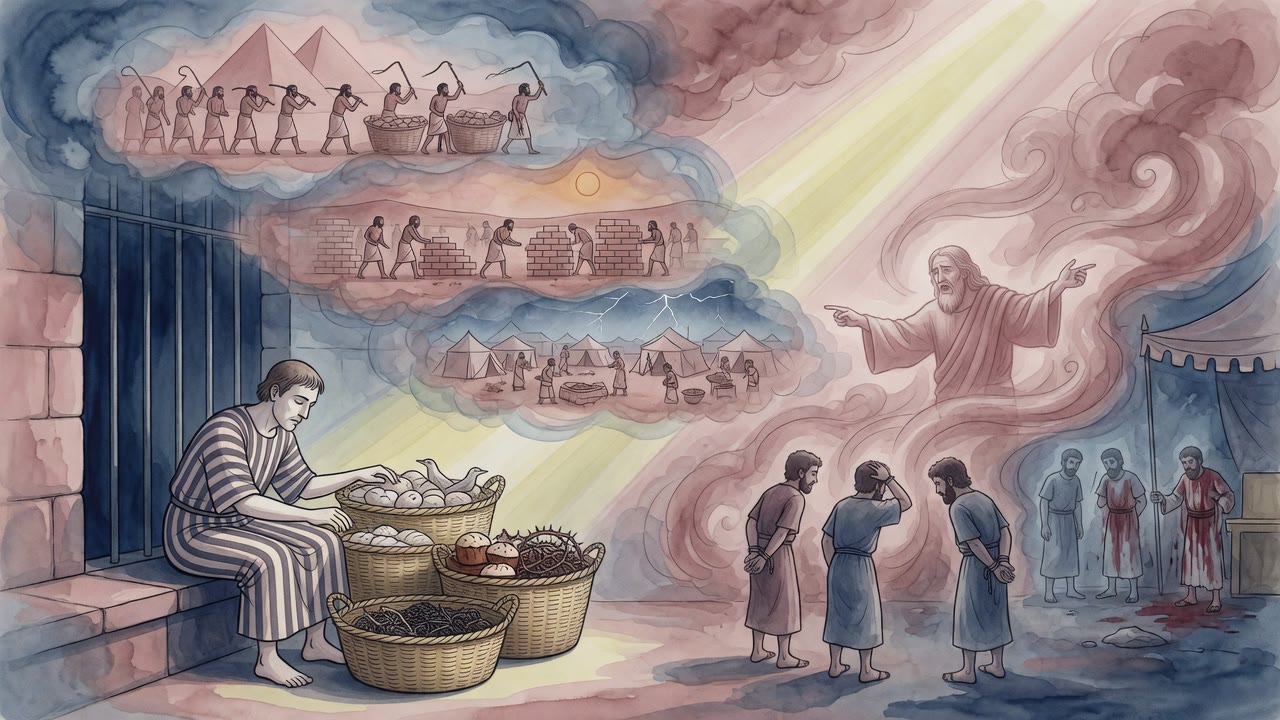
What Joseph prayed from prison, the tradition remembered, was not rage. He asked God why, and then he waited. The waiting lasted a decade. He interpreted dreams for the butler and the baker. He asked the butler to remember him when things improved for him. The butler forgot. Two more years passed. The decade of Joseph's imprisonment was the full weight of what Zuleika's vow had cost him, compressed into the single fact of time passing while the world moved on without him.
What Joseph Built While He Waited
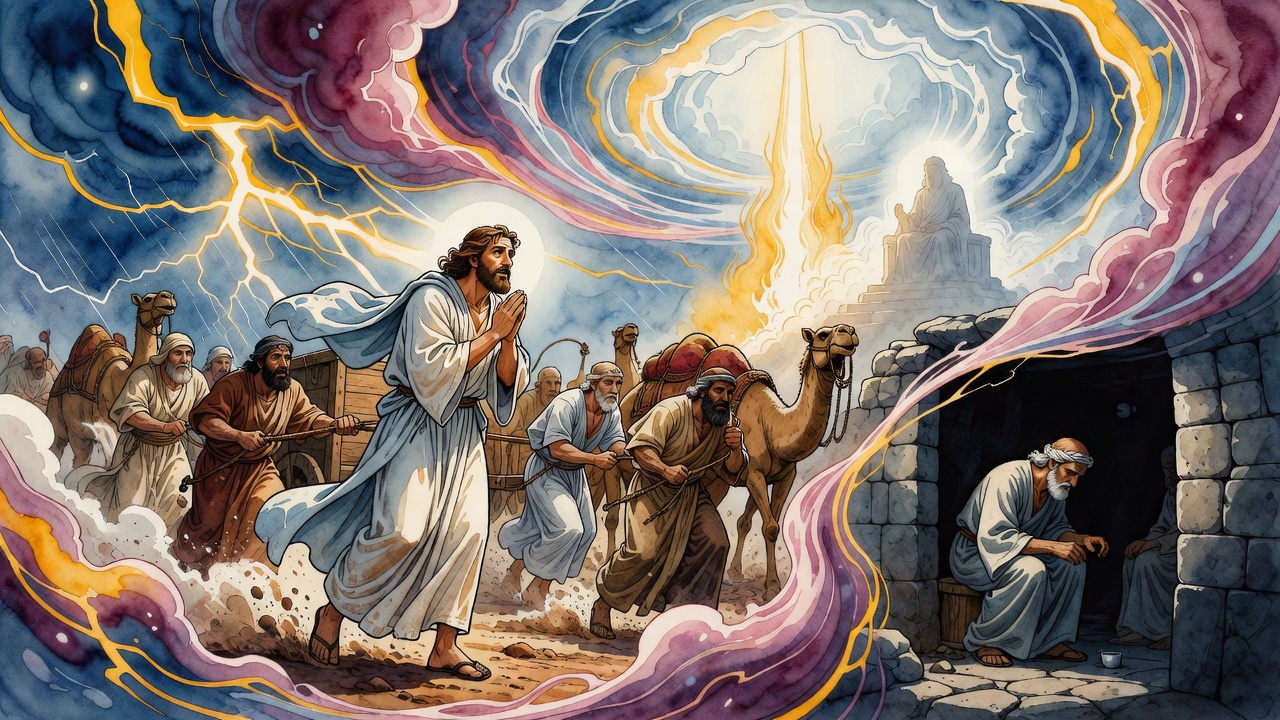
Pirkei DeRabbi Eliezer, the eighth-century midrash, preserves an account of what Joseph did when he finally emerged on the other side. Pharaoh had his dreams. Joseph interpreted them. He was lifted from prison to the second position in Egypt in a single conversation. And then, with the years of plenty beginning, he built. He constructed massive storehouses in every city of Egypt. The Egyptians were skeptical: "worms will eat the stores," they said. Joseph stored the grain as God directed. The worms did not come. When famine arrived, Joseph's system functioned exactly as he had designed it.
The decade he had spent in prison had not broken him into resignation. It had taught him something about long-range planning. A man who had been kept waiting ten years while God arranged what was necessary had learned to build for futures that could not yet be seen.
The Cup and the Brothers
The Book of Jubilees adds psychological texture to the reunion scene. Joseph had concealed his identity from his brothers through their first visit. On the second, he arranged for his silver cup to be placed in Benjamin's sack, then had his steward pursue them. "Pursue them, seize them, saying, why have you returned evil for good?" The test was not simply about the cup. Joseph had watched his brothers across two visits and seen men who had changed. But he needed to be certain. The cup created a situation where Benjamin's life was in danger, and Joseph needed to see whether his brothers would abandon the youngest son the way they had abandoned him.
They did not abandon Benjamin. Judah stepped forward and offered himself instead. At that point, Joseph had his answer. What Zuleika's obsession had set in motion, the years of prison, the decade of waiting, the interpretations, the storehouses, the famine, the brothers arriving in Egypt, had arrived at this: a family that had once sold one of its members now refusing to do it again.
← All myths