Parshat Vayeshev7 min read

Rabbi Tarfon, the Spice Camels, and Judah's Crown at Yavneh

In a grove at Yavneh, an old teacher explains why Joseph's kidnappers carried spices, and why Judah's tribe earned a crown.

Curated by Arthur · Told by Maggid ·
Table of Contents
  1. A Verse That Should Not Matter
  2. The Stench That Was Not There
  3. The Cup of Water
  4. The Argument Over the Crown
  5. What the Sea Remembered

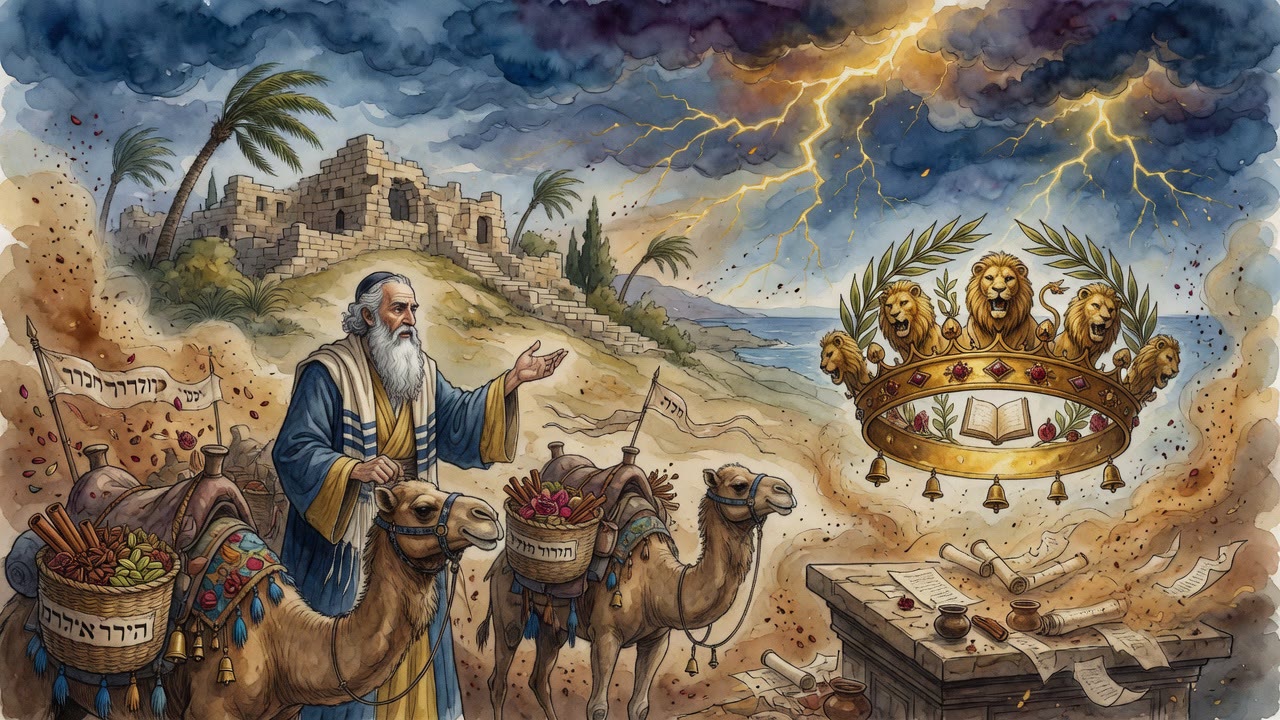
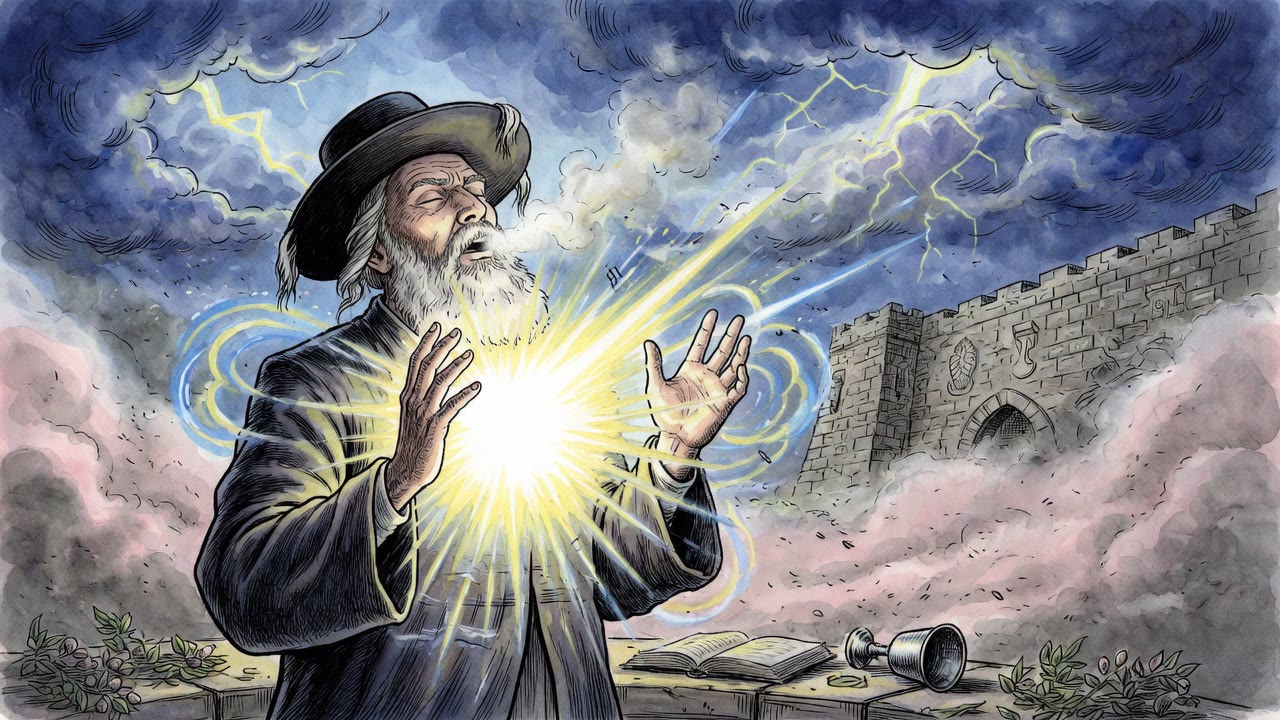
The grove threw long ribbons of shade across the packed dirt, and the elders had pulled their cloaks close against the late heat. Tarfon sat among them with his eyes half shut, the way a man sits when he is listening rather than waiting to speak. Olive leaves clicked overhead. Somewhere past the trees a goat complained. The Temple was gone, the smoke long settled, and these few men in the grove were what remained of the work of holding the words together.

One of them leaned forward with a verse in his mouth. He wanted to know why the Torah bothered to tell them what the camels carried.

A Verse That Should Not Matter

"Listen to the line," the questioner said. "The brothers sit down to eat, and they lift their eyes, and a caravan of Ishmaelites is coming up from Gilead, and their camels are laden with spices, balm, and myrrh" (Genesis 37:25). "Why spell out the cargo? A caravan is a caravan. The boy is sold either way."

The others turned the question over. It was the kind of detail a hurried reader steps past without a glance. A teenager is thrown in a pit by his own brothers, hauled out, handed to strangers for silver, and the verse pauses to take inventory of the saddlebags. Spices. Balm. Myrrh. Why should heaven care what the camels smelled like.

Tarfon opened his eyes.

The Stench That Was Not There

"Picture the ordinary caravan," he said, and his hand moved as if pushing the picture into the air between them. "Picture what the Arabs usually haul. Itran, that black pitch-resin, the kind that coats the back of your throat. The reek of the camels themselves after a week on the road, the sweat and the dung and the hides. A man tied across that load breathes it hour after hour, day after day, down the long descent toward Egypt."

He let the smell sit in the grove a moment. The elders did not move.

"Now this beloved one," Tarfon said, and the word landed soft, "this boy, the favored son, would he not have died of the stench of the camels and the itran before he ever reached the slave market? A delicate child, sold, bound, sick from the air itself. He would not have lasted the road."

"Therefore," he went on, "the Holy One arranged the cargo. Not pitch. Not hides. Sacks full of spices and every good fragrance, balm and myrrh, so the boy would breathe sweetness the whole way down and not perish of the stink. The verse counts the spices because the spices were the rescue. The merit of the righteous reaches down and even arranges the smell of the camels carrying him into slavery."

No sea split. No fire fell. A boy was betrayed, sold, and dragged off to a foreign country, and all the same the air around him was kind. The elders heard it, and something in the grove shifted.

"You have taught us, our master," they said.

The Cup of Water

The words were barely out before one of them pressed on, the way students do when a teacher is open and the afternoon is long.

"Master," he said, "the man who drinks a cup of water only to slake his thirst, no bread, no meal, just water in his throat. What blessing does he say?"

Tarfon did not pause. "Who creates manifold beings and supplies their wants. We thank You for all that You have created, Life of the worlds." A blessing for the plainest swallow of water, the same care that loaded the camels with myrrh, named over a single cup.

"You have taught us, our master," they said again. Twice now the phrase had come, and both times it landed not as the end of an argument but as something closer to recognition.

The Argument Over the Crown

Then the talk turned, as talk in that grove always turned, from one brother to another. From Joseph to Judah. The question this time was harder and the room sharpened for it. Of all the brothers, why did kingship settle on the tribe of Judah. What did Judah do to earn a crown over Israel.

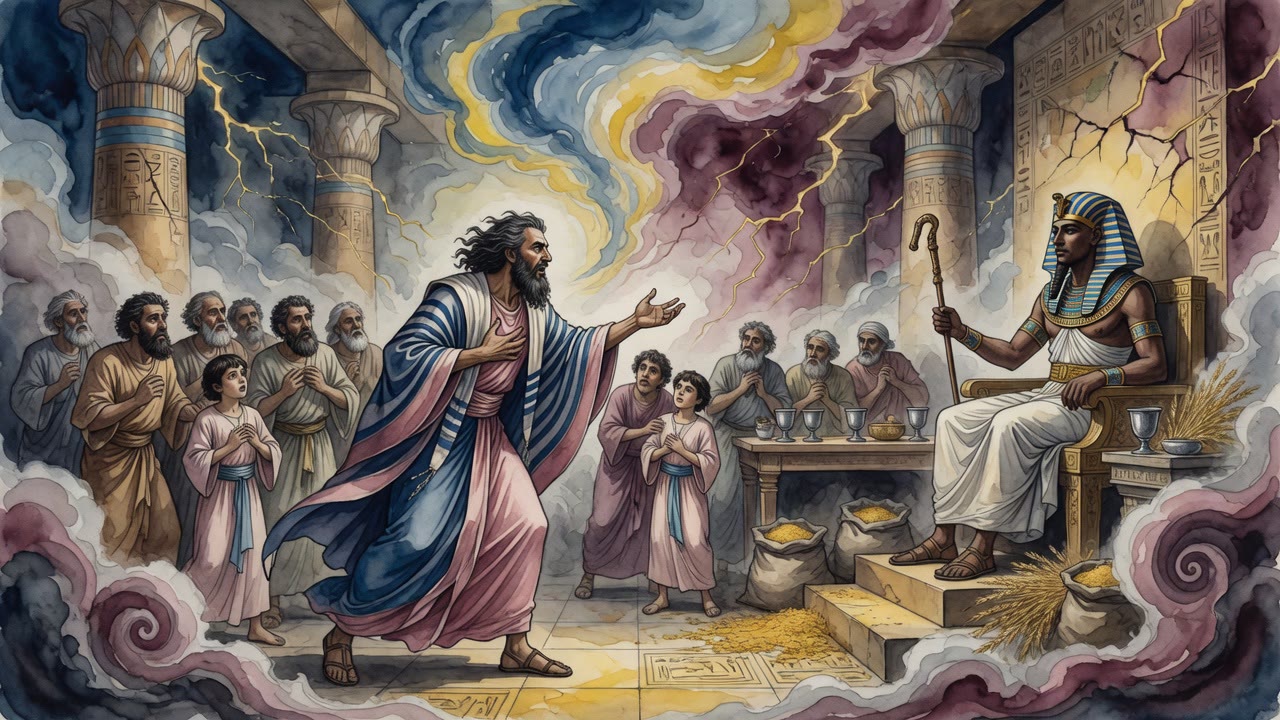
One of the sages had a ready answer, and he was proud of it. "It was his speech in Egypt. When the cup was found in Benjamin's sack and the boy was about to be seized, Judah stepped forward and said, 'Let your servant remain instead of the youth as a slave to my lord, and let the youth go up with his brothers' (Genesis 44:33). He offered his own neck for his brother. That is why his house wears the crown."

Heads nodded. It was a clean answer.

Tarfon shook his head.

"No," he said. "Think about what Judah was. Back when they first went down for grain, Judah had stood before their father and pledged himself surety for the boy. 'I will be his guarantor; from my hand you shall require him' (Genesis 43:9). A guarantor who has given his word and then pays it is doing nothing remarkable. He is doing exactly what a guarantor is bound to do. Where is the greatness in paying a debt you swore to pay? You cannot hand a man a kingdom for keeping an ordinary promise. Find me something that goes past obligation."

The clean answer collapsed. The elders sat with the harder standard Tarfon had set down in front of them, that a crown must be bought with more than what duty already demands.

What the Sea Remembered

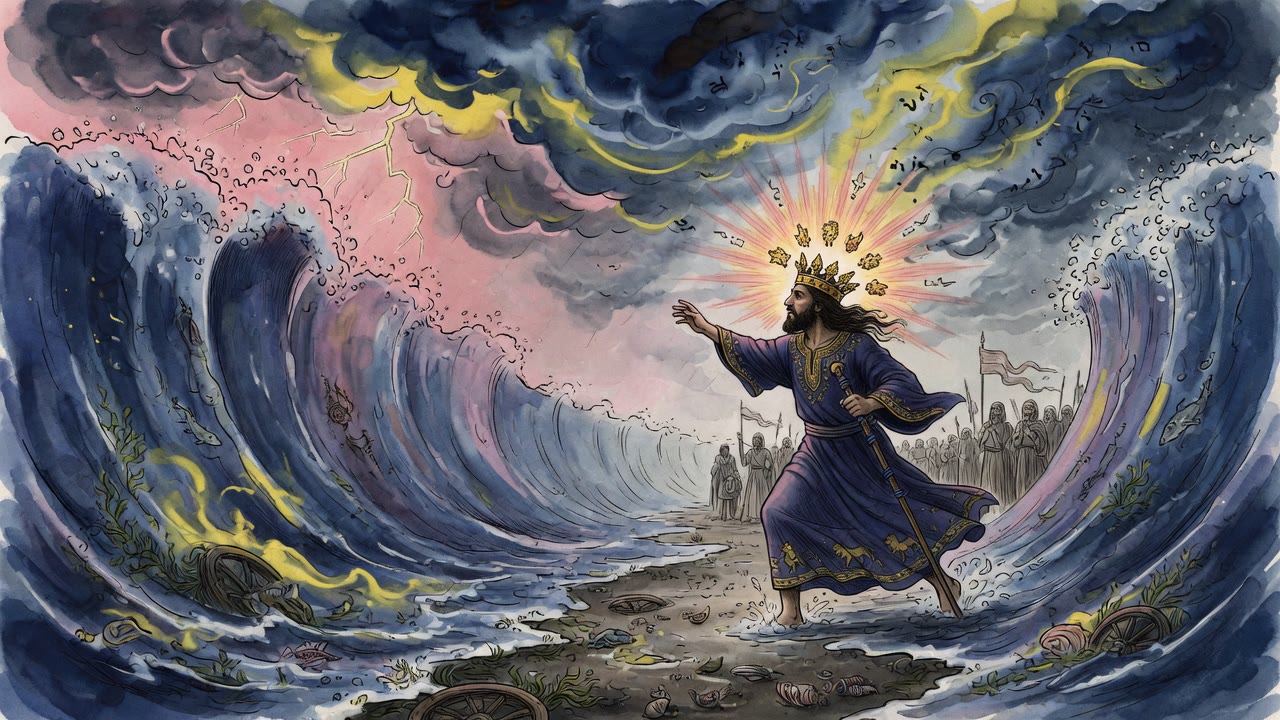
The answer, when it came, reached back to the water. To the morning the people stood pinned against the sea with the chariots closing behind them, and one tribe had to step first into the waves before any wall of water would stand.

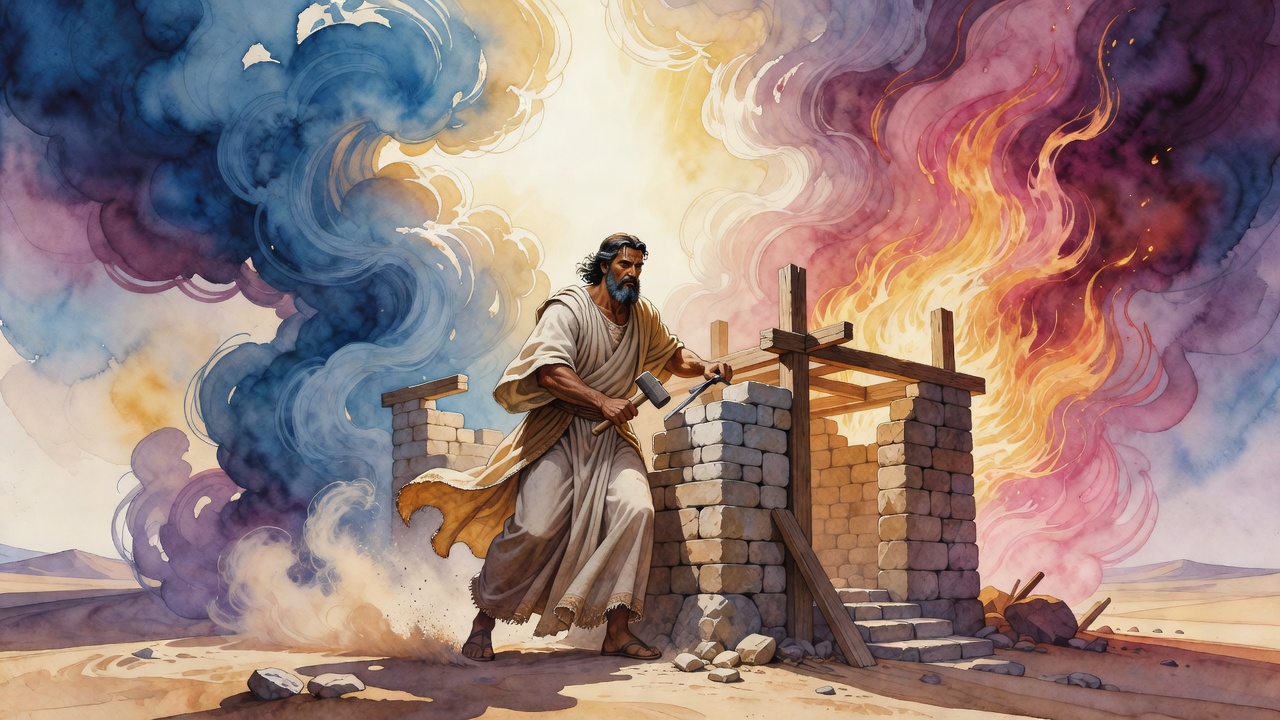
Benjamin's sons went down first into the sea, and for that the divine Presence later came to rest in their portion, where the holy house would stand. And the tribe of Judah, when Judah's men hurled stones to drive the hesitant forward into the surf, they who forced the crossing, they attained to kingdom. The very word for it was sealed into the verse, rigmah, a kingly word, the same purple-and-gold robing that once dressed a man and named him ruler in a foreign court (Daniel 5:29). The crown was not bought by Judah's careful speech in Egypt. It was bought by feet in the cold water and stones flung at dawn, by going further than any man was required to go.

The shade had moved across the dirt while they talked. Tarfon settled back and closed his eyes again. A boy carried through the desert on a cushion of myrrh. A cup of water blessed by name. A crown earned in the surf and not in the speech. The same hand behind all three, working in cargo and water and stone, where only a patient eye could catch it.


← All myths

From the tradition

Sources

3 sources

The texts this telling draws on, in full. Open a card to read inline, or expand it for a wider, quieter read.

Mekhilta Tractate Vayehi Beshalach 6:5Mekhilta DeRabbi Yishmael

R. Tarfon and the elders were once sitting in the shade of the grove of Yavneh when this question was once asked before them: Why need it be written (Genesis 37:25) "and their camels laden with spices, balm, and myrrh"? (He answered:) To apprise us of the extent to which the merit of the righteous comes to their aid. For if this "loved one" (Joseph) had gone down with (the usual wares of) the Arabs, would he not have died of the stench of the camels and the itran (a kind of resin)? But the Holy One Blessed be He "arranged" for him (a transport of) sacks full of spices and all goodly fragrances so that he not perish of their stench. (At this,) they said to him: You have taught us, our master, that this transpired in the merit of Joseph. They asked him: Our master, what is the blessing for one who drinks water to slake his thirst? He answered: "Who creates manifold beings and (supplies) their wants. (We thank you for) all that You have created. Life of the worlds!" They: You have taught us, our master, the blessing for one who drinks water to slake his thirst. Our master, in what merit did Judah attain to kingdom? R. Tarfon: You say. They: In the merit of his saying (Genesis, Ibid. 26) "What profit is it if we kill our brother, etc." by which he saved him from death. R. Tarfon: It suffices that this saving atone for his counsel to sell Joseph and not return him to his father.

Full source
Mekhilta Tractate Vayehi Beshalach 6:7Mekhilta DeRabbi Yishmael

The Mekhilta preserves a rapid-fire debate about what exactly earned the tribe of Judah the right to kingship over Israel. The exchange is compressed and dramatic, as rabbinic dialogues often are. The sages proposed that Judah merited royalty because of his speech before Joseph in Egypt: "Let your servant remain instead of the youth" (Genesis 44:33), where Judah offered to become a slave so that his brother Benjamin could go free.

Rabbi Tarfon immediately challenged this reasoning. A guarantor always pays, he argued. That is what guarantors do. If Judah merely fulfilled the ordinary obligation of someone who had pledged surety for another person, then his offer was not exceptional. It was expected. You cannot earn kingship for doing what any guarantor would be required to do.

The debate cuts to the heart of what makes a leader. Is leadership earned by grand gestures, or must it come from something that exceeds normal obligation? Rabbi Tarfon insisted on the higher standard. Judah's offer to replace Benjamin, as moving as it was, fell within the bounds of what duty already required. True kingship, the kind that lasts for generations and produces David and eventually the Messiah, must be rooted in something extraordinary, something that goes beyond what the law demands. The Mekhilta leaves the question unresolved, which is itself a teaching: the origin of kingship is not a settled matter. It is a mystery worthy of ongoing argument.

Full source
Mekhilta Tractate Vayehi Beshalach 6:3Mekhilta DeRabbi Yishmael

Thus said the Holy One Blessed be He: What reward will accrue to the sons of Benjamin, who went down first into the sea? The reposing of the Shechinah in his portion (i.e., the Temple), as it is written (Genesis 49:27) "Benjamin tears (first), as a wolf," and (Devarim 33:12) "Of Benjamin he said: 'Beloved of the L–rd; He will repose securely upon him, etc.'" And what reward accrued to the tribe of Judah, who stoned him? They attained to kingdom, as it is written "The princes of Judah rigmatham," "rigmah" connoting kingdom, as in (Daniel 5:29) "And at Belshazzar's command, they clothed Daniel in purple ('argevana,' like 'rigmah'), placed a golden chain on his neck, and proclaimed that he should rule as one of three in the kingdom." "the princes of Zevulun and the princes of Naftali": Just as the Holy One Blessed be He wrought miracles for the tribe of Judah and Benjamin at the sea, so He wrought miracles for Zevulun and Naftali, through Devorah and Barak, as it is written (Judges 4:6-7) "And she summoned Barak the son of Avinoam of Kedesh Naftali, and said to him: The L–rd, the G–d of Israel has commanded: Go, ascend Mount Tavor, and take with you ten thousand men of Naftali and Zevulun. And I will draw to you Sisra the commander-in-chief of Yavin, etc." And it is written (Ibid. 5:18) "Zevulun is a people that bared its soul to death, and Naftali on the heights of the field."

Full source