Judah Broke Down the Door and Offered Himself for Benjamin
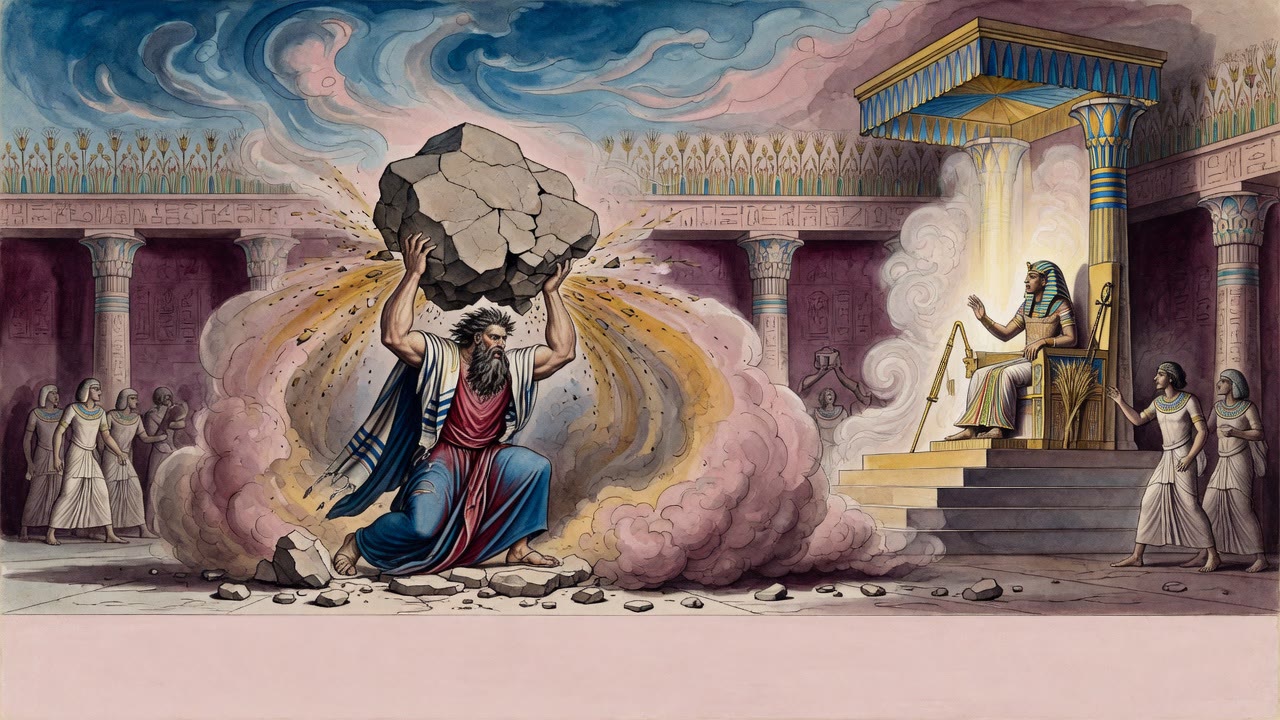
Nine brothers agreed to leave the boy in Egypt. Judah put bars of brass between his teeth, bit down, and spat the metal out as powder.
Table of Contents
 Click for full size
The Locked Room
The silver cup came out of the youngest brother's sack in front of everyone, and the ruling was immediate. The thief stays in Egypt. The rest of you are free to go home to your father.
Ten brothers worked out the price of arguing with an Egyptian official. Nine of them agreed to leave Benjamin behind. One did not.
"Now it is all over with peace," Judah said, and started looking for something to break.
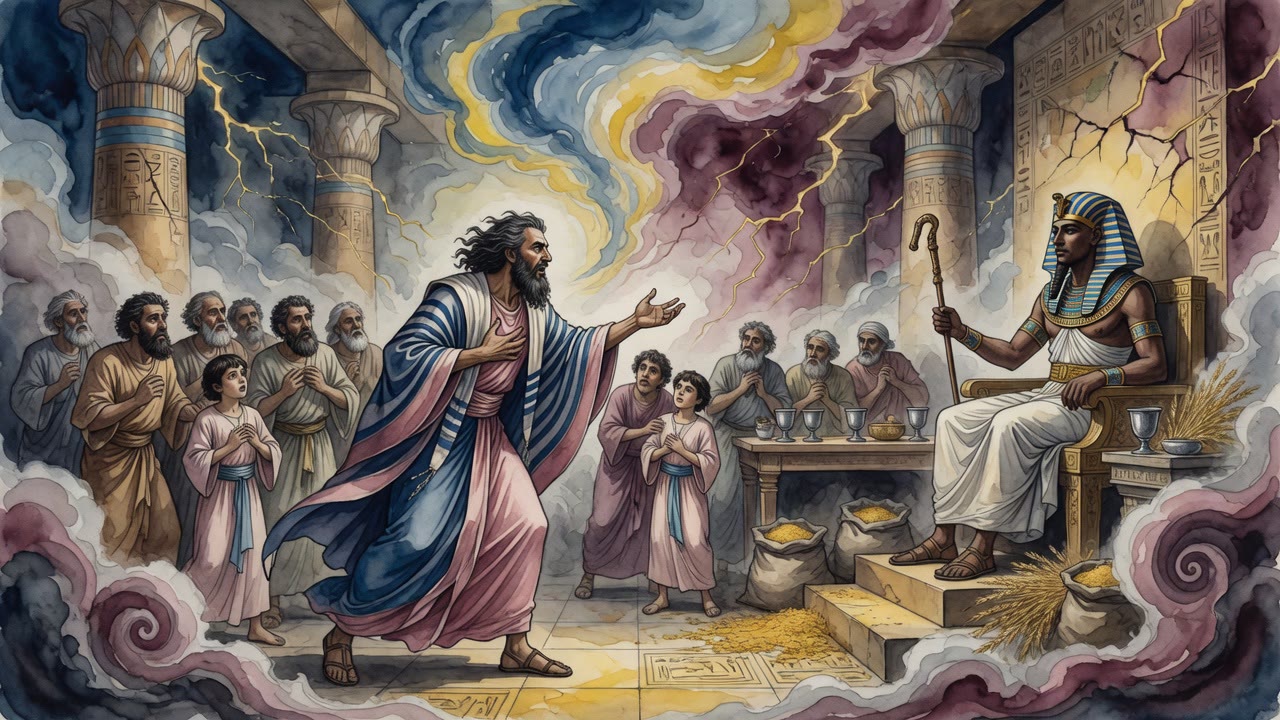
The vizier dismissed the brothers, took Benjamin by force, and locked him in a side room. That was a mistake. Judah broke the door down and came back into the hall with the other nine behind him, and by then he had decided he would use everything he had, in order. He would argue. If the arguing failed he would beg. If the begging failed he would tear the building down.
Every Brother Named His Method
Before they went in they had settled among themselves what to do with Egypt.
"I will raise my voice," Judah said, "and with my voice I will destroy Egypt."
"I will raise my arm," Reuben said, "and crush it out of existence."
"I will raise my hand," Simeon said, "and flatten its palaces."
"I will draw my sword," Levi said, "and kill everyone in it."
These were not young men making noise. Simeon and Levi had walked into Shechem with swords once and come out having killed every male in the city, and Judah had once killed a lion and thrown a bear off a cliff.
Tears of Blood
Then Judah's anger came up out of him and started showing on the outside.
His right eye wept blood. The hair over his heart stiffened until it pushed through all five layers of clothing he was wearing. He picked up bars of brass, put them in his teeth, bit down and spat the metal out as powder.
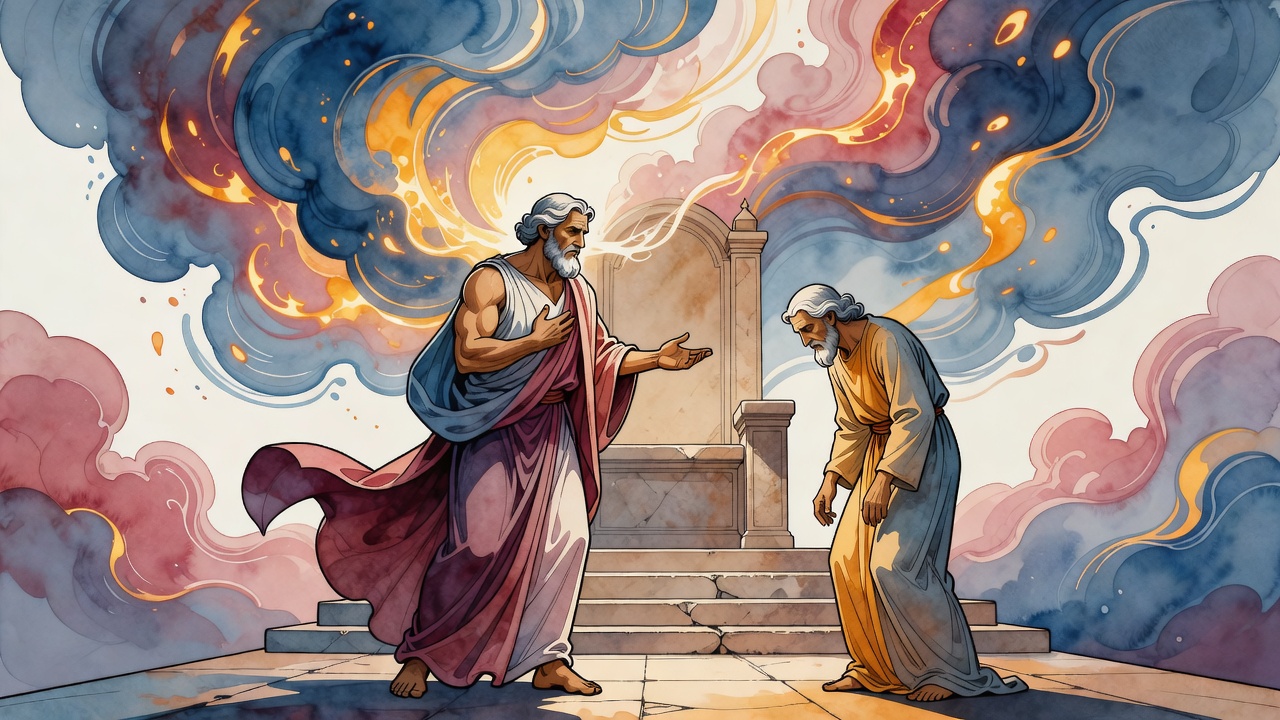
Joseph sat and watched a man do that in his throne room, and was afraid, and did the only thing he could think of that would answer it. He pressed his foot down against the marble pedestal his seat stood on and split it into pieces.
Judah looked at the wreckage of the pedestal. "This one is as strong as I am."
Then he reached for his sword to kill him, and the sword would not come out of the scabbard. It would not move at all. And Judah stopped, because a man whose sword sticks in front of another man is standing in front of somebody who fears God, and you do not kill that man, you ask him.
So he asked. And the Egyptian would not give the boy up.
Let Me Be Guilty All the Days
Judah changed his voice and started at the beginning, with an old man at home in Canaan who had already lost one son out of two by the same wife and had kept the second one under his hand for twenty years.
Then he put his own pledge on the table, the one he had made in his father's tent to get the boy out of the house at all. If I do not bring him back to you, let me be guilty before my father all the days. Not until the account is settled. Not until the famine breaks. All the days, in this world and whatever comes after it.
"So let your servant stay here in place of the boy, as a slave to my lord, and let the boy go up with his brothers."
Twenty-two years earlier this same man had stood over a pit and worked out what a brother was worth in silver. Now he was quoting his own numbers back with himself as the merchandise.
What happened next went the way it goes with a bull and a lion. A bull comes out into the field and the other animals scatter; he kicks one and gores another and nothing in that field can stand in front of him. That was the man on the throne, who had made himself a stranger to his brothers, and had picked Simeon out and had him tied up, and had gored and trampled as he pleased. Then a lion came out. And the lion went looking for the bull, and the bull was nowhere to be found.
Clear the Room
Joseph could not hold himself in one more second.
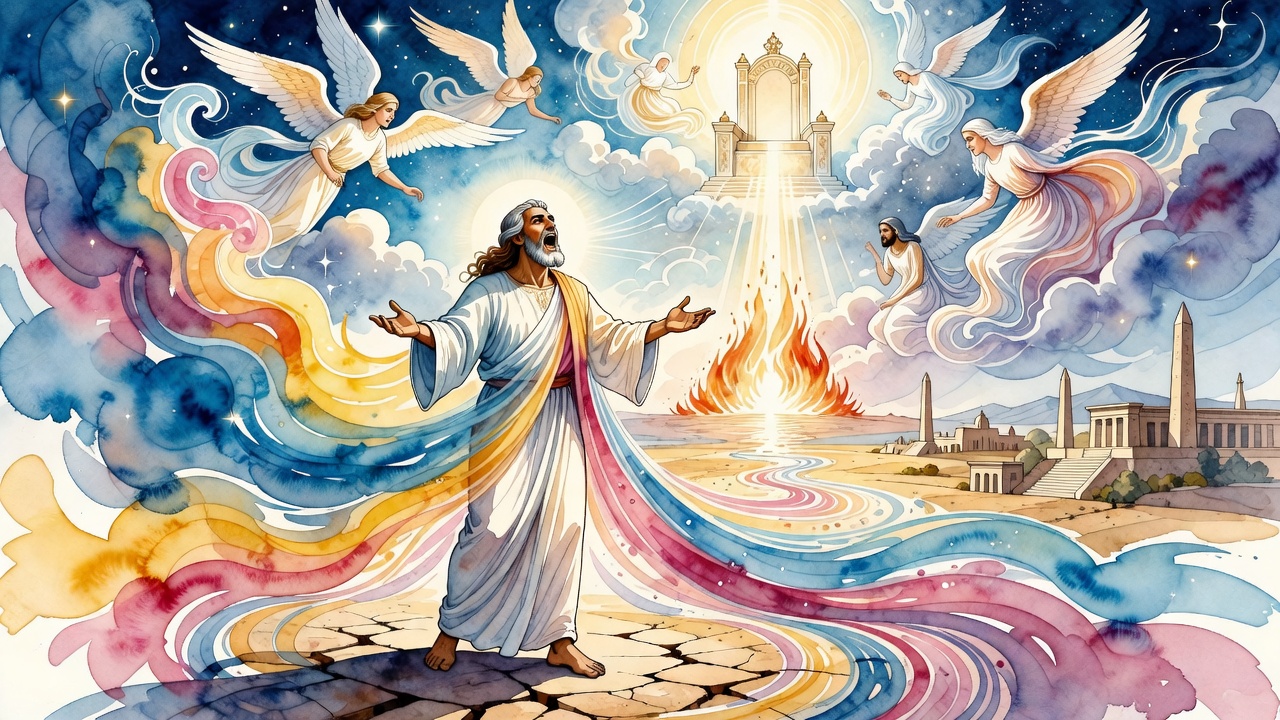
He shouted at the Egyptians to get out, every one of them, until there was nobody in the room but eleven brothers and him, and then he cried so loudly that they heard it in the house of Pharaoh.
"I am Joseph. Is my father still alive?"
Nobody answered him. They stood in front of him and could not get a word out.
What he said next did not let them off. It was not you who sent me here, he told them, it was arranged from before the Lord, so that He could set me as a prince to Pharaoh, a chief over his house and a ruler in all the land of Egypt. He named what they had done and put it inside a larger frame in the same breath, and then he gave every man a change of clothing, and gave Benjamin five changes and three hundred pieces of silver, which was exactly the kind of favoritism that had started all of this in the first place.
Then he sent them home to fetch their father, with one instruction for the road. Do not quarrel on the way.
← All myths