Gabriel Walked with Joseph from the Pit to Egypt
When Joseph was thrown into the pit naked, God sent Gabriel to clothe him. That angel never left, guiding him to his brothers, shielding him in Egypt.
Table of Contents
 Click for full size
What the Targum Added
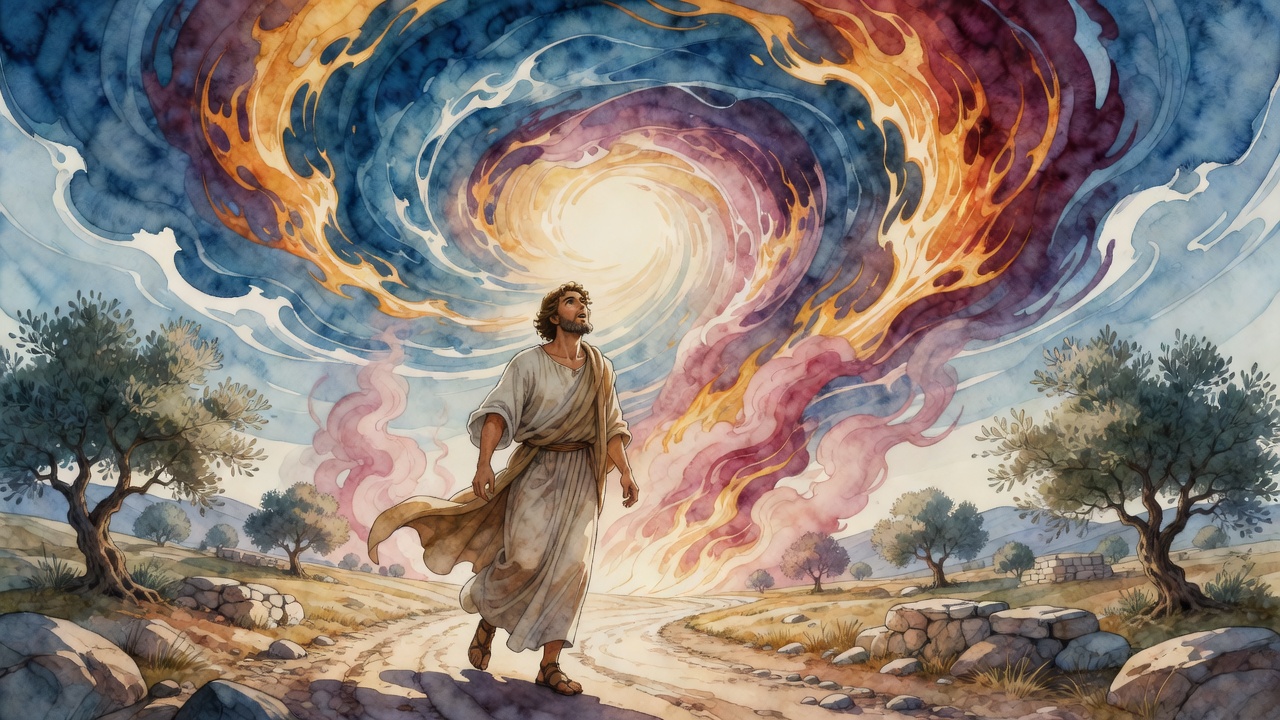
The Hebrew text of Genesis says a man found Joseph wandering in the fields near Shechem and directed him to his brothers. The Targum Jonathan identified the man. He was not a man. He was the angel Gabriel, and his appearance was not coincidental. He had been dispatched to ensure that the sequence of events about to unfold would unfold as God intended, even though what was about to happen to Joseph was terrible and would remain terrible for years before it improved.
Gabriel pointed Joseph toward Dothan. Joseph went. His brothers saw him coming from a distance and began planning before he arrived. By the time he reached them, the plan was set: throw him in the pit, sell him to whoever came by, and go back to their father with a story.
The Pit
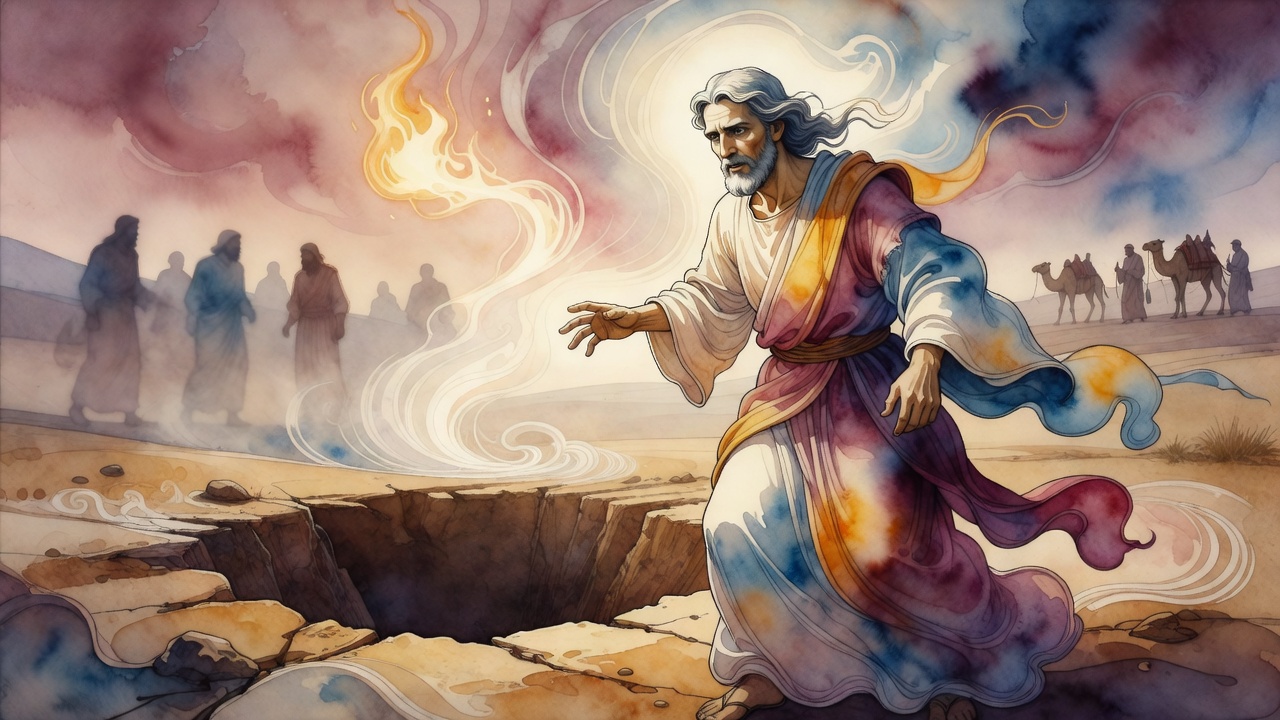
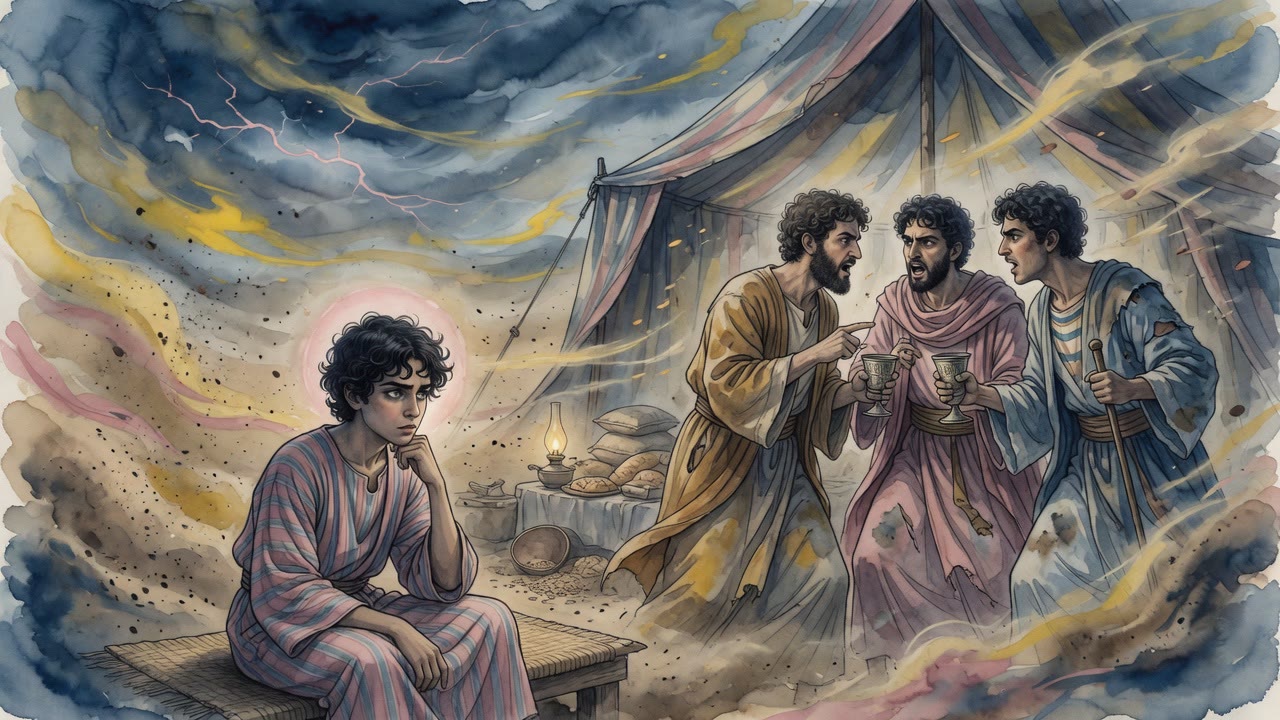
They stripped him first. The coat that had marked him as the favorite, the coat that had inflamed the rivalry from the beginning, came off first. Then they threw him into the pit. The pit was empty, no water, which the text notes, and which the rabbis noted the text noting. It contained snakes and scorpions, which the rabbis added, because "empty" in the Torah never means only empty.
Joseph was naked in the pit. Humiliated, exposed, with his brothers sitting above eating lunch as though he had already ceased to exist. The Legends of the Jews did not leave him there in that nakedness. God sent Gabriel down to the pit. The angel clothed Joseph, covering him with garments that had no earthly origin. When the Ishmaelite merchantmen found him, they found a man dressed, not a stripped boy.
The Journey South
Pirkei DeRabbi Eliezer traced Gabriel's involvement in the family history that preceded the sale. Jacob's particular love for Joseph, the source text noted, was not simple favoritism. Rabbi Ishmael's reading of Genesis parsed it more carefully: Jacob recognized in Joseph something specific, a quality that connected the boy to his own spiritual formation. The coat, the dreams, the special status, these were not arbitrary. They came out of Jacob's perception of something Gabriel and the angels had already observed and marked.
What Gabriel protected Joseph from in the pit was not death, Joseph would go through worse things, but dehumanization. The nakedness was an attempt to reduce him to nothing before selling him as a thing. The clothing was a restoration of his basic dignity as a person, which was also a theological statement: God maintained a claim on Joseph's personhood even when his family had abandoned it.
Potiphar's House
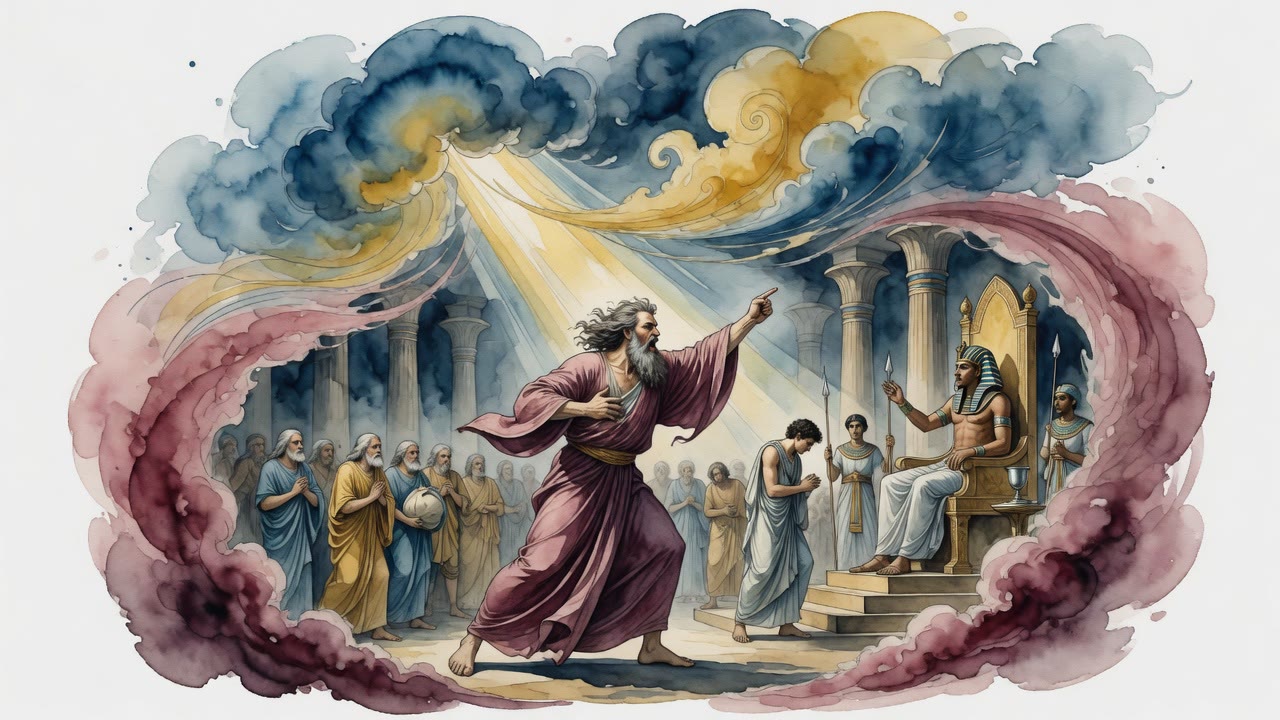
In Egypt, Joseph landed in the household of Potiphar, an Egyptian priest. The Legends of the Jews did not prettify Potiphar's initial interest in Joseph. His intentions toward the handsome young Hebrew were not professional. Gabriel intervened again, this time more drastically: he acted directly on Potiphar's body in a manner that made those intentions impossible to carry out.
This left Joseph in a position that looked like success but sat on unstable ground. Potiphar's wife was still in the house. Whatever her husband's frustrated desires had left behind, she took up and directed at Joseph herself. He ran. He ran so completely that he left his garment in her hand, which was the evidence she used to accuse him. The coat had been stripped from him by his brothers. Now a garment was stripped from him again, and again it became the instrument of his destruction.
The Pattern of the Pit
The rabbis who traced Gabriel through the Joseph story were reading a pattern: every time Joseph was reduced to his lowest point, naked in the pit, falsely accused, imprisoned, the angel was present at the bottom of it. Not to prevent the fall but to ensure that the fall did not become annihilation. Joseph kept his life in the pit. He kept his dignity in the pit. He kept his moral integrity in Potiphar's house, even at the cost of his freedom. He kept his interpretive gifts in prison, even when Pharaoh's cupbearer forgot him for two years after he had saved the man's life.
The question the rabbis were answering was how a seventeen-year-old survives that sequence. Not just physically, though that too. How he survives it without becoming someone else, without the pit burning out his capacity for generosity, without Egypt dissolving the covenant that had been written into him from his father's house. The answer was not that Joseph was strong. It was that he was not alone at the bottom of the pit.
← All myths