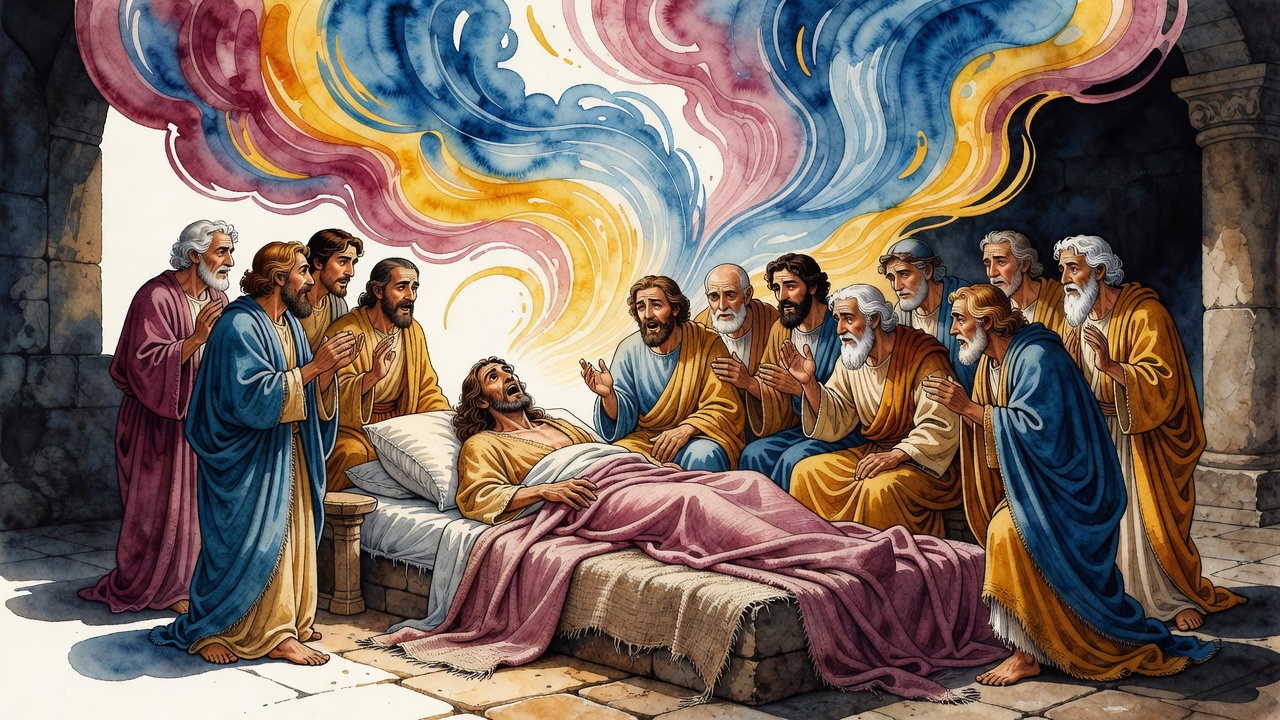
Gabriel Appeared to Joseph on the Road to Dothan
Jacob told him to walk by daylight and send word. He never said come home. In the empty fields near Shechem, a man was already waiting.
Table of Contents
 Click for full size
Jacob Said Send Me Word
Joseph was seventeen. He had come from the school. He wore the figured robe his father had made because the boy's face looked like his own. He had already told on his brothers for eating the flesh torn by beasts, the ears and the tails, and they would not speak peace to him.
Jacob sent him anyway. The brothers were feeding the flock in Shechem. Jacob was afraid the Hivites would come and strike them there, because they had struck Hamor and Shechem and the people of that city. "Go now. See whether it is well with your brothers and well with the flock, and send me word."
He told Joseph to travel by daylight, not by night. He did not say come home. He said send word. Since the covenant of the pieces, God had resolved that this family would go down to Egypt. Jacob did not connect the errand with that old decree. He thought he was checking on sons and sheep.
He sent the boy according to the deep counsel spoken to Abraham in Hebron. On that day the captivity of Egypt began.
Shechem Had No Brothers in It
Joseph reached Shechem and found nobody. The brothers had moved the flock. Shechem was already a bad place for this house. Dinah had been dishonored there. The ground remembered it even if the boy walking into town was thinking only of sheep.
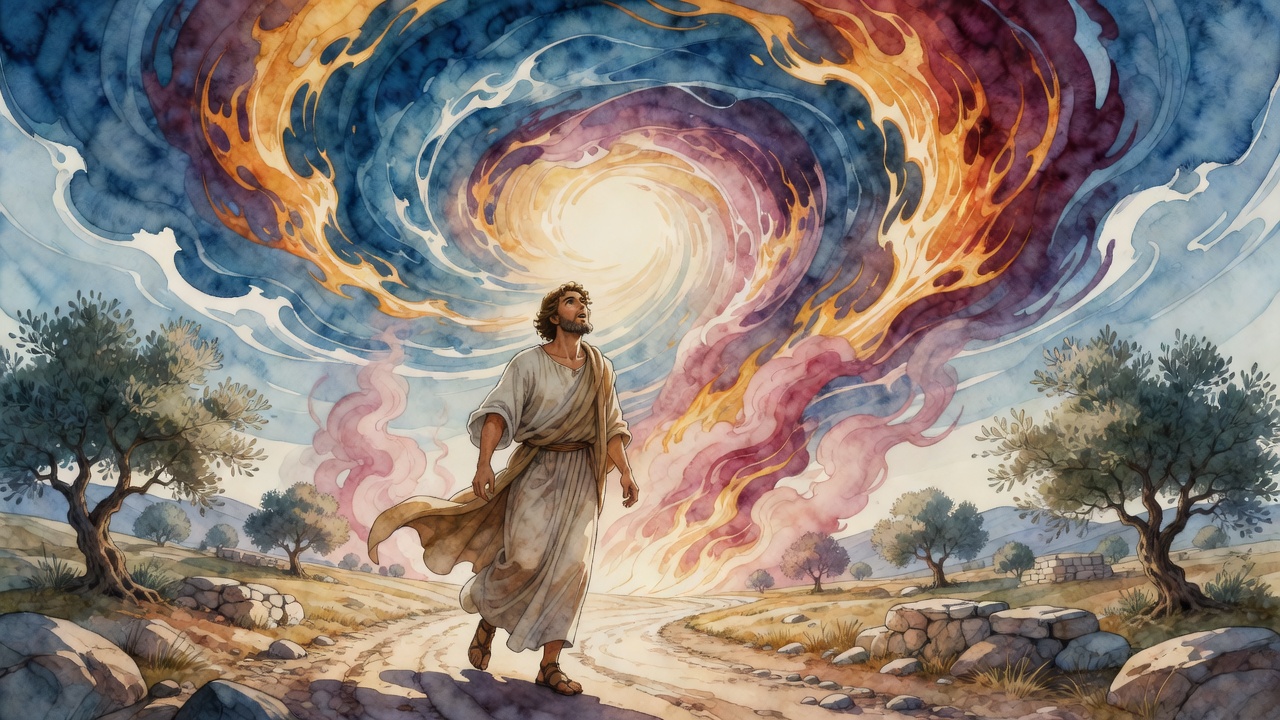
He went on toward the next pasture, not far from the city, and lost his way in the wilderness. He circled the empty fields. The boy lived it as a long, hot, wrong afternoon, a robe that caught the light, and no brothers anywhere he looked.
A man found him wandering.
A Man Asked What He Sought
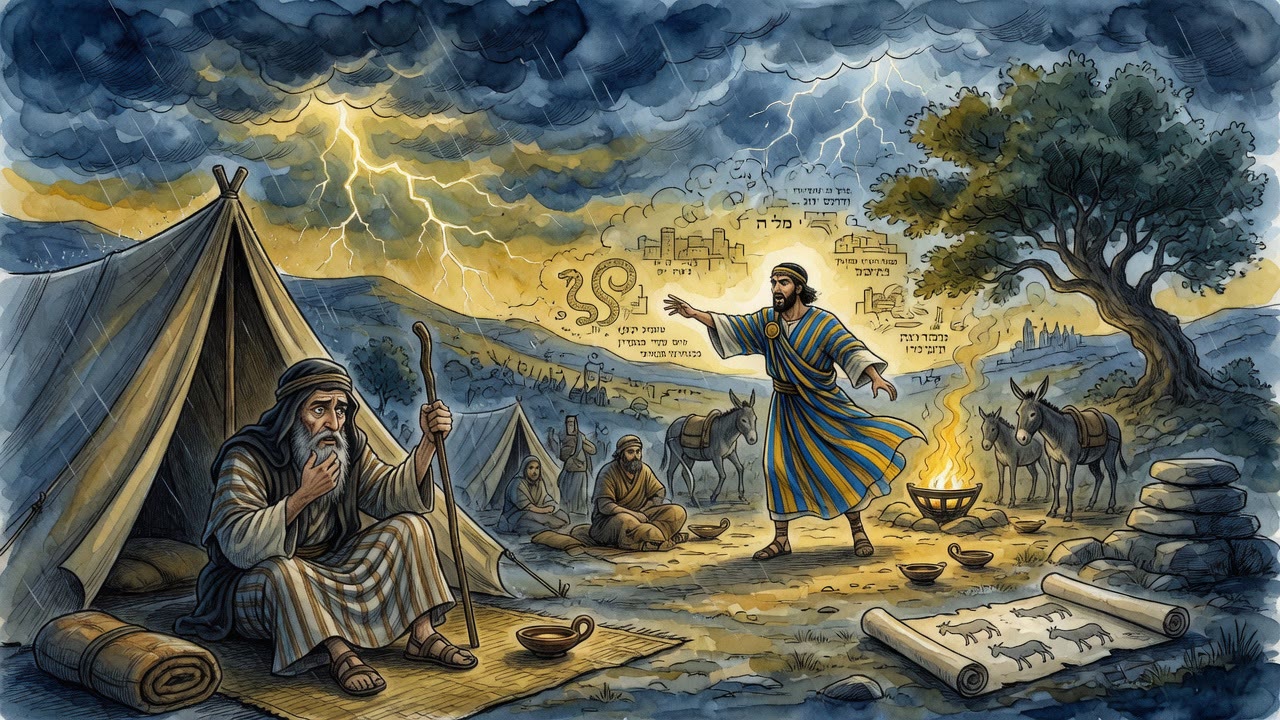
The man stood in front of him in human shape. It was Gabriel. Angels do not always arrive with wings. This one arrived with a question, appointed to meet the boy in that wilderness before another step toward Dothan.
"What seekest thou?"
"I seek my brethren. Show me, pray, where they feed."
Gabriel already knew. He was not collecting facts. He was opening a conversation that had to happen while Joseph could still turn around, even if he would not.
"They have gone from here. Your brothers have given up the divine qualities of love and mercy." That was why they left Shechem. Not because the grass was better at Dothan. Something in them had closed. They had traveled away from compassion toward a place that did not yet have a name and already had a shape.
"It was said to them in prophecy that the Hivites would set battle in array against them. Therefore they said, we will go to Dothan." They were fleeing one war and walking into the making of another.
Bondage Began That Morning
Gabriel had one more thing, and it was the reason he had come.
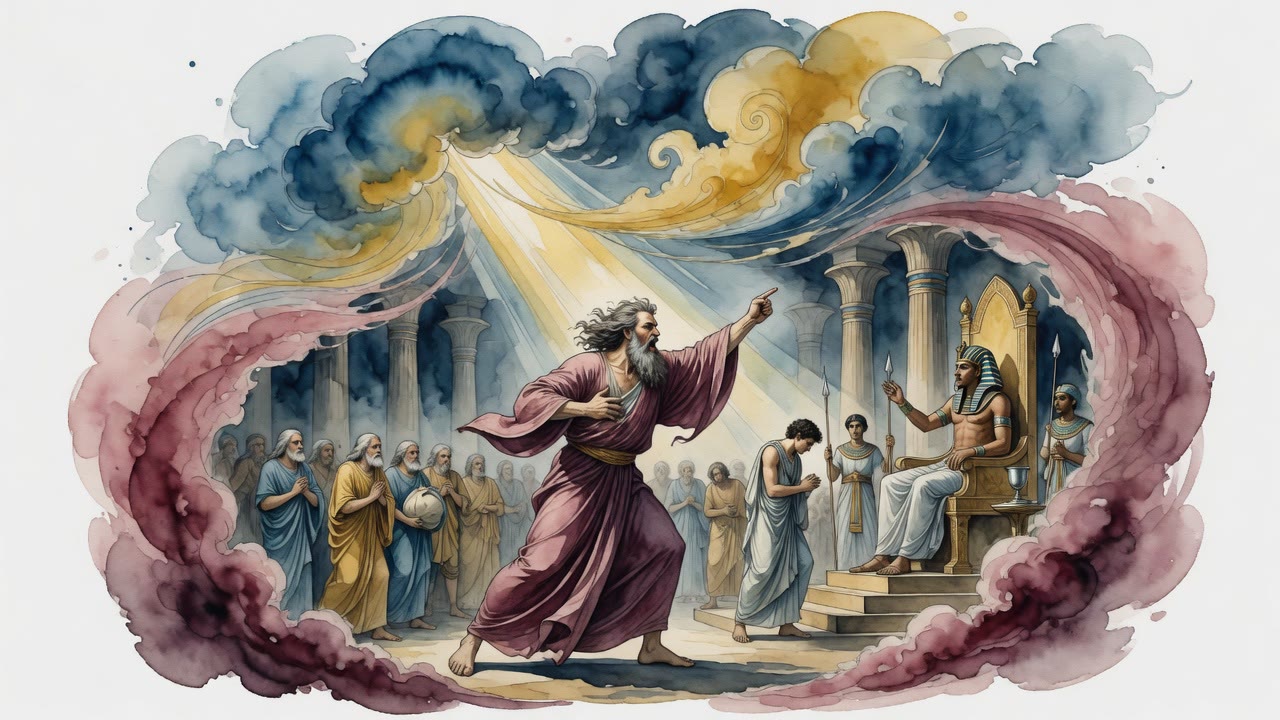
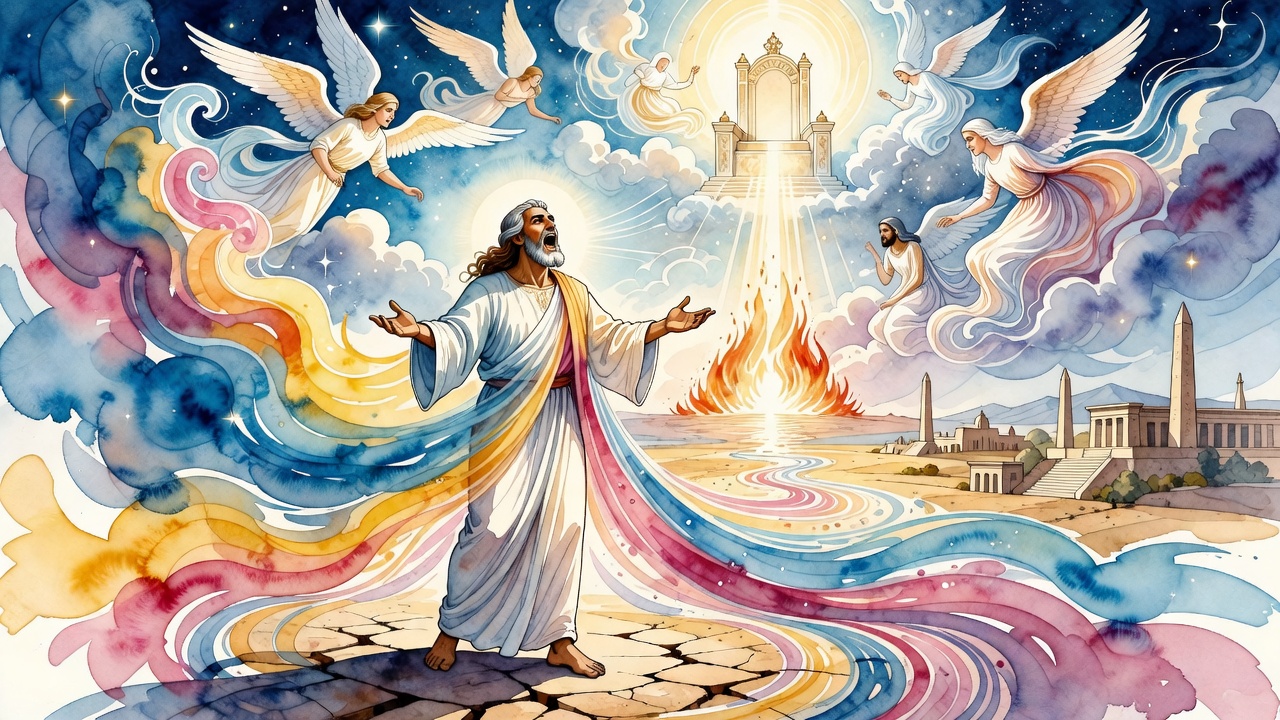
"I heard, while I was still standing behind the curtain that veils the throne, that this day the Egyptian bondage would begin, and you would be the first subjected to it."
Behind the Veil it had already been spoken. From today, servitude to Egypt. The pit, the house of Pharaoh, the four hundred years, all of it had its first morning here. Joseph stood lost near Shechem asking a man who was not a man where his brothers had gone.
Jacob had told him to walk by daylight so the roads would be safer. An unknown youth traveling alone was less likely to be robbed if he could be seen. The daylight did not protect him from the decree. It only made sure he arrived on time for it. The warning was already older than the walk.
Gabriel led him to Dothan.
He Walked There Anyway
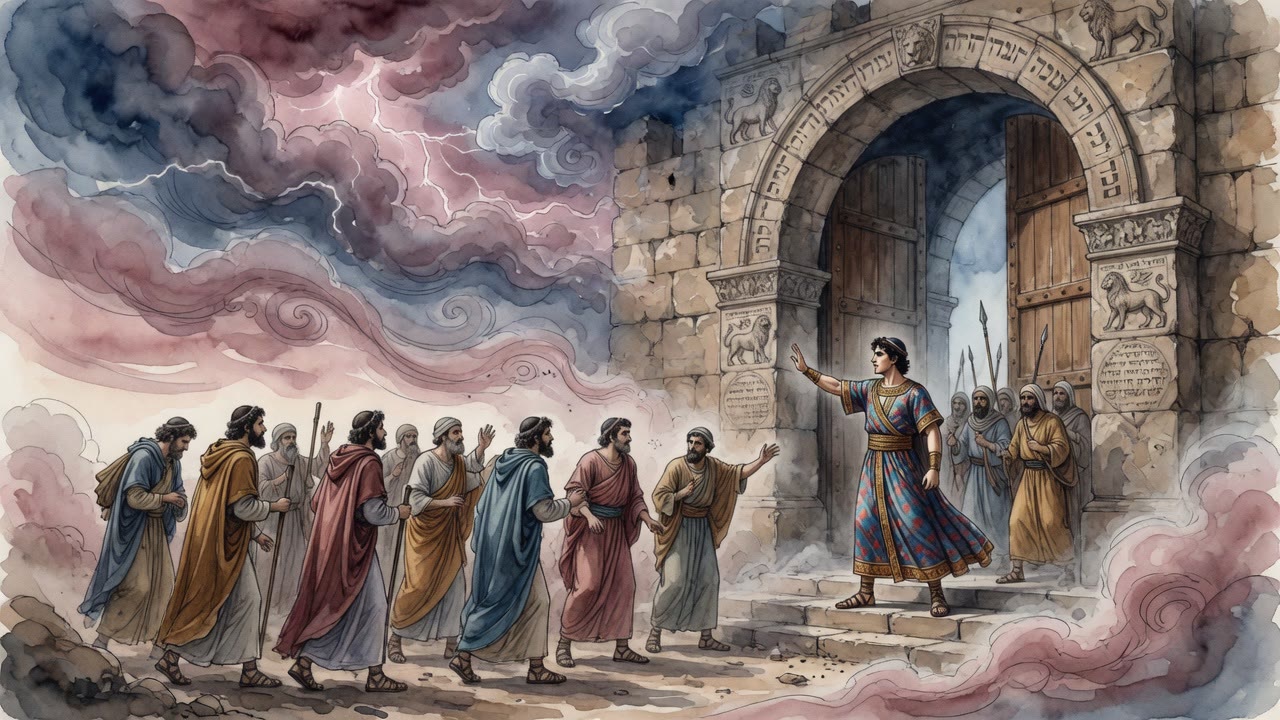
Joseph went after his brothers and found them. They saw him from afar, before he had come near, and they had time to plan. Simeon and Levi, brothers in counsel, said to one another, "Behold, this master of dreams comes. Let us kill him and throw him into a pit and say an evil beast has eaten him. We will see what becomes of his dreams."
Reuben heard and pulled the killing off the table. Do not shed innocent blood. Throw him into this pit in the wilderness. Reuben meant to come back and lift him out for their father. He was not with them later. He had gone among the hills, fasting, because he had confounded his father's couch and hoped this rescue might turn Jacob's anger.
They stripped Joseph of the figured garment and threw him in. The pit had no water. It had serpents and scorpions. They sat down to eat bread. A band of Arabians came from Gilead with camels, carrying wax, resin, balsam, and stacte, going down to Egypt. Judah said there was no profit in killing their own flesh. They drew Joseph up and sold him for twenty pieces of silver and bought sandals with the money.
He had walked into Dothan knowing. Gabriel had told him. He went anyway, in daylight, to send his father word, and the word that left that field was not a report about sheep.
← All myths