33 myths · Page 1 of 2
Each story names the sources it was written from.
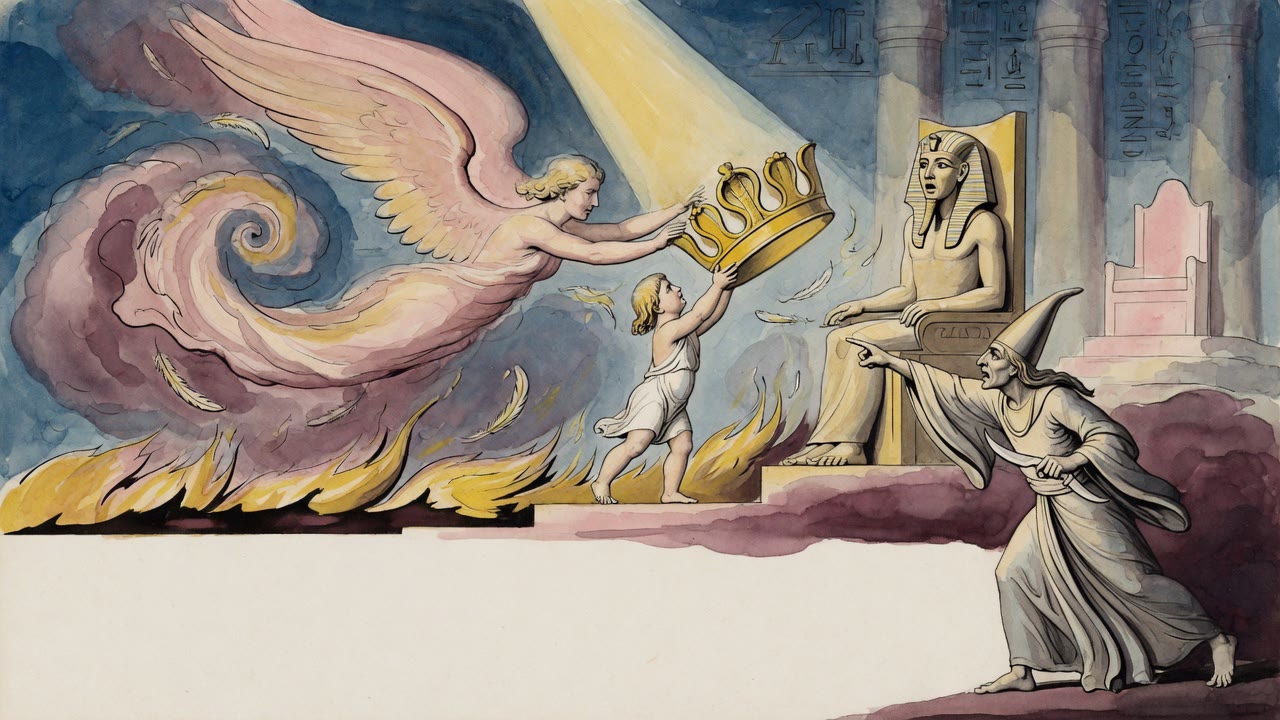
The child was three. He took the crown off Pharaoh's head and set it on his own. A sorcerer in the room called for his death.
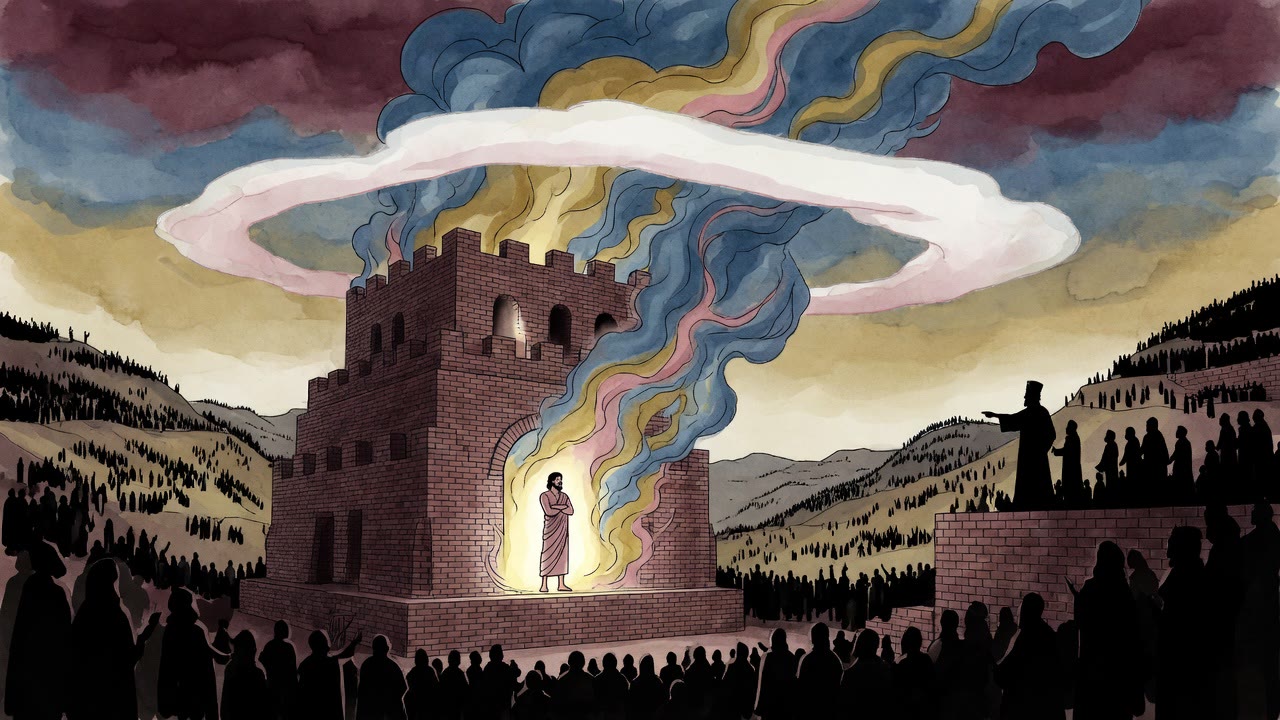
Terah told the king it was Haran who had advised the swap. It was a lie to save himself, and it put his own son in front of the fire.
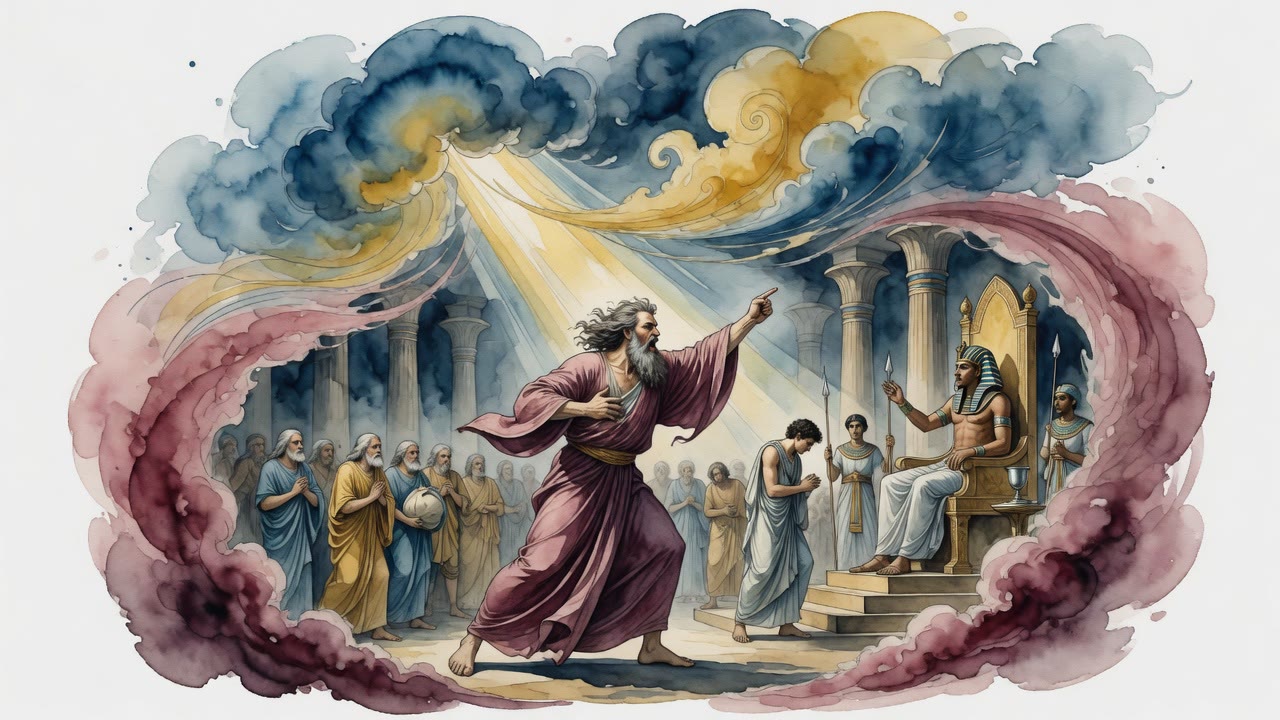
When Joseph was thrown into the pit naked, God sent Gabriel to clothe him. That angel never left, guiding him to his brothers, shielding him in Egypt.
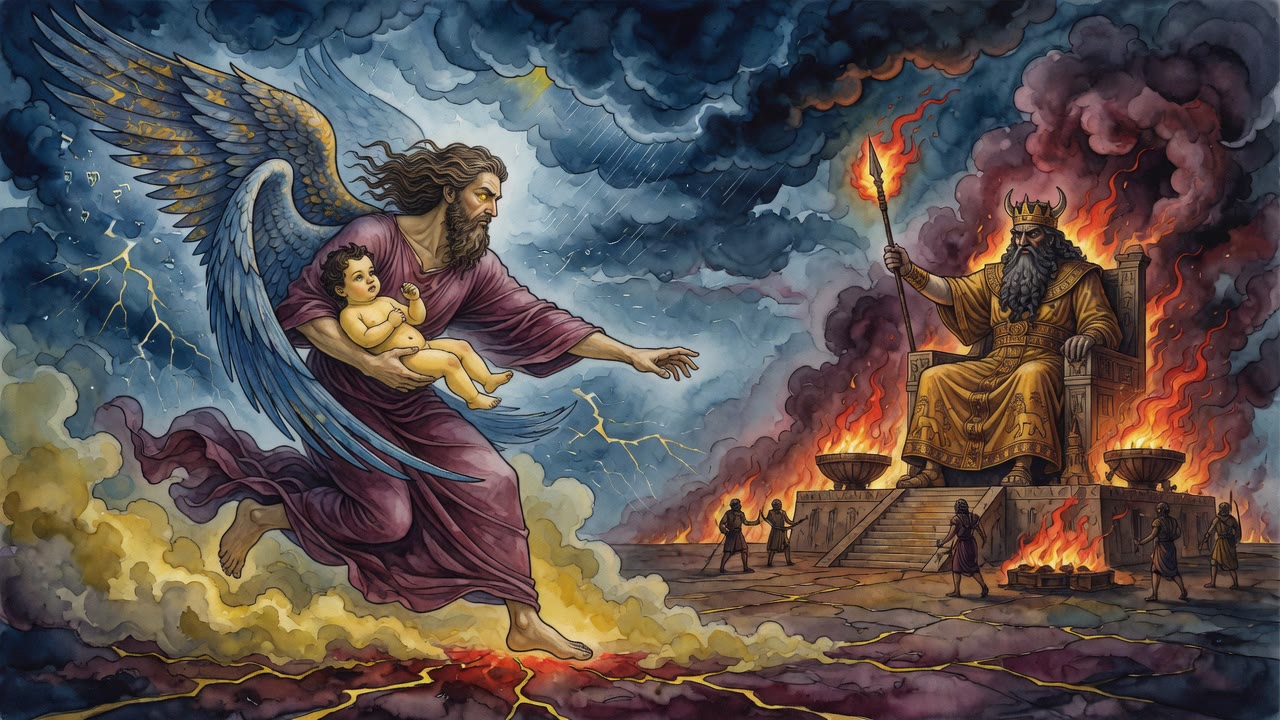
Gabriel made milk flow from his finger for the abandoned infant Abraham. Decades later he carried the same man on his shoulder into Nimrod's capital.
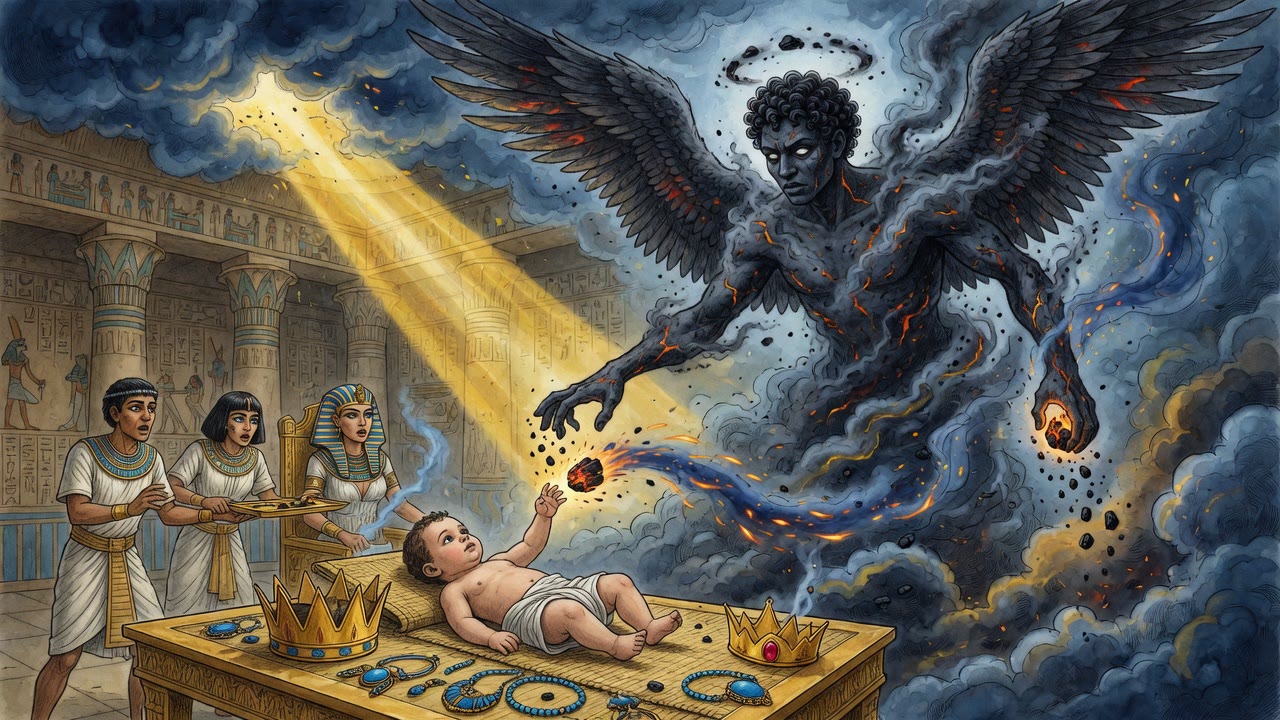
The crown slid down over the boy's ears. Cold air hit Pharaoh's scalp. Along the banquet table, nobody in the hall chewed.
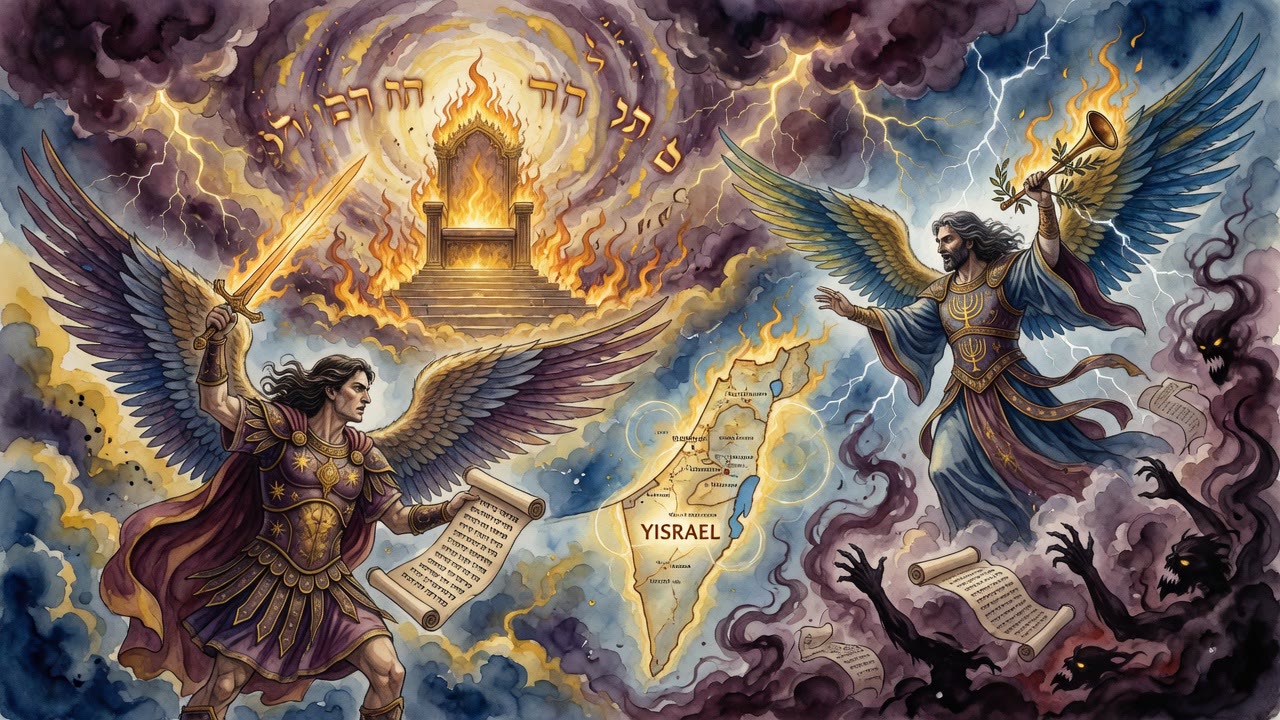
The empire's angel unrolled a long scroll toward the throne. The charges were true. Then Michael left the Temple that does not burn.
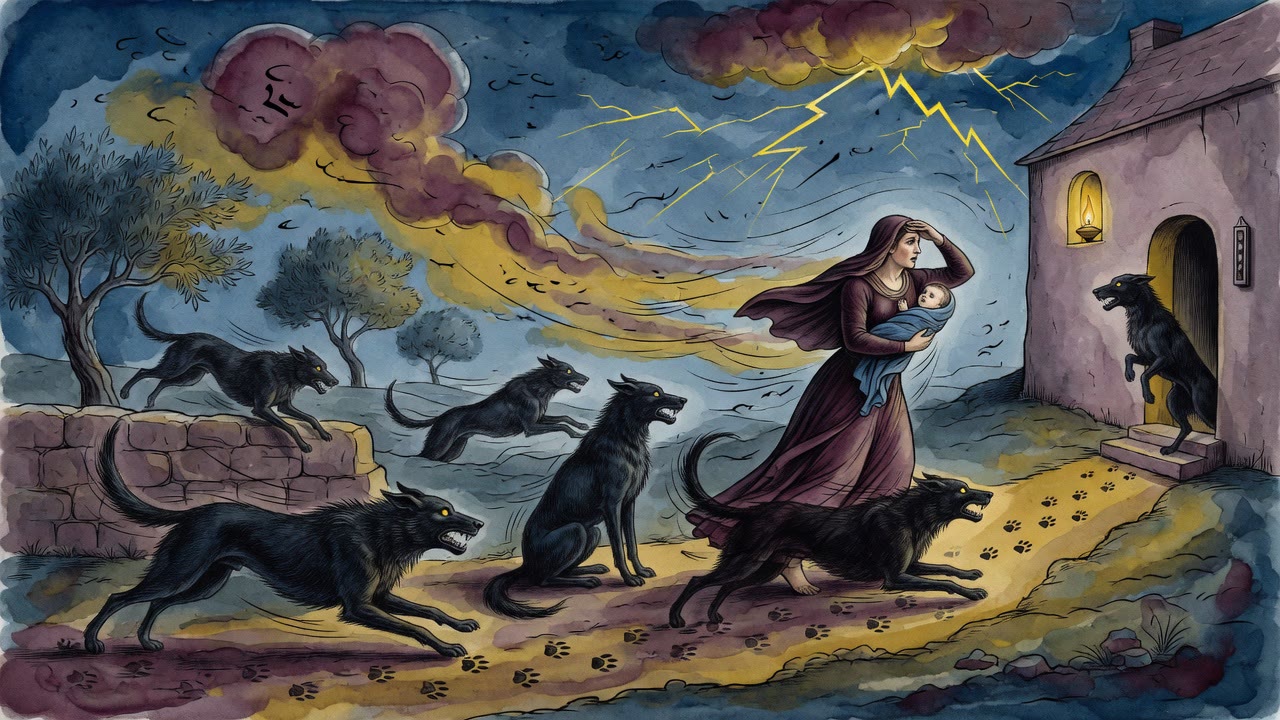
The water was cold the eighth time. She had already been in it seven times that night. At the door, a man wore her husband's face.
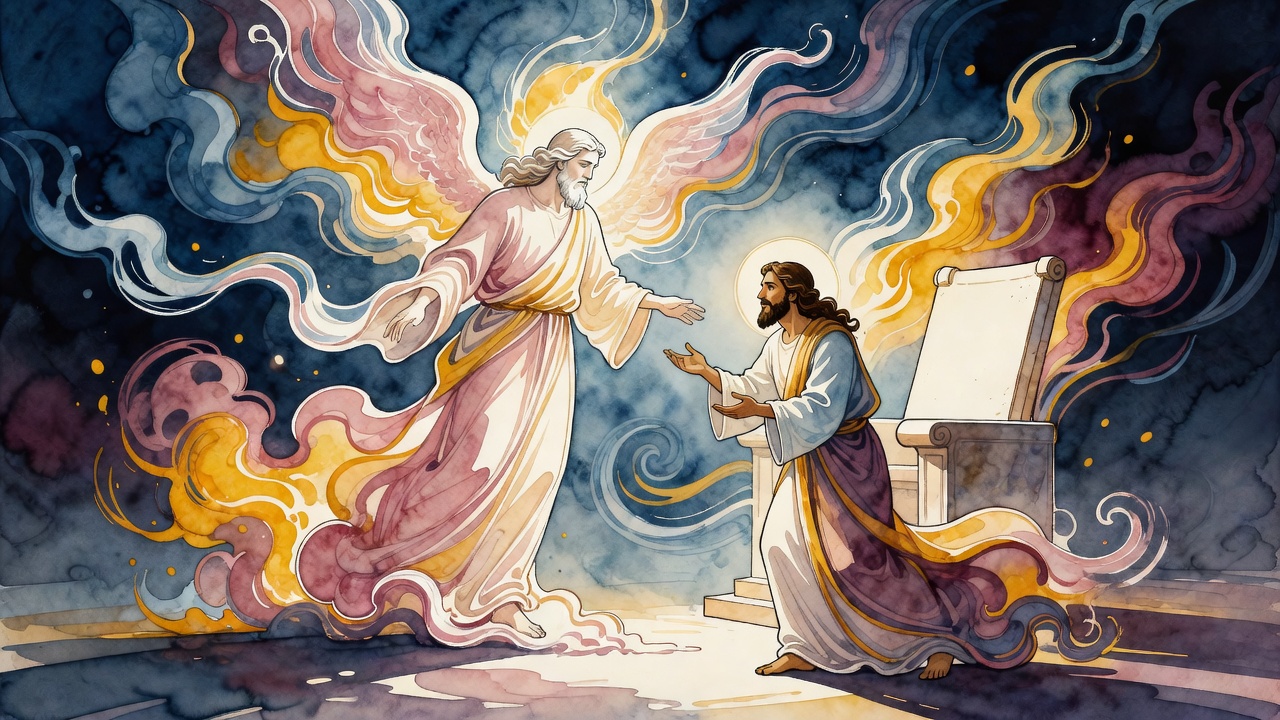
Pharaoh's throne sat atop seventy steps. A foreign prince could climb thirty-one, a petitioner three. Joseph came from the cell and climbed all seventy.
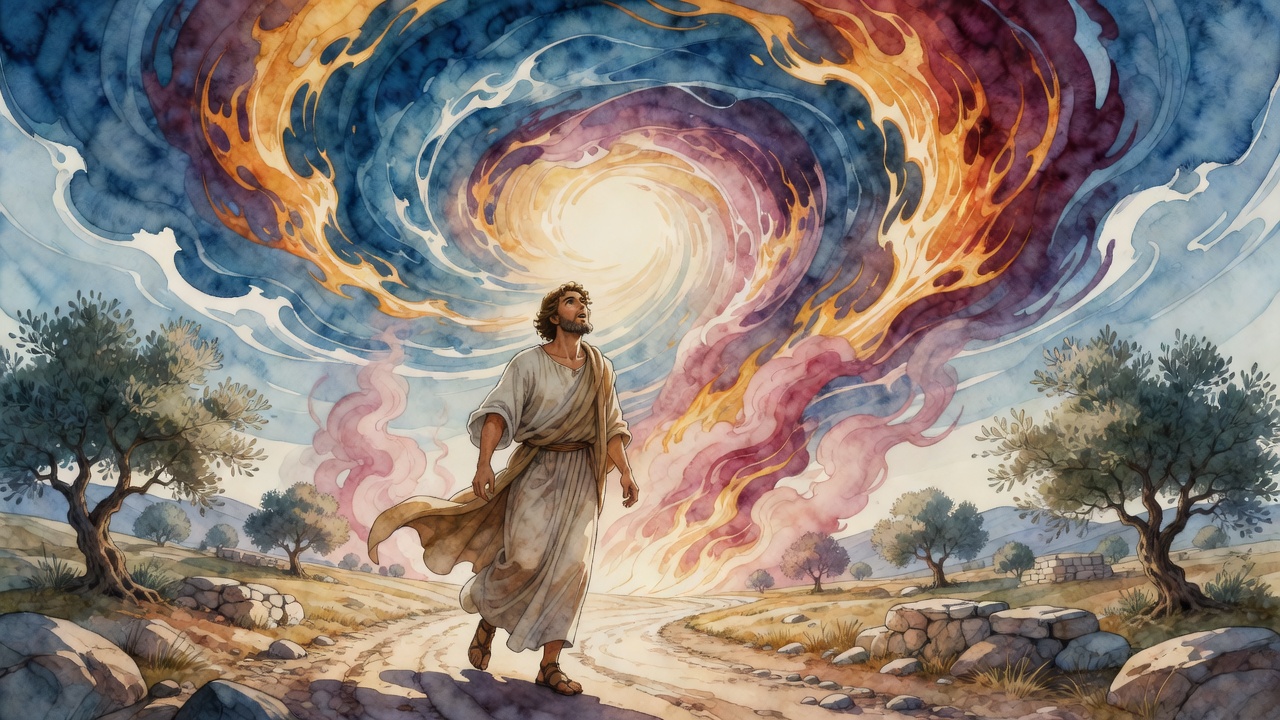
Jacob told him to walk by daylight and send word. He never said come home. In the empty fields near Shechem, a man was already waiting.
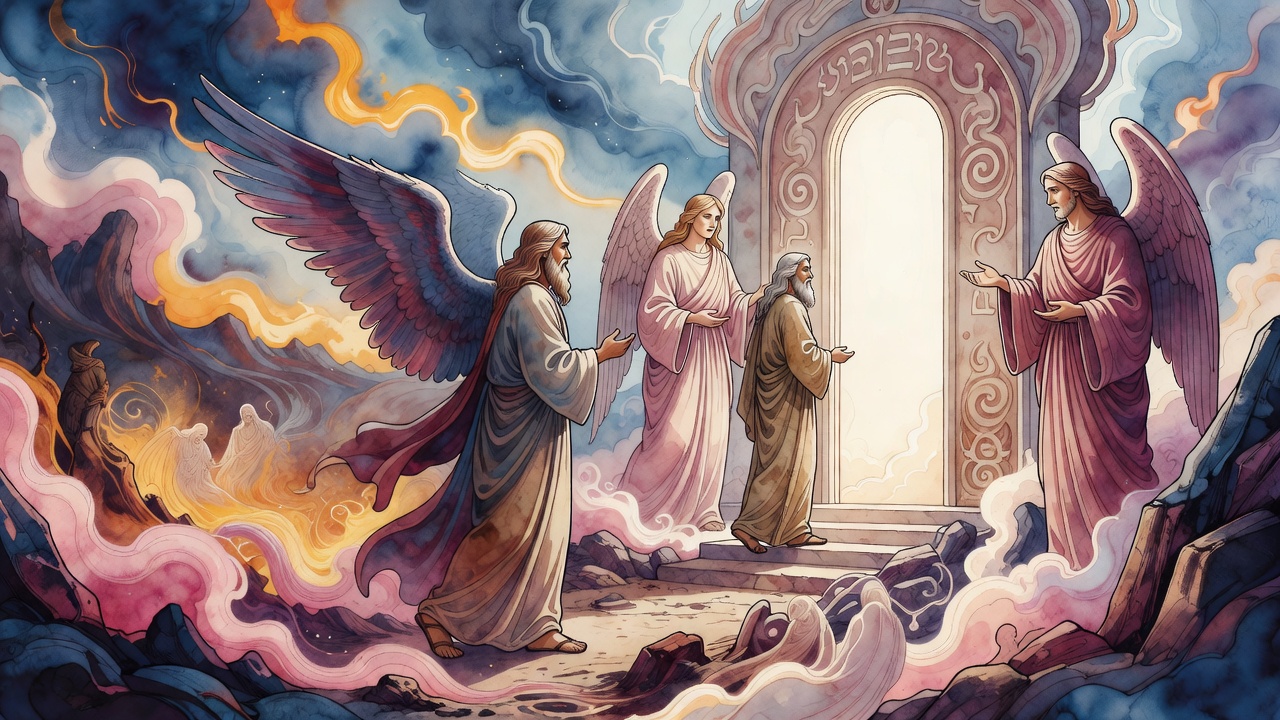
Gabriel led Moses through Gehinnom (afterlife of judgment) first, then to Paradise, where two angels at the gate said something no living visitor had ever.
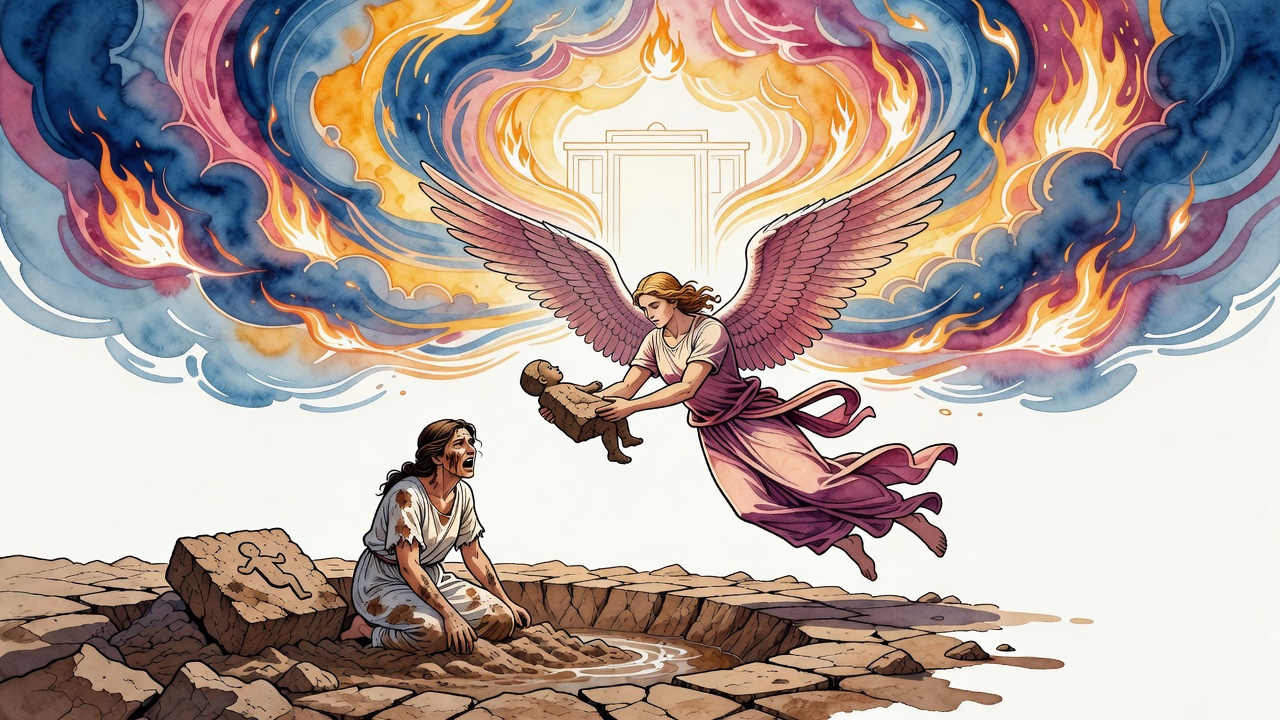
Rachel was treading clay for bricks when her labor came. The child dropped into the mud and sank. An angel went down after it.
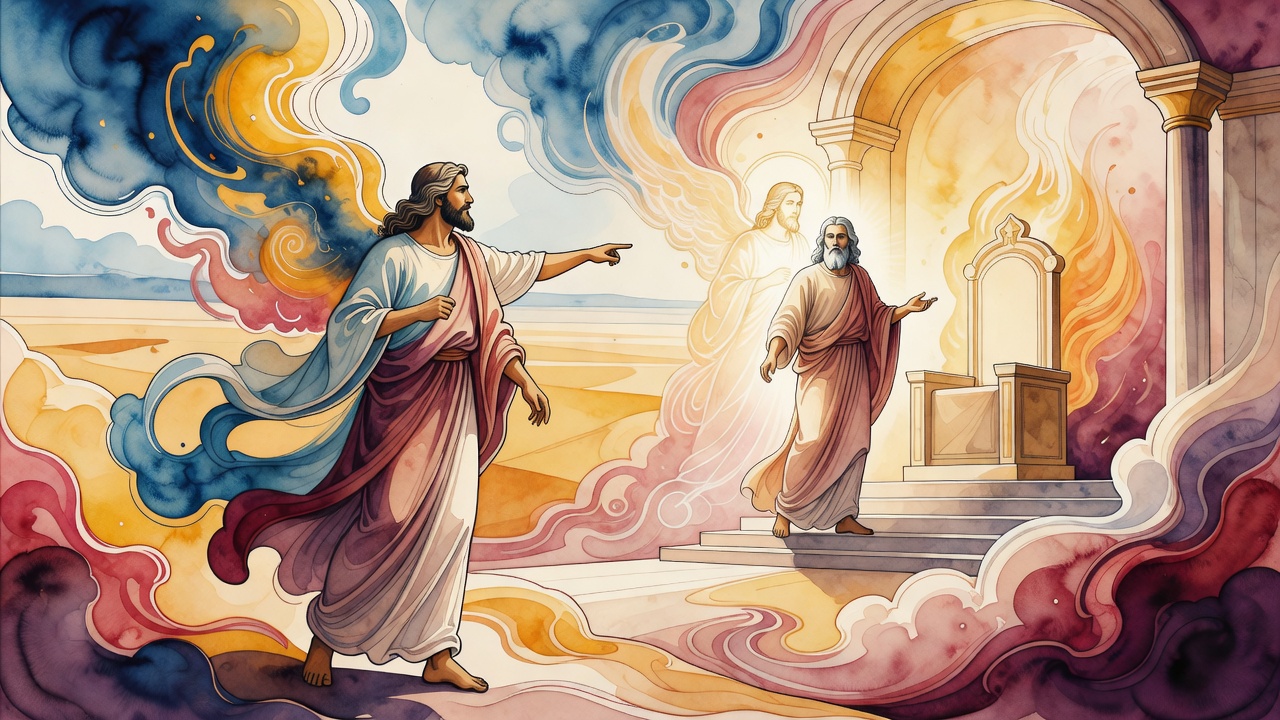
A man in the Shechem field sent Joseph toward Dothan. Joseph was seventeen. Thirteen years later Pharaoh put a ring on that same hand.
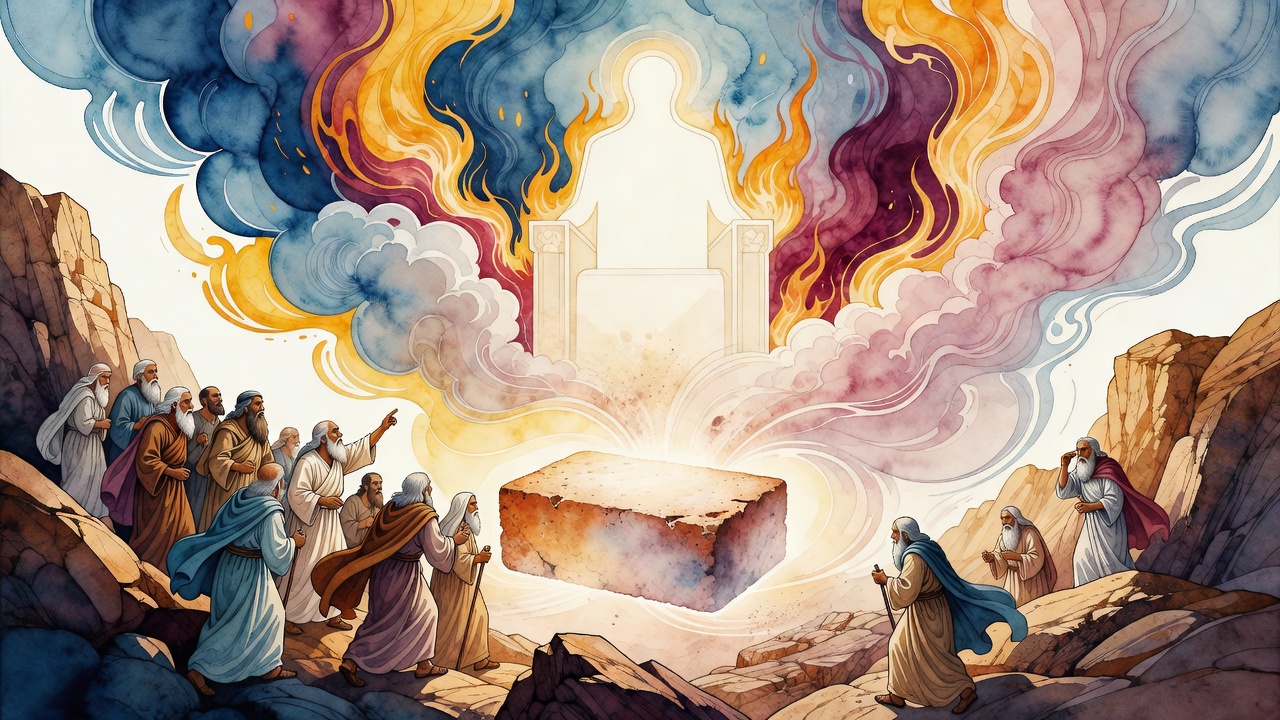
A woman went into labor while she was treading mortar for Pharaoh. The child came out into the brick mold, and an angel came down for the mold.
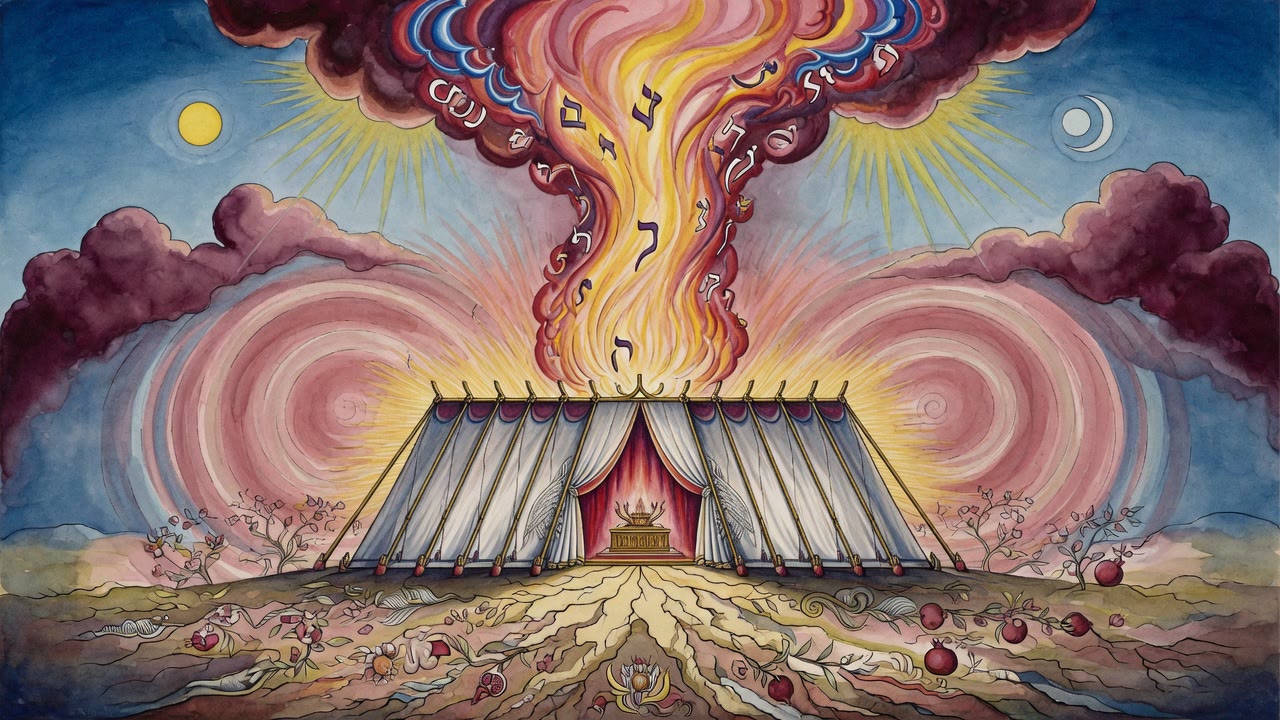
Joseph walked the empty field near Shechem calling for his brothers. A stranger pointed him to Dothan. The coat came off that day.
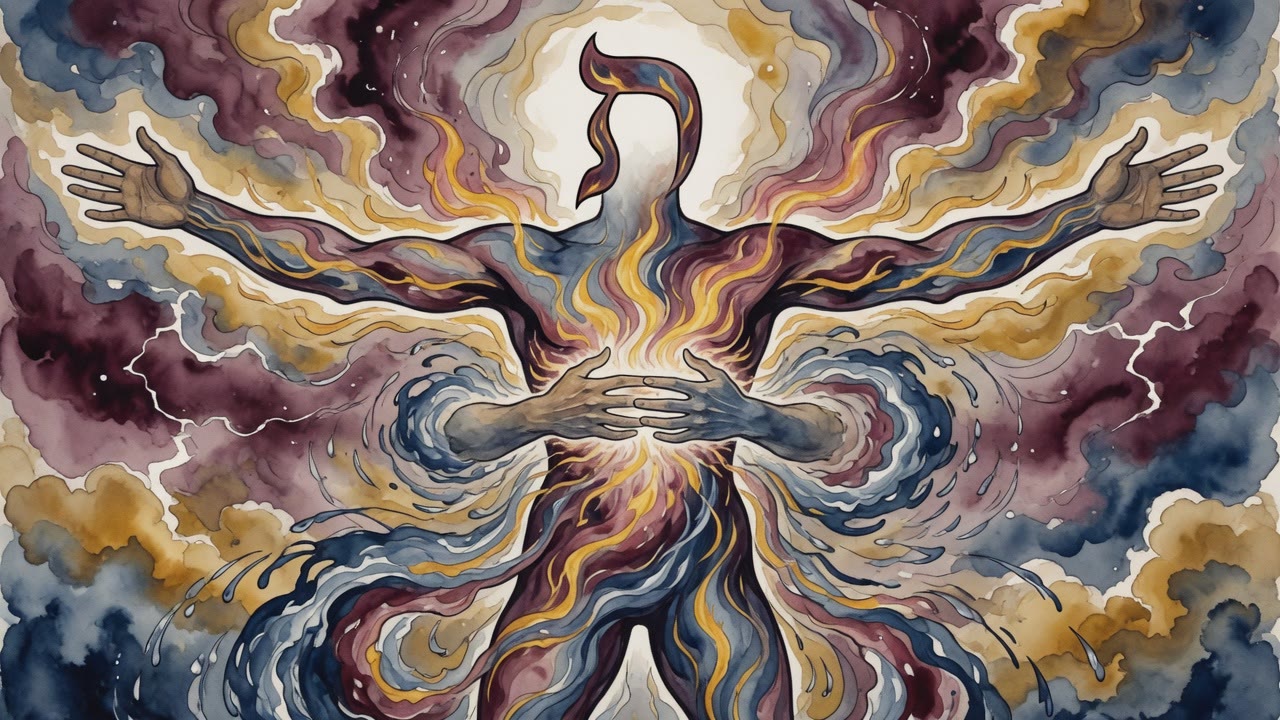
Fire makes peace with hail, Gabriel holds back at the sea, and Michael waits for dawn to drown Egypt's sorcerers, because destruction must wait for command.
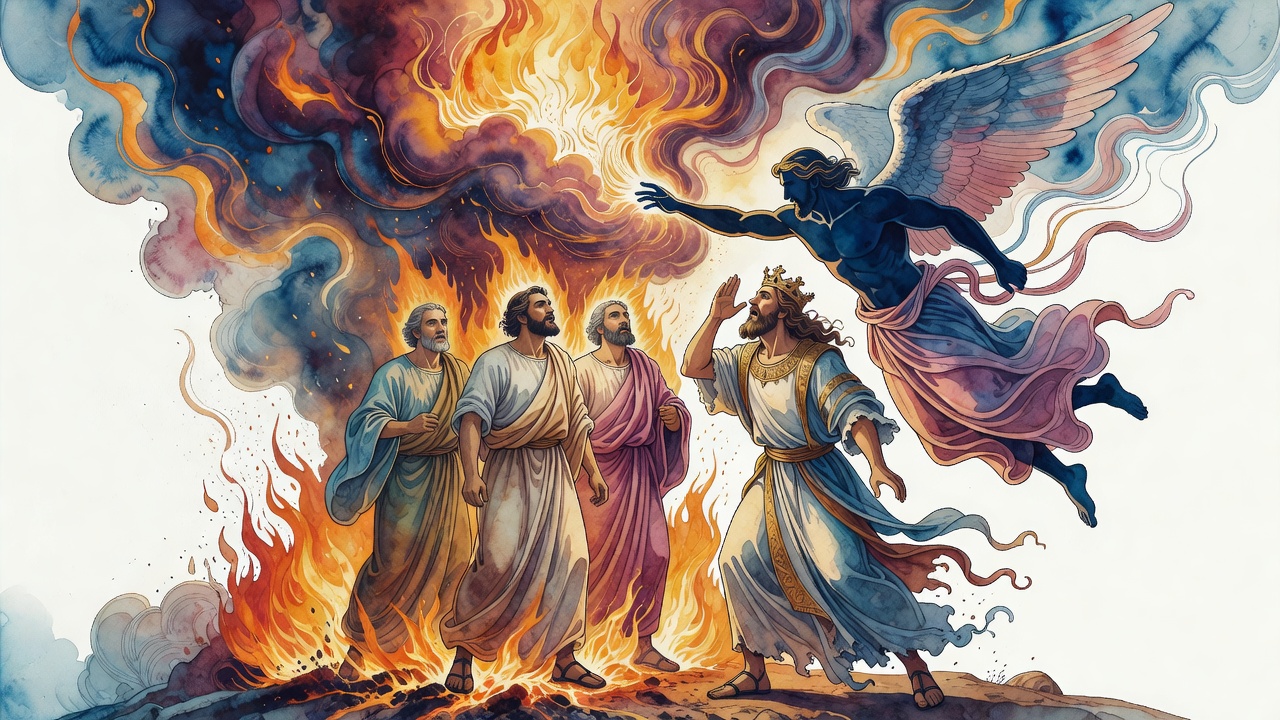
Three men stood unburned in the fire, and when the king cried that the fourth looked like a son of God, an angel came down and struck his mouth.
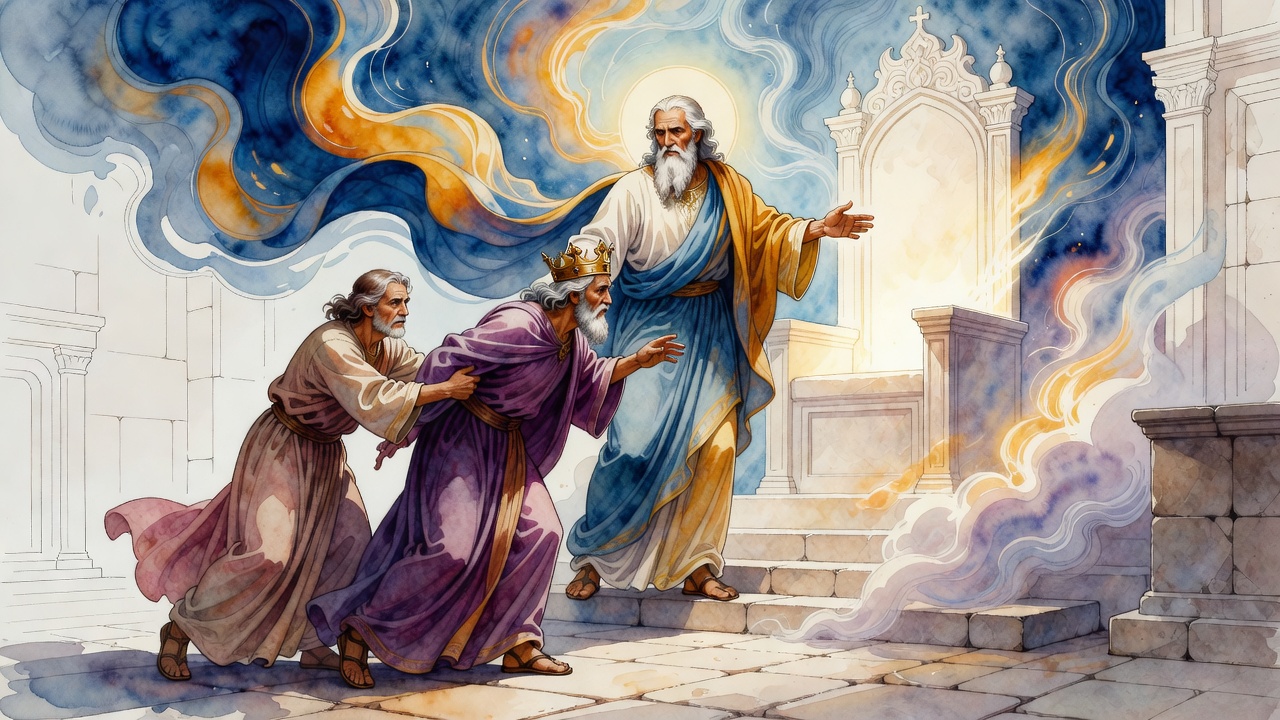
A plaintiff drags the Hasmonean king into court, and Simeon ben Shetah orders the crowned monarch to rise and answer like any defendant.
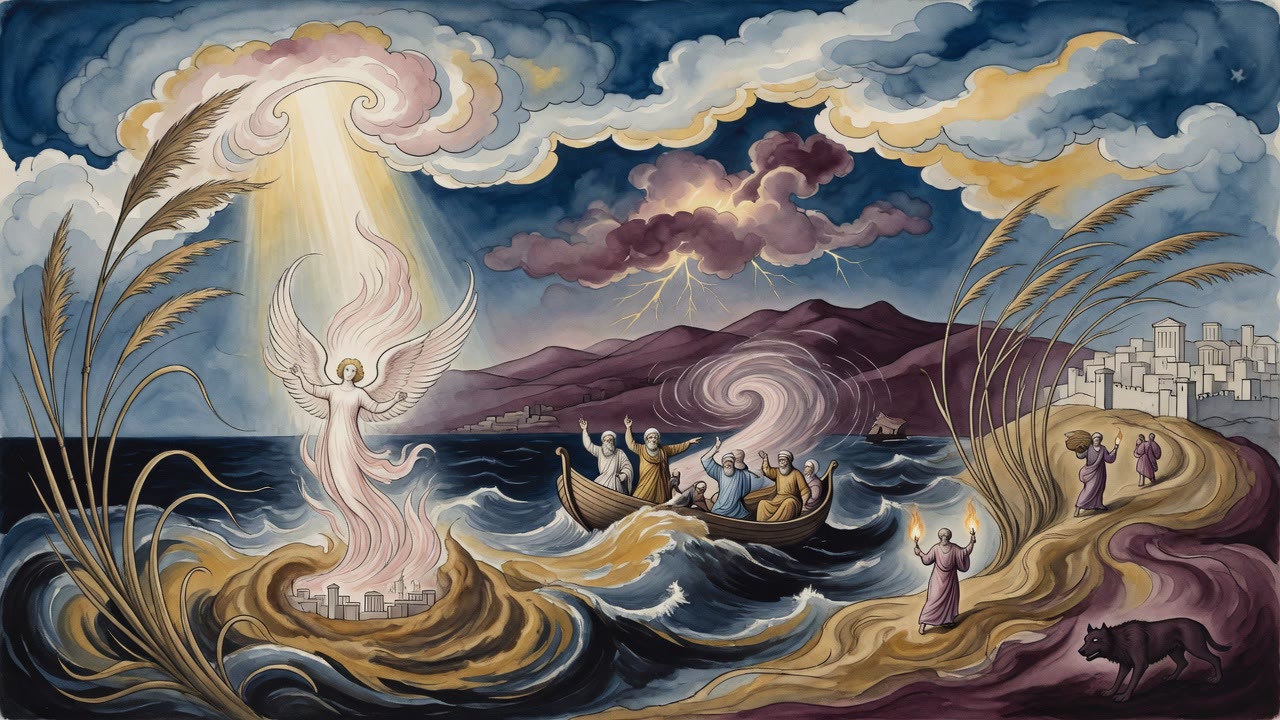
On the night Solomon weds Pharaoh's daughter, an angel plants a reed in the sea, and the silt that gathers will one day burn Jerusalem.
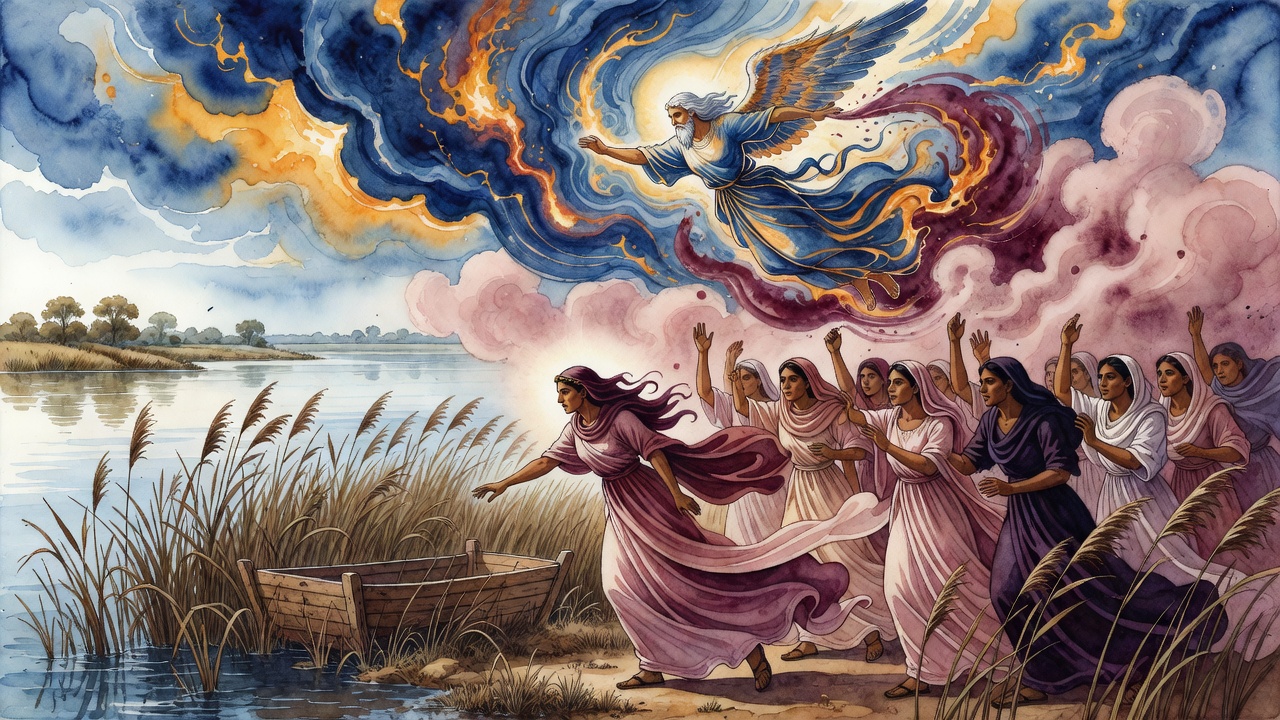
Pharaoh's daughter reaches for the ark in the reeds, her maidens block her in the name of the decree, and Gabriel strikes them down.
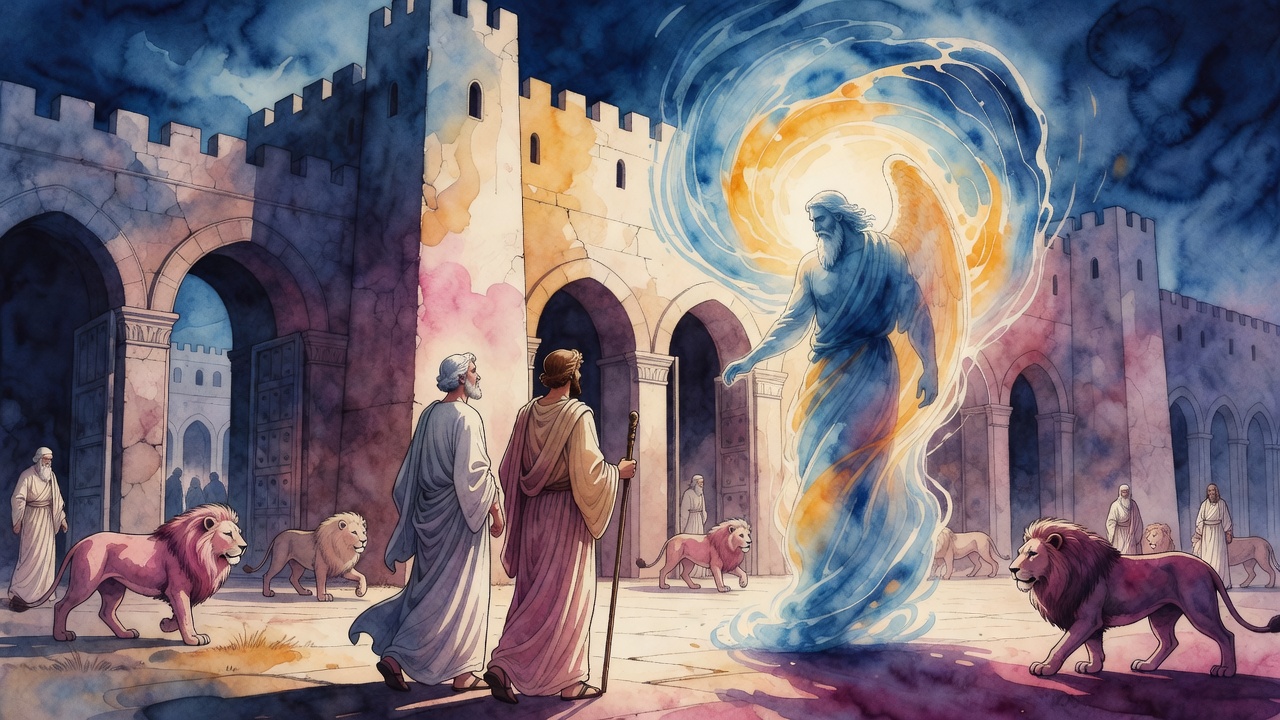
The elders slipped away one by one until only two brothers faced a fortress of four hundred gates and lions, and an angel walked them in.
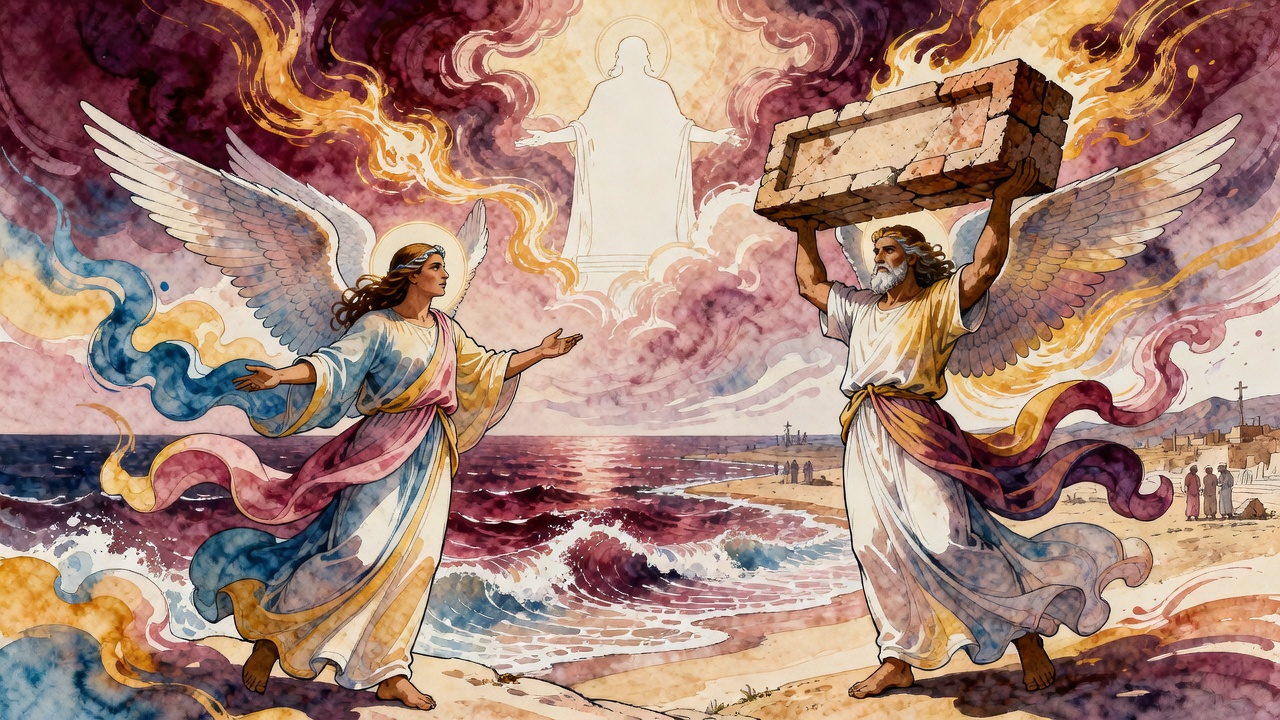
Egypt's angel said the slaves had already been paid in silver. Gabriel held up a brick-mold with straw still stuck in the corners.
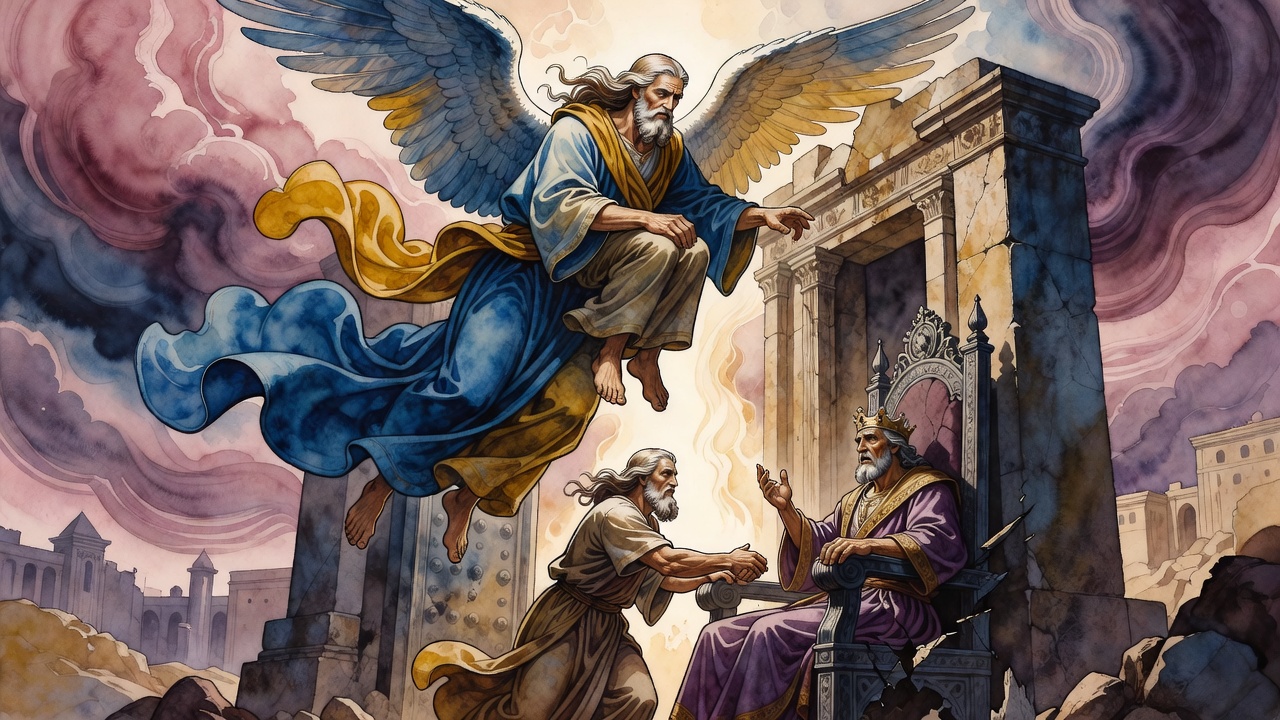
Abraham protested he had no army. The angel Gabriel set him on a shoulder, set him at Babylon's gate, and watched him shake a king's throne barehanded.
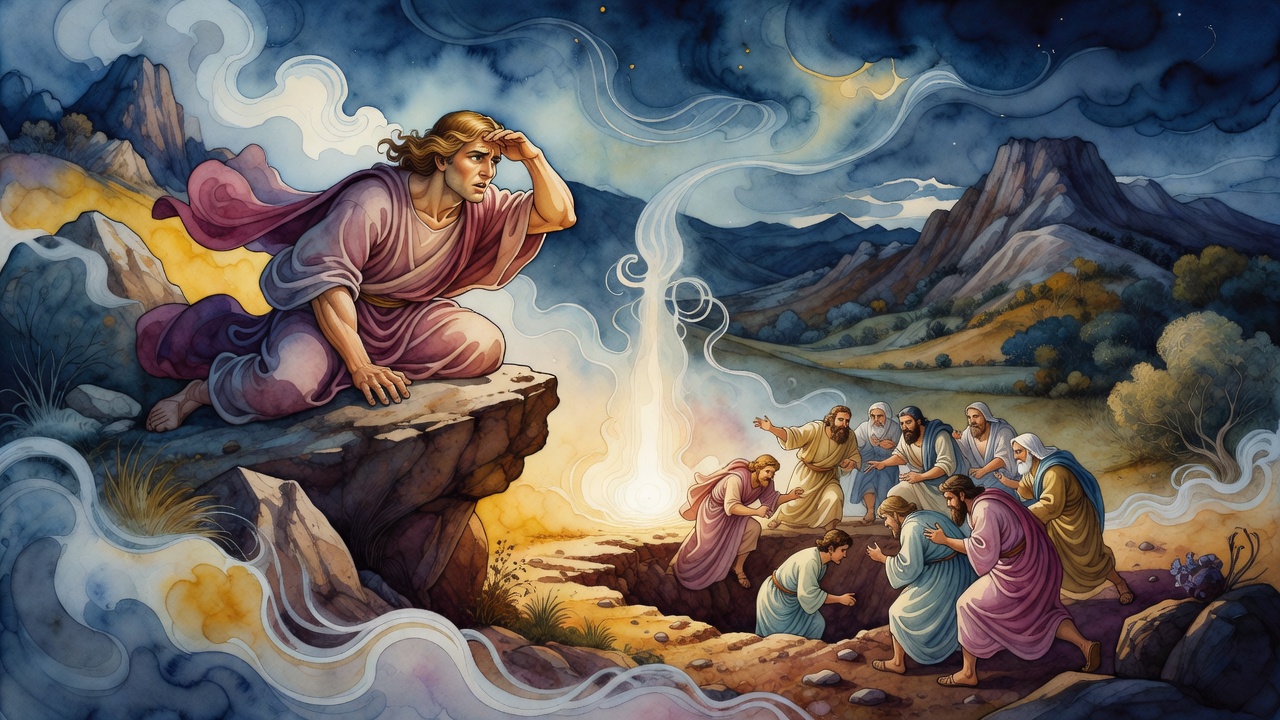
Reuben stalled murder with a pit and hid on a mountain to save Joseph by night, but nine brothers sold the boy while the eldest watched the wrong ridge.
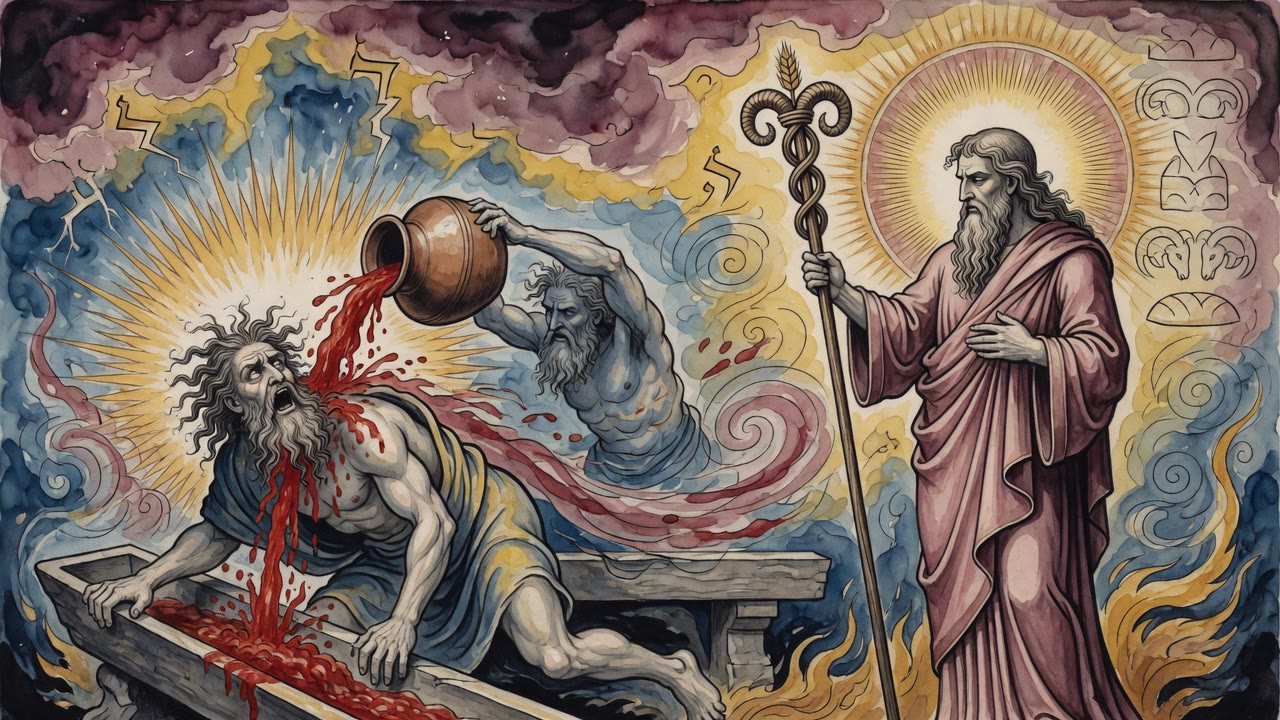
The pit had no water. It had snakes. When they hauled him up, the face Jacob loved had gone white, and the buyers paid shoe money.
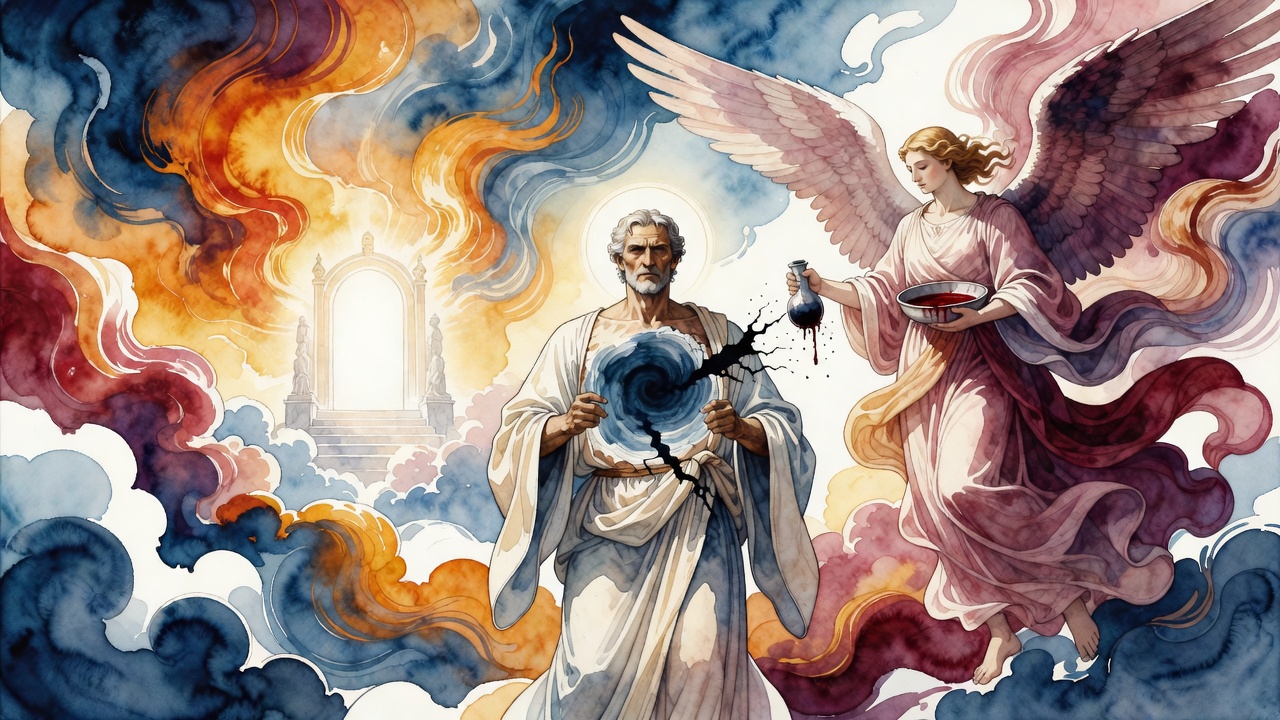
Gabriel walked Jerusalem with two pens, ink for the men who wept over the city and blood for the men who ran it. Then Justice asked her question.
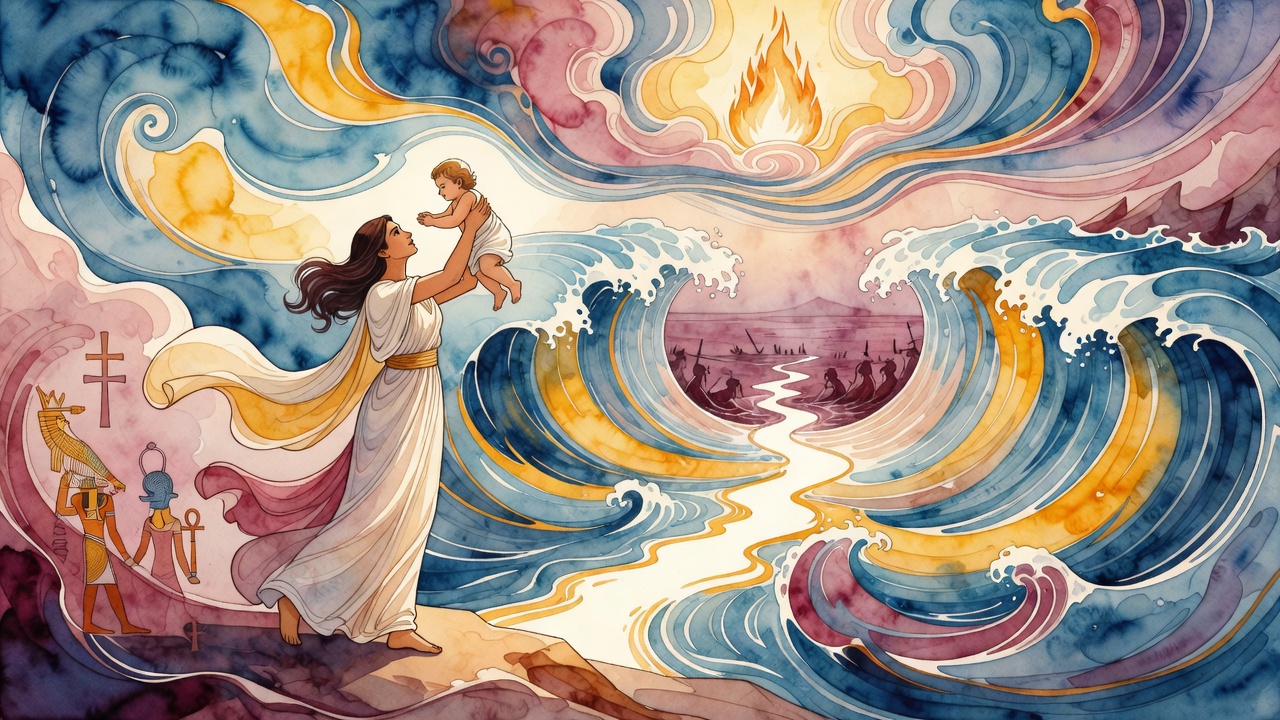
Pharaoh's daughter went down to the Nile to wash off her father's idolatry. Her maidens told her the decree still stood. Gabriel struck them down on the bank.
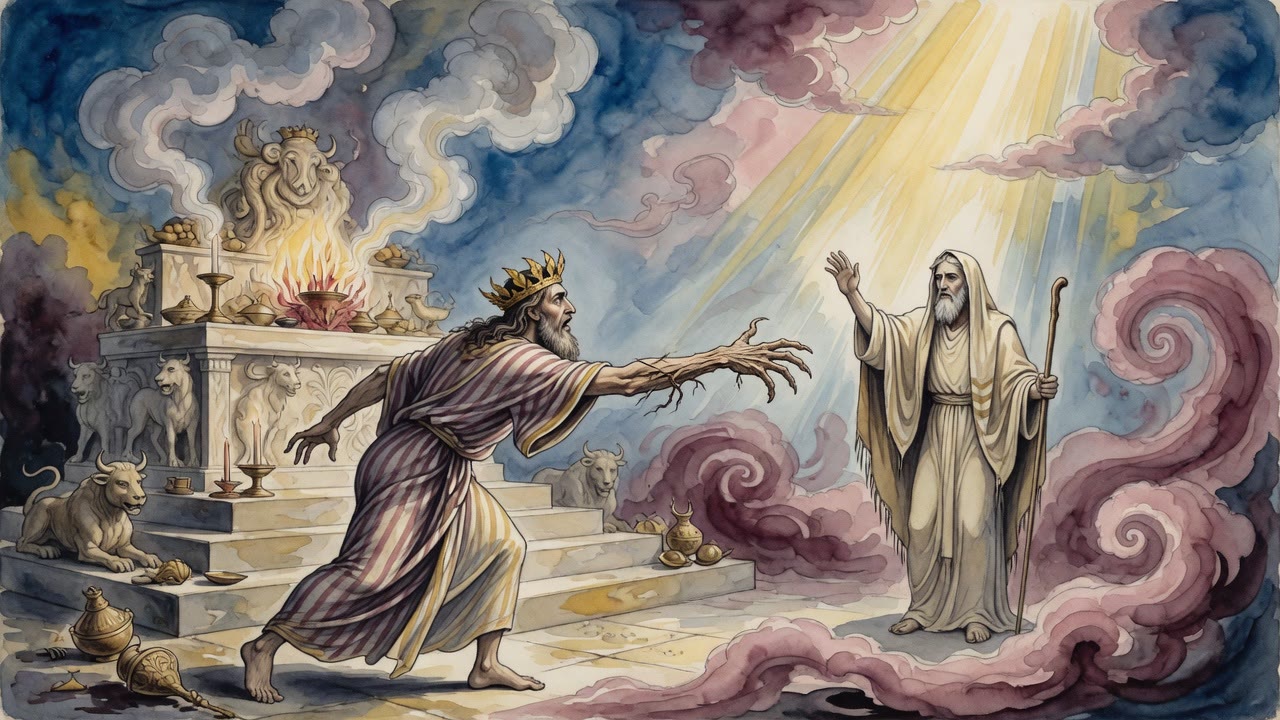
Asahels name broke Davids casualty list. Pharaoh's daughter broke Solomons list of loves. That wedding day Gabriel planted a reed in the sea, and Rome rose.
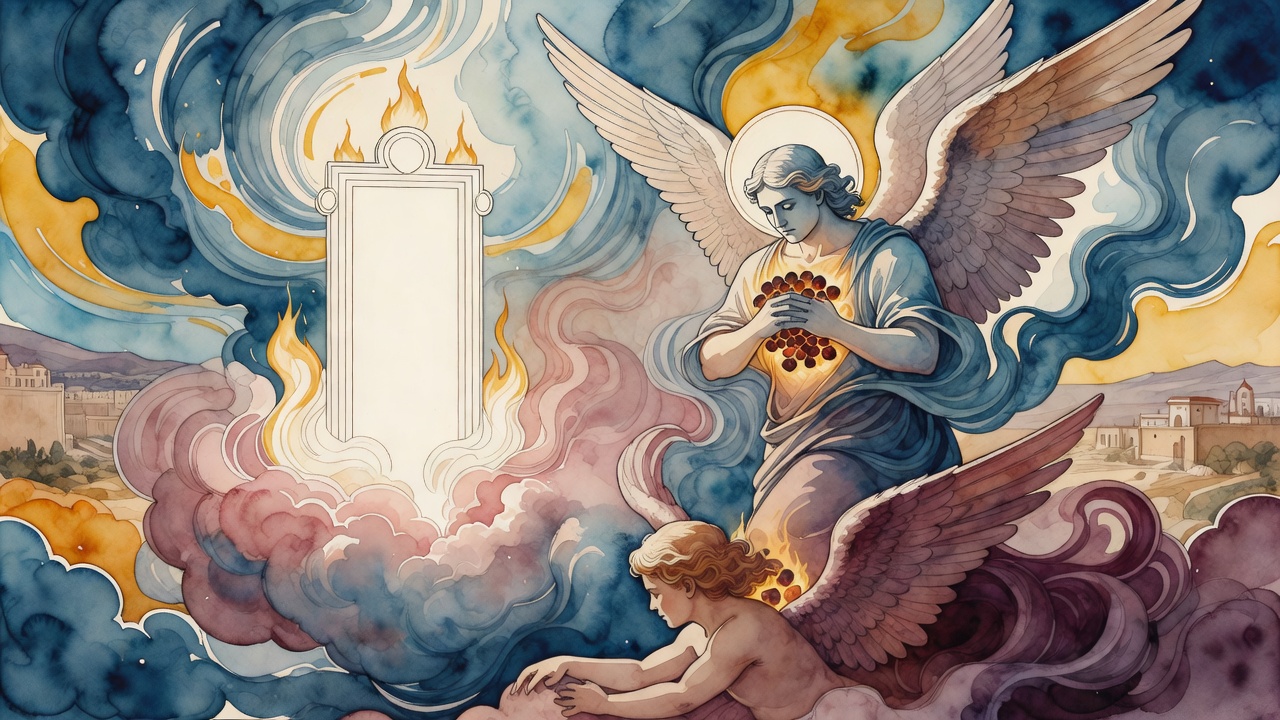
Gabriel cooled the cherub's coals against his chest for six years, waiting for Israel to turn, until mercy stayed his arm for the sake of kindness.
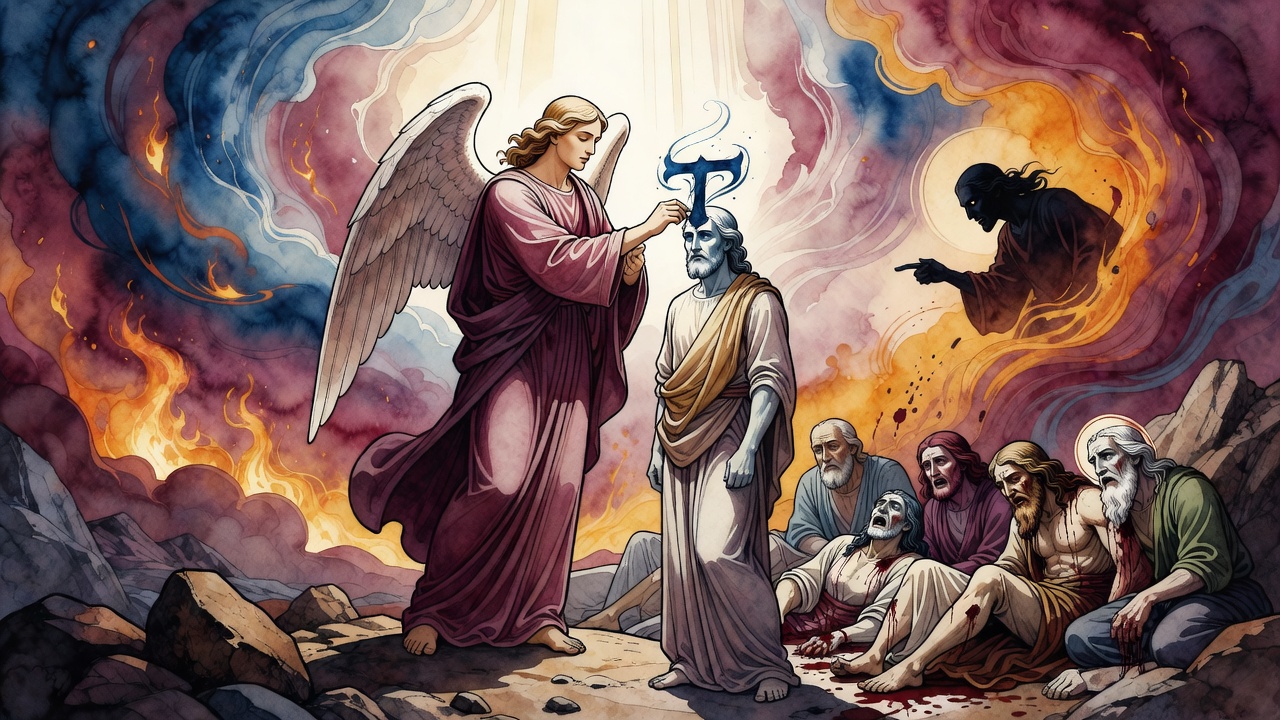
Gabriel inked a taw on the righteous and blood on the wicked. The Accuser argued the ink-marked had failed to protest.
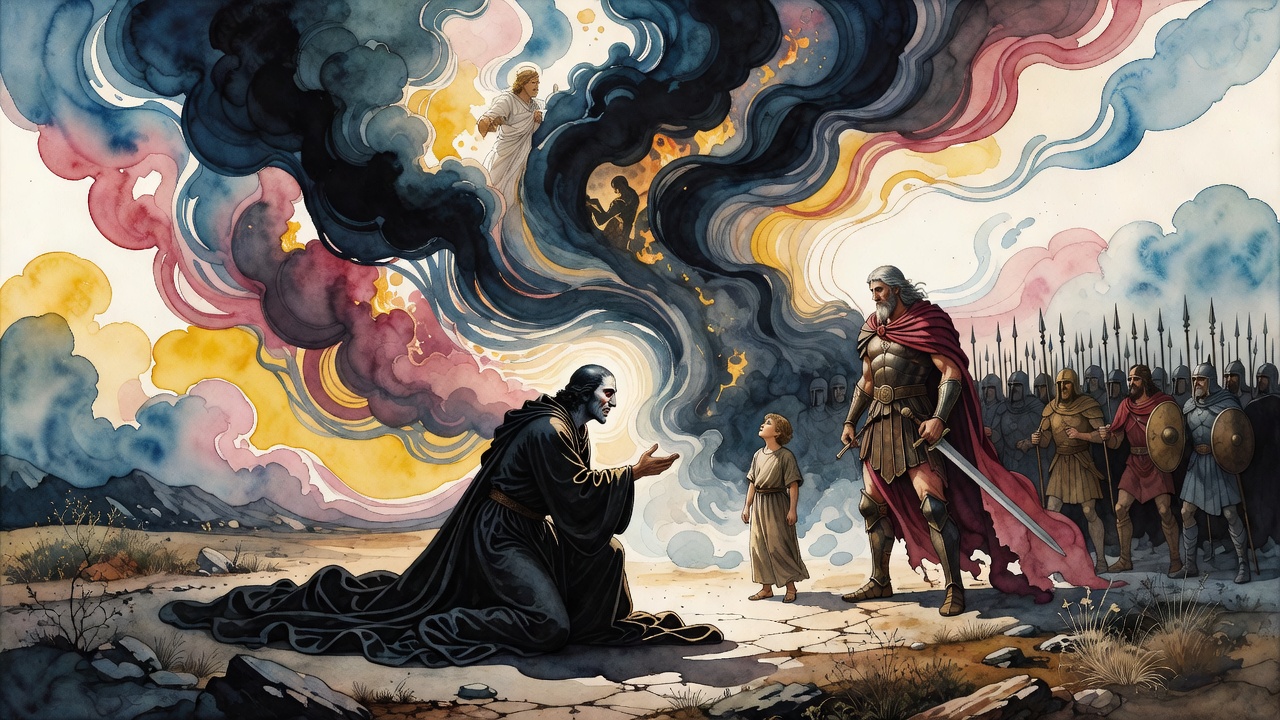
Ha-Satan (the Accuser) knelt before Nimrod in black silk and urged war on the child Abraham until Gabriel threw dark clouds between the boy and the host.
