Gabriel Struck the Maidens at Pharaoh's Daughter's Nile
Pharaoh's daughter reaches for the ark in the reeds, her maidens block her in the name of the decree, and Gabriel strikes them down.
Table of Contents
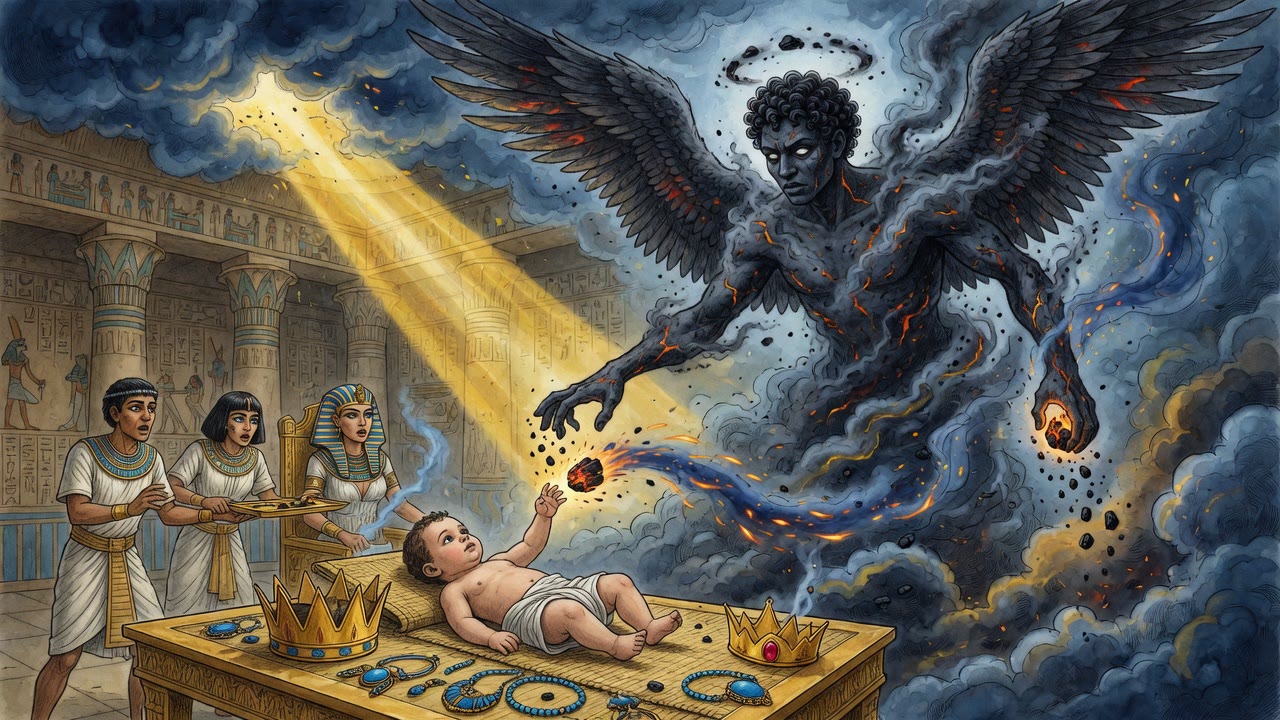
The decree had a face now. For weeks it had been only a sound in the palace, the word of advisors leaning close to the throne, telling Pharaoh what their stargazing had shown them. Somewhere among the Hebrews a child had been born who would rise up against Egypt, mock its kings and princes and judges, and take the government out of Pharaoh's own hand. They did not speak of a people. They spoke of one infant. One small body that had to be found and emptied of its blood before it learned to crawl.
 Click for full size
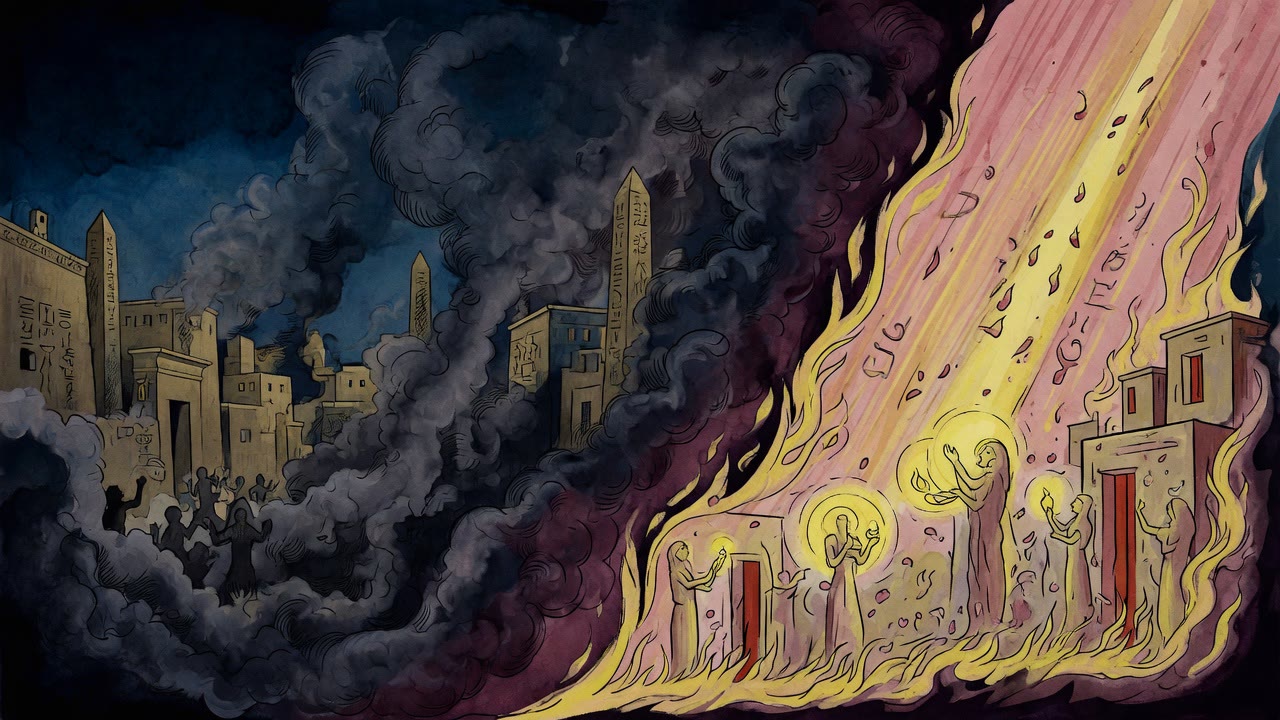
So the Nile filled with the sons of slaves, and the river that fed Egypt became the grave of Egypt's fear.
The Princess Goes Down to the Water
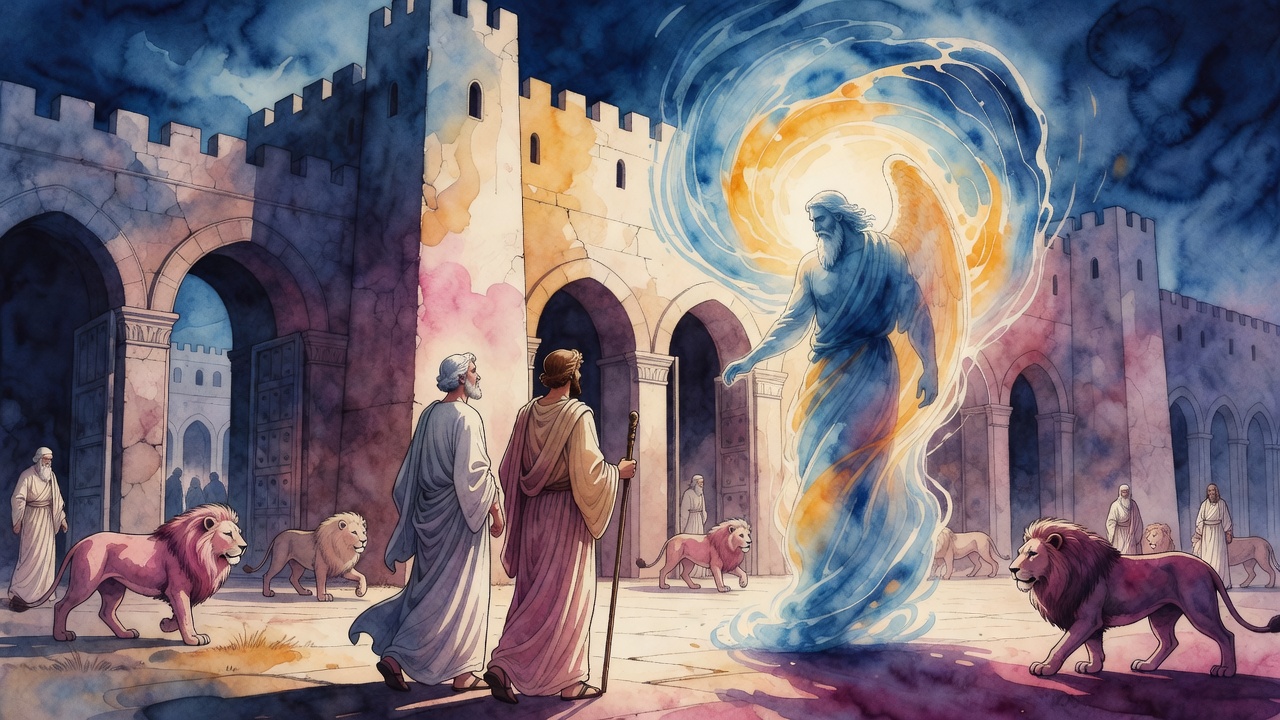
The daughter of the man who signed the decree came down to the river to wash. She came to scrub away the house she had been born into, the idols of her father, the smell of the gods she no longer wanted on her skin. She walked into the reeds with her women trailing behind her, and the rushes closed around her ankles, and the brown water moved slow and warm against the bank.
Then she saw it. A small ark of bulrushes, sealed with pitch and clay, riding the current at the edge of the marsh where the reeds were thickest. It did not sink. It turned in the eddy and held.
She knew at once what it was. Every woman of Egypt knew what floated in the Nile that season. A Hebrew mother had given her son to the river rather than to the soldiers, and the river had refused to take him.
What the Maidens Said in the Reeds
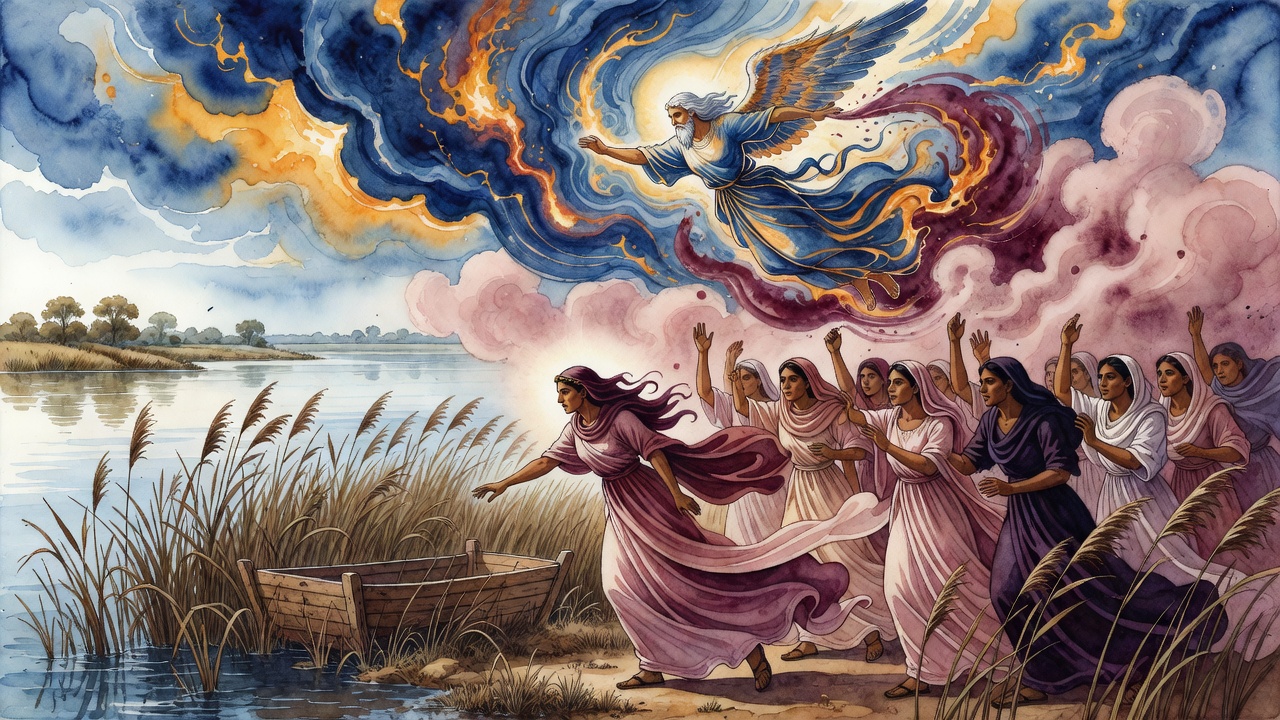
She stretched out her hand toward the basket. And her women stepped in front of her.
They were not cruel girls. They were frightened ones, and they understood the law in a way the princess seemed unwilling to. One of them spoke for all of them, and her voice was reasonable, almost gentle, the voice of someone trying to save her mistress from herself.
"Our mistress," she said, "it is the way of the world that when a king of flesh and blood makes a decree, even if the whole world ignores it, his own children keep it, and the people of his own house keep it. But you would reach into the water and break your father's law with your own hands?"
It was a clean argument. The decree had come from the very mouth that had named this woman daughter. To lift the child was to call her father a murderer. To lift the child was to choose a doomed Hebrew over the throne that fed her. The maidens stood between the princess and the basket, and for one breath the future of Israel hung on whether a sheltered young woman would obey the only authority she had ever known.
Gabriel Comes Down to the Bank
The maidens did not finish their warning.
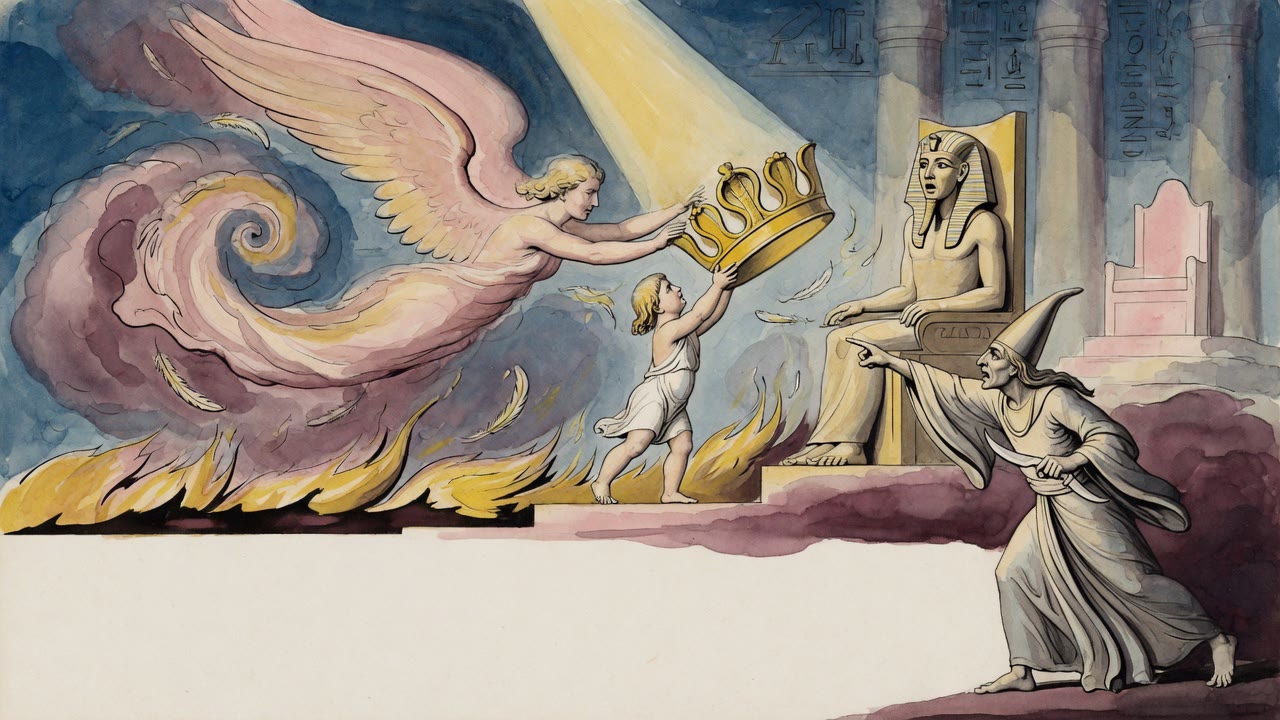
Gabriel came down. He did not argue the law. He did not weigh the decree against the child. He struck the women to the ground where they stood, all of them, and the reeds went still, and the only sound left in the marsh was the water and the basket turning in it.
Scripture had already buried the verdict inside its own words. When it said the maidens walked beside her, it did not mean a stroll. The same word marked a man going toward his death. They had walked to the river the way a condemned man walks to the place of his sentence, and they did not know it, and they had spent their last steps standing between a baby and a princess.
The angel cleared the bank. He left the daughter of Pharaoh alone with the water and the thing in it, with no one left to stop her hand and no one left to carry the report back to the palace.
The Hand That Reached the Basket
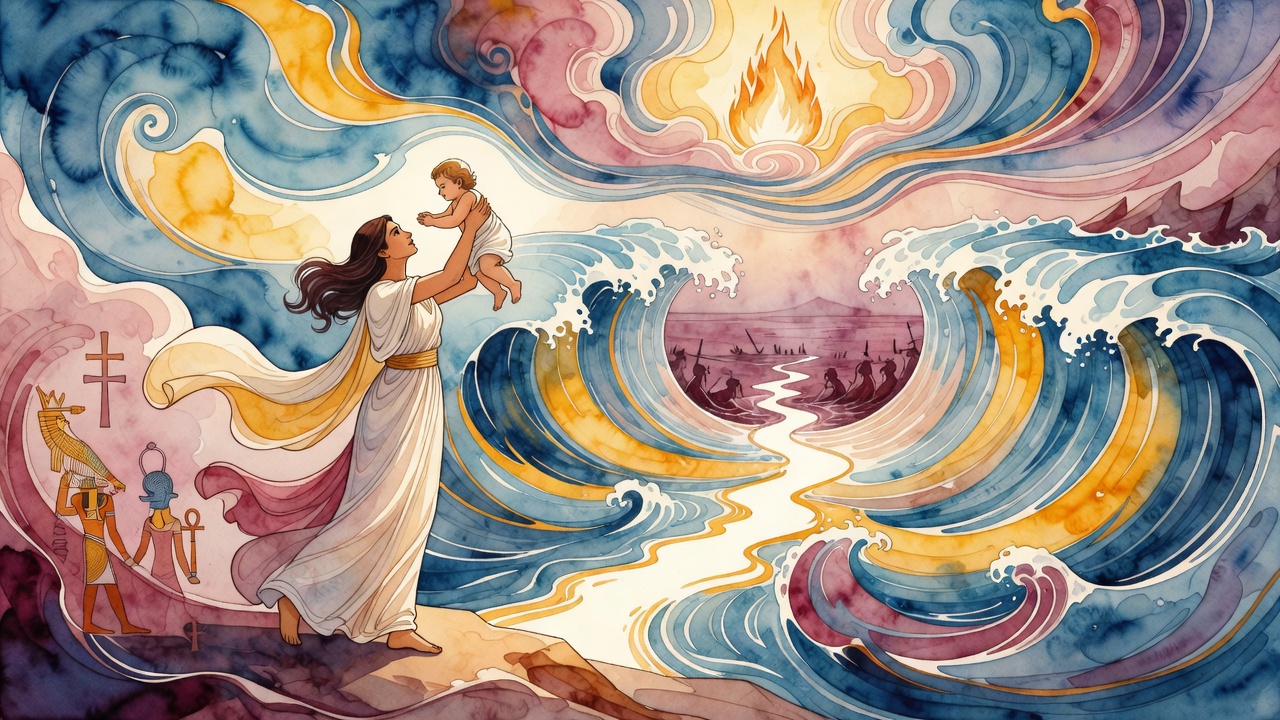
She reached. The story tells that her arm was not long enough, that the basket rode too far out among the reeds for any woman to touch. So her arm grew. It stretched across the water the full length it needed and no farther, until her fingers closed on the pitch-sealed lid and drew the ark to the bank.
She opened it. The child was crying. A Hebrew boy, the exact kind of body her father's counselors had sworn would unmake Egypt, the one specific infant the astrologers feared above an entire enslaved nation. He cried, and the sound went straight into her, and she said the truth out loud even though it condemned the throne behind her. "This is one of the Hebrews' children."
The men in the palace had wanted to drag this baby before all the judges and wise men of Egypt, to hold a trial, to pronounce a sentence of death and call it justice before they spilled his blood on the ground. They built a court to murder him with the proper words. And the river handed him to the one person in Egypt who would not put him on trial. She lifted him out of the water that her own father had filled with the dead, and she held him, and she did not let go.
← All myths