Reuben's Repentance and the Brothers Who Sold Joseph
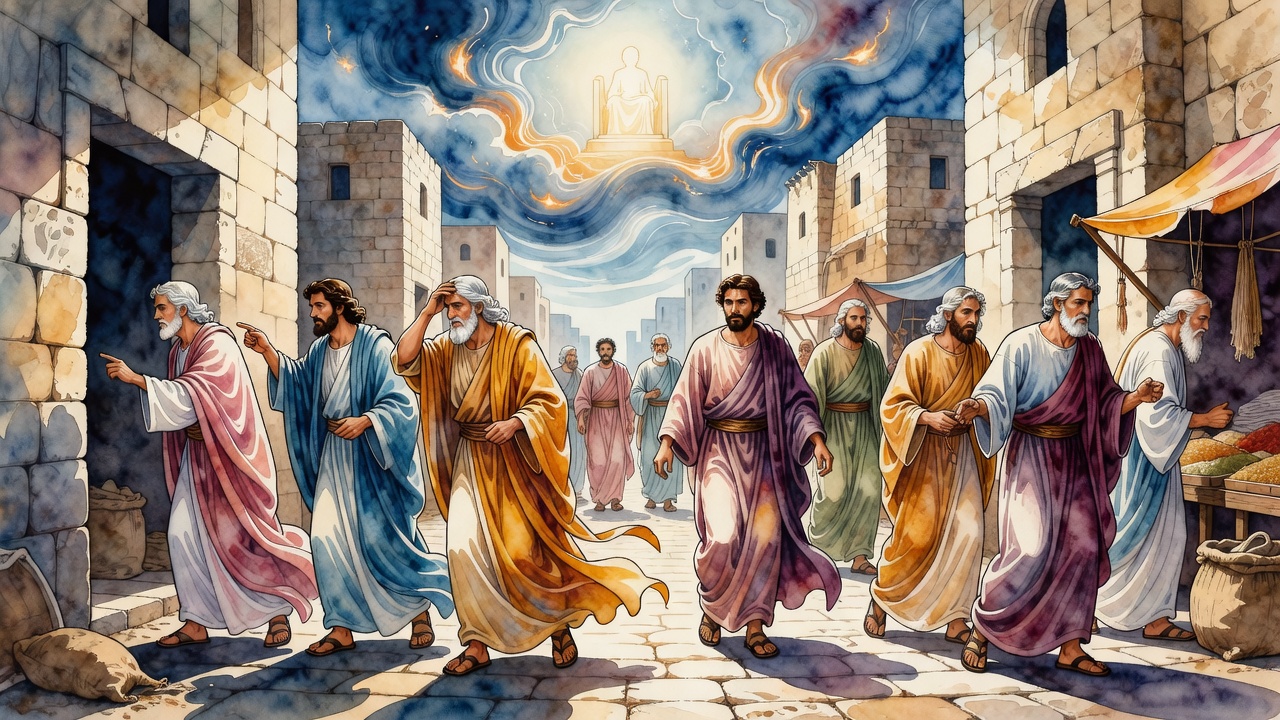
Reuben planned to rescue Joseph from the pit. He left before the caravan arrived and came back to find the boy gone.
Table of Contents
 Click for full size
The Pit That Had No Water
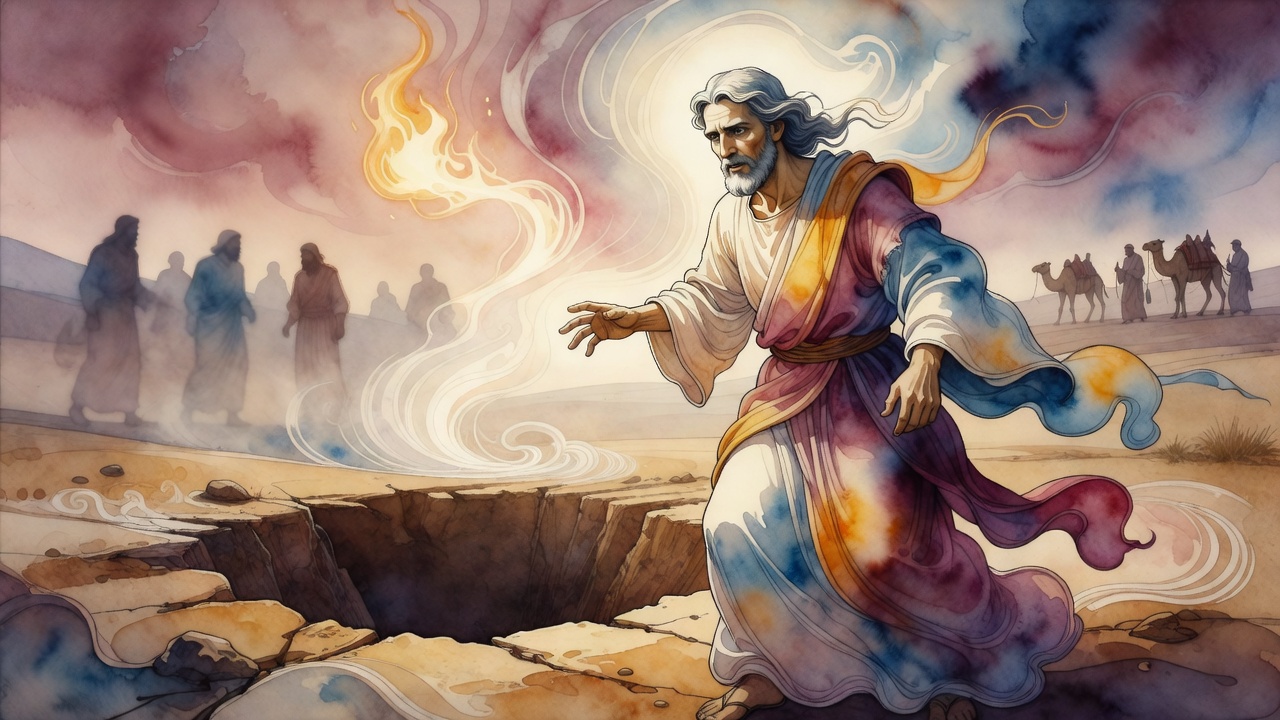
Joseph arrived at Dothan wearing the coat his father had made him. His brothers saw him coming from far off and began talking about how to kill him. They called him the dreamer and said "let us see what becomes of his dreams." Reuben talked them back from murder. "Throw him in the pit," he said. "Do not lay hands on him." He meant to come back alone and pull Joseph out, return him to Jacob without the others knowing. He left to do some task and did not return in time.
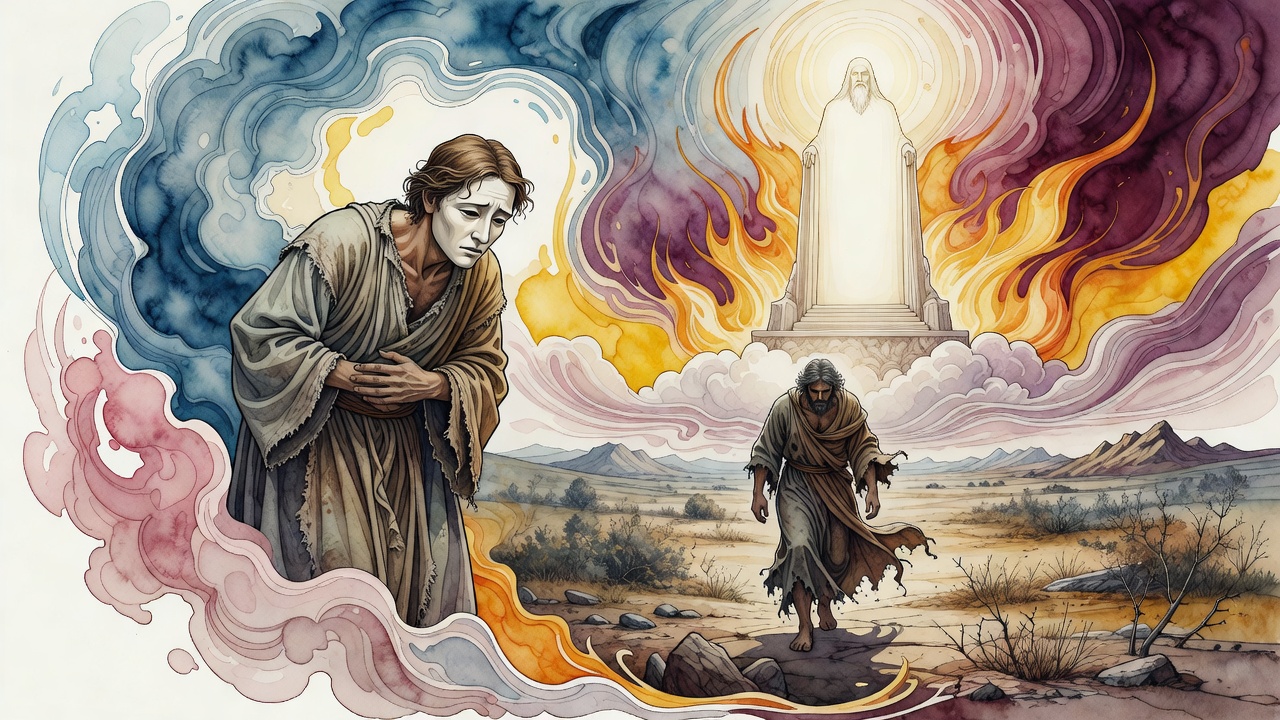
A caravan of Ishmaelite merchants came through on their way to Egypt. Judah suggested selling rather than killing. The brothers took Joseph out of the pit and sold him for twenty pieces of silver. The caravan moved south. When Reuben returned to the pit, it was empty. He tore his clothes and said: "the boy is not there, and where do I go?"
The tradition noticed that Reuben said where do I go, not what have I done. He was thinking about his father. He was thinking about returning to a man who had trusted him with the safety of his sons and finding no way to explain what had happened.
The Angel Who Sent Joseph to Dothan
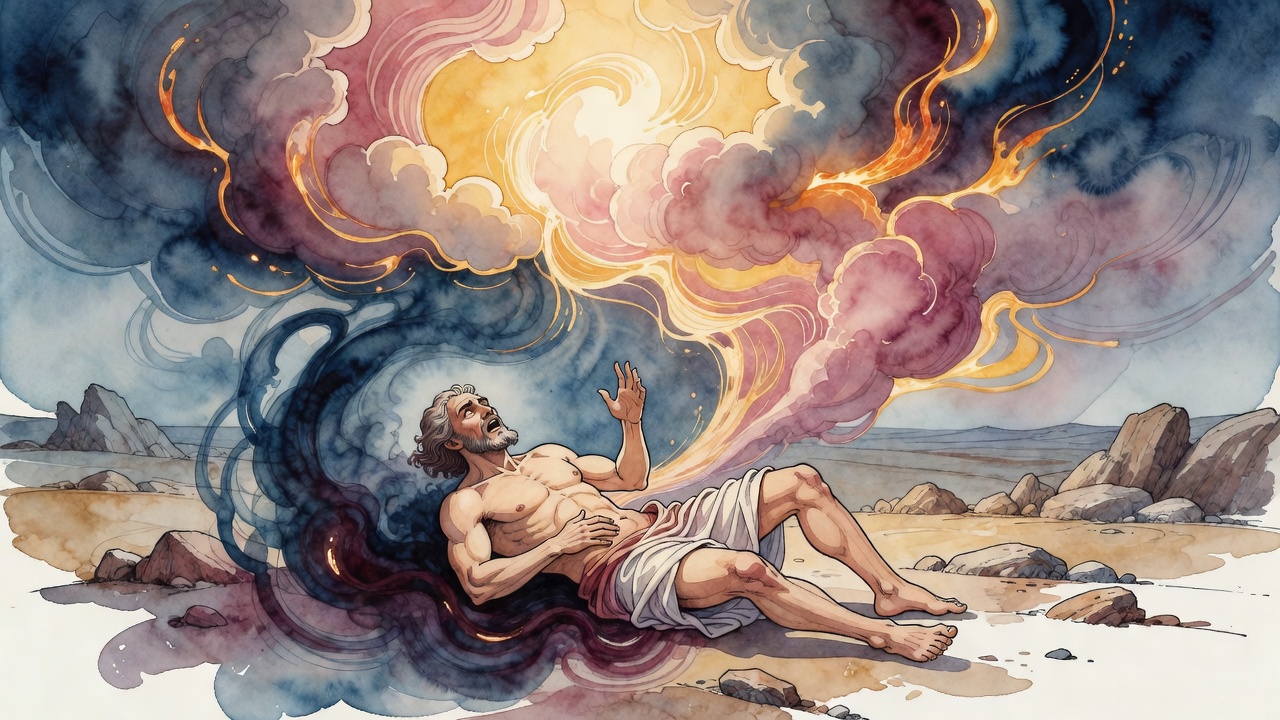
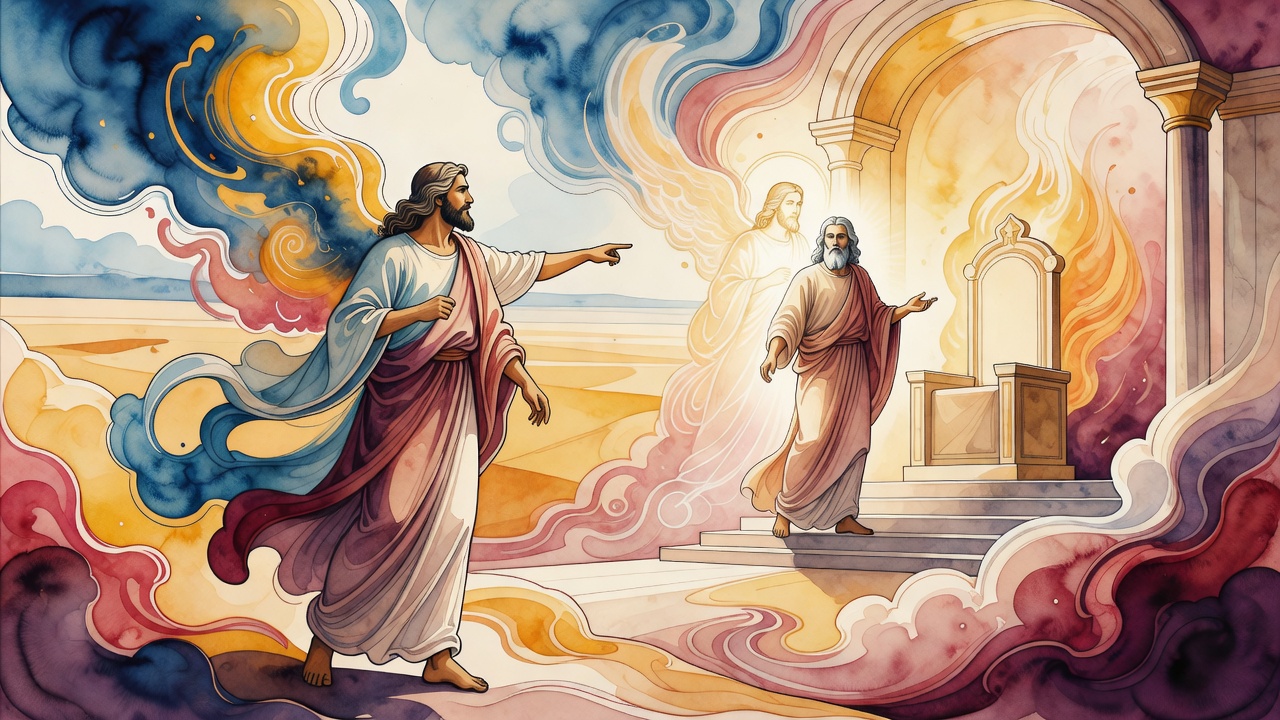
Before any of this happened, Joseph had been wandering in a field outside Shechem looking for his brothers. He had been sent by Jacob from Hebron to check on them and had arrived at Shechem to find the place empty. A man appeared and asked what he was looking for. Joseph said he was seeking his brothers. The man told him they had moved to Dothan.
That man was Gabriel. The identification was not casual. Gabriel in the tradition was the angel of divine message, the one who explained dreams and communicated what the divine will needed a human being to understand. He had directed Joseph not to safety but to the brothers who would betray him, and the tradition saw in this the signature of a providence that was already operating before anyone in the story understood what was being arranged.
Joseph followed Gabriel's direction and found his brothers at Dothan. He arrived at the moment that would put him in the pit, then in Egypt, then eventually in position to preserve a family and a people through famine. The road to all of that ran through a field outside Shechem, through a man who was not a man asking a direction question.
What Reuben Carried
Reuben carried something into that day at Dothan that the other brothers did not. The tradition pointed to his sin at Bilhah, the concubine he had violated, an act that Genesis recorded in a single verse and then moved away from. That act had disqualified Reuben from the firstborn privileges he should have held. The double portion, the leadership, the priesthood: all of it was taken from him because of Bilhah. He knew what it was to have failed his father catastrophically, and he had been living with that knowledge when Joseph appeared on the road to Dothan.
His plan to rescue Joseph was a rescue for himself as much as for his brother. He could not undo Bilhah. He could not reclaim the privileges he had lost. But he could bring Jacob's son back to him. He could do that one right thing in the long account of the wrong things, and he chose it deliberately.
He came back to an empty pit. The brothers had not waited. Judah had moved while Reuben was away, and the transaction was complete before Reuben could reverse it. The Testament of Reuben, preserving the oldest traditions about Reuben's own account of himself, described the years of grief that followed: Reuben fasted and wept and mourned over what had been done in his absence, unable to tell his father and unable to undo it.
The Price Paid in Silence
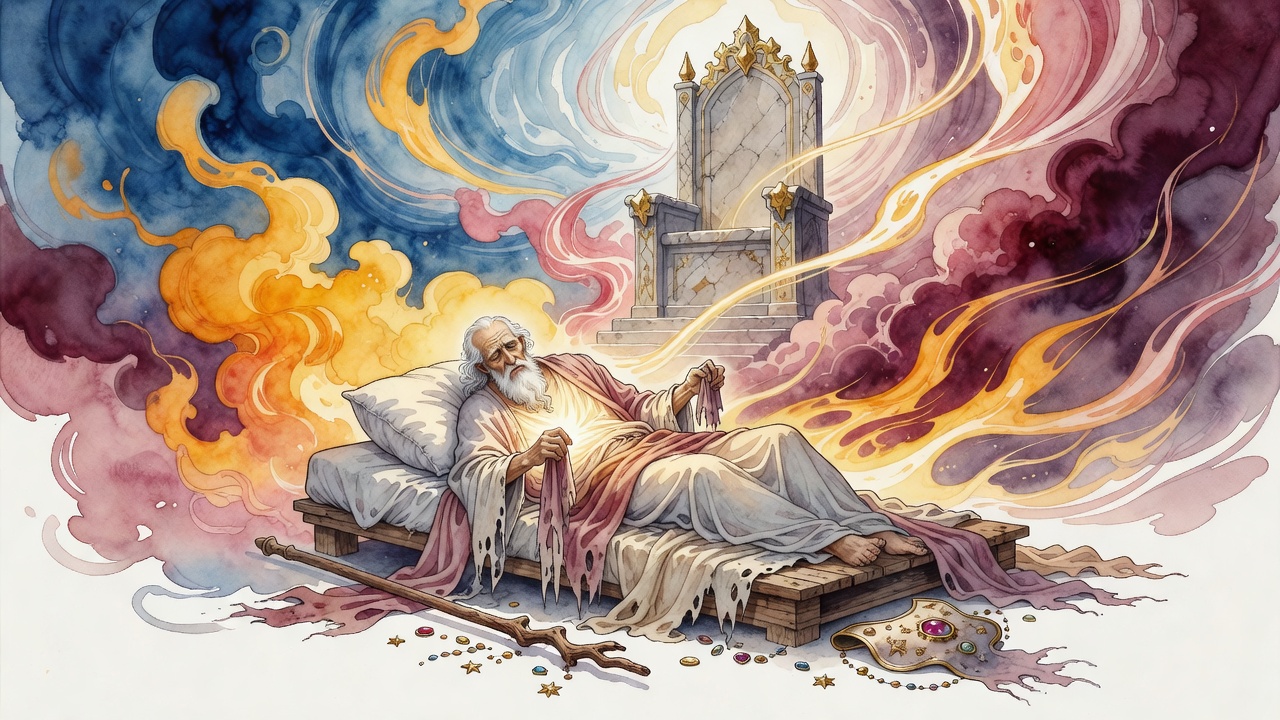
The brothers dipped Joseph's coat in goat's blood and brought it to Jacob. They asked if their father recognized it. Jacob recognized it. He said a wild beast had torn Joseph to pieces. He tore his garments and mourned his son for days. His children gathered to comfort him and he refused comfort. He said he would go down to Sheol (the shadowy underworld of the dead) mourning his son.
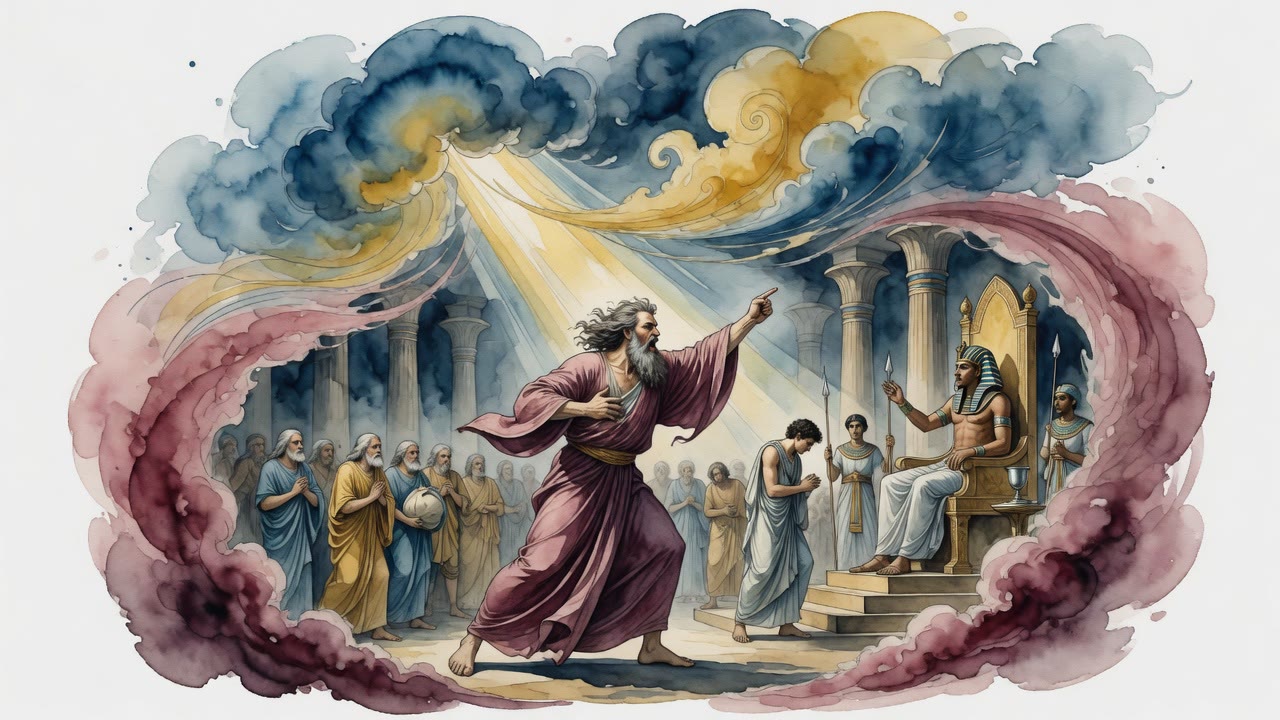
Reuben stood in that mourning family and said nothing. He carried the knowledge of what had actually happened through all the years Jacob grieved, through the famine that came, through the journey to Egypt and the strange encounter with the grain administrator who knew too much about their family, through the moment the Egyptian finally identified himself and they understood at last what Gabriel had been arranging in a field outside Shechem years before.
← All myths