Reuben Returned to the Empty Pit and His Line Reached Hosea
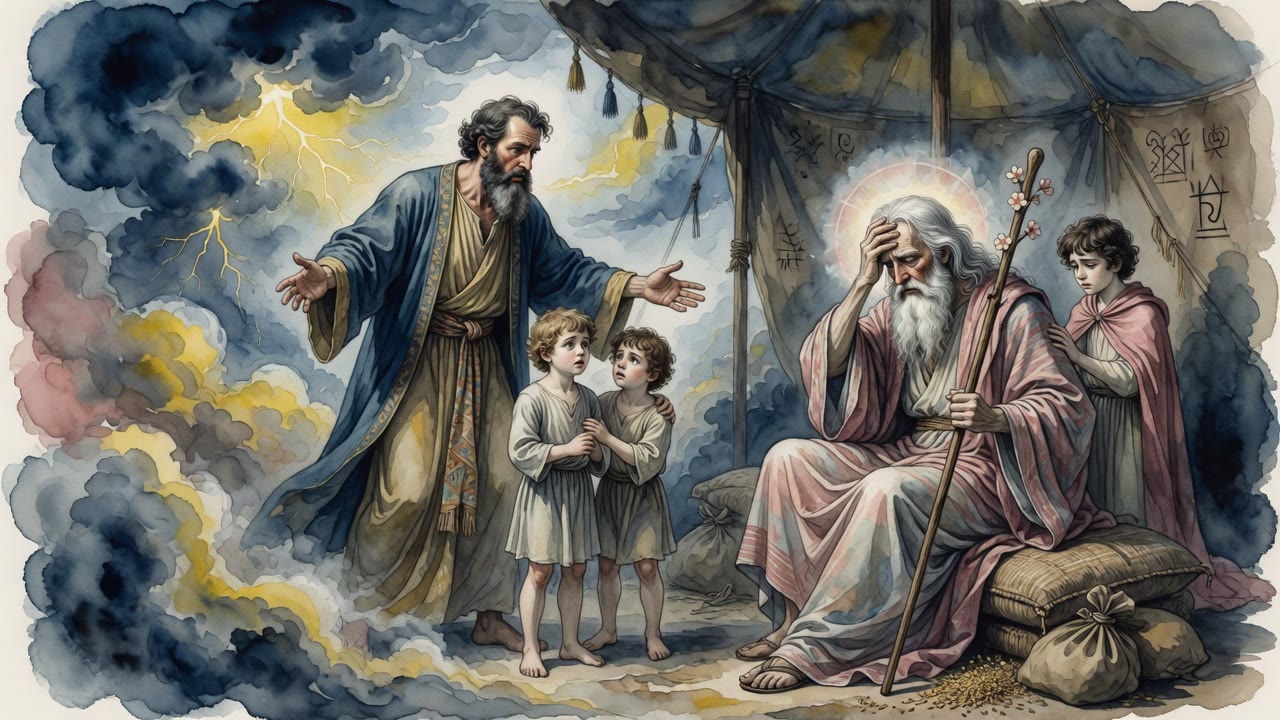
Years later Reuben told his sons what he had hidden. He had wanted Joseph dead. A sickness held his liver eleven months, one for each month of the hatred.
Table of Contents
 Click for full size
The Pit Was Empty When He Came Back
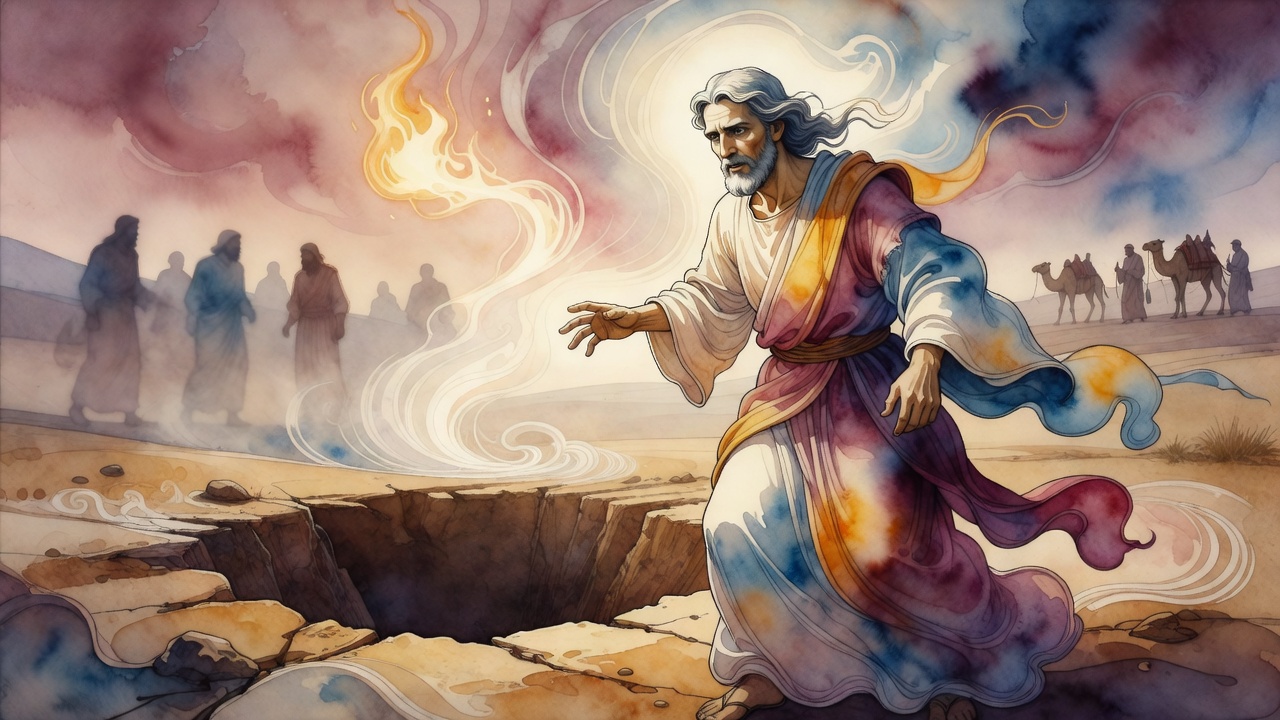
Reuben had not been with his brothers at the edge. He was busy elsewhere, fixed on his own affliction, wrapped in sackcloth and bent over a fast, hour after hour, with his face to the ground over a thing he had done years before. The household weighed on him too, the burden of the firstborn that never set him free. By the time he shook off the sackcloth and lifted his head and walked back across the field to the pit where the brothers had thrown Joseph, the rope of the day had already run out.
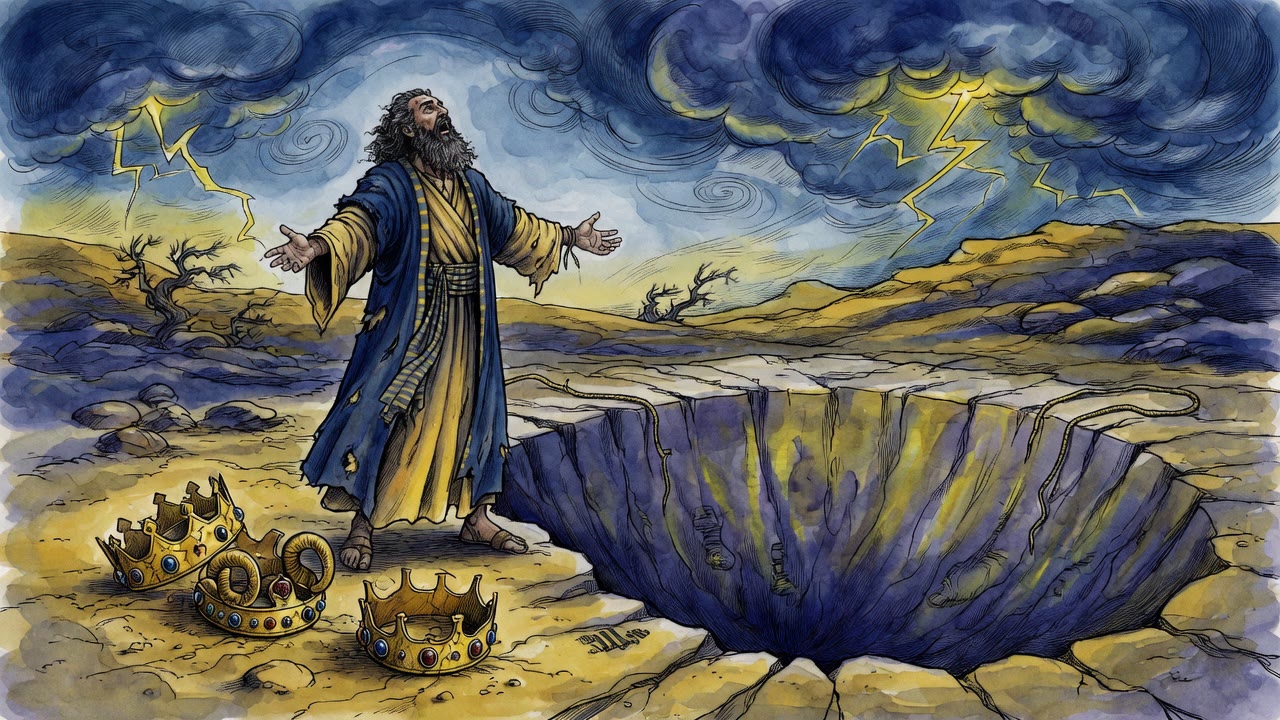
He looked down into the cistern. He waited for the small white shape of a boy to move against the stone. Nothing moved. The pit was dry and the pit was empty.
Reuben tore his clothes. The firstborn of Jacob stood over a hole in the ground with his shirt ripped open and said the words that would follow him for the rest of his life. "The child is not," he said, "and I, where shall I go?" He had meant to come back. He had meant to lift the boy out and carry him home to their father. He had bought time, talked the brothers down from killing, sent them off to eat, and the time he bought had been spent against him.
What He Confessed He Had Wanted to Do
Years would pass before he said the rest of it out loud, and when he said it he did not spare himself. He gathered his sons close and told them the truth that had sat under everything. "Ofttimes I longed to kill him," he confessed, "for I hated him from the bottom of my heart, and I desired to destroy him from off the land of the living."
That was the secret the empty pit had been built to hide. The rescue had not been clean. The same hand that pulled Joseph back from the knife had wanted, in the dark of its own chamber, to be rid of him forever. Reuben had carried both. He had hated the boy and he had saved the boy, and he could not tell his sons one without the other.
So he named the thing that had done the wanting. "The God of our fathers saved him out of our hands," he said, "and He did not permit us to commit an abominable outrage in Israel." The plan to sell Joseph to the Ishmaelites had been a smaller crime offered up in place of a larger one, and Reuben understood that the smaller crime had been a mercy he had not earned. Something had reached in and stopped his hand before it closed.
The Seven Spirits That Hunt Every Man
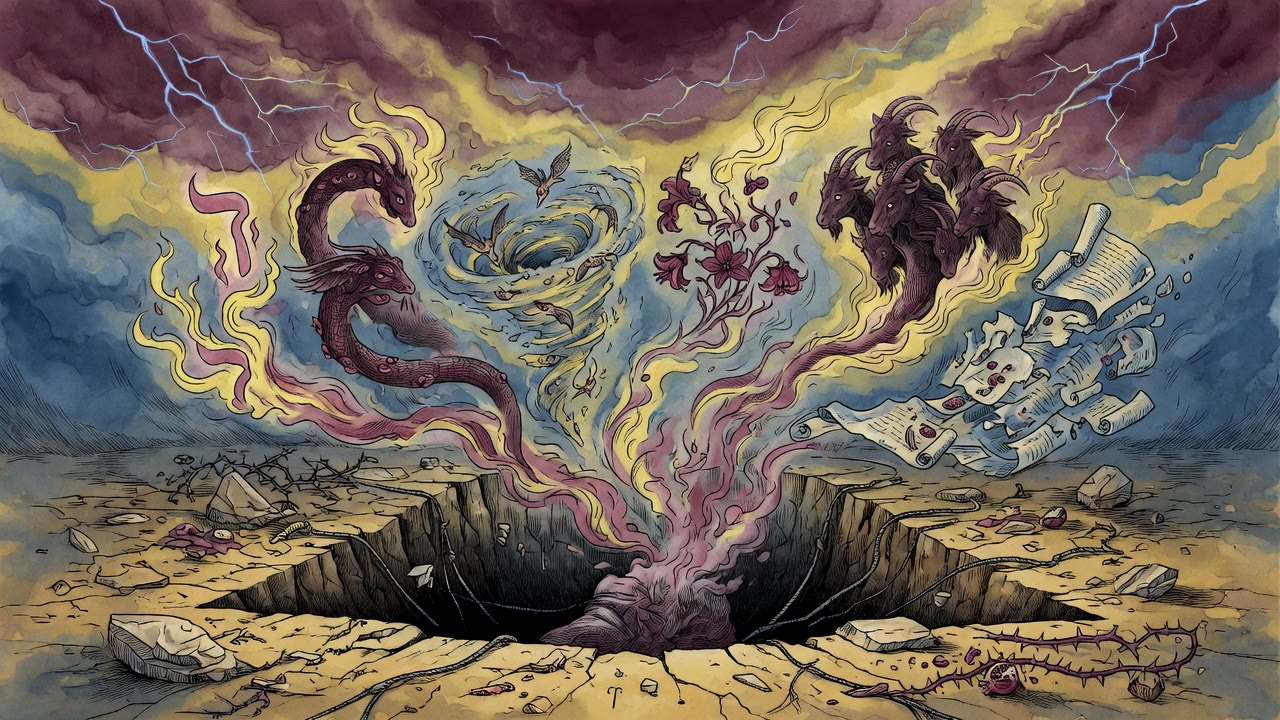
He had felt the pull of it from the inside, and he could draw the map. He told his sons there were seven spirits of error sent against a man, ambush set in the soul, and he counted them one by one so his children would know the shapes of their attackers. The spirit of fornication, which seats itself in the senses. The spirit of insatiable hunger in the belly. The spirit of strife. The spirit of love of admiration. The spirit of arrogance. The spirit of falsehood. The spirit of injustice, by which a man takes what is not his.
One above the others he set apart and pressed on them hardest. "Pay no heed to the glances of a woman," he warned, "and remain not alone with a married woman, and do not occupy yourselves with the affairs of women." He knew that road. He had walked it once at Eder, near Ephrath, where Bilhah lay uncovered and heavy with wine, and a single unguarded look had become an abominable deed, and an angel of God had carried the act to Jacob's ears before the night was out. "Had I not seen Bilhah bathe in a secluded spot," he said, "I had not fallen into the great sin I committed."
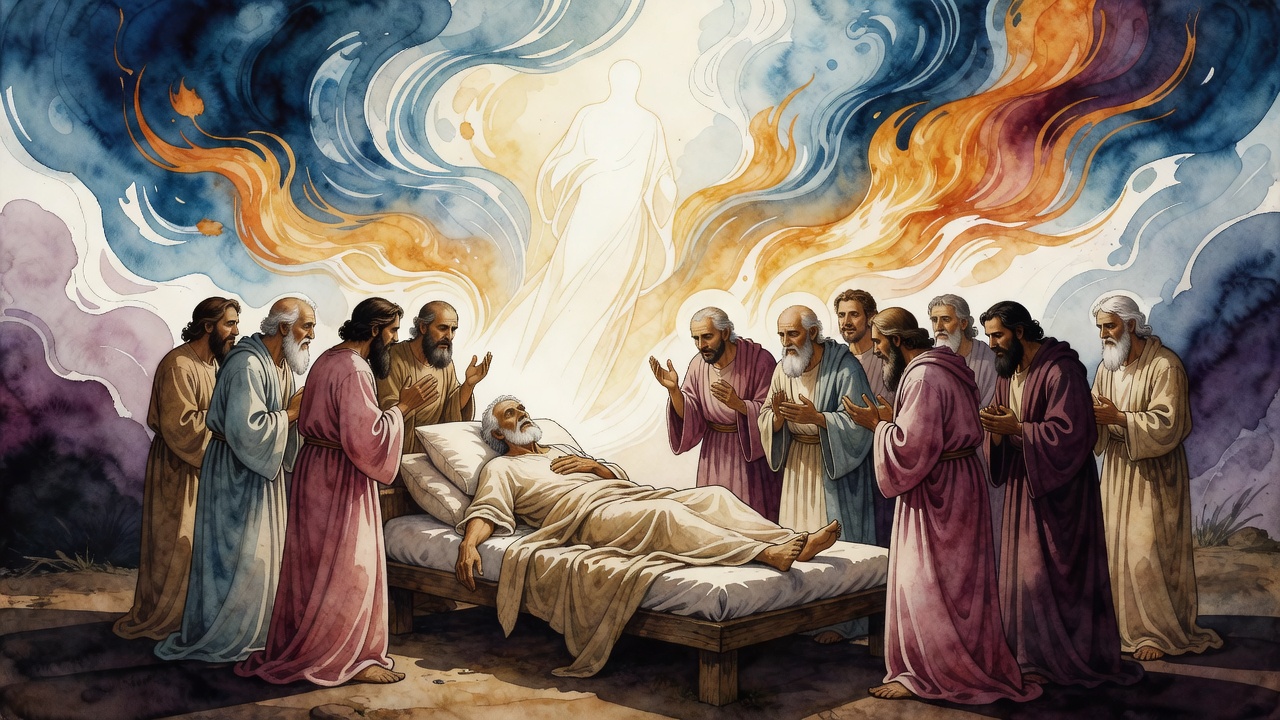
His own body had answered for it. A sickness fastened on his liver and held him for eleven months, one month for every month his hatred had burned. "As my liver had felt no mercy for Joseph," he told them, "unmerciful suffering was caused unto me by my liver." It was his father's prayer that finally loosened the grip and turned the wrath aside. Reuben learned on a sickbed that hatred fills the heart with poison, that righteousness drives it out, and that humility kills it where it sits.
The Reward Folded Into His Return
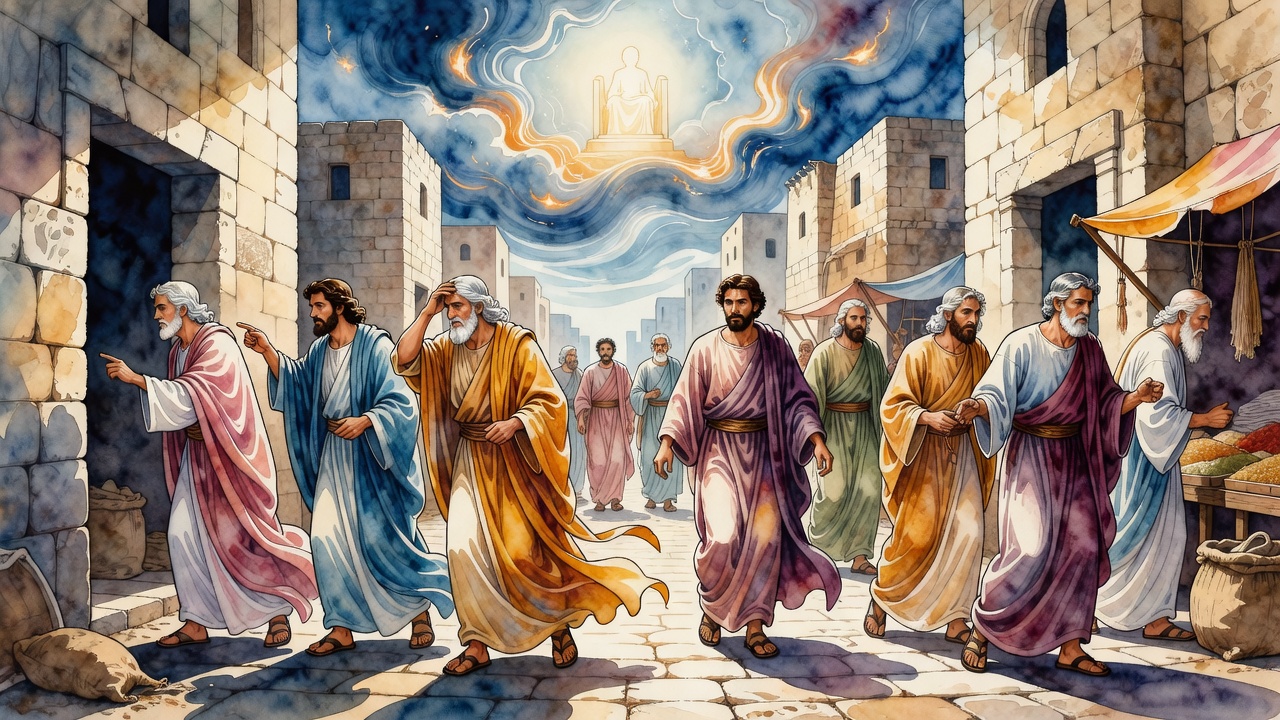
Long after, the rabbis went back to that moment at the pit and asked why Reuben had been absent in the first place. One said he was occupied with his sackcloth and his fasting and was not free until the penance let him go. Another said the burden of the household had been cast on him and held him until it loosed its hold. Either way, what called him back to the empty cistern was repentance. He had turned from his own sin first, before he turned to look for his brother, and the turning had a shape heaven was watching.
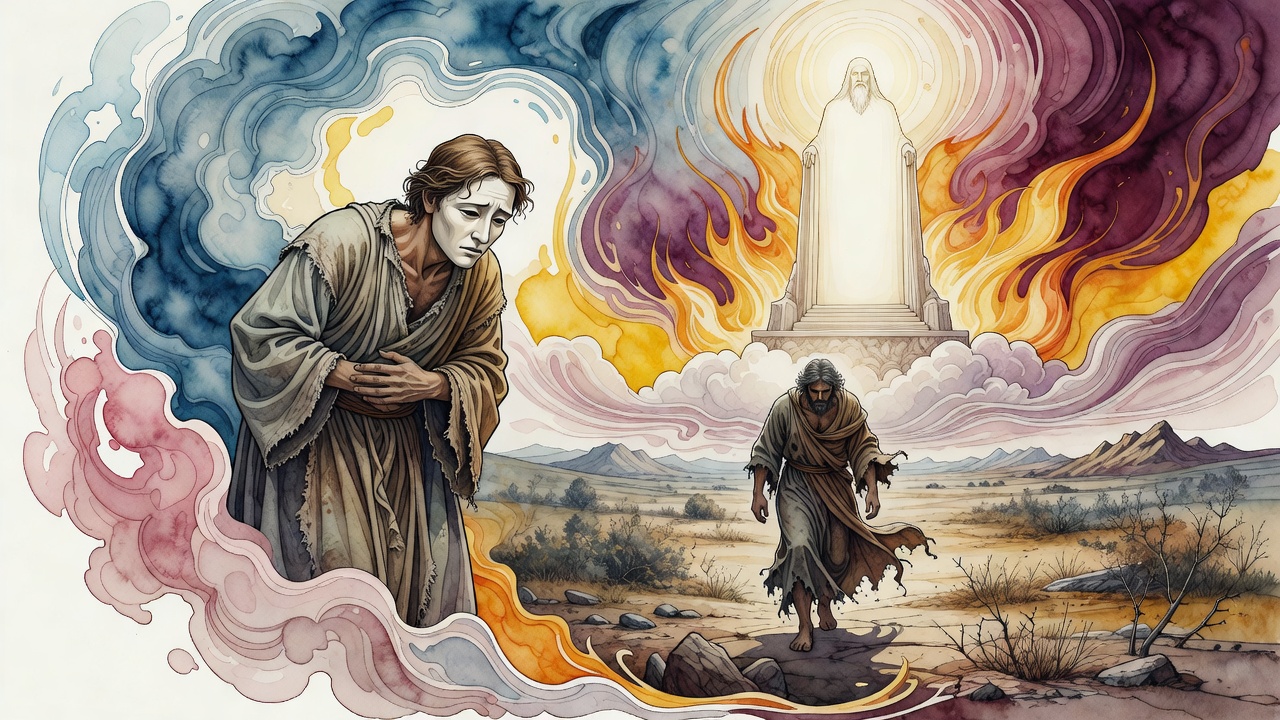
The Holy One spoke over him a sentence he could not have heard at the time. "You sought to restore a beloved son to his father," came the word. "By your life, your descendant shall restore Israel to their Father in heaven." The reward was folded into the wound. Out of the firstborn who came back too late to a hole in the ground would come a man whose whole work was bringing the lost ones home.
That descendant was Hosea, son of Beeri, and the line ran through a man called Beerah, a well of Torah, who would die in exile so that the ten scattered tribes might return by his merit. And because Reuben had been first to open his mouth with repentance, first to tear his clothes and fast over what he had done, his son the prophet would be given the same first word to carry to a whole people. "Return, O Israel," Hosea would cry across the generations, the cry that began with a firstborn standing over an empty pit, saying that the child was not, and asking where he could possibly go.
← All myths