Reuben Lost Three Crowns and Tried to Save Joseph
The pit was empty when Reuben got back. He tore his clothes. The three crowns had already left his head for other brothers.
Table of Contents
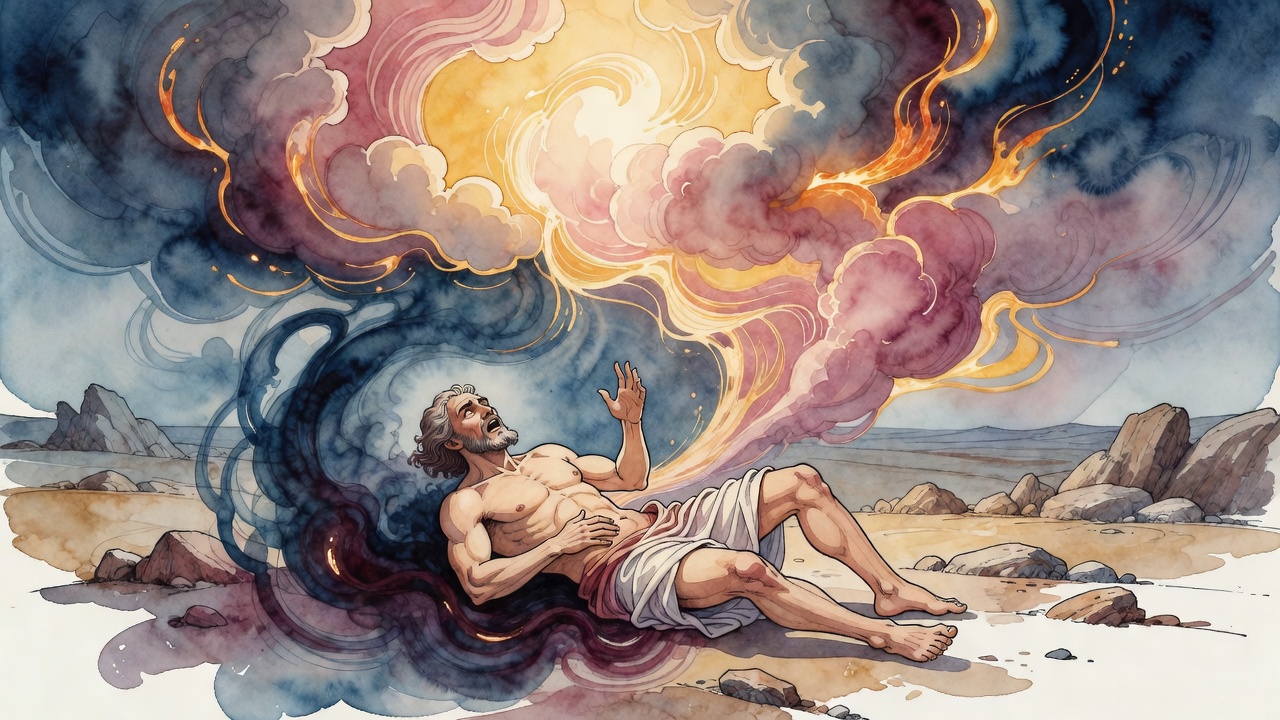
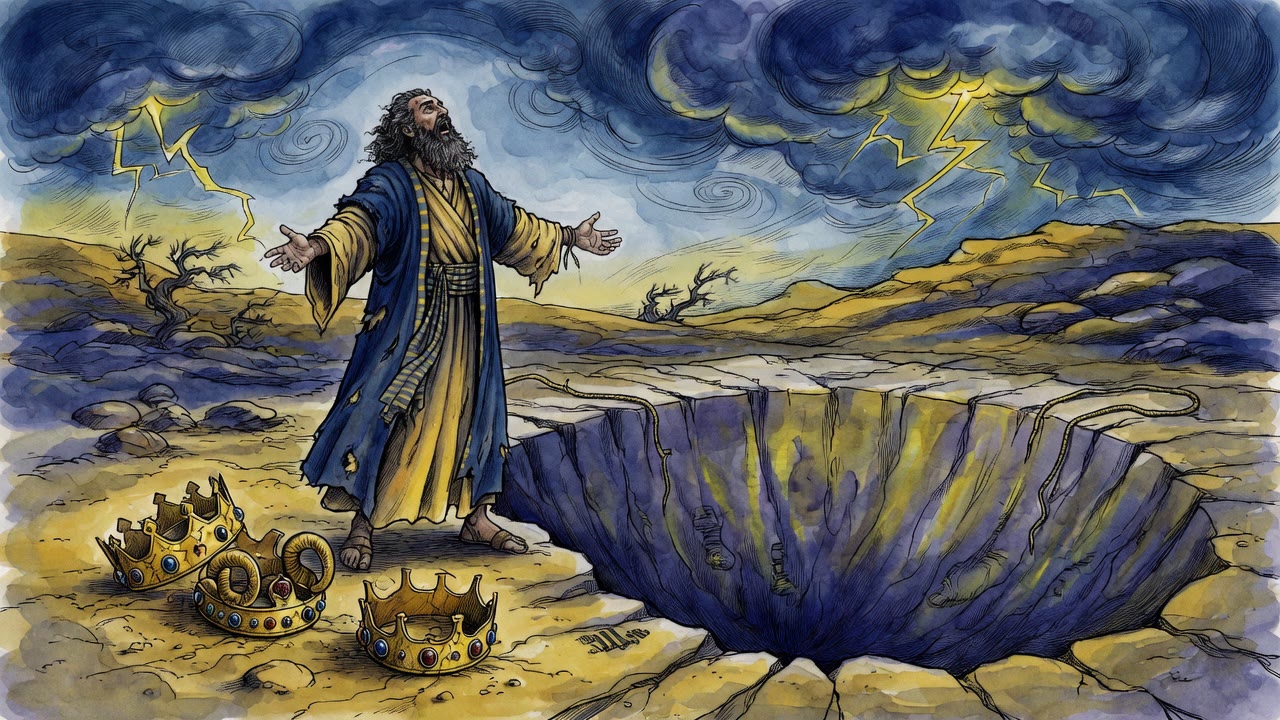
The pit was empty. Reuben went down on his knees in the dirt and tore the front of his tunic from the neck to the belt. He had told his brothers to throw Joseph in and leave him. He had meant to come back. He came back to a hole with no boy in it.
 Click for full size
He Moved His Father's Bed
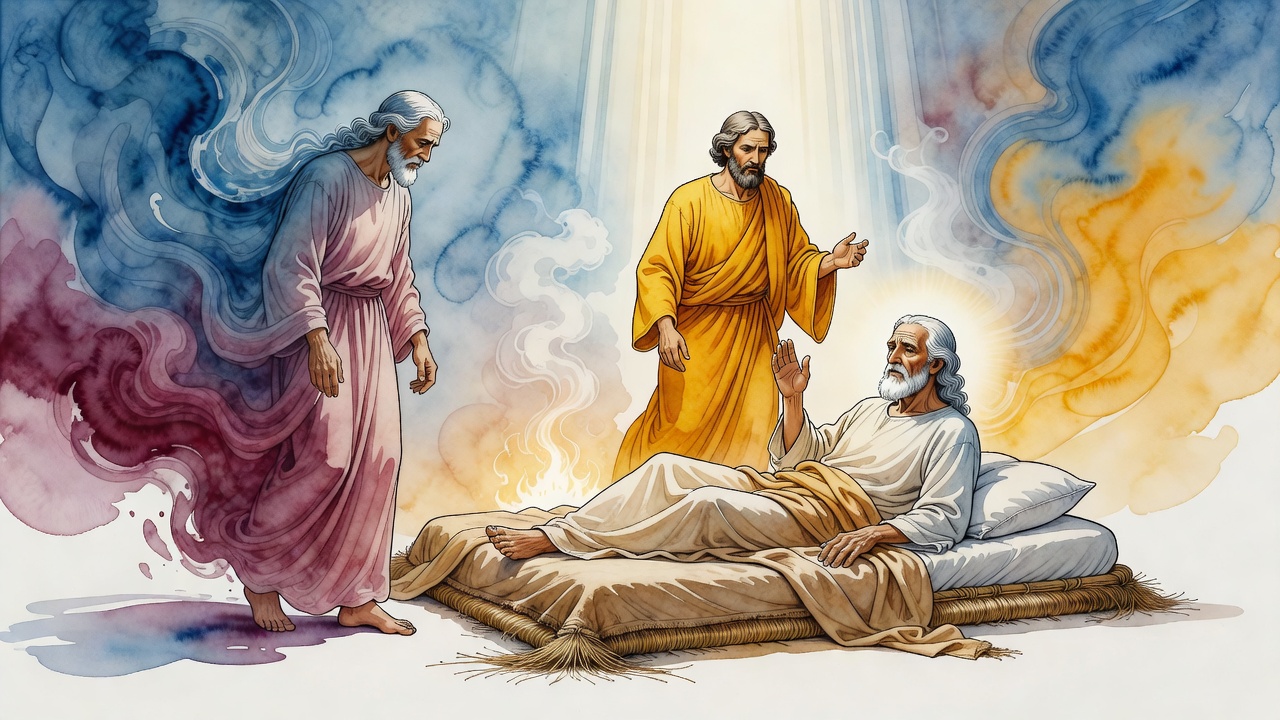
Years before that empty hole, Reuben had already spent his standing. After Rachel died, Jacob moved his bed into Bilhah's tent. Reuben watched his mother Leah lose the last place she had in that camp. He went in. He dragged the bed out. He put it where he thought his mother's honor required it to sit.
He told himself it was not desire. It was a son's correction of a father's household. The camp did not keep that distinction. Israel heard. The verse stops there, with no speech from Jacob and no speech from Reuben, only the fact of the bed and the fact that the father knew (Genesis 35:22).
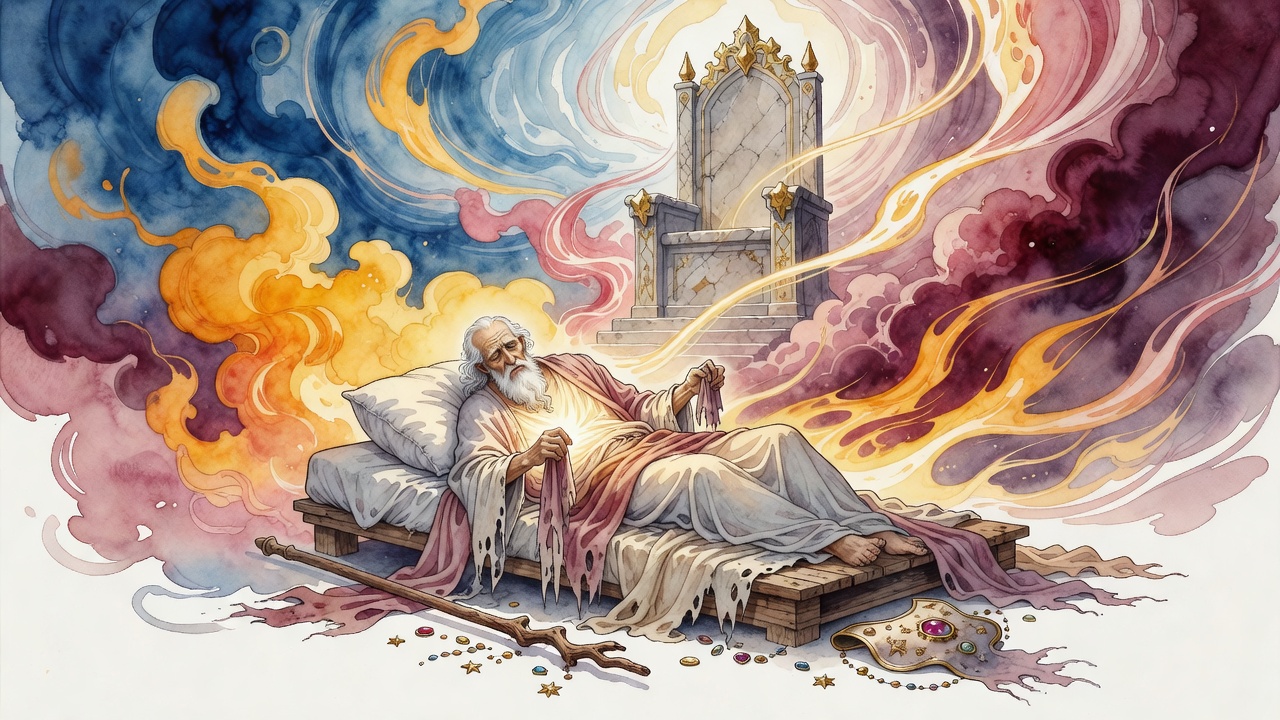
From that night the three things that should have sat on a firstborn's head began to slide. The double portion. The priestly dignity. The right to rule. Reuben still walked as the eldest. The weight had already left him.
Three Crowns Went to Other Sons
The birthright went toward Joseph, so that Ephraim and Manasseh would each take a share of the land as if they were sons of Jacob, not grandsons. The priesthood went toward Levi. The kingship went toward Judah. Reuben kept the name bechor (בכור), firstborn, the way a man keeps an empty title on a door.
He fasted. He put on sackcloth away from the brothers' fire. Some days he was the son whose turn it was to sit with Jacob, because the twelve had divided their father's care the way men divide a watch. Either way, he was often elsewhere when the others talked.
Cain had hated Abel. Esau had hated Jacob. Reuben told himself he was a gentler firstborn. Gentleness did not put the crowns back on his head.
He Was Not There When They Sold Joseph
The brothers had Joseph in their hands and murder in their mouths. Reuben heard it late. He stepped in with the only plan he still had credit for.
"Do not shed blood," he said. "Throw him into this pit in the wilderness, and do not lay a hand on him."
He meant the pit as a holding place. He would come back when the others had cooled and pull the boy out and carry him home to Jacob. He left. Midianite traders arrived while he was gone. The brothers sold Joseph for silver. The pit kept nothing.
Reuben returned, saw the empty mouth of the earth, and tore his clothes. The eldest, who should have stopped the sale, had been doing penance for an older sin, or sitting with an old father, while the younger one he meant to save went south in a caravan.
That was his pattern. Late at the bed. Late at the pit. Late to the sentence Jacob had already formed.
Joseph Put Him Back Among the Stars
Joseph had dreamed of the sun, the moon, and eleven stars bowing. He had not dropped Reuben from the count. After the bed, Reuben had felt himself already cut out of Jacob's sons. The dream put him back in the sky with the others. He carried that as a debt.
The rescue was the payment he tried to make. It failed. For twenty years he walked with an unpaid account. In Egypt, Joseph stood in front of them as a lord, and Reuben learned that the brother he had not pulled from the pit had been pulled by another road. The debt was still his. The saving had not been.
Jacob Named What Was Lost
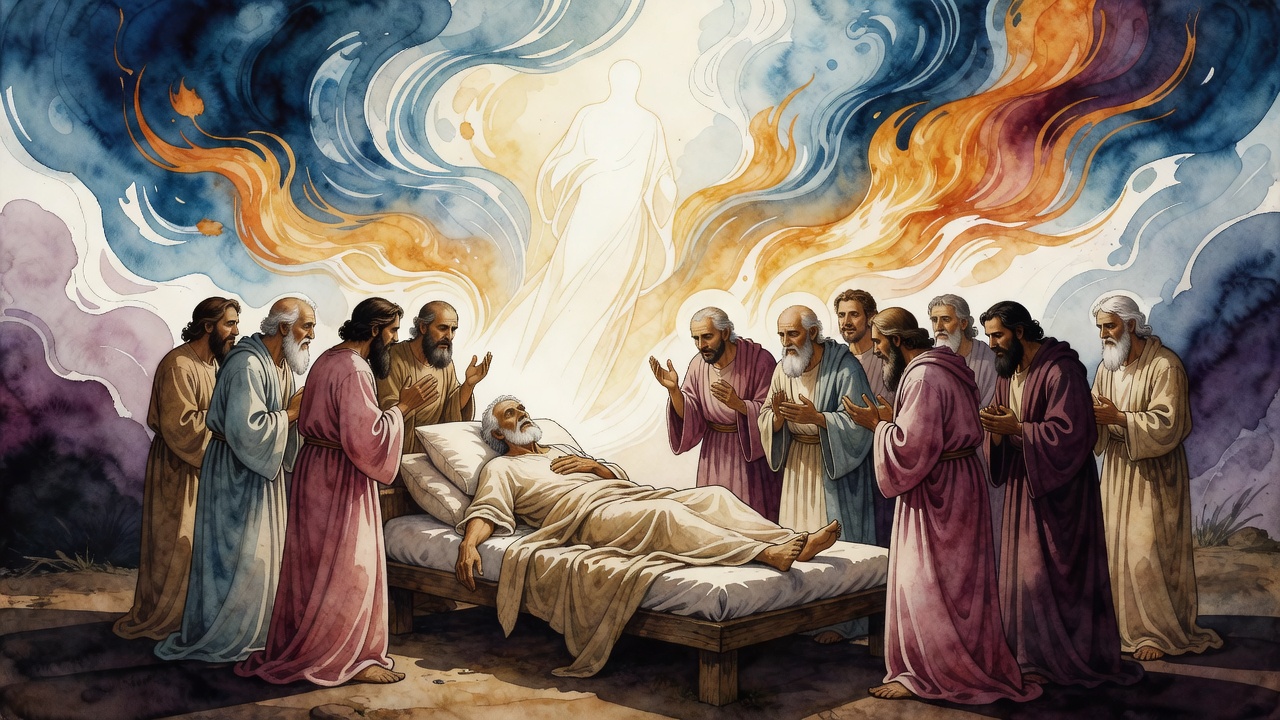
At the end, Jacob gathered the twelve. He looked at Reuben first.
"Reuben, you are my firstborn, my might, and the beginning of my strength."
Three phrases. Then the accounting. "Unstable as water," Jacob said. "You shall not keep the excess." He said it aloud, in front of the brothers, before he named where the three crowns had gone. He gave Reuben that much: the sound of what he had been supposed to be.
Reuben remained firstborn for the count. The land, the altar service, and the throne had already been spoken onto other heads. He had no healing in that hour. The empty pit was still the picture he carried, a hole that had held his brother for a night and then held nothing.
← All myths