Reuben Violated His Father's Bed and Was Struck for Seven Months
The firstborn was thirty years old when he committed the act. God struck him with a plague in his loins. Jacob's prayer saved his life.
Table of Contents
 Click for full size
The Firstborn Who Knew Better
Reuben was thirty years old. Not a young man acting in ignorance, not a boy carried away by something he could not name. He was Jacob's firstborn, the one who held the double portion and the priestly claim and the leadership of the brothers by right of birth. He was the one who had stood between Joseph and death at Dothan and said to his brothers: do not shed blood. He was a man who understood the difference between what was permitted and what was not.
He entered Bilhah's tent while his father was absent.
What Bilhah Did
She woke and understood what was happening and pulled her hand back from him and he fled. She did not consent. She told Jacob what had happened. Jacob heard her, and he was exceedingly wroth, and from that day he did not touch Bilhah again. Her shame and her release from Reuben's grip in the dark when she recognized him, these the tradition recorded without elaboration, simply and plainly.
A law was being built around this moment, the tradition said, even though no Sinai had yet occurred. The prohibition against a son lying with his father's wife was written in heaven before it was written on earth. Reuben had violated a law whose full weight would not be announced to Israel for another generation. But the law was real before it was announced.
The Plague That Lasted Seven Months
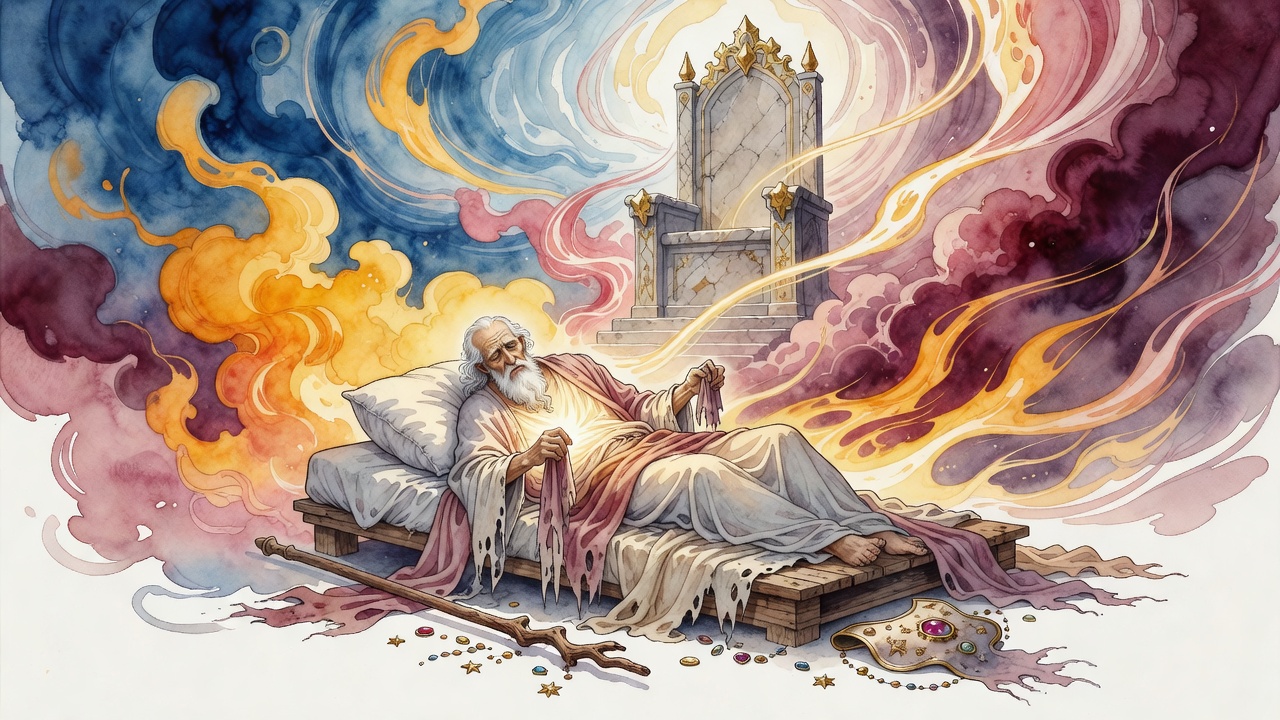
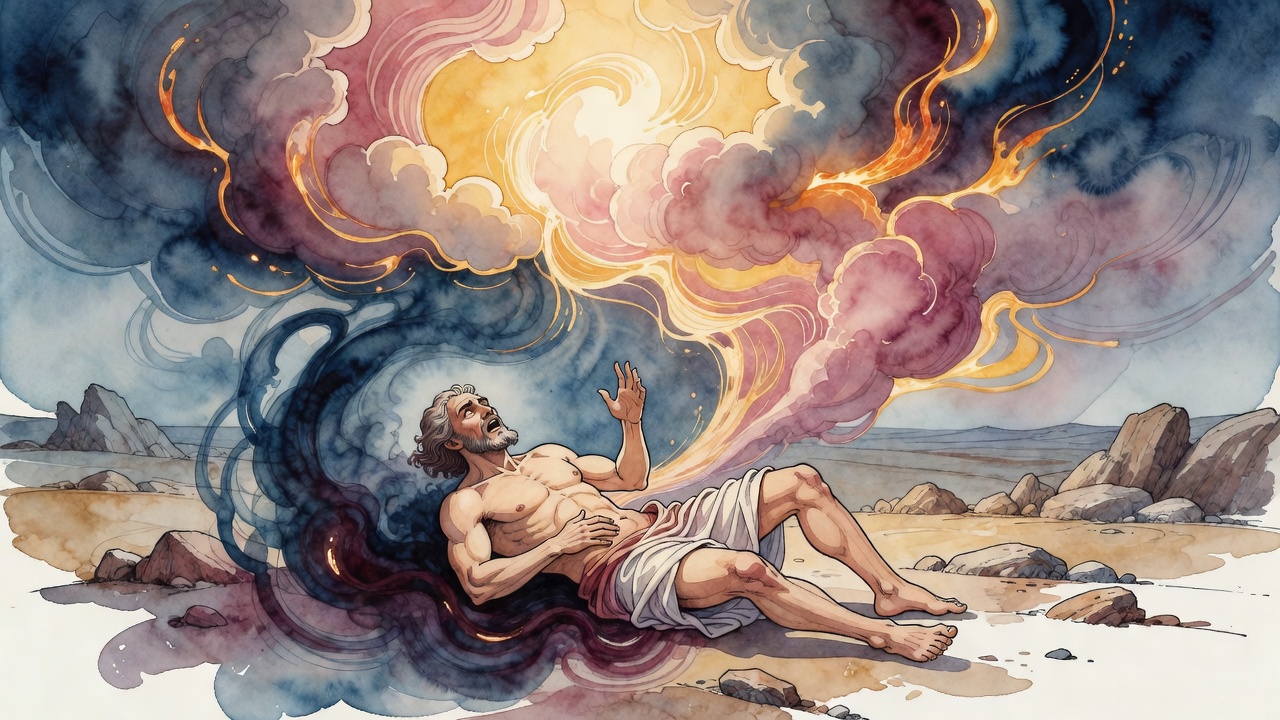
God struck Reuben with a plague in his loins. For seven months he suffered, and the suffering was not ambiguous in its source. He had violated the sanctity of his father's household in the most direct way possible, had reached for a place he had no right to enter, and the body that had done this was the body that was punished.
Jacob prayed for him. The man who had been wronged beyond measure, the father whose household had been violated, whose grief over Rachel's death had barely settled before his firstborn did this, that man prayed for his son's recovery. He prayed, and after seven months Reuben was healed. He would never recover the things he had forfeited: the birthright, the double portion, the priestly claim. Those Jacob removed without public declaration, quietly, and they would be given in the end to Joseph and Levi and Judah. But Reuben's life was preserved because his father asked for it.
The Confession at the End
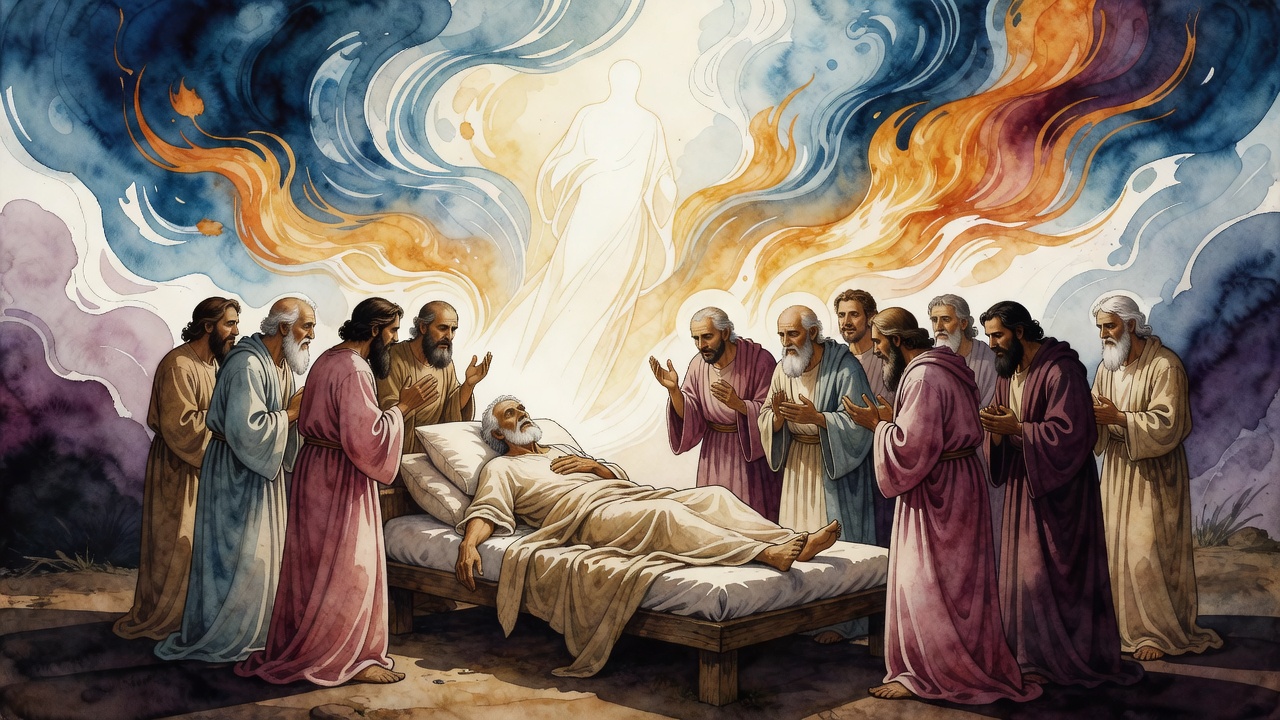
When Reuben was dying, at one hundred and twenty-five years old, he called his sons to him and told them what he had never said plainly while he was at full strength. He confessed the act. He called God as witness. He told his children: at thirty years old I defiled my father's bed. Walk not in the sins of youth and lust as I did. He named the seven spirits of deceit that had worked through him. He told his sons to fear God and to flee fornication.
The confession was his final act of authority. He had spent ninety years living under the consequence of a single night. He used his last speech to make sure none of his descendants repeated what he had done.
← All myths