Reuben Lay Dying and Confessed What He Had Carried for Decades
At a hundred and twenty-five Reuben gathered his sons and opened not with blessing but a confession hidden since the age of thirty.
Table of Contents
 Click for full size
What Reuben Had Been Holding
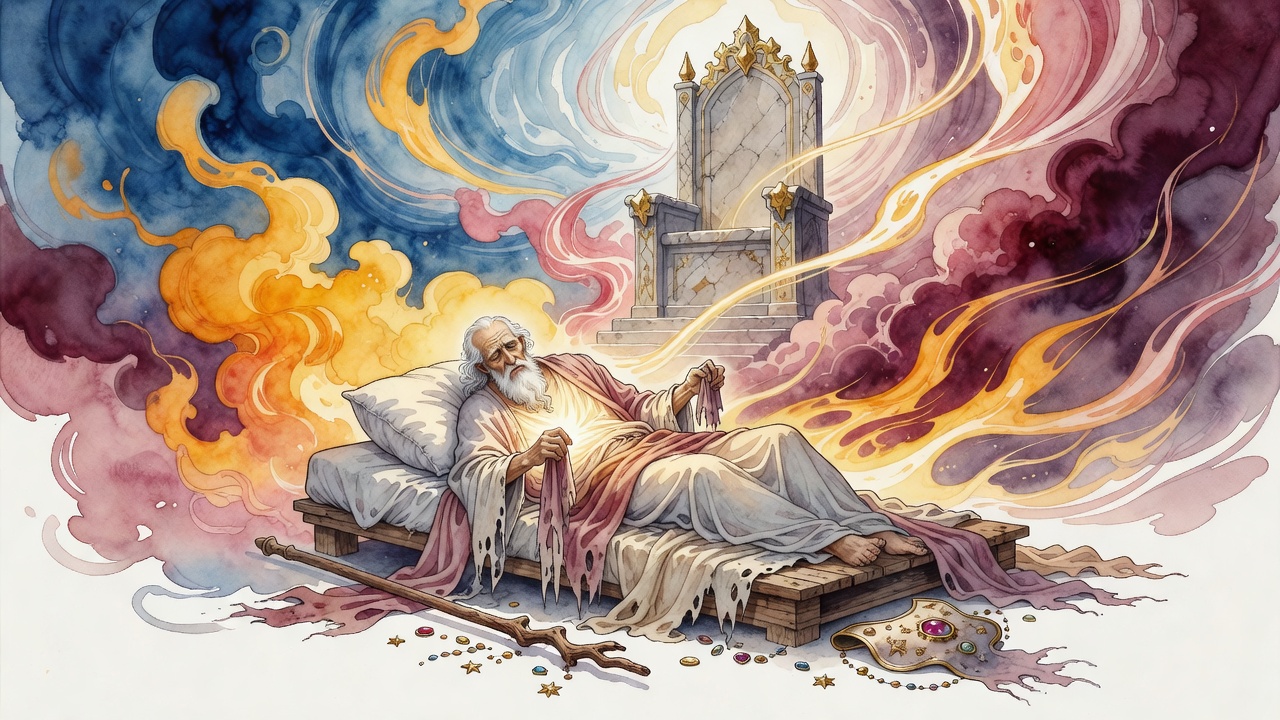
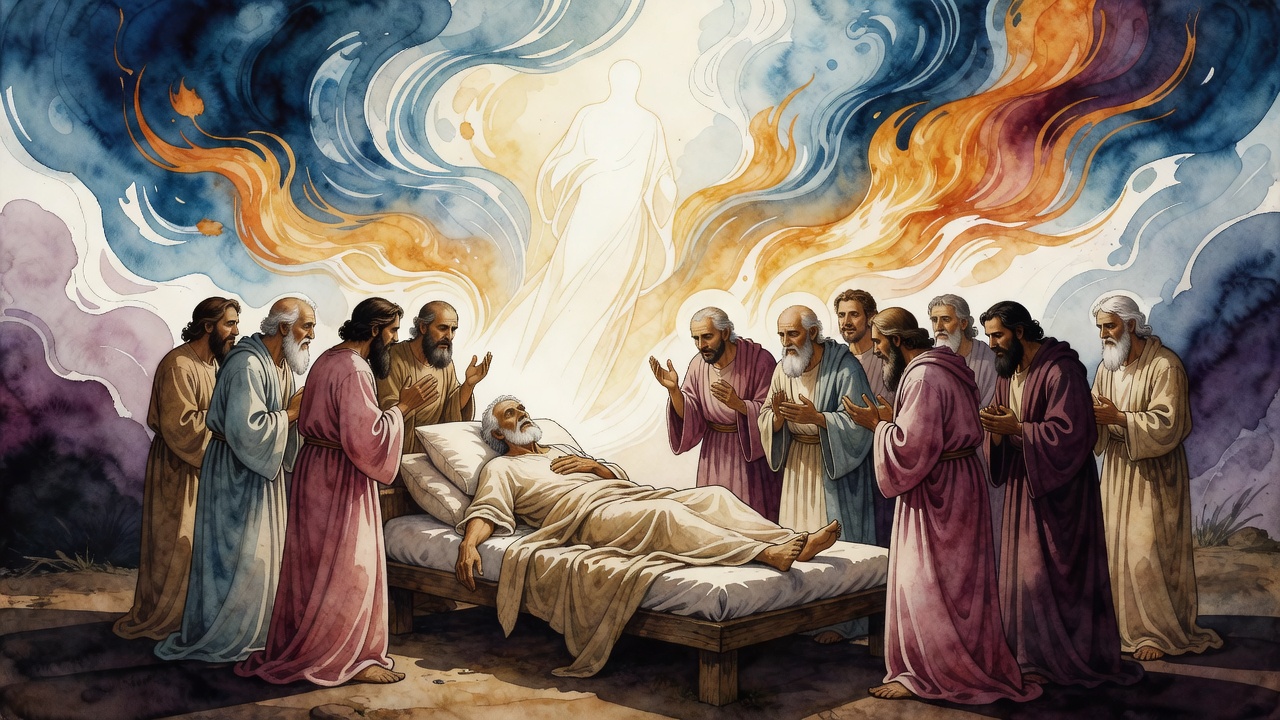
Reuben lived to a hundred and twenty-five years. In the hundred and twenty-fifth year, two years after Joseph had died, he gathered his sons and brothers around him and opened his mouth. He did not begin with blessing. He did not distribute wisdom or dispense property or offer comfort. He confessed.
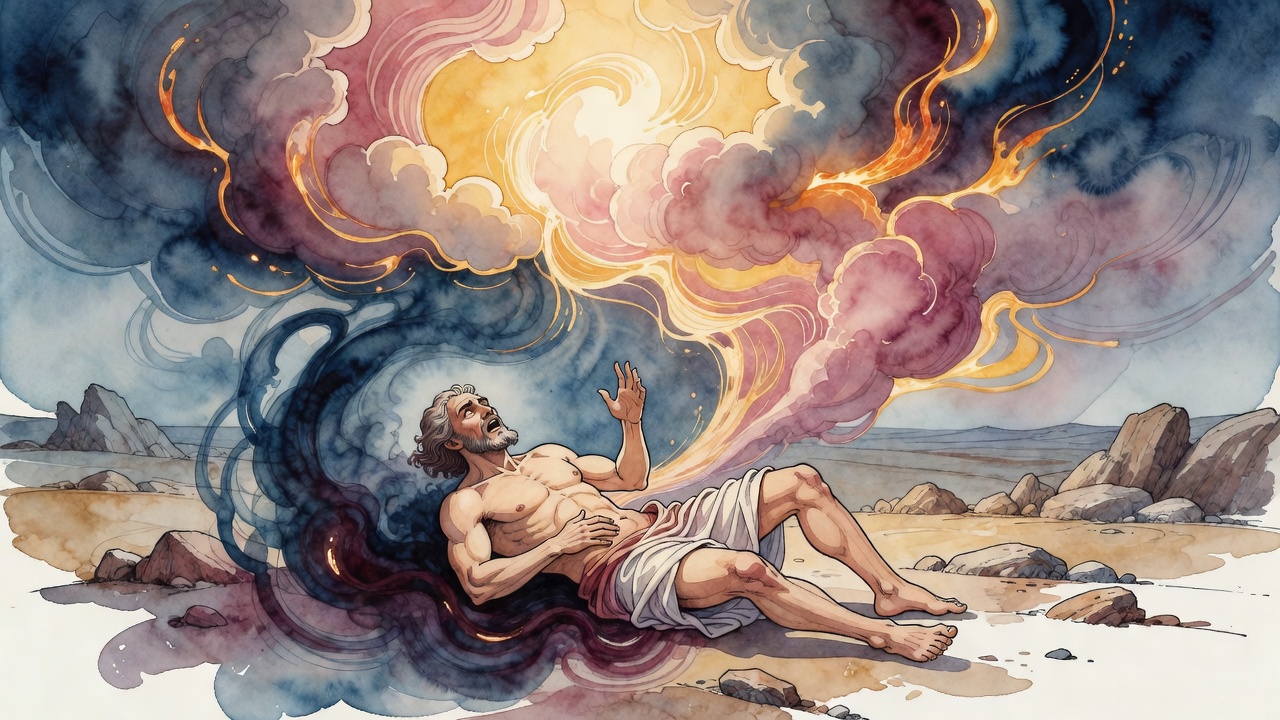
He said: I call the God of heaven as witness against you this day, that you walk not in the sins of youth and lust, as I did when I defiled the bed of my father Jacob. He said it plainly, in front of everyone who was present. He was thirty years old when it happened. He had violated Bilhah, his father's concubine. For this, God struck him with a plague in his loins for seven months. If Jacob had not prayed for him, he would have been destroyed entirely.
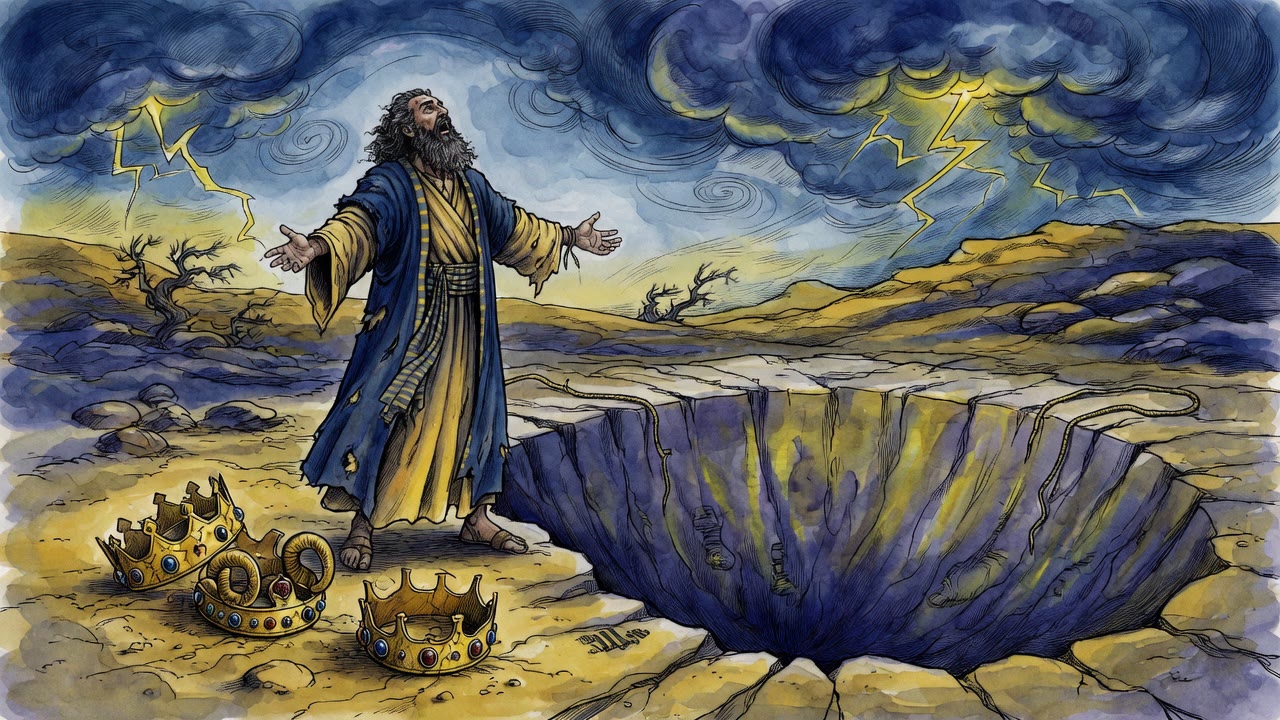
The Testament of Reuben, part of the Testaments of the Twelve Patriarchs, a collection of farewell discourses attributed to Jacob's sons and written originally in Hebrew or Aramaic in the second century BCE, records this deathbed confession without softening it. Reuben was the firstborn son of Israel. He was the man who saved Joseph from death when the brothers planned to kill him, who convinced them to throw Joseph into the pit instead so he could return and rescue him. He had good deeds of the highest order. He also had this. And on his deathbed he chose to lead with the failure.
The Seven Spirits Reuben Named
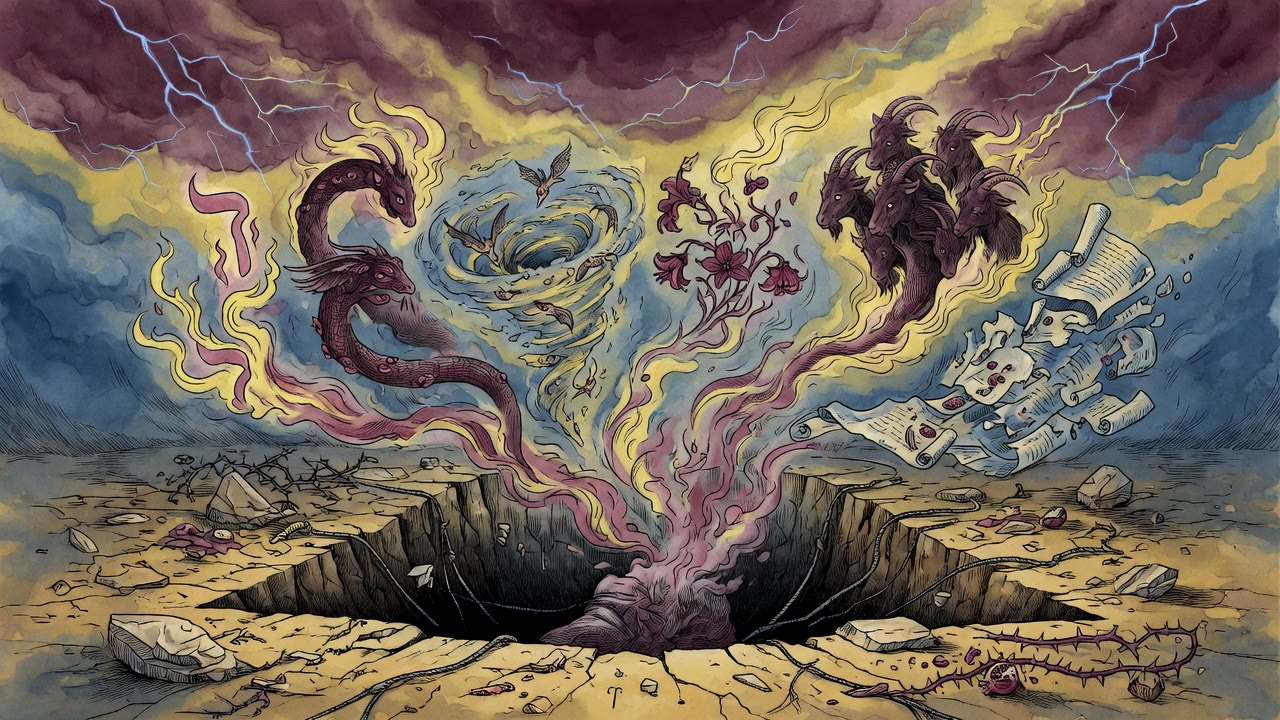
The testimony did not stop at confession. Reuben went further. He described, in precise detail, what had driven him to the act: seven spirits of deceit, which he had felt operating inside him, and which he believed operated inside every human being who fell into the sins he had committed.
The first was the spirit of fornication, seated in the nature and the senses. The second was the spirit of insatiability in the belly. The third was fighting, located in the liver and the gall. The fourth was the spirit of flattery, by which a man pleases others for personal advantage. The fifth was the spirit of pride. The sixth was the spirit of lying, by which a man destroys and envies and speaks deceit to please the heart. The seventh was the spirit of injustice, by which a man takes what is not his.
This taxonomy is one of the earliest systematic accounts of interior moral psychology in Jewish literature. Reuben is not describing demons in the external sense. He is describing the structures of temptation as they operate from inside a human being. Each of the seven has a location in the body. Each has a characteristic function. Together they account for the full range of destructive behavior that Reuben had observed in himself and in those around him for a hundred and twenty-five years of living.
What Bereshit Rabbah Remembered About Him
The rabbis preserved a different dimension of Reuben through Bereshit Rabbah, a midrashic compilation on Genesis assembled in the Land of Israel in the third to fifth centuries CE. They asked a question the text in Genesis raises but does not answer: Reuben heard the brothers planning to kill Joseph and delivered him from their hands. But where had Reuben been during the original planning? Why did the text say he heard about it as though he had arrived after the fact?
Rabbi Yosei in Bereshit Rabbah suggests that the brothers had a rotation system for attending their father Jacob. Each had a designated day to serve. On the day the brothers assembled against Joseph, it was Reuben's day away. He arrived after the decision had already been forming. He heard about it and stepped in.
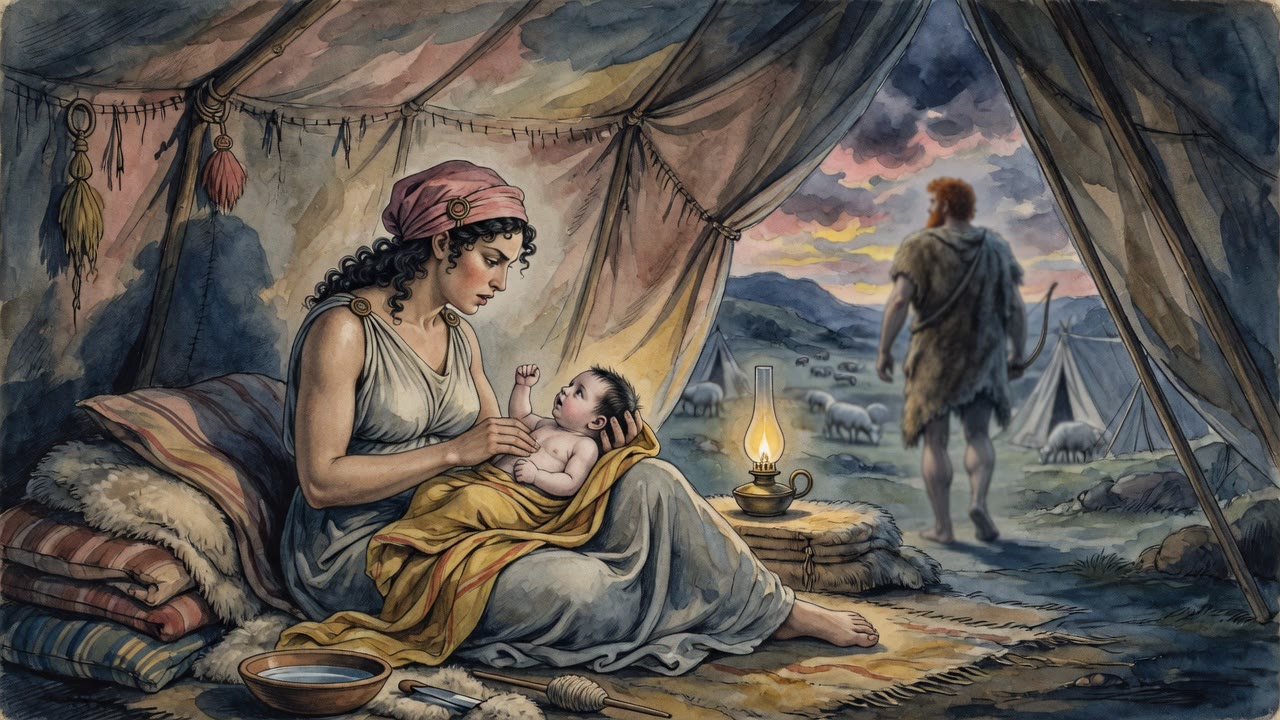
Shemot Rabbah, the midrashic commentary on Exodus compiled in the same period, adds another layer. When Leah named him Reuben at birth, she said: because the Lord has seen my affliction. The Midrash hears in that name something more than a mother's relief. It hears an ongoing condition. Reuben was the son who was seen, and the son who saw. His intervention on Joseph's behalf, his absence during the crucial moment, his presence when it counted, all of it is contained in the name Leah gave him at the moment of his birth.
Why He Led With Failure
Most deathbed speeches in the ancient world were constructed for the benefit of the speaker's reputation. A patriarch gathered his sons, pronounced blessings, distributed the wisdom he had accumulated, and died well-remembered. Reuben understood that what his sons most needed to hear was not his virtues. They knew his virtues. They had seen him live for a hundred and twenty-five years. What they had not seen, and what might actually protect them, was an honest account of what had gone wrong inside him at thirty and what it had cost him and what forces had driven it.
He gave them that account. He named the spirits. He described the mechanism. He told them where to watch for it in themselves. He died having said the thing that was hardest to say. The tradition preserved it because it was, in the end, more valuable than a conventional blessing.
← All myths