Jacob's Sons Searched Egypt's Streets for the Brother They Sold
They came through the gate in the same hour and gave the clerks the same father. Then they spent the day hunting the streets for a sold boy.
Table of Contents
 Click for full size
The Beds in Bilhah's Tent
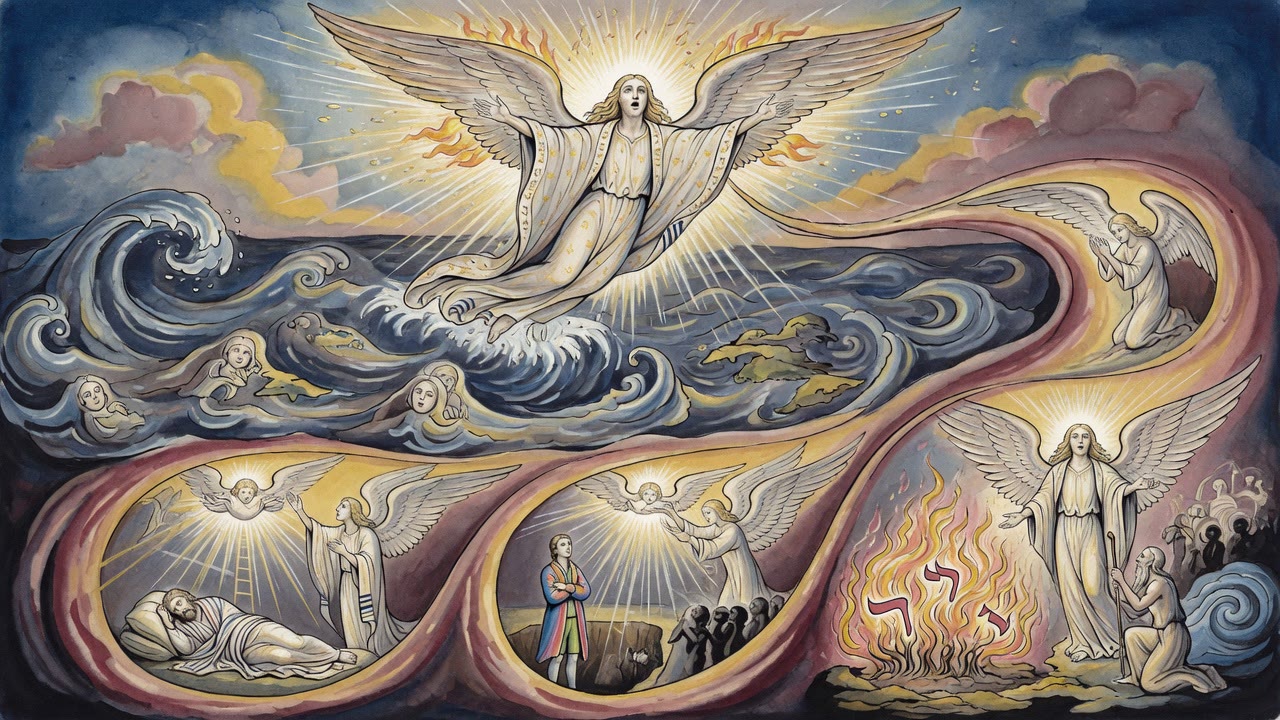
Rachel died on the road to Ephrath, and Jacob moved his sleeping mat into the tent of Bilhah, who had been Rachel's servant. Reuben, the firstborn, the son of Leah, walked into that tent and moved the beds back. He did not lie with Bilhah. He shifted the furniture so that his father would sleep where his mother slept, and he did it in the open, and word of it reached Jacob before nightfall.
Jacob did not shout. He sat with it.
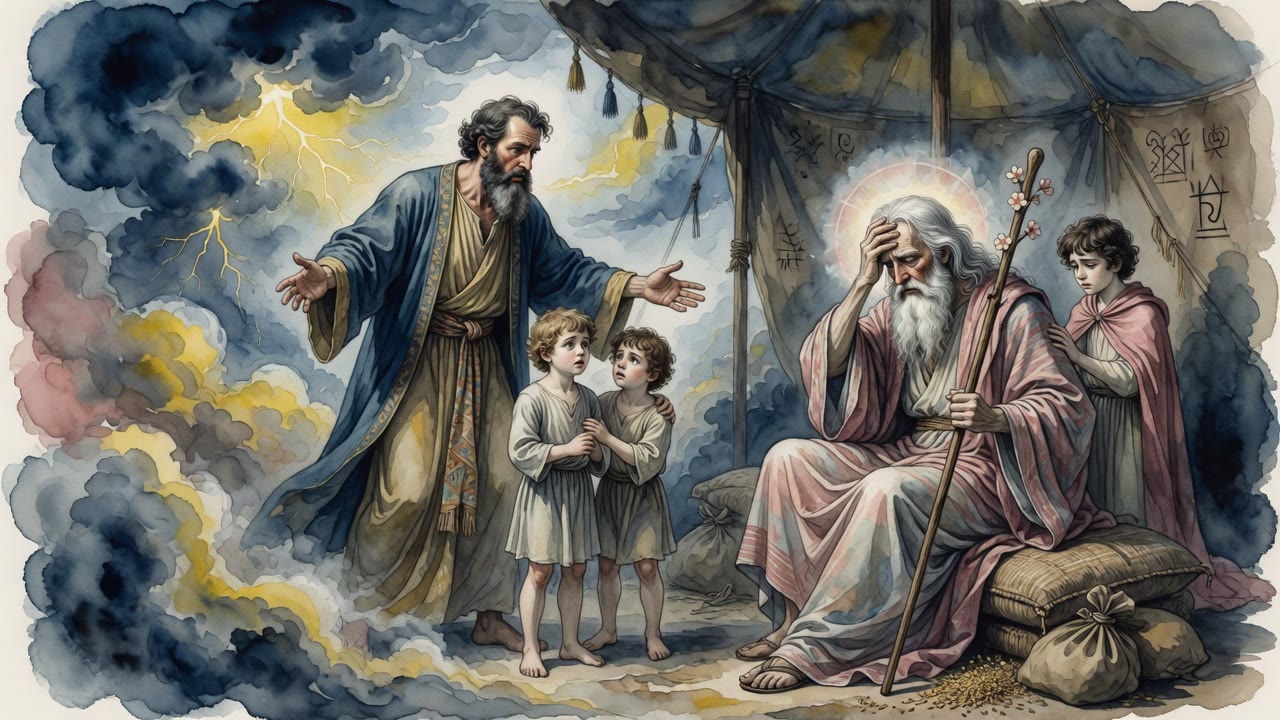
"One has come out of me who is profane," he said. "Ishmael came out of Abraham. Esau came out of Isaac. Now this."
The Spirit of Holiness answered him aloud. "Fear not. They are all righteous. Not one of them is profane."
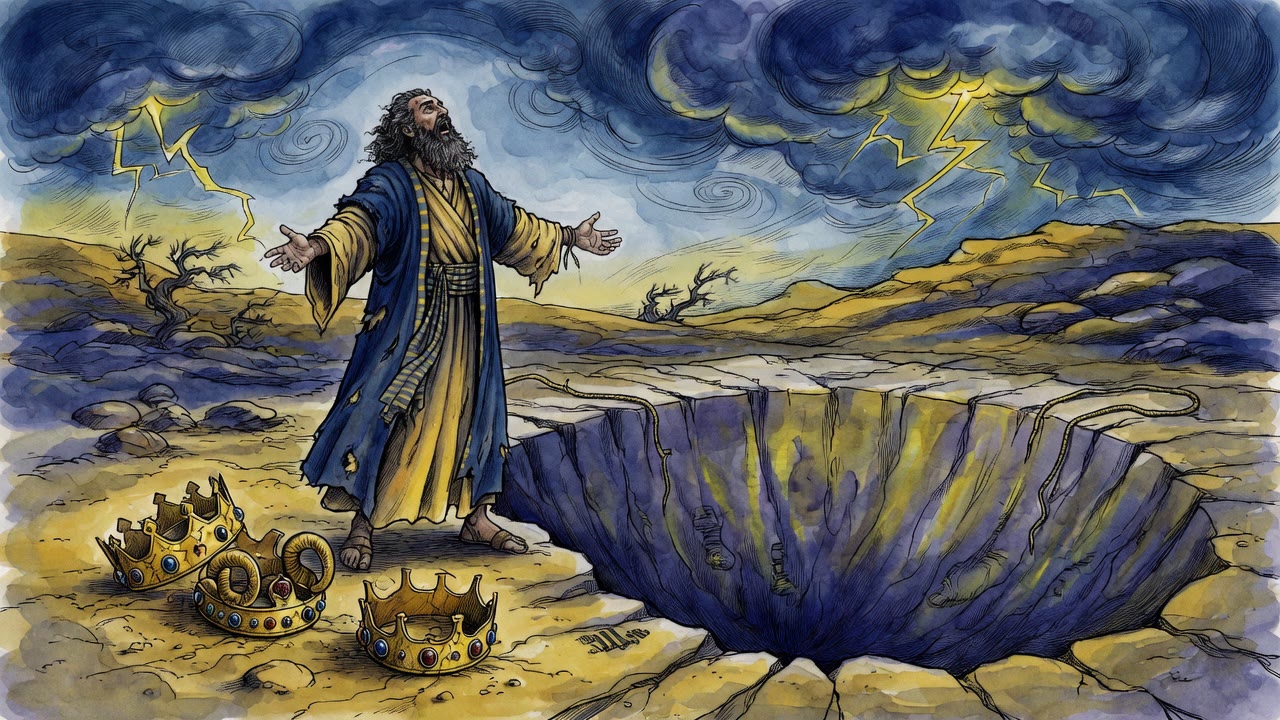
Jacob counted his sons after that, and there were twelve of them. One of the twelve was a boy in a striped coat. His brothers would strip him beside a dry pit and sell him to a caravan going down to Egypt for silver, then dip the coat in goat's blood and carry it back to their father.
The Register at the Gate
More than twenty years later, Joseph ran the grain of Egypt. Every sack in the kingdom moved by his hand, and every stranger who came through a city gate was written down before he was fed. Joseph had put notaries at the gates for that purpose. They sat with their tablets and stopped each traveler and took two things from him: his name, and his father's name.
The lists came up to Joseph daily. He read them the way a man reads a net he has set himself. For years the net came up empty of what he was fishing for. He knew the names he wanted. He knew the second name that would sit beside them. Morning after morning the clerks sent up other fathers, other sons, other countries.
Then the rains failed in Canaan, and the failure went on, and a starving old man in Hebron sent ten of his sons south to buy food.
Ten Names in a Single Morning
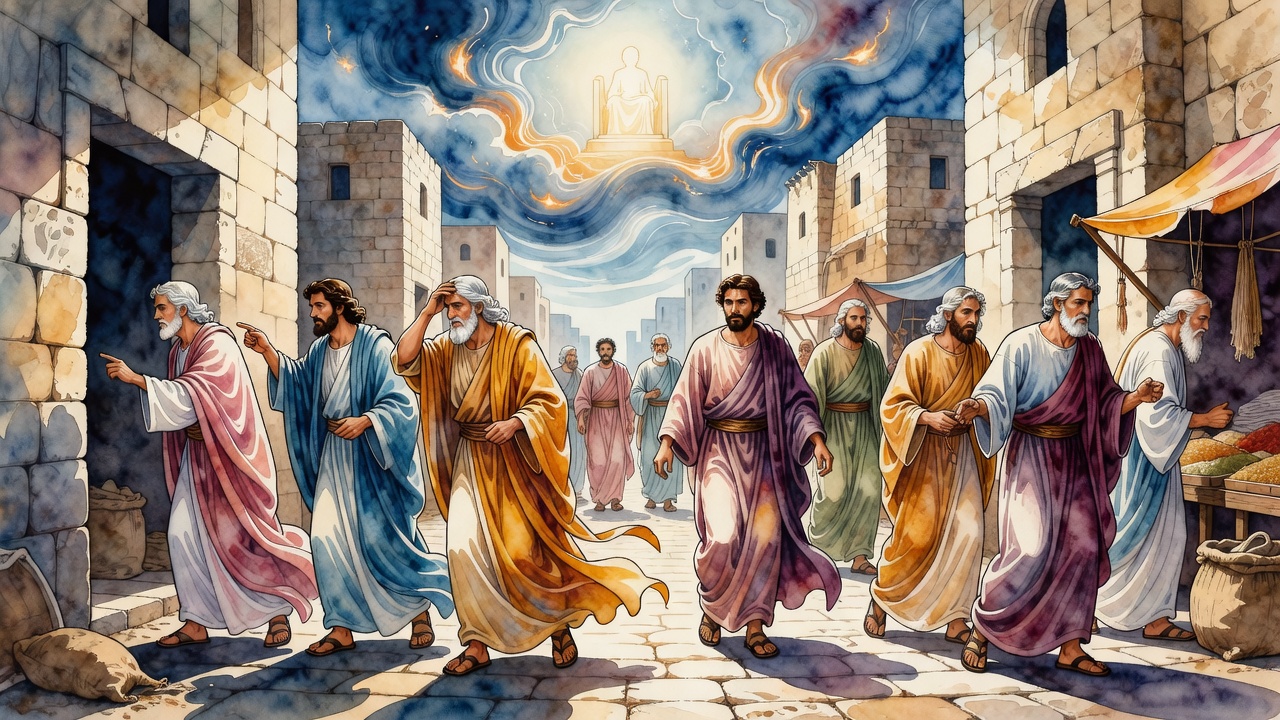
They came through the gate in the same hour and gave the clerks the same father. Reuben son of Jacob. Simeon son of Jacob. Levi son of Jacob. Ten times down the tablet, the same second name.
The list reached Joseph before the brothers reached the granaries. He knew where they were. He knew how many they were. He knew which one of the twelve was missing from the line. Benjamin had been kept home. The ten who had sold him were walking Egyptian streets under the names they could not hide.
Joseph set the tablet down and did not go out to meet them. He waited. A man who has been fishing for twenty years does not rush the catch.
They Looked Where a Sold Man Ends Up
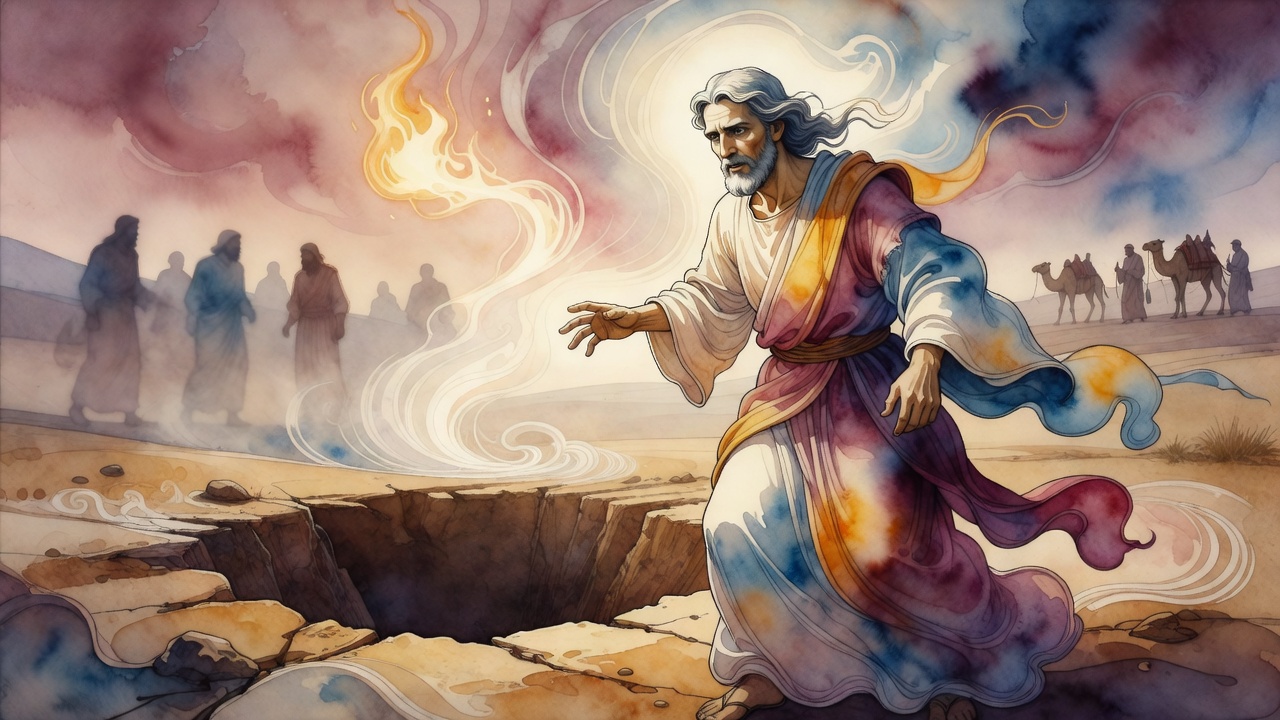
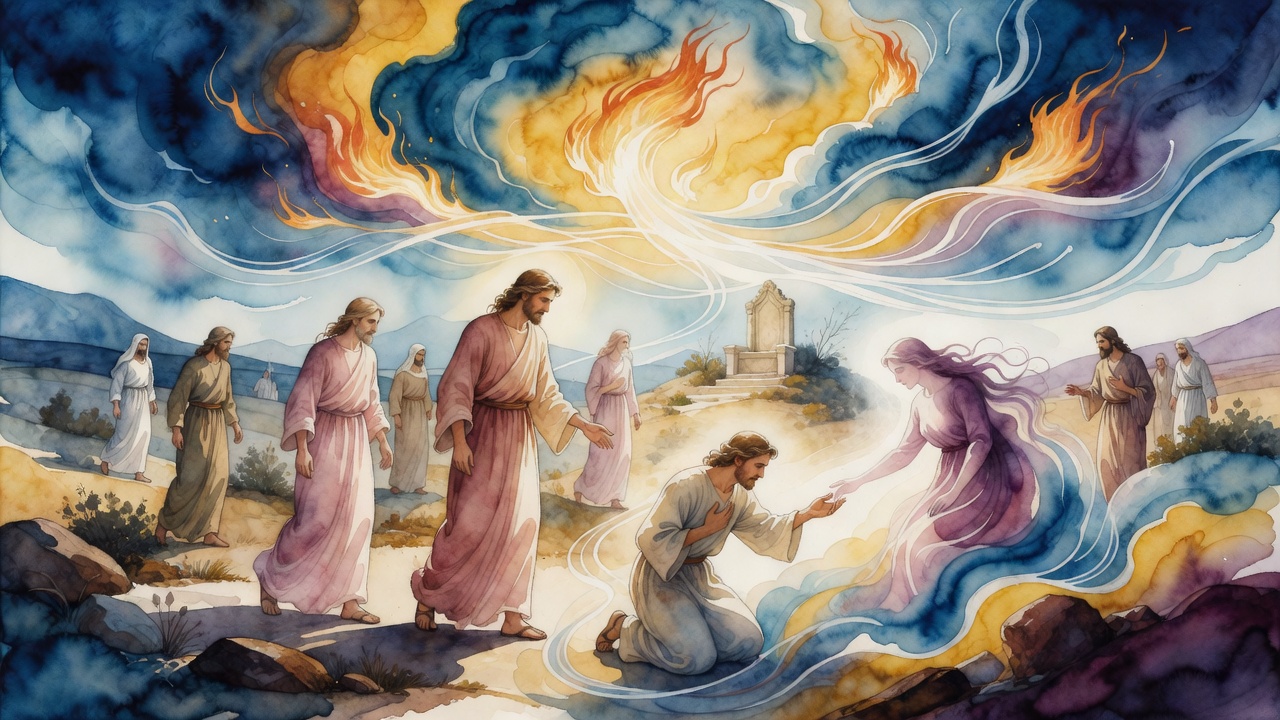
The brothers did not go to the grain. They split up first and went through the city in pieces, one man to a quarter, and they walked the streets and crossed the public squares and pushed into the lodging houses where men with no name and no money sleep. They asked after a Hebrew sold as a boy more than twenty years back, sold cheap.
They had come down to buy wheat for their father's household. They spent the first day of it hunting through the worst streets in Egypt for a brother they had left in a pit, because a man cannot buy bread in the country he sold his brother into and not look for him.
They found nothing. No one in the lodging houses had heard of him. No slave answered to the name. By evening the ten of them had walked the city end to end and come up with the same emptiness the notaries had been handing Joseph for years. Reuben asked in one house. Judah asked in another. The answers were all no, and the no sat in their mouths on the way to the governor's door.
They Bowed to the Man They Could Not Find
So they went where the grain was, which was the house of the governor, and they were brought in, and they put their faces on the ground in front of the man who sold wheat to the world.
He had a scribe's list in his hand with their names on it and their father's name written ten times down the column. He let them stay on the floor. He asked them, through an interpreter, in a language he had learned as a slave, where they had come from.
They said Canaan. They said they had come to buy food. They did not say what they had been doing all day in the lodging houses, and he did not tell them that he already knew. The search was over. The man they had been hunting was the man they were bowing to, and the Spirit that had once told Jacob none of his sons was profane had not yet told these ten whether that was still true.
← All myths