Reuben's Lie About His Liver and Seven Years of Silent Penance
Reuben told Jacob he had liver pain. The real sickness was guilt over Bilhah and Joseph. What followed was seven years of grueling, silent penance.
Table of Contents
 Click for full size
What He Told His Father
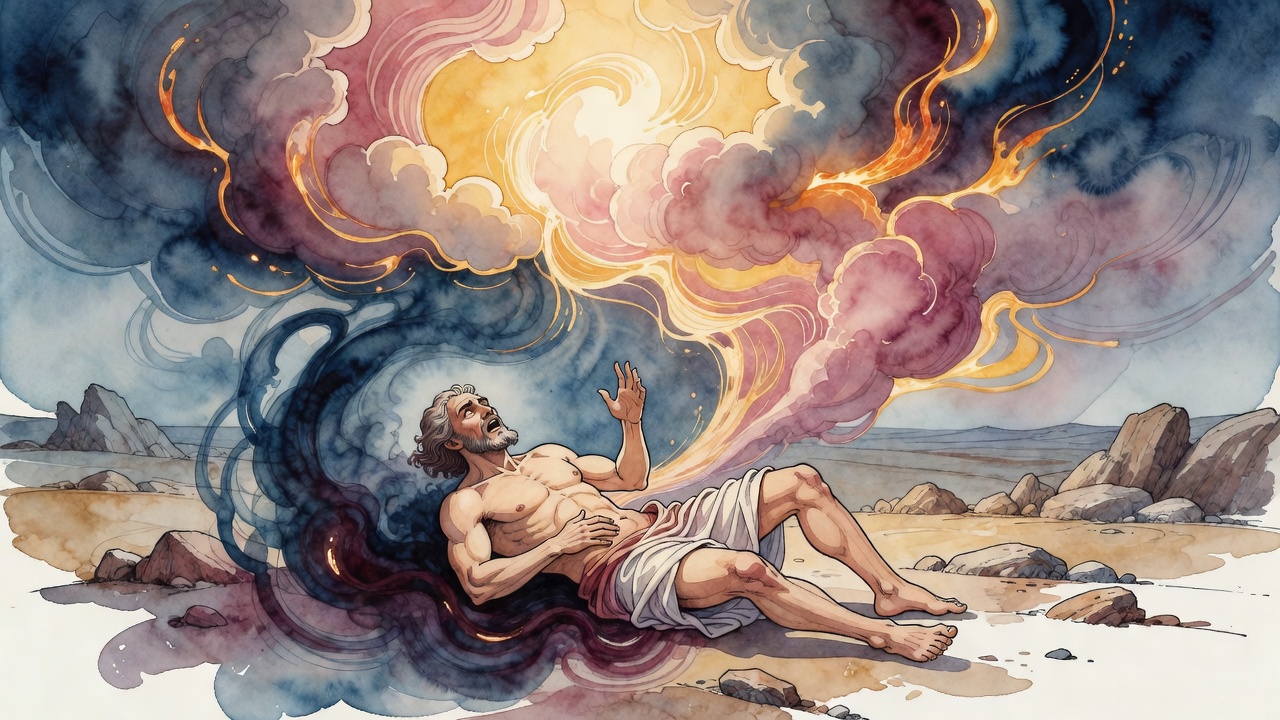
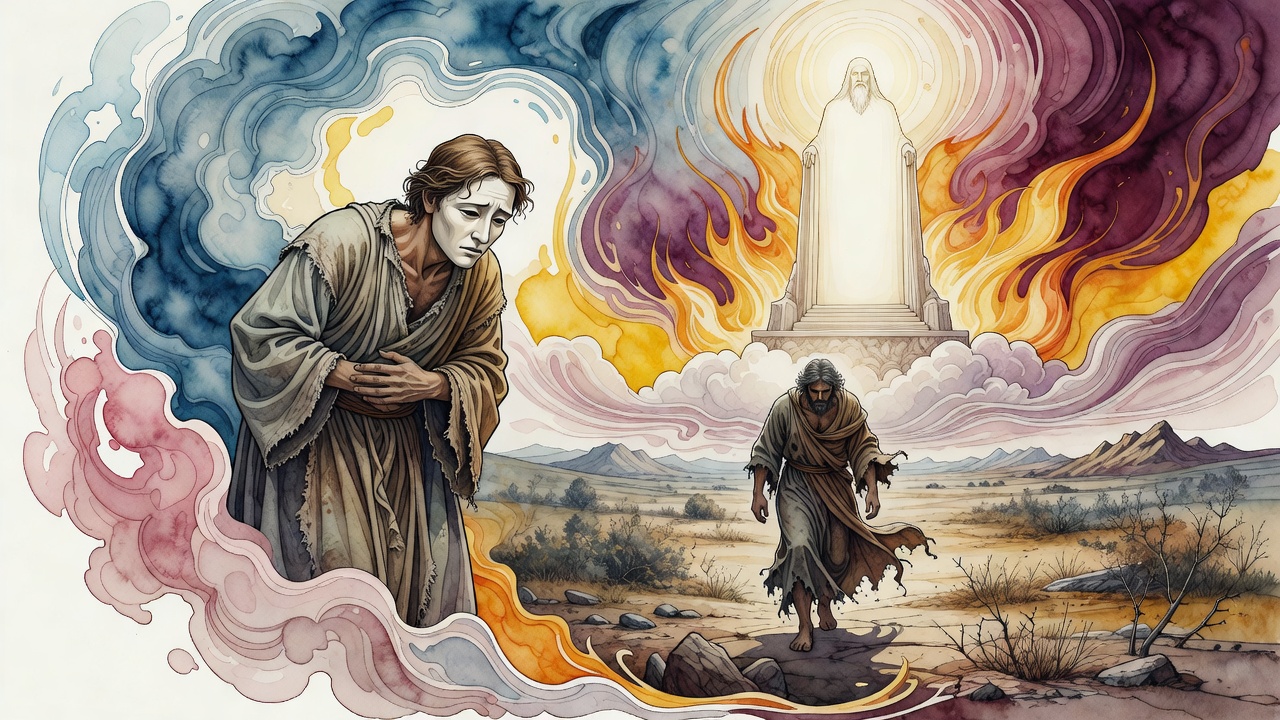
Jacob noticed something was wrong with his firstborn son and asked what it was. Reuben said it was his liver. The answer was not exactly a lie. He was suffering. But nothing that could be treated with medicine or rest would touch the source of it. He was not sick in his body. He was sick from what he had done, and from what he had failed to do, and from the fact that both failures lived side by side in him without canceling each other out.
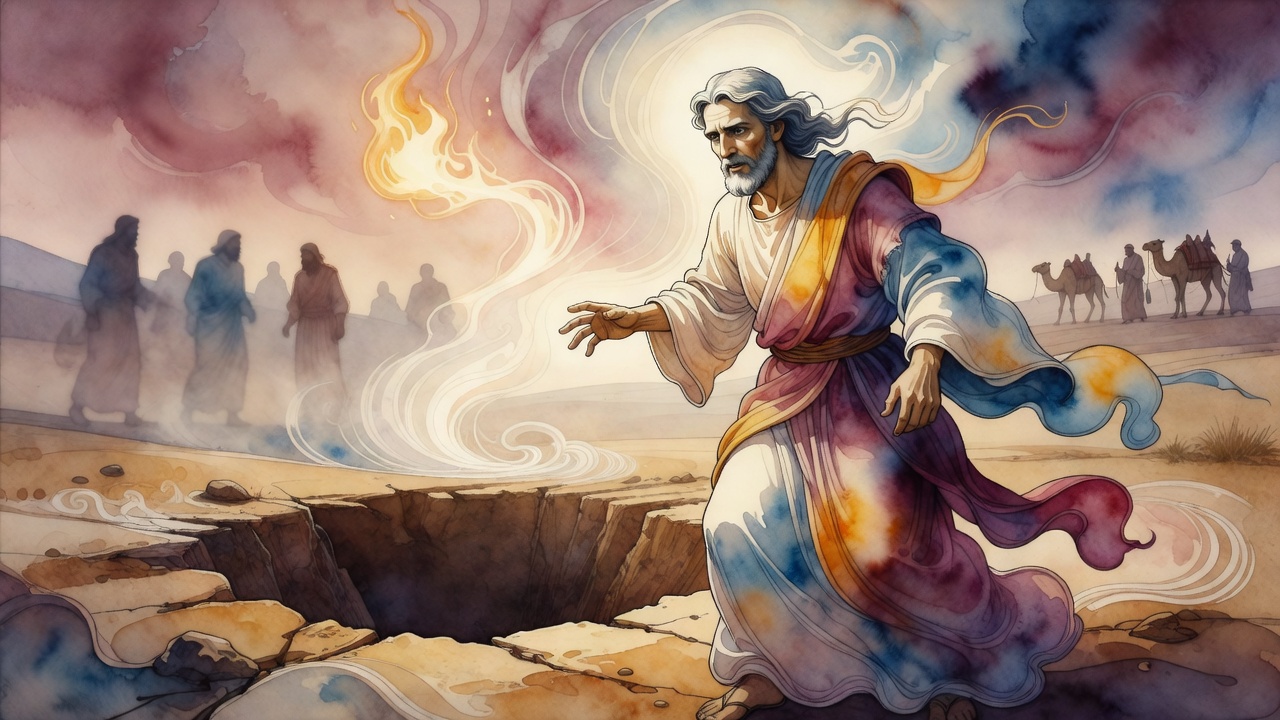
The failure he had done was the transgression against Bilhah. He had seen her bathing in a sheltered place near Eder, and the sight of her had not left him when it should have. He came to her at night while she was sleeping. She did not know until it was over. When she woke, she was ashamed and would not speak of it, but she released Reuben's hand from her garment, and from that night forward she wore mourning clothes and Jacob did not go in to her again. The silence in the house after that was a particular kind of silence, the kind that comes when something is known by everyone and spoken by no one.
The Transgression and Its Penance
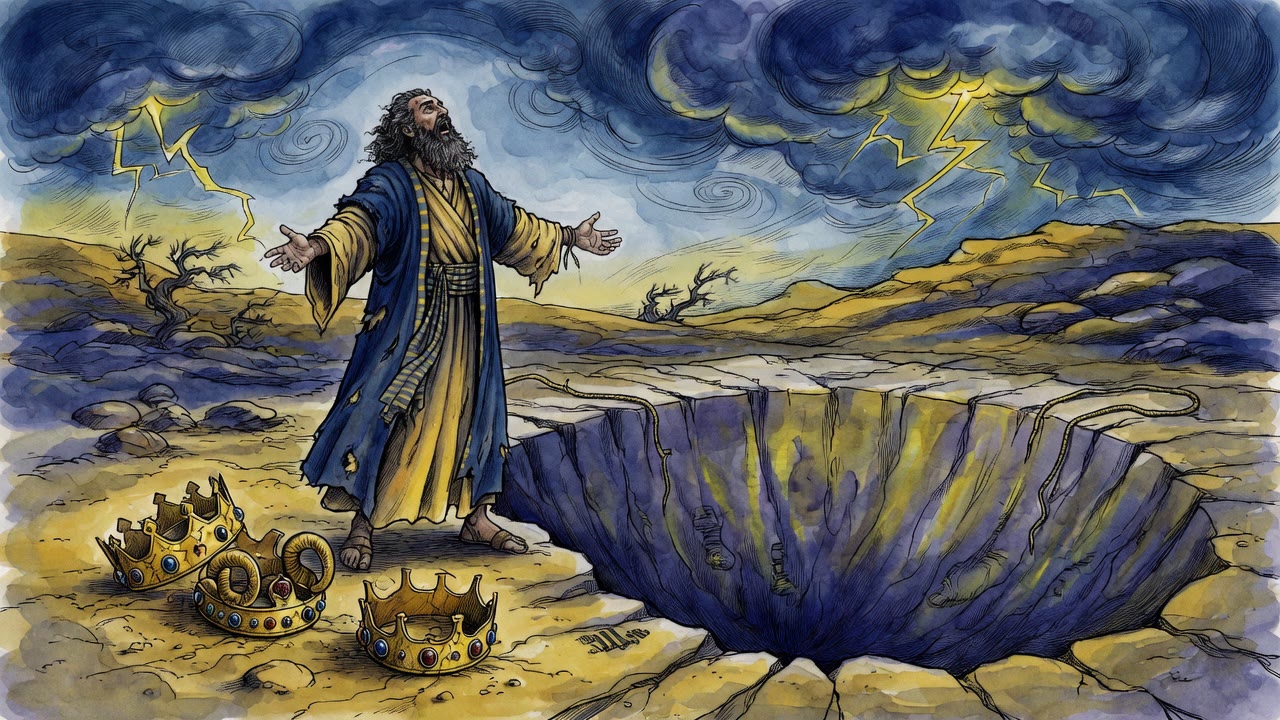
Reuben carried the transgression for years before he did anything deliberate about it. Then, in the third year of Joseph's absence, he could no longer manage it through endurance alone. He chose fasting: seven years of it, no wine, no meat, no pleasure of any kind, no music, no woman. He ate bread and water and he waited, not for God to release him from guilt, which was not something he expected, but to show by what his body was willing to suffer that the weight of the act had been genuinely felt.
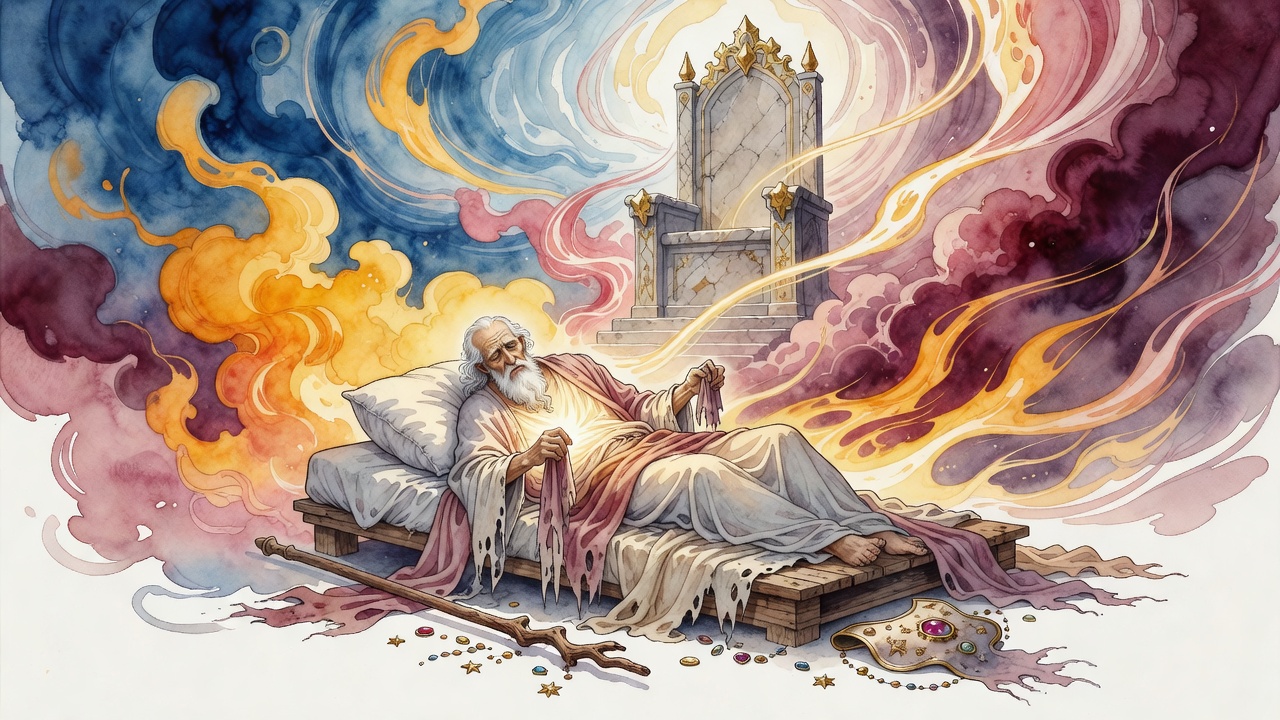
The tradition preserves this as Reuben's own testimony, spoken on his deathbed to his sons. He told them not what they might have heard from outsiders or inferred from Jacob's coldness toward him, but what had actually happened in the interior of his life. He had resolved, after the night with Bilhah, not to speak of it until Jacob was dead. He had kept that resolution. He had held the knowledge inside him through decades of ordinary life, through the selling of Joseph and its aftermath, through the descent into Egypt and the sight of his brother Simeon bound as a spy in a foreign prison.
What Egypt Revealed
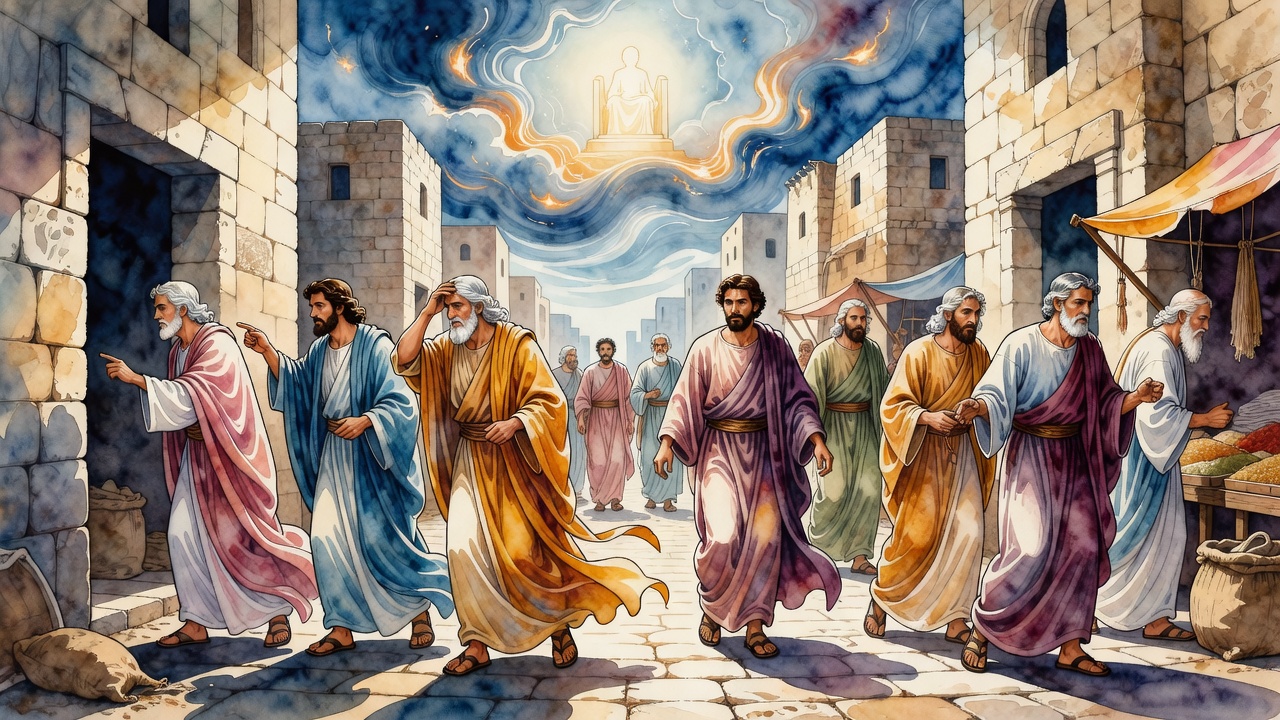
When Joseph had Simeon bound in Egypt, Reuben understood what he was watching. The brothers were suffering what they had earned. Reuben was suffering what he had earned. The structures of justice, whether human or divine, had the same shape in both cases: you did something to someone who could not stop you, and eventually the world arranged itself so that you stood in the same place that person had stood. He was not resentful about this. He named it openly in his testimony. He had been in Egypt, and the prison that closed around Simeon was legible to him in a way it might not have been to someone without his history.
But he also said, on that same deathbed, that he had not in the end been the instrument of Joseph's undoing. He had intended to return to the pit and rescue Joseph before the caravan arrived. He had been absent when the Ishmaelites passed. This detail matters to him. The difference between having planned to kill your brother and having planned to save him is not nothing, even when the outcome is the same.
The Charge He Left His Sons
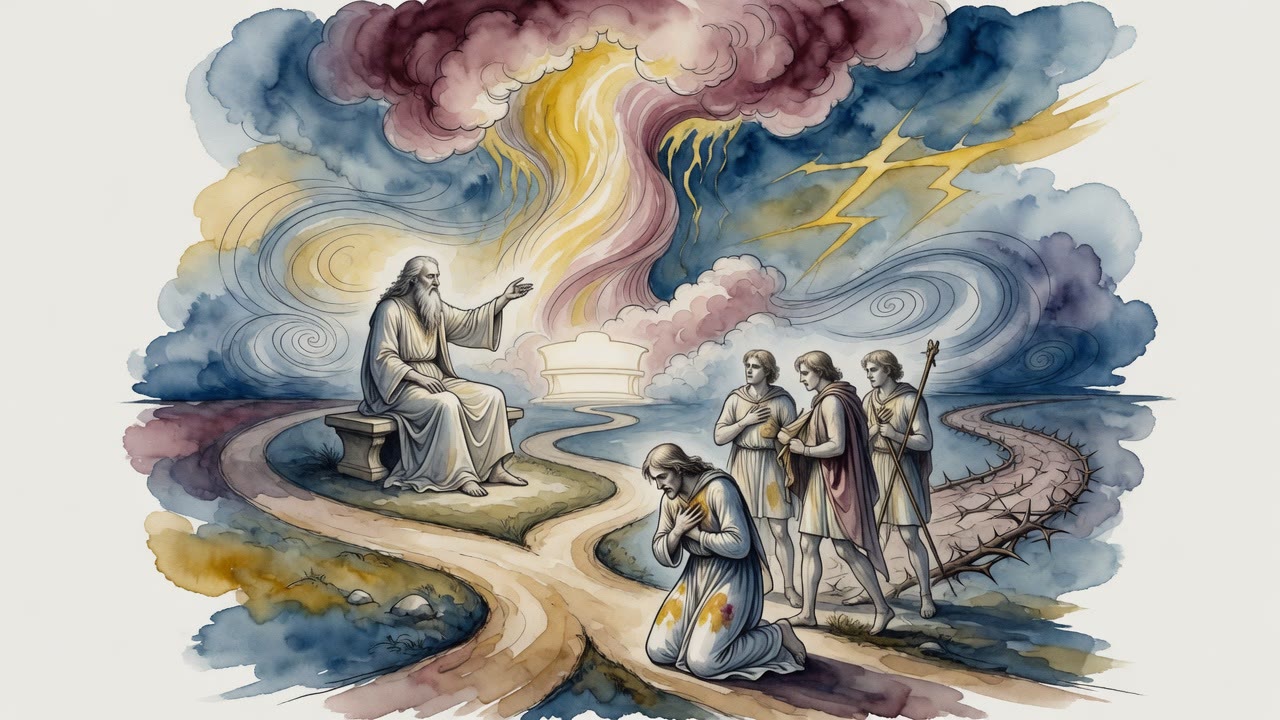
What Reuben told his sons was not a story designed to excuse him. He was too old and too tired for that kind of storytelling. He told them the plain account of what lust had done to his judgment, what guilt had done to his years, and what the body could suffer when the mind knew it had behaved wrongly. He told them to guard against unchastity. He told them that the spirit of promiscuity was a net cast in the dark, and that it caught men through their eyes before it caught them through their hands.
He was one hundred and twenty-five years old when he died. He had spent seven of those years eating bread and water in the hope that the fast would mean something. He believed it had. The tradition is not certain it disagrees with him.
← All myths