340 myths · Page 8 of 12
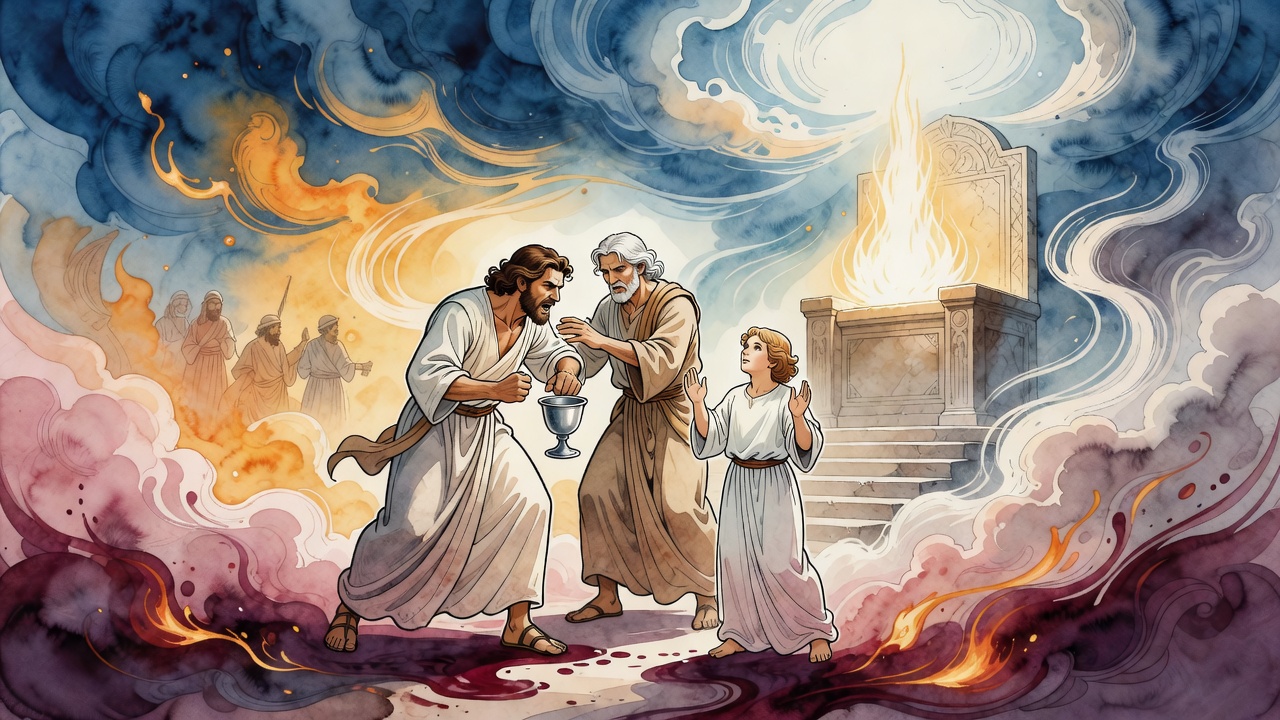
Judah's rage filled the hall until Manasseh's hand found his shoulder. Benjamin swore on the coat, the sale, and the blood in the pit.
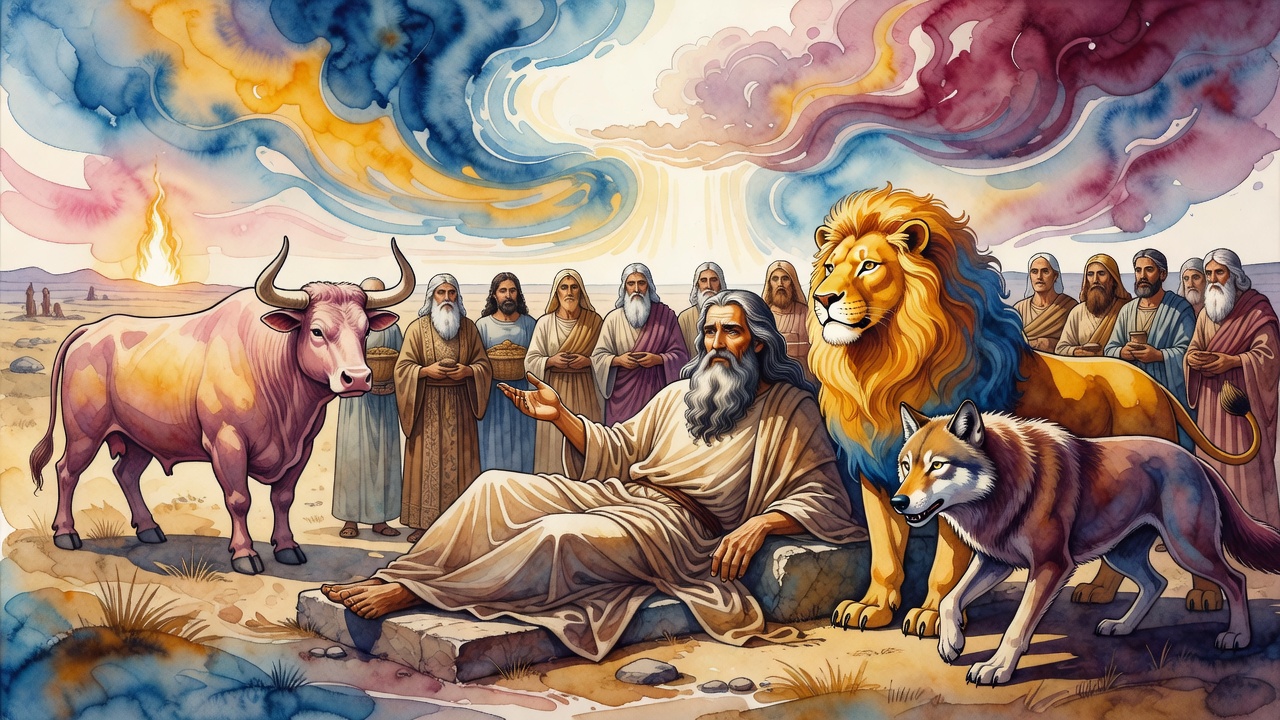
The sons standing in the tent still smelled of flocks. Their father named animals, and the animals were kingdoms that had not been built yet.
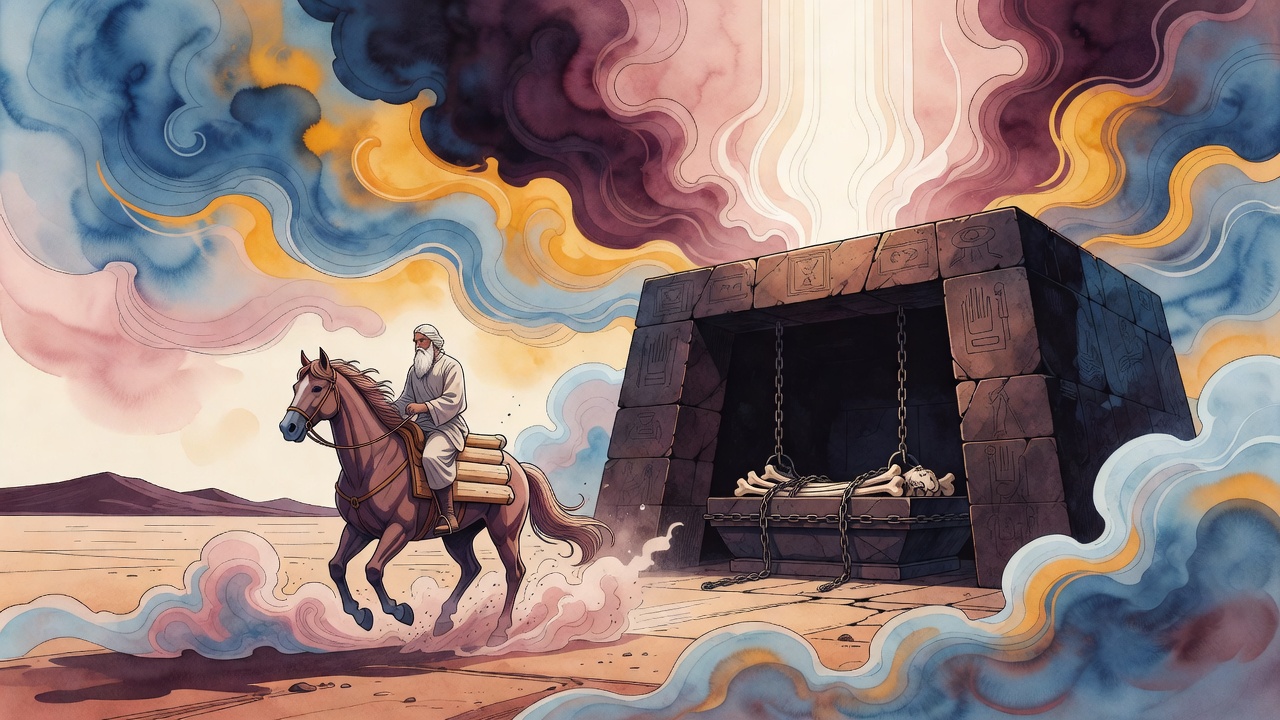
Every other patriarch left Egypt in a coffin bound for Hebron. Joseph's bones stayed behind under guard in the royal treasure rooms, stored with the gold.
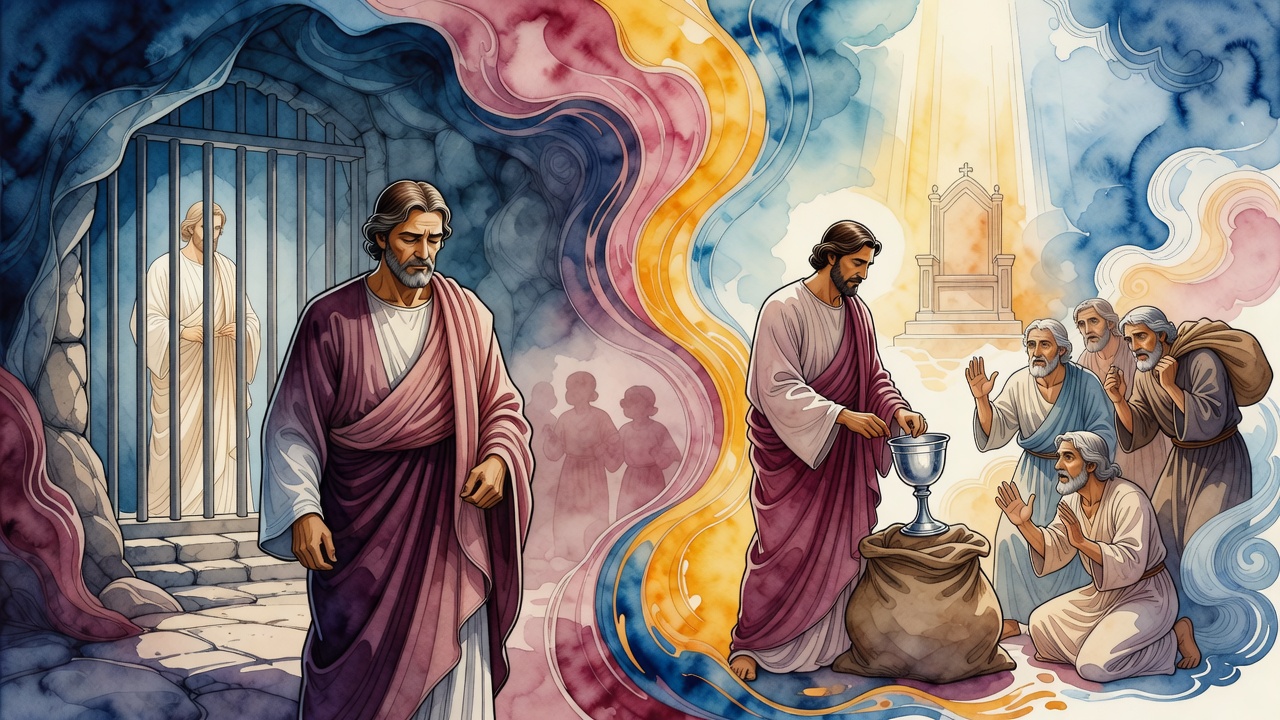
The traders were selling a free man, and Potiphar knew it. He still paid silver. He walked the boy home for himself.
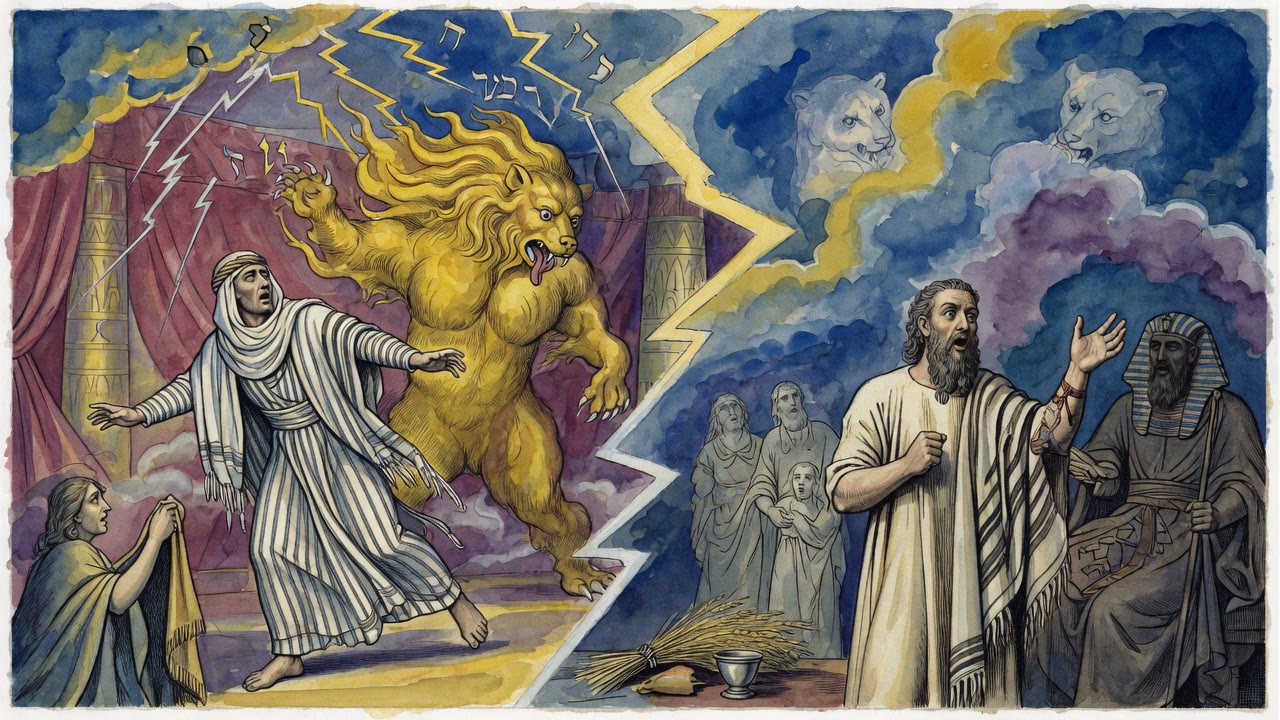
Joseph locked the storeroom, counted his comfort, and thanked God for the relief. Heaven answered that it was about to set a she-bear on him.
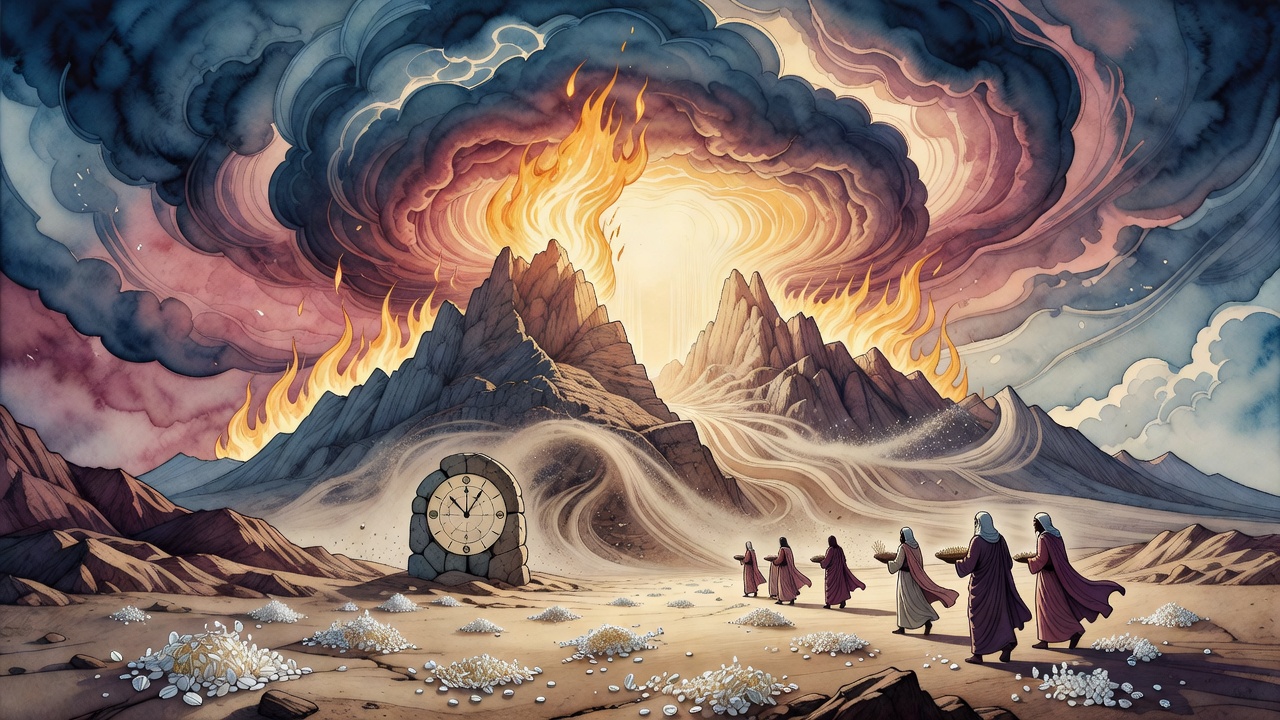
By the ninth hour the people were back in their tents. A double portion of manna was prepared for the next day. Moses stayed on the mountain.
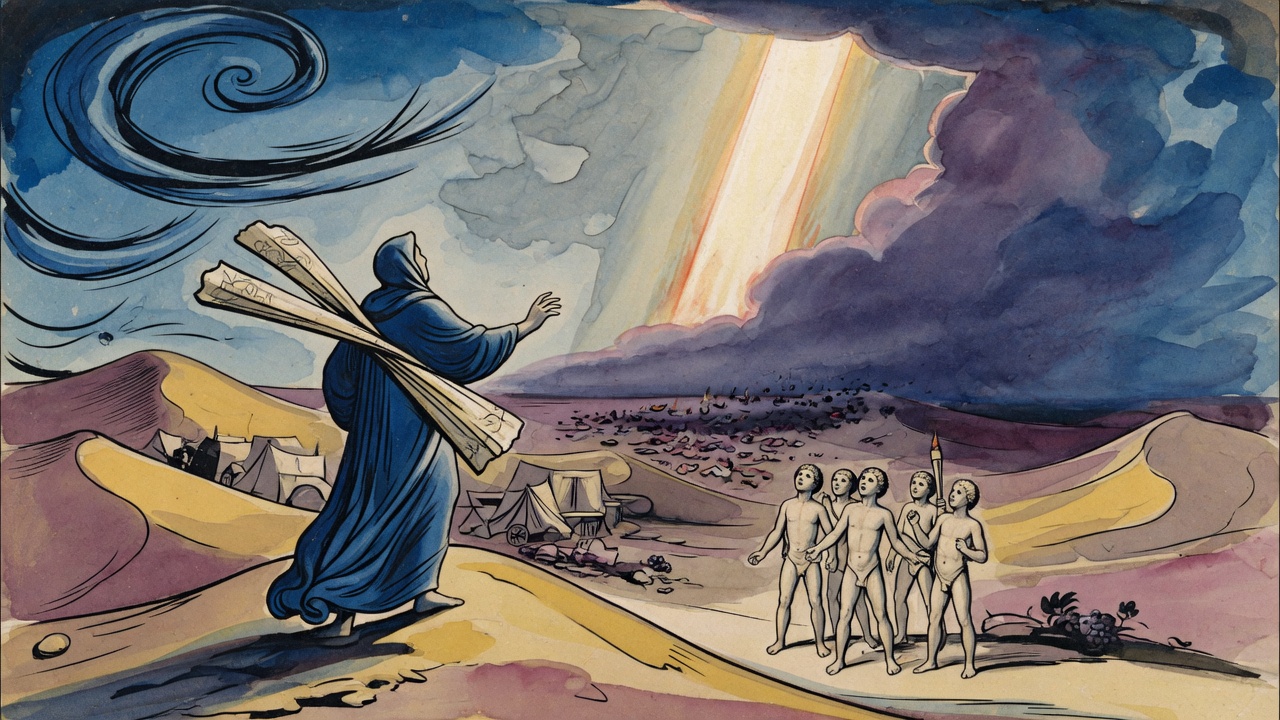
Miriam stood a short while by the river to see what would become of the basket. Years later all Israel waited seven days in the desert for her.
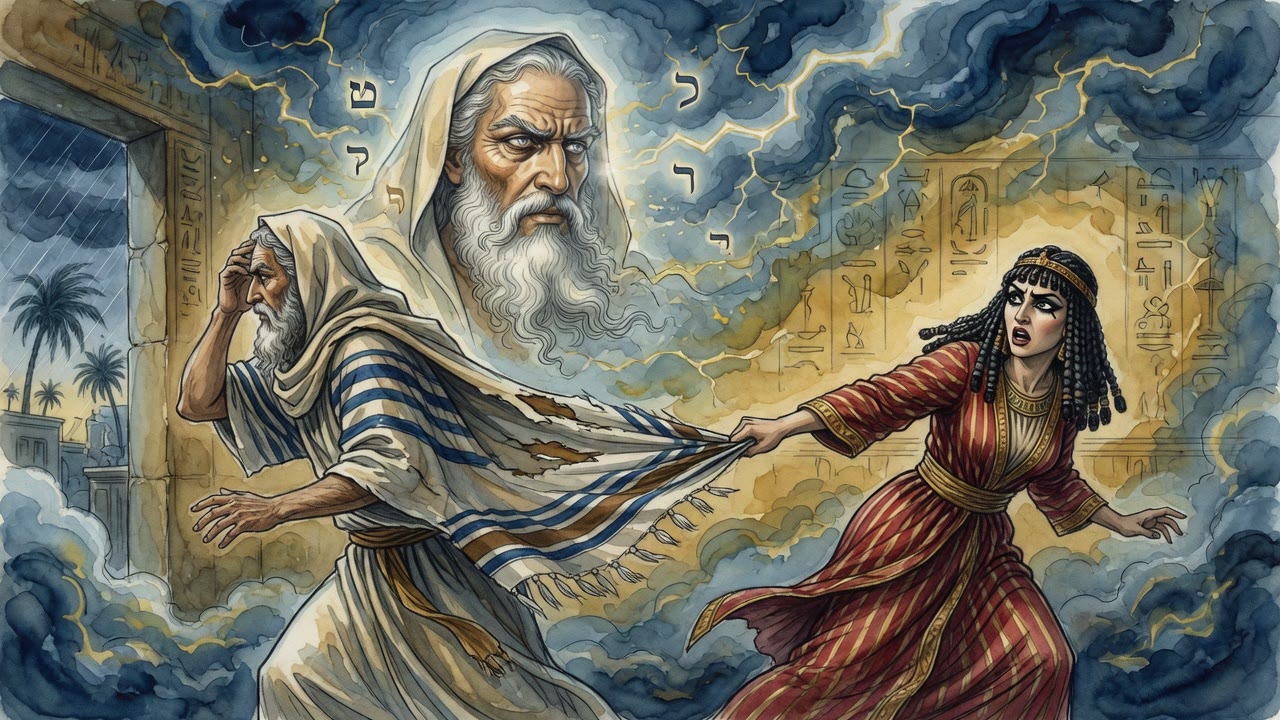
Joseph had thought Egypt would be easier than life under his brothers' eyes. Potiphar's wife came at him day after day, and he was seventeen.
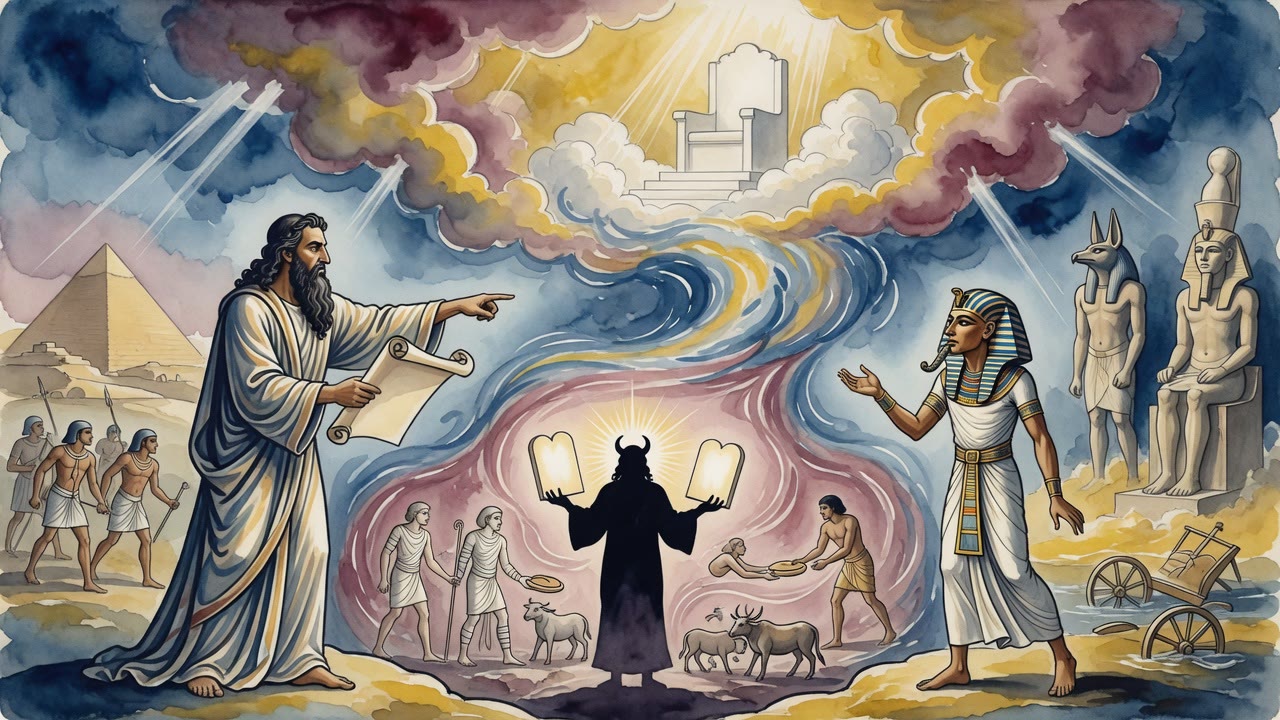
In Alexandria they repeated a short proof. If God loved the Jews, they would not keep losing. A forger added an oath no one had ever heard.
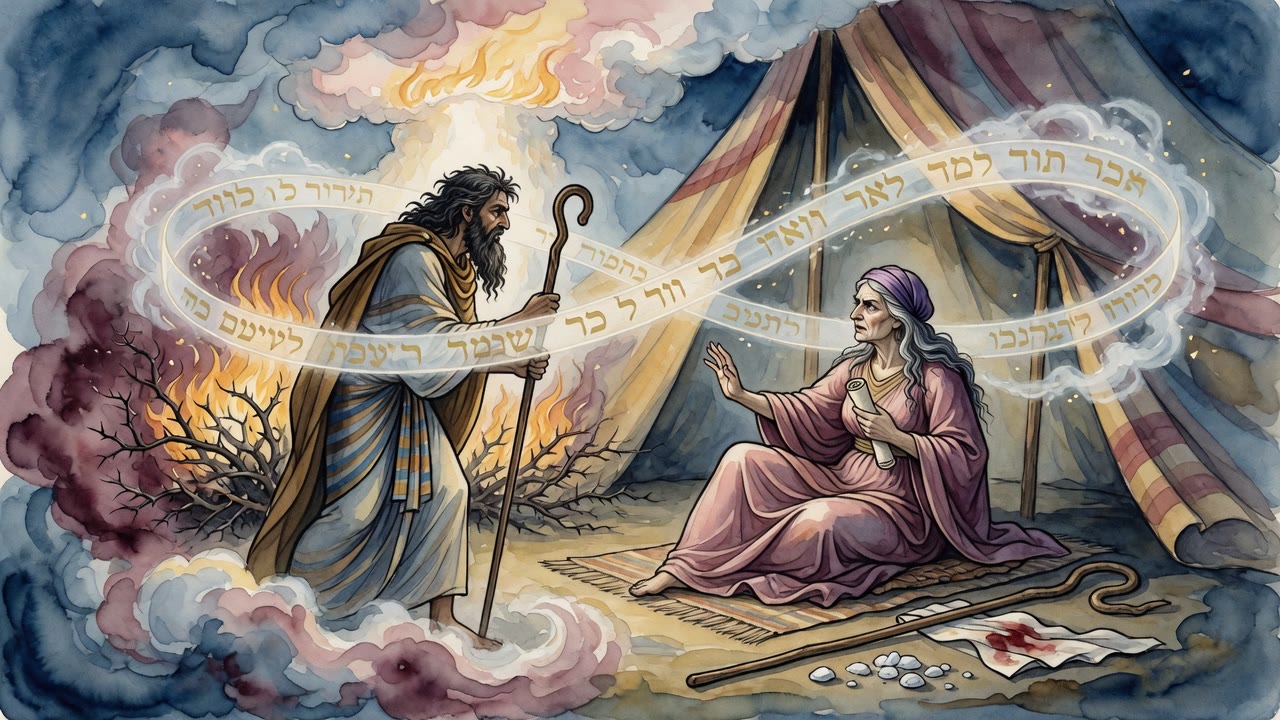
The elders wanted a verdict on a staff that had moved. Serach asked for a sentence Joseph spoke while dying. When she heard it, she named the man.
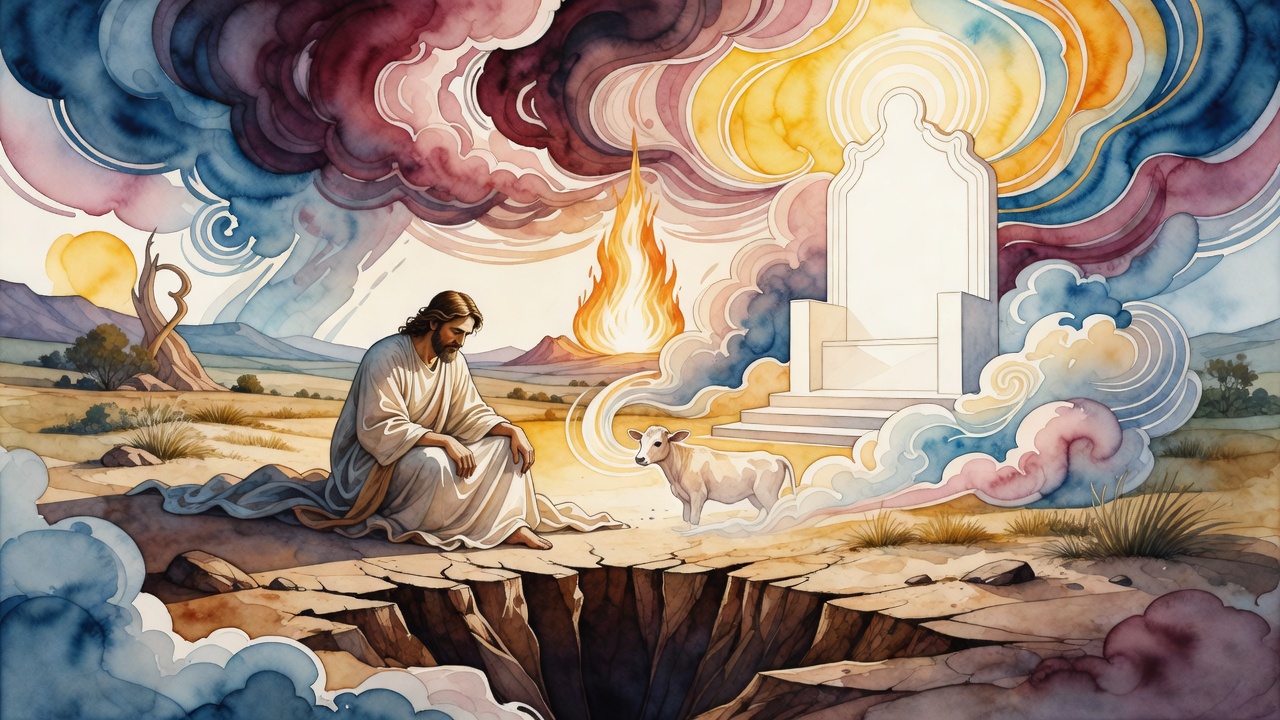
Jacob counted the chiefs of Edom and could not see how his household would survive them. Heaven's answer was a blacksmith standing beside a load of flax.
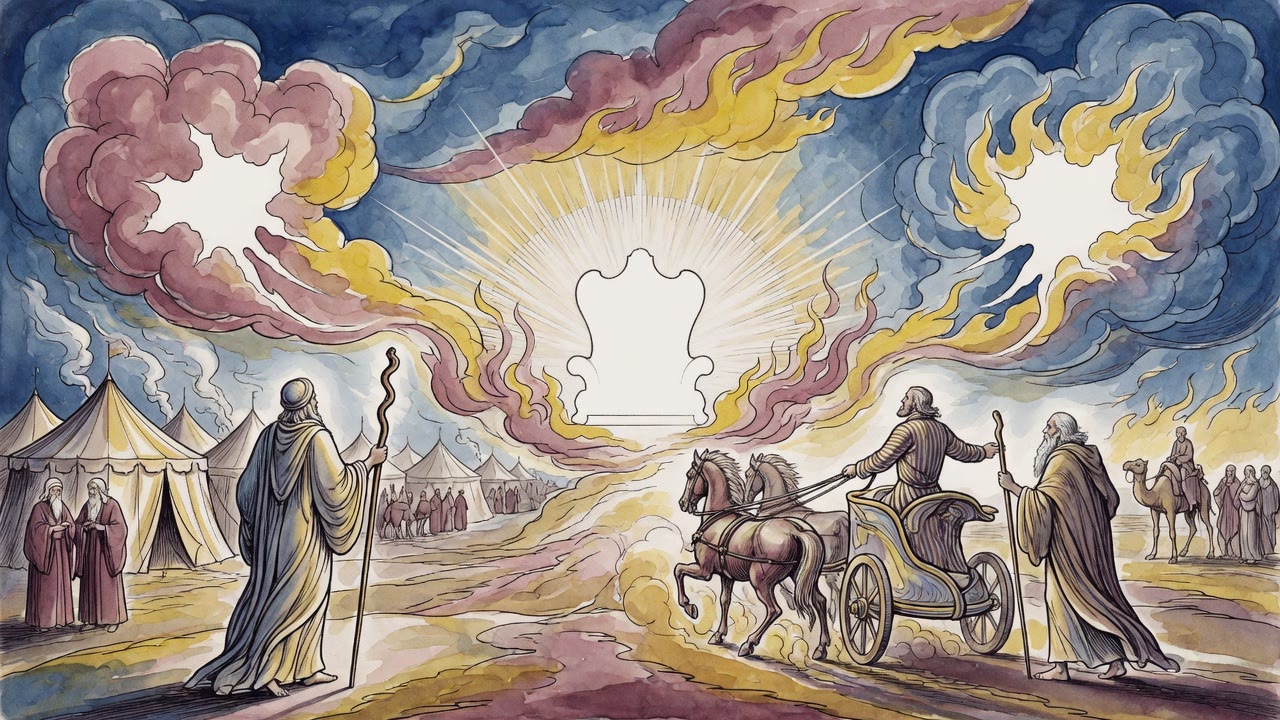
Jethro's dust showed on the horizon. Moses did not send a runner. He put his own feet on the road, and the camp poured after him.
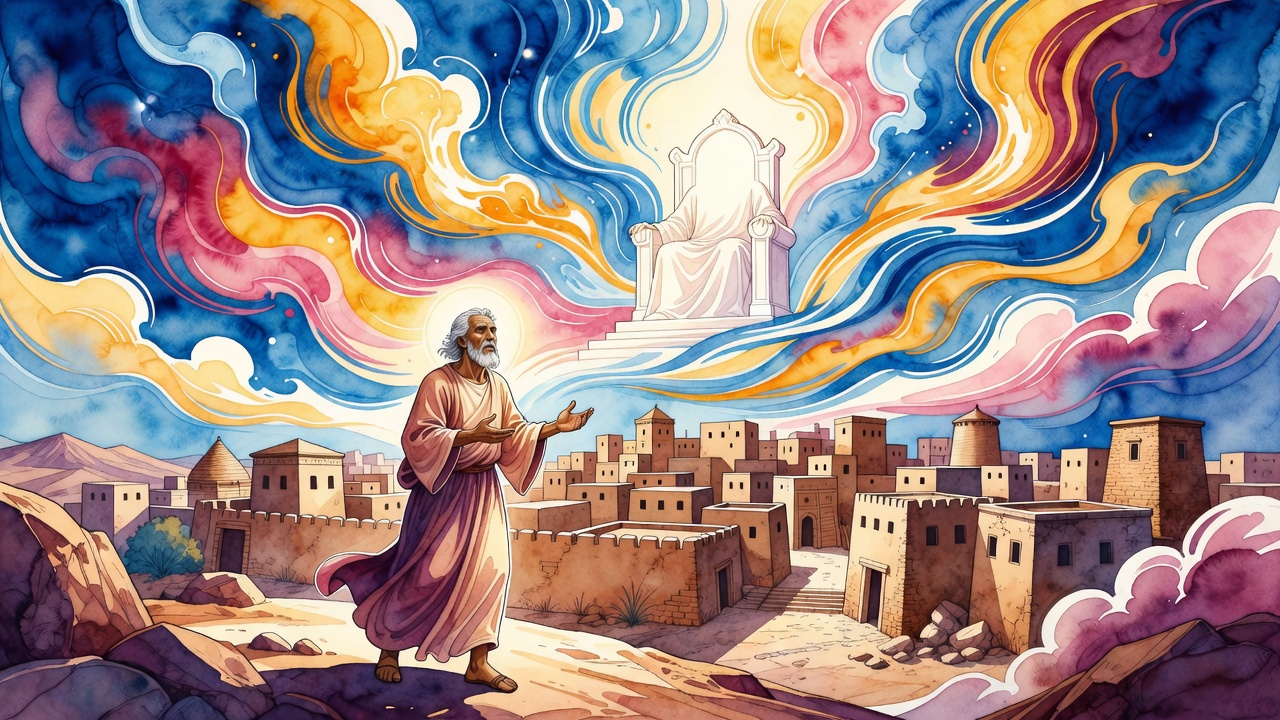
No slaves through the border. Nobody entering with two donkeys. Every traveler documenting his lineage. The rules were written to make ten men walk in.
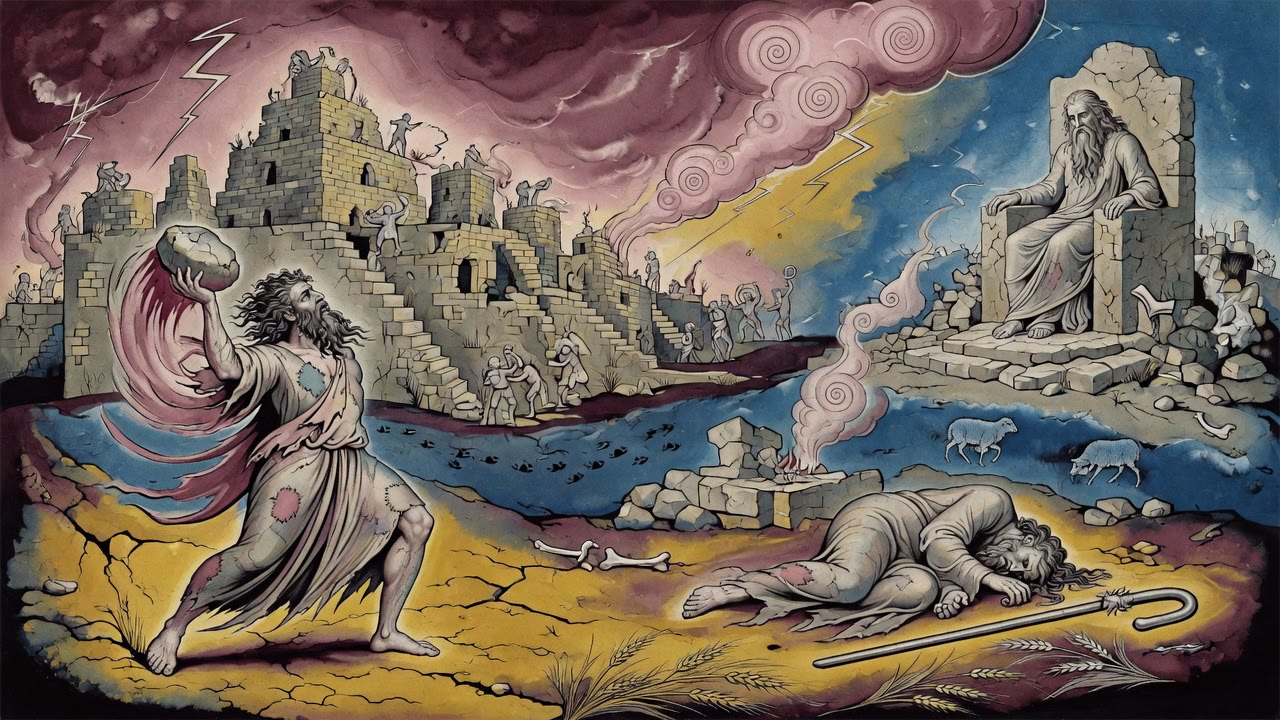
Herdsmen carried a calf into the slaughterhouse first. Joseph's cry from Egypt pulled Jacob and the stubborn cow of Israel across the threshold.
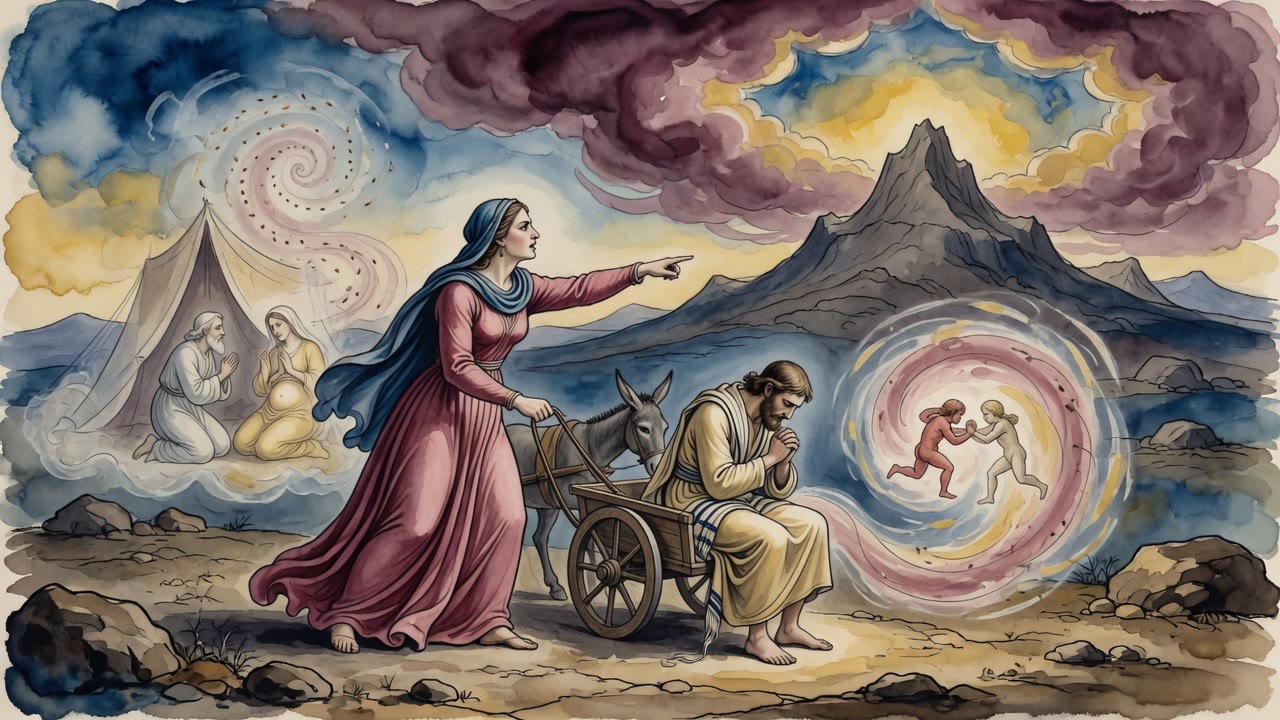
When Joseph vanished, Jacob would not be comforted. Twelve pillars held heaven and earth, and one missing tribe cracked the order of creation itself.
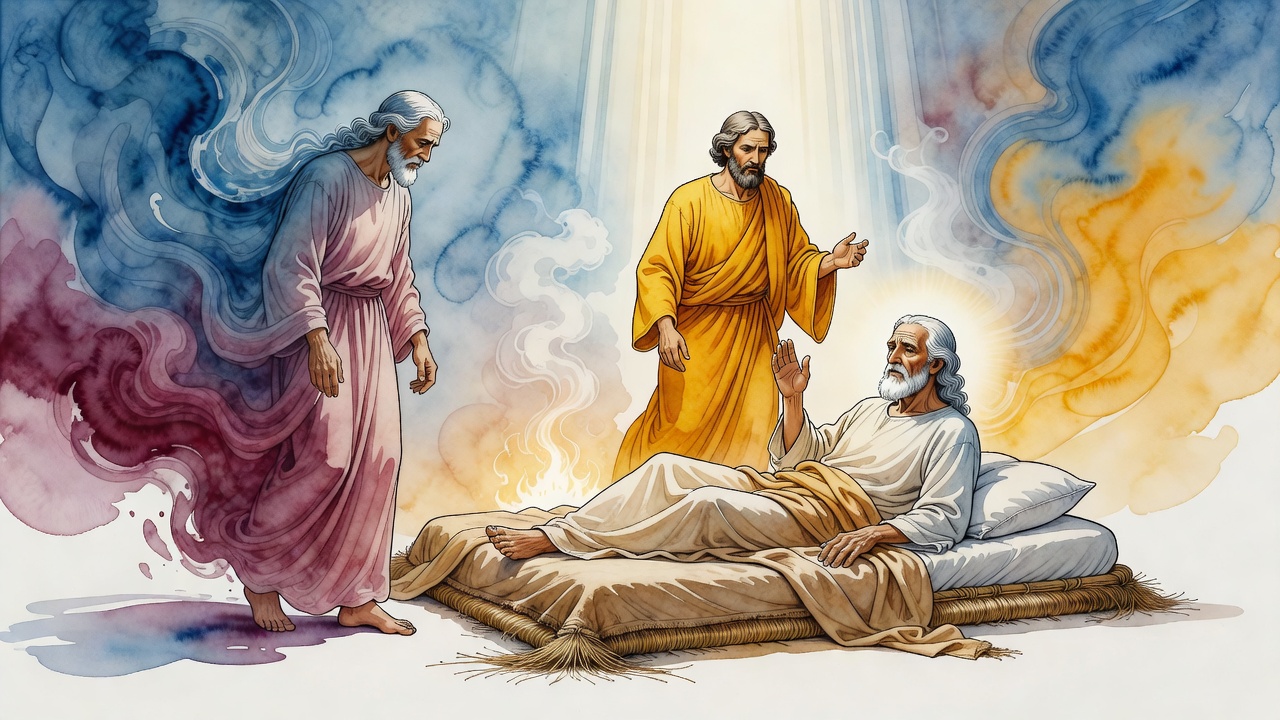
The firstborn stood closest to the bed. Jacob looked past him and asked for the son who could get a coffin across the border.
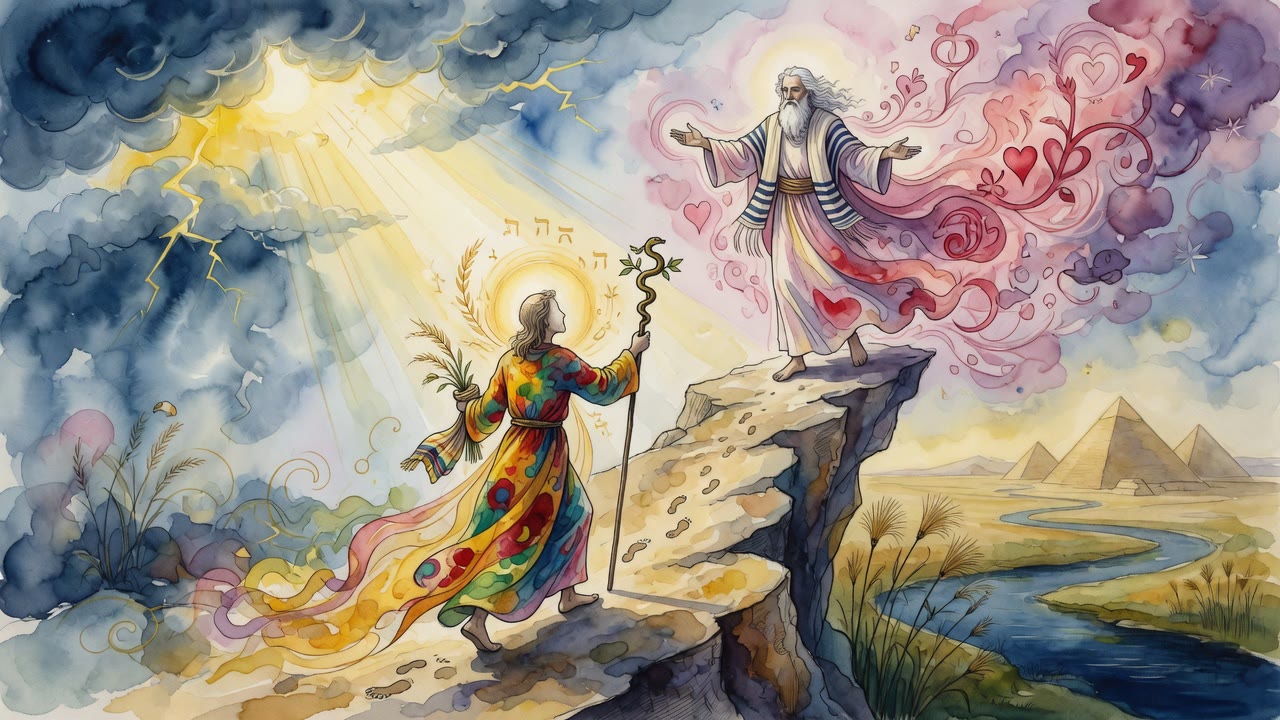
Jacob would not leave Canaan. He knew the old promise: his seed would be strangers in a land not theirs. Then word came that his son ran Egypt's grain.
Treasure turned up at Jacob's feet the day he asked to go, and Laban called it divination. He had walked into Haran with a staff. He would not sneak out.
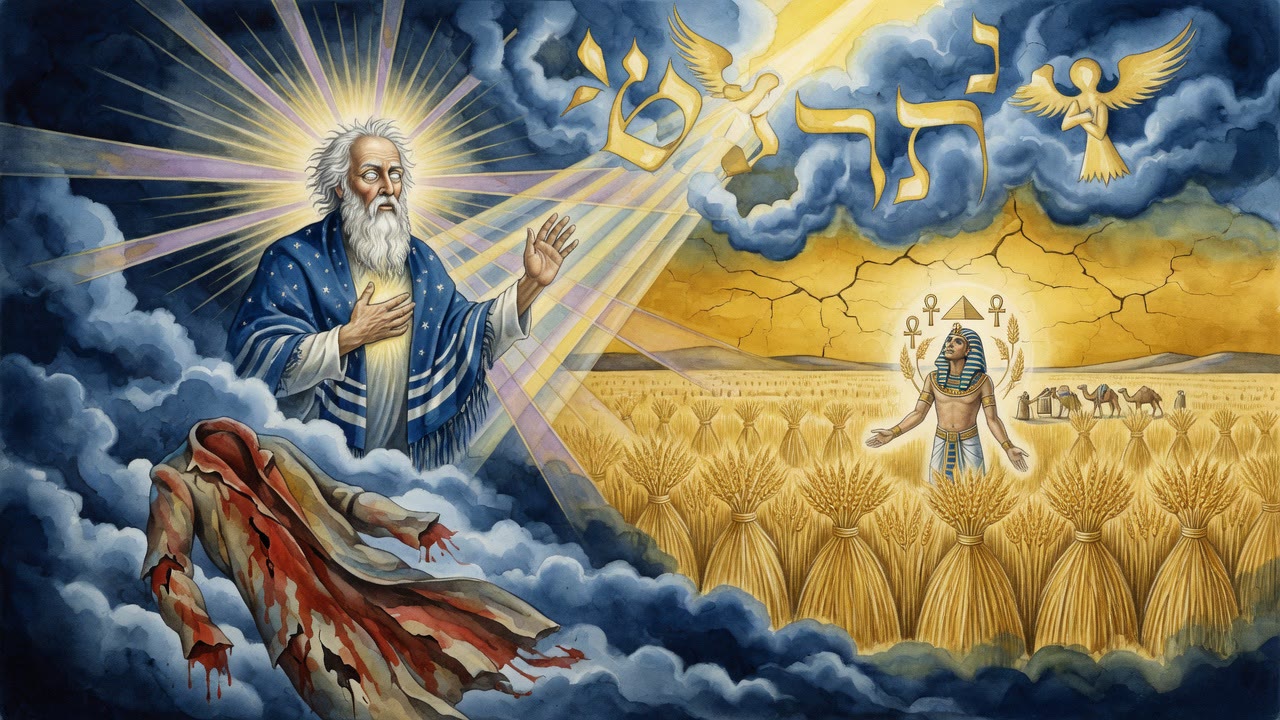
Ten grown sons hung back from the road to Egypt. Their father hoped past the bloody coat, then sent them off with the name of the God who says Enough.
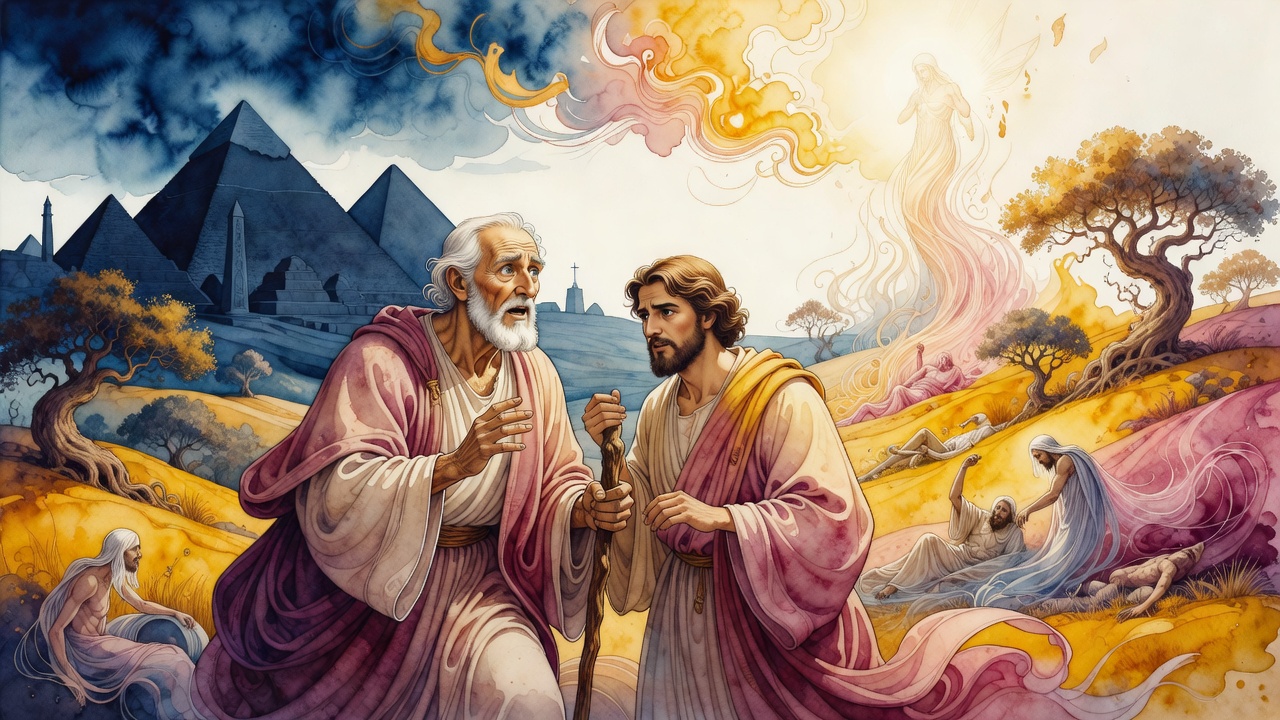
Jacob fears Egypt will worship his tomb. He asks Joseph for kindness and truth. The dead of the Land rise first when Messiah comes.
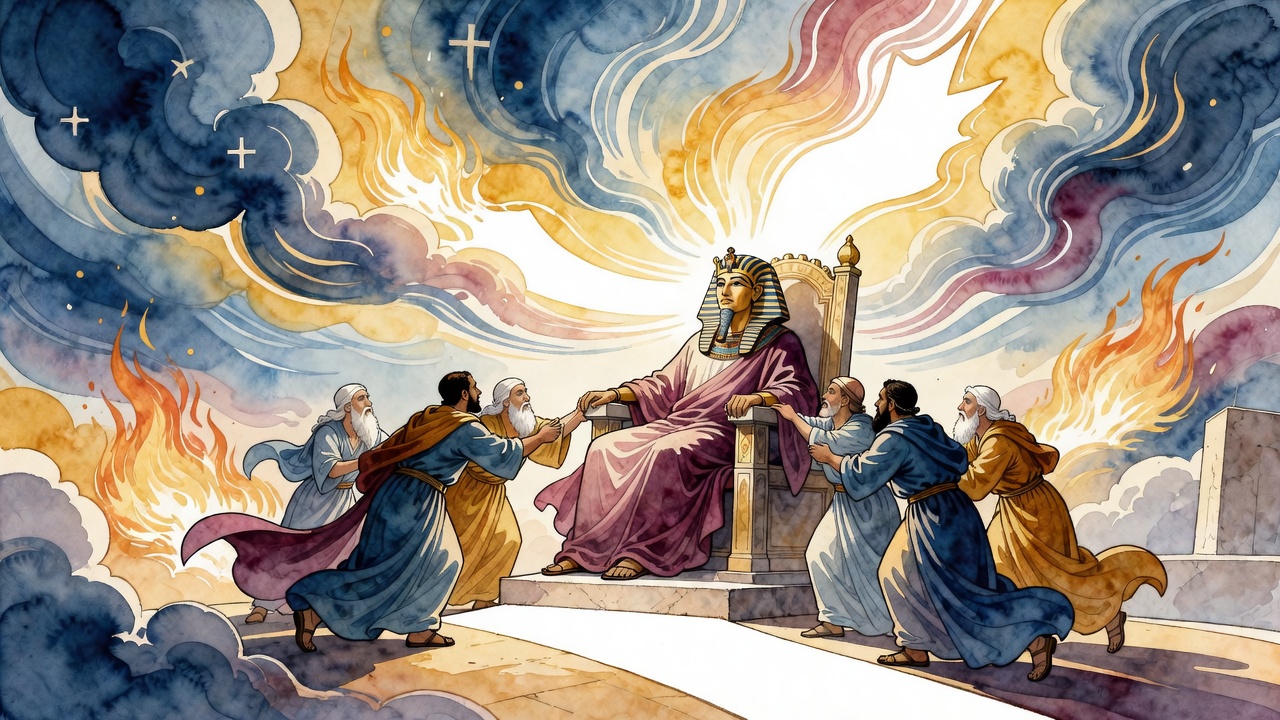
Advisors dragged Pharaoh from his throne for three months until he agreed to forget Joseph. Then Egypt closed its fist.
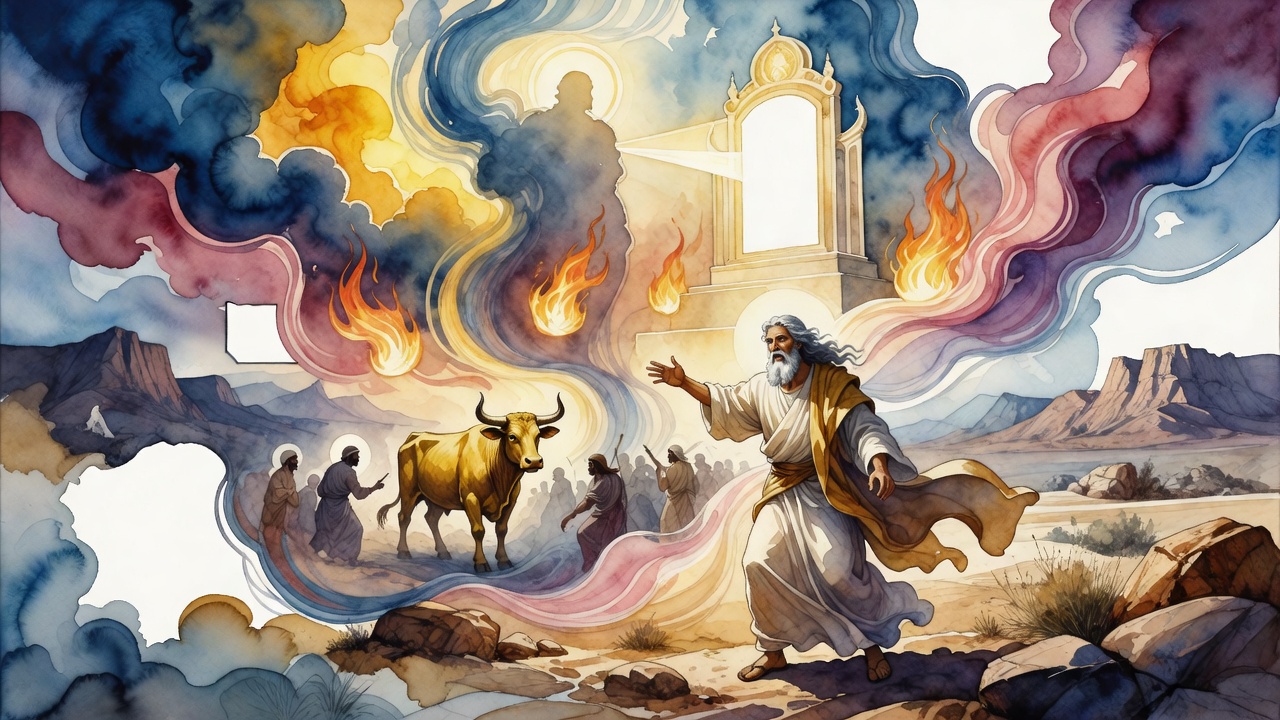
At the calf, Moses seizes a grammar loophole at Sinai. God said Elohekha, singular. Israel stole the ox from the chariot and paid fivefold in the wilderness.
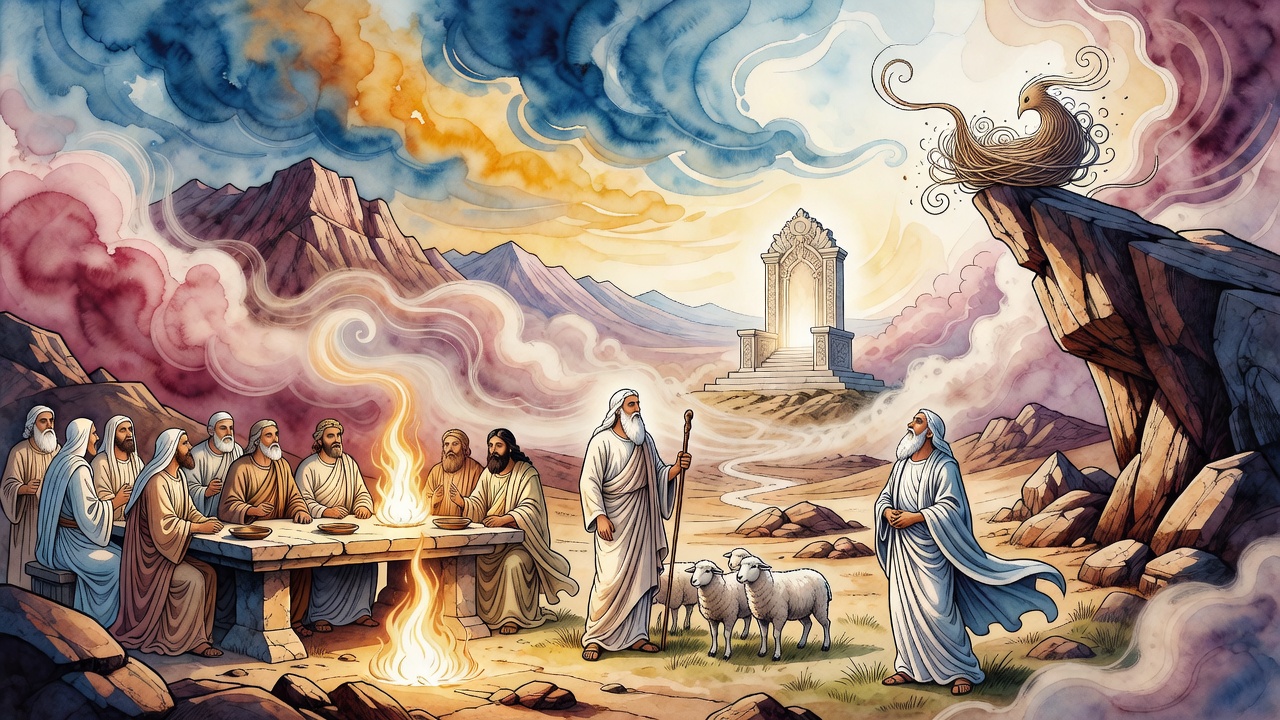
Yitro stood up while the decree was still being written. Bilam stayed in his chair. The river would take the infants.
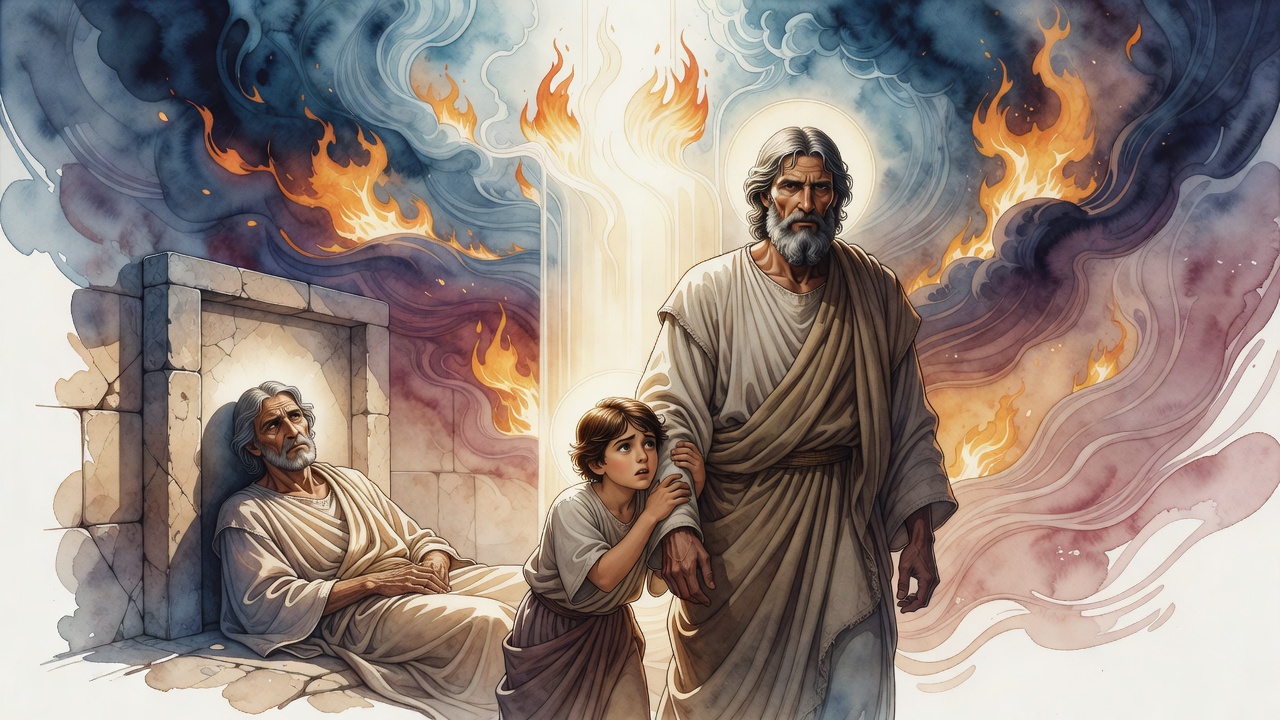
Simeon sat in an Egyptian cell. Benjamin clung to Jacob's sleeve. Hunger pressed the house until Judah forced the choice.
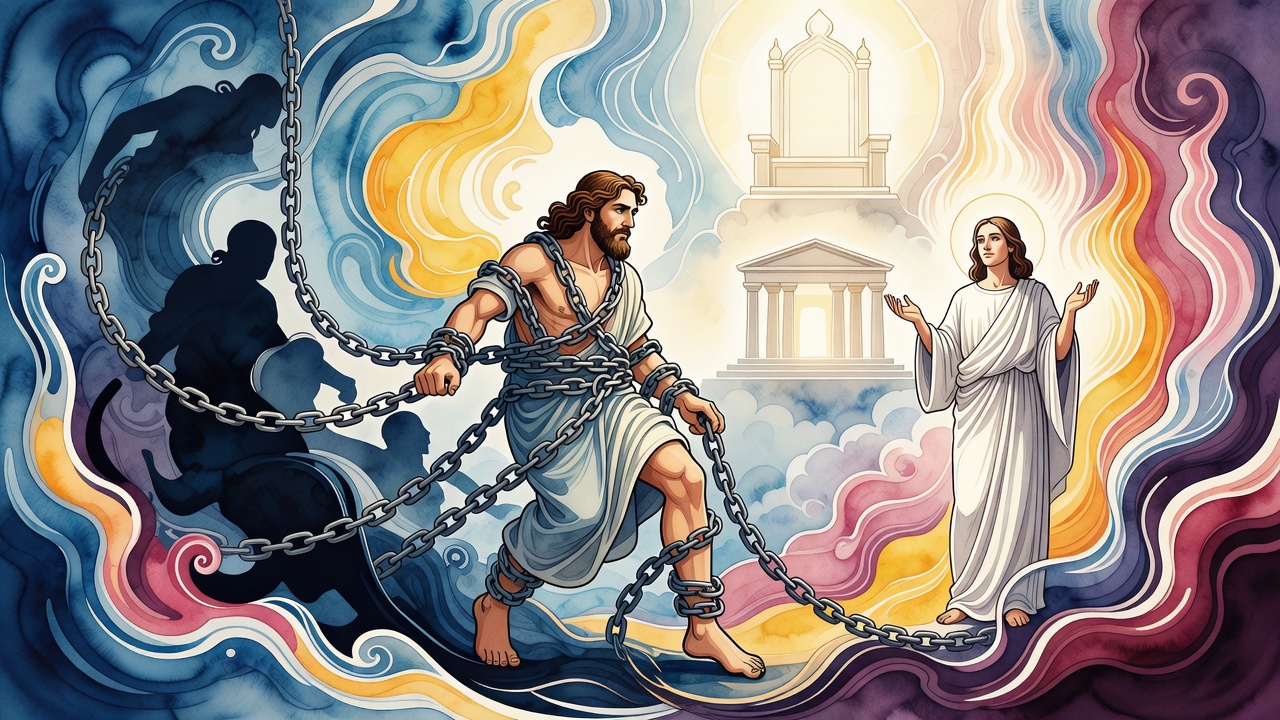
Joseph carried groundless reports about his brothers to Jacob. The words turned on him in slavery, while Benjamin's clean hands earned the Temple site.
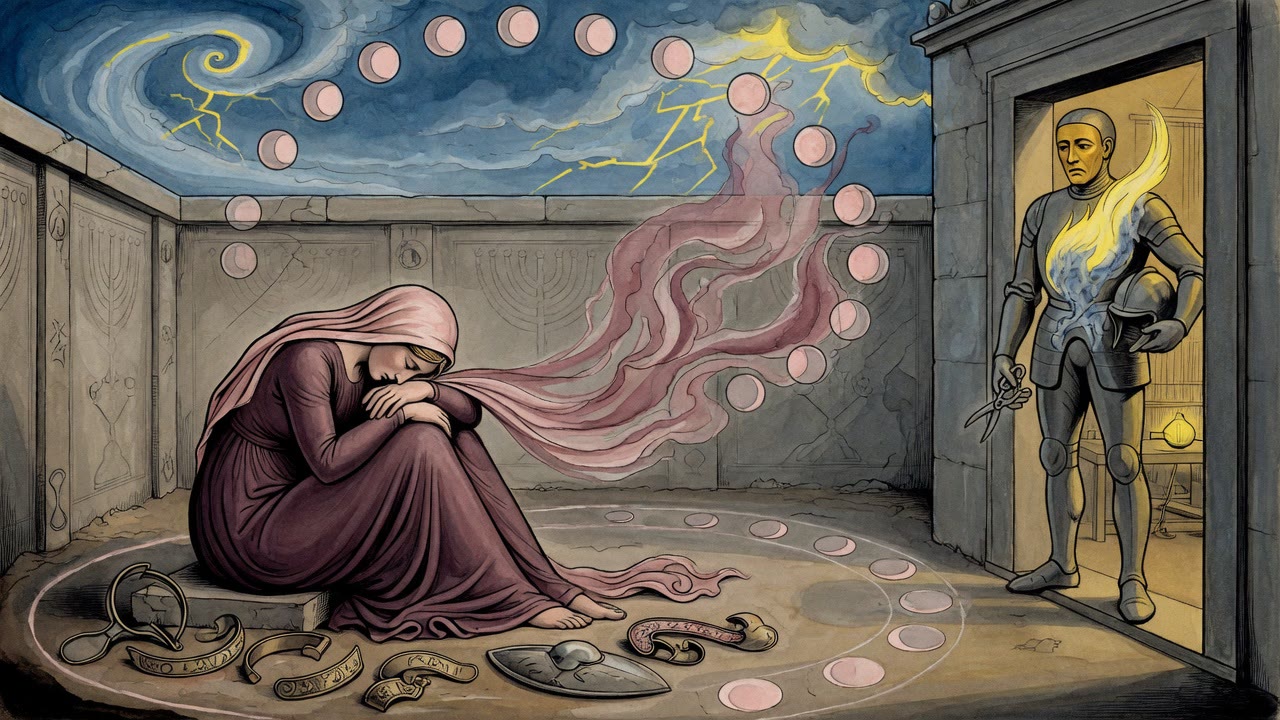
Matched from the cradle to Esau the hunter, Leah cried her eyes tender. Rachel laughed at Jacob's quiet fame until barren fear found her.
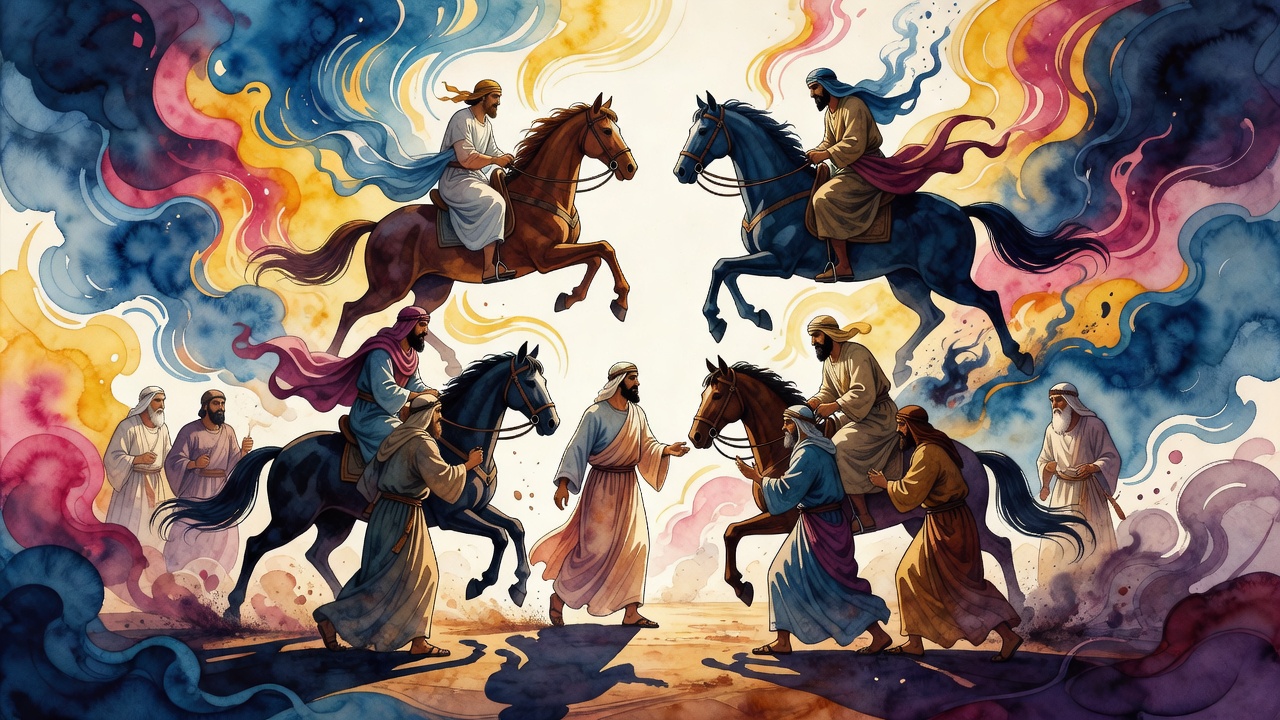
Judah talked his brothers into selling Joseph and let his father identify the bloody coat. God told him what the price would be, and it was children.
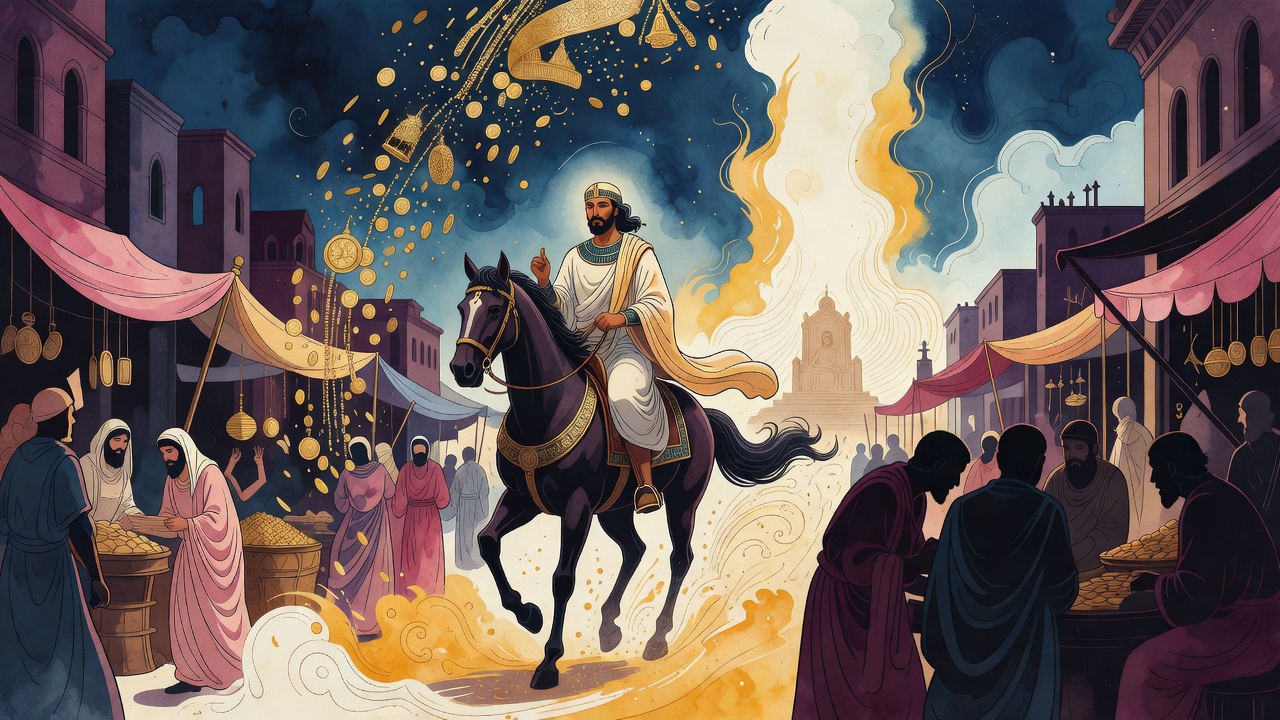
Ten hungry men bowed to the viceroy, blind to who he was. Asked what they would do if a master kept their brother, they said they would kill the master.
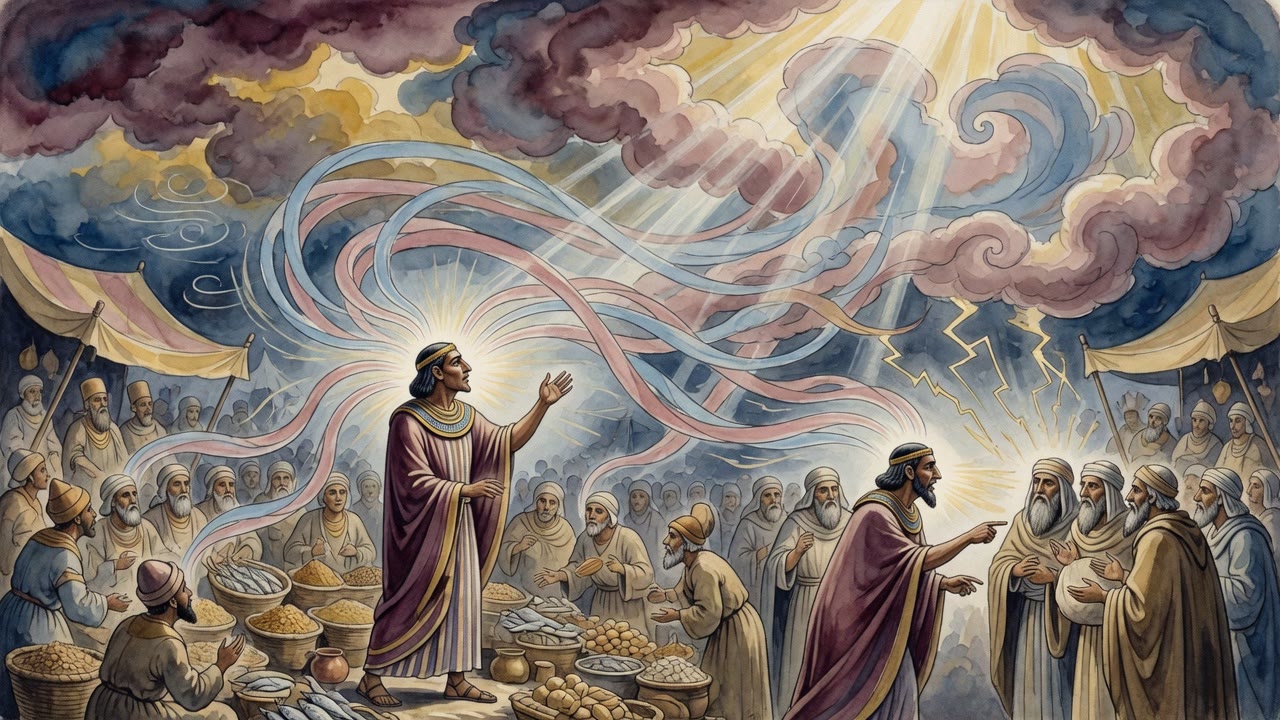
Ten brothers bowed for bread and did not know the face above the throne. Joseph let them speak Hebrew. He did not smile.
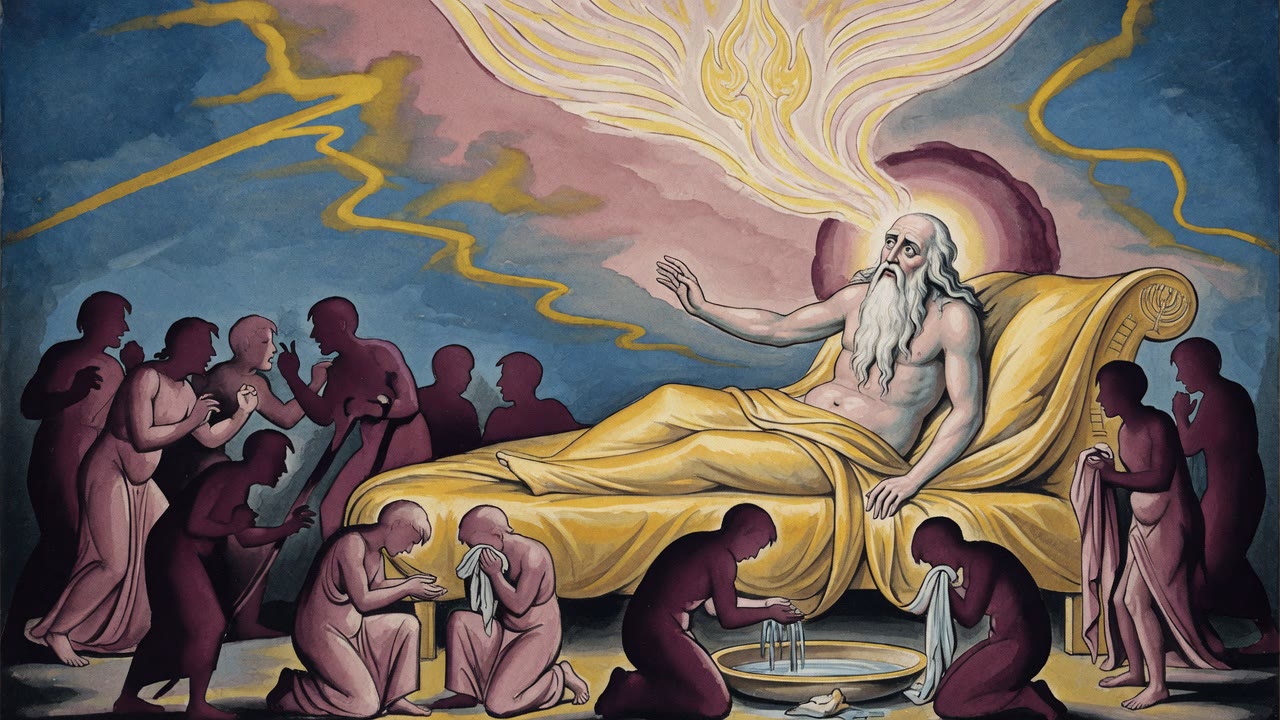
Levi's jaw tightened and Simeon's eyes found the floor. Their father opened his mouth to give them the date of the end, and the words left his head.
