Esther Outshone Every Beauty in the Persian Empire
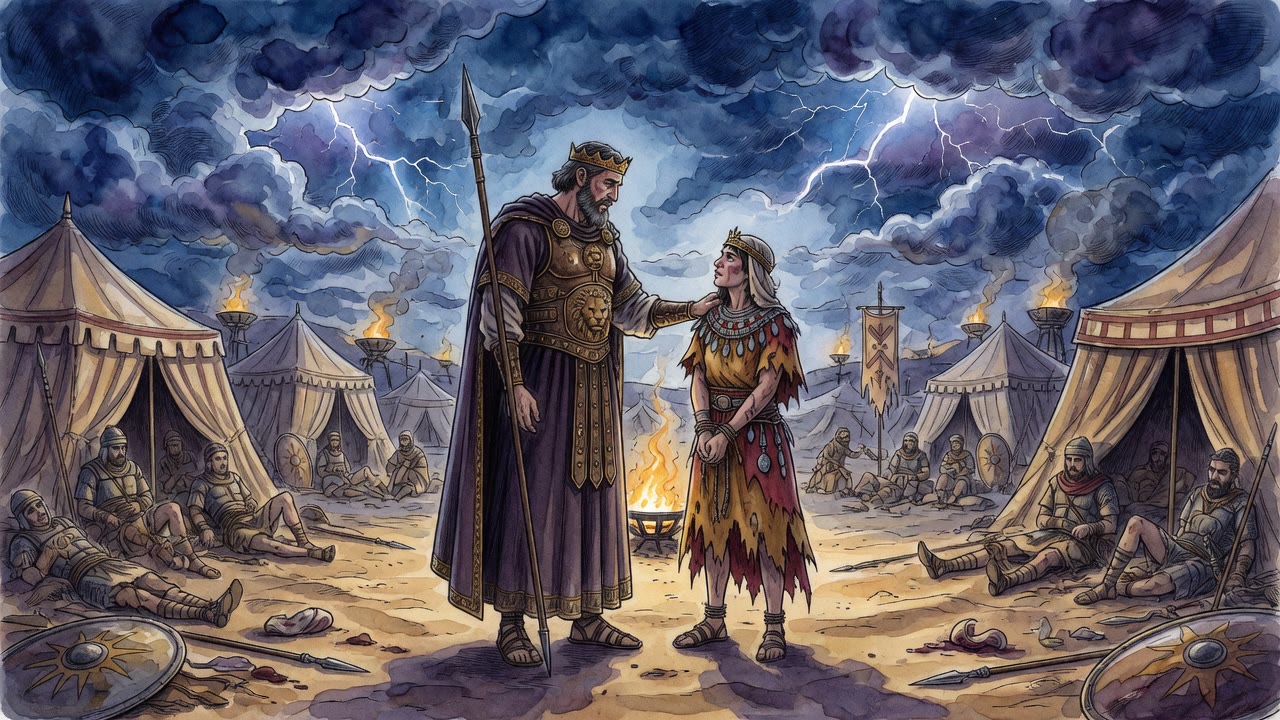
Mordecai hid Esther for four years. The king made it a killing offense to hide a woman, so Mordecai brought her out and the palace took her.
Table of Contents
 Click for full size
The Orphan No One Could Afford to Hide
Ahasuerus could draft beauty into the palace, but he could not make it obey him. For four years his scouts searched and women were gathered, and still the throne had no queen. Then Esther appeared, and every comparison in the empire failed.
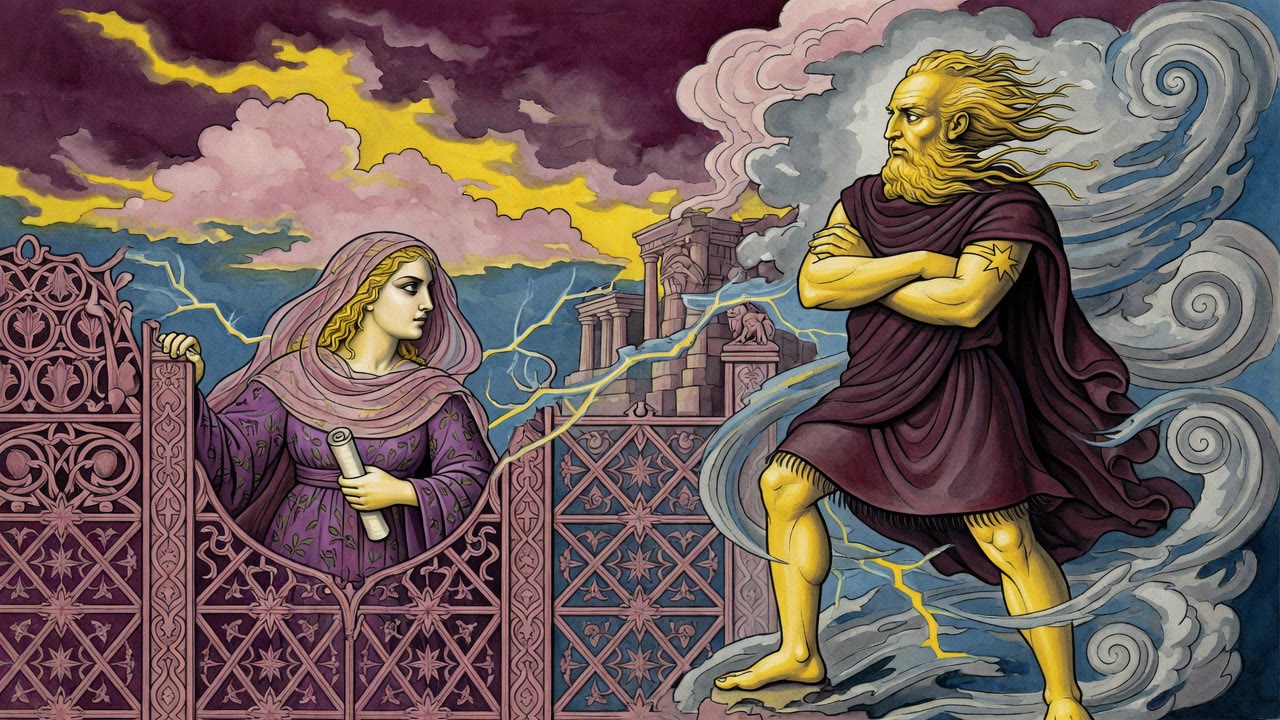
The danger began before the crown. In Ginzberg's account of her birth, her father died first. Her mother died giving birth. Mordecai and his wife raised the orphaned child. She was called Hadassah, myrtle, because her deeds spread fragrance. But the myrtle also carries a bitter taste. She would be sweetness to Israel and bitterness to Haman.
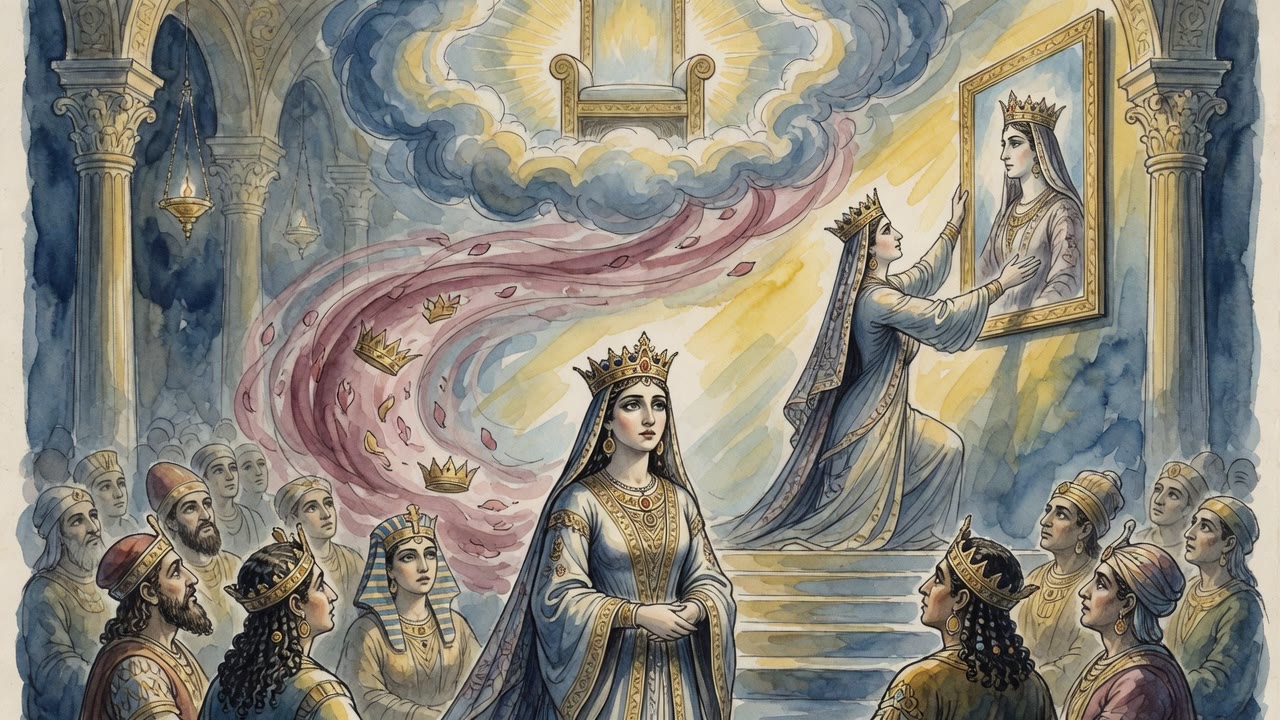
When the royal search began, Mordecai hid Esther for four years. The king's messengers came back empty-handed, which was embarrassing enough that the king issued a death decree against anyone concealing a woman from his agents. Mordecai brought Esther out. She was seen and taken.
The Hidden Light Has a Name
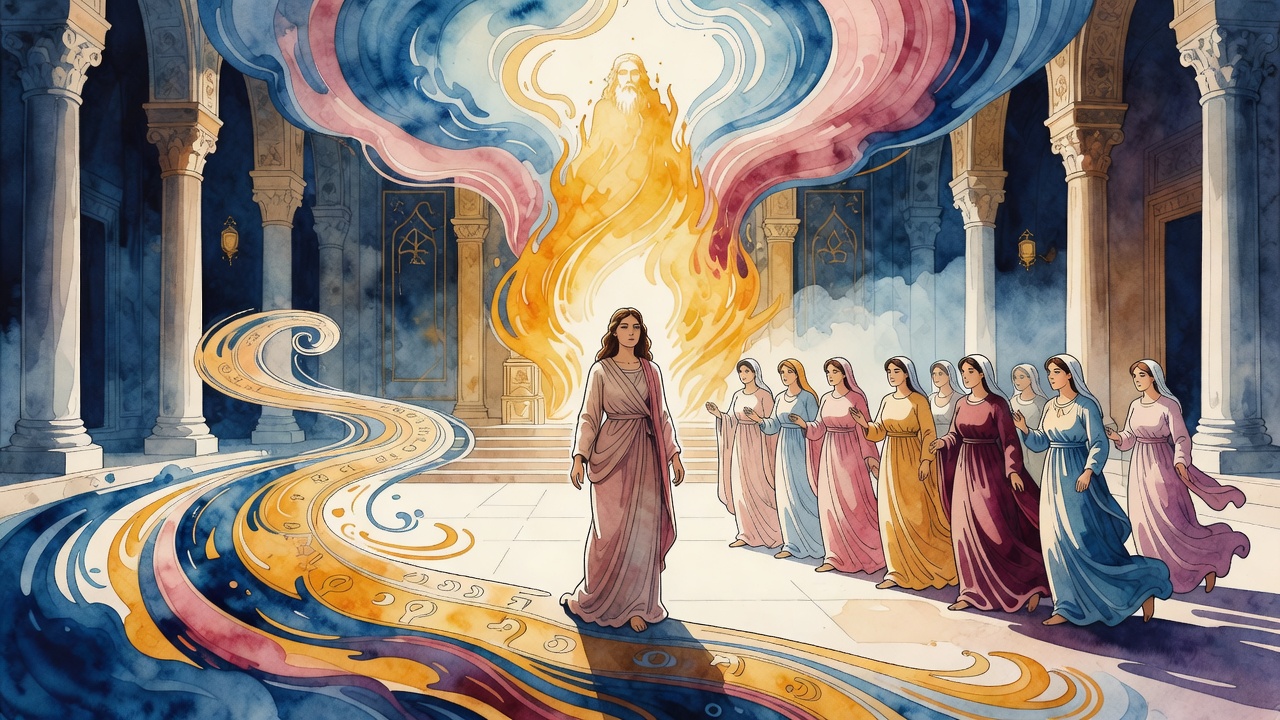
Her name became part of her protection. The tradition in Ginzberg's Legends preserves the teaching that Esther's name connects to the hidden light of the first day, the light God stored away before the sun existed, reserved for the righteous in the time to come. Esther, from the root meaning hidden, carried that primordial concealment in her name. She was seen by everyone in the palace and understood by almost no one.
Mordecai, in the same reading from the midrashic tradition, was present at the dawn of creation in a way that made him and Esther participants in something larger than a Persian court crisis. The names and their meanings pointed backward into time, into a pattern that the court of Ahasuerus was enacting without knowing it.
The Chief Eunuch Who Did Not Want Her
Hegai, the official in charge of the women's quarters, was skeptical when Esther arrived. He had seen beauty before. The palace had been full of beautiful women for four years. His job was not to admire them but to judge them against the king's particular preferences, and his initial assessment of Esther was not favorable.
What changed his opinion was not her appearance. It was something in the way she conducted herself, something that the Midrashic sources describe as an inner quality that eventually made Hegai not merely tolerate her presence but actively assist her. He gave her the best quarters, the seven maids the king's household could provide, the best portion from the royal table. He became her advocate inside the system that had taken her.
How She Kept Kosher Without Anyone Noticing
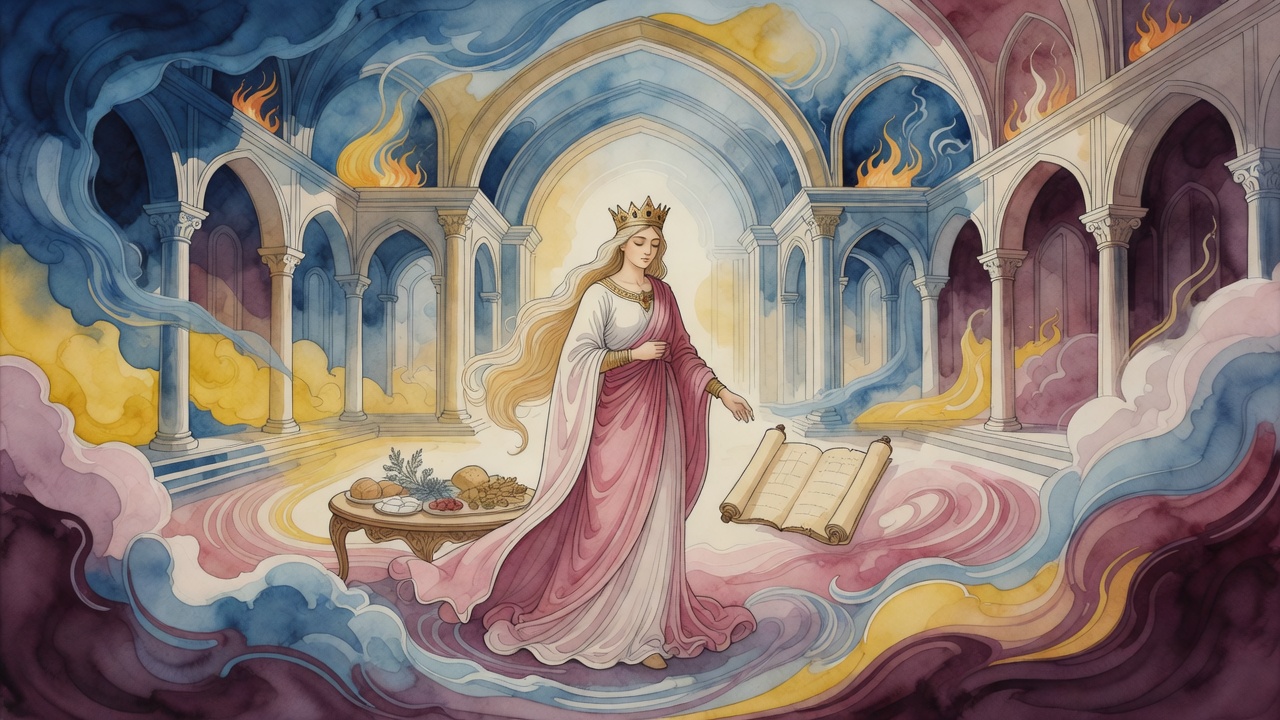
The palace table was not Jewish. Esther refused the royal food and the royal wine. The Talmudic tradition, preserved in the midrashic sources Ginzberg synthesizes, records the specific practices through which she maintained the dietary laws inside a court that did not observe them. She ate seeds and legumes when the royal table offered meat she could not eat. She kept her own calendar when the palace kept another.
This was not easy to hide, and it was not done carelessly. She had to arrange her refusals in ways that appeared to be personal preferences rather than religious observance. She had to maintain her concealment of her Jewishness not only in her name, which Mordecai had instructed her to keep hidden, but in her daily practices, in what she ate and what she declined and how she marked the days.
The Secret Teaching She Carried
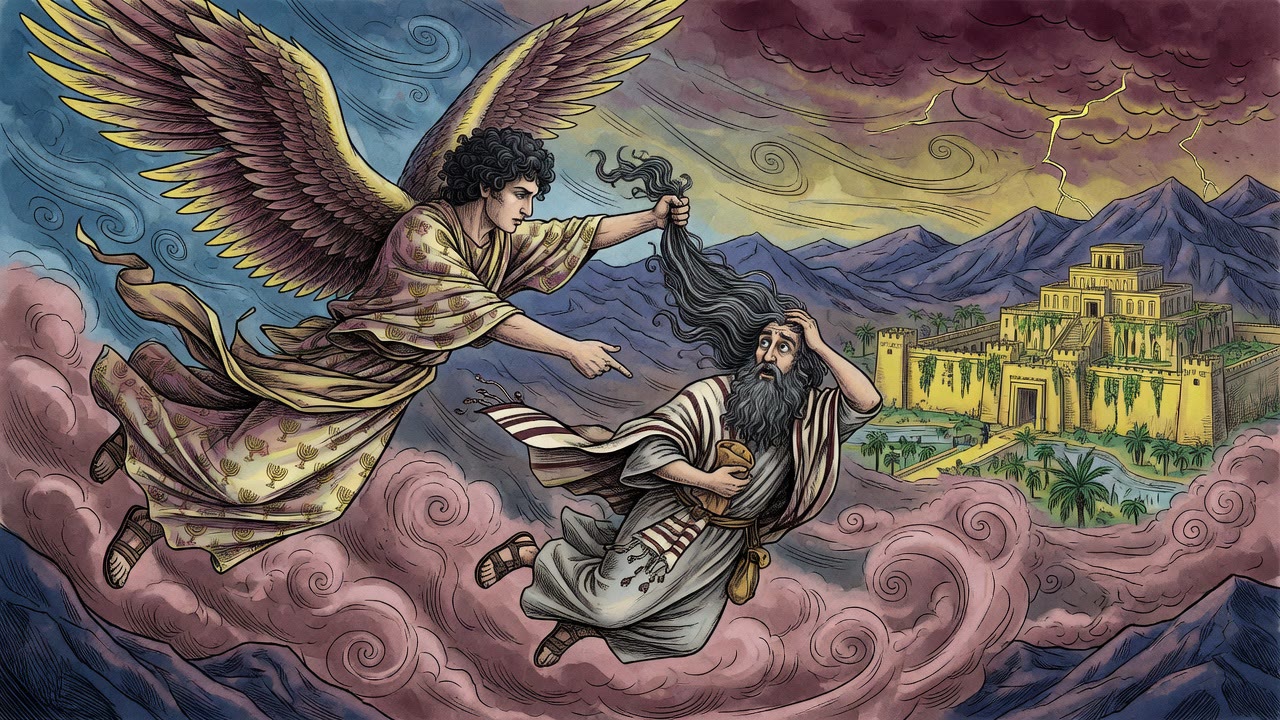
A further tradition in the Kabbalistic sources and the Midrash reads Esther as carrying esoteric knowledge as well as political danger. She was not merely beautiful. She was not merely brave. She was a woman who had received teaching, who understood the structure of what was happening around her in ways that Ahasuerus's court could not access. The secret teaching she carried into the palace was part of what made her dangerous to Haman and useful to Mordecai.
When she finally went to the king unsummoned, she did not go with beauty alone. She went with prayer stripped down to its bones, with the awareness of what she was carrying, with the full weight of the knowledge that the Jewish people's survival depended on her ability to move a man who could have her killed for entering his presence without being called.
← All myths