Joseph and Moses Hid Inside the Song of Songs
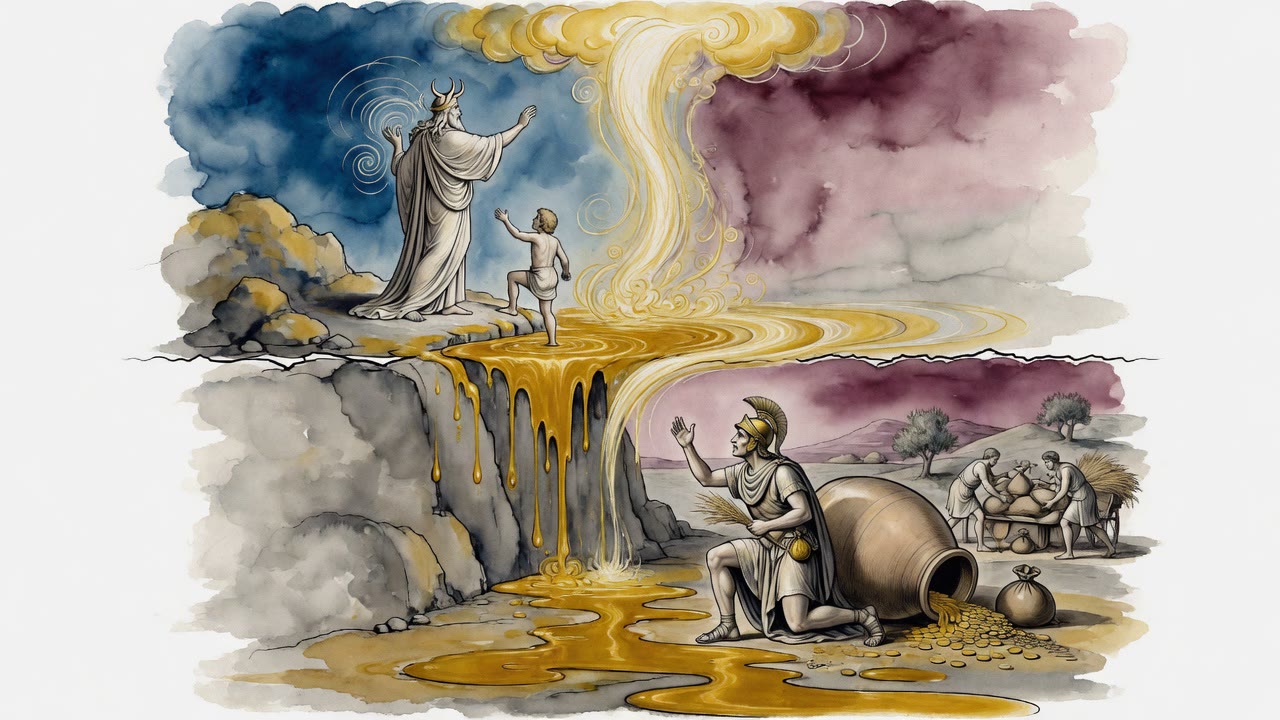
Egypt was in the streets for the Nile. Joseph stayed with the ledgers in an empty house. Moses later asked where that same people should rest at noon.
Table of Contents
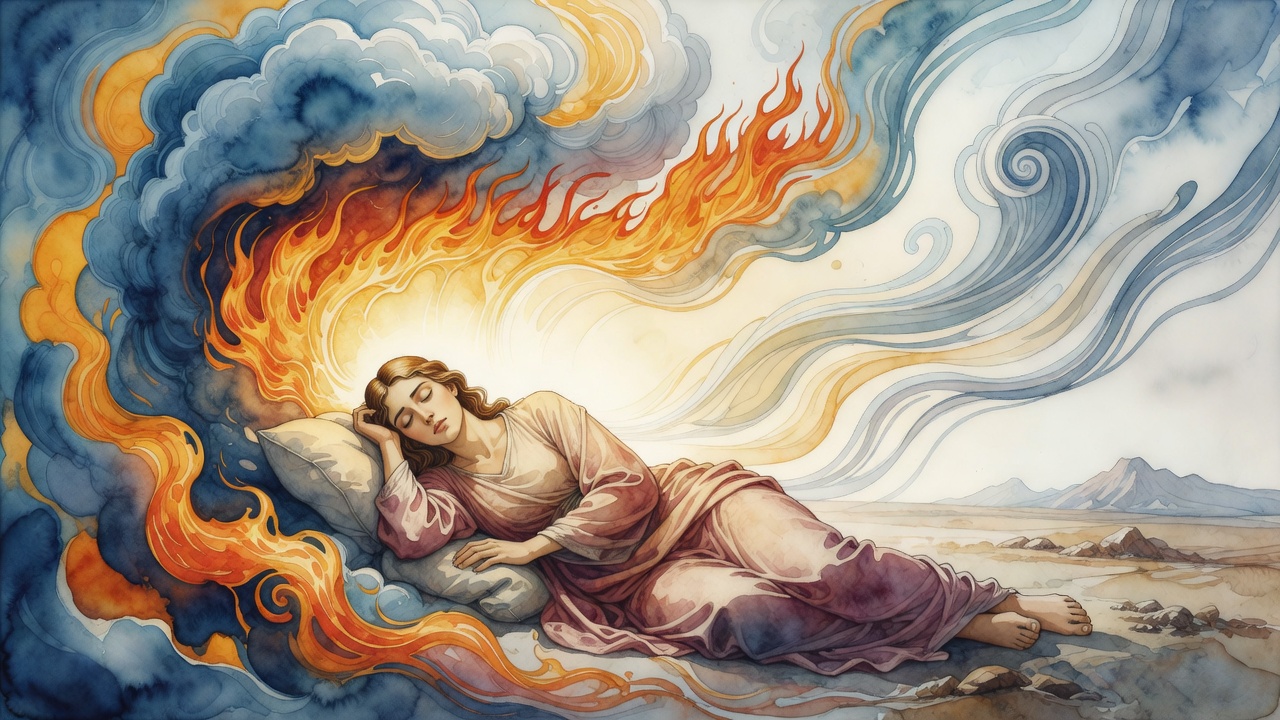
Egypt was in the streets. The Nile was being honored. Every house had put down its work. Joseph was alone in his master's house, doing the accounts.
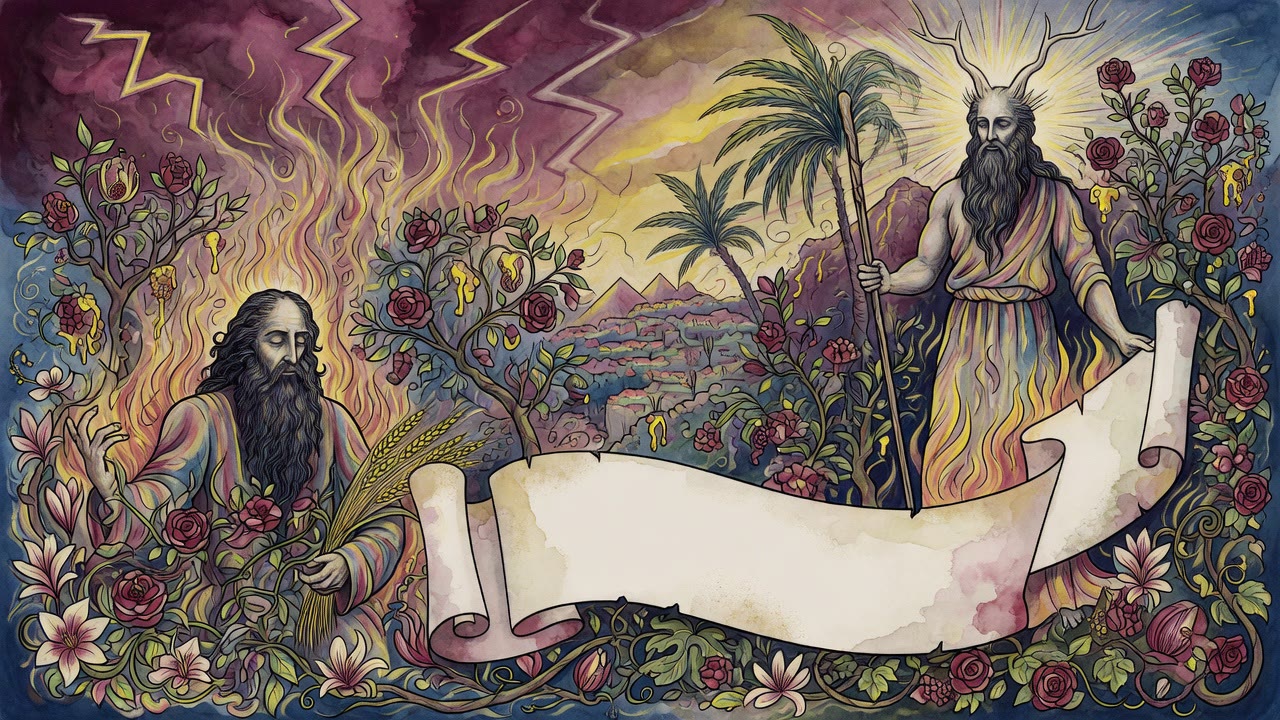 Click for full size
He was not yet in Pharaoh's palace. He was a Hebrew slave in a foreign city, keeping ledgers in an empty house while the festival poured past the door. No one was watching the figures. No one would praise the accuracy of this hour.
He Came to Perform His Labor
He came into the house to perform his labor, and none of the men of the house were there (Genesis 39:11). Rabbi Yehuda called it a day of disgrace and manure. Rabbi Nehemya called it a day of theater for the Nile. Either way the street was loud and the rooms were empty, and Joseph stayed with the numbers.
Anyone who serves his master properly is set free. Joseph served. Therefore he would stand before kings, and not before dark ones. Pharaoh sent and summoned him and they rushed him from the dungeon (Genesis 41:14). Potiphar, the dark one, had his eyes blinded and his body broken so he could not hold the slave who had kept the books while the city worshiped water.
The Song hid him there: a diligent man in an hour nobody saw, already on the road to a throne he did not know was coming.
Moses Asked Where to Rest Them at Noon
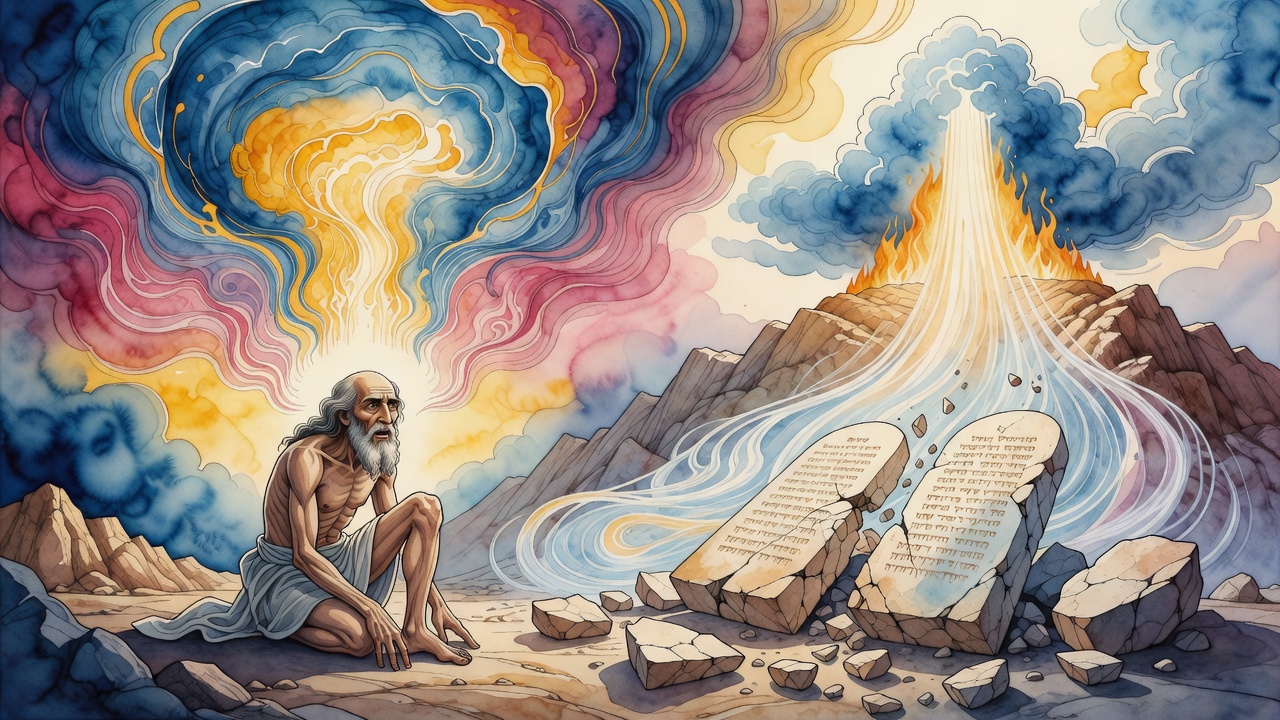
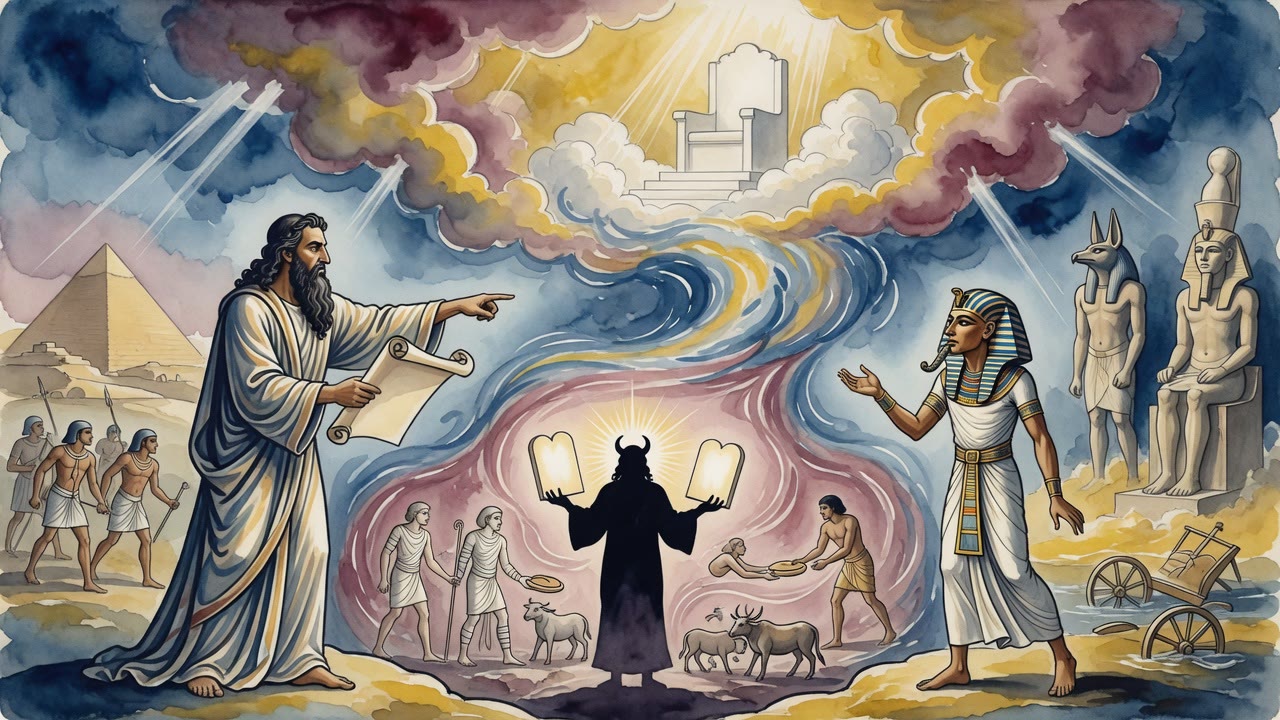
God said to Moses, "Now go, and I will send you to Pharaoh" (Exodus 3:10). Moses did not simply comply. He stood at the bush and counted a people he had not yet led.
How many new mothers. How many pregnant women. How many small children. How many kinds of hearty food for the new mothers. How many soft foods for the pregnant. How much roasted grain and how many nuts for the little ones. "Master of the universe, can all this really be accomplished through me?"
Tell me, he whom my soul loves, where do you herd in the summer heat, where do you rest your flock at noon in the rain (Song of Songs 1:7). Moses was asking after the nation he had put his soul on the line for. He would not be a mourner with his lip covered, weeping, while the flock went hungry at noon. The Song hid him too: a shepherd who would not move until he knew where the children would eat.
Israel Sat Under the Apple
Like an apple tree among the trees of the forest, so is my beloved among the boys. In its shade I delighted and I sat, and its fruit was sweet to my palate (Song of Songs 2:3).
Everyone flees that tree in the heat. It has almost no shade. On the day the Torah was given, the nations of the world fled from the shadow of God for the same reason. The cover was thin. The demand was not. Israel did not run. Israel sat down under it and found the fruit sweet.
The apple puts out blossom before leaves. In Egypt the people believed before they heard. "The people believed, and they heard that the Lord had remembered" (Exodus 4:31). Faith first. The details later. Joseph had stayed in an empty house. Moses had asked about noon. Israel sat under a tree that did not even pretend to be comfortable.
He Leapt From Egypt to the Sea
The congregation said, "You told us to come. You come to us first."
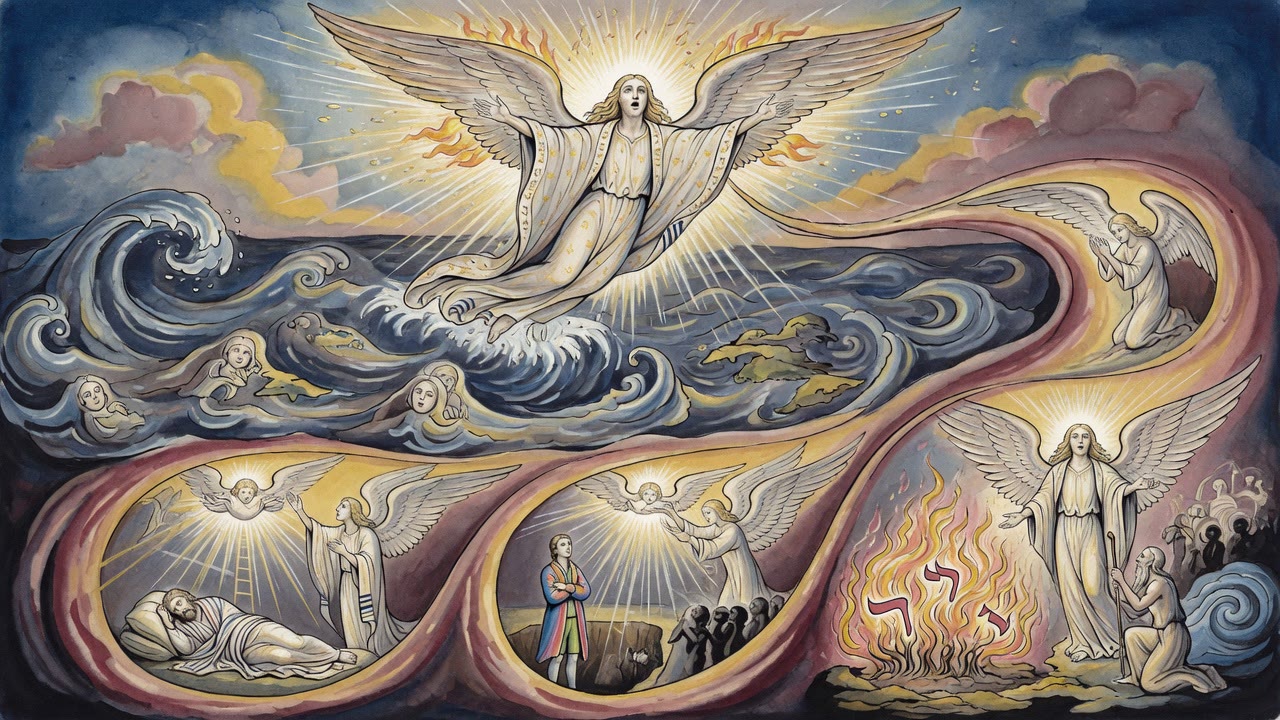
He came like a gazelle, leaping from mountain to mountain, valley to valley, tree to tree, booth to booth, fence to fence. From Egypt to the sea. From the sea to Sinai. From Sinai to the future (Song of Songs 2:9).
In Egypt they saw Him pass through the land (Exodus 12:12). At the sea they saw the great hand, and even the toddlers pointed and said, "This is my God and I will exalt Him" (Exodus 15:2). At Sinai He stood behind their wall, gazed through the window, peered through the lattice, and spoke. Winter was the four hundred years decreed in Egypt. The rain was the two hundred and ten they actually served. The worst of the rain was eighty-six years from the birth of Miriam, when they made their lives bitter (Exodus 1:14). Then the winter was past, and the rain was over and gone (Song of Songs 2:11).
The King Built Her a Palanquin
A king had a young daughter. While she was little he spoke with her in the street, in the alley, in the courtyard. When she grew, he said it was no longer fitting. Make her a partition. When I need to speak with her I will speak from behind it.
Israel was a lad and He loved him (Hosea 11:1). In Egypt, at the sea, at Sinai, they saw Him in public. Then they stood at the mountain, received the Torah, and said, "Everything that God spoke we will perform and we will heed" (Exodus 24:7). They became His complete nation. He said it was no longer befitting their honor that He speak in the open. Build a palanquin of the timber of Lebanon (Song of Songs 3:9). Build the Tabernacle. Speak from behind the partition.
Joseph had been hidden in an empty house. Moses had been hidden in a question about noon. The Song hid both of them inside a love that started in public and ended in a room God asked them to make, because the girl had grown up and the winter had ended.
← All myths