23 myths
Each story names the sources it was written from.
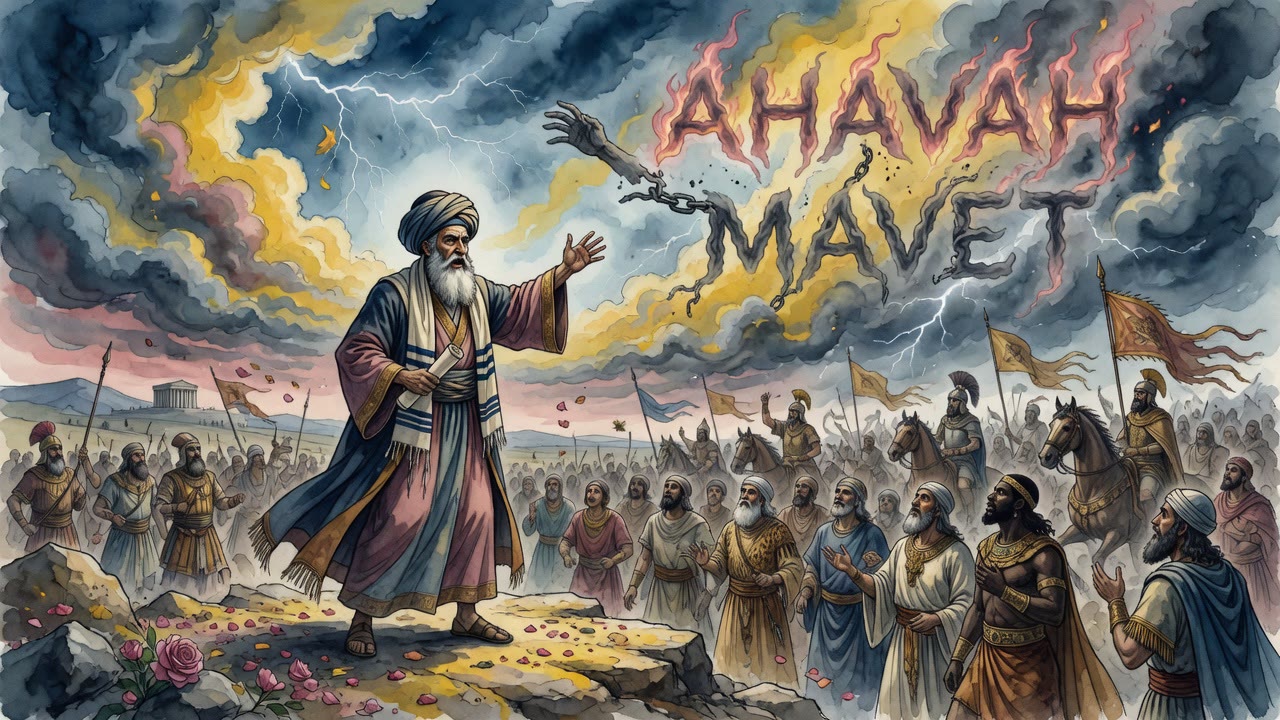
The nations asked Rabbi Akiva why a beautiful, strong people would die for an invisible Beloved. He answered from a love poem, reading one word as above death.
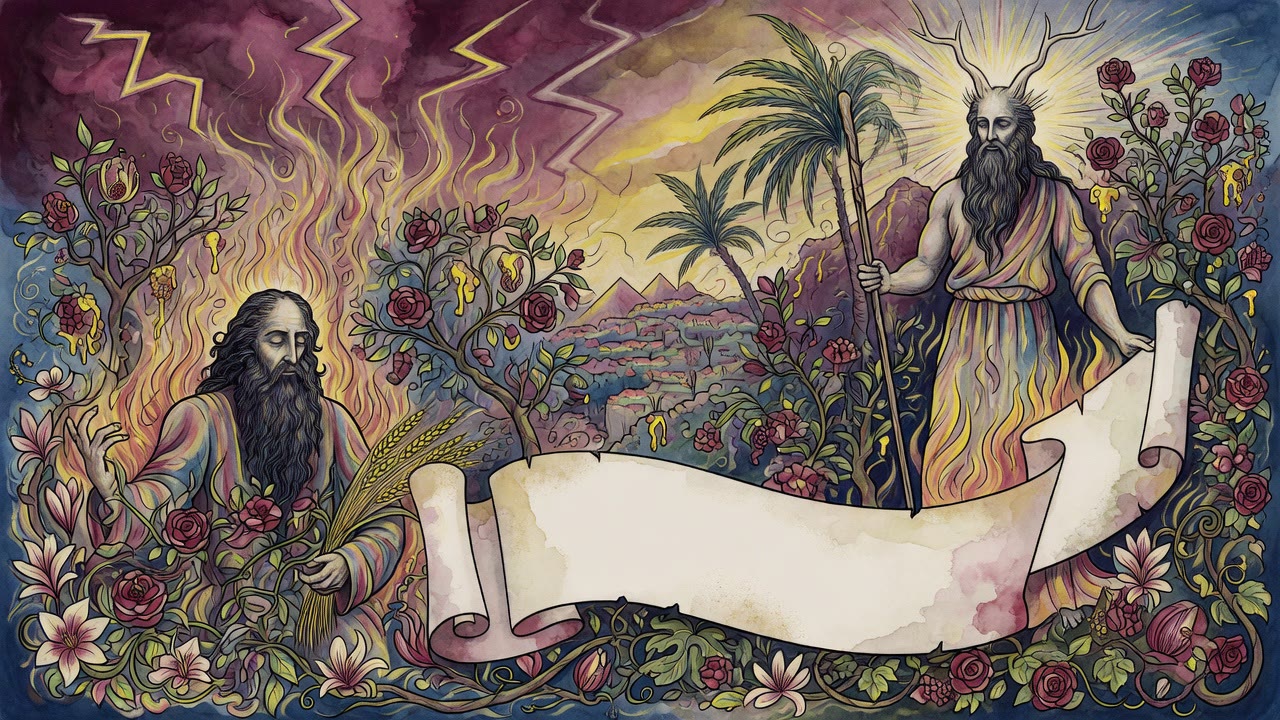
Egypt was in the streets for the Nile. Joseph stayed with the ledgers in an empty house. Moses later asked where that same people should rest at noon.
Somebody in Pharaoh's room said water, and the room went quiet. After the flood God had sworn the waters would not pass over the earth again.
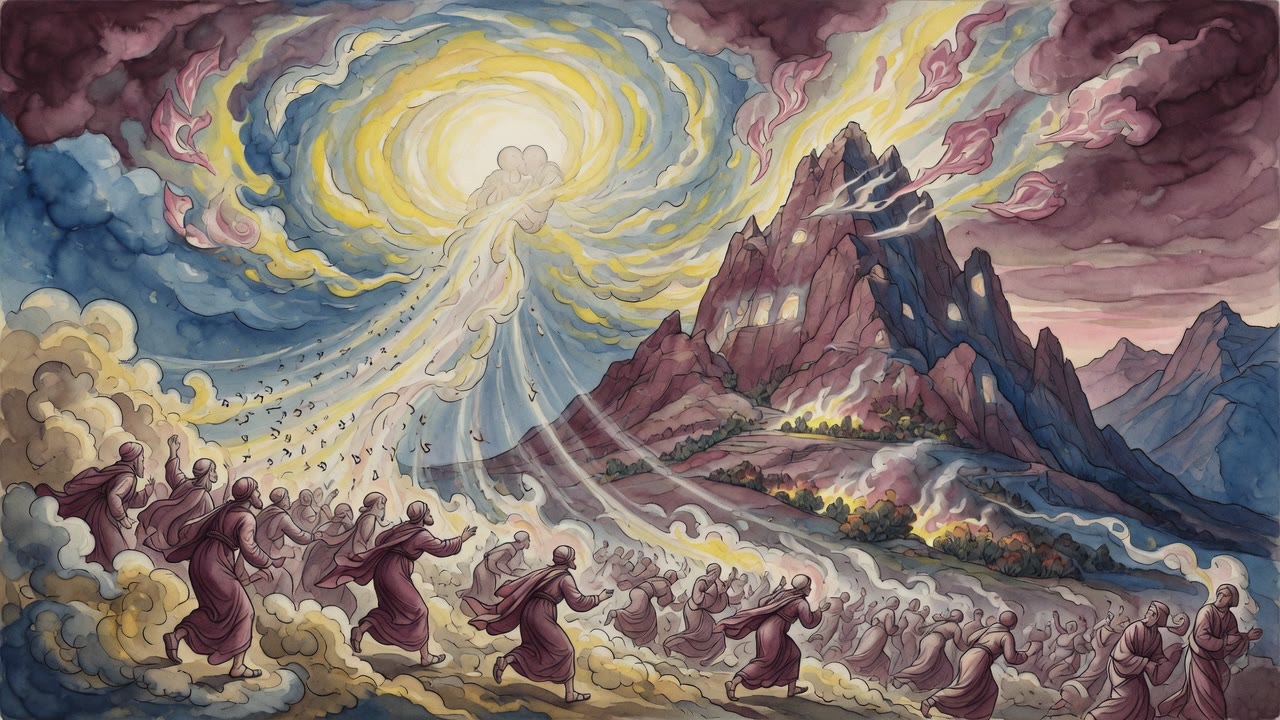
Israel at the sea begs God to speak close enough for song. Shir HaShirim Rabbah reads the Song's first verse as the moment thunder became tenderness.
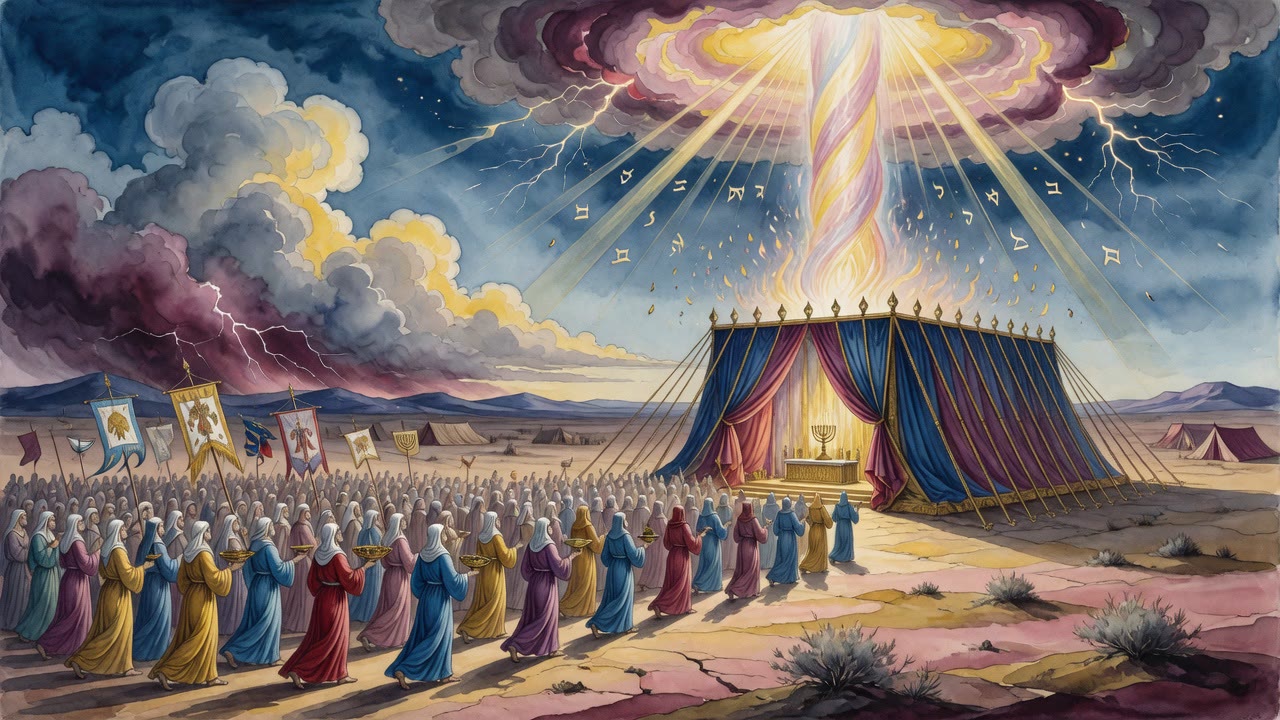
At Horeb the people were armed, and the Name was cut into the weapon. After the golden calf an angel came down and peeled it off the metal.
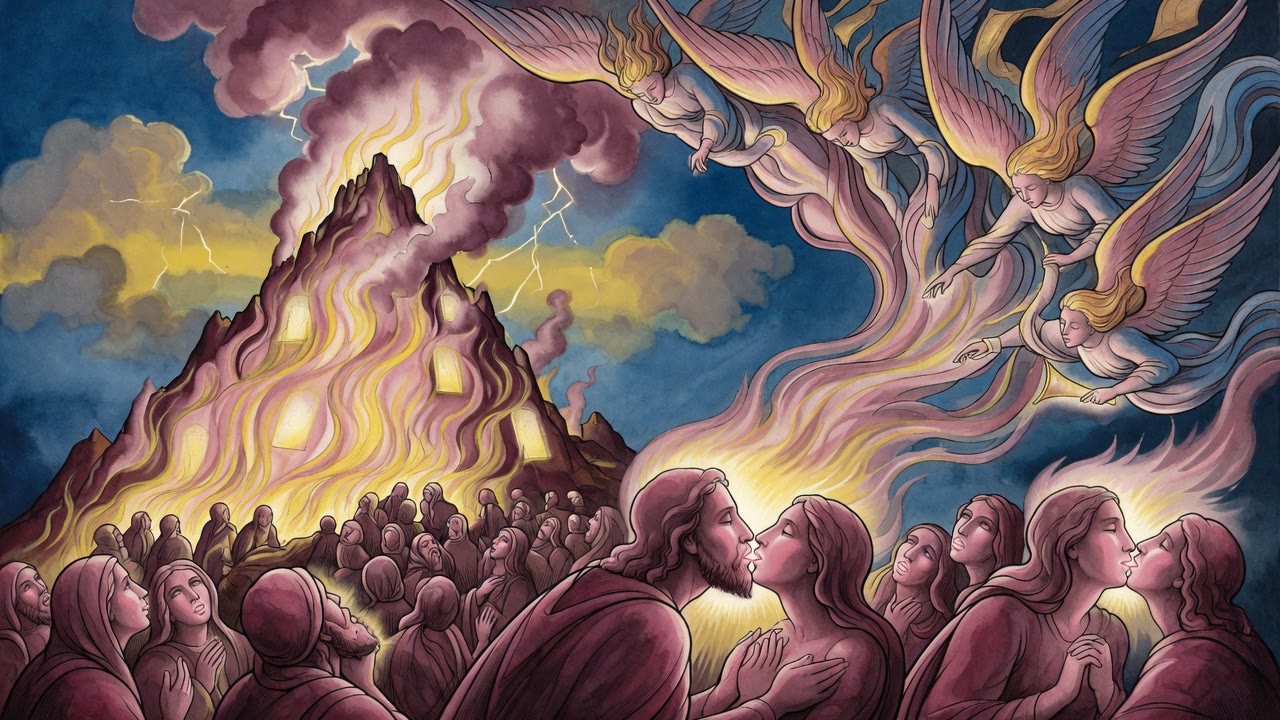
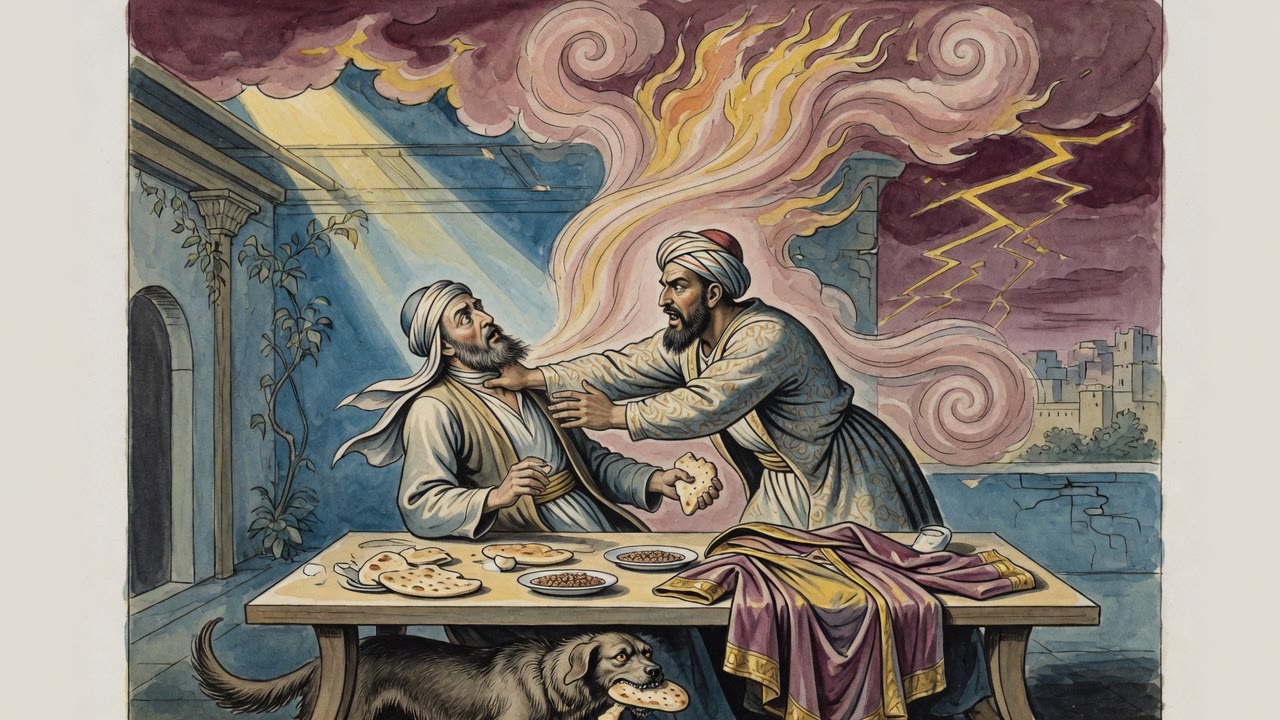
Esau ran at his brother with his mouth open like a man biting bread. Jacob's neck turned to marble. Esau's teeth broke on it, and the two of them wept.
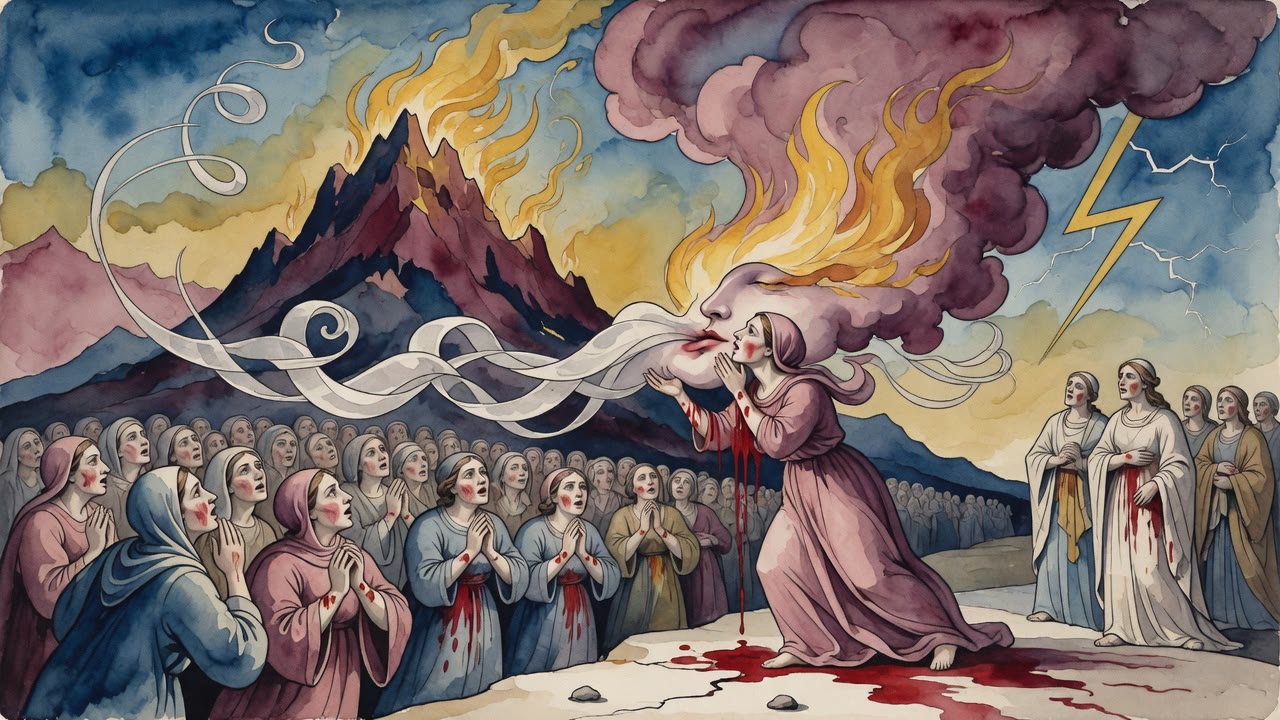
The angel stopped at one man, not a tribe. He listed the punishments inside the word and waited. The kiss came only after the second yes.
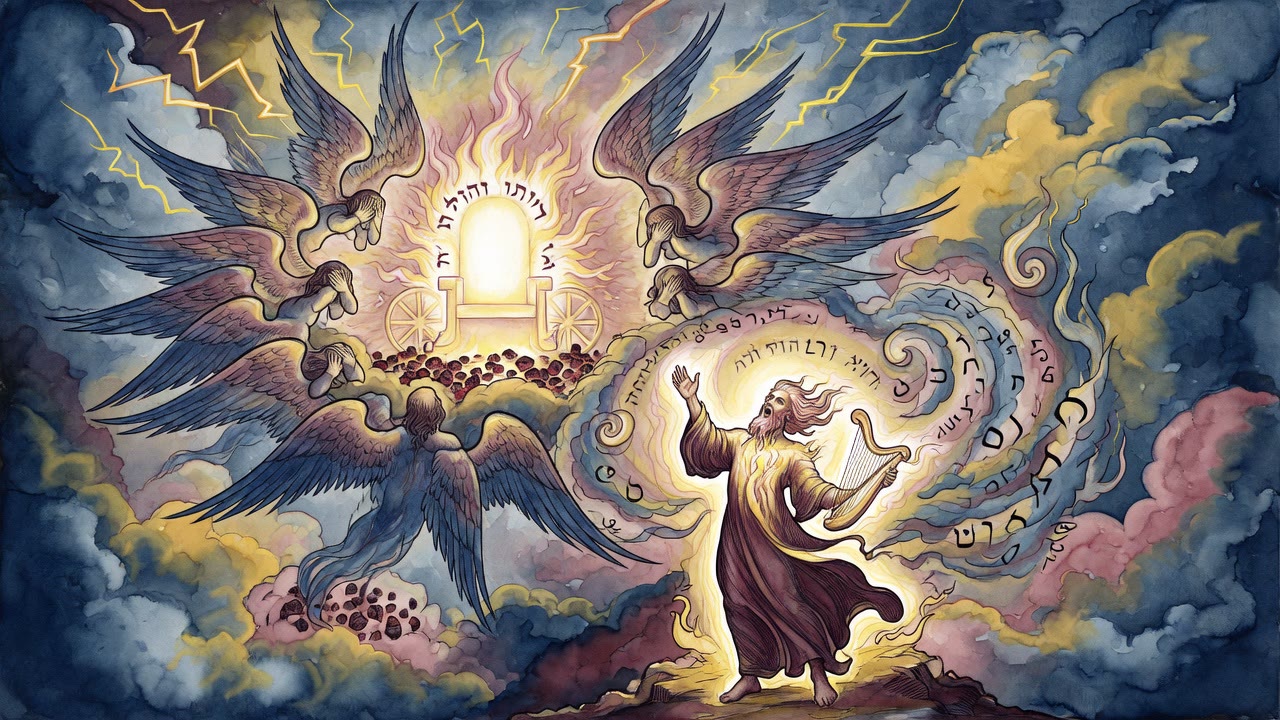
She had been told to look at the floor. Between two walls of standing water she pointed at the glory and named God as hers.
The prophetess who drew water from the rock vanished with her well, and the mystics found her again among the pomegranate trees of paradise.
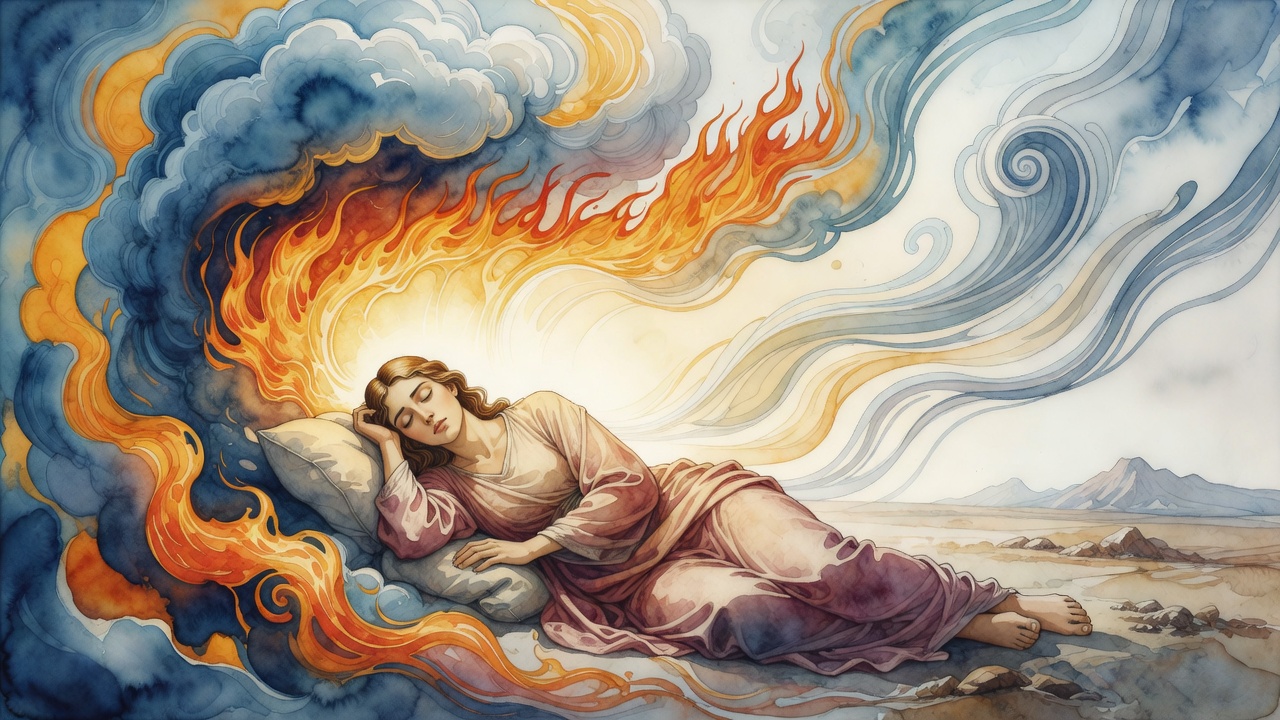
Love climbed past every title. God named Israel daughter, then sister, then mother, while Israel's heart stayed awake in exile's sleep.
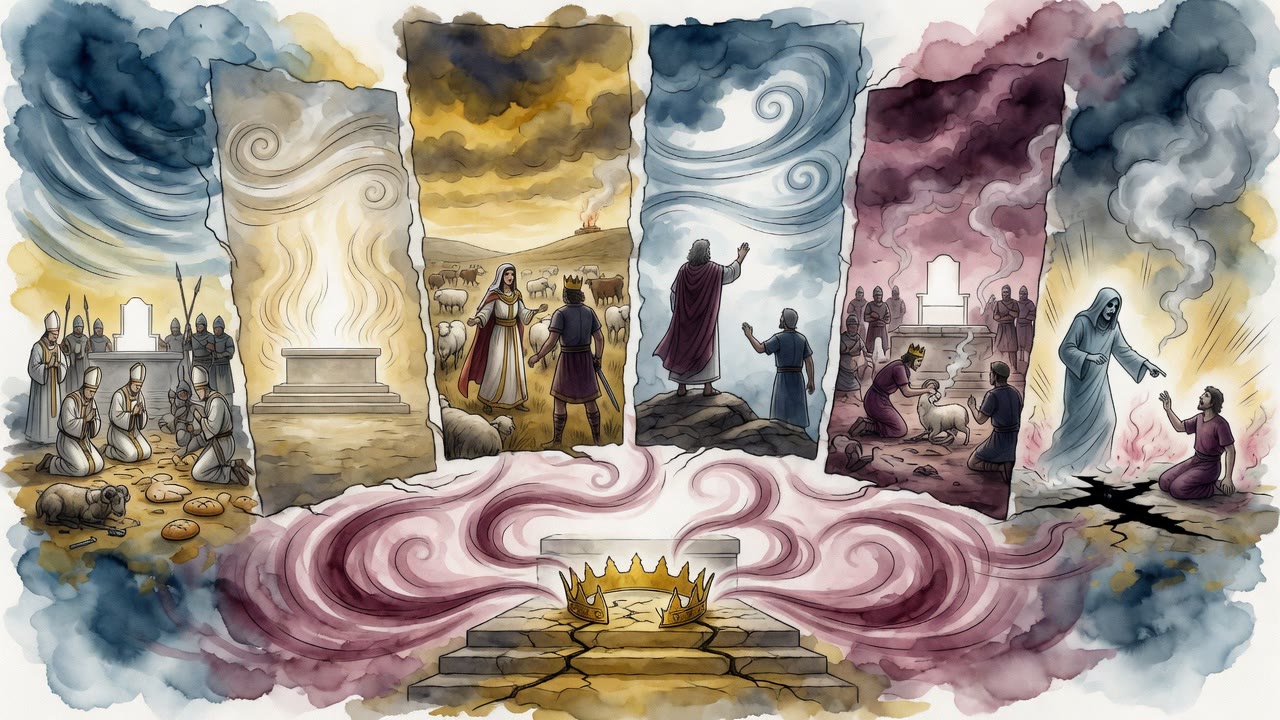
A king first called his girl daughter, then sister, then mother as love grew. Rabbi Elazar mapped that climb onto God and Israel, and earned a kiss.
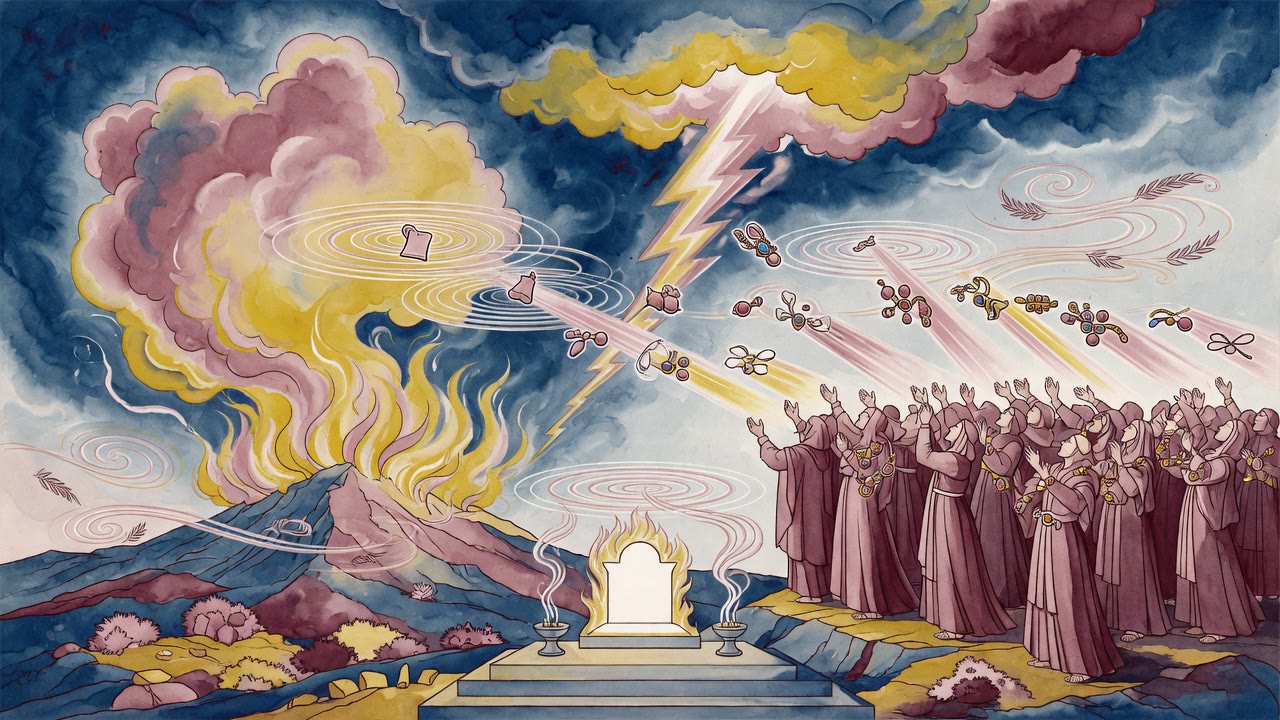
A king tells his wife to put on every jewel she owns so he will want her. Here the stones are commandments, and the camp still tasted honey in the air.
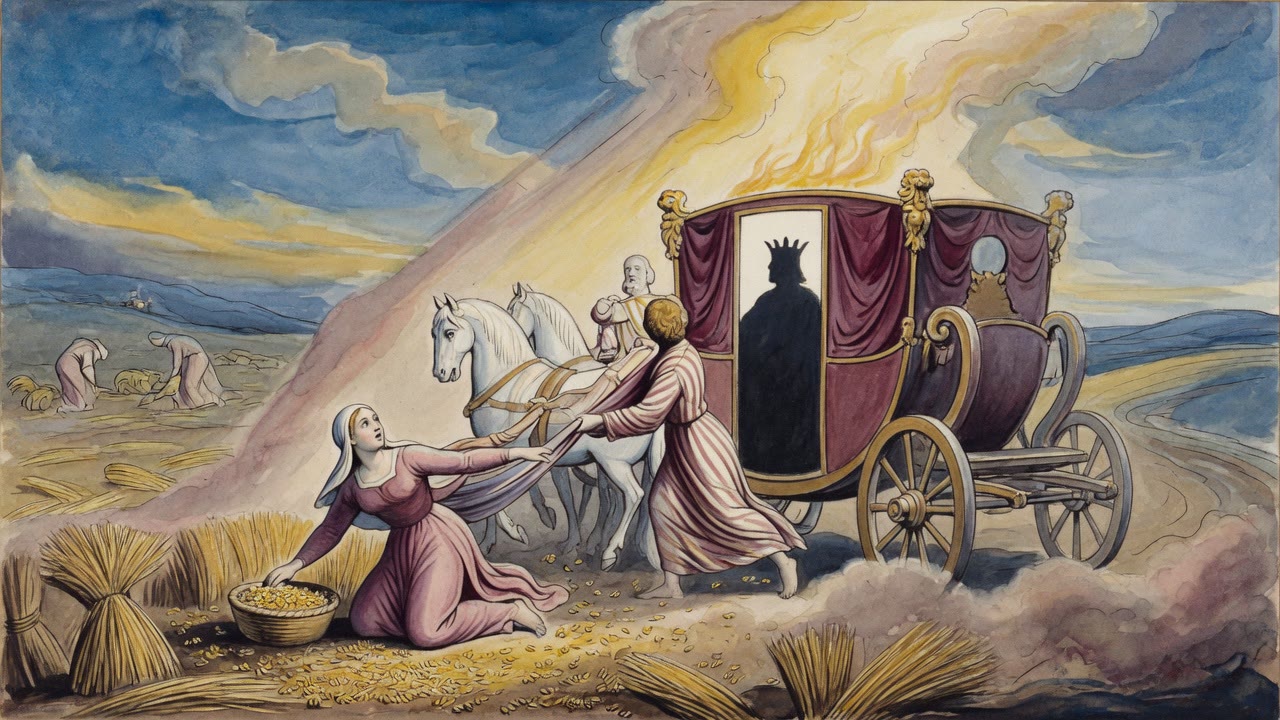
A princess gleaning leftovers is lifted into the royal carriage. Israel and Joseph know that same astonished rise from dust to throne.
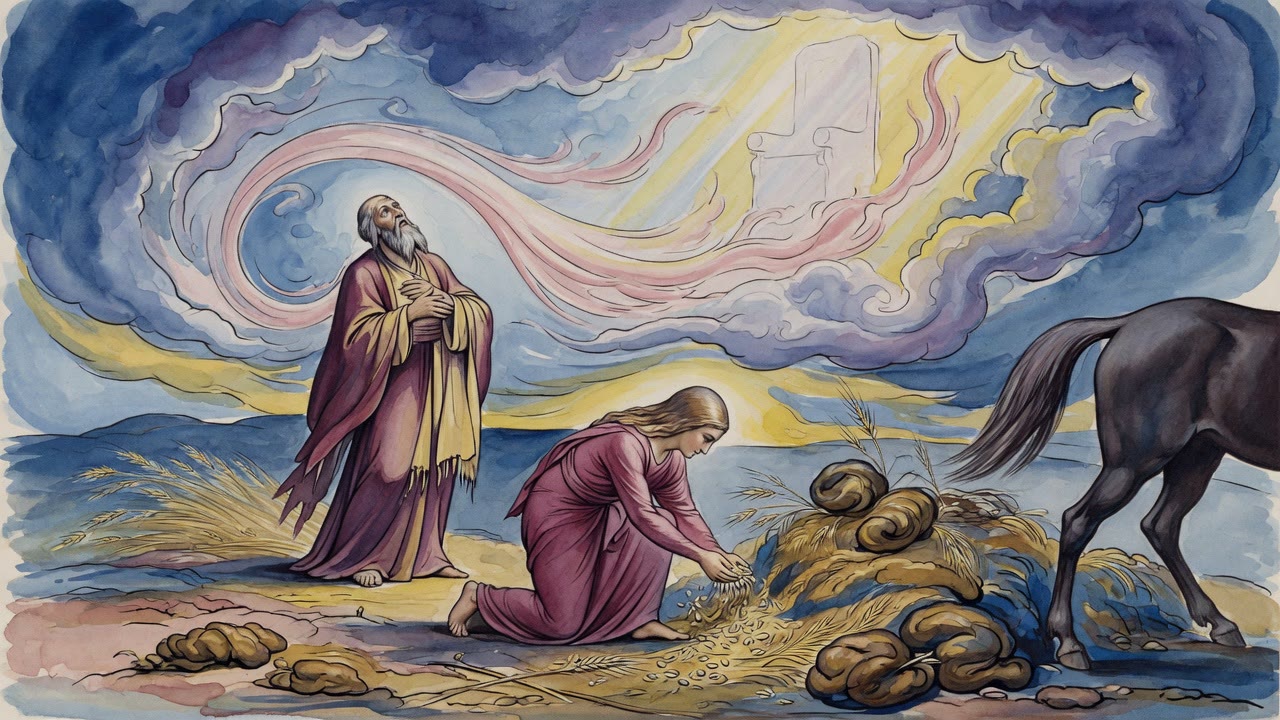
A student reached for a coin and the sage stopped him. Refuse the half-shekel for the Temple, he said, and you will pay fifteen to a foreign king.
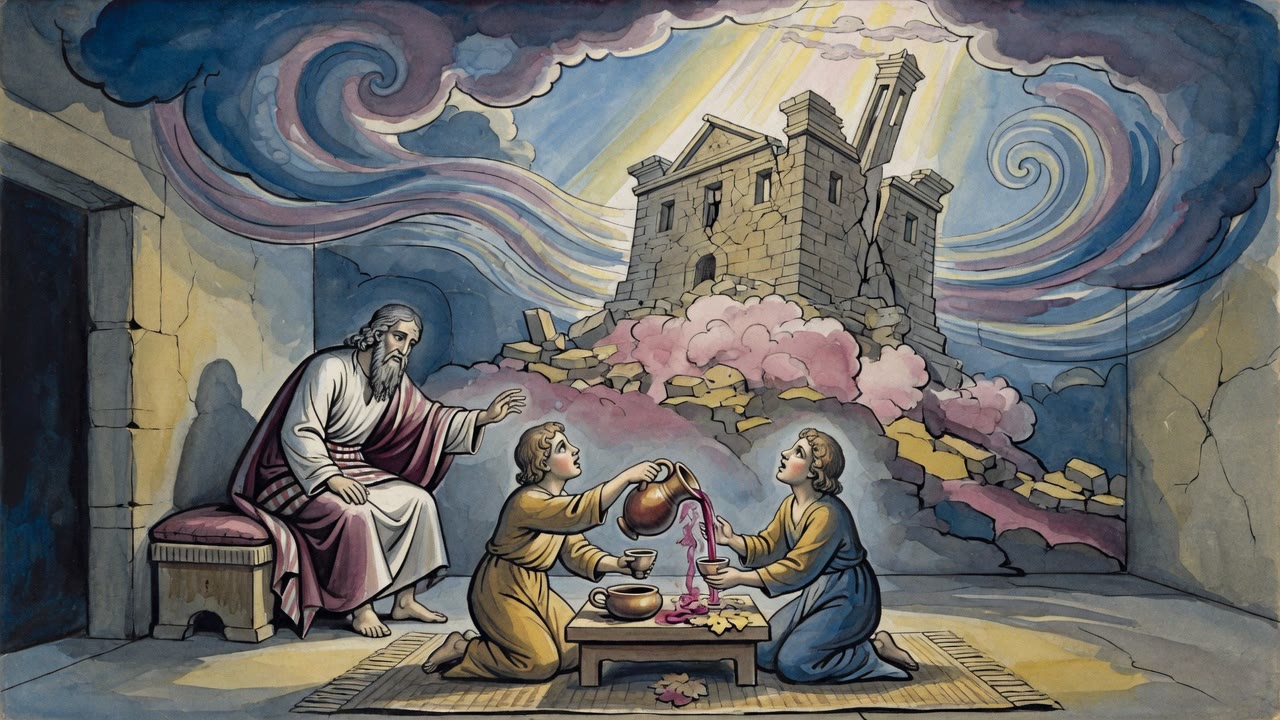
Heaven and earth failed as collateral. The patriarchs failed too. At Sinai God took Israel's children as bond for the Torah while nations refused the gift.
Sixty men stood around the king's bed with swords on their thighs. The books had already spilled into the street. He was not king of the bed.
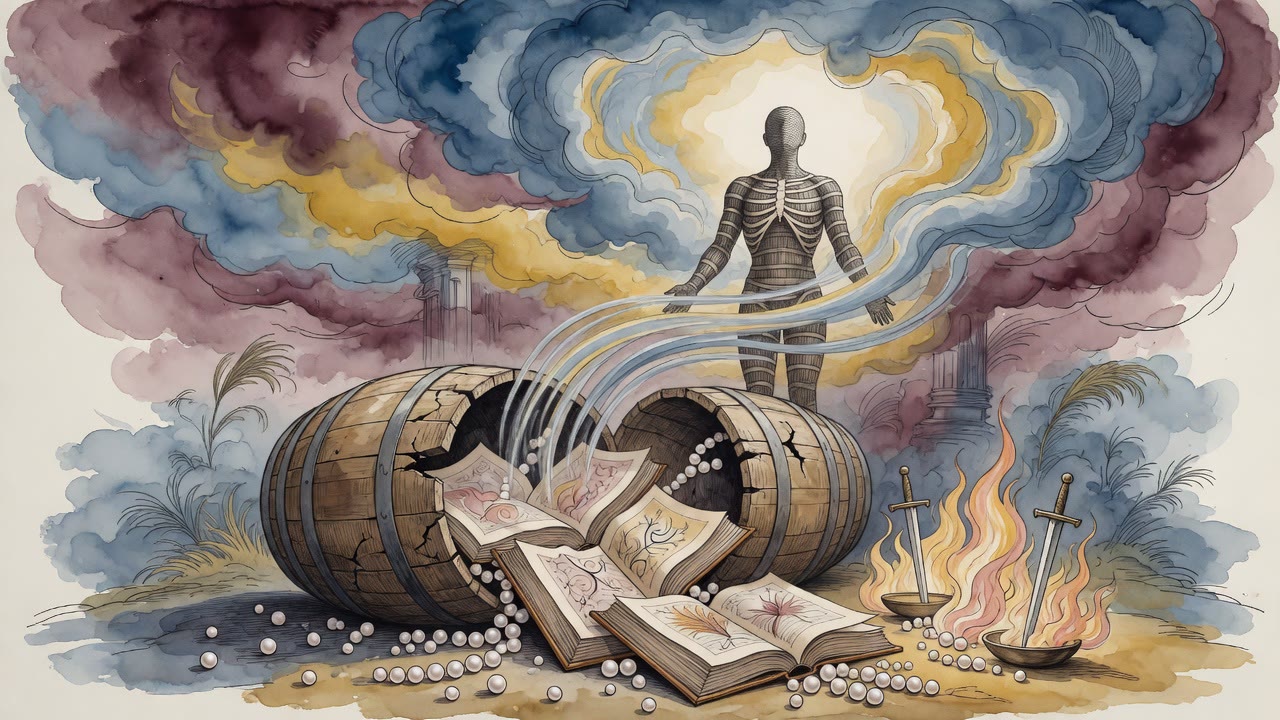
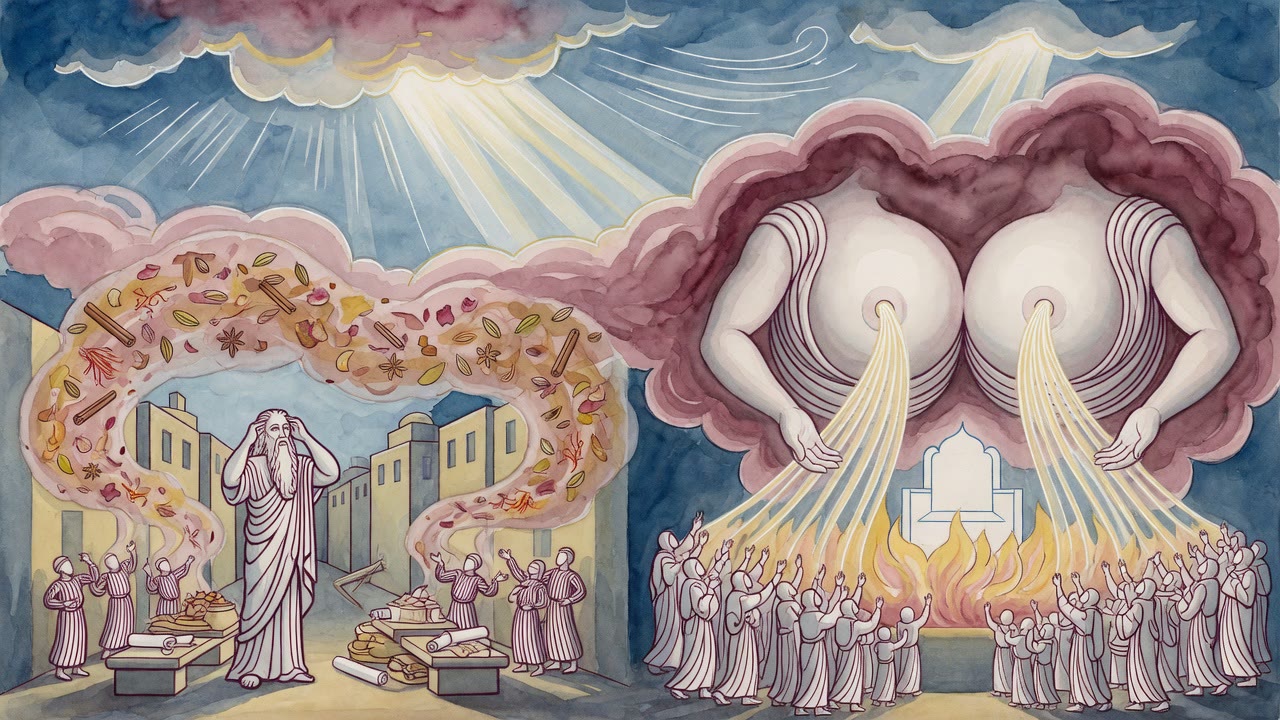
Rabbi Yannai remembered street debates that smelled of many spices, then saw Moses and Aaron as twin breasts feeding Israel equal glory.
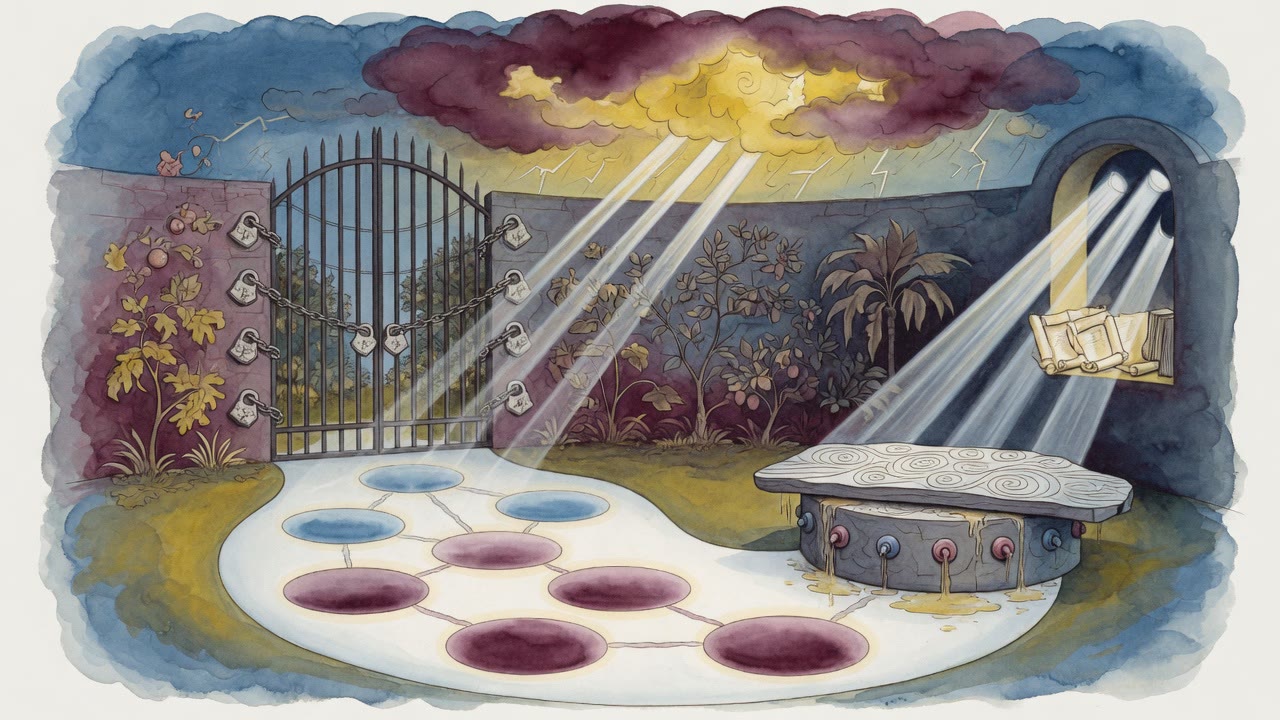
Moses walked the brick-dust lanes with one line: at about midnight. Children watched the brothers pass, men who no longer bent at every Egyptian shout.
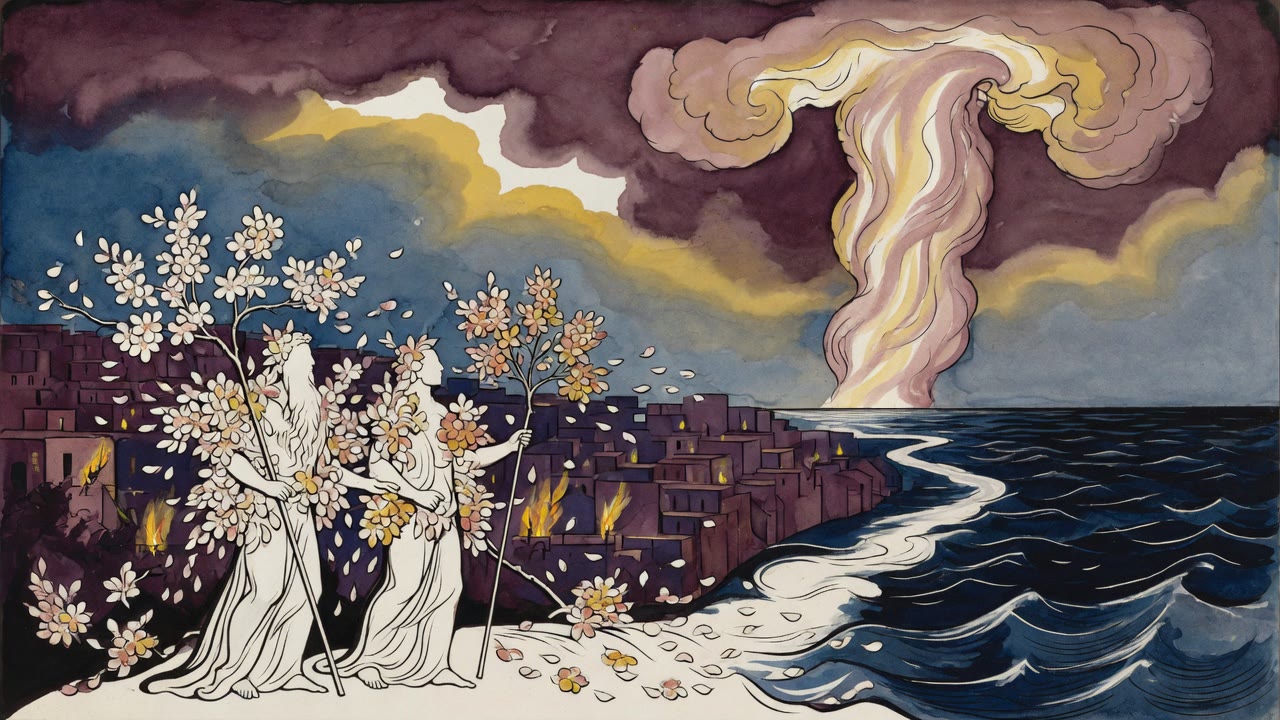
The gate did not creak. Behind it the leaves held still, and a spring pressed against stone without spilling a drop.
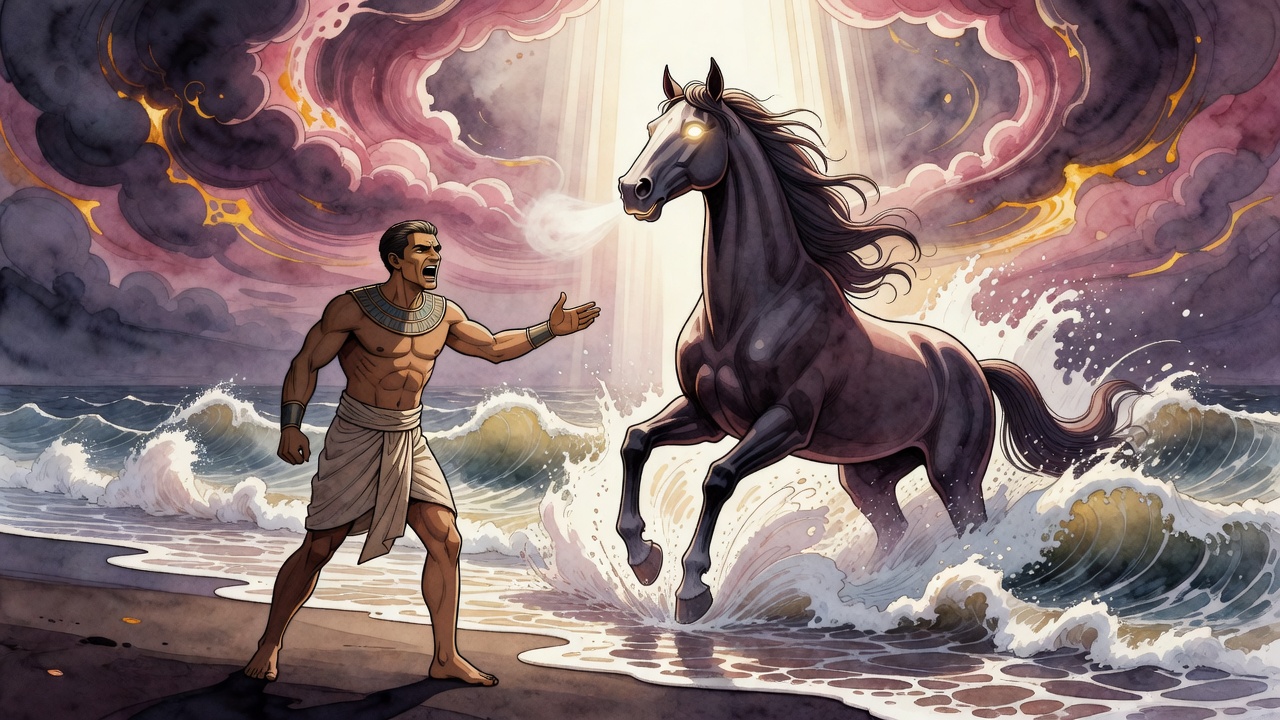
Yesterday the stallion would not drink. Today it dragged the chariot into the sea. In the wall of water the animal saw heaven folded down.
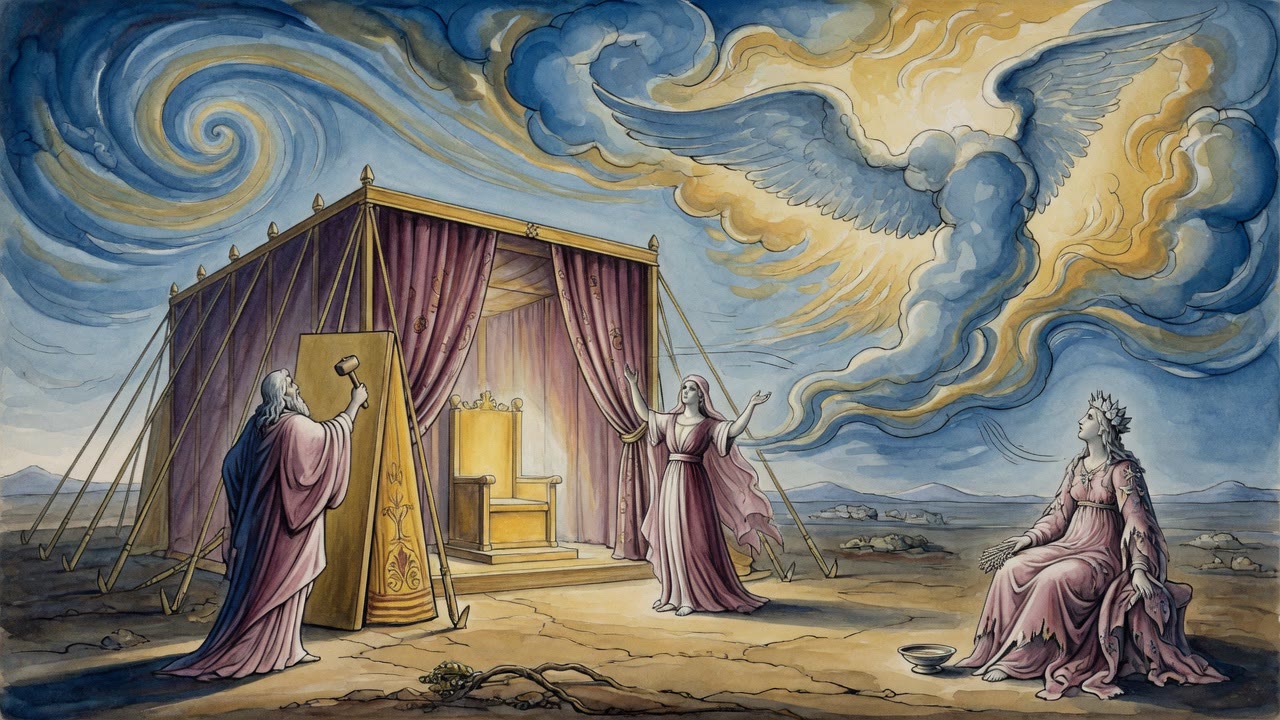
Moses drives the last board home, the banished queen of heaven waits for a new gift, and God enters only after the bride invites Him below.
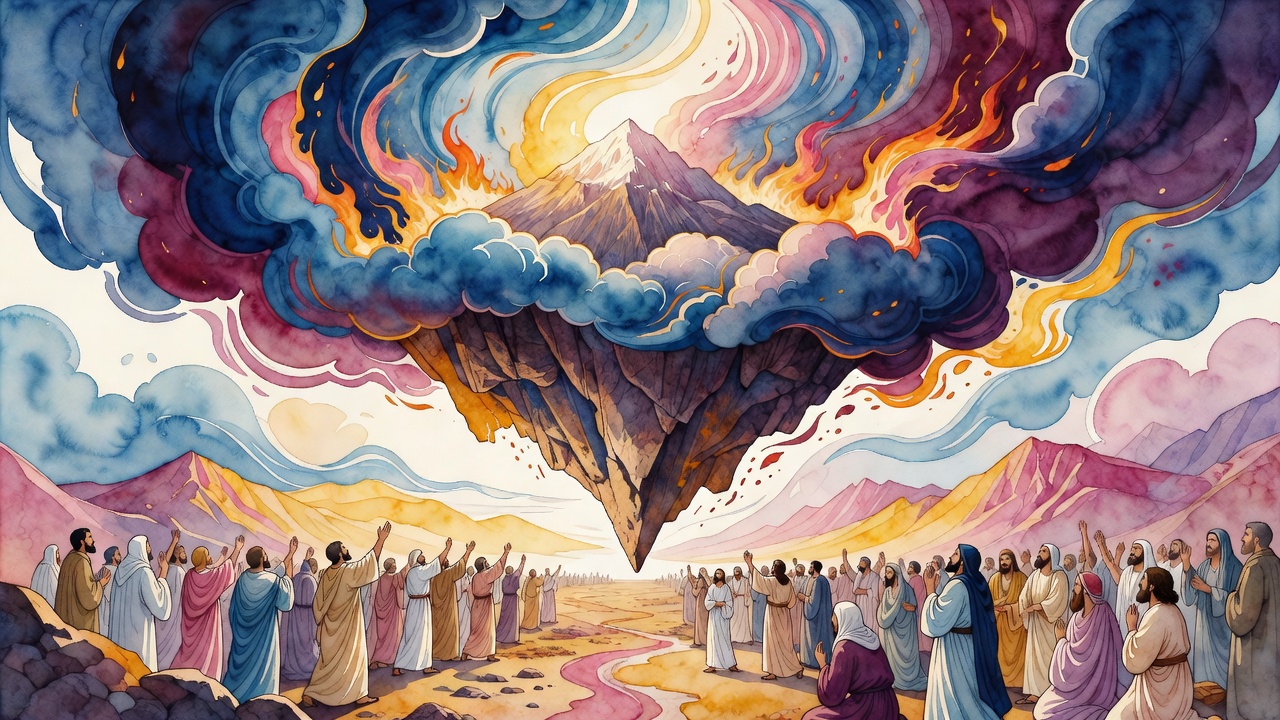
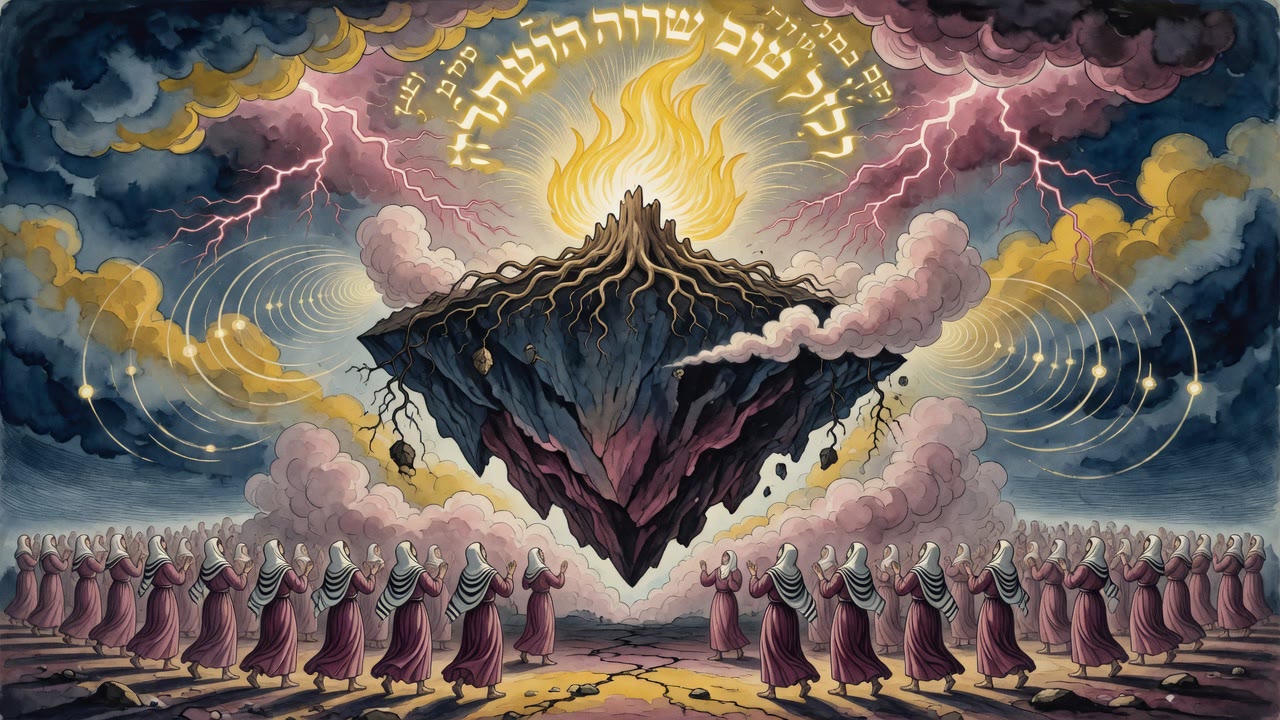
God uprooted Sinai, inverted it over Israel, and offered Torah under a sky that could bury them. They answered we will do and we will hear.
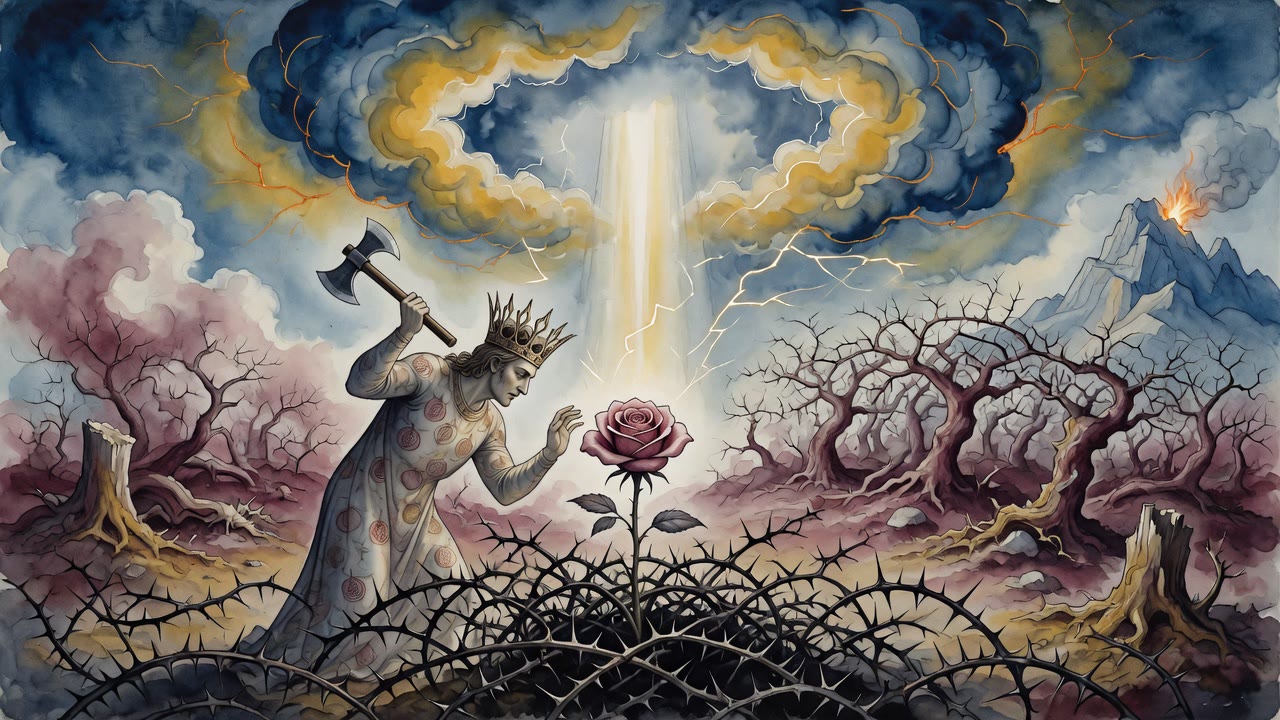
A king finds his orchard choked with thorns and lifts the axe, then smells one rose. For Israel's pledge at Sinai the whole ruined world is left standing.
