Egypt Trusted a Loophole and Babylon Fell in One Night
Somebody in Pharaoh's room said water, and the room went quiet. After the flood God had sworn the waters would not pass over the earth again.
Table of Contents
 Click for full size
The Council Put Fire Down
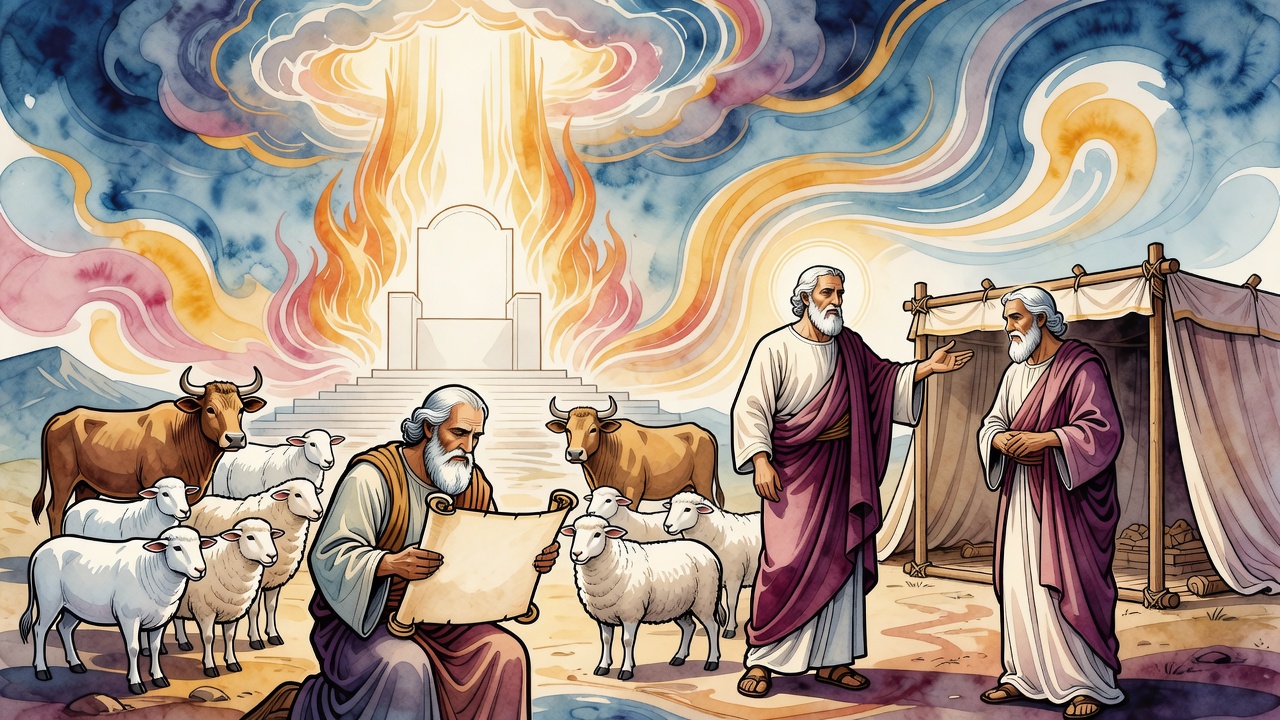
Pharaoh's officers sat with a list of ways to finish the Hebrews. Fire went up first. Fire came down again. The Lord judges by fire. Use fire and you are using His.
The sword next. Also His. By His sword, all flesh.
Then somebody in that room said water, and the room went quiet.
After the flood God had taken an oath, that the waters of Noah would never pass over the earth again (Genesis 9:11). An oath is an oath even when the one who swore it watches the gap it leaves. The river sat outside the terms. It was a gap they trusted, and it was the last thing all of them agreed on.
Every boy, they said. Into the Nile.
Empires get grand things in the prophets. Assyria is a cedar. Babylon is a head of gold. Egypt gets flax, and lead, and straw, and a fox that runs with its head turned, checking the road behind it. That is how they sat in that room. Looking back at the oath. Checking the gap.
A Private Flood for Each Driver
"By your lives," God said, "I will drag every one of you down into a flood of his own."
He did not send water over the earth. That would have broken the oath, and the oath held. What He sent was dry ground.
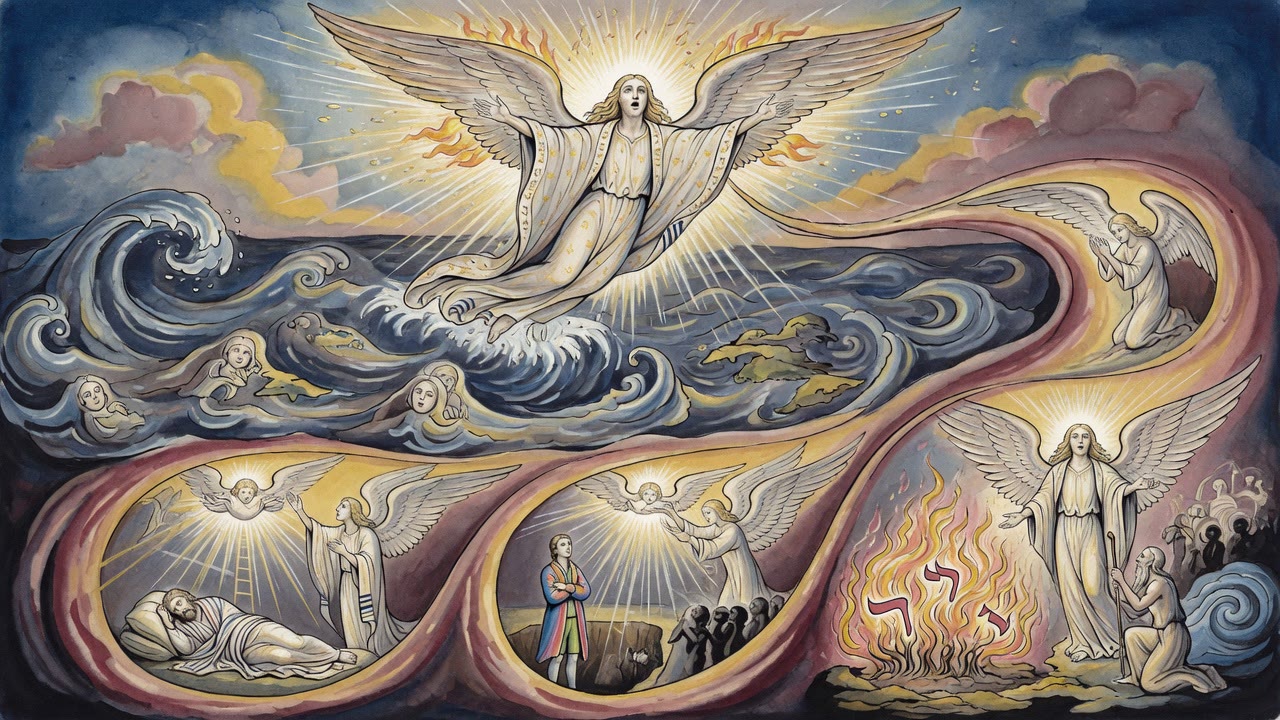
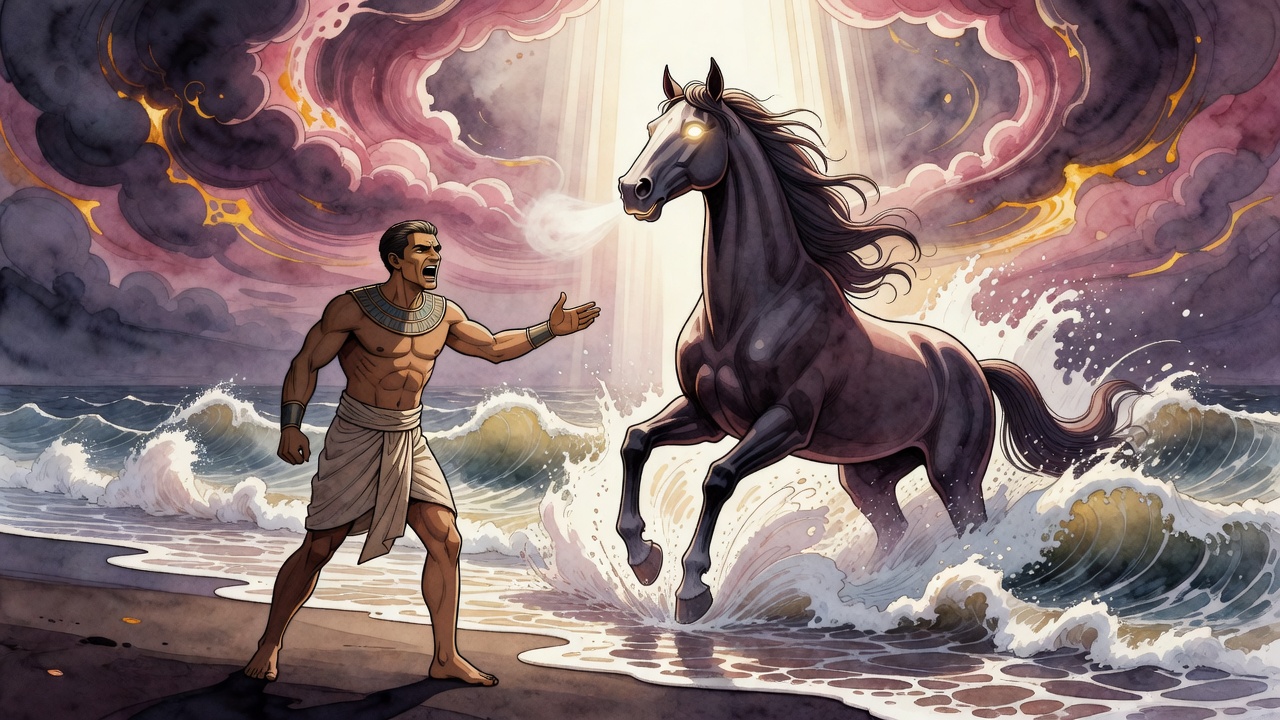
The sea opened and stood up on both sides. The people they had been drowning walked out along the floor of it, walls of water standing over them, not one drop coming down. Then the chariots came. Six hundred of them into the gap, wheels on the seabed, following the bait all the way in.
Moses stretched his hand. The walls came down on the drivers one man at a time. Not a flood over the earth. A private flood for each chariot, in the one element they had reasoned their way into.
They sank like lead, which is the other thing Egypt gets compared to.
Three Steps Bought Three Kings
Babylon did not read the fine print. Babylon had an account, and it went overdrawn.
A king named Merodakh Baladan worshipped the sun and organized his day around it. He ate at the sixth hour and slept until the ninth, every day, without variation.
Far away in Judah, the sun ran backward ten hours as a sign for a sick king named Hezekiah.
Merodakh lay down at the usual hour and woke up in the morning. He came out of his room already shouting for his guards.
"You let me sleep a whole day and a whole night."
"The day went backward."
"Whose god did that?"
"The God of Hezekiah."
"There is a god greater than my god?"
"The God of Hezekiah is greater than your god."
He sat down and wrote to Jerusalem the same hour. Greetings to Hezekiah. Greetings to the great God. Greetings to Jerusalem. The letters went out with the courier. Merodakh sat thinking about the order of the lines. Then he was up off the throne and walking, three steps across the floor, calling the courier back.
He wrote them again. Greetings to the great God of Hezekiah. Greetings to Hezekiah. Greetings to Jerusalem.
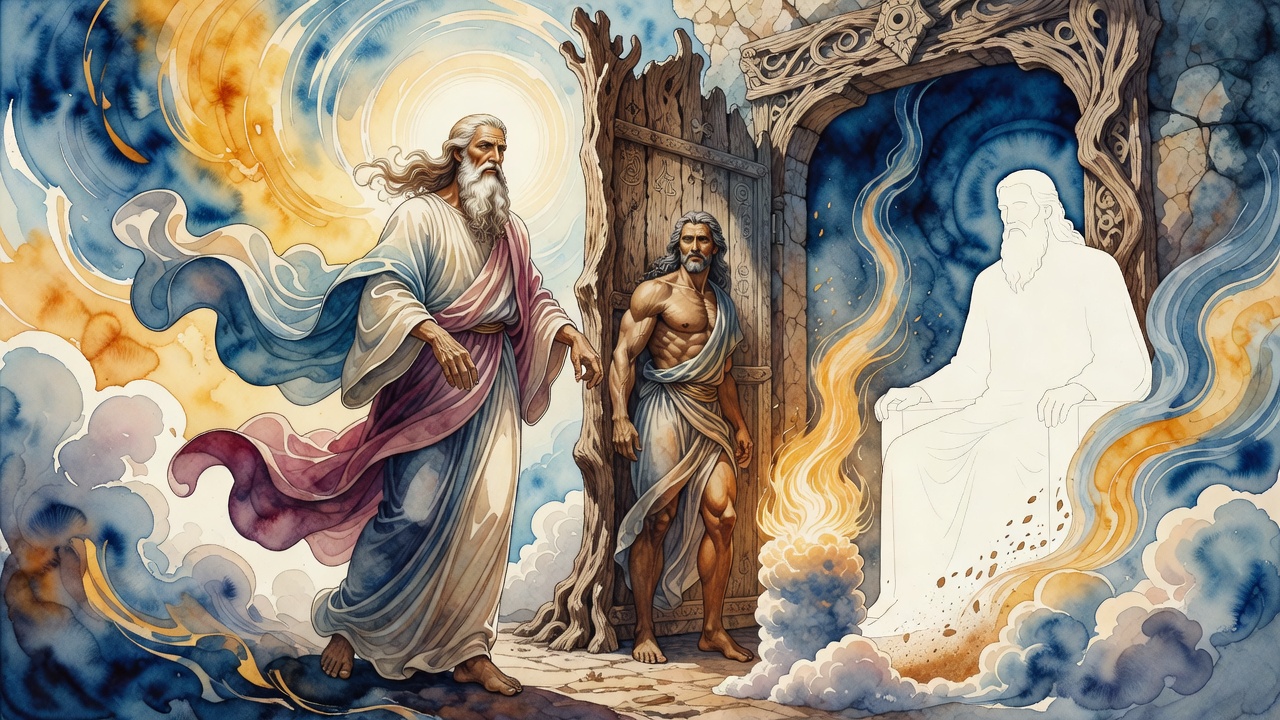
"You got off your throne and took three steps for My honor," God said. "On your life, three kings will come out of you who rule from one end of the world to the other."
Nebuchadnezzar was the first. Evil Merodakh was the second. Belshazzar was the third, and the third was the last, and nobody had told him the account had a bottom.
The Feast That Outdid His God
Belshazzar threw a banquet and made sure it was bigger than the ones his own god got.
He had Judeans brought in so he could compare. "Your barley offering. How was it sifted?"
"Through thirteen sieves."
"Mine goes through fourteen."
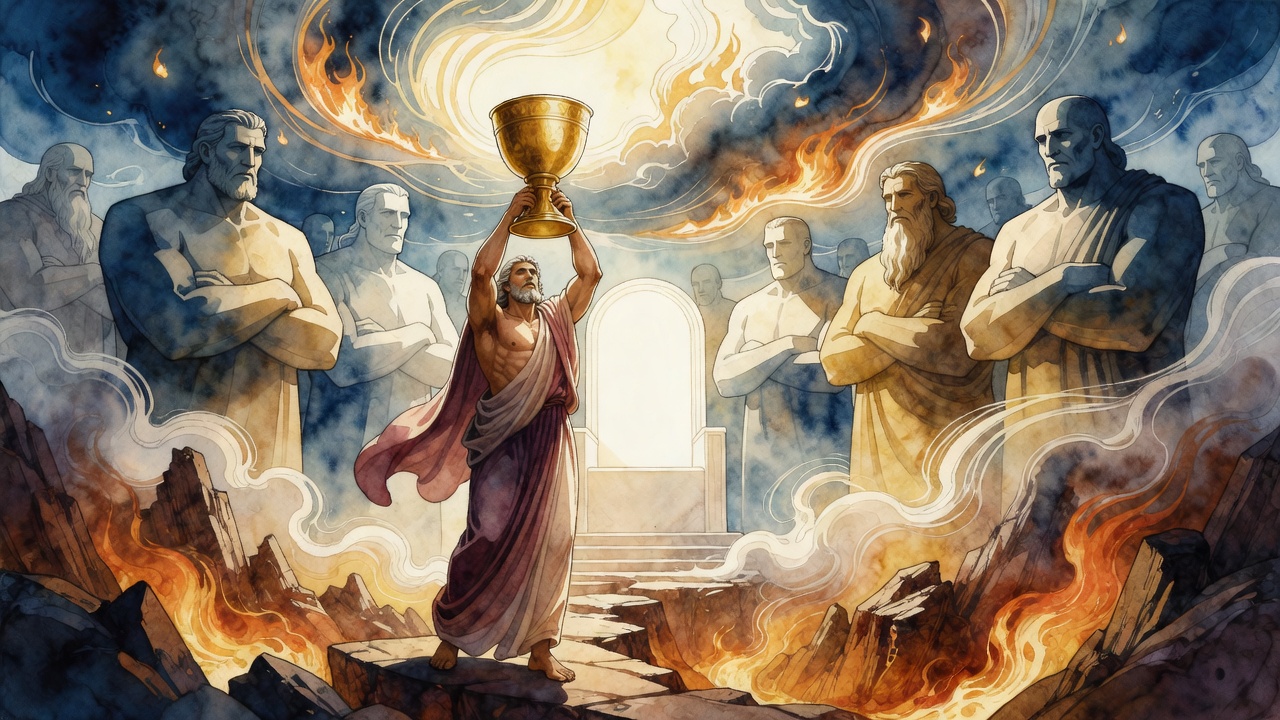
Then he sent for the cups his grandfather had carried out of the Temple in Jerusalem. He and his wives and his court drank wine out of them. That was the moment a hand came out of the air by the lampstand and wrote four words on the plaster.
Nobody in the hall could read them. Daniel was not in the hall. One account has him fasting somewhere over the ruin of the Temple. Another has him at the feast the whole time.
He read it the way it was meant. Counted, and the count is finished. Weighed, and found light. Divided, and handed to the Medes and the Persians.
Cyrus and Darius were in the building that night. They were the gatekeepers. They stood at the door of the hall arguing about which of them was supposed to reign first, since the prophecy had named Media before Persia.
The Gatekeepers Did Exactly What They Were Told
Word of the writing reached Belshazzar as a security problem. He sent orders to his armies. Whatever nation has rebelled against me, we invade it.
"You sent word to everybody," God said. "Did you send any to Me? On your life, this man's punishment is not coming from the east or the west. It is coming from Me."
Then Belshazzar turned to the two men on his door and gave the order that killed him.
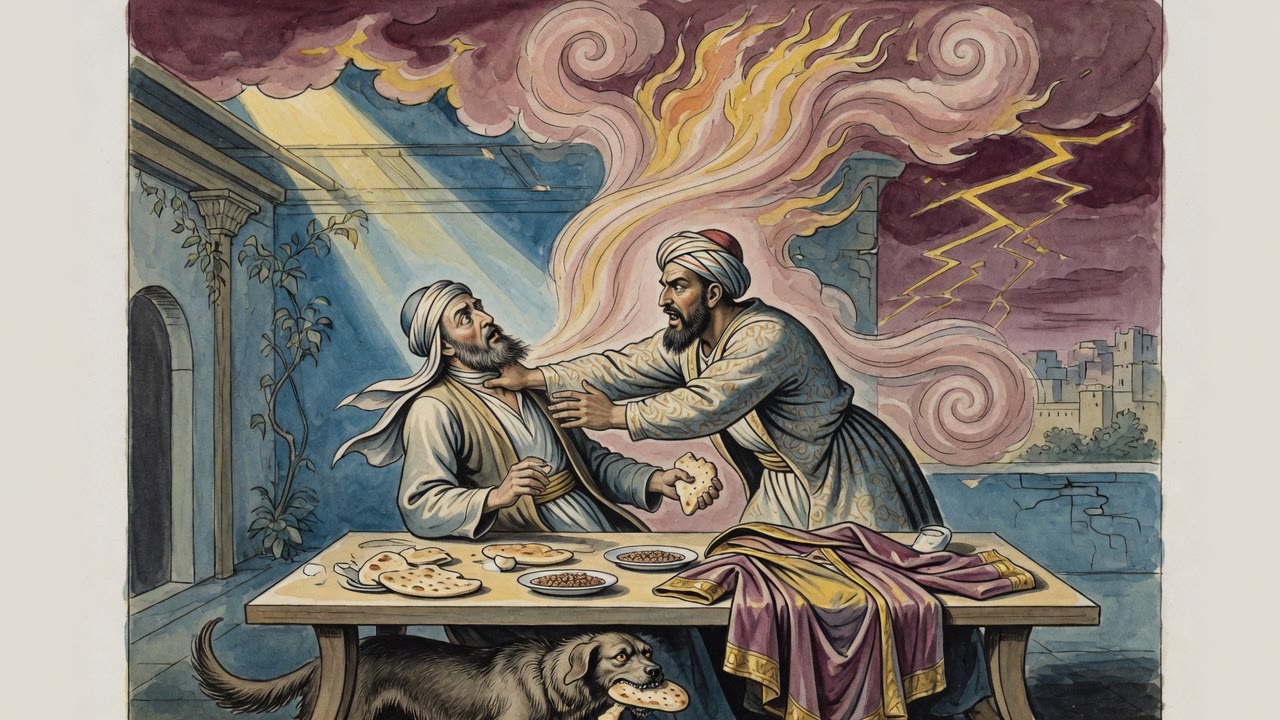
"Anyone you see in here tonight, even if he tells you he is the king, take his head off."
Kings do not put their privies inside the hall. They are built outside, past the doors. Belshazzar's bowels were loose all that night, so he went out, and the guards did not see him go.
They saw him come back.
"Who are you?"
"I am the king."
"Did the king not say that anyone we see here tonight, even if he says he is the king, loses his head?"
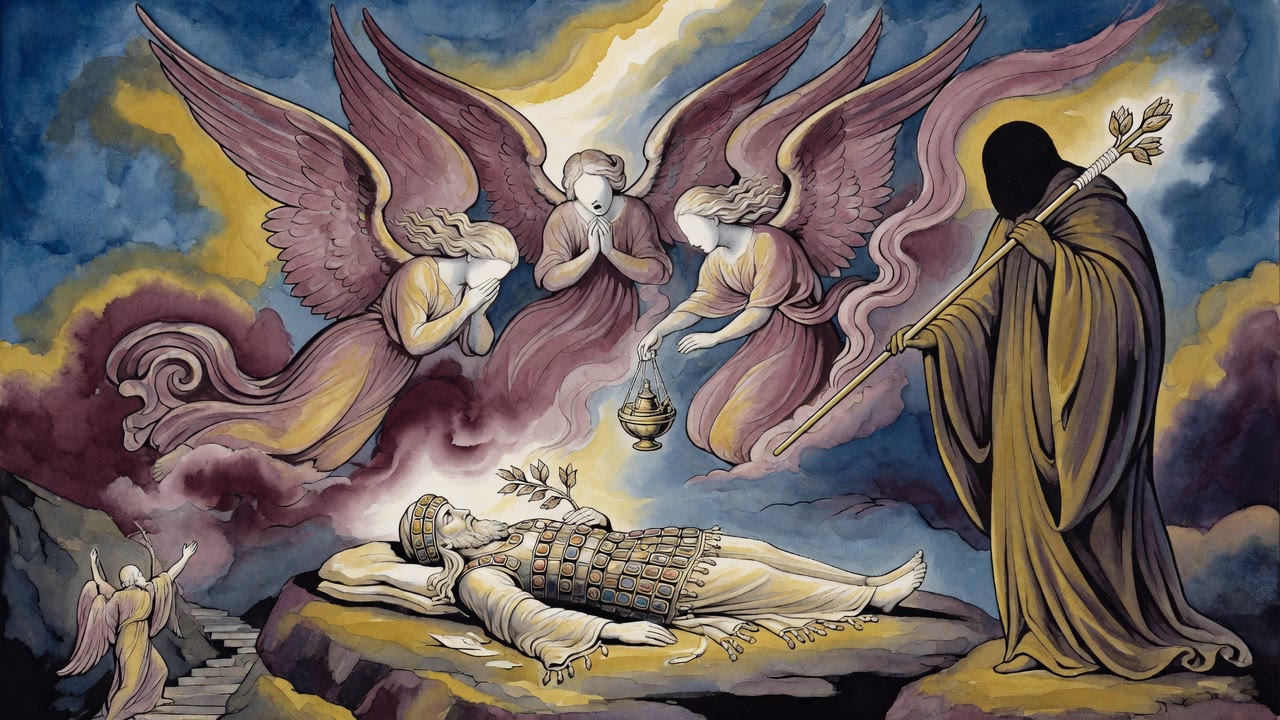
They pulled a branch off the lampstand and drove it through his skull. He fell at the hour when sleep begins, or else at the hour when there is just enough light to tell a wolf from a dog. He was a long time dying either way.
Between one cup and the next cup, the kingdom changed hands.
Jerusalem had something to say to Babylon afterward. It was not thank you. It was ground flour that Babylon had ground. It was a dead lion that Babylon had killed. It was a burnt house that Babylon had burned. Now sit down on the ground. There is no chair.
← All myths