Angels Kissed the Lips That Accepted Torah
Esau ran at his brother with his mouth open like a man biting bread. Jacob's neck turned to marble. Esau's teeth broke on it, and the two of them wept.
Table of Contents
 Click for full size
The Sentries Struck the Ones Who Were Rebuilding
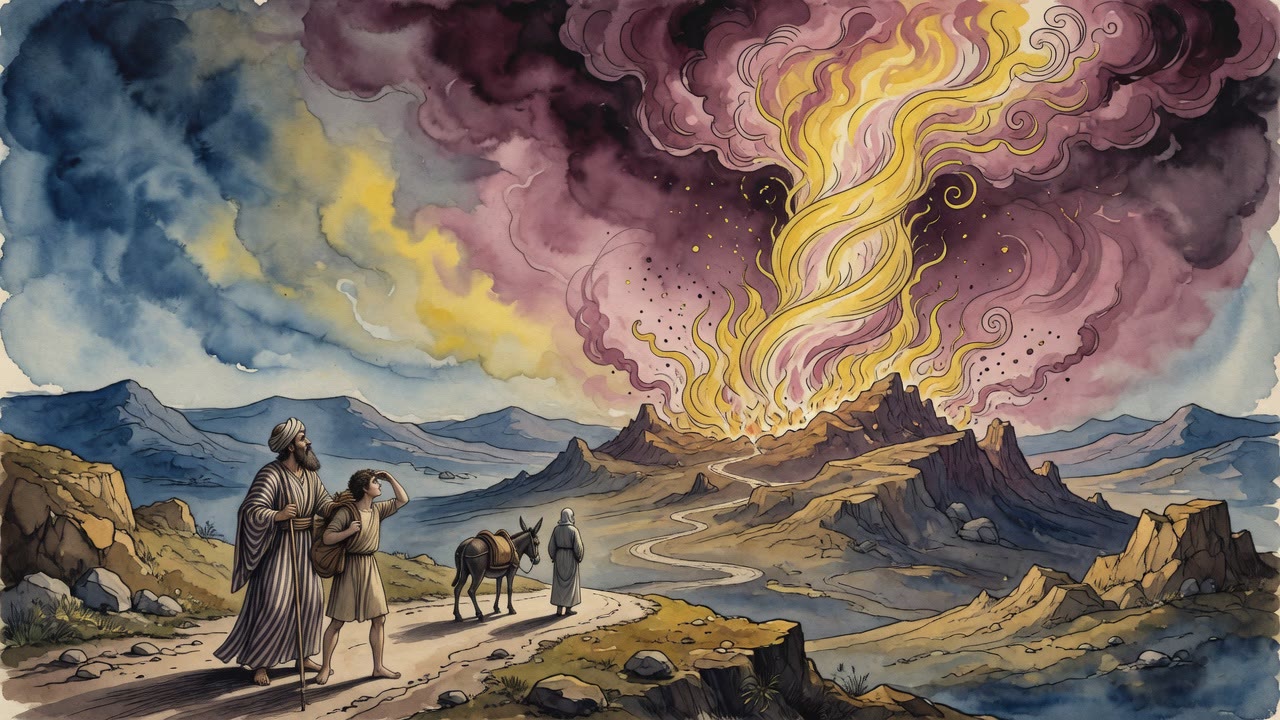
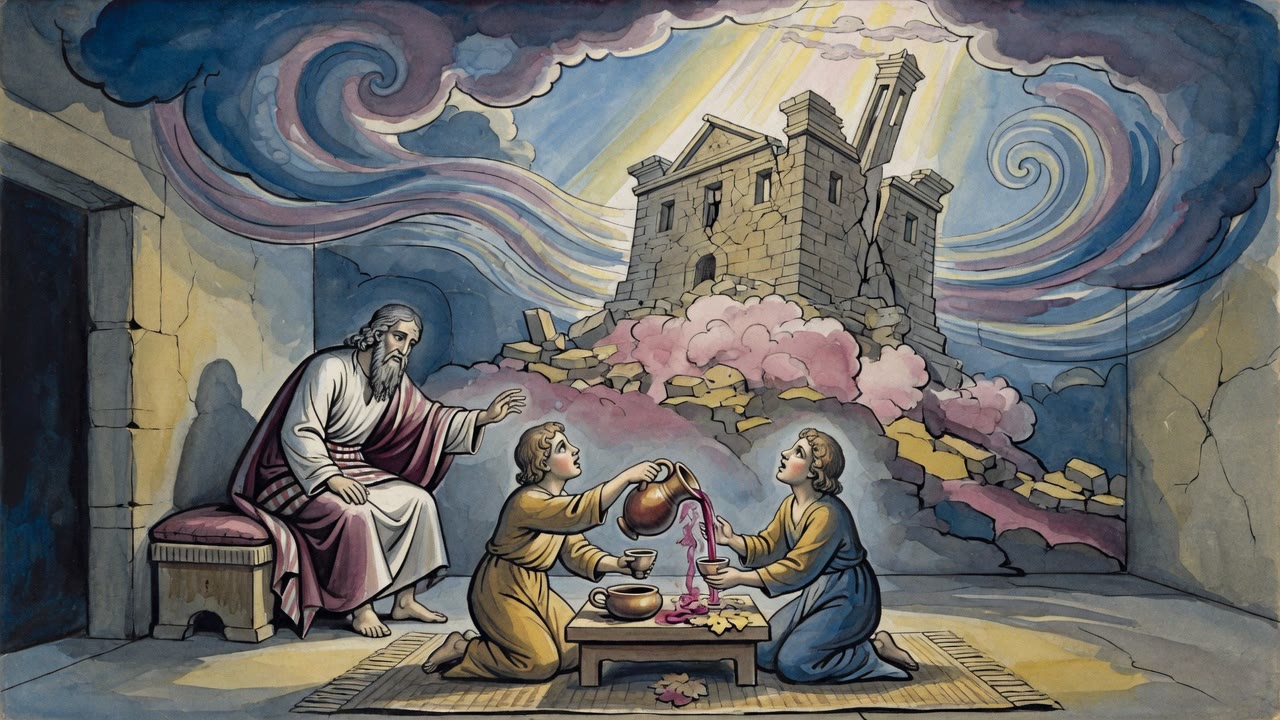
She opened the door for her beloved and he was gone. She went into the streets looking for him. The sentries of the city found her, struck her, wounded her, and took her mantle. Shir HaShirim Rabbah reads those sentries as Tatenai and his officers, the Persian officials who challenged Zerubbabel and the returning exiles when they began rebuilding the Temple. The accusation was the striking. The bureaucratic obstruction was the wounding. The mantle taken away was the diminished glory of the Second Temple, walls smaller than Solomon's, stones less perfect, the structure a shadow of what it was replacing. But a wounded beloved is still a beloved. A smaller wall can still be a holy wall. The woman in the Song does not stop looking when she is struck. She continues past the officials who try to stop the rebuilding, carrying the wound and the mantle's absence, because the one she is looking for is still worth finding.
Esau's Teeth Met Marble at Jacob's Neck
The Song praises the beloved's neck: like an ivory tower. Shir HaShirim Rabbah finds that neck in the moment Esau ran to meet Jacob after twenty years of separation and embraced him and kissed him. The word for kissed, vayishakehu, appears in the Torah with dots above each letter, marks that signal ambiguity or additional meaning. Some sages read the dots as indicating that Esau did not kiss but bit, that he came running with his mouth set to take his brother's throat the way a man bites a piece of bread. But Jacob's neck became marble. Hard as ivory. Esau's teeth broke against it. The neck that could not be bitten remained intact, and they both wept, and the text does not tell us what either of them was weeping for. The ivory tower was not defense built by human effort. It was what the covenant does to a body it has consecrated, it makes the neck marble against the teeth of the one who comes running with appetite instead of love.
Angels Were Commanded to Kiss the Patriarchs
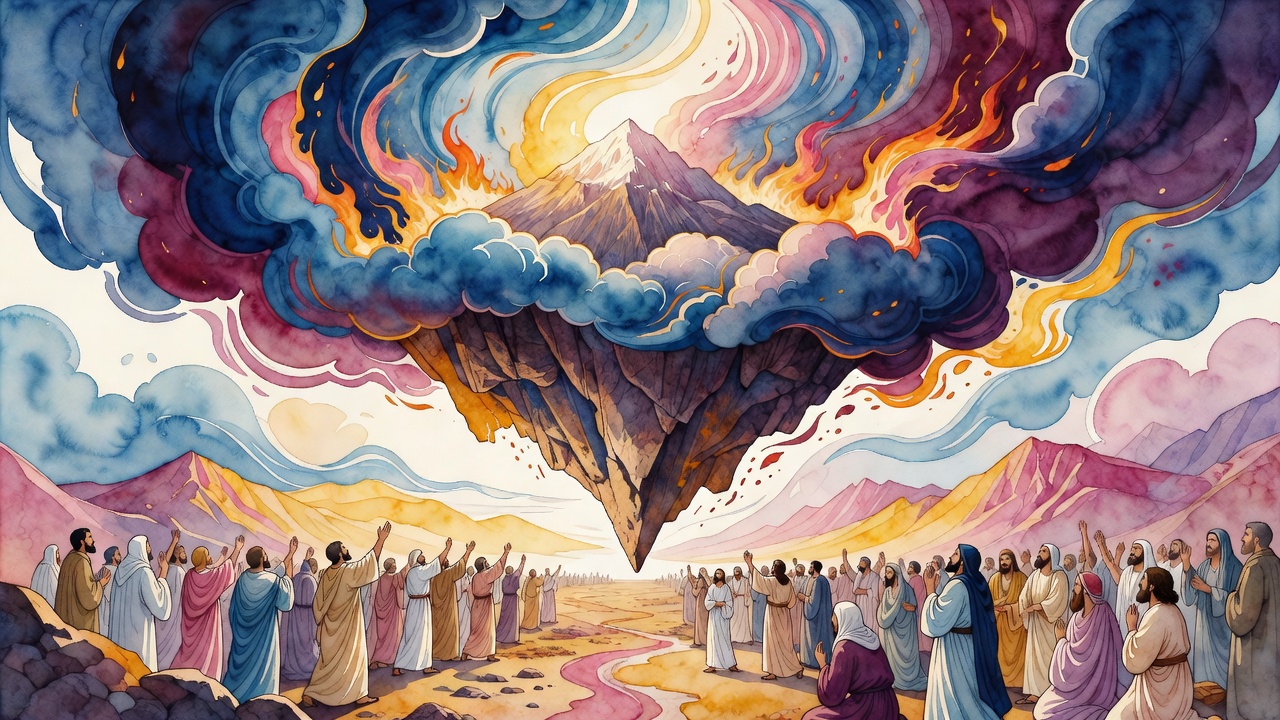
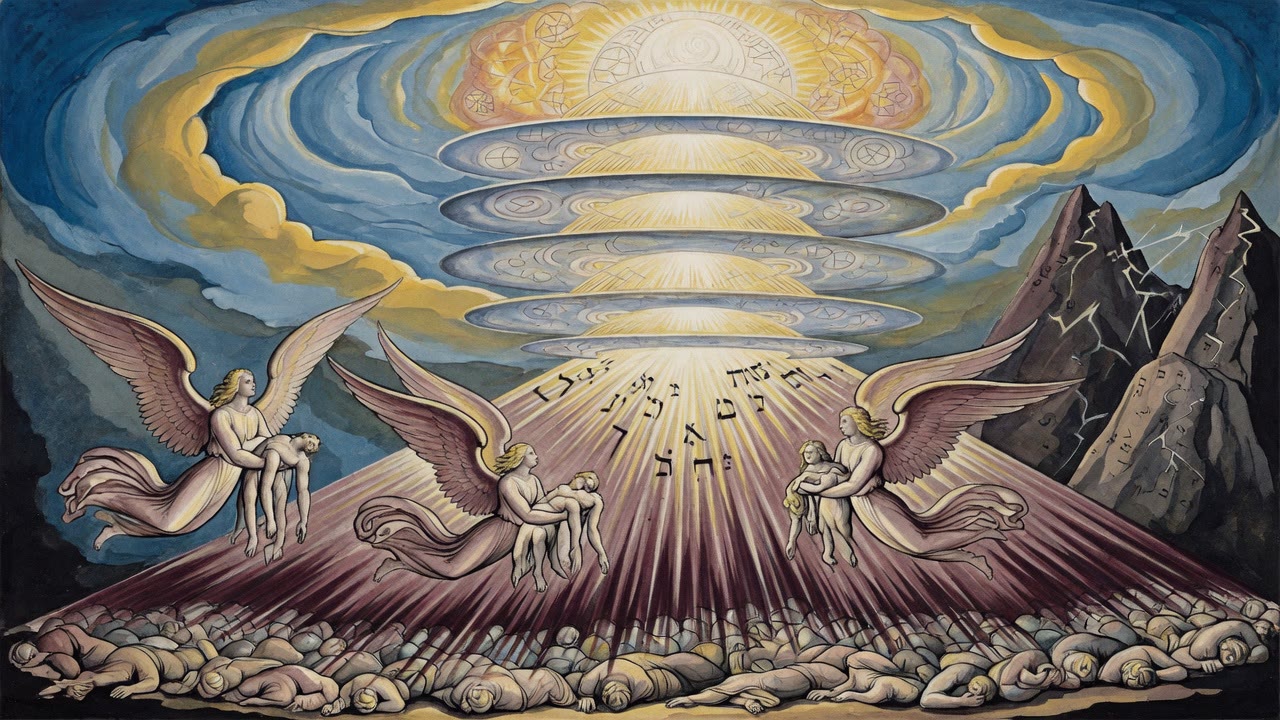
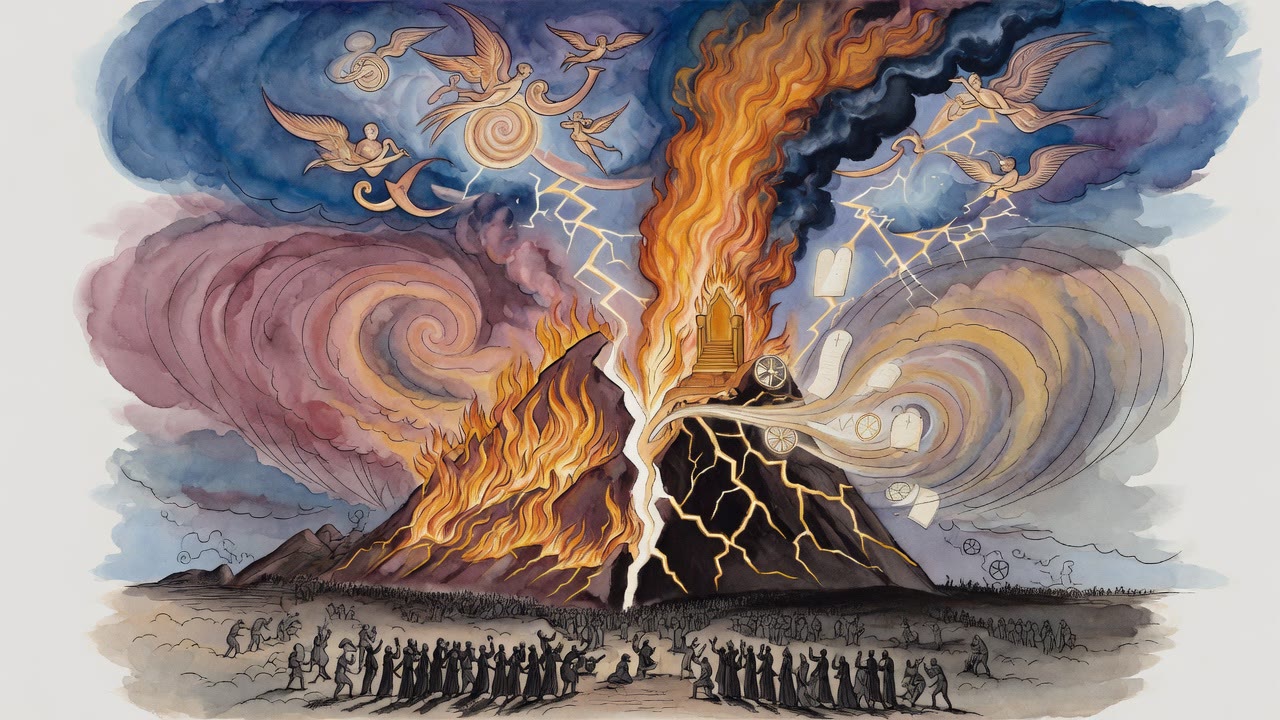
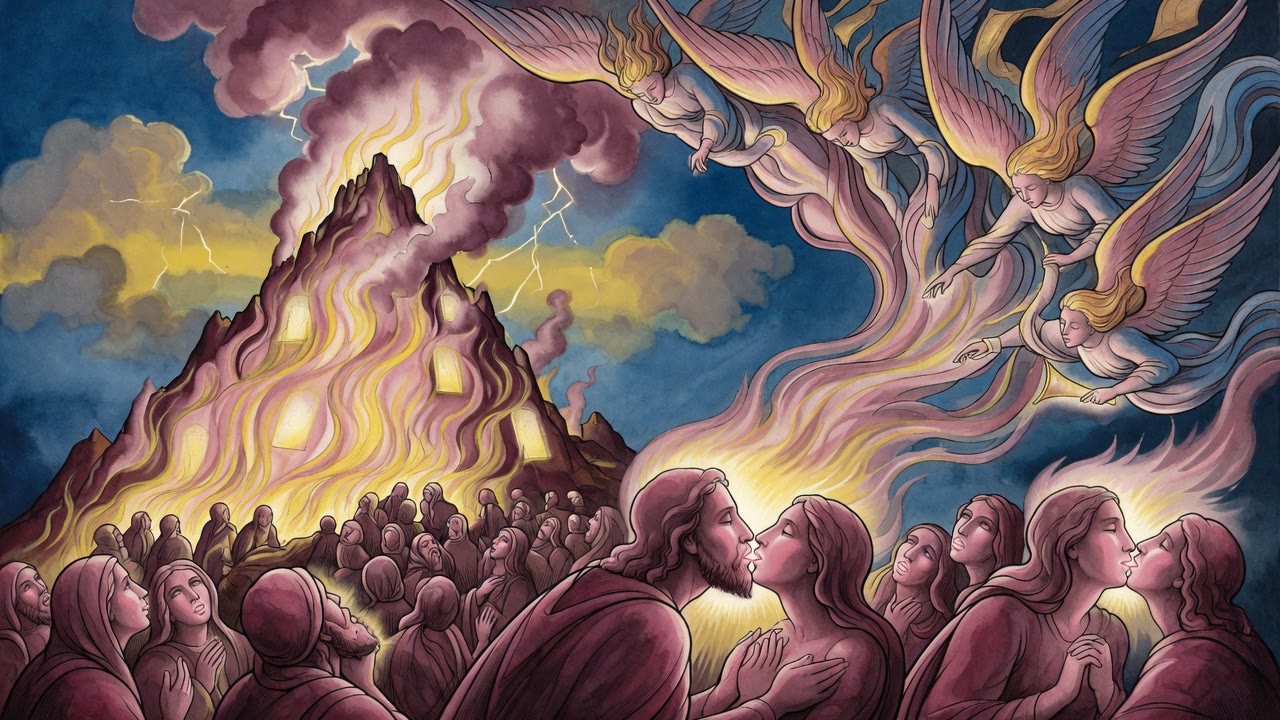
When Israel accepted the Torah at Sinai, heaven's response was not only thunder and fire. The Midrash says that God commanded the angels to go and kiss the lips of the patriarchs who had accepted the commandments. The kiss was retroactive, it reached backward through time to Abraham, Isaac, and Jacob, to the lips that had first agreed to walk with God before the law had been formally given. It was as if the full covenant had been waiting for Sinai to be completed, and when Israel stood at the mountain and said we will do and we will hear, the entire patriarchal promise was sealed with a kiss from heaven. The angels who had wrestled, appeared as strangers, and announced impossible births now came as ministers of tenderness. What had been tested was now honored.
Israel Leaned on Its Beloved in the Wilderness
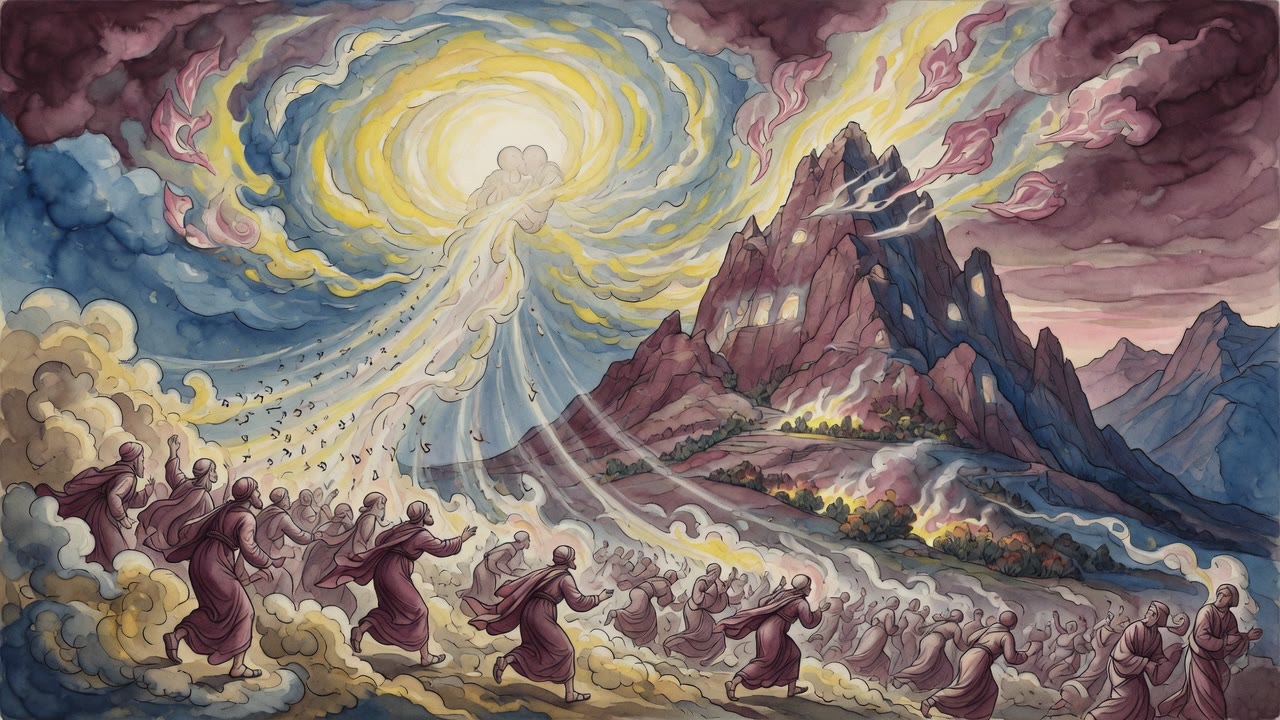
Who is this coming up from the wilderness, leaning on her beloved? The Song asks the question at a distance, as if watching a figure approach through the desert heat. Shir HaShirim Rabbah answers: Israel, ascending from the wilderness of Sinai, leaning on the Torah, leaning on the commandments, leaning on the one who had led them through forty years of desert. The leaning is not weakness. It is the posture of a covenant community that has learned where its weight is held. Egypt had made Israel carry weight without support, bricks without straw, labor without rest, lives without dignity. The wilderness had taught something different: that the weight of existence can be placed on something that will not break, that the leaning posture is a posture of trust rather than weakness. Israel comes up from the wilderness not alone but leaning, and the leaning is the sign of what the wilderness was for.
Love as Intense as Death Would Not Be Bargained Away
Set me as a seal upon your heart, as a seal upon your arm. For love is as strong as death, jealousy as fierce as the grave. Shir HaShirim Rabbah reads the seal as Sinai's imprint on Israel's heart and arm: the Torah written on the heart, the commandments bound on the arm in the morning prayer, the covenant sealed into the body. The love as strong as death is Israel's commitment to the covenant under pressure, the willingness to accept martyrdom rather than abandon the Torah, the refusal to bargain away the seal even when the price of keeping it rose above ordinary endurance. The Song says: if a man offered all the wealth of his house for love, it would be utterly scorned. The covenant is not for sale. Death cannot end it. The Angel of Death who comes for every person cannot unravel a love that was sealed before Sinai and ratified at Sinai and carried in the arm and the heart of every generation since.
← All myths