7 myths
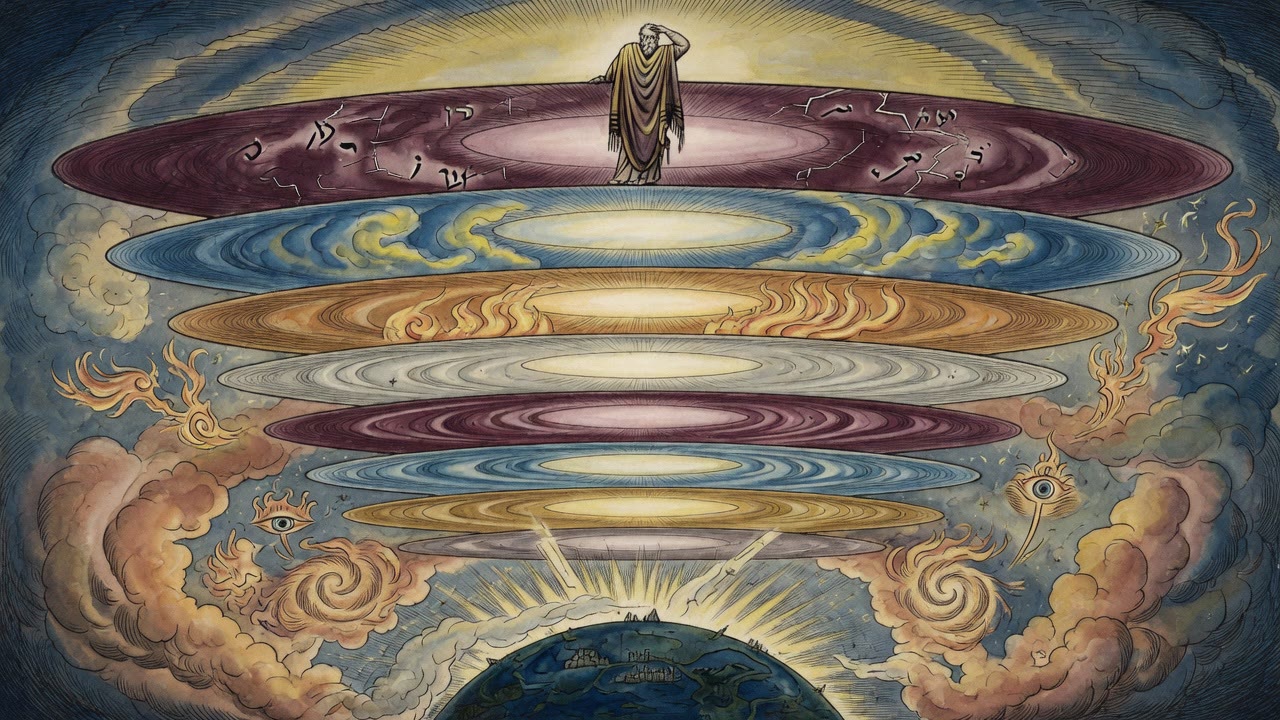
Abraham could not see. The angel held him upright. Then a voice from the fire told him to look down through the floors of heaven.
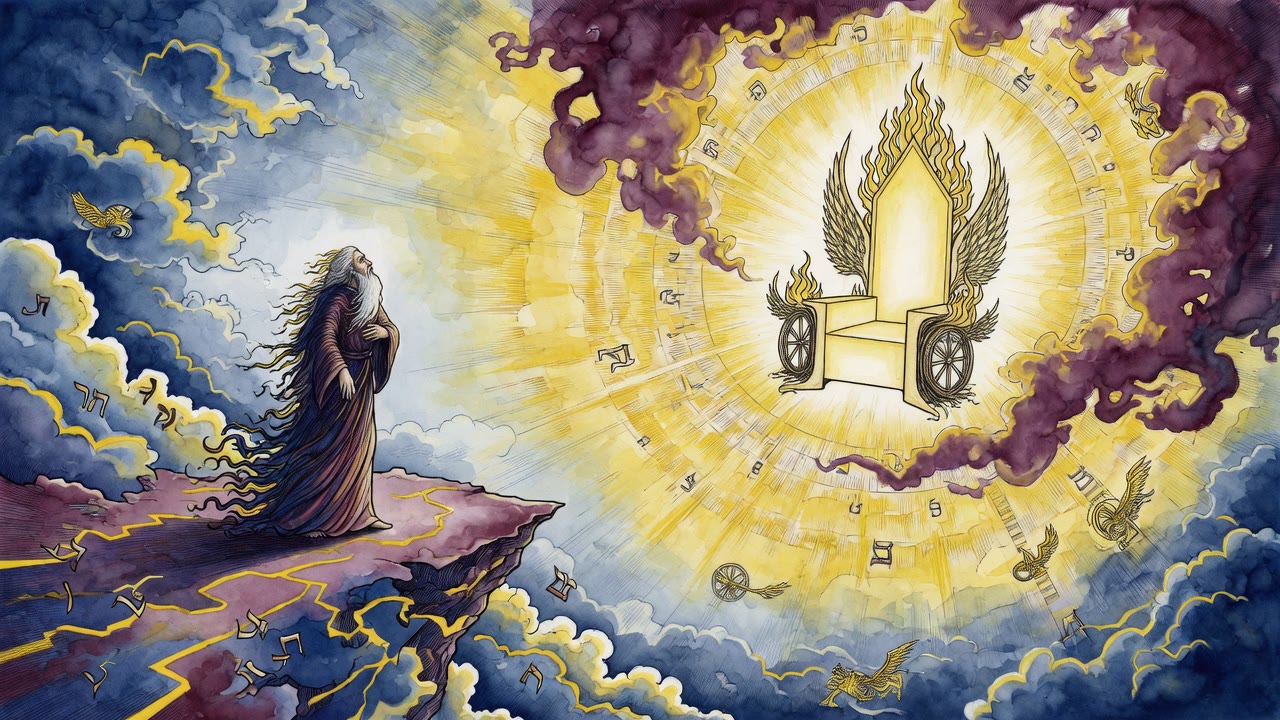
Enoch's angelic guides abandon him at the threshold of the tenth heaven. He falls to the ground in terror. Then God calls him to come closer.
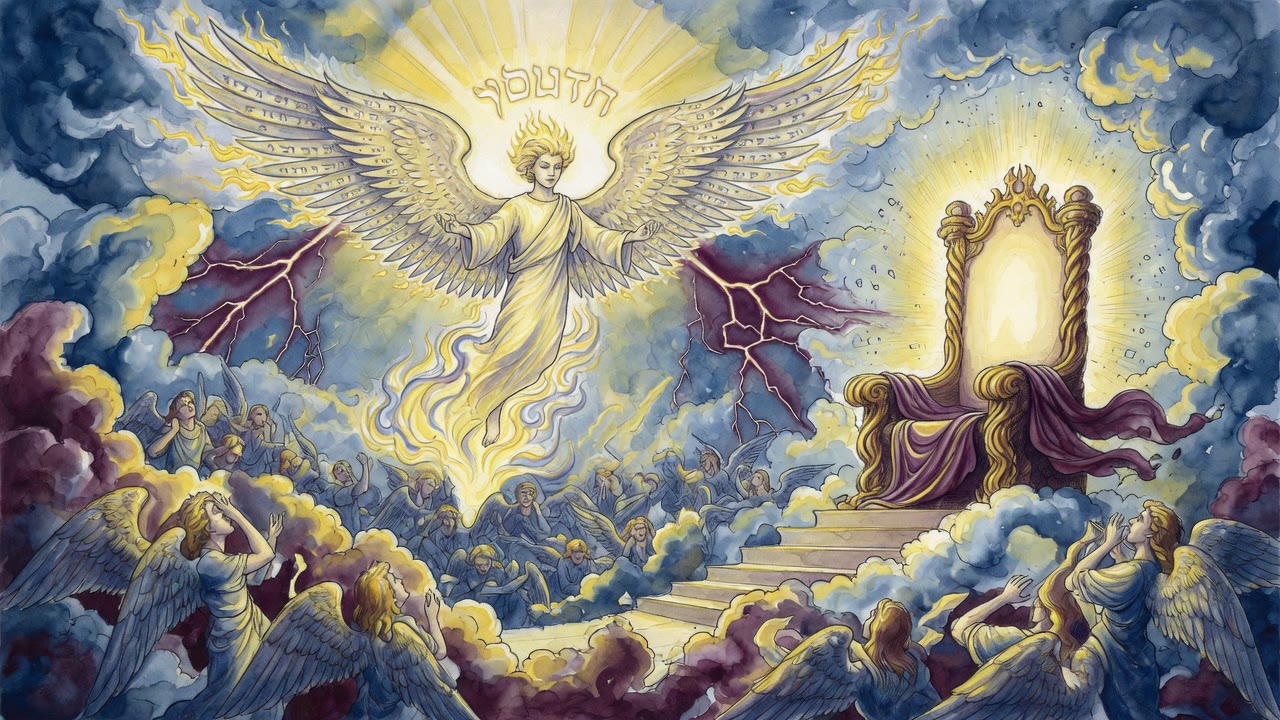
Rabbi Yishmael had climbed past ordinary speech. The angel nearest the throne still answered to Youth. The small name was the one that would not come off.
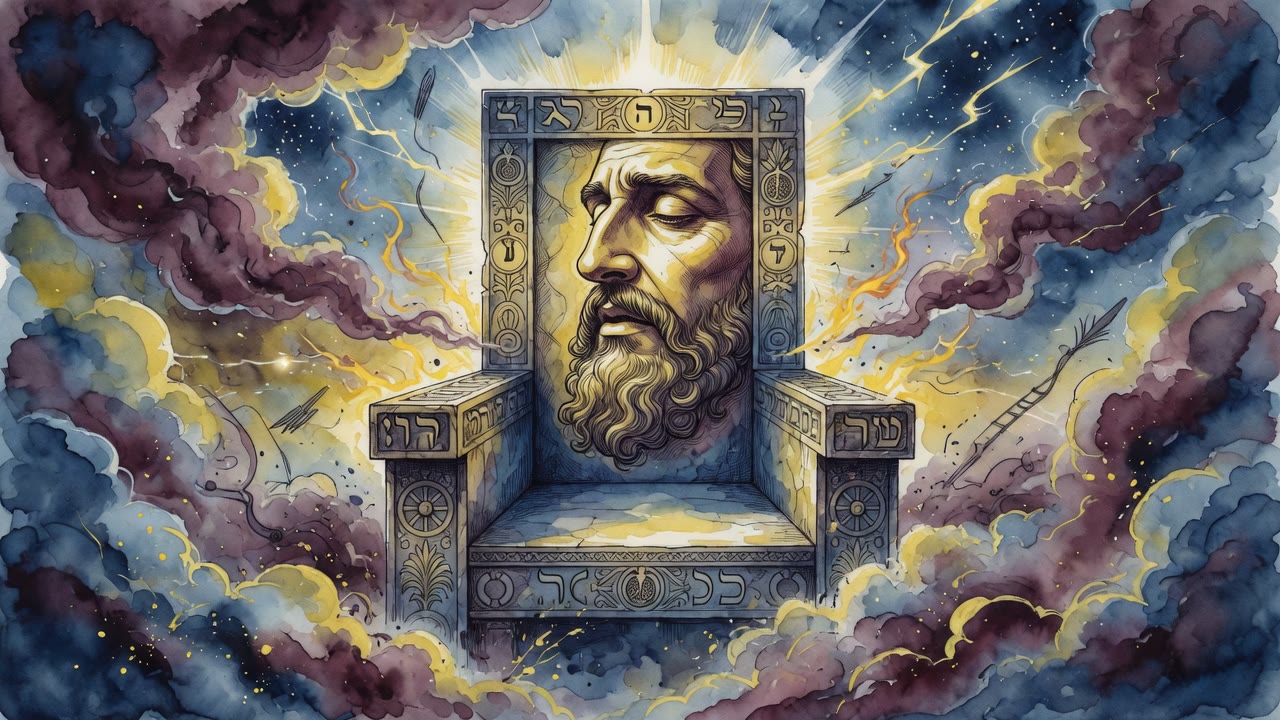
He was a fugitive sleeping on a stone. Overhead, the angels were already praising God by his name, and what he saw woke him in fear.
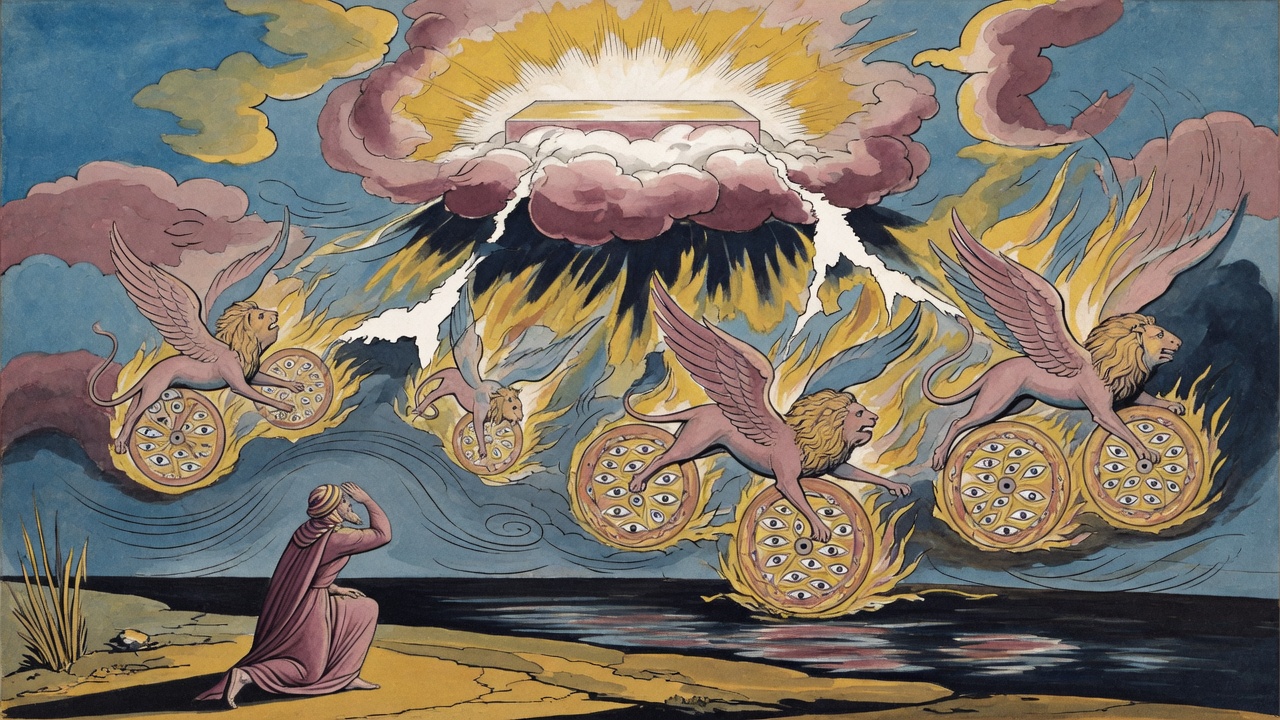
In Babylonian exile, Ezekiel watches the sky tear open. Fire, wheels full of eyes, and four impossible creatures arrive bearing the throne of God.
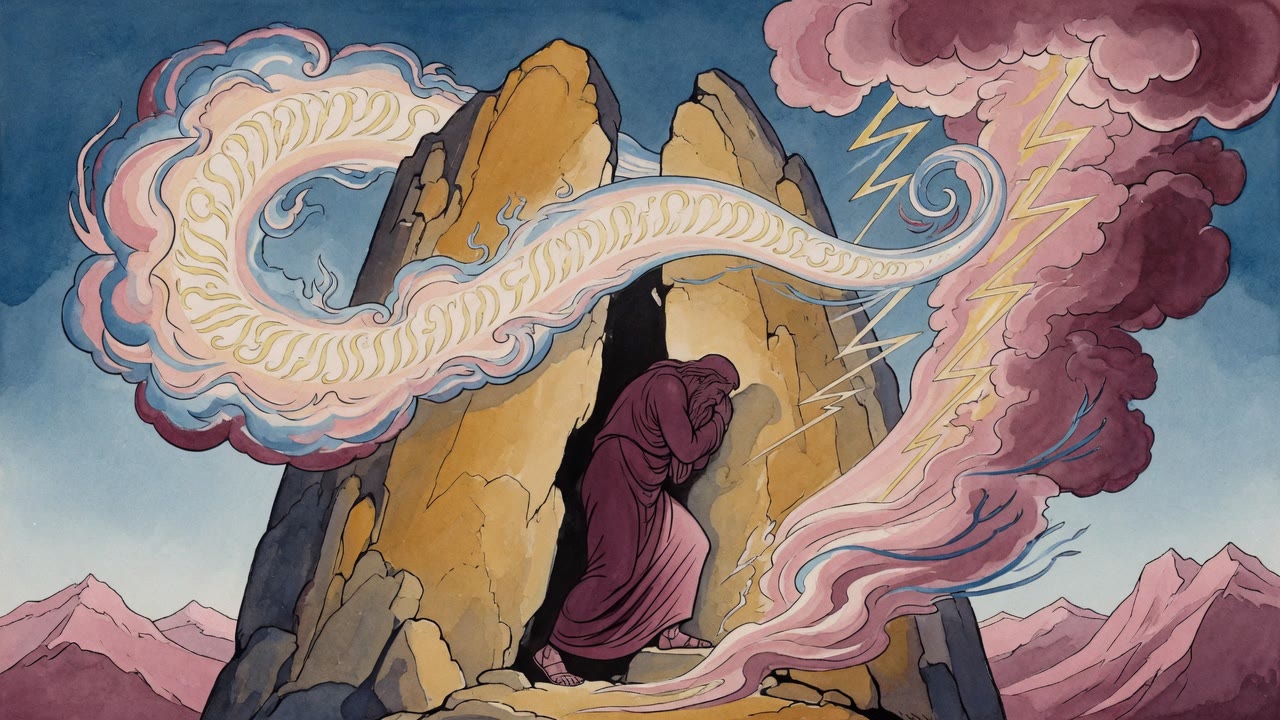
Thirty thousand angels escorted Moses upward, and he was terrified. Qemuel met him at the first gate and told him he came from a place of defilement.
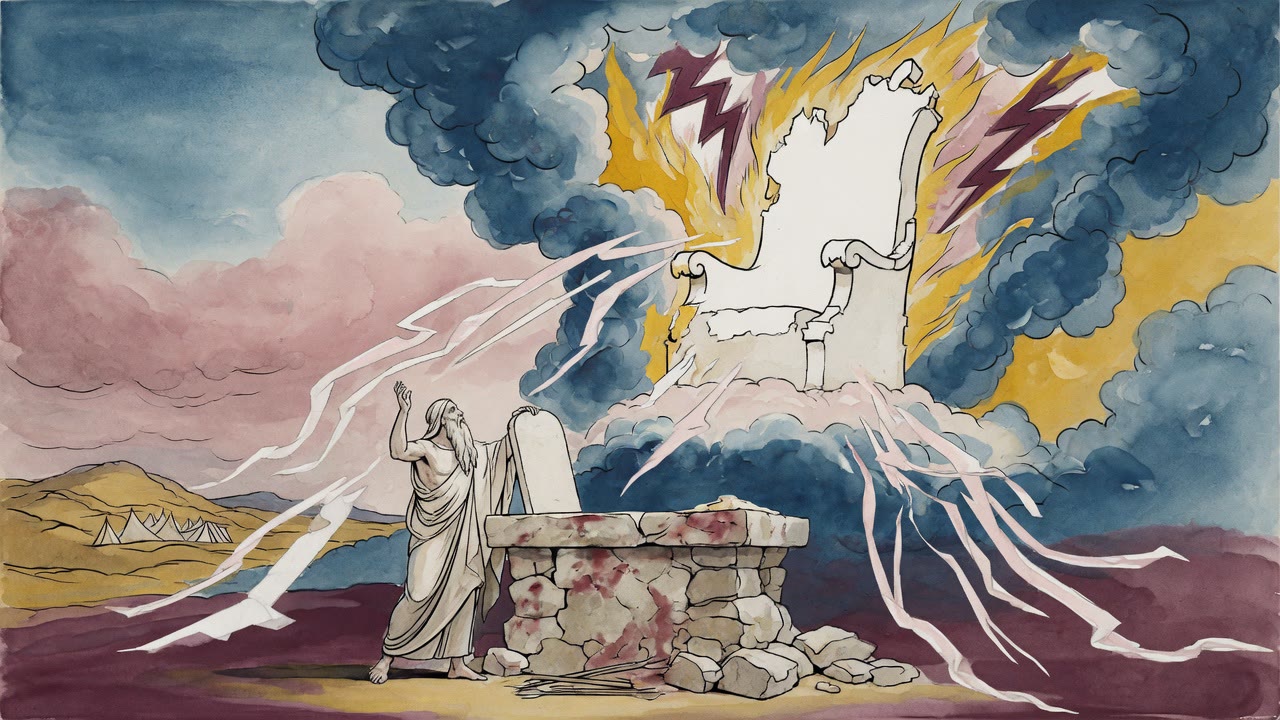
After Rephidim, Moses names shared trouble at the altar while God swears the divine name and throne stay incomplete until Amalek is erased.
