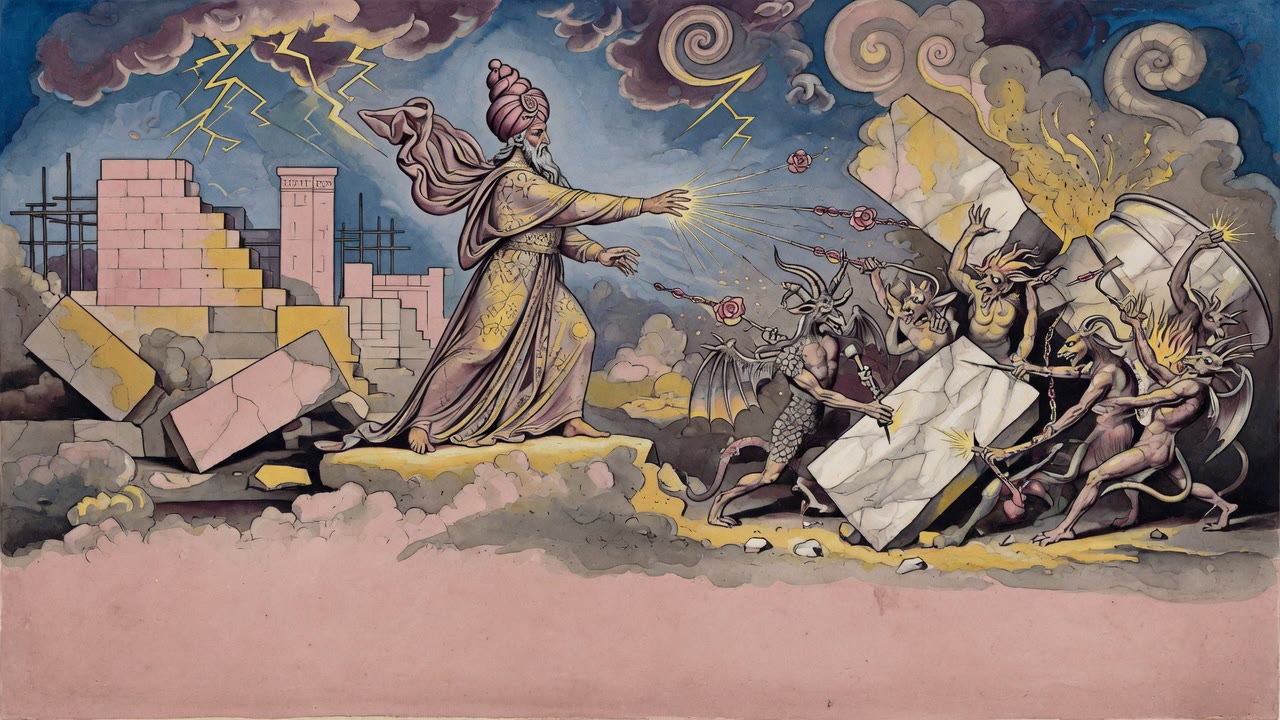
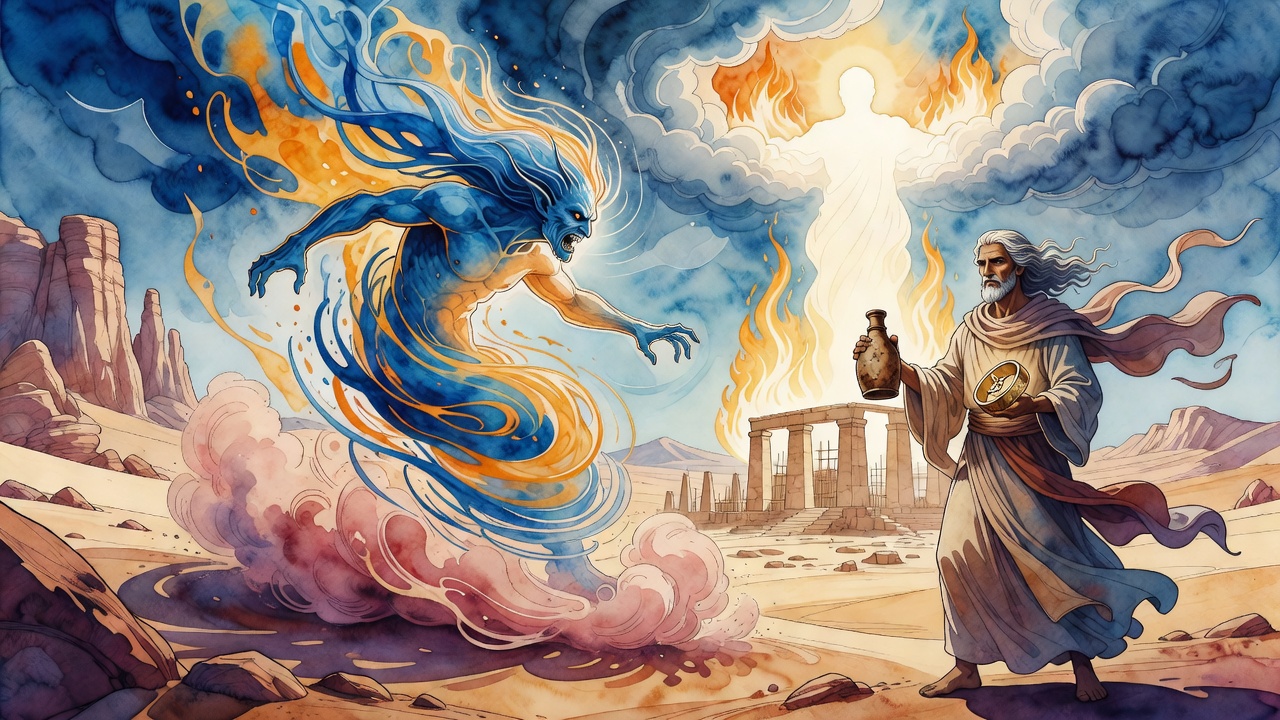
How Solomon Found the Shamir Through Asmodeus's Secret
Solomon needed a worm that could split rock without a blade. The king of demons kept the secret under a sealed well on a far mountain.
Table of Contents
Solomon put the iron down.
 Click for full size
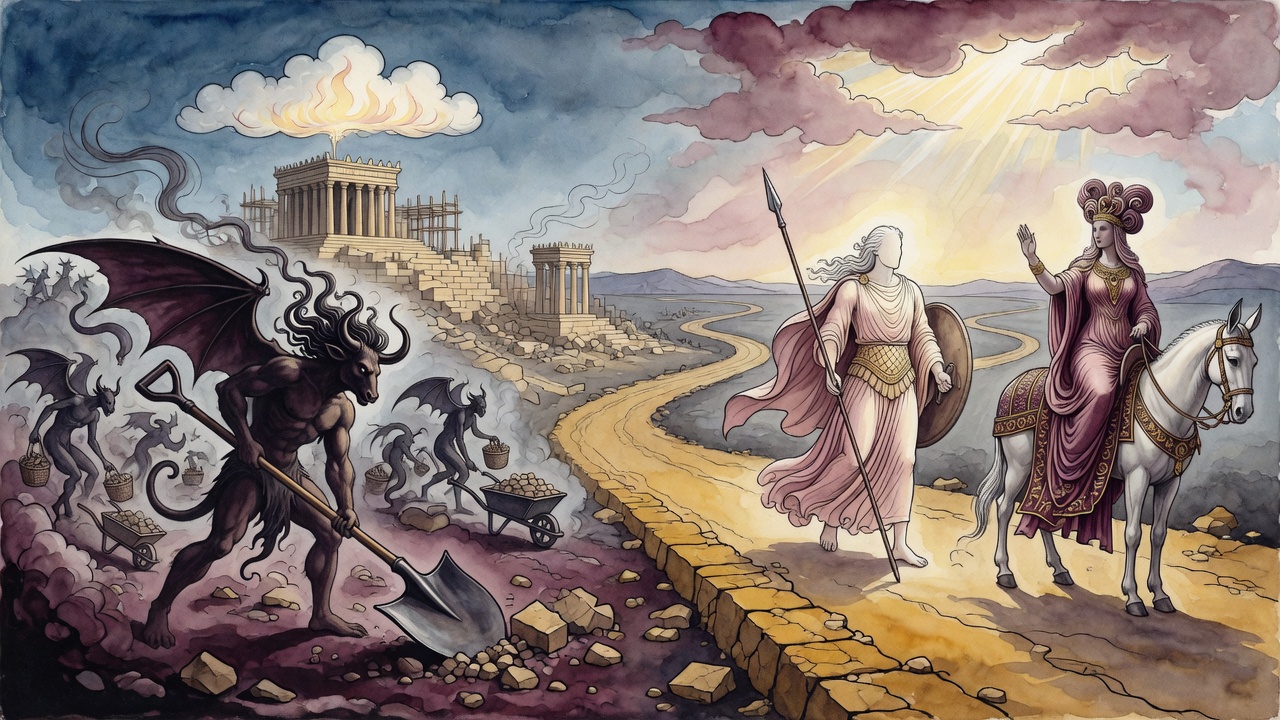
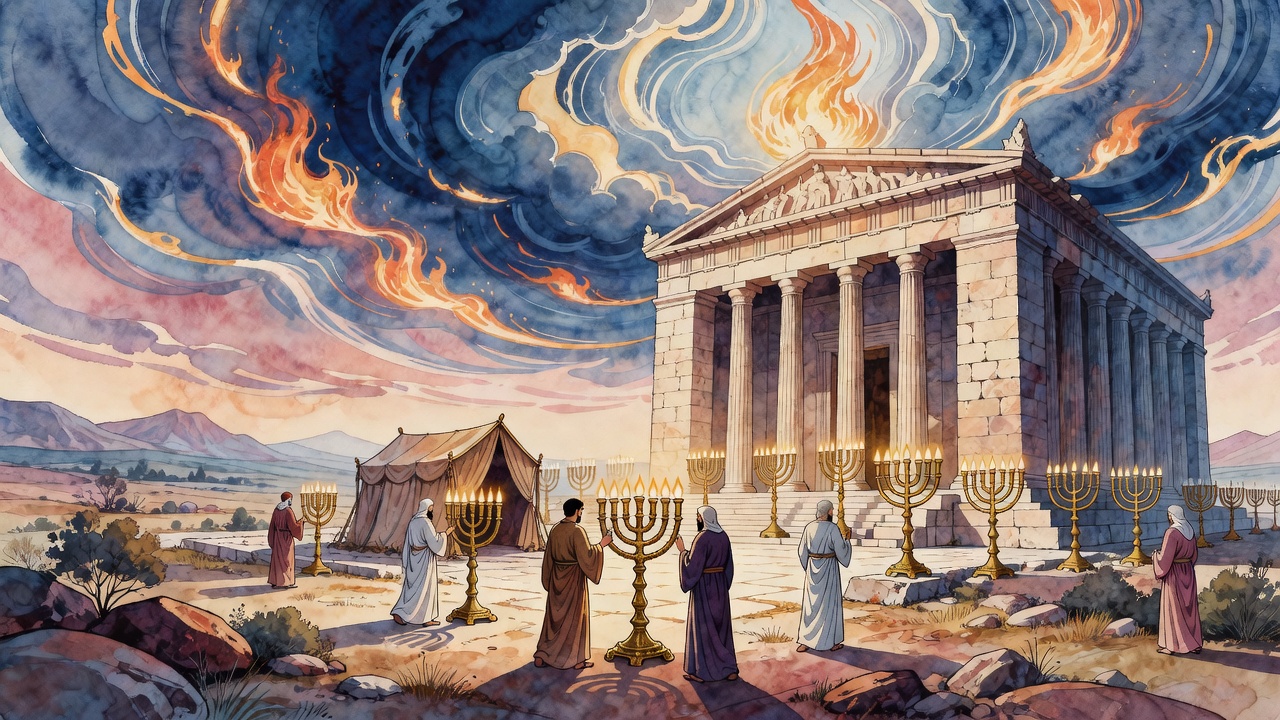
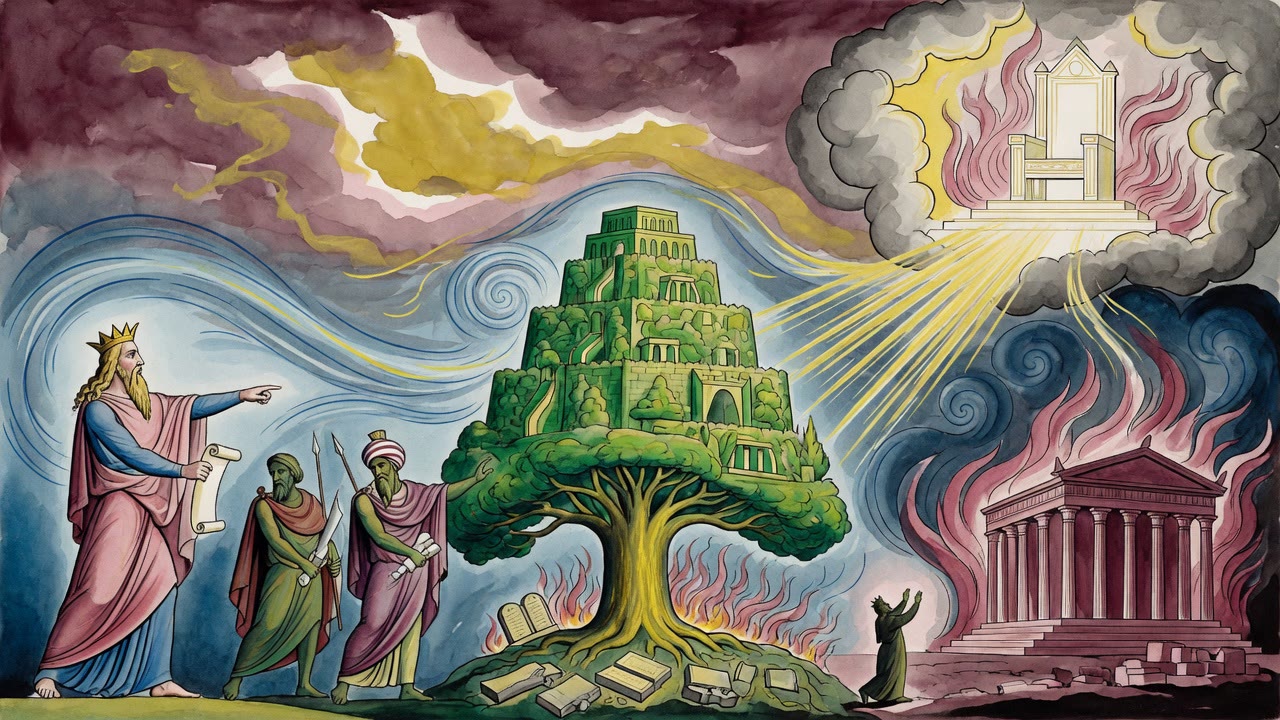
He was building the Temple, and the stones had to come to their places without a blade-mark on them. The Torah had said it already. Iron belongs to swords and spearheads, to warfare and death (Exodus 20:22). An altar built for the divine presence could not be shaped by a tool made to end a life (Deuteronomy 27:5).
He had thousands of stones to dress. He had the wisdom that sent Pharaoh's doomed craftsmen home in their own shrouds. He still could not cut the rock.
The Demons Did Not Know
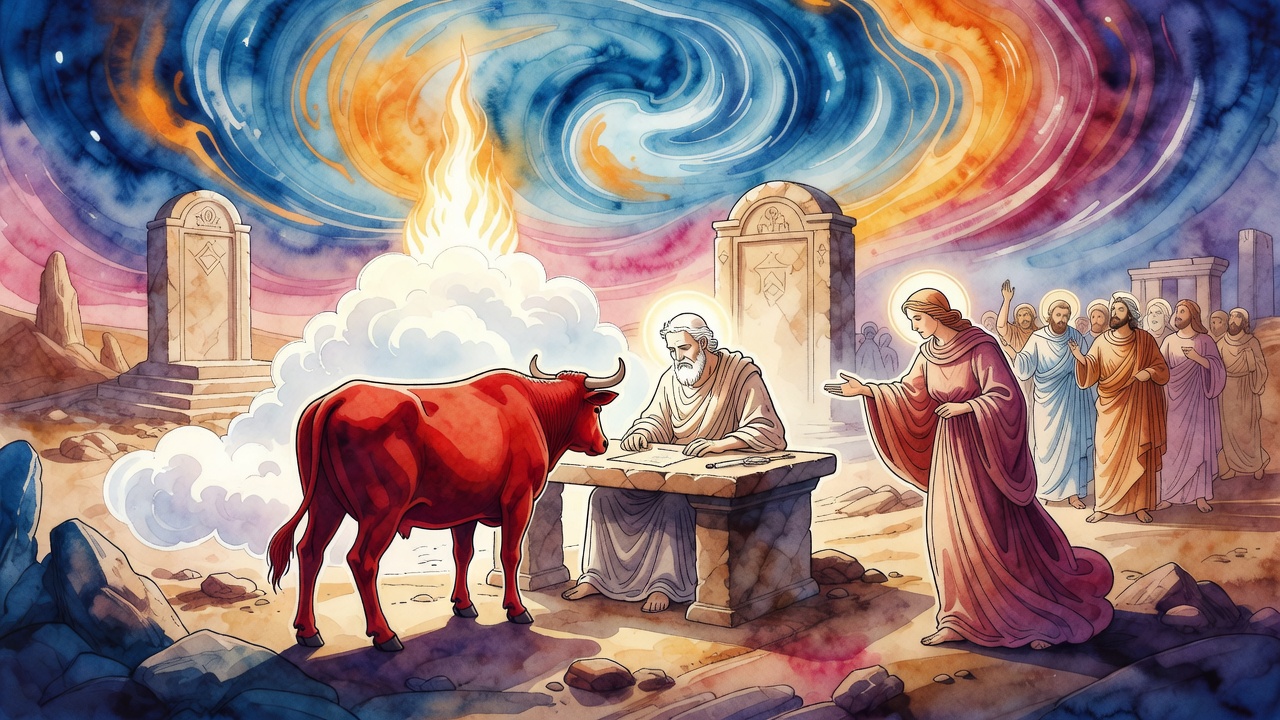
He asked his advisors. They reminded him that Moses had used the shamir (שמיר) to engrave the names of the twelve tribes on the stones of the ephod. Not a chisel. A creature. A small worm, or a stone that behaved like one. The old reports never quite settled which. It split the hardest stuff by touching it, and left no wound of metal behind.
Moses had used it. It existed. Solomon needed to find it.
He turned to the spirits he commanded. If anyone knew the hiding place, it would be beings that moved through hidden rooms. The demons were stumped. They knew the shamir was real. They did not know where it was kept. They sent him to Asmodeus, king of the demons, who lived far from human houses and knew more than any spirit Solomon had yet asked.
The Well on the Mountain
Asmodeus lived by a well on a distant mountain. Each morning he sealed it with a great rock and went up to the heavenly academy. Each afternoon he came down invisible to sit in earthly houses of learning. Then he put his fingers on the seal. If it was whole, he drank.
Solomon's servant Benaiah went with the ring that bore the divine name, and with a plan. He dug channels at night while the mountain was quiet. He drained the well. He filled it with wine. He covered the mouth with a pierced lid so the wine could sink and the surface would still look like water. Then he hid in the rocks and waited through the heat.
Wine Instead of Water
Asmodeus arrived. He put his fingers on the seal. Unbroken. He bent his head and drank.
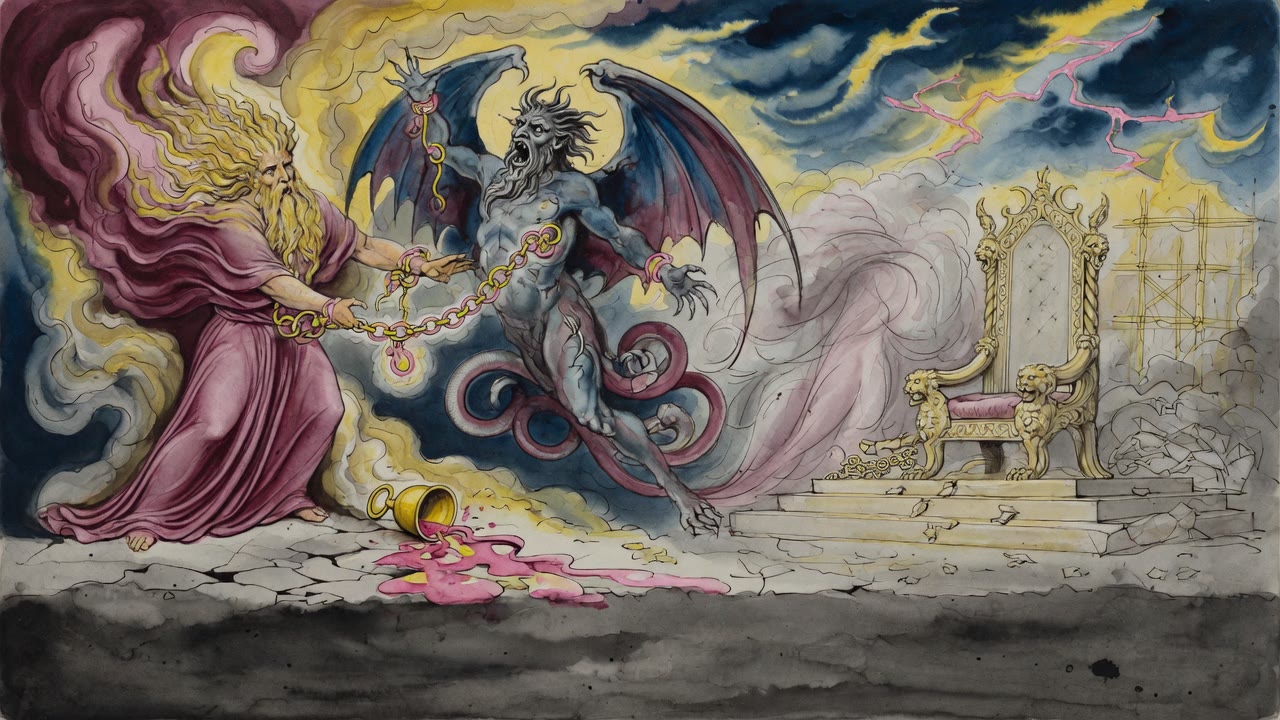
Wine, not water. He knew at once what had been done, and who had the power to do it. He tried to stay awake. His eyes went. The king of demons slept on the mountainside, and Benaiah bound him with a chain inscribed with the Name before he could wake.
They brought him to Jerusalem in that chain, to the palace of the man who had trapped him without standing at the well himself.
Solomon asked for the shamir. Asmodeus did not give it gladly. The name on the chain compelled him. "The Prince of the Sea was given it," he said. "He entrusted it to the wild rooster, who uses it to crack open barren rock and plant seeds there. Find the nest. Block the way out. The bird will bring the shamir to cut itself free rather than abandon the nest. Then take it."
The Rooster Dropped What It Guarded
Solomon's servants found the nest and sealed it with glass. They waited.
The rooster came home. The way in was closed. It flew off and came back with the shamir and pressed the worm to the glass. Benaiah shouted. The bird startled. The shamir fell. A hand closed on it.
The wild rooster killed itself out of shame at having lost the thing it had been trusted to guard. It kept faith until a trick beat it, and then it could not live with the failure.
Solomon had the shamir. The Temple stones could be dressed without iron. The king whose wisdom had a wall around it, like sand around the sea, had needed a drunk demon and a dead bird to finish the House.
← All myths