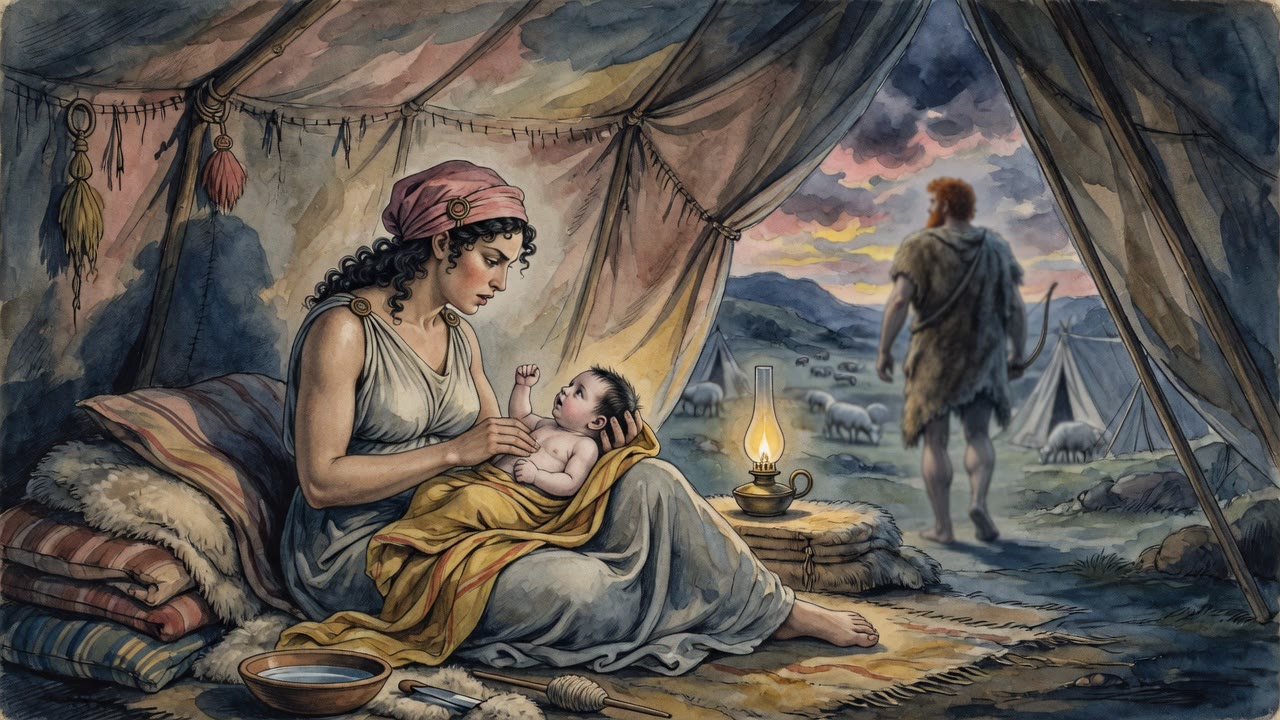
Reuben Was Firstborn, Then Lost It, Then Told Everyone Why
Reuben held the birthright, kingship, and priesthood for one year before a single night took all three. On his deathbed he named exactly what had done it.
Table of Contents
 Click for full size
What He Had Before the Night
For approximately one year after his birth, Reuben held everything. He was the firstborn. The birthright was his, the double portion and the family headship. The kingship was his, the authority that the eldest son of the elected patriarch would carry. The priesthood was his, the service before God that would eventually require a tribe of its own to maintain it. Three inheritances, three offices, the whole vertical structure of Israel's future leadership concentrated in the first child born to Jacob and Leah.
Then one night took all three.
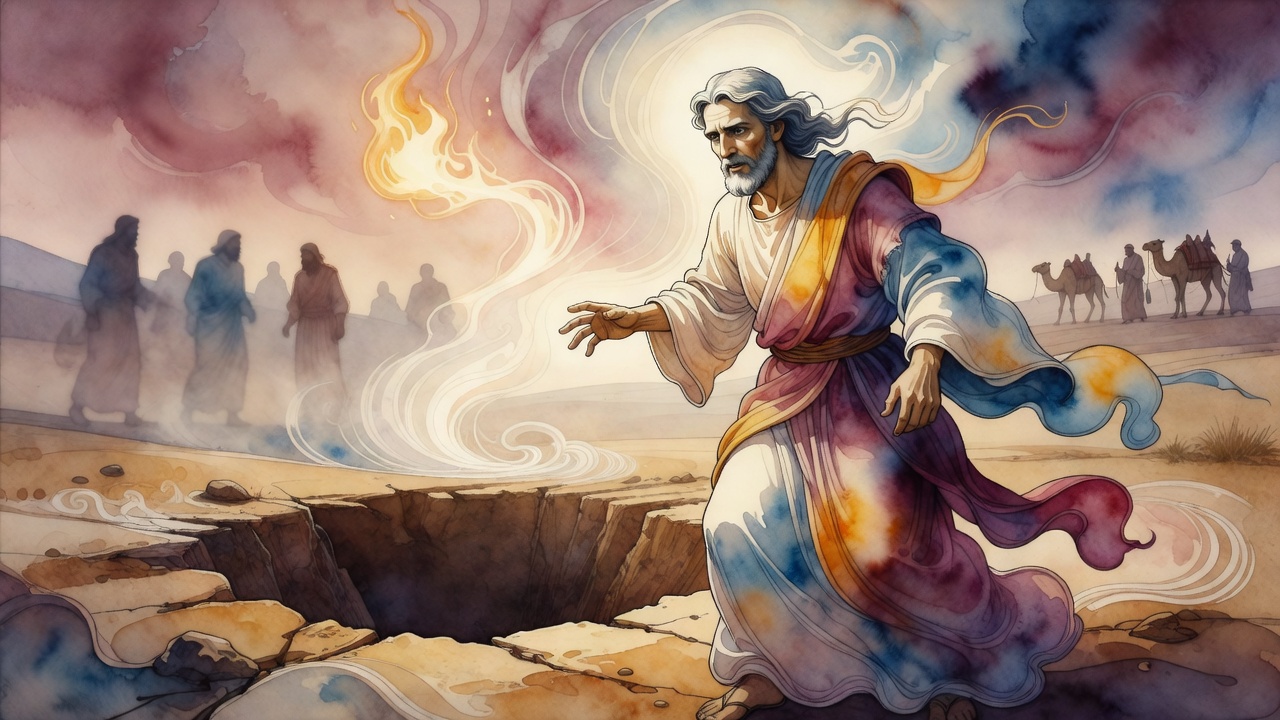
What he did is recorded in a single clause in Genesis. He went to Bilhah, his father's concubine, and lay with her. Jacob heard about it. For years Jacob said nothing. Then, dying in Egypt, surrounded by all twelve sons, Jacob spoke: unstable as water, you shall not excel. The three inheritances went elsewhere. The birthright to Joseph. The kingship to Judah. The priesthood to Levi. Reuben lived to old age with the title of firstborn attached to a set of functions he would never perform.
What He Said When He Was Dying
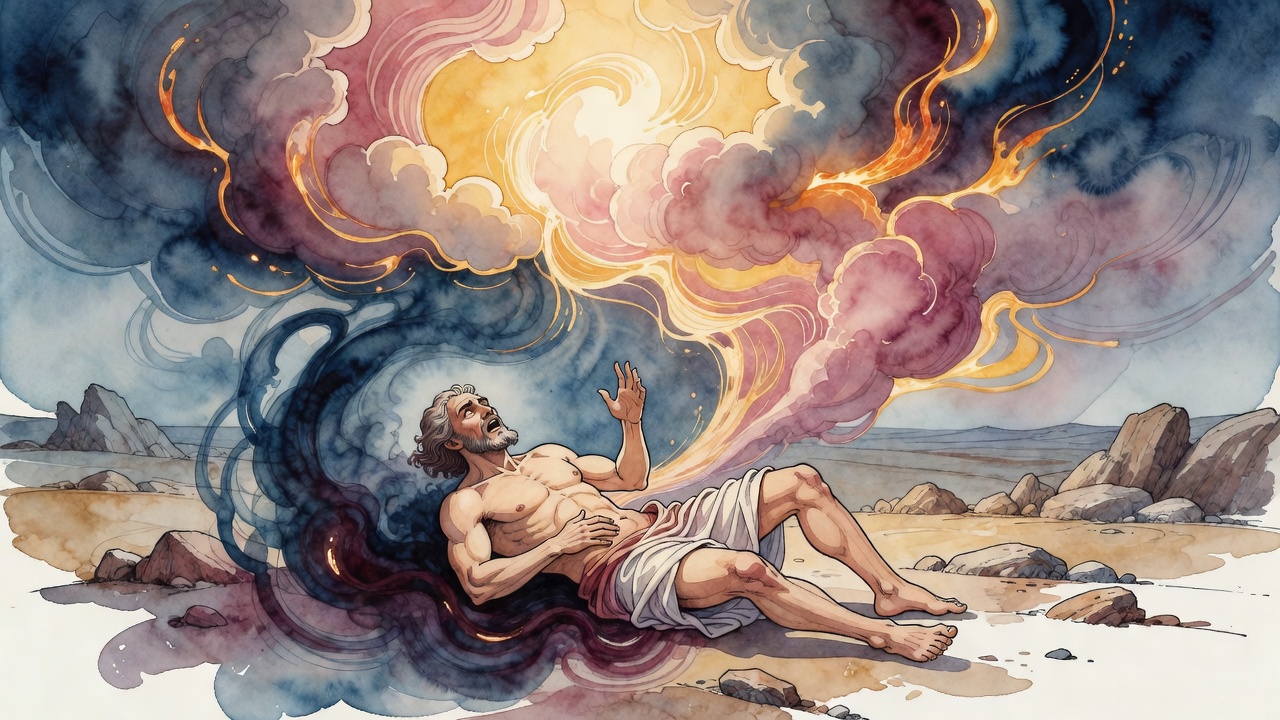
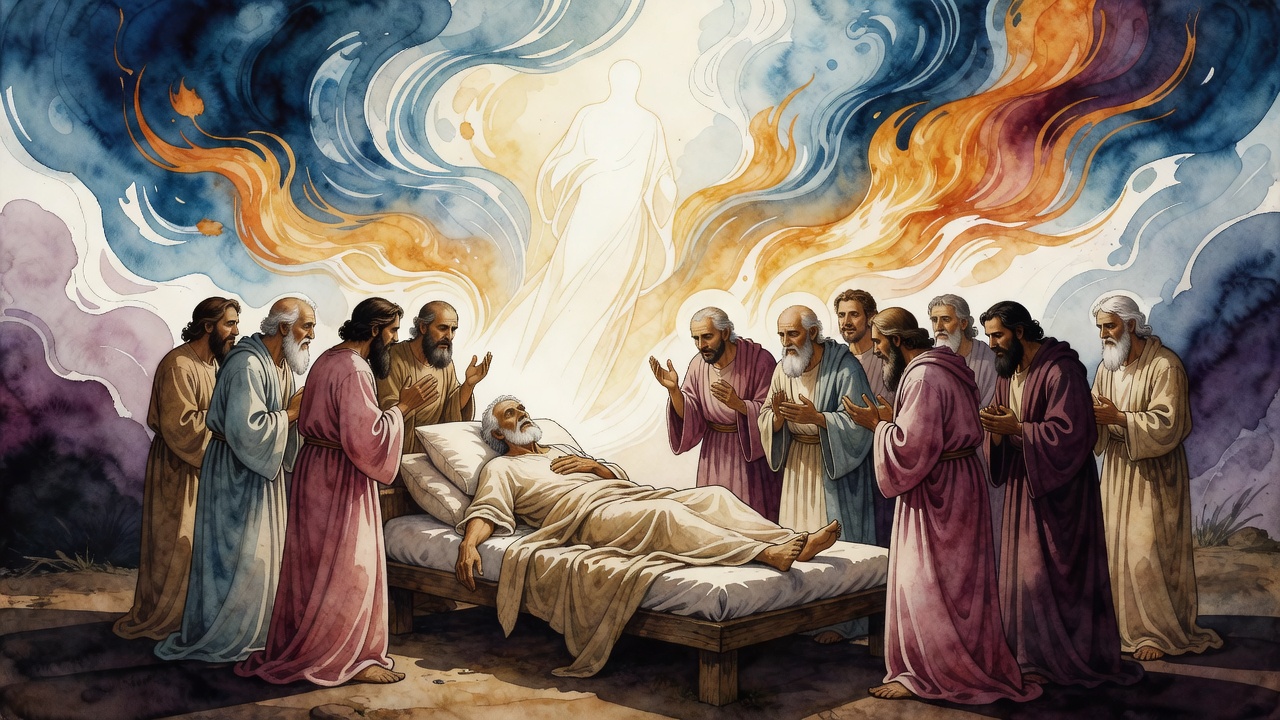
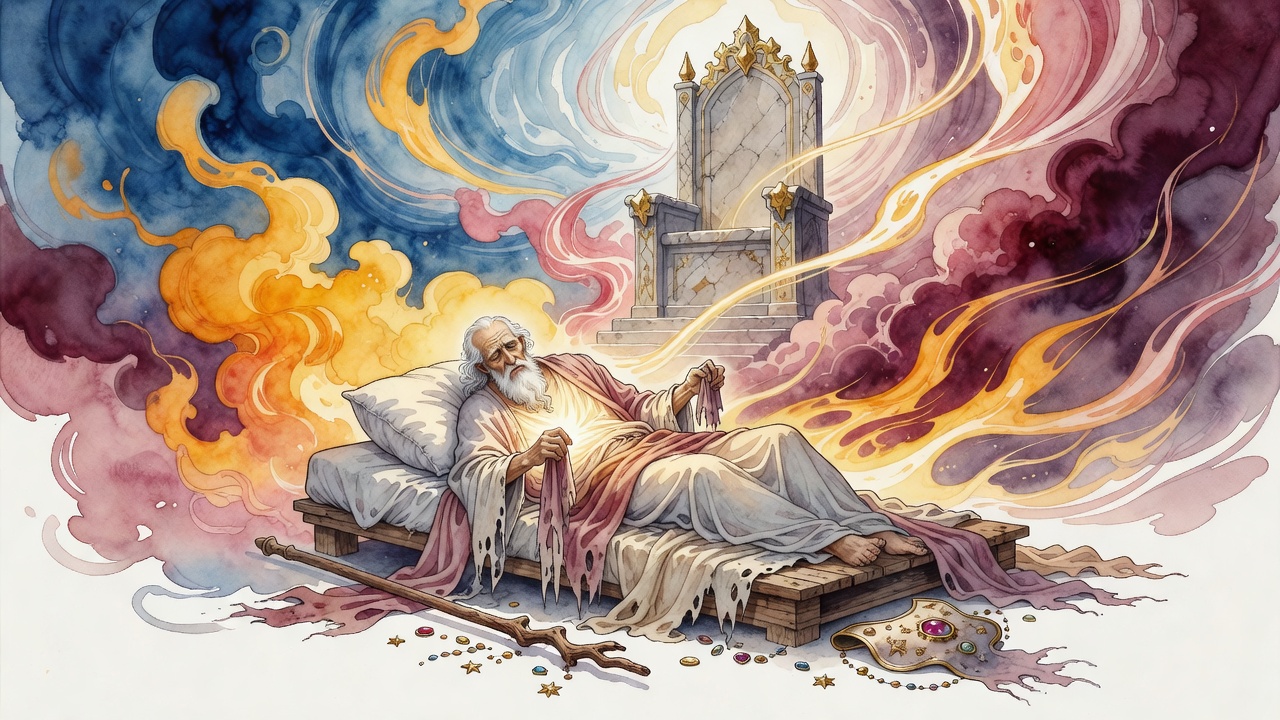
Two years after Joseph's death, Reuben lay dying in the hundred and twenty-fifth year of his life. His sons and grandsons gathered at his bedside, along with his brothers Judah, Gad, and Asher. He raised himself up, kissed each of them, and said: raise me up, that I may tell you what I have hidden in my heart.
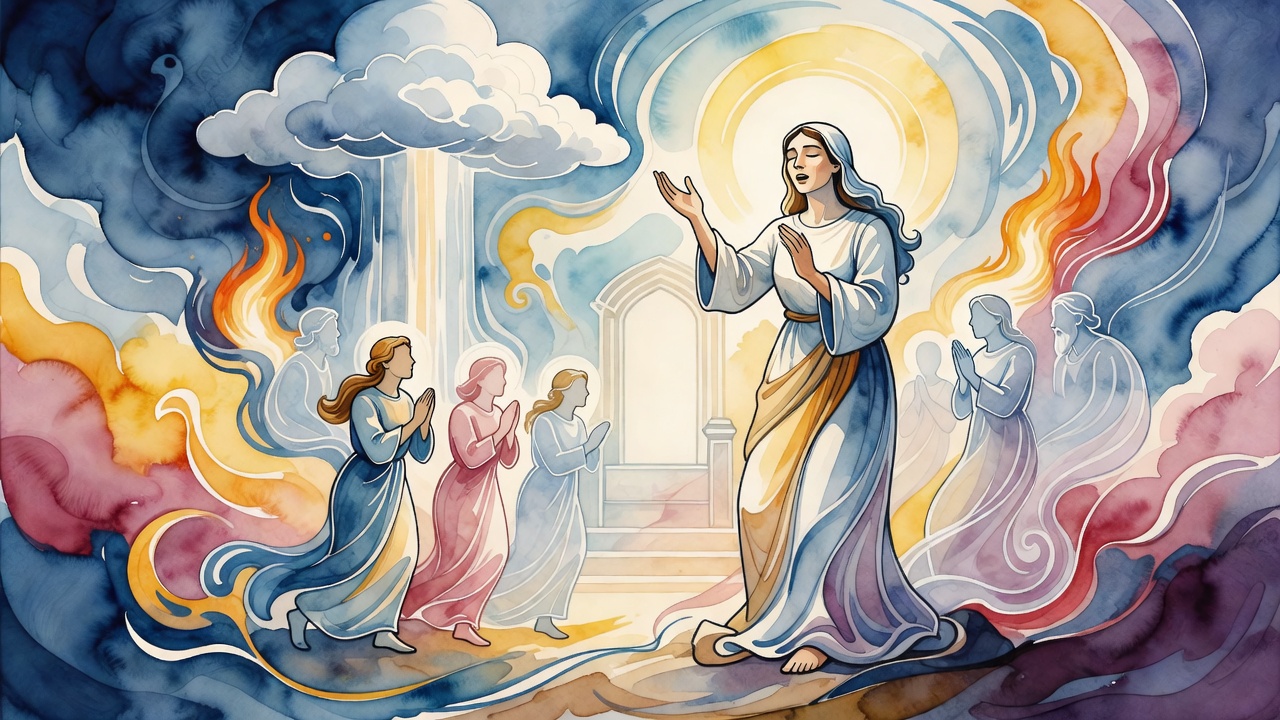
What he had hidden was not shame alone. It was a complete theory of how he had arrived at the act that destroyed his inheritance, worked out over a century of living with the consequences. The Testament of Reuben, preserved in the Testaments of the Twelve Patriarchs, is one of the most systematic confessions in ancient Jewish literature. He does not call what he did a momentary weakness. He names seven spirits that he believes corrupted him: fornication, insatiability, strife, flattery, arrogance, lying, and injustice. He says these seven spirits operate in the members of the body, that they were given room to work in him because he had not guarded his eyes and had not controlled his thoughts when a beautiful woman was near.
The Night He Could Not Undo
The Book of Jubilees gives the Bilhah episode its full weight. Bilhah was not simply a concubine. She was the mother of two of his brothers, Dan and Naphtali, and she had been Jacob's wife in the full sense the household recognized. After Reuben's act, Jacob never again went to her tent. Bilhah lived out her years in the household but outside Jacob's reach, and the brothers who had been born to her knew what their brother had done to their mother's standing.
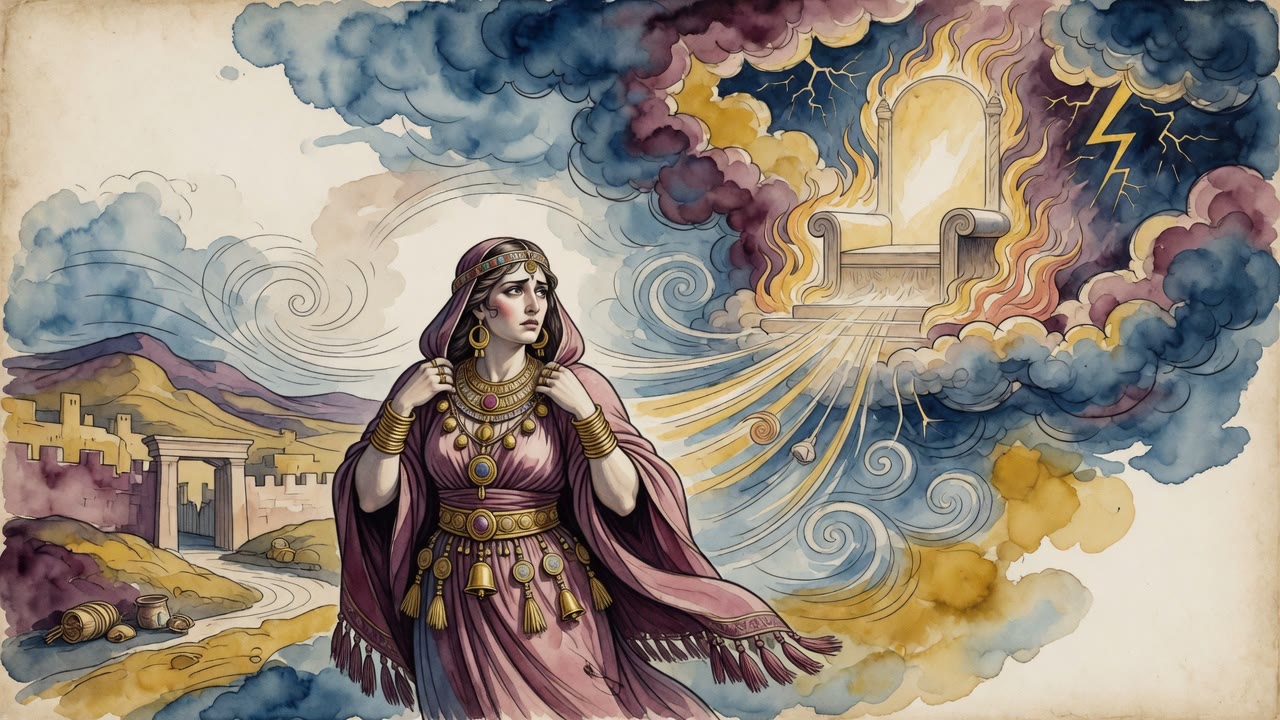
Reuben describes, in the testament, seeing a vision of a woman coming to him and speaking with him. He calls this the work of the spirit of fornication, which had used a visual encounter as its opening. The spirit deceived him into thinking the act would be private, that it would not travel, that it would not define him. He was wrong on all three counts.
The Book of Jubilees adds the punishment that the law demands: for what he had done in his father's household, the penalty was death. That the penalty was not carried out was itself a kind of sentence. He lived. He attended the gathering at Mamre where Isaac blessed the twelve. He stood with his brothers through the Joseph crisis, where he had tried unsuccessfully to save Joseph from the pit, suggesting they throw him in rather than kill him so he could come back and retrieve him. He could not retrieve Joseph. He had that failure on record too.
The Seven Spirits and What They Do
Reuben's taxonomy of the seven corruptive spirits is the centerpiece of his deathbed teaching. He is not simply warning his sons against women. He is describing a causal chain: the spirit of fornication acts through sight, through the accumulation of images that the eye takes in without proper discipline. Once the spirit has entered through that opening, it calls the others. Insatiability follows fornication, because what has been given once is never enough. Strife follows insatiability, because the person who cannot get enough will eventually fight. Flattery follows strife, because the person who needs to manage conflict will begin to say what others want to hear. And so on through arrogance, lying, and injustice.
This is not moralizing. This is a man who had watched the chain work in himself from the inside and was describing its mechanism precisely so his descendants would recognize the stages before they reached the final one. The Legends of the Jews records this teaching as the beginning of Reuben's public confession, the lifting of what he had carried privately for a century.
← All myths