Rachel Chose Her Husband's Dignity Over Her Own
Rachel knew Laban planned to switch her for Leah. She had arranged secret signs with Jacob. On the wedding night, she gave those signs to her sister instead.
Table of Contents
 Click for full size
The Secret Signs
Rachel knew her father was going to do it. She had known for days, maybe longer. Laban had been calculating since Jacob arrived: seven years of labor was too good a deal to honor completely. He would give the older daughter first, the one who could not find a husband on her own, the one whose prospects depended on exactly this kind of arranged transaction. Rachel was the prize he would use to get another seven years.
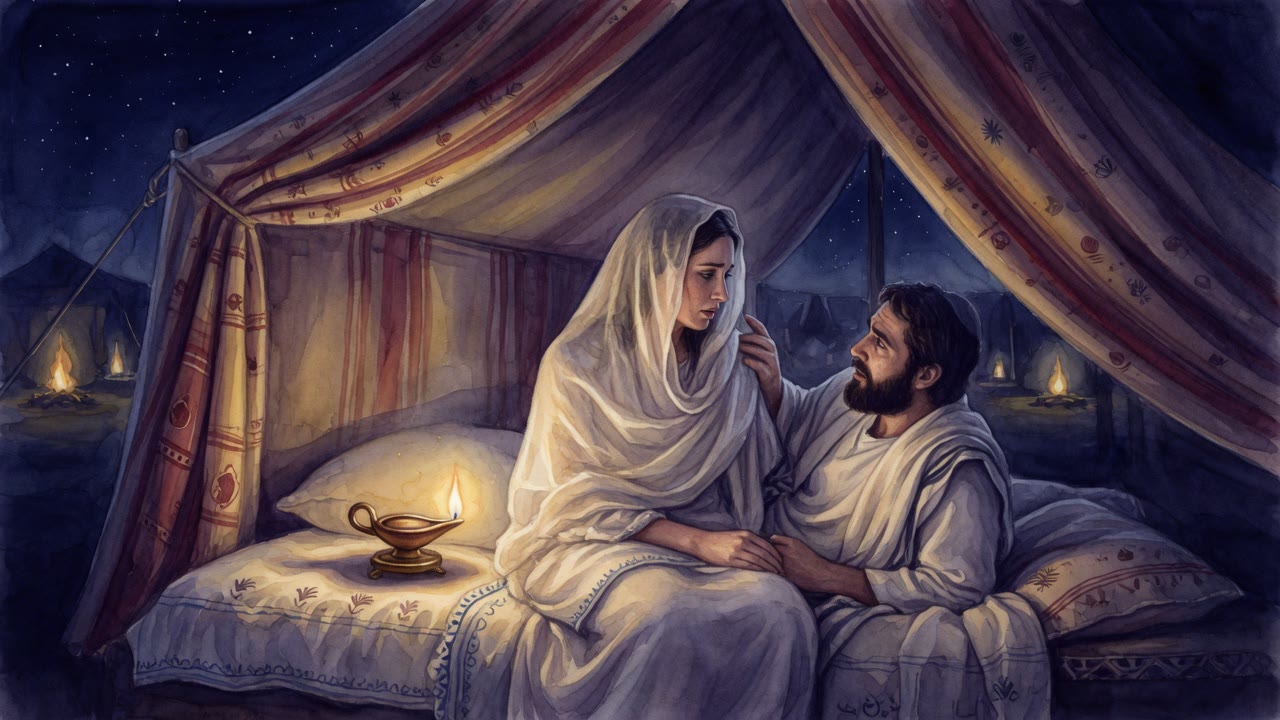
Jacob had thought of this. He and Rachel had arranged private signals between them, identifying marks, whispers they would exchange in the dark of the wedding chamber to confirm who was who. Rachel knew the signals. She had agreed to them. She held them in her mind through the preparations, through the wedding feast, through the long evening in the house of Laban. And then, on the night of the wedding, she told Leah.
The Wedding Night Rachel Gave Away
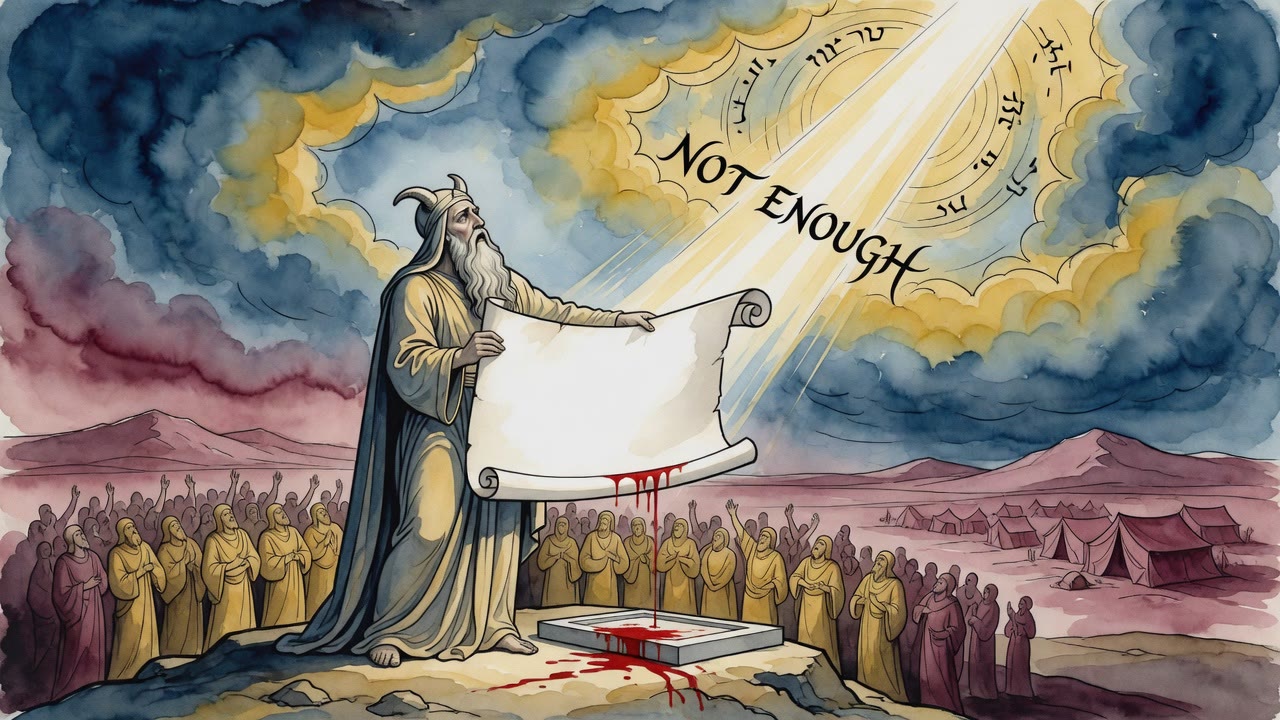
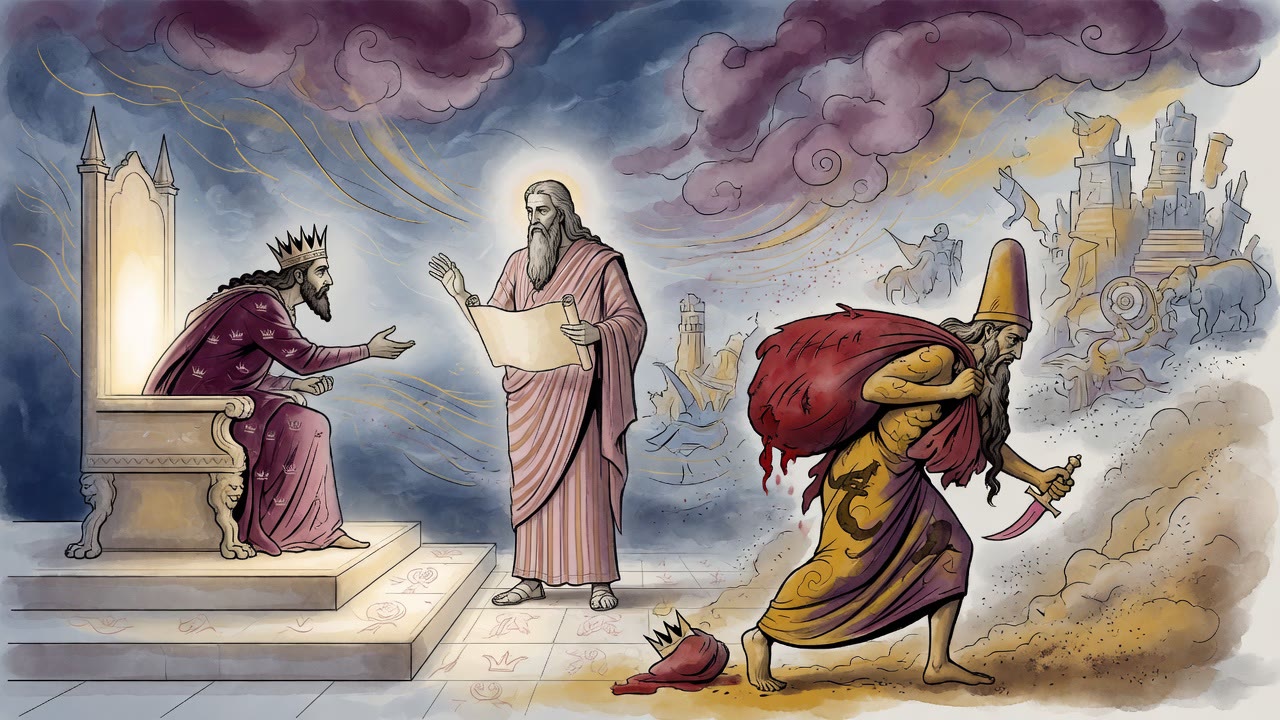
She gave her sister the secret signs so that Jacob would not discover the deception in the middle of the night, cry out, and shame Leah publicly at the moment the veil came off. That was the calculation Rachel made: her sister's dignity in a moment of devastating humiliation was worth more than the wedding Rachel had waited seven years for. Jubilees, composed in second-century BCE Judea, and the Legends of the Jews both preserve this detail, and both treat it as defining. Rachel did not hesitate. She made the sacrifice that only she was in a position to make.
This is the woman the Torah describes with a single repeated word: beloved. Loved. The word appears so many times in connection with Rachel that the tradition eventually asked what generated that specific quality of love. The Midrash's answer is the woman herself: not her beauty only but the specific character that would sacrifice a wedding rather than let a sister be shamed.
Seven Years, Then Seven More
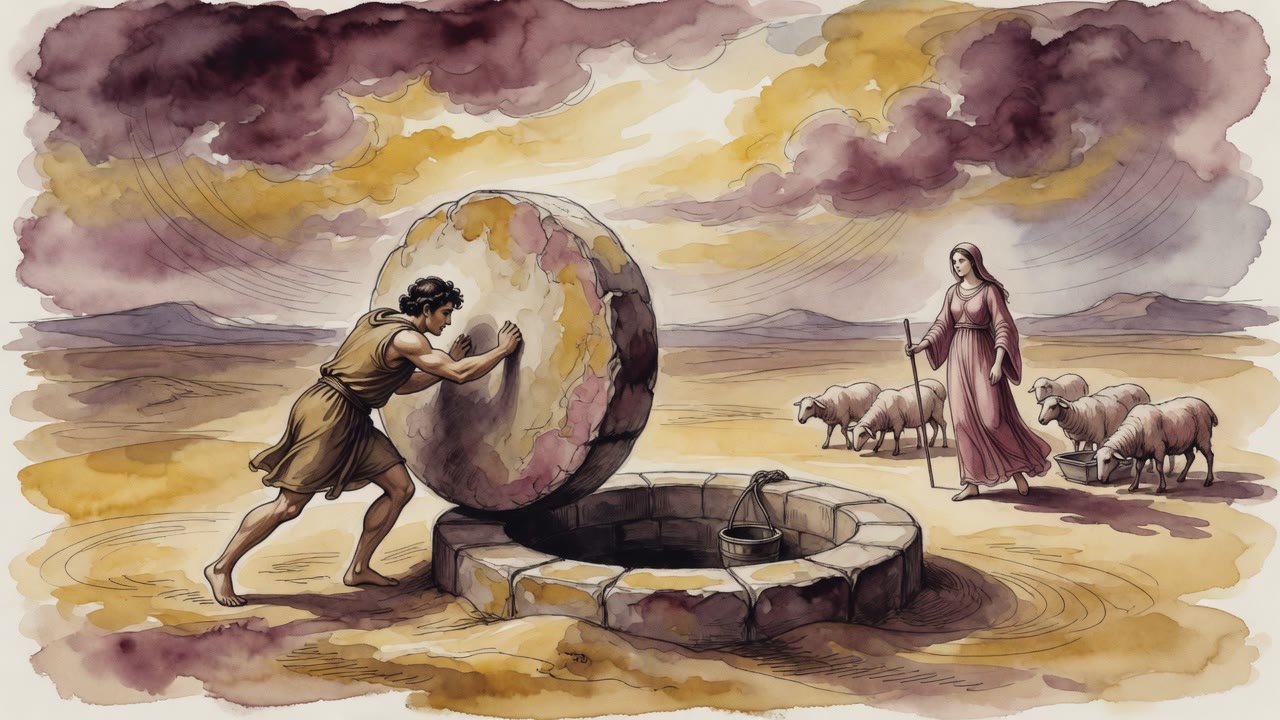
The Legends of the Jews records why Jacob fell in love at the well in Haran. He had heard of Rachel before he arrived. When he saw her, the stone over the well, a stone that normally required many men to move, he rolled it away by himself. The adrenaline of recognition, of arriving at the end of a long journey and finding what you came for, had given him the strength of several men. He kissed her and wept. He explained who he was. She ran to tell her father.
Seven years passed as a few days, the Torah says, because of the love. Then the deception. Then seven more years. Jacob had no legal recourse with Laban, no authority in a household where Laban made the rules. He served out the second seven years. Rachel waited through all of it, and then she was finally his wife in the full sense, and then she was barren, and the barrenness lasted for years while Leah bore sons one after another.
The Idols She Stole
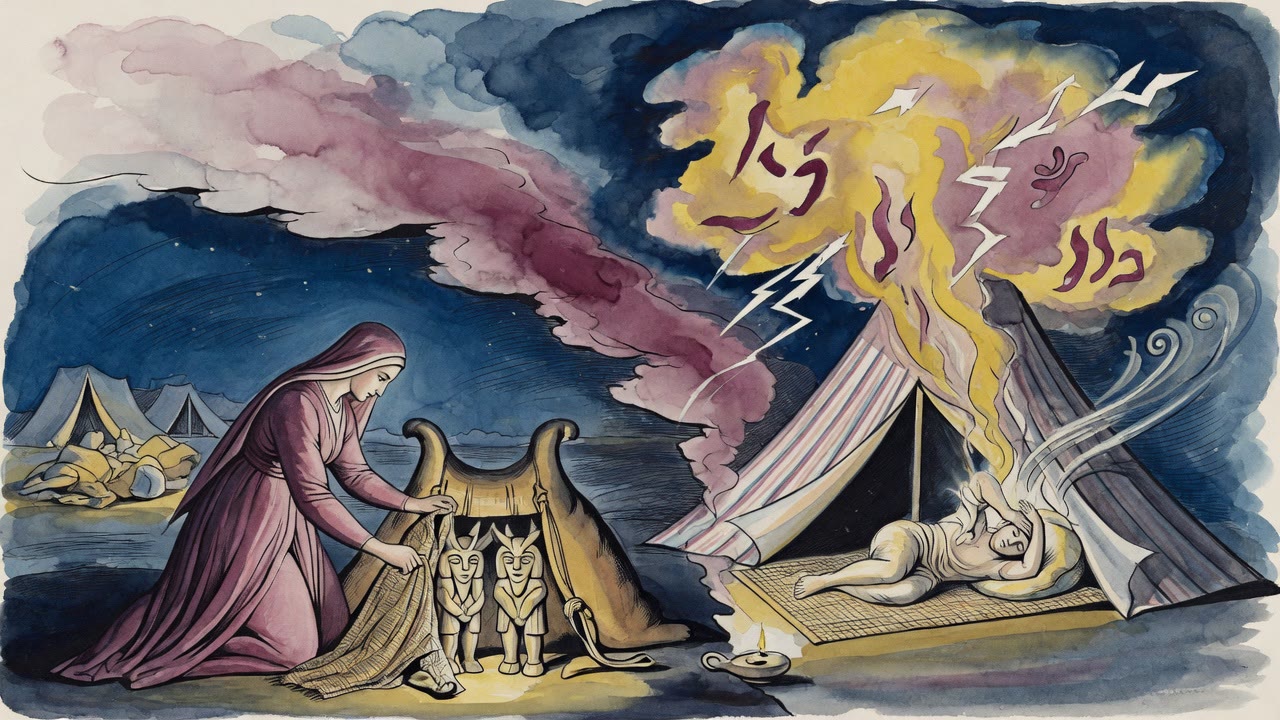
When Jacob finally left Laban with his household and his flocks, Rachel stole her father's household idols. The Midrash does not read this as sentimental attachment to objects from her father's house. It was strategic: Rachel took the idols to wean Laban from idol worship, to remove from his possession the instruments of a practice the tradition found abhorrent. She hid them under her saddle and sat on them, and when Laban searched the tent, she told him she could not rise because she was in the way of women. Laban searched everywhere and found nothing.
This is the same woman who had given away her wedding night to protect her sister. The woman at the well who ran to tell her father. The woman who sat on the hidden idols and outmaneuvered the man who had spent twenty years outmaneuvering everyone. Rachel's righteousness in the tradition is not passive. It operates through quick thinking, through sacrifice performed in silence, through a capacity for action that consistently asks what matters most and then does it.
← All myths