66 myths · Page 2 of 3
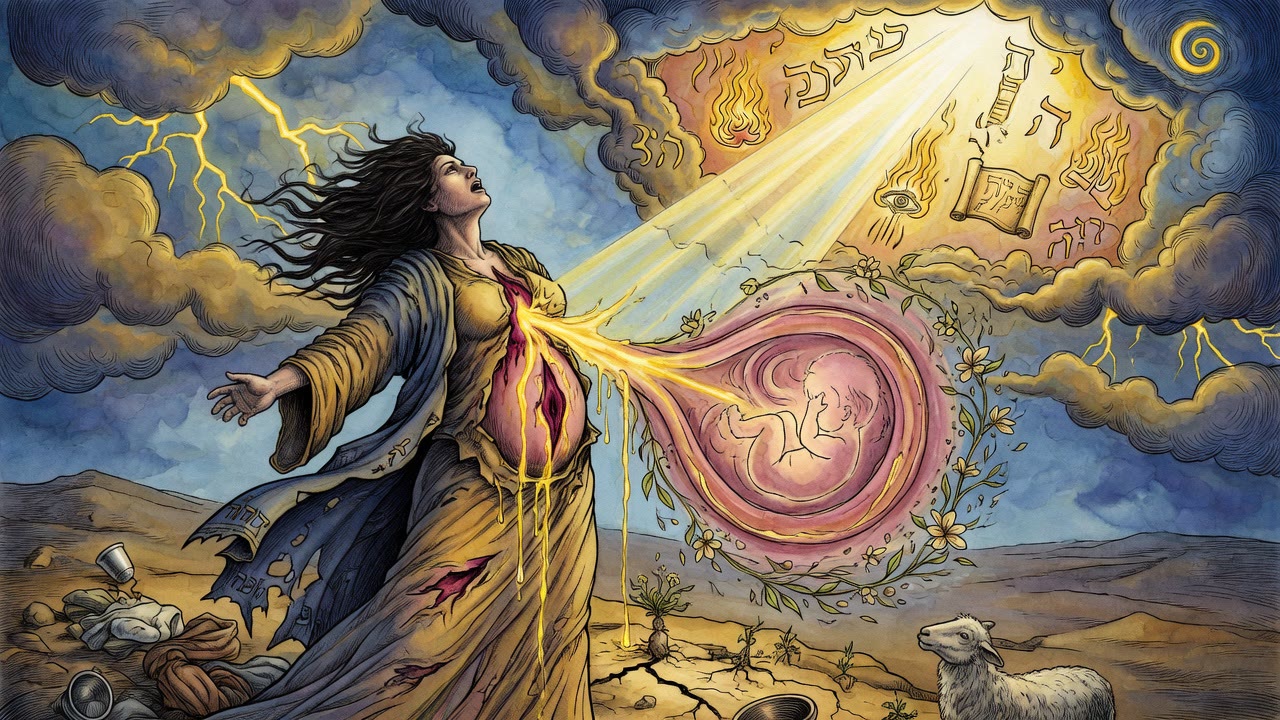
Jacob woke to Leah's face and called her a deceiver. She asked who had worn Esau's name. God looked at the wife the house would not love.
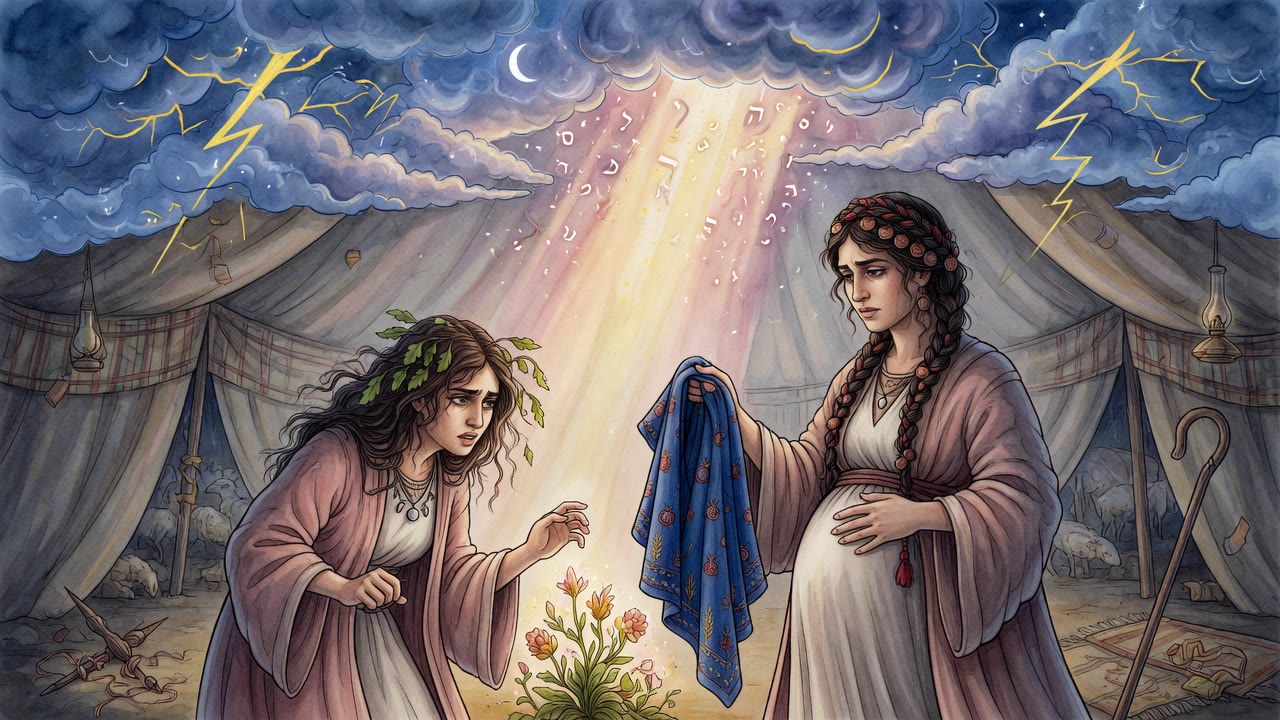
Jacob had given her signs for the dark. She pressed them into Leah's hand so her sister would not be caught. Years later the womb was still closed.
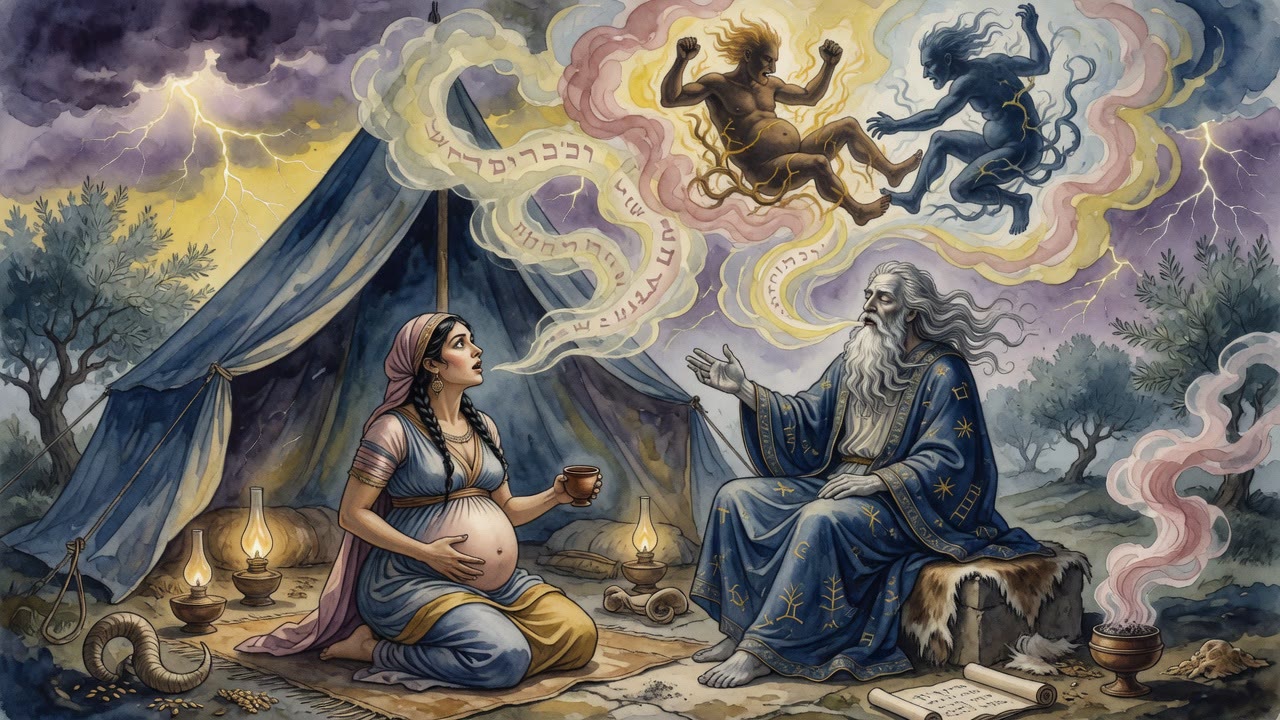
Rebecca sought God while the twins struggled inside her. The midrash says the answer came through Shem, not straight from heaven.
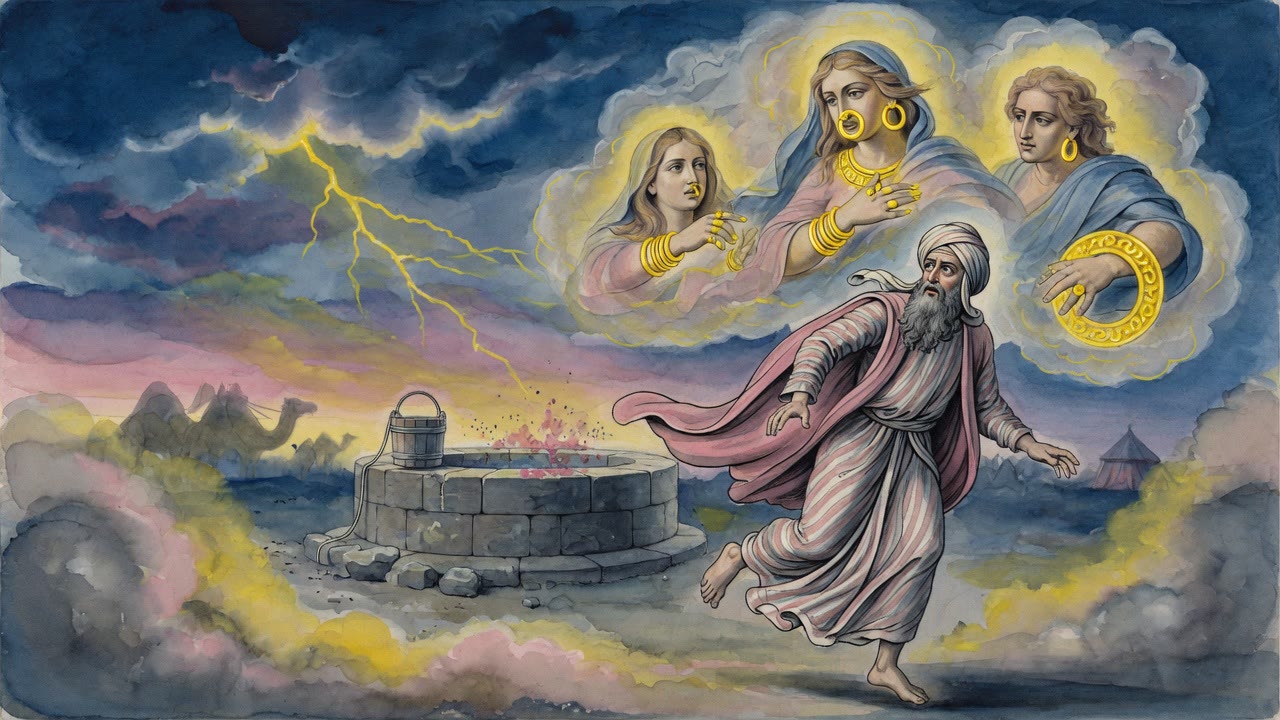
Laban looked like a gracious host when he ran to greet Abraham's servant. Bereshit Rabbah says he was chasing the jewelry.
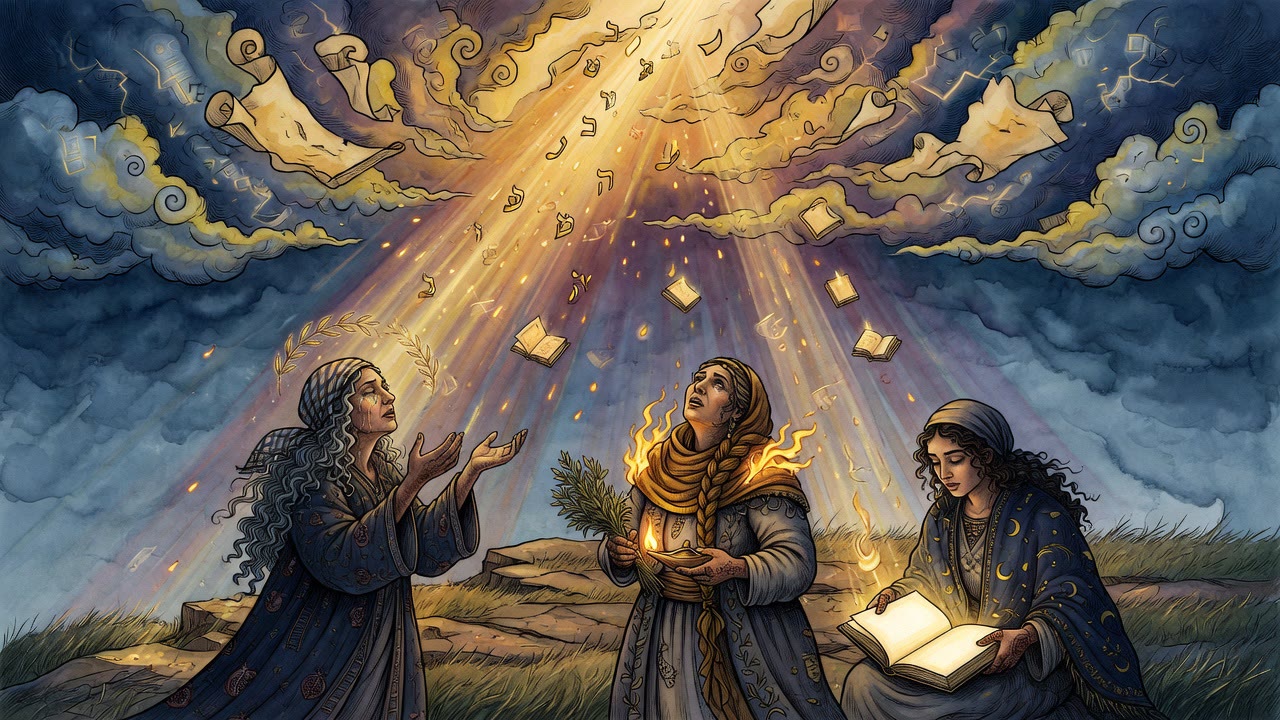
The ram's horn sounded on the Day of Remembrance. Three closed wombs were on the books. Sarah was already old enough to laugh at the promise.
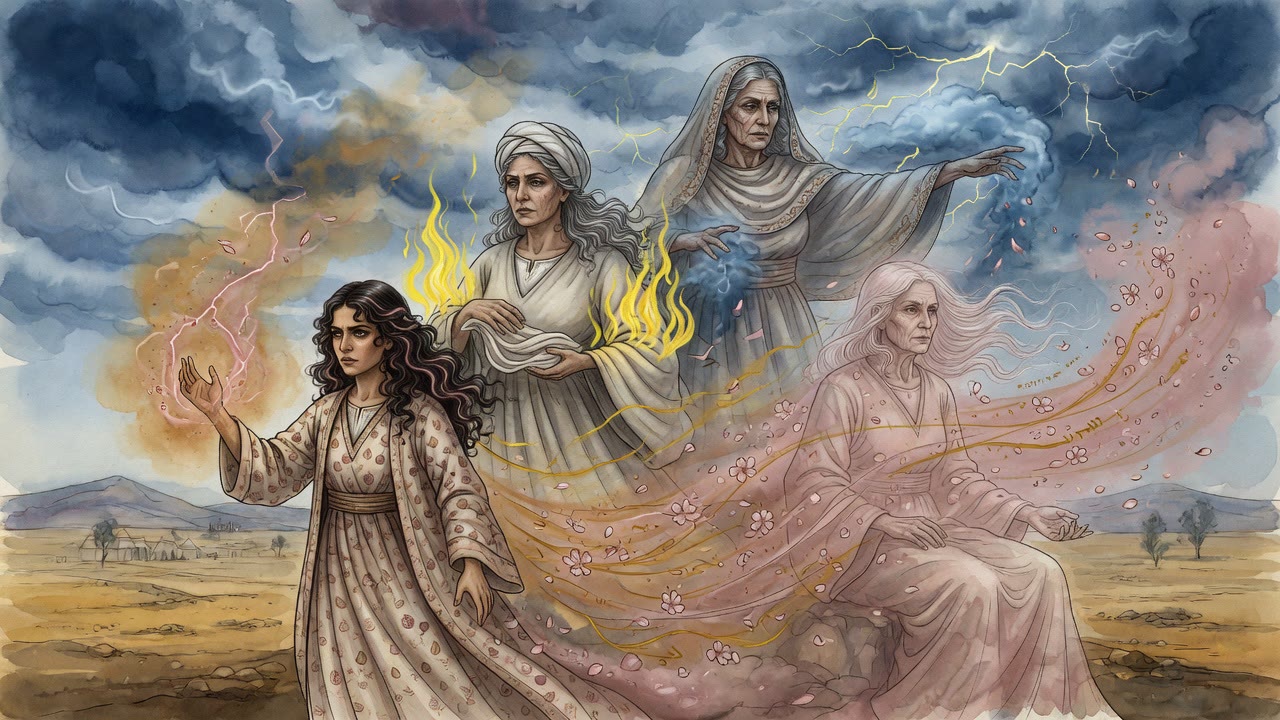
Rabbi Akiva woke his students with one number: Sarah lived 127 years, and Esther ruled 127 provinces across Persia for Israel.
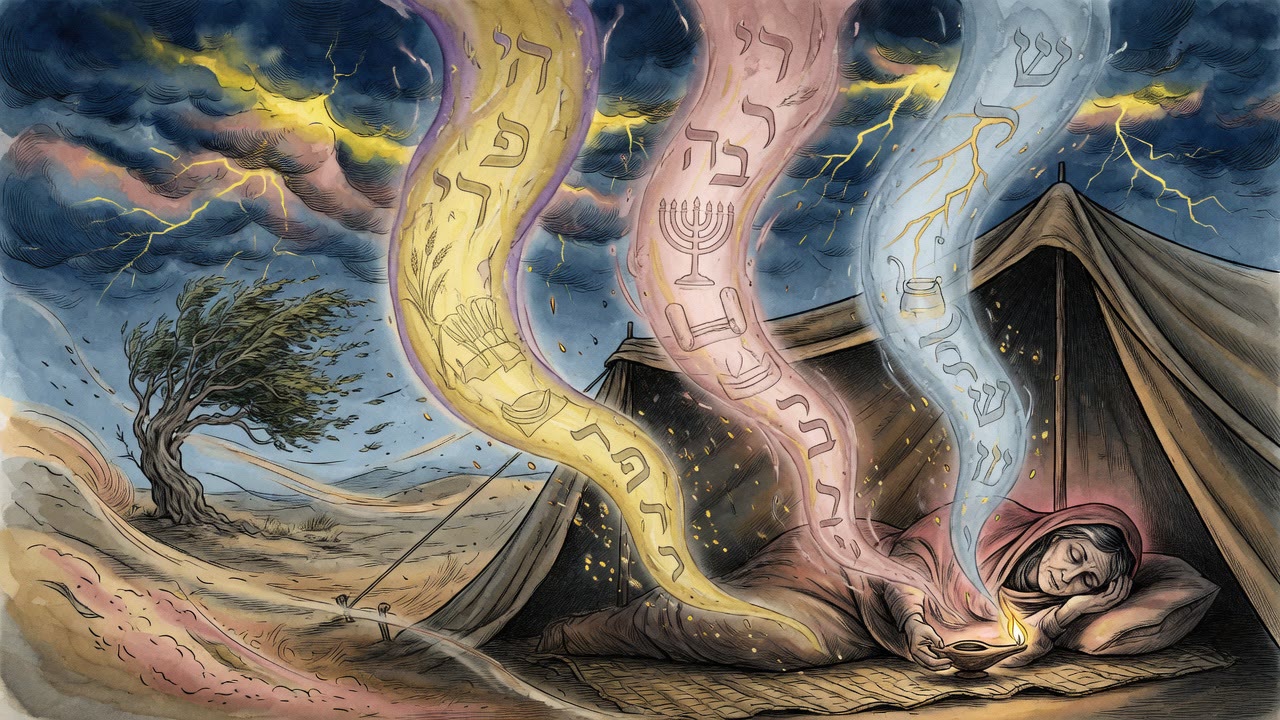
Pharaoh woke at dawn and could not explain the night. He had brought Sarah into his palace and had not been able to come near her.
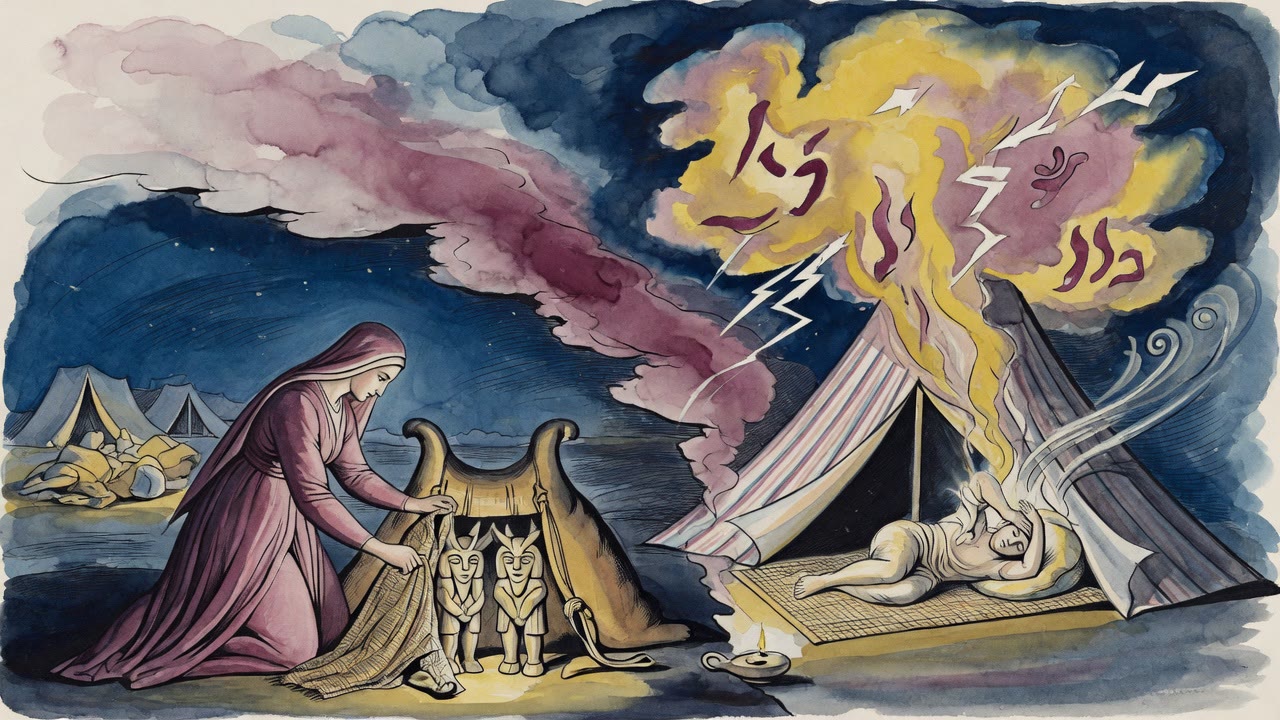
Rachel knew Laban planned to switch her for Leah. She had arranged secret signs with Jacob. On the wedding night, she gave those signs to her sister instead.
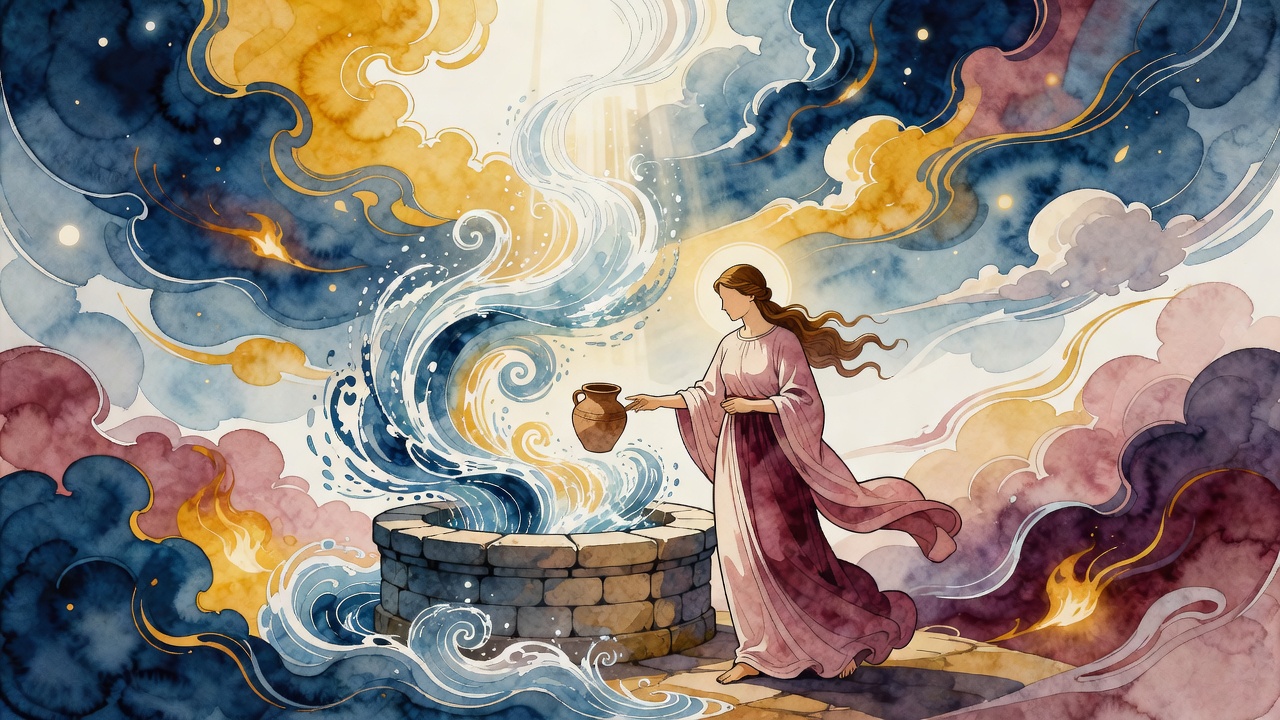
The midrash says water rose for Rebecca at the well before she touched the jar. Bereshit Rabbah says the cosmos arranged itself around her goodness in advance.
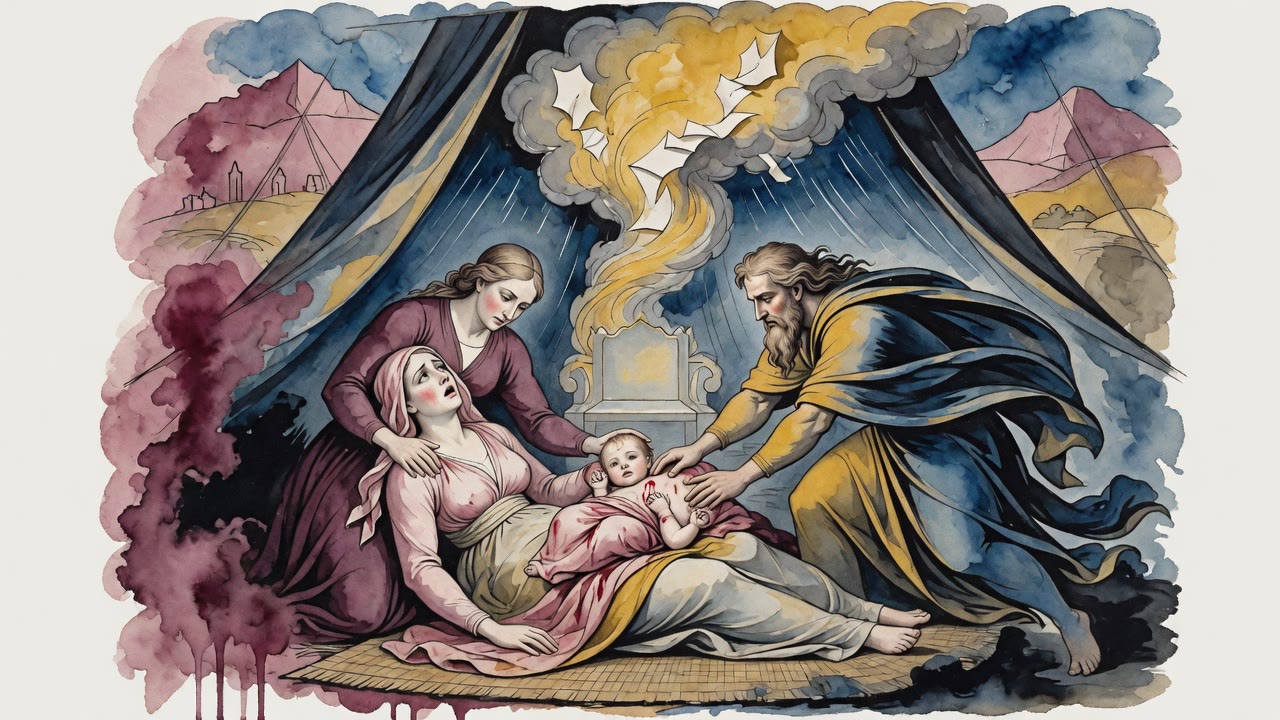
Rachel's last act was to name her son for her own grief. Jacob renamed him immediately. The Torah kept both names and refused to choose between them.
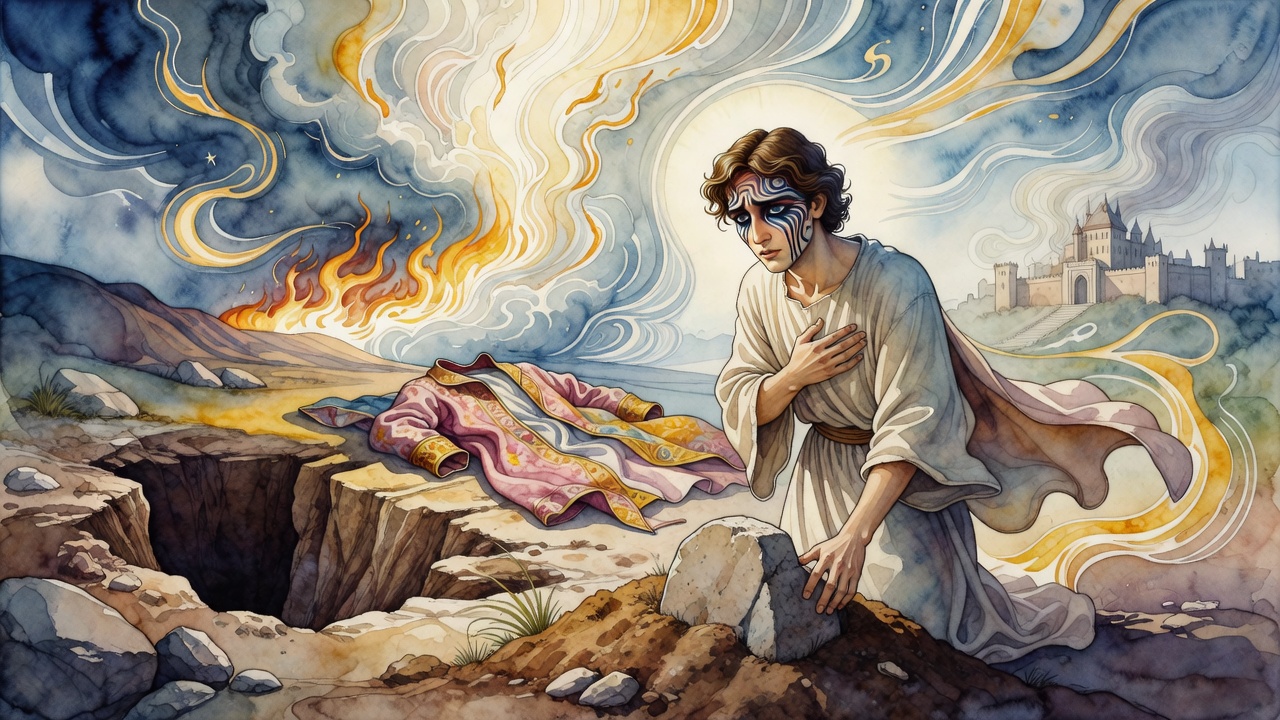
The traders waited in the road at Ephrath while Joseph threw himself on Rachel's stone and begged his dead mother to rise.
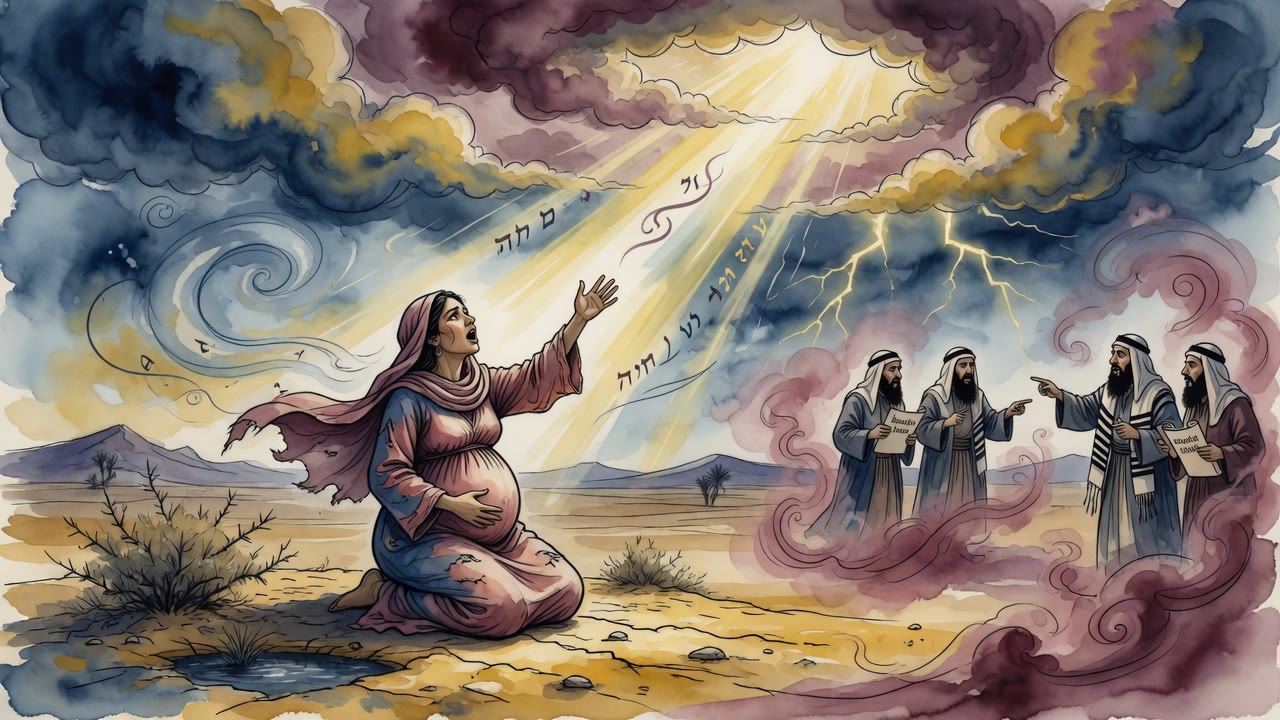
Pregnant in the desert, Hagar called the voice she heard El Ro'i, God Who Sees Me. Bereshit Rabbah and Philo's Midrash disagree about who she spoke to.
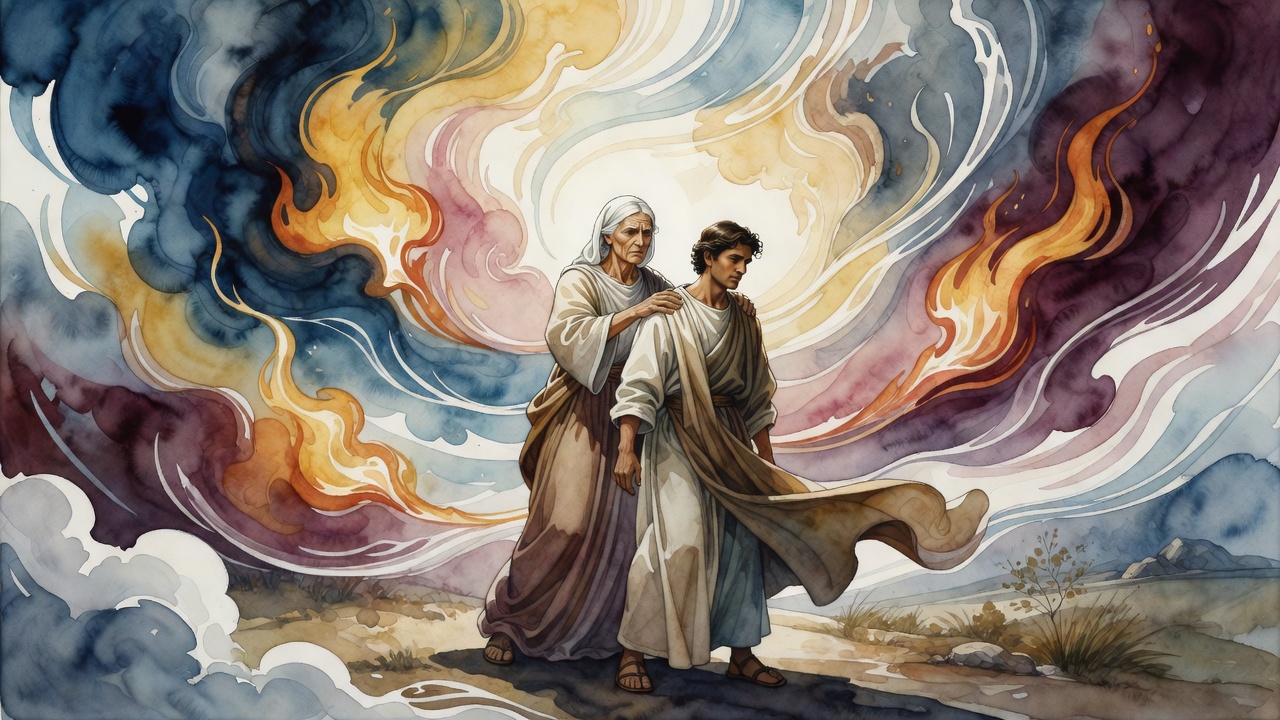
Rebekah laid hands on Jacob, dressed him in priestly garments, and sent him from Esau. Her warning became prophecy at Jacob's burial.
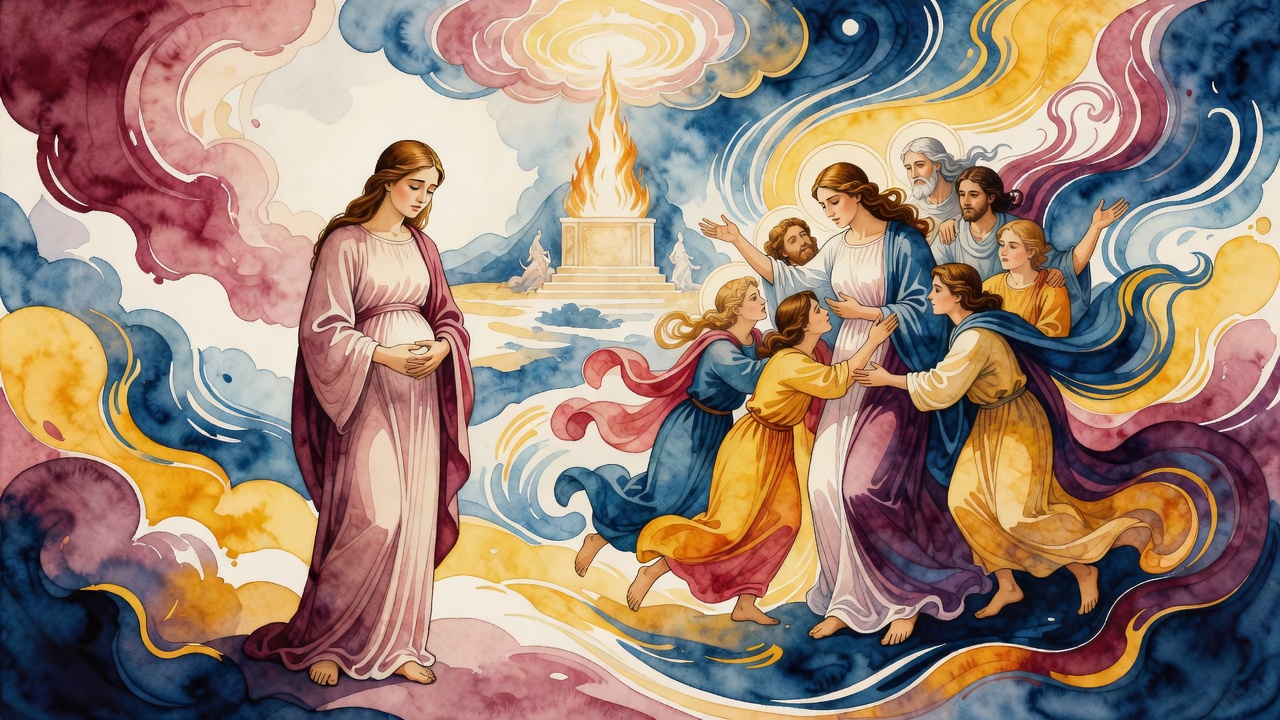
A jar went missing in Jacob's tent. Every face turned toward the wife with no sons. Rachel had lived that look for years.
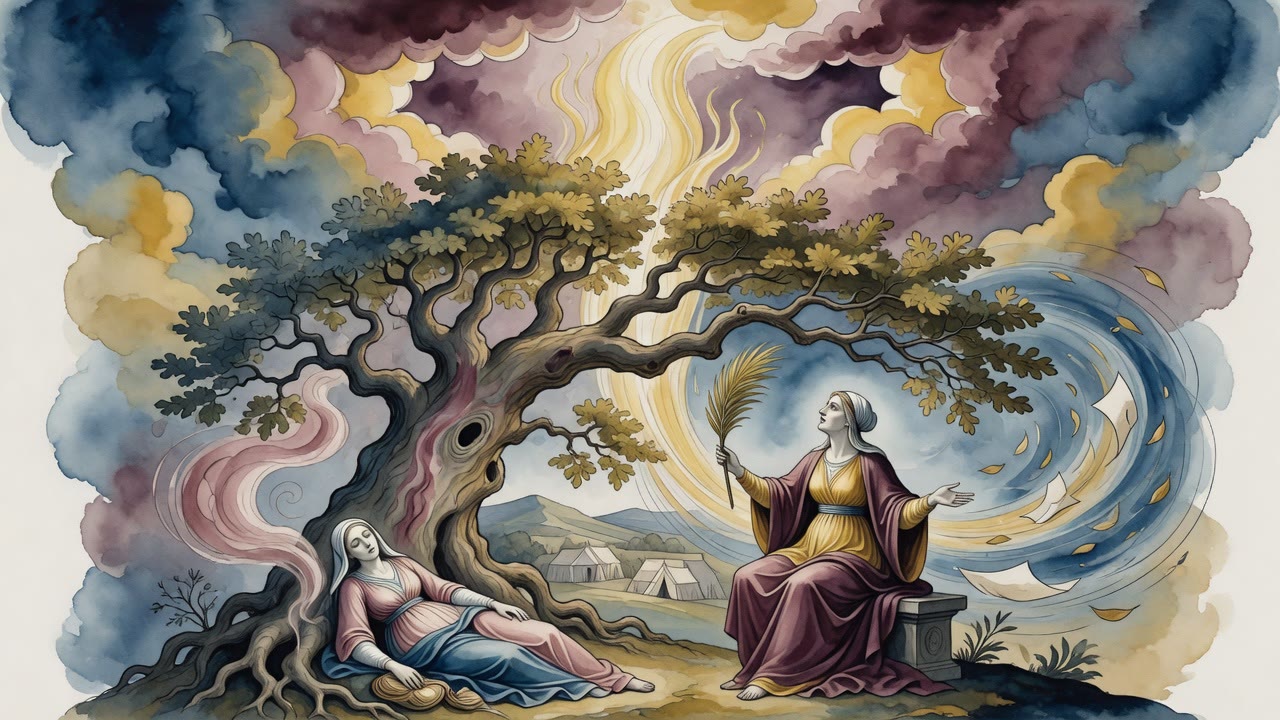
Deborah had carried Rebekah's last message. Jacob buried her under an oak, and that was when he understood his mother was gone too.
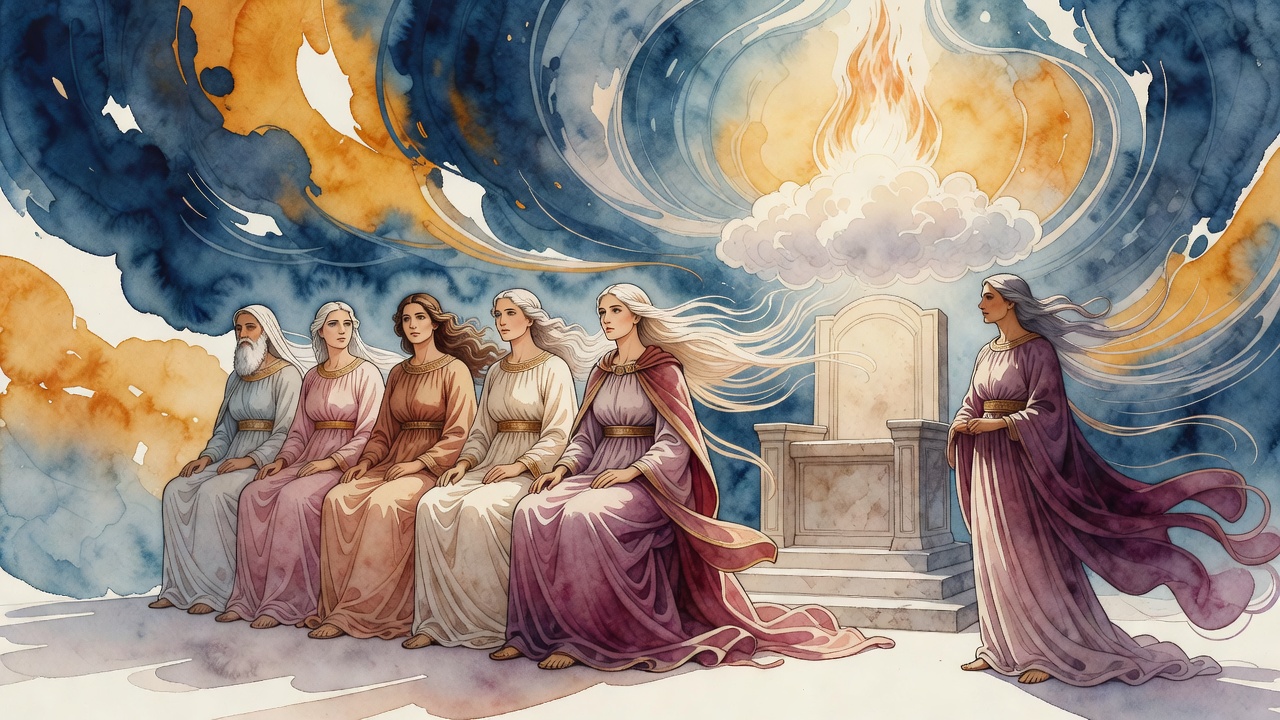
David rode out with four hundred armed men to wipe out one household. A woman met the column in the dark holding a lamp and a legal question.
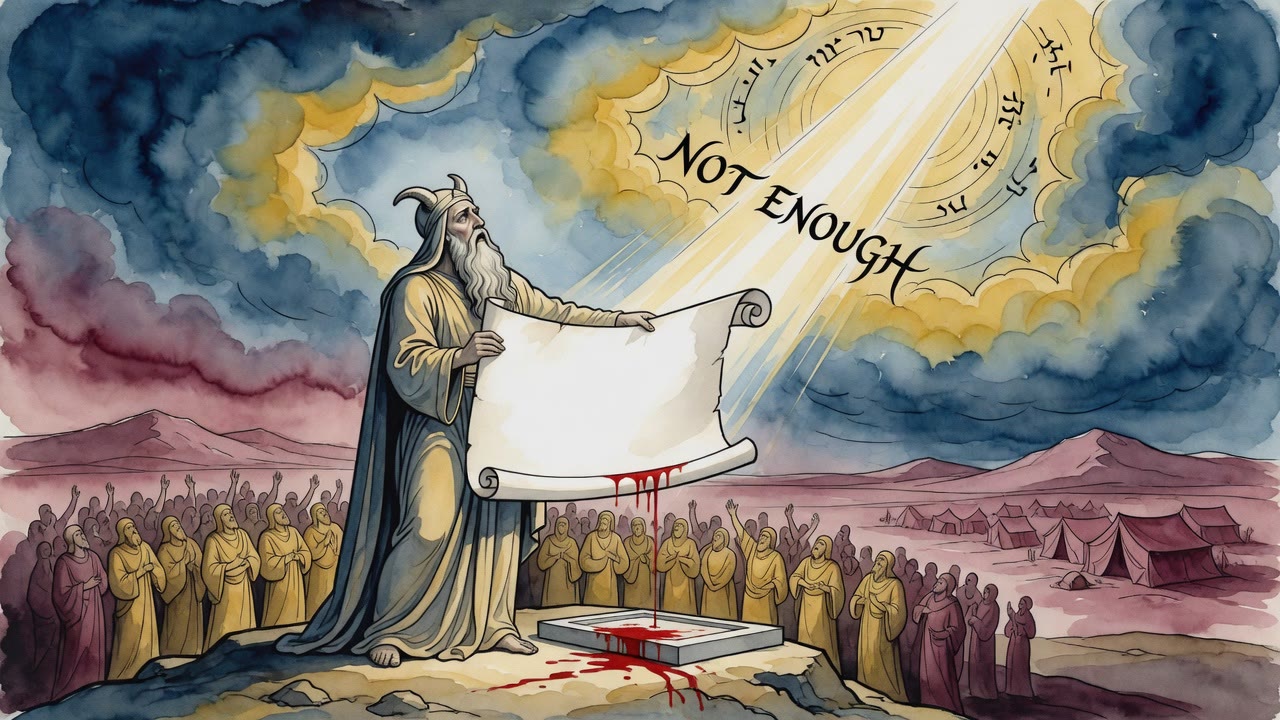
Laban's household god was a salted human head set into a wall with a gold plate under its tongue. It answered questions. Rachel grew up with it.
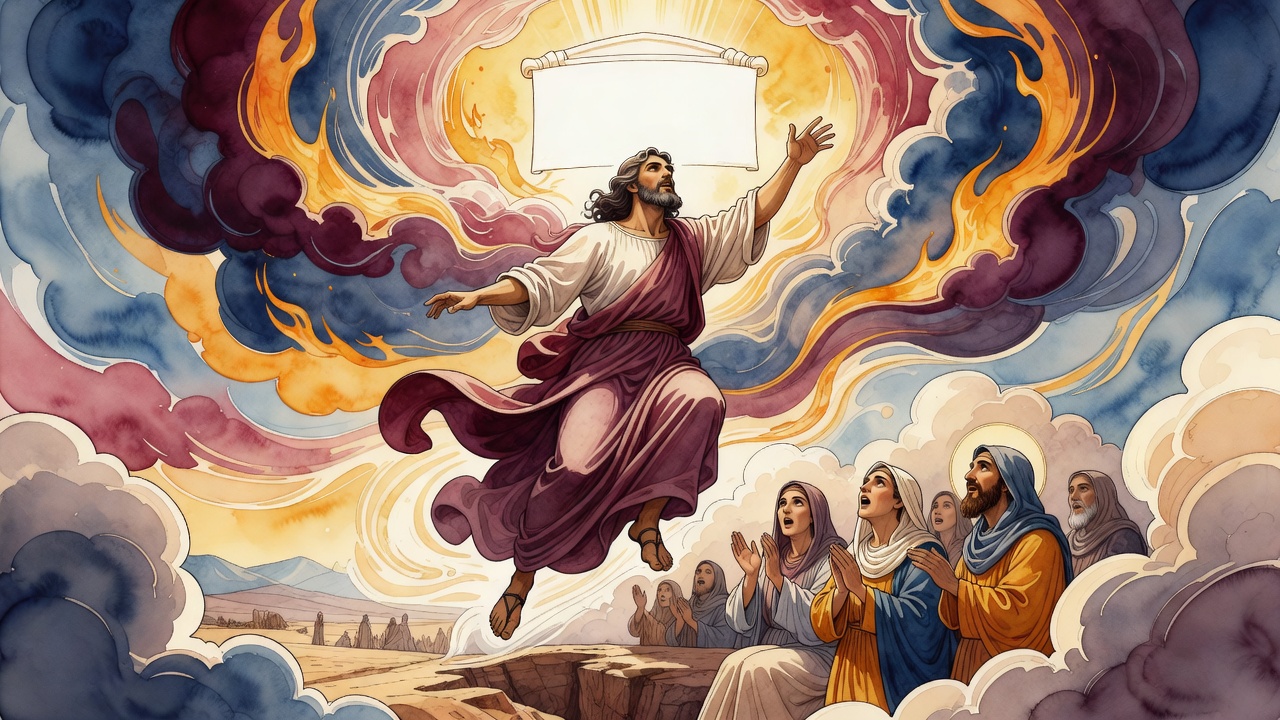
When Joseph revealed himself to his brothers in Egypt, the rabbis say the matriarchs were watching from above. His rise from the pit had a celestial audience.
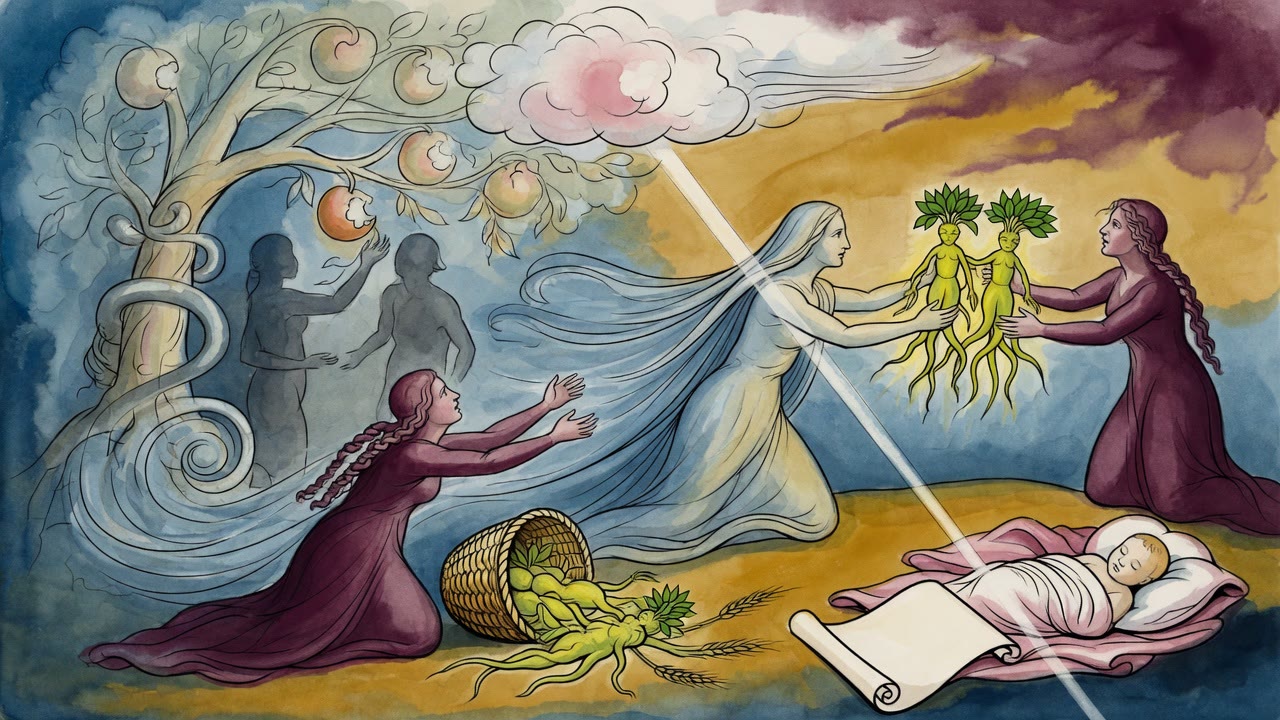
Reuben tied his father's donkey to a mandrake root and walked off. He came back to find the plant torn out of the ground and the donkey dead beside it.
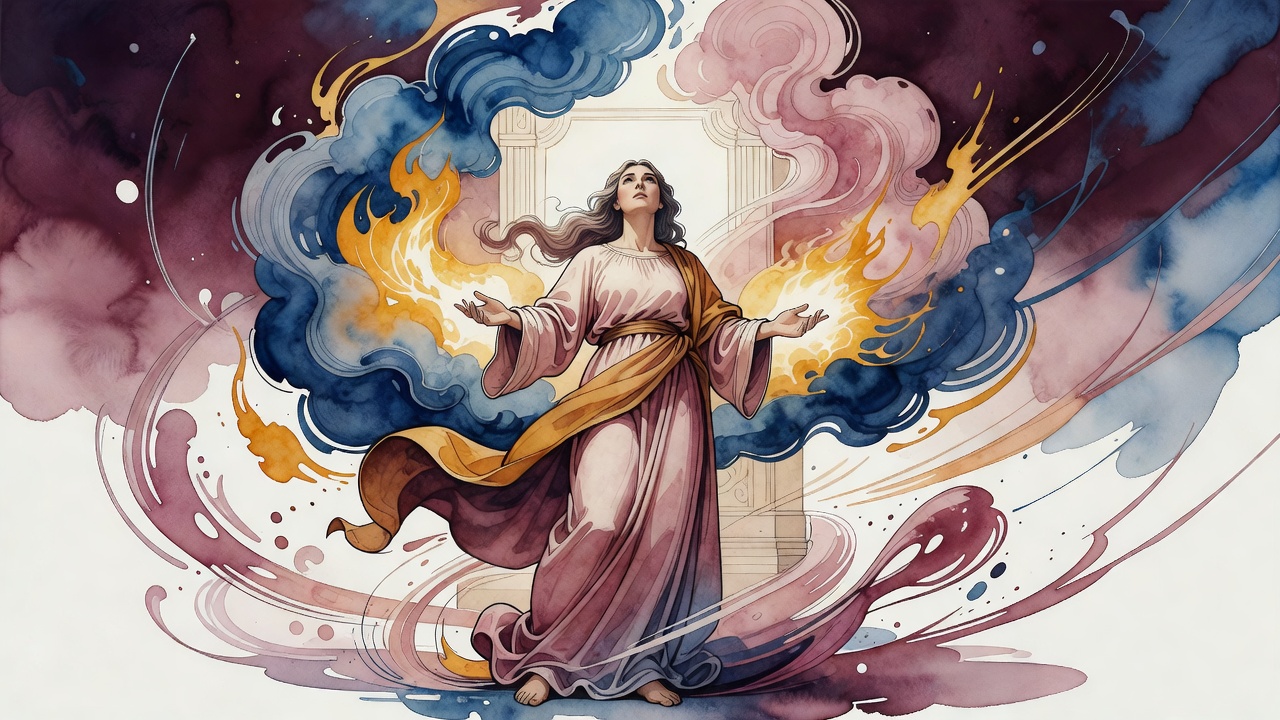
Abraham prayed, and a foreign king's house filled with infants. Sarah walked home with silver and empty arms until the angels refused to keep quiet.
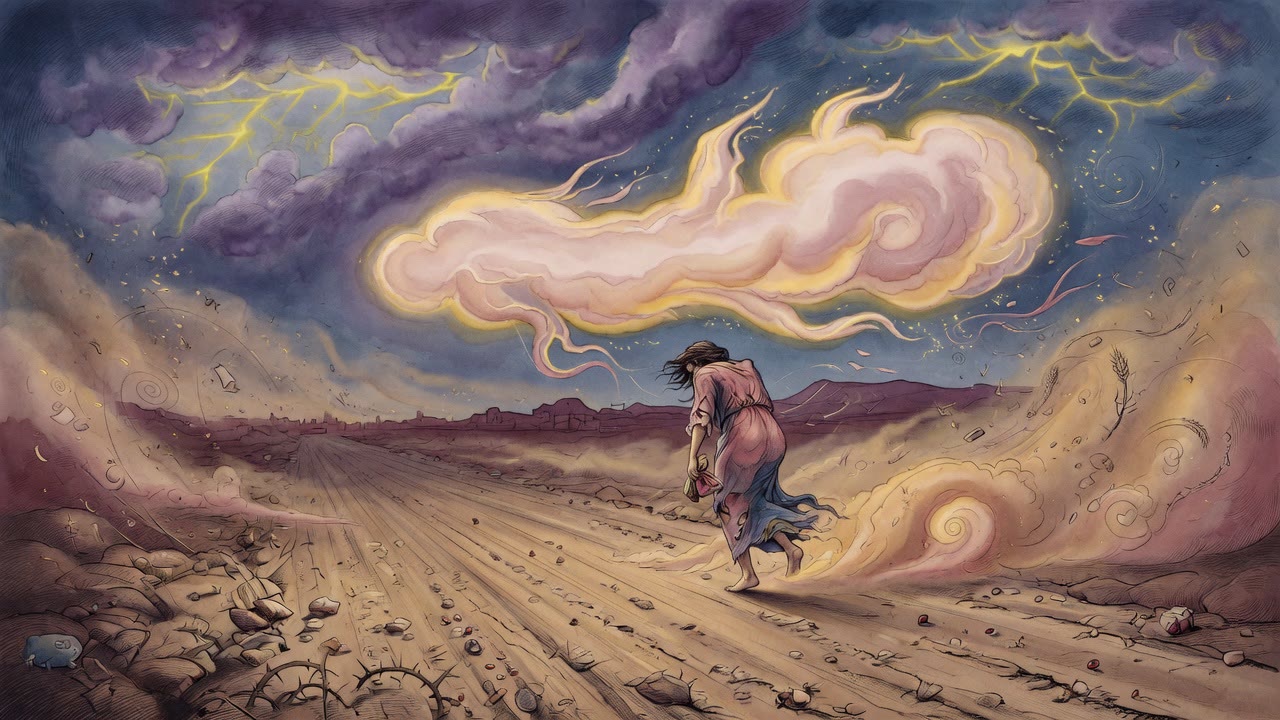
Naomi told her three times to go back to Moab. Ruth stood on the road and would not take a step toward her mother's house.
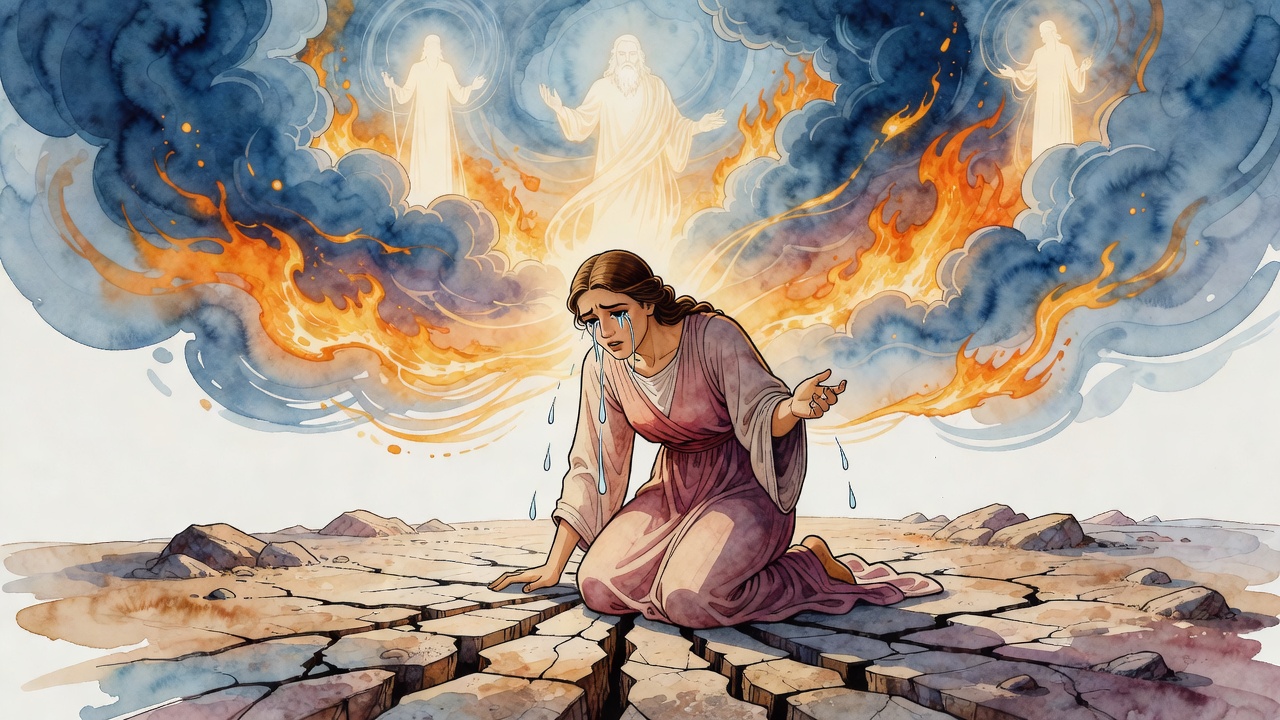
Two sisters, two brothers, and everyone in Haran knew which went with which. Leah heard what her half of the bargain was like and started weeping.
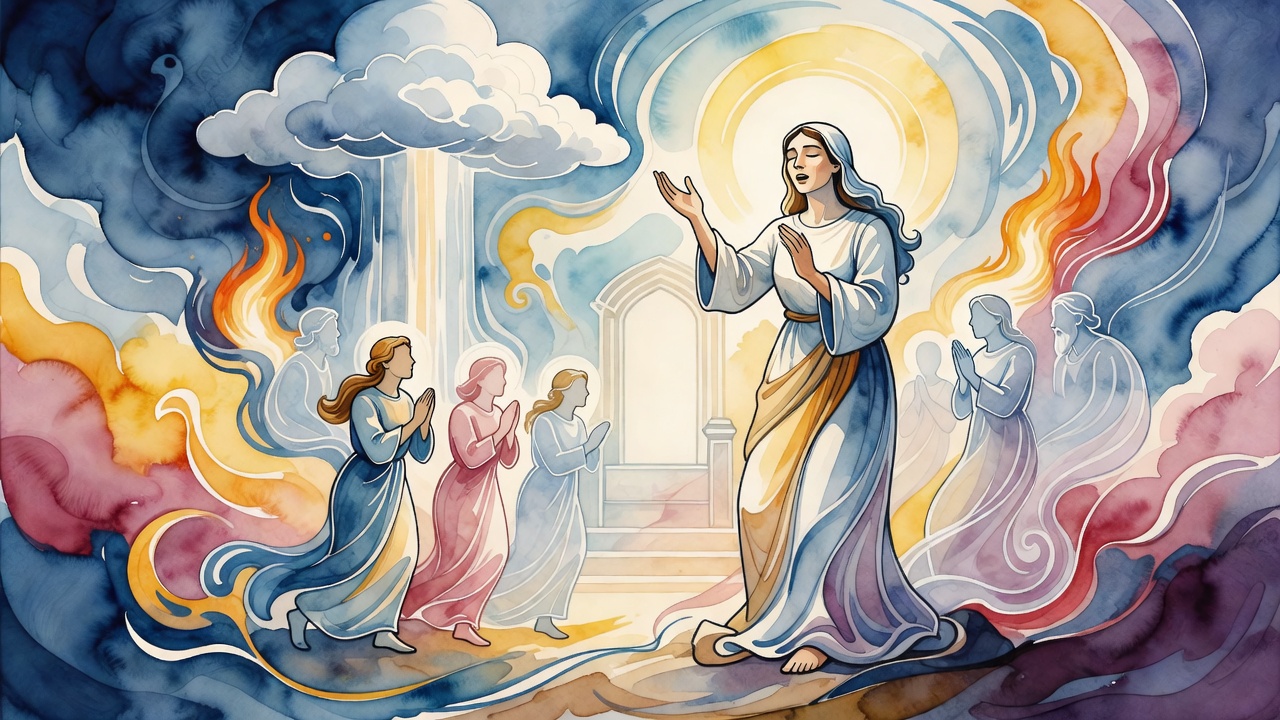
Leah held a firstborn who looked like any other child. She named him so heaven would see the affliction her husband would not.
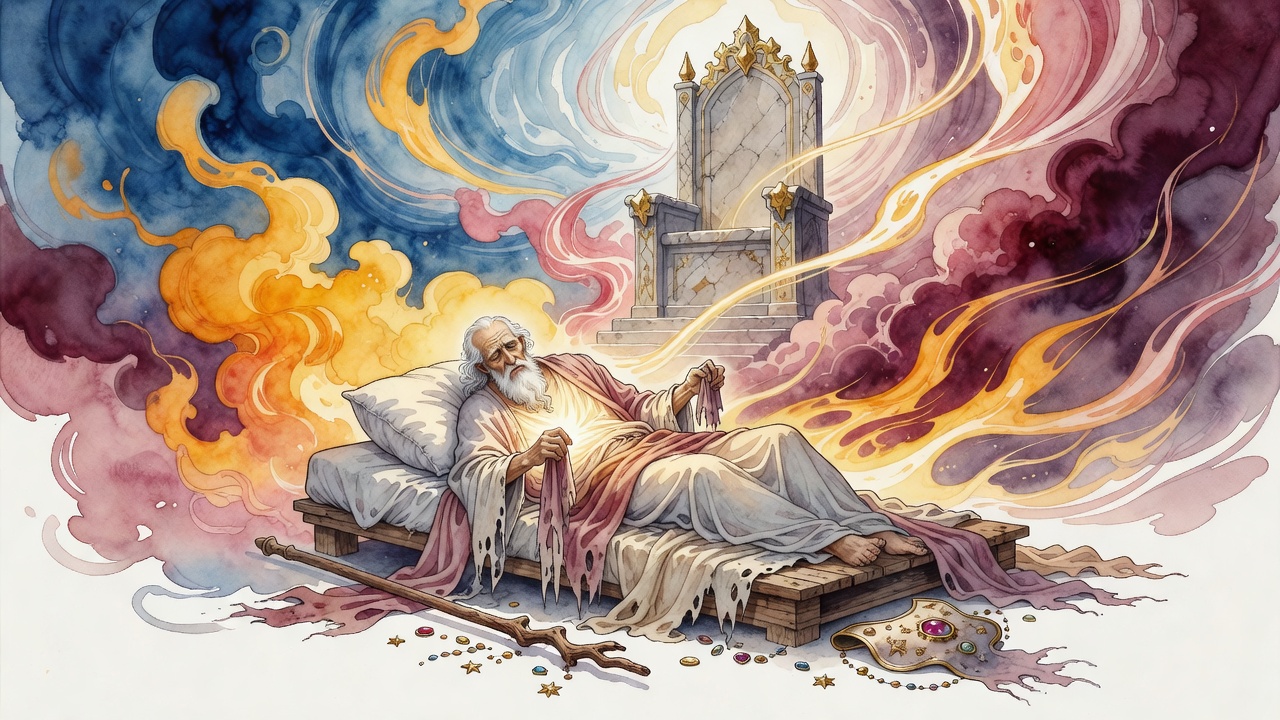
Reuben held the birthright, kingship, and priesthood for one year before a single night took all three. On his deathbed he named exactly what had done it.
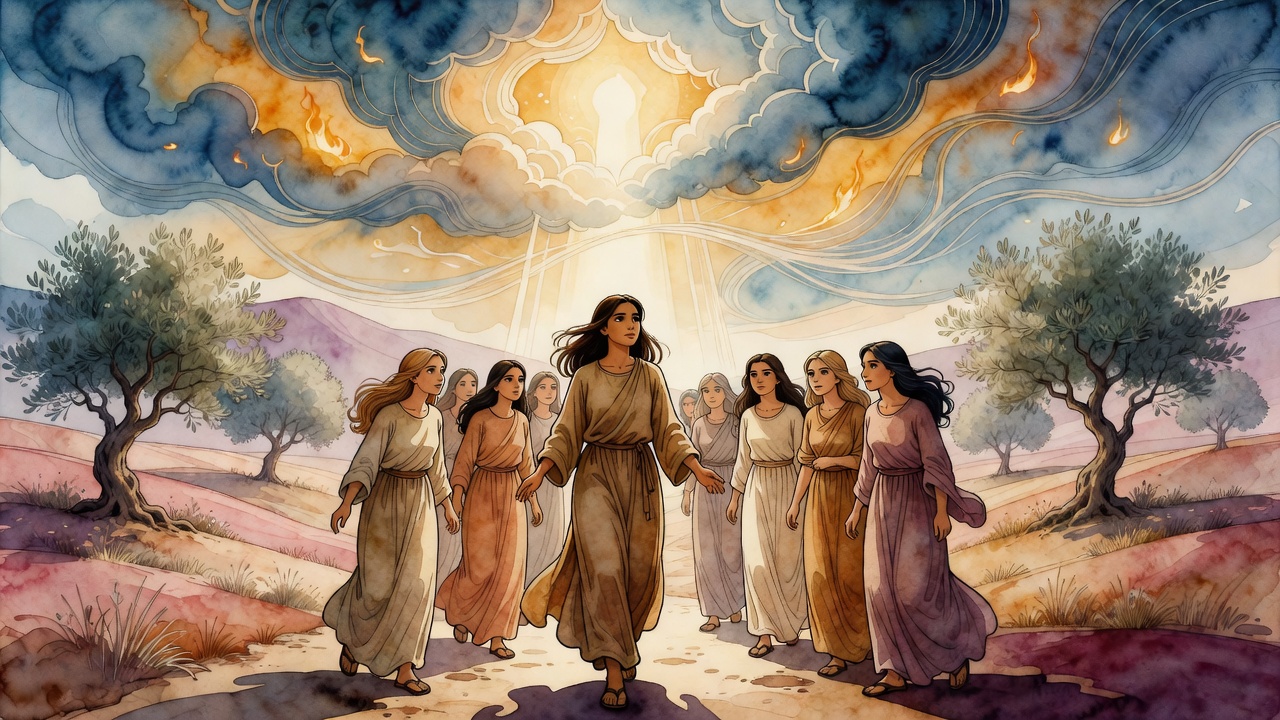
Dinah was twelve when she sat with her mother among the dancers at Shechem. The prince took her by force. Heaven still wrote Levi's name.
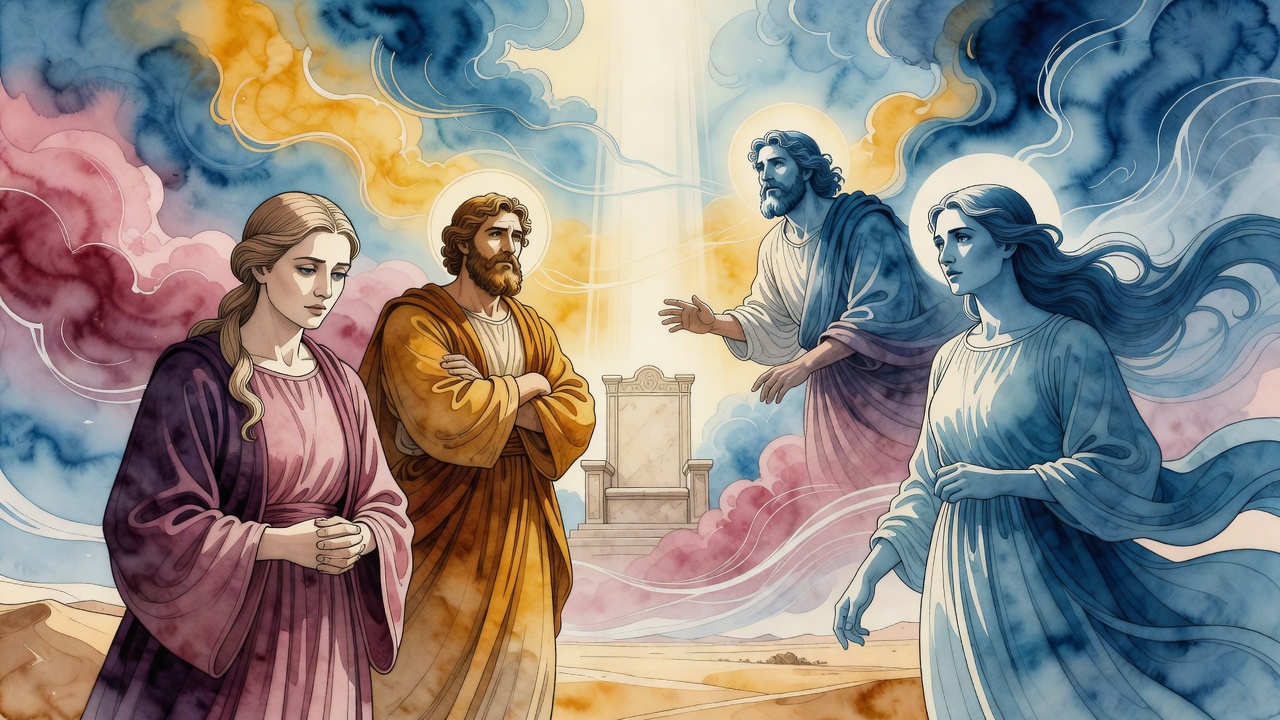
The conflict between Joseph and his brothers had nothing to do with a coat. It was about two mothers, two marriages, and which one Jacob loved.
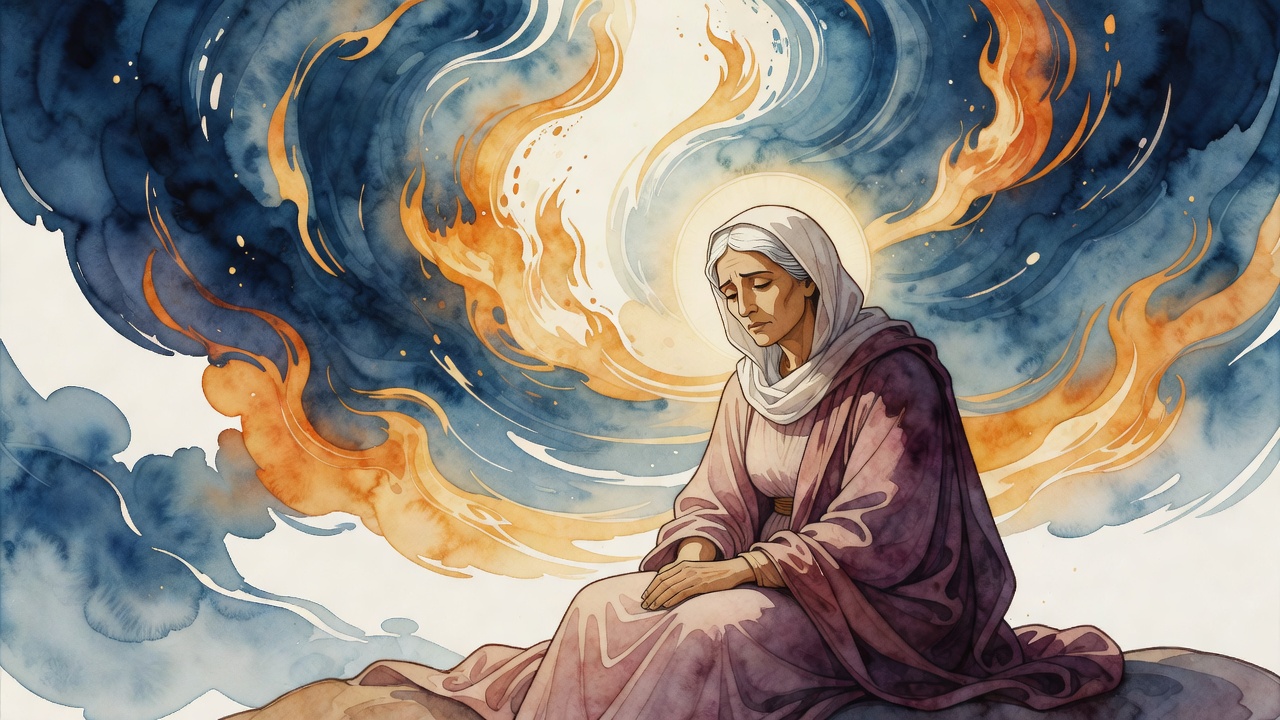
Sarah's barrenness was not a pause before the covenant. In Philo's reading and Bereshit Rabbah, the closed womb made Isaac impossible to explain without God.
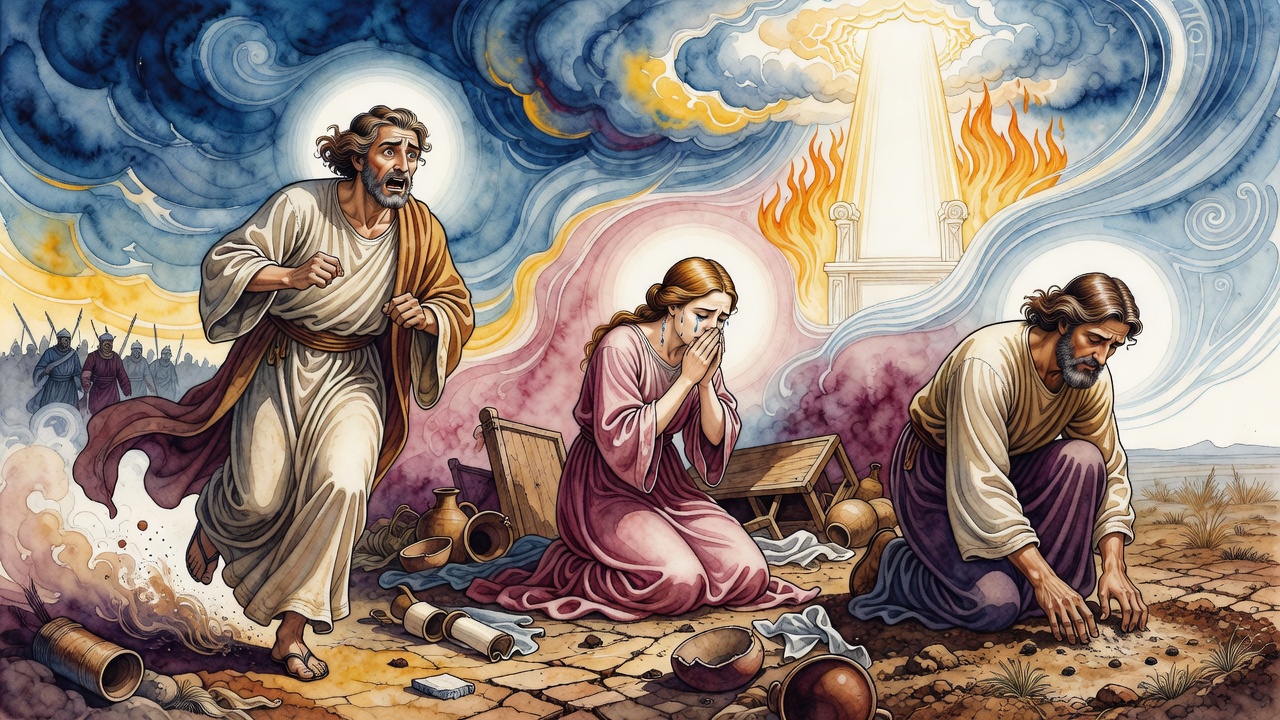
Abraham races toward enemy kings with fear in his chest. Rebecca weeps over a ruined household. Jacob plants his grief like seed and waits for the harvest.
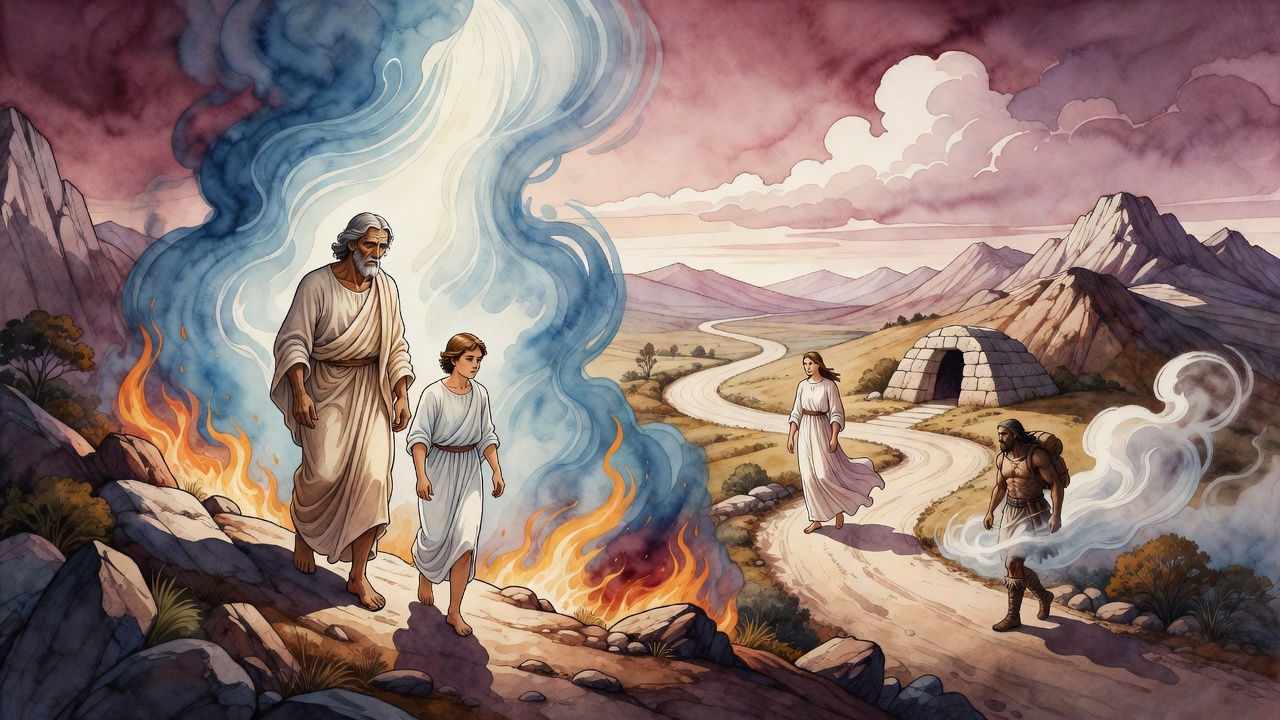
The ram was still burning when he started counting daughters for Isaac. He came home to a quiet tent, and Death was still standing there.
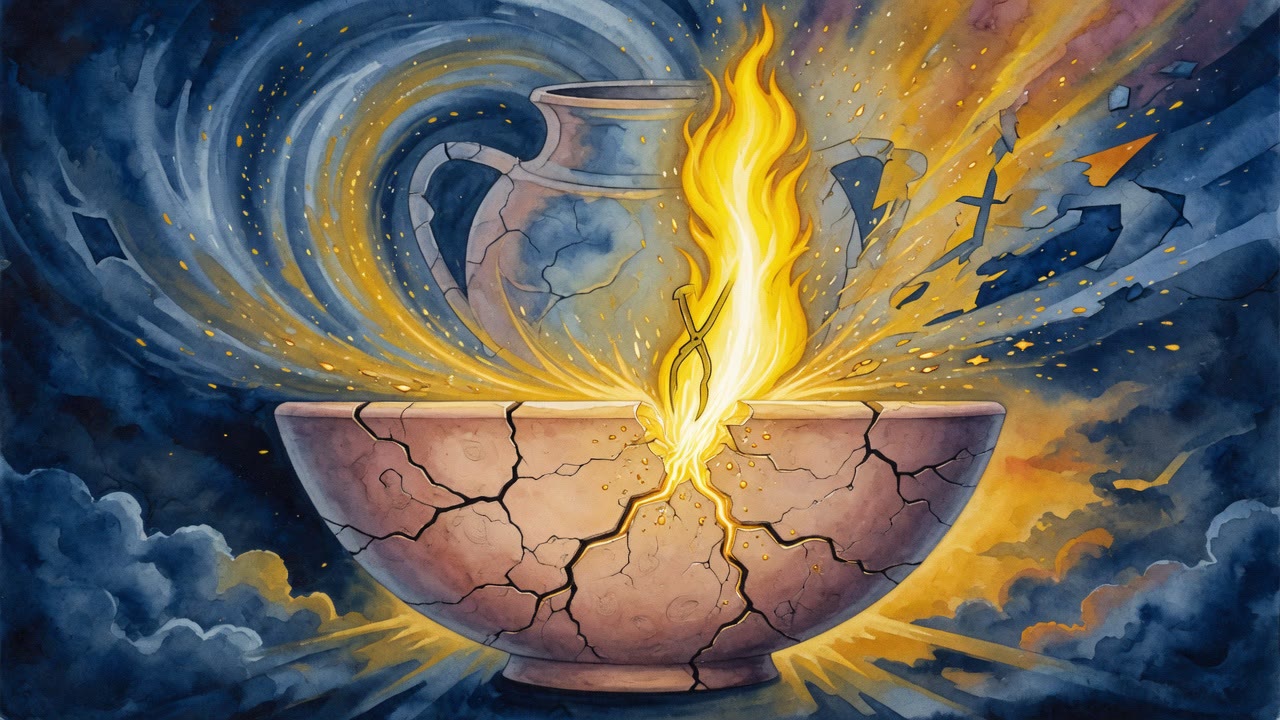
Sarah was ninety when a visitor promised her a son. She was not only old. She had been born with no chamber inside her for a child to lie in.
