Leah Names Reuben and Aims His Name at Esau
Leah lays her firstborn son against her chest and names him Reuben, behold a son, with a quiet shot fired straight at Esau.
Table of Contents
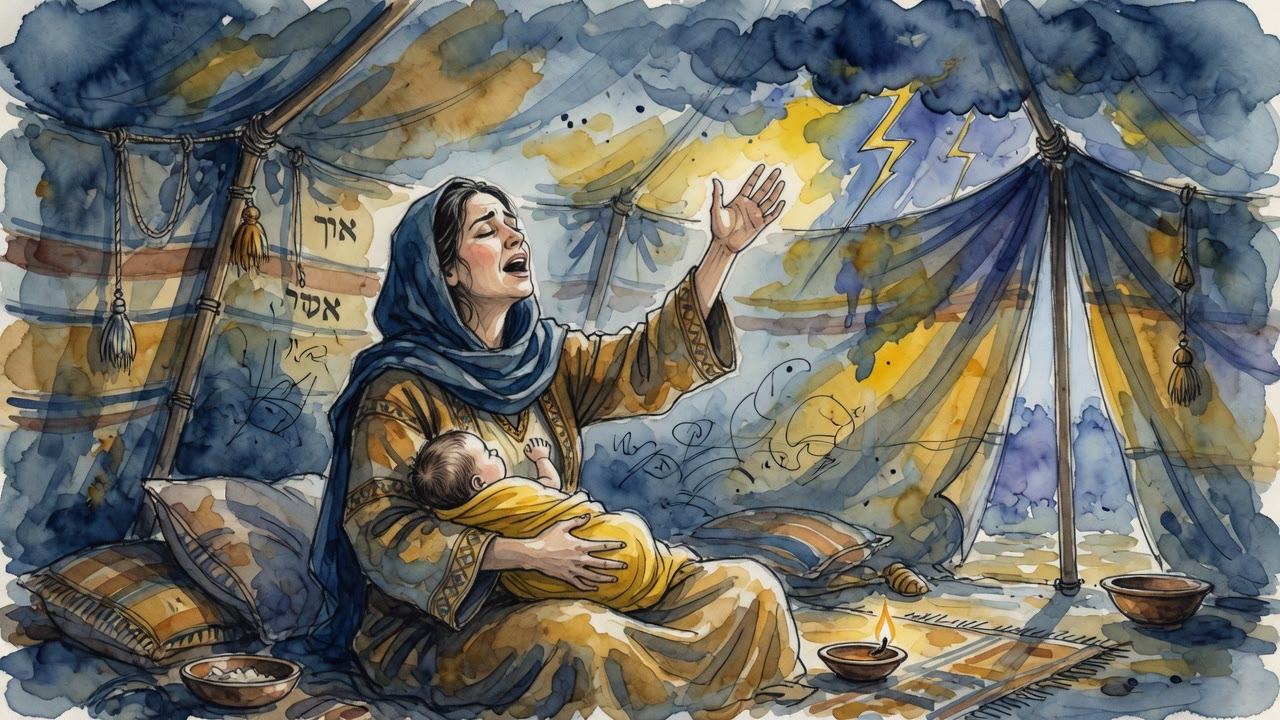
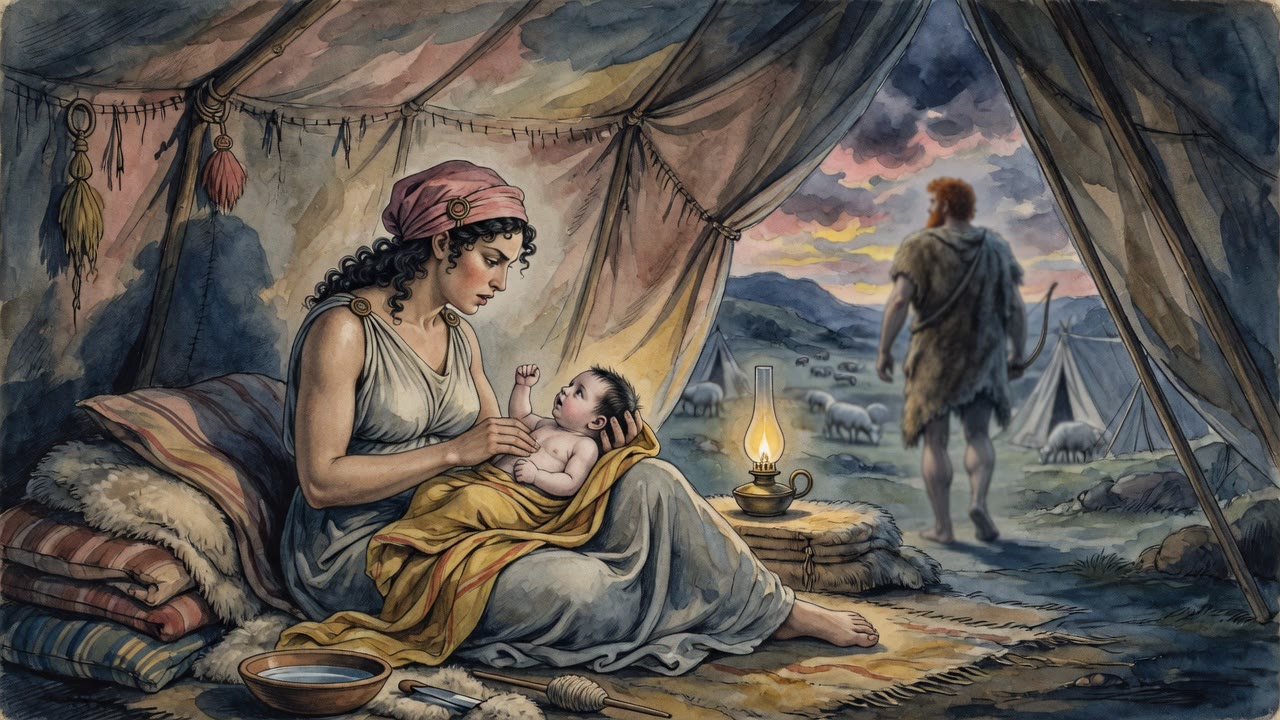
The tent smelled of crushed mint and warm wool. Leah lay on the low bed with her newborn against her chest, his fists working slowly against the cloth, and she counted him with her fingers the way mothers have always counted: two arms, two legs, the small ribs rising and falling. A son. The first son. The midwife wiped her hands and said nothing, because there was nothing to say that the woman on the bed did not already know.
 Click for full size
She had not been the wanted wife. She had been the wife handed over in the dark, the one whose husband's eyes went past her to her sister. Now there was a child in her arms and not in her sister's, and the child was a boy, and the boy was first.
She Looks at Him in the Lamplight
Leah held him up toward the lamp to see him properly. He was not large. He was not small. His skin was not dark and not fair. There was nothing in his face to make a stranger stop in the road, no mark, no flame, nothing a poet would carry off to sing about. He was, in plain words, an ordinary child, the kind of son a thousand mothers hold and never think to boast over.
A lesser woman might have grieved at that. She had waited so long, she had been so unloved, and she might have wanted a child blazing with beauty to throw in her sister's face. But Leah turned the boy slowly in her hands and felt something steady rise in her instead, and it was not disappointment. It was a kind of fierce, clear gratitude. (Genesis 29:32)
She Names Him for What the Lord Has Seen
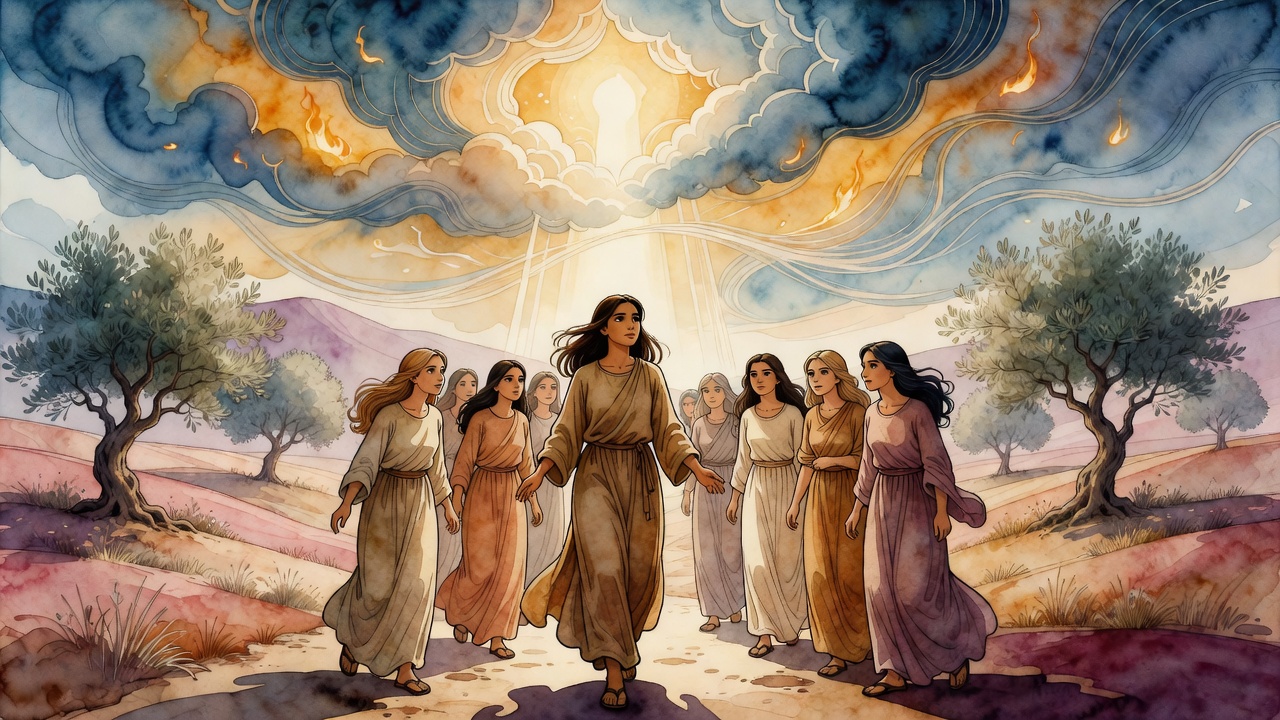
The household waited for the name. Names in that family were never small things. Her husband Jacob had wrestled a name out of his own brother once, had bought a birthright with a bowl of red stew, had bent his whole life around the question of who came first and who came after. So the women leaned in at the tent flap to hear what Leah would call the firstborn of all the sons that house would ever raise.
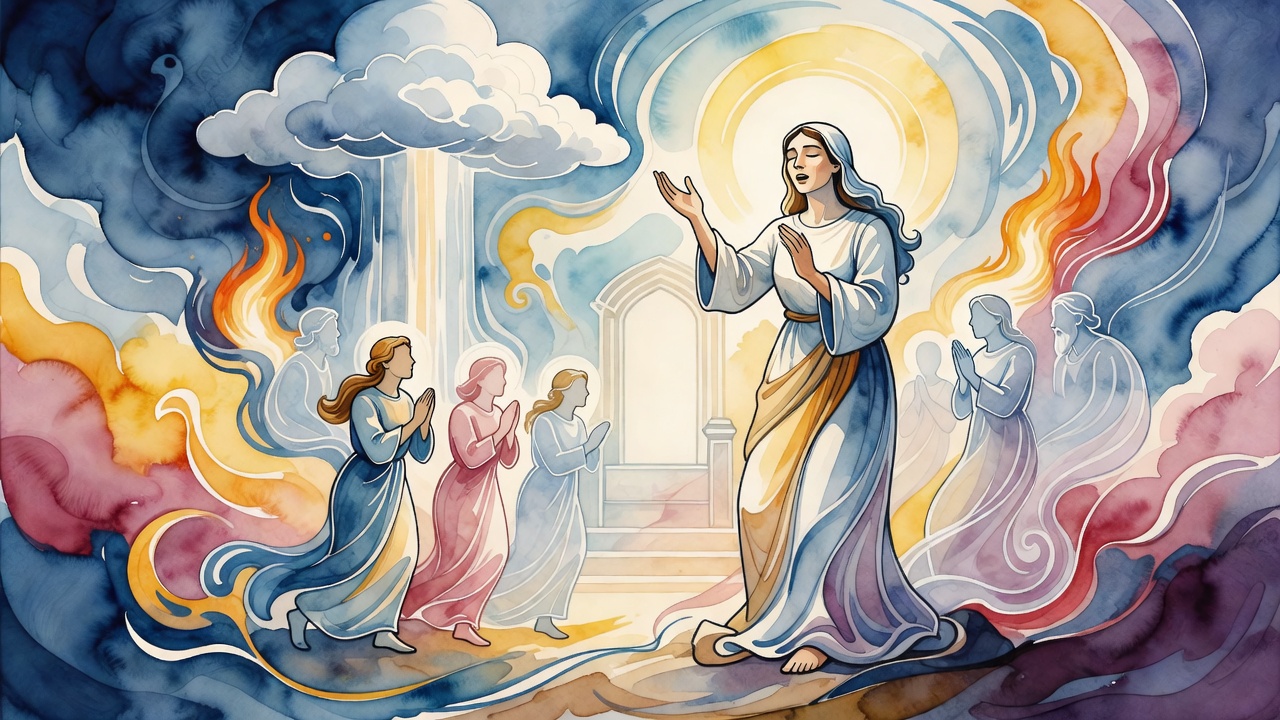
She said it plainly, the way you say a thing you have decided in your bones. Reuben. Re'u ben, behold a son. And the reason she gave was not pride and not triumph over her sister. "The Lord has seen my affliction," she said. She meant the long nights, the averted eyes, the years of being the one who was tolerated. She was saying that the One above the tent had looked down into the smallest, most private wound of an unwanted woman and had not turned away. Seen. That was the word folded inside the child's name. Not behold my victory. Behold, He saw.
The Name Is Also a Spear
There was a second edge to it, and Leah knew exactly where she was pointing it. Behold a son, she had said, and the unspoken half hung in the warm air: behold the difference between this son and that one.
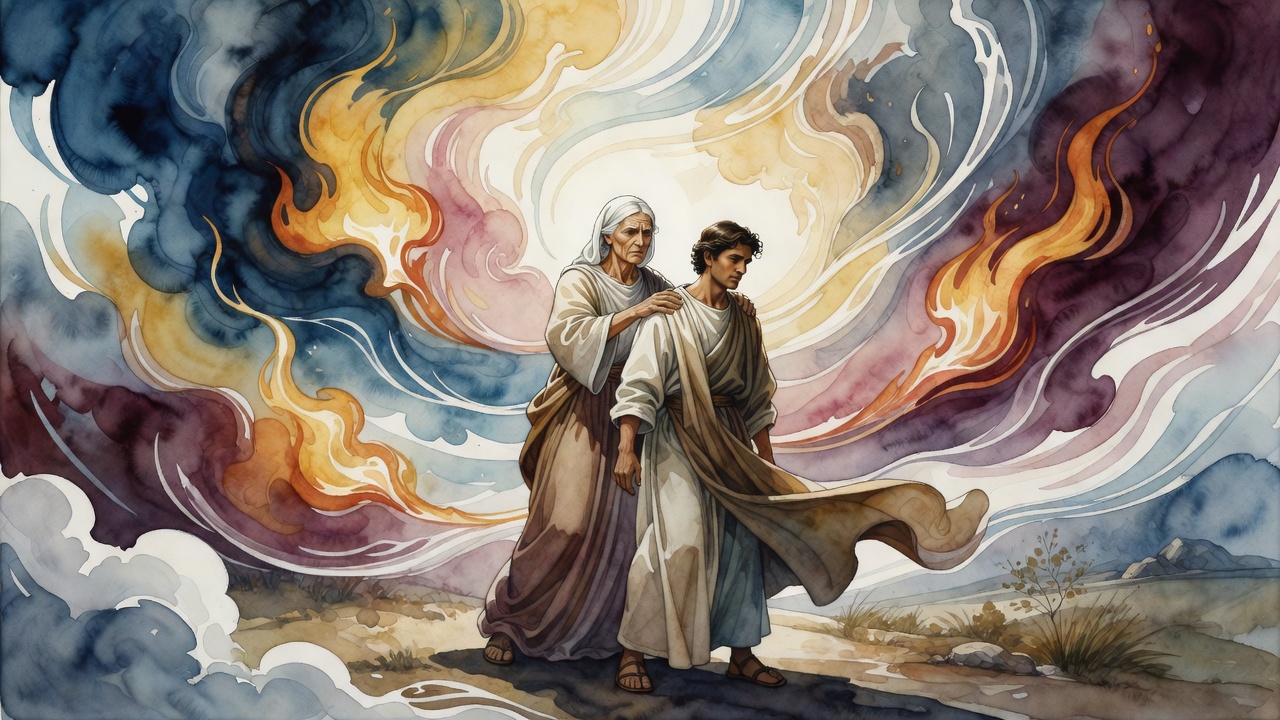
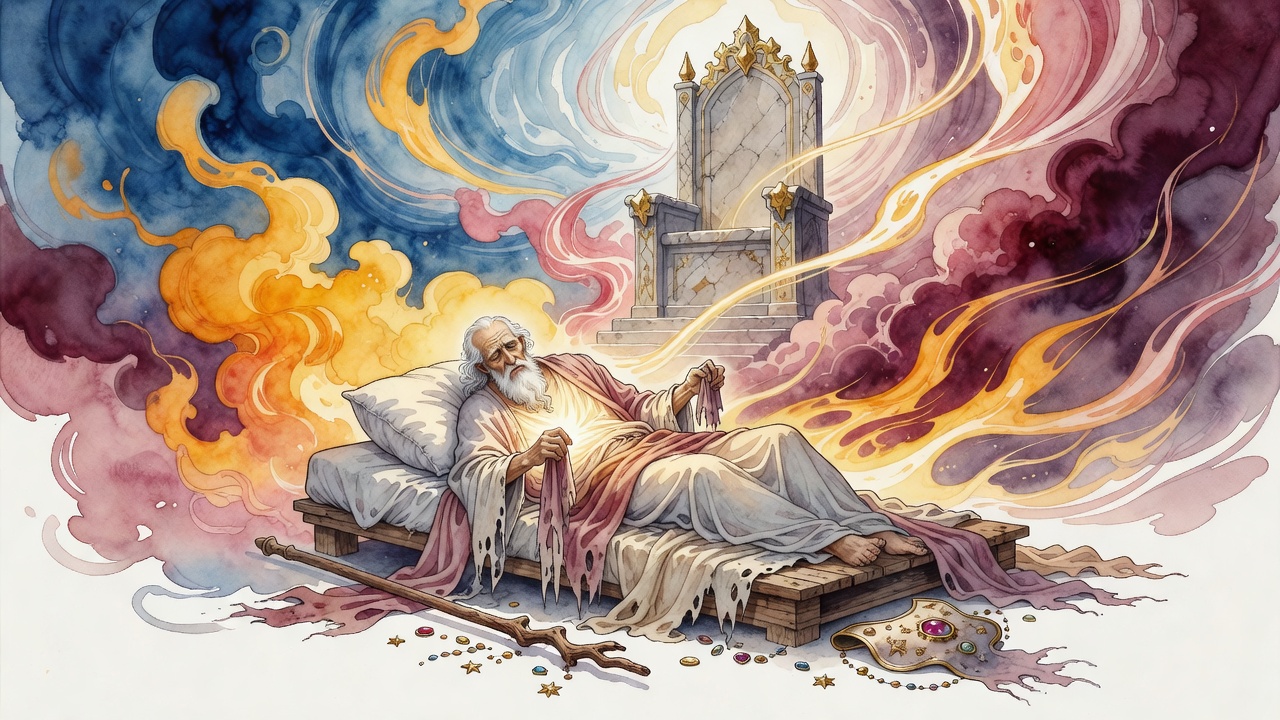
That one was Esau, the firstborn of her father-in-law's house, the hairy hunter who had come in from the field starving and traded away his right as firstborn for one hot meal, and then spent his years hating the brother who took it. Leah had married into a family still smoking from that fire. She had heard the story at every meal, the birthright sold, the blessing stolen, the brothers split like a cracked beam. She knew what a firstborn could be when greed and grievance got into him.
So she held up her own ordinary boy against the memory of that ravenous one. Look, the name said. Here is a firstborn who needs no red stew to make him forget who he is. Here is plainness without appetite, a son who does not have to be magnificent because he does not have to be grasping. Behold the son, and behold the difference.
The Name Outruns the Tent
Leah could not have known how far the small syllables would travel. She named a child for her own seen sorrow, and the name went down the generations like a coal kept alive under ash.
Long after that tent was dust, her descendants would be slaves under a foreign sun, their backs bent, their cries going up into a sky that seemed shut. And when deliverance finally came, the words that opened it carried the same root she had pressed into her firstborn's name. "I have surely seen the affliction of My people," the Voice told a shepherd at a burning bush (Exodus 3:7). Seen. The same seeing. The affliction Leah had felt as one woman's private ache, repeated now over a whole enslaved people, and answered.
The list of the sons of Israel begins with Reuben, and so the redemption of Israel begins, in a quiet way, with the word a tired mother chose by lamplight. She had spoken about her own grief. She had also, without knowing it, spoken the first note of a much larger rescue, the promise that affliction is never invisible to the One who counts ribs and tears alike.
What She Held When She Set Him Down
Leah lowered the boy back to her chest. Outside, the household murmured the new name, passing it tent to tent. Reuben. Behold a son. She did not need him to be beautiful. She did not need him to be the largest or the brightest of all the brothers she would yet bear. She had named him for the thing that mattered most to a woman who had spent her life overlooked: the certainty that she had been seen, and that her ordinary, unhated, unhungry son was proof of it.
She closed her eyes. The lamp burned low. The firstborn slept against the ribs of the mother nobody had wanted, and his name, plain as bread, held both a quiet shot fired at a greedy uncle and a seed of rescue no one in that tent could yet imagine.
← All myths