Rebecca Heard the Oracle Through Shem the Prophet
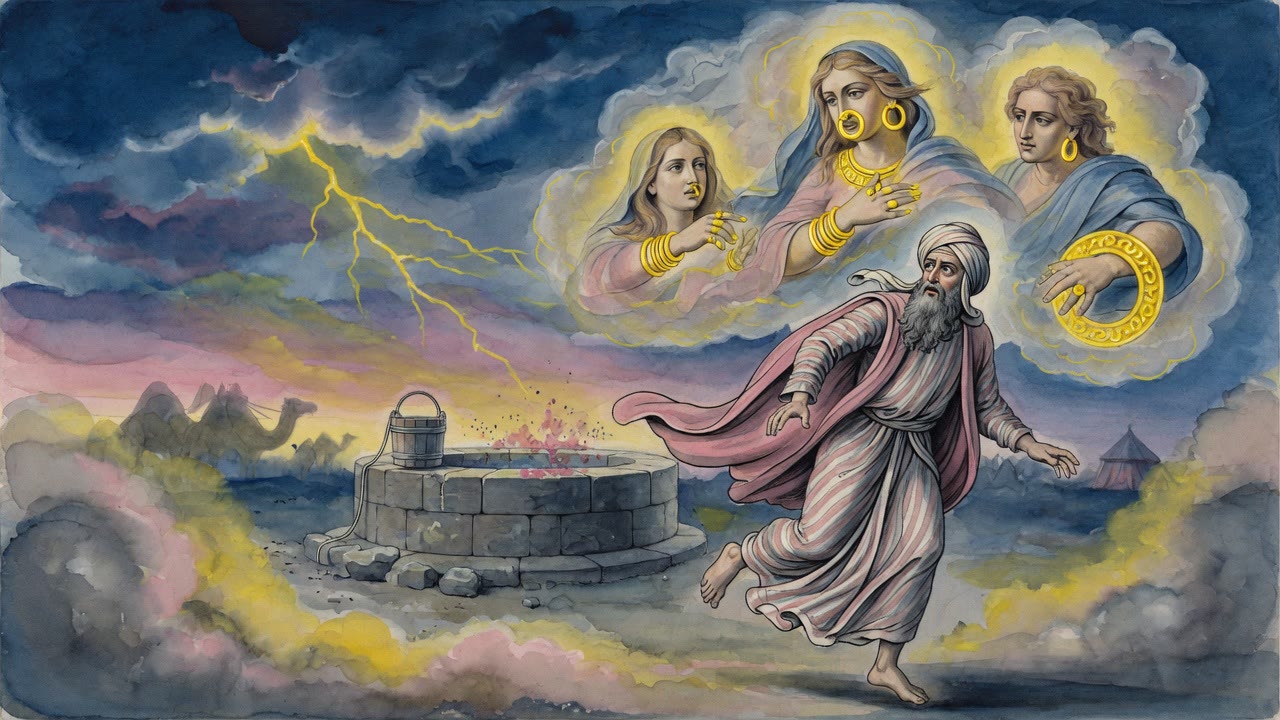
Rebecca sought God while the twins struggled inside her. The midrash says the answer came through Shem, not straight from heaven.
Table of Contents
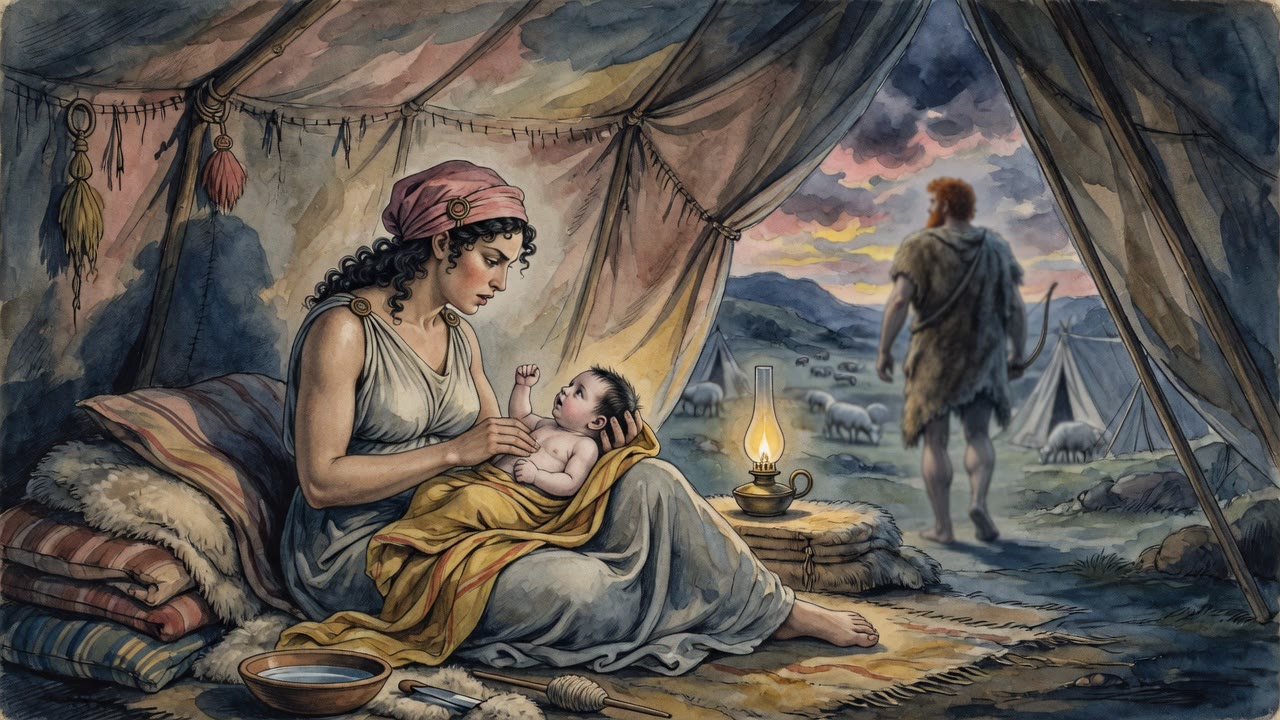
Rebecca carried a war before she had names for the fighters.
 Click for full size
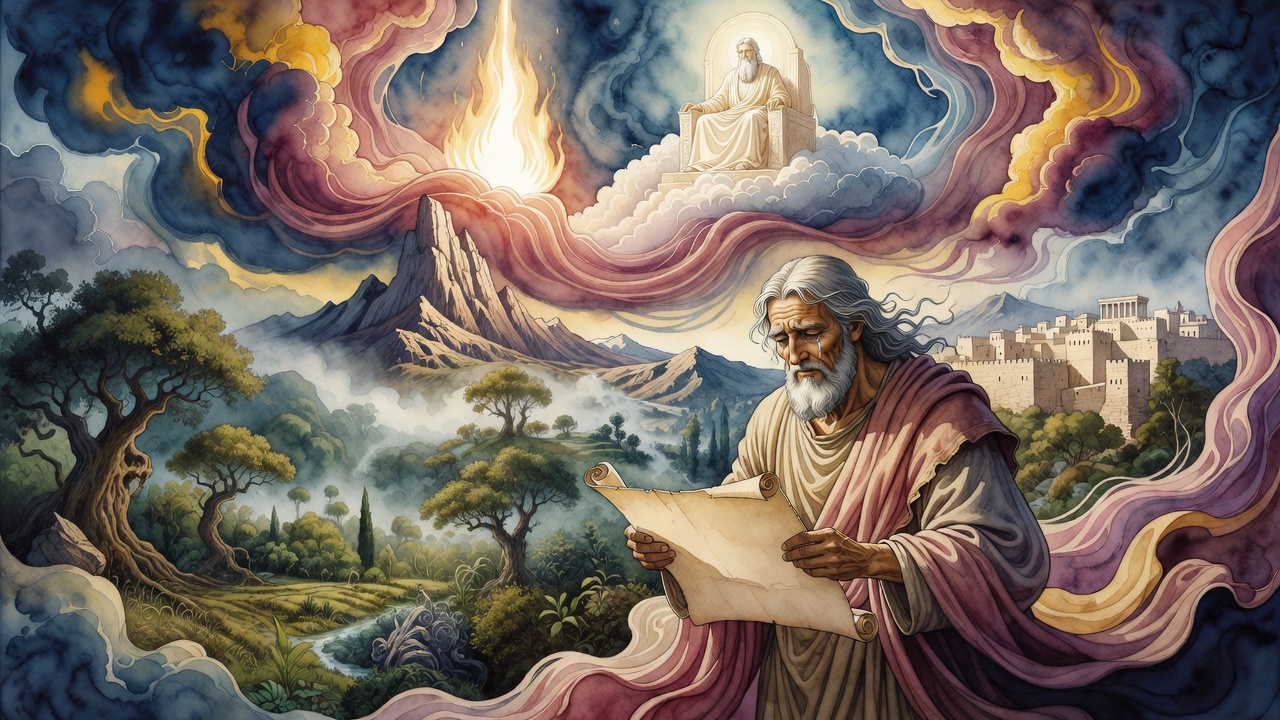
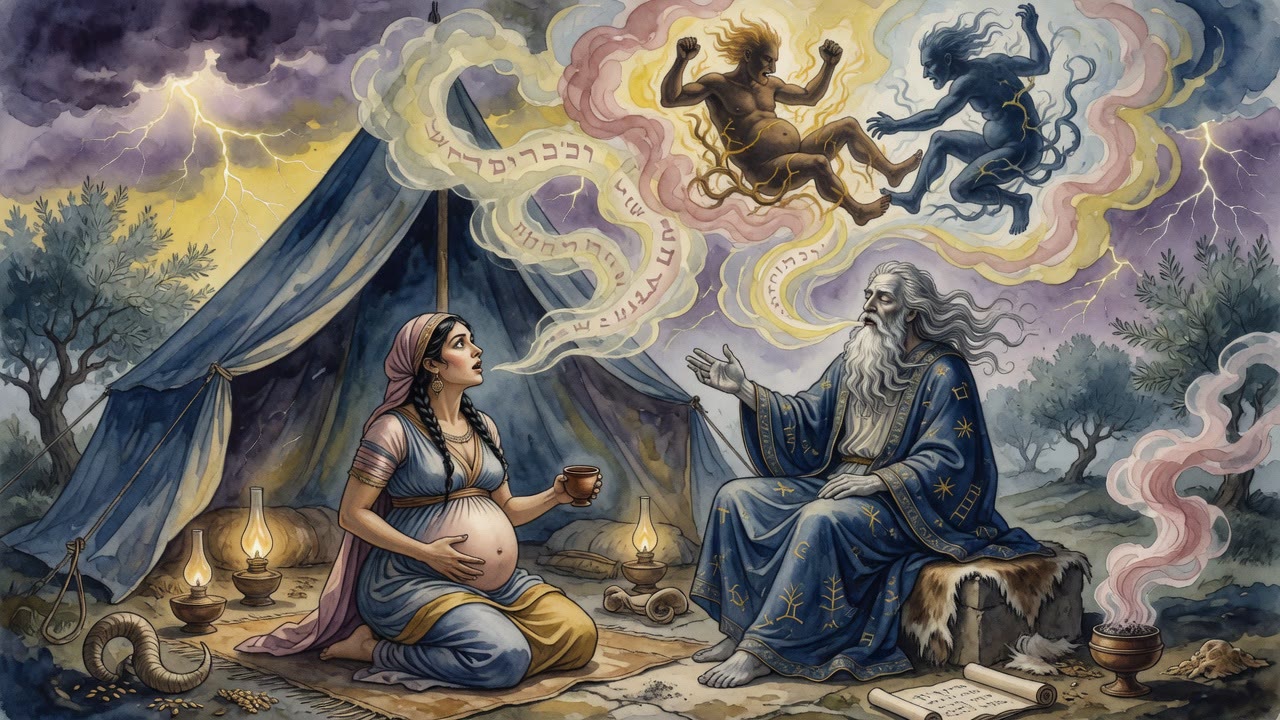
The children struggled inside her so violently that pregnancy became prophecy before anyone spoke. She did not treat the pain as private. She went to inquire of God, because the movement in her body felt like history trying to tear itself open. The answer would name two nations, two peoples, two forms of strength, and the strange reversal by which the older would serve the younger.
The Torah sounds as if God answered her directly. The midrash slows the sentence down.
The Rabbis Guarded Direct Speech
Bereshit Rabbah begins from Sarah.
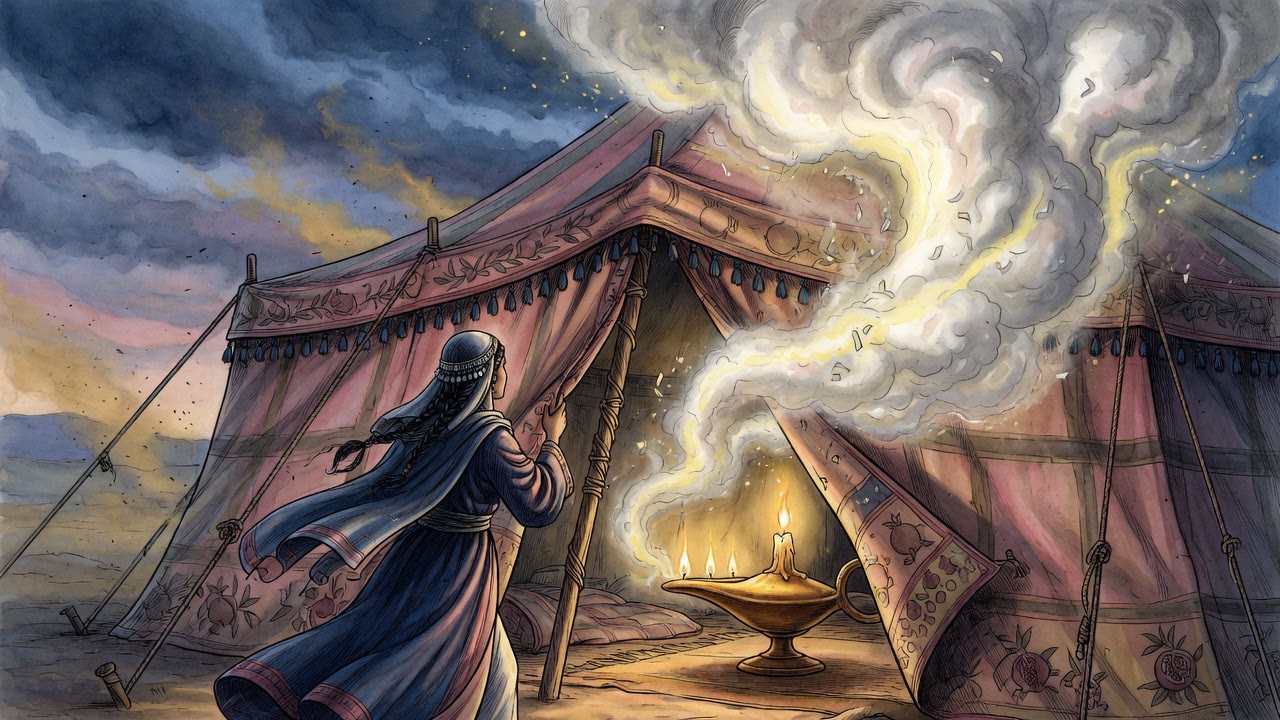
When Sarah laughed inside the tent, God addressed the laughter with careful indirection. The rabbis noticed the delicacy. They argued that God did not commonly speak directly with women, and even with Sarah the encounter came only because the moment demanded it. The claim is sharp, and the midrash immediately tests it against other women who seem to hear heaven.
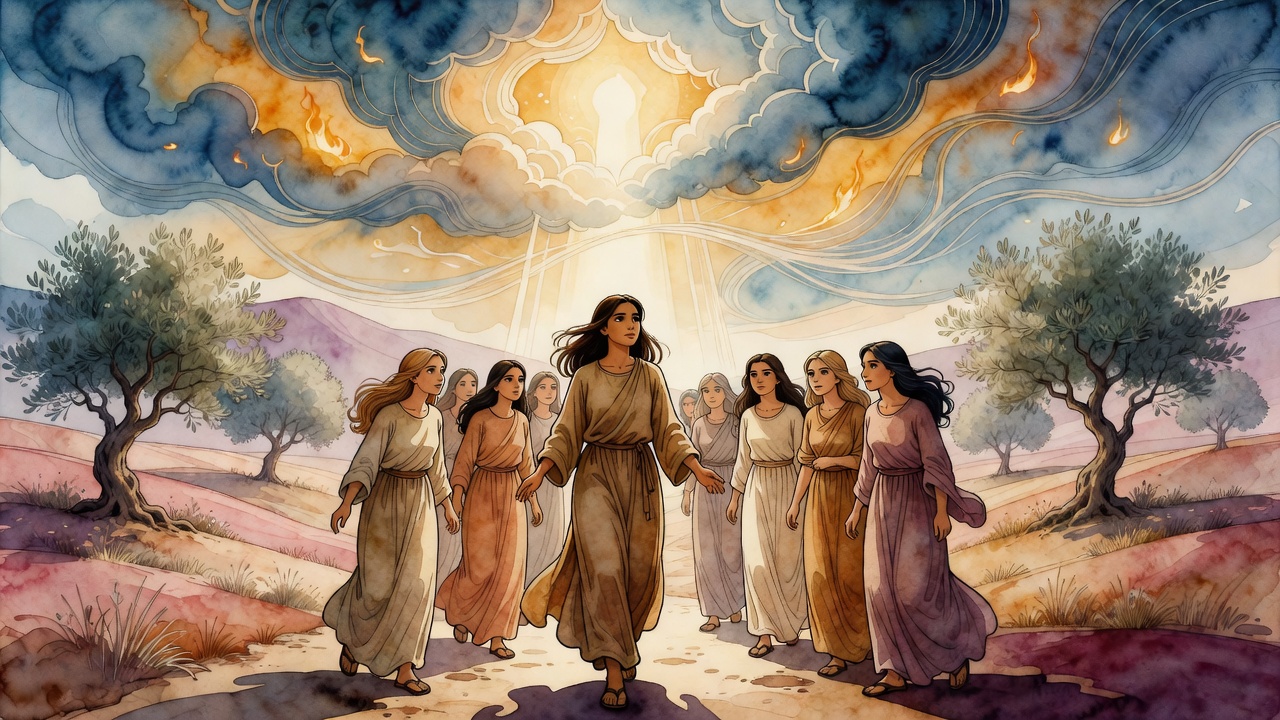
Hagar saw an angel. Rebecca received an oracle. The text refuses to ignore them, but it also refuses to flatten all revelation into one form.
Hagar Had an Angel
Hagar's case could be answered first.
She was spoken to in the wilderness, but through an angelic messenger. Her encounter was real. Her seeing was real. Her naming of God was real. The rabbis could still say that the speech was mediated. Heaven had reached her through one of its servants, and the messenger did not make the message false.
That distinction mattered because Rebecca's verse was harder. It did not say an angel answered. It said God answered. The midrash had to decide what kind of answer the sentence meant.
Shem Became the Mouth of the Oracle
Rabbi Elazar, speaking in the name of Rabbi Yose ben Zimra, gave the answer that changes the scene.
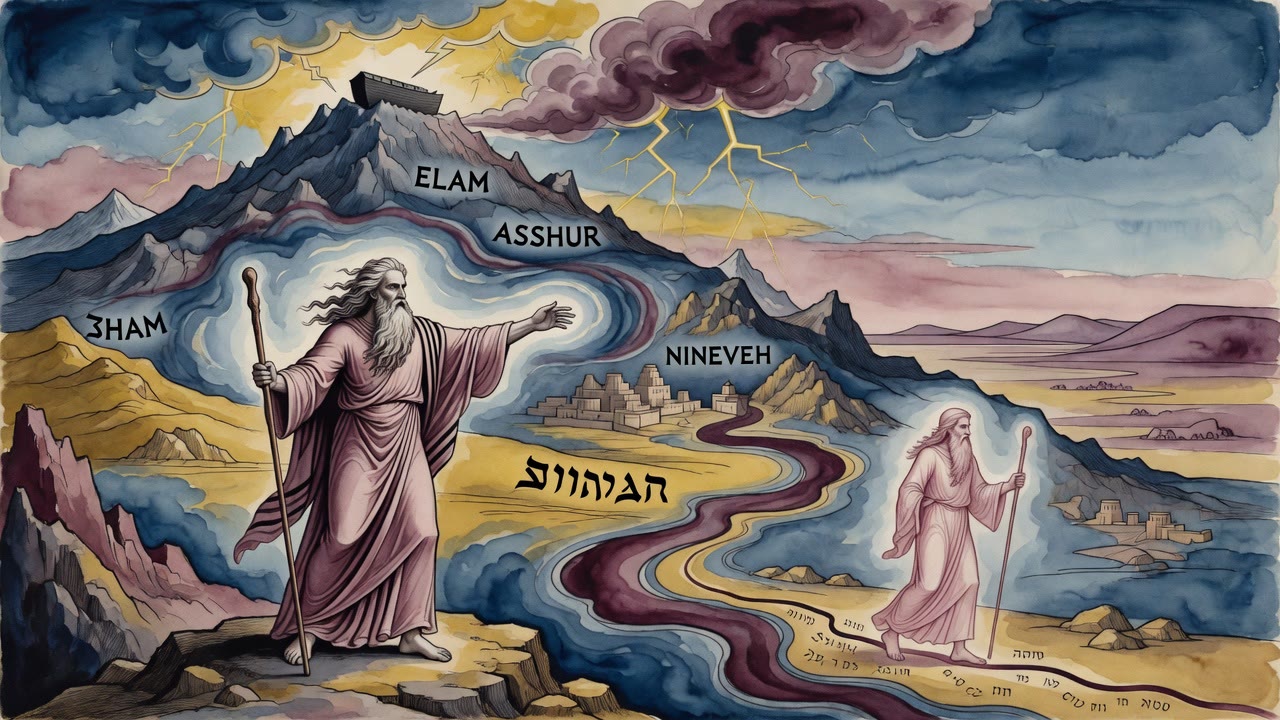
Rebecca did not hear a disembodied voice. She heard the oracle through Shem. Noah's son, survivor of the flood, elder of the new world, and keeper of ancient blessing, became the human channel through which God answered her. The prophecy did not come less from God because it came through a prophet. It came in the form a human household could bear.
Rebecca went seeking heaven. Heaven met her through a living bearer of memory.
The Twins Were Already Peoples
The answer did not soothe her body. It interpreted it.
Two nations were in her womb. Two regimes of hunger, skill, violence, cunning, birthright, and blessing were already pressing against one another before birth. Esau and Jacob were not merely brothers who would later disagree. Their conflict had begun in the hidden place, where a mother felt history as pain.
The oracle gave Rebecca more than information. It gave her permission to understand the struggle as destiny and later to act when Isaac's blessing approached the wrong son.
The Mother Heard Before the Father Saw
That is the force of the midrashic turn.
Rebecca's prophecy may have come through Shem, but it came to Rebecca. She carried the knowledge before Isaac acted, before Jacob disguised himself, before Esau cried out, before the family split around a blessing that could not be repeated. The mother knew the hidden order first.
The rabbis narrowed the mechanics of direct divine speech, but they did not erase Rebecca's role. She sought, heard, remembered, and moved. The future of Israel passed first through her troubled body and her interpreted pain.
Shem's presence also changes the scale of Rebecca's question. She does not merely consult a local interpreter of dreams. She is connected to the generation after the flood, to the memory of a world destroyed and rebuilt, to a man who had seen human violence judged and creation begin again. If anyone could understand two futures fighting inside one womb, it would be a survivor who knew how history can be compressed into one household.
The oracle therefore joins two beginnings. Shem stands near the beginning after the flood. Rebecca stands near the beginning of Israel's inner struggle. Jacob and Esau will divide a family, then nations, then long memories of danger and election. The answer she receives through Shem is not comfort. It is orientation. Her pain has lineage, and the children inside her are already carrying more than themselves.
The mediation also leaves Rebecca with responsibility. A prophet can deliver the oracle, but he cannot carry the twins for her, choose for her, or bear the consequences inside Isaac's tent years later. The word comes through Shem and then belongs to Rebecca's memory. She becomes the keeper of a sentence that everyone else will understand too late.
← All myths