God Remembered Three Women When the Year Turned
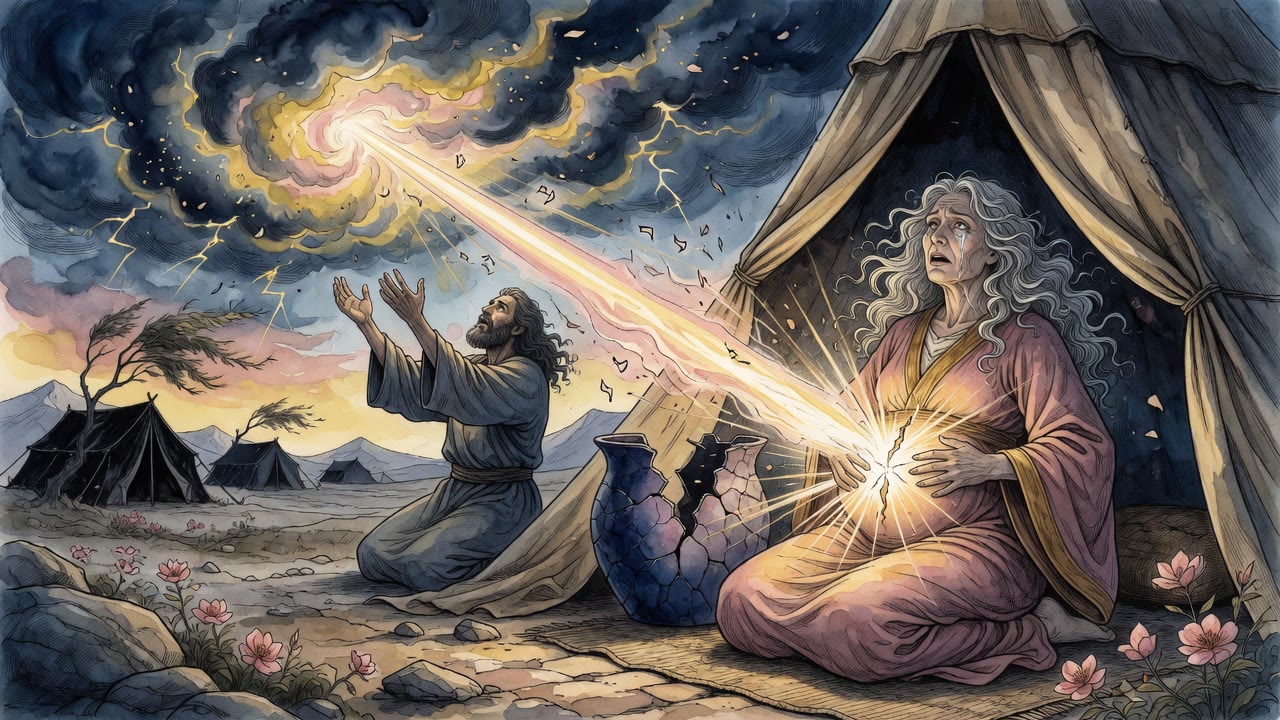
The ram's horn sounded on the Day of Remembrance. Three closed wombs were on the books. Sarah was already old enough to laugh at the promise.
Table of Contents
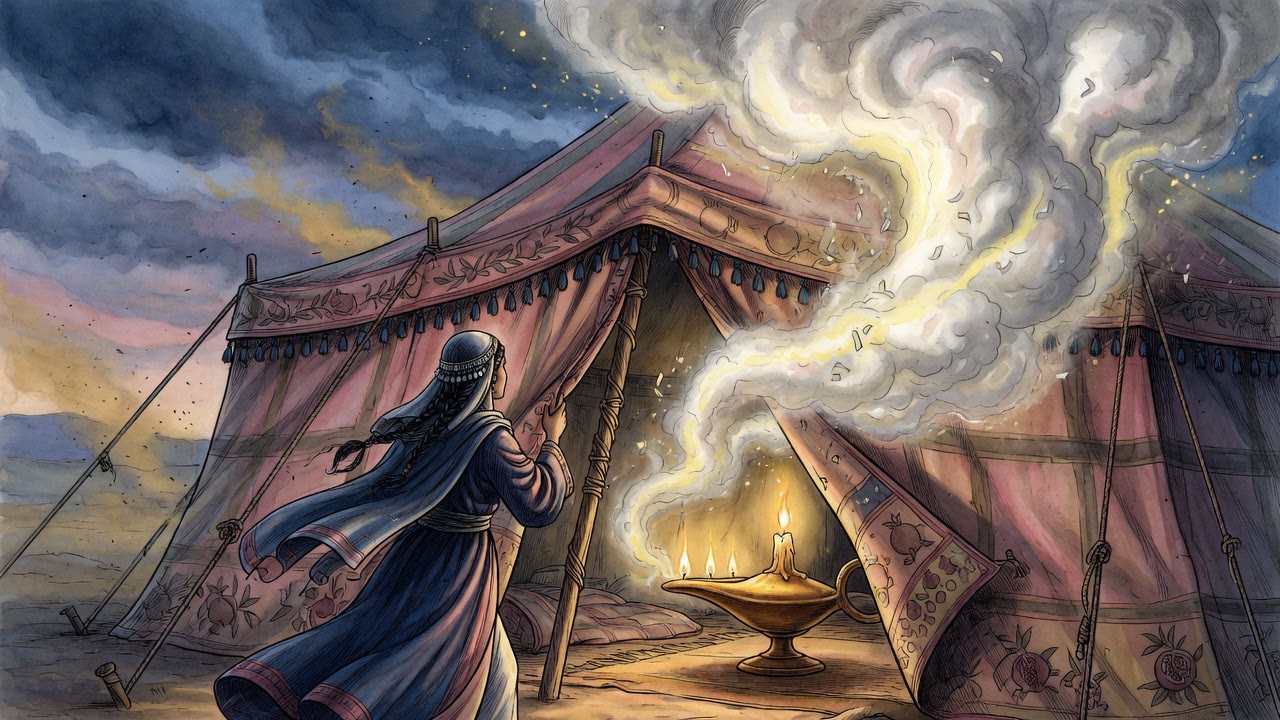
The ram's horn went up, and Sarah put her hand over her mouth so the men at the table would not hear her laugh.
 Click for full size
She was behind the tent flap in the heat of the day. Strangers sat in the shade eating Abraham's bread and speaking as if time were a servant standing outside. A son would be born, they said. The body that had not answered for decades was being addressed like a door that could still open.
She laughed. Not because the promise was small. Because it was too large to fit inside the life she had already accepted. She knew exactly how old she was.
Sarah Laughed in the Heat
The laugh carried embarrassment, astonishment, and the bruised wisdom of a woman who had learned how to live around a closed womb. Youth would have made the promise easy to believe. Youth had already gone.
Then the year moved toward remembrance. The day came when hidden accounts opened above the world. Sarah was not discovered then. She had not been misplaced. She was remembered, which is more intimate and more frightening. To be remembered by God is to learn that the silence had not been absence.
Isaac arrived in a body that had stopped expecting him. Sarah held a son whose name was laughter, and the laugh that had hidden behind a flap became a sound she no longer had to cover.
Rachel Counted Other Women's Sons
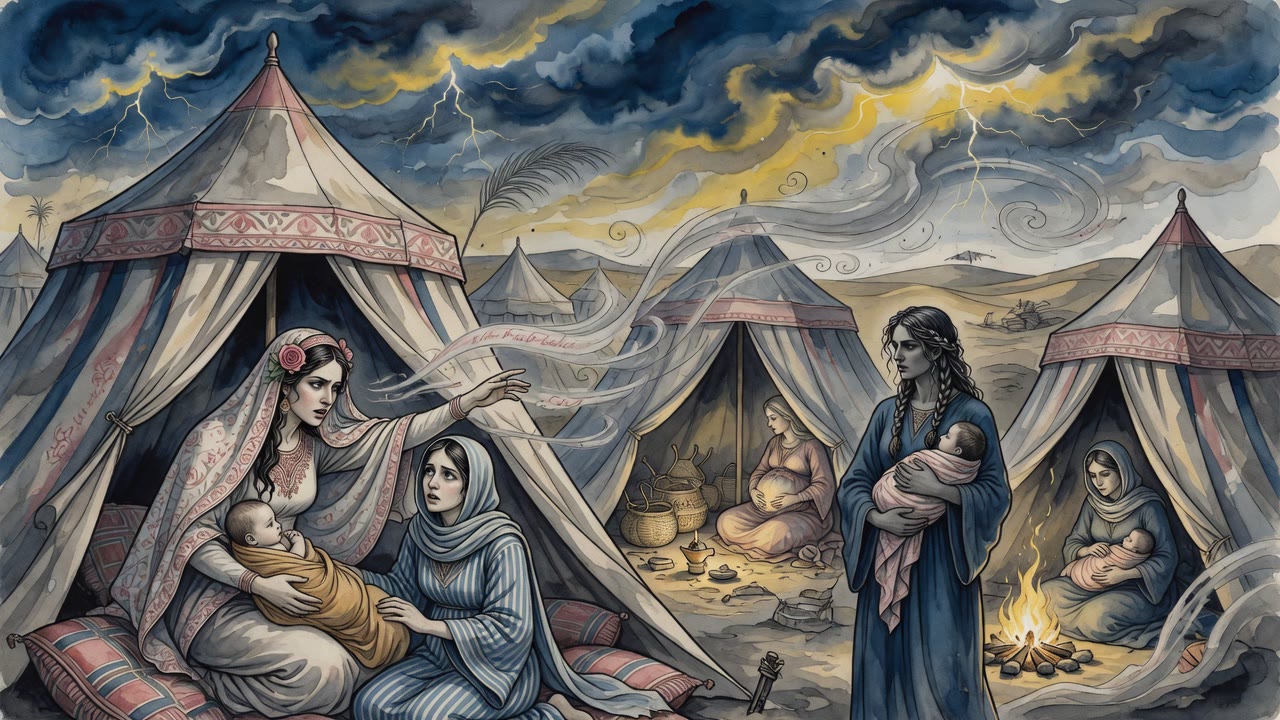
Rachel's pain had a different sound. It lived in a crowded house. Leah bore son after son. The names rose around Rachel like doors closing. Reuben. Simeon. Levi. Judah. Every cry of a newborn entered the tent as proof that blessing was near and not hers.
She begged Jacob for children. He snapped back because even the beloved wife can ask from a place no husband can reach. Rachel did not need a speech. She needed the locked place in her body to answer.
Then God remembered Rachel. He heeded her and opened her womb (Genesis 30:22). Joseph was born, the child whose dreams would pull the family toward Egypt and keep them alive in famine. Rachel held him in a house that had been full of other women's sons, and the road to Egypt began in her arms.
Hannah's Mouth Moved Without Sound
Hannah came to the sanctuary at Shiloh with grief so intense that even the priest misread it. Her lips moved. Her voice did not emerge. Eli looked at the silent woman and thought he saw drunkenness.
She had already endured Peninnah's cruelty and the helpless tenderness of a husband who loved her but could not give her what she lacked. Now the priest added suspicion to the wound. Hannah did not collapse under it. She answered him with a straight back.
"I am not drunk," she said. "I am pouring out my soul before God."
She did not offer a polished prayer. She emptied herself. She made a vow from the rawest place in her life. If a son came, he would be given back. The child would not become proof of possession. He would become service.
Samuel was born from that pouring out. Israel's future shifted with him. A woman the priest had called drunk walked home with a pregnancy heaven had written into the year.
A Child Turned in the Womb
The house of Jacob was never a quiet place. Wombs, names, prayers, bargains, and rivalries pressed against one another. Leah, pregnant again, called her sixth son a fine gift, like a field that yields when a person hoes it. Then labor took her for a seventh.
On the birth stool the child could still change. Rachel prayed for another son from herself, not "sons," but one more, because she had counted what Jacob was still owed and wanted that last one to come through her. The child Leah was delivering turned. What had been aimed toward a male arrived as a daughter. She named her Dinah.
Rachel's mouth had already moved the map of the household. Later she would bear Joseph and then die on the road bearing Benjamin. The prayer on the stool was not a small ask. It reached into another woman's labor and took a share.
The Day the Books Opened
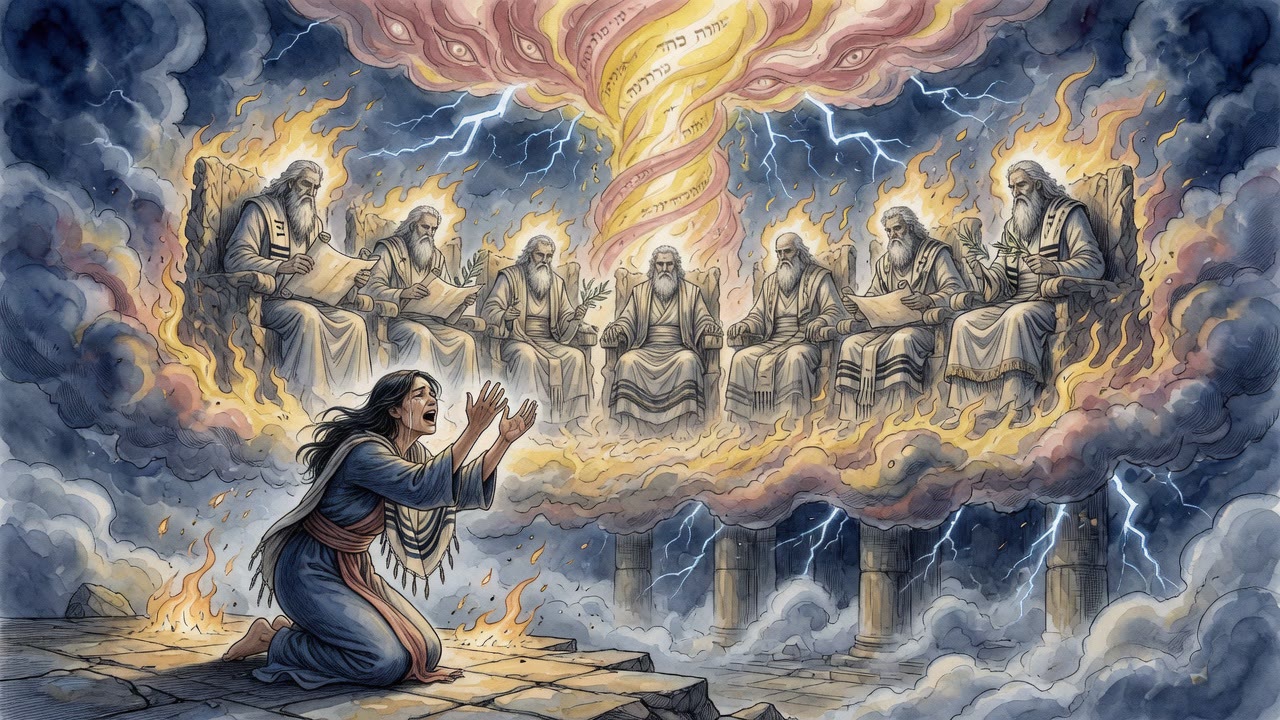
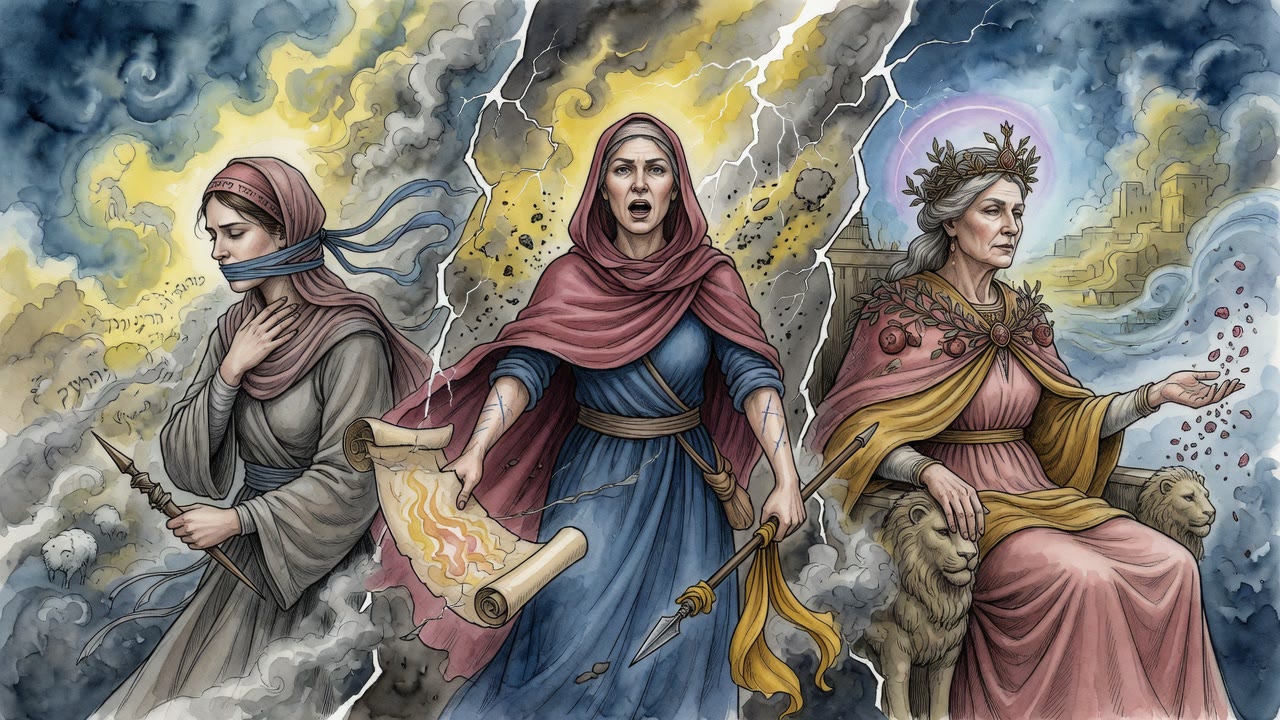
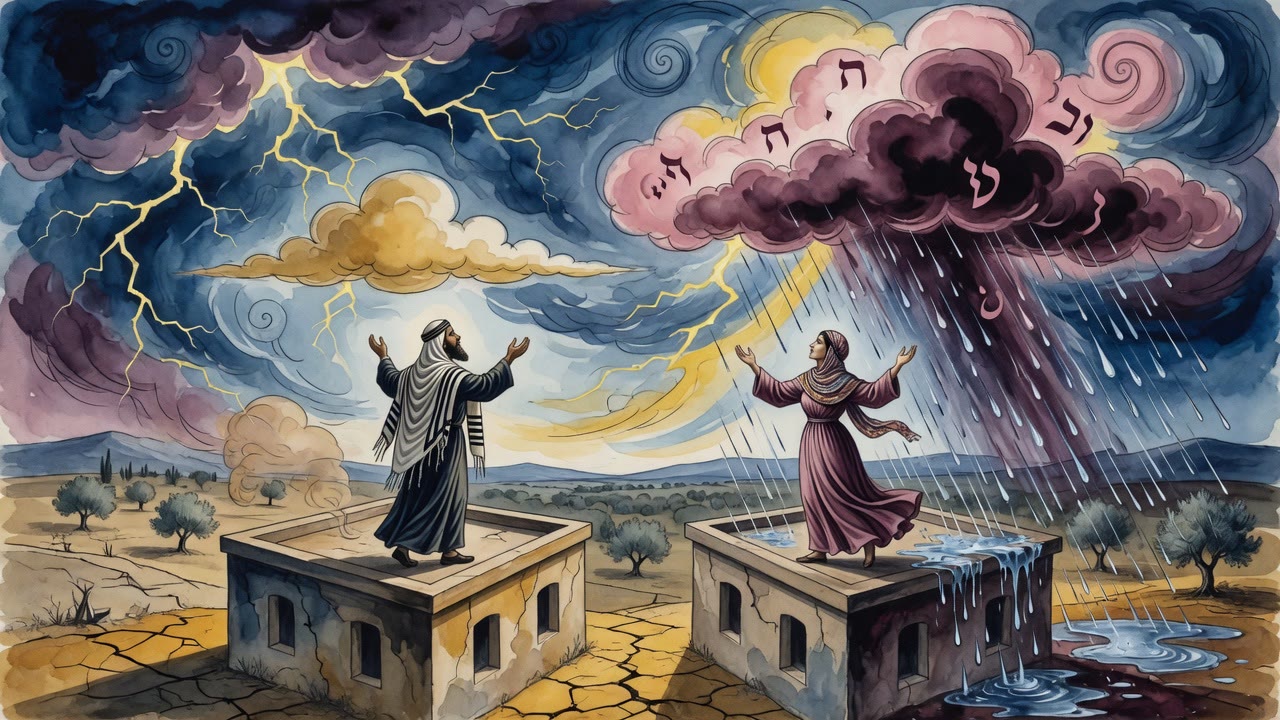
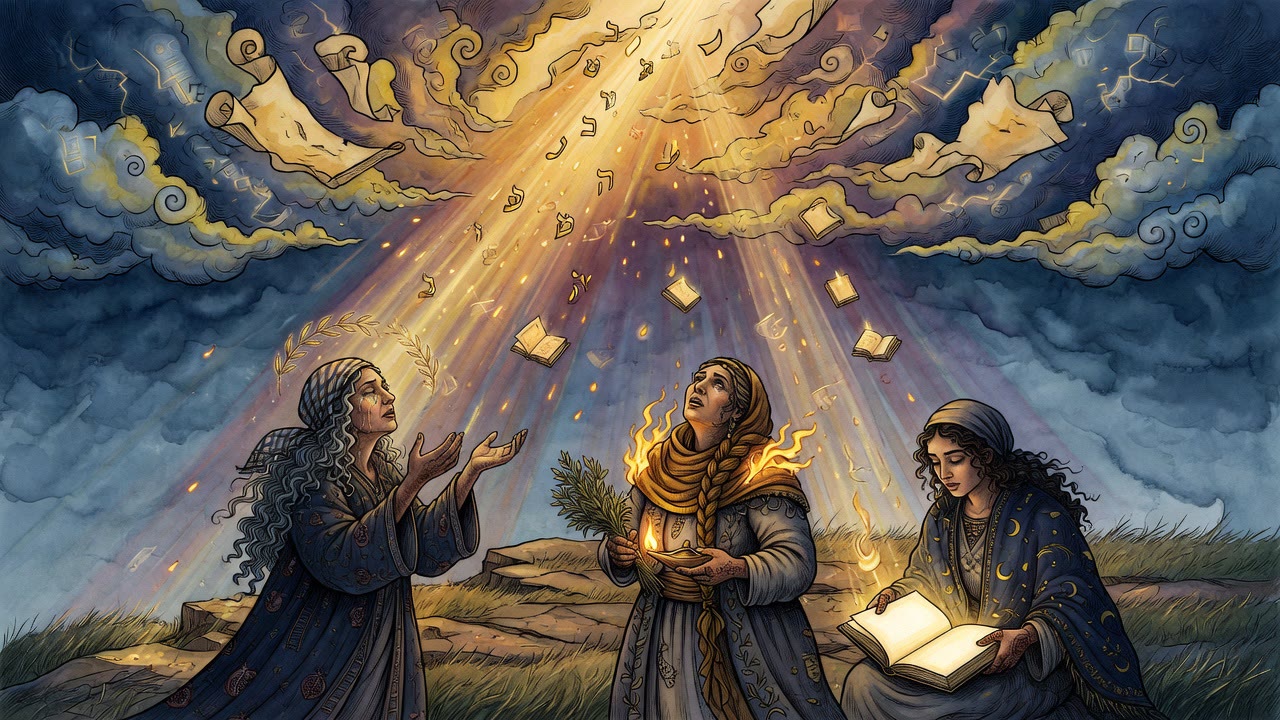
On Rosh Hashanah, the Day of Remembrance, the closed places opened. Not all at once in the same house. Not with the same tears. Not with the same child. Age pressed Sarah. Comparison pressed Rachel. Humiliation pressed Hannah. Each carried a different form of enclosure.
The ram's horn sounded. Heaven did not only recall their names. It made room for Isaac, Joseph, and Samuel. Three women who had been treated by time and by other people as finished were written back into the year as mothers.
Sarah's laugh came uncovered. Rachel held a son whose name would feed nations. Hannah walked away from Eli's bench with her vow already binding her to give the boy back. The year turned. The books opened. The wombs that had been silent answered.
← All myths