Sarah Died and the Whole Country Fell Into Confusion
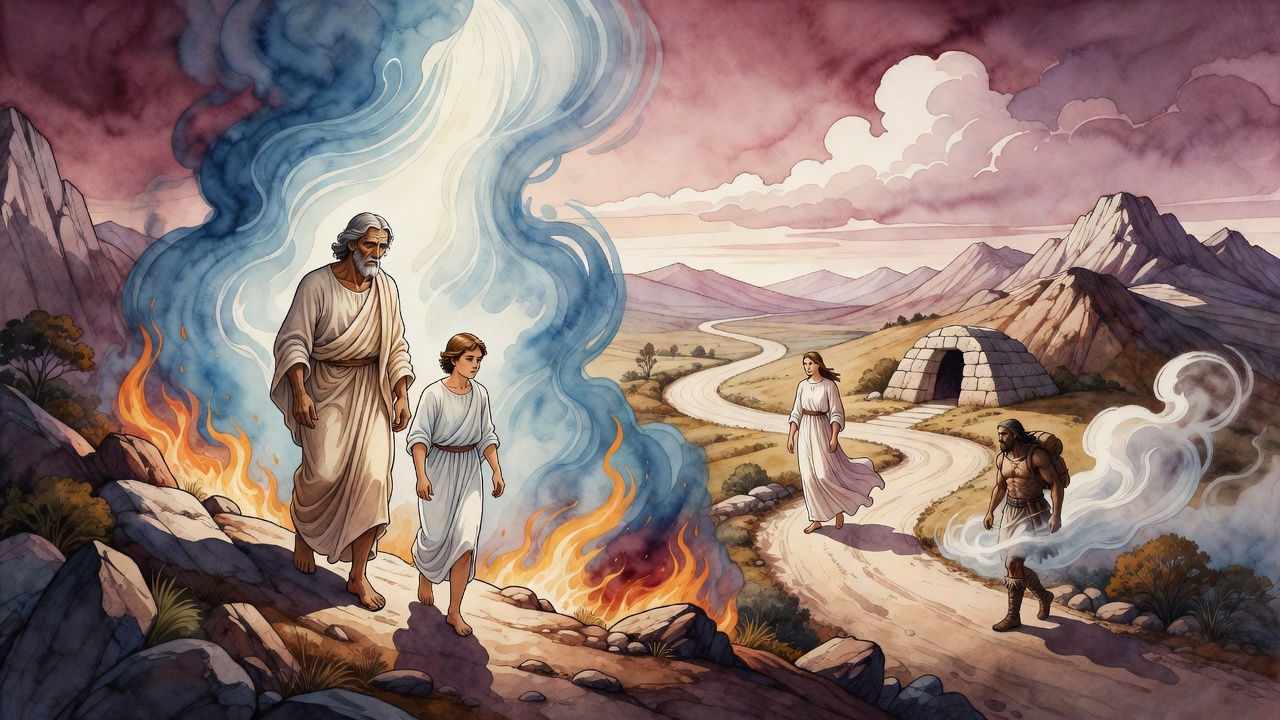
Pharaoh woke at dawn and could not explain the night. He had brought Sarah into his palace and had not been able to come near her.
Table of Contents
 Click for full size
The Morning Pharaoh Woke Confused
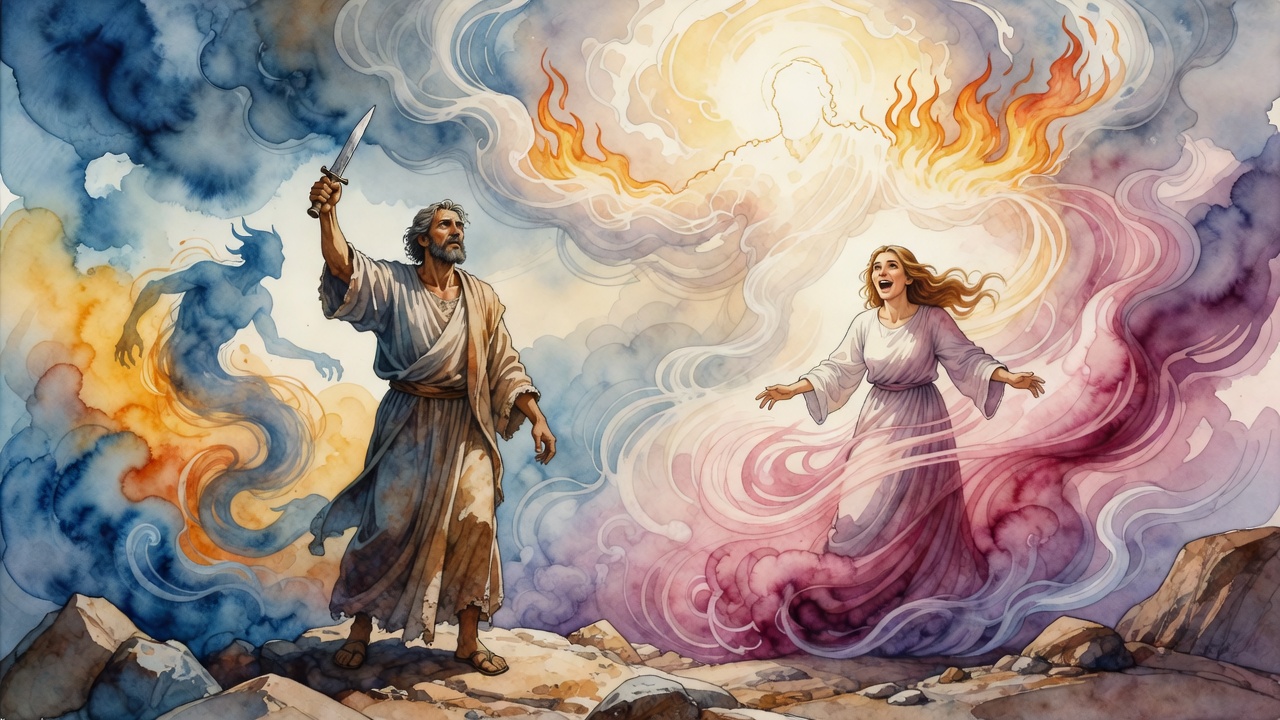
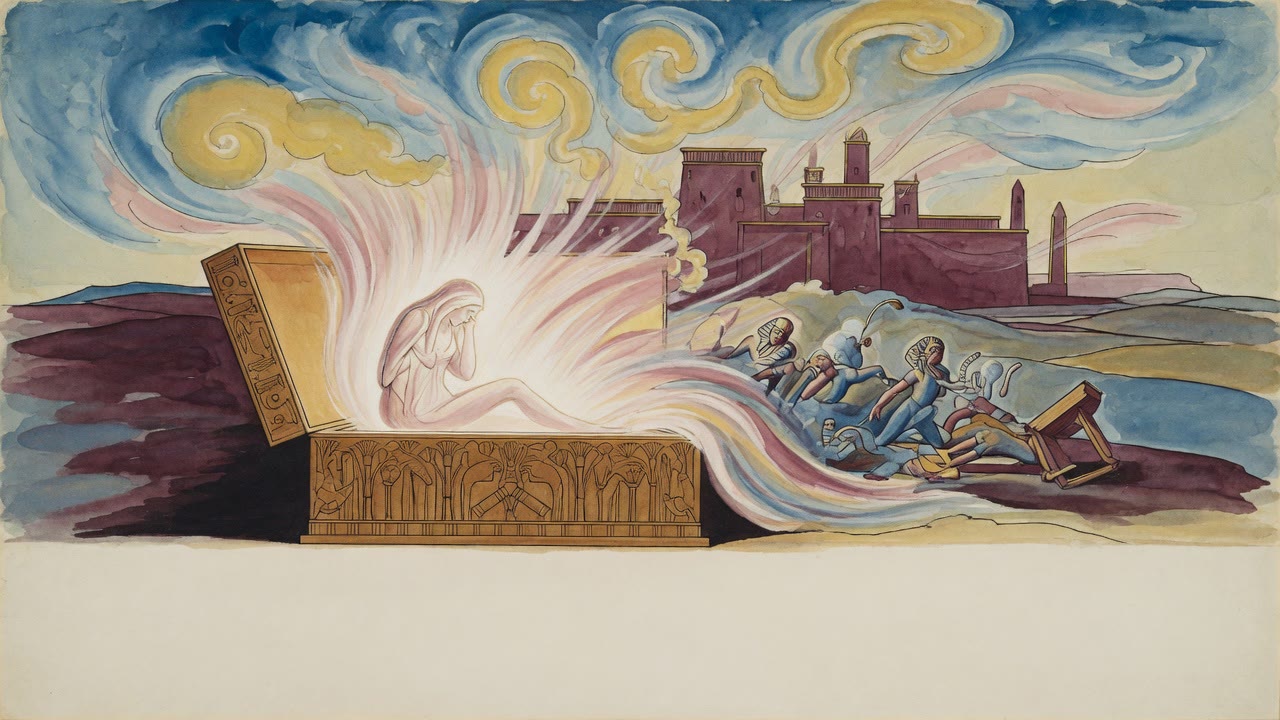
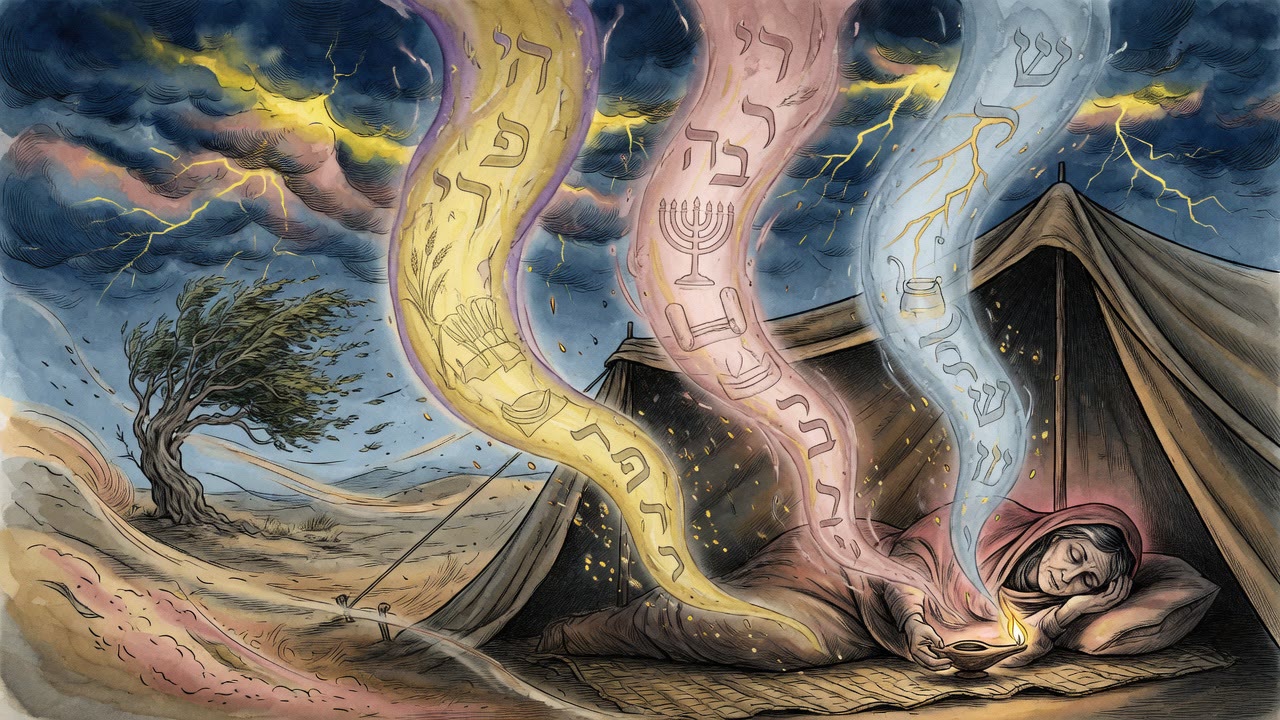
Pharaoh got up early and could not account for the night. Sarah had been brought into the palace the evening before, the most beautiful woman anyone in Egypt had ever seen, and he had not gone near her. Something had moved through the house in the dark. By morning his people were sick and so was he.
He called in his priests. They found the cause and told him, and when he put it to Sarah she said the same thing they had. She was married. The man who had walked into Egypt calling himself her brother was her husband.
He sent for Abraham before the day was out. "Here is your wife," he said. "Take her and go. Do not stay in this land." He made excuses about how he had meant to marry into the family of a man he took for her brother, and he loaded them both with gifts, and he put an escort on the road with them to see that they reached Canaan. They had been three months in Egypt.
What Was Written in Her Marriage Contract
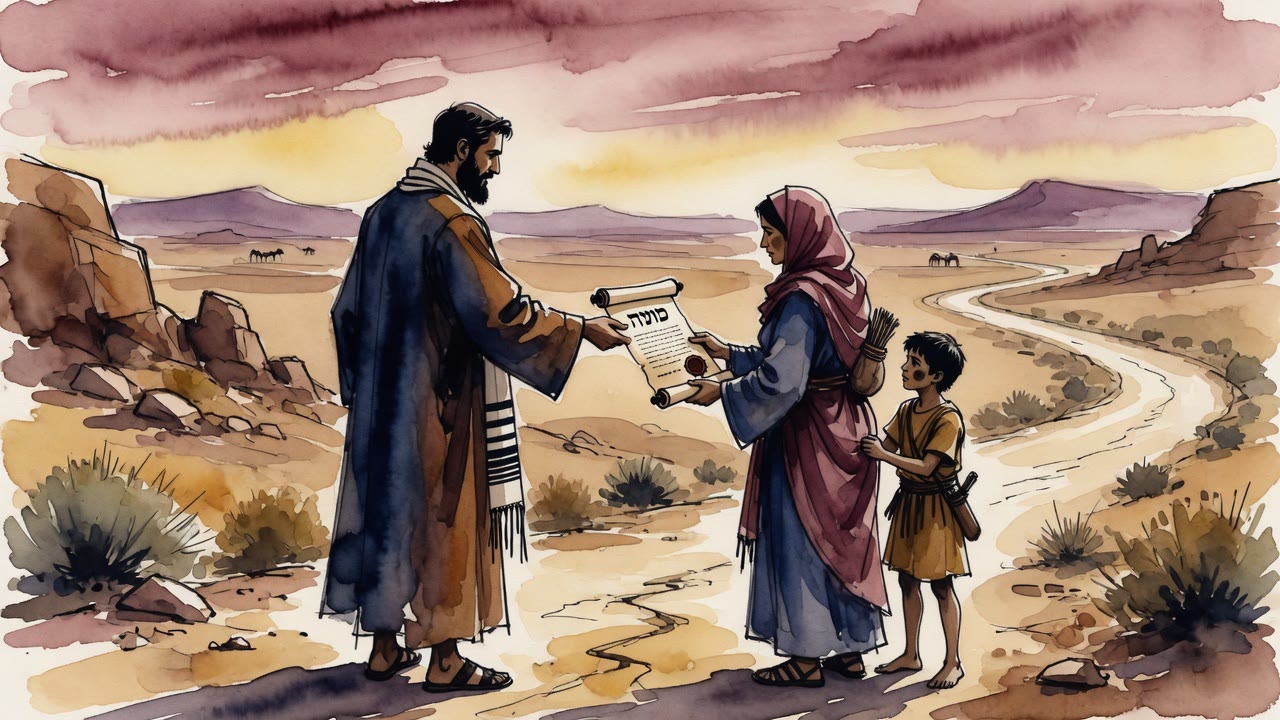
She did not leave empty-handed, because Pharaoh had already written the contract. He had loved her enough to sign over everything in it: silver, gold, menservants, land. He wrote her the land of Goshen as her own possession. He wrote over to her his own daughter by a concubine, a girl named Hagar, to be her handmaid.
The deeds went out of Egypt with her, and generations later Jacob's starving sons came down into that country and were handed Goshen to live in. They pastured their flocks on ground that had been signed to their mother Sarah in a marriage document she never asked anyone to write.
Hagar walked out behind her. A daughter of Pharaoh left the palace carrying an old woman's bags into a tent in Canaan, and what that would do to the household was still years off.
Abimelech Sent for Her Too
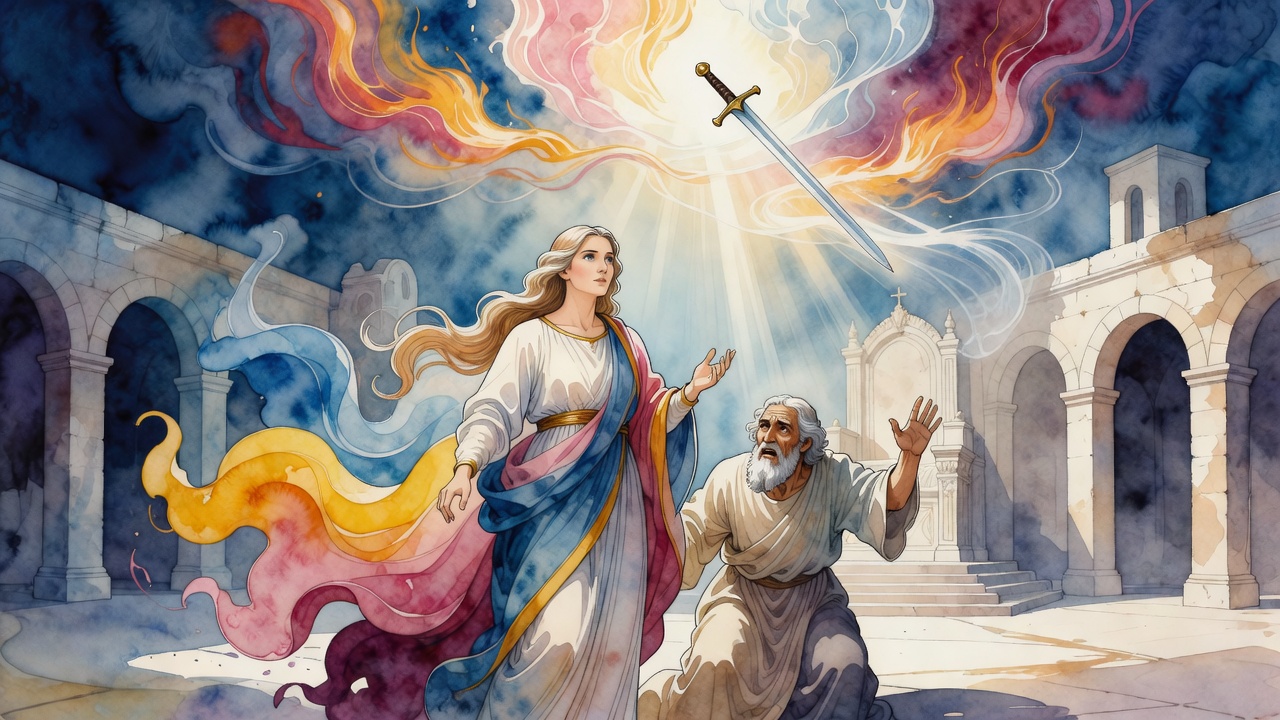
Abraham rested in Philistine country, and it happened again. Abimelech of Gerar sent men and took Sarah, meaning to raise children from her. God came to him in a dream that night and told him he was a dead man, and Abimelech, who had not touched her, argued his innocence until God agreed. Every womb in his house had closed while she was under his roof.
He gave rich gifts, but he gave them to Abraham rather than to Sarah, because what he wanted was not forgiveness on paper. He wanted the prophet to pray for him. To Sarah he gave one thing, a costly robe that covered her whole person, so that nobody standing in a doorway could look at her the way he had. It was a gift, and it was also a rebuke aimed at her husband. Abraham had never dressed his wife in anything like it.
Abraham prayed for him anyway. The wombs opened.
The Whole Land Went Wrong at Once
Sarah died at Hebron, one hundred and twenty-seven years old. As long as she lived, things in that country had gone well. After she was gone, they stopped going well, and everybody felt it.
The mourning was not confined to her tent. It ran through the towns. The weeping and wailing came from people who had never eaten at her table, and so the man who had just lost her ended up doing the consoling. Abraham stood in front of a crowd of grieving strangers and steadied them.
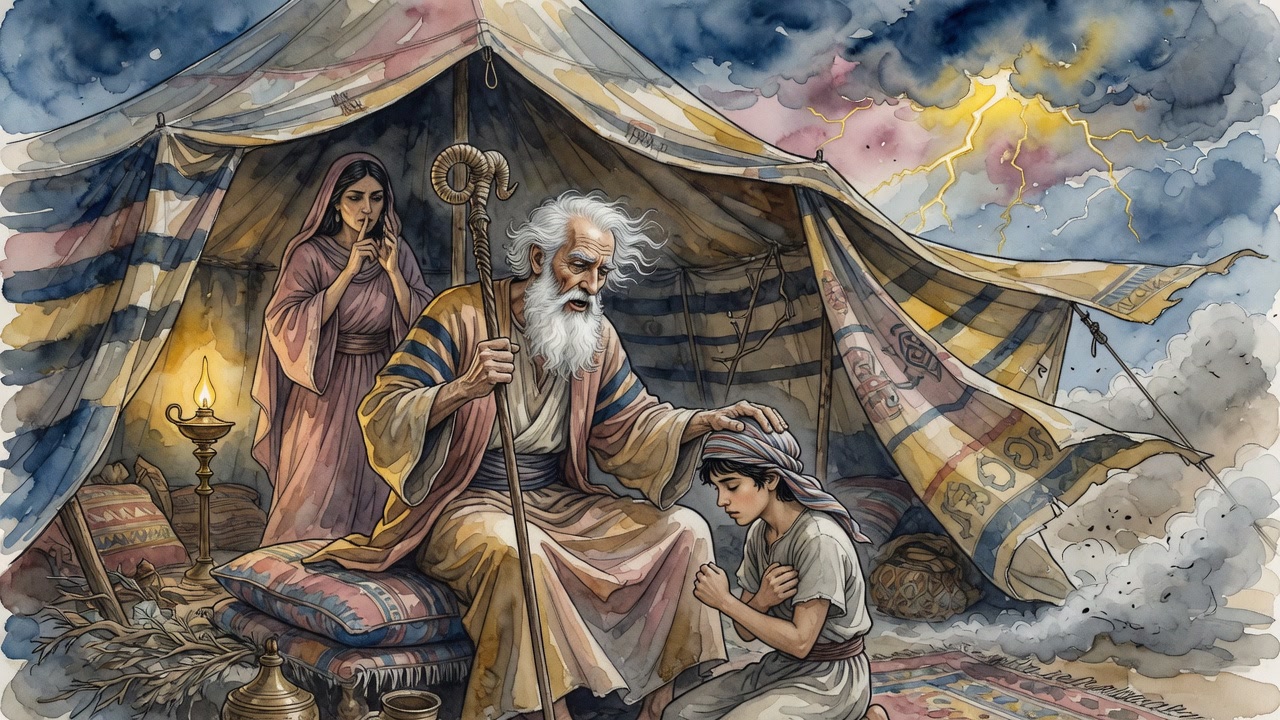
"My children," he said, "do not take her going too much to heart. One event comes to all alike, to the pious and to the wicked."
Then he asked them for a grave.
Not as a Gift, but for Money
He was being watched while he asked. Angels had been sent to stand over that negotiation and see whether his spirit would hold, whether he would let one bitter word out of his mouth about the wife heaven had taken from him after everything else it had taken. He was found patient. He was not disturbed.
He turned to the children of Heth with his dead still lying behind him and spoke like a man conducting ordinary business. Give me a burial plot among you, he said, not as a gift, but for money.
They offered him the choicest grave they had, free. He counted out silver instead, in front of all of them, and buried her in a field he had paid for to the last coin.
← All myths