Eve Had No One to Ask and the Angels Came Anyway
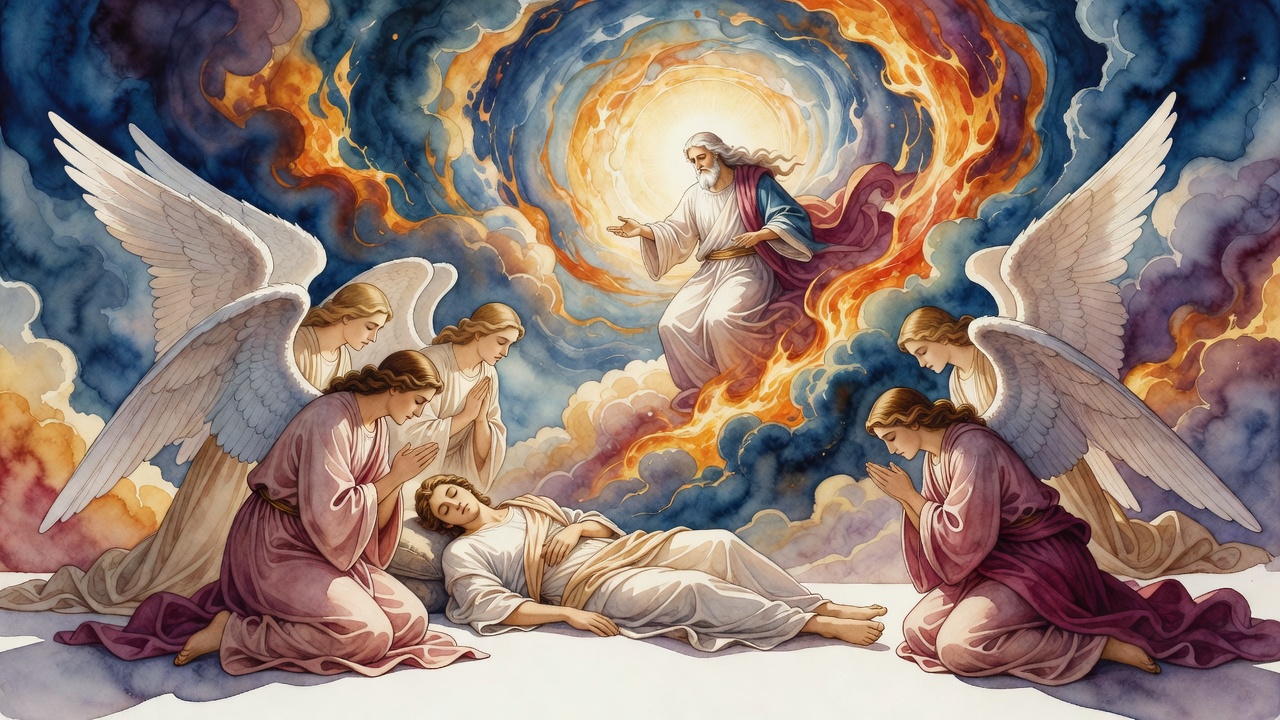
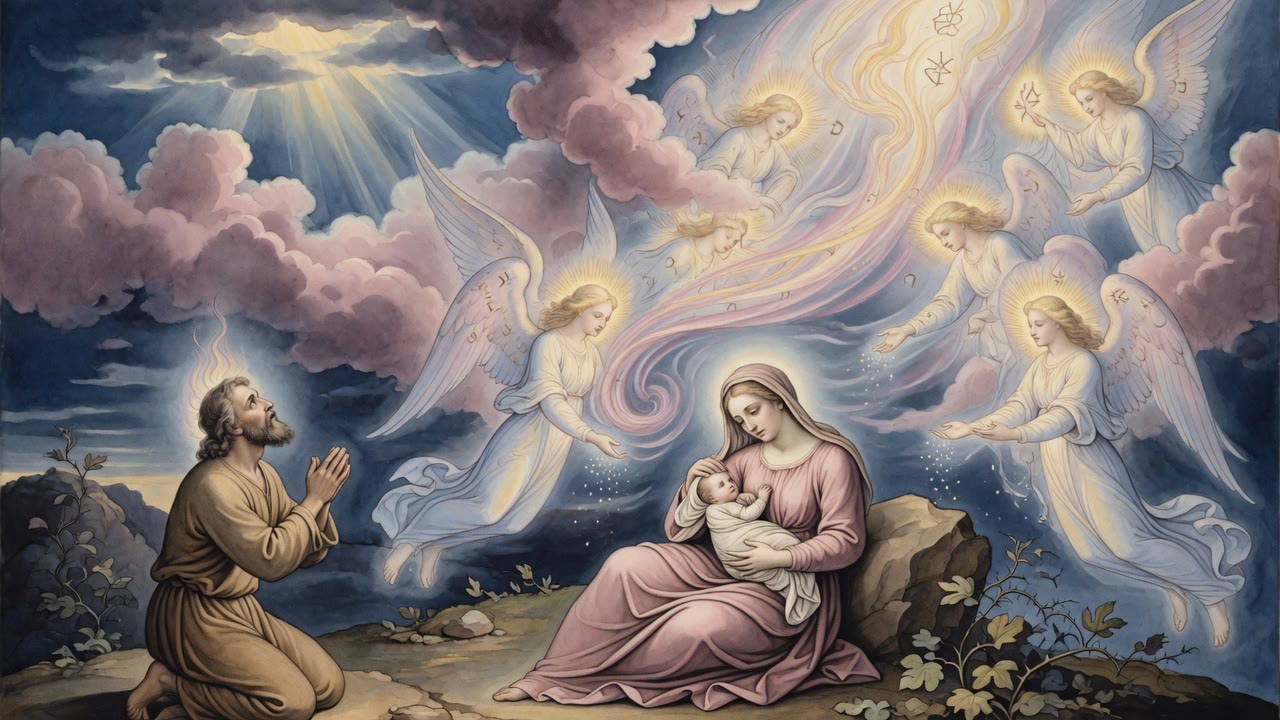
When Eve went into labor with the first child ever born, no one had ever survived it before. Adam prayed and God sent angels down to help.
Table of Contents
 Click for full size
The Labor No One Had Survived Before
There was no one to call. There was no midwife, no mother who had done this before, no older woman in the next room who had come through it. When Eve went into labor with the first child ever born in the history of the world, she was facing something that had never happened to anyone. She had no map for it. Neither did Adam.
Adam did the only thing available to him: he prayed. He pleaded with God to send someone, something, any kind of help. God sent two angels and two celestial powers down from heaven. They descended to midwife the very first human birth, attending to Eve while Adam stood somewhere between prayer and panic. The Penitence of Adam, a Second Temple-era apocryphal text, records this hour with the matter-of-fact precision of someone who believes every word of it.
The First Wife Who Would Not Submit
That text is part of a much larger tradition surrounding Eve, a tradition the canonical Torah almost entirely suppresses. The Torah gives her a few lines. She speaks, she eats, she is punished, she names her sons. The apocryphal texts and later midrashim kept asking the questions the Torah refused to answer. What was she like? What did she know? What did she suffer? What happened at the end?
The answer to the question about a first Eve comes from an unexpected direction. The Alphabet of Ben Sira, compiled around the ninth or tenth century CE, preserves the tradition of a being created simultaneously with Adam from the same earth, who refused to accept a position of subservience and was replaced. The rabbis named her Lilith, though the Hebrew Bible never does. Adam's complaint to God was reportedly simple: "this one is too much for me." God considered the request. A replacement was sent.
The second creation of woman, God building her from Adam's rib while he slept, was meant to be gentler, more accommodating. And it was. Eve is endlessly patient in the texts, endlessly devoted, endlessly sorrowful when things go wrong.
The Fence That Became the Serpent's Opening
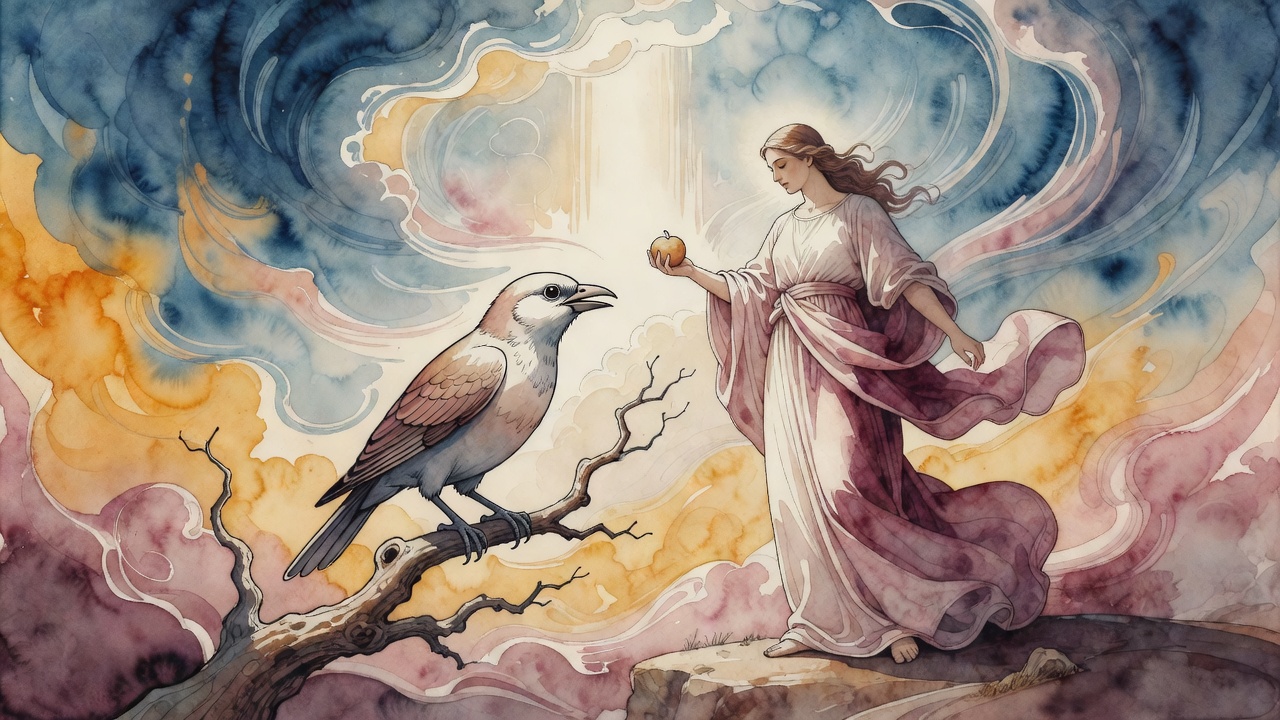
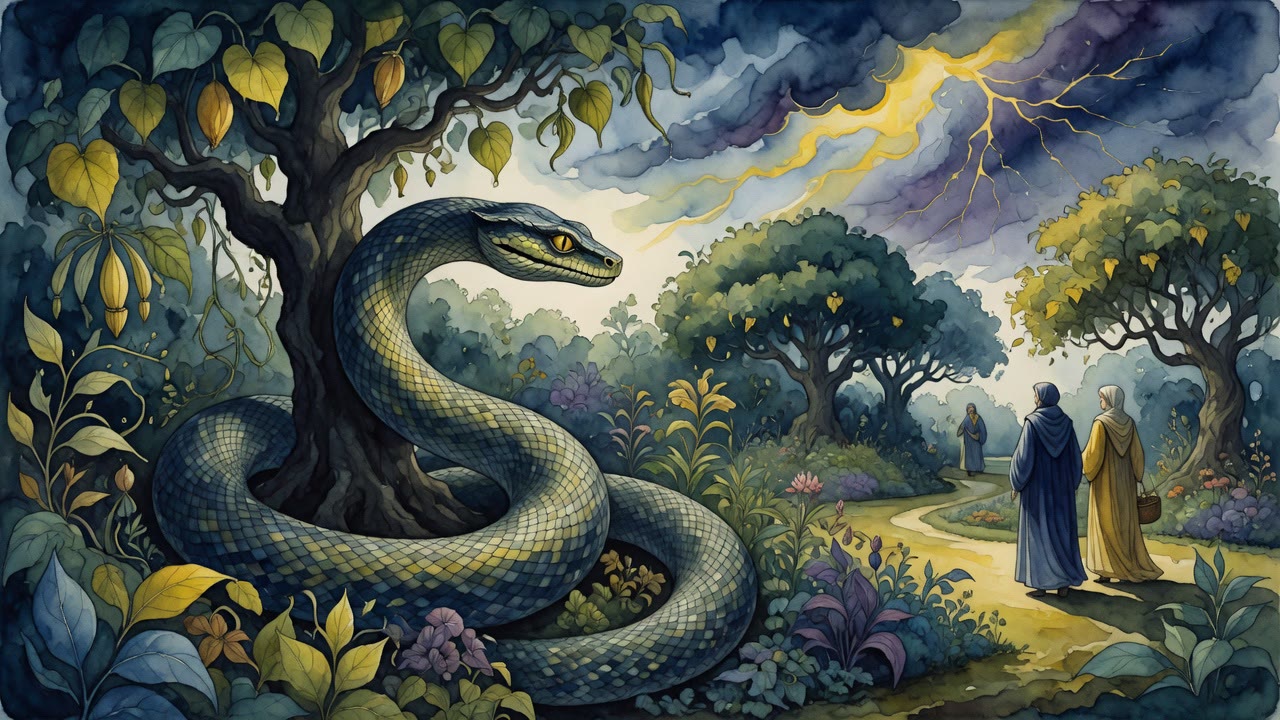
Bereshit Rabbah, the great Palestinian midrash compiled in the fifth century, homes in on the moment where Eve's patience got twisted. When God warned Adam about the tree, God told him directly. Adam relayed the warning to Eve. But somewhere between God's words and Adam's retelling, a small change entered. Eve told the serpent that she was not even allowed to touch the fruit, though God had said nothing about touching. She had received a stricter version of the rule than God had issued.
The rabbis called this building a fence around the Torah, the practice of adding extra restrictions to prevent any possibility of violating the original command. In many contexts it is considered wisdom. But in Eden, the fence became the serpent's opening. He pushed her against the tree. She touched it and did not die. "See," he said. "The same will be true of eating." She ate. The extra restriction she had internalized, whether from Adam's overcaution or her own, became the instrument of its violation.
Six Days in the River
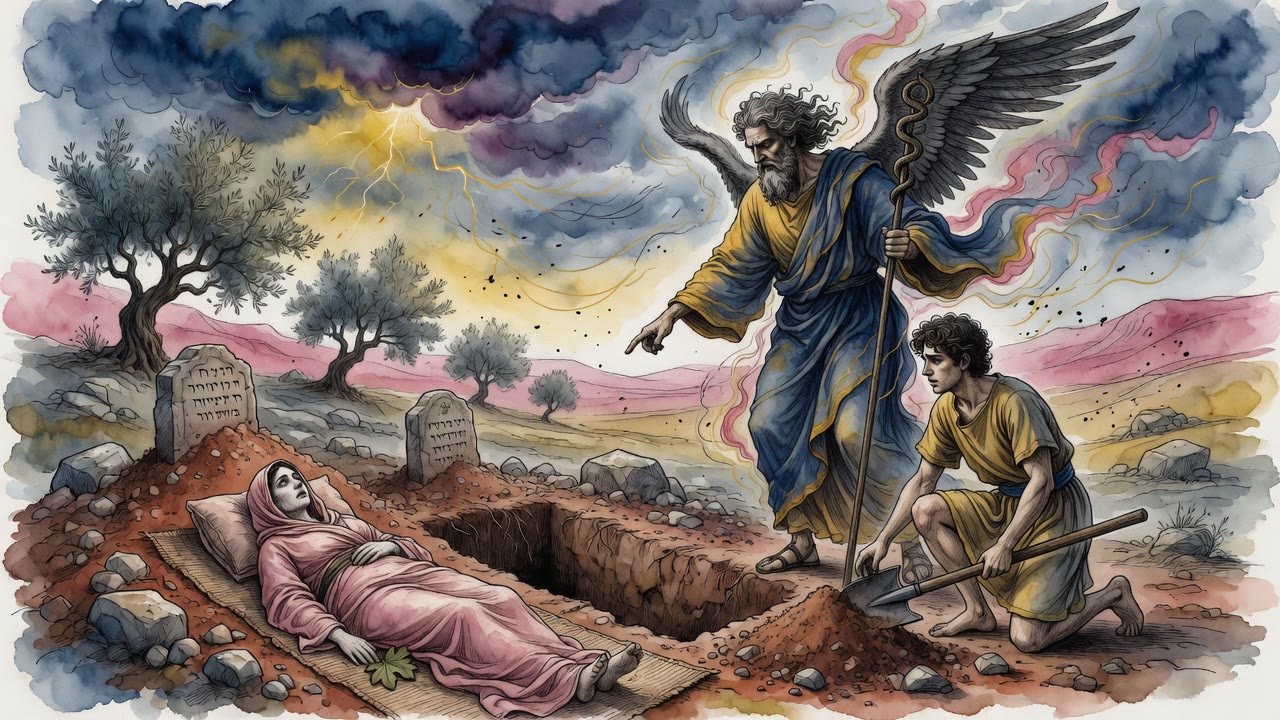
The story does not end in the garden. The Legends of the Jews, Rabbi Louis Ginzberg's early twentieth-century synthesis of rabbinic tradition, lingers over Eve's final years with painful attention. Adam died first. Eve outlived him by six days. She spent those six days, and the years before them, in almost constant mourning and penitence, standing in the Tigris River up to her neck in atonement. She was a woman who could not forgive herself for what had happened in the garden, and who never entirely escaped it.
When she felt her own death approaching, she prayed for burial beside Adam. She asked her children to record everything she remembered on stone tablets that would survive both fire and flood. Whether anyone listened, the texts do not say.
Why the Rabbis Kept Coming Back to Her
She came into the world fully formed from a rib, never having known childhood. She gave birth in terror to the first child who ever entered the world that way, sustained by angels she could not have expected. She lived out her days in a landscape shaped by choices made in the one garden she was forbidden to return to.
The rabbis kept circling back to her. Kept finding new things she had done wrong and new reasons to feel sorry for her, which amounts to the same kind of attention. The women who had no one to ask and the men who prayed and the angels who came down: that is the whole picture compressed into one night beside a river that had no banks yet, in a world where birth had never happened before and someone had to go first.
← All myths