30 myths
Each story names the sources it was written from.
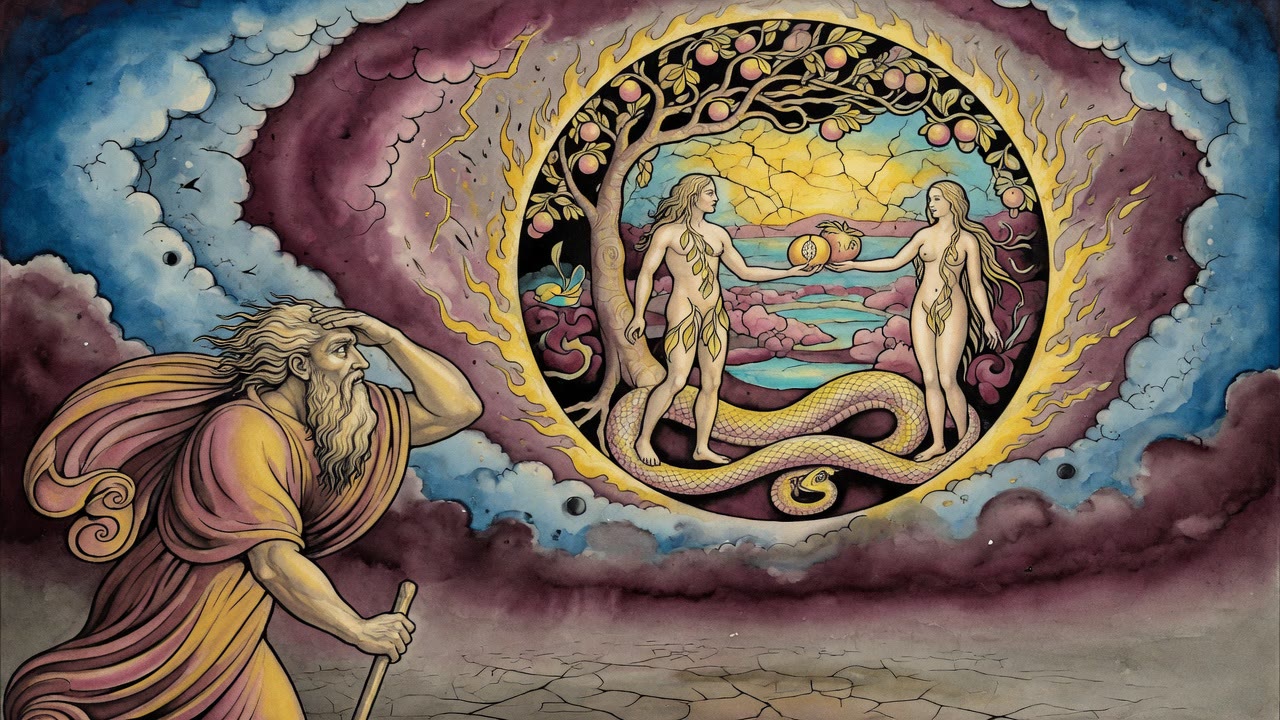
Adam and Eve stood embracing under the tree, and something with a man's hands and twelve wings stood between them, holding out the grapes.
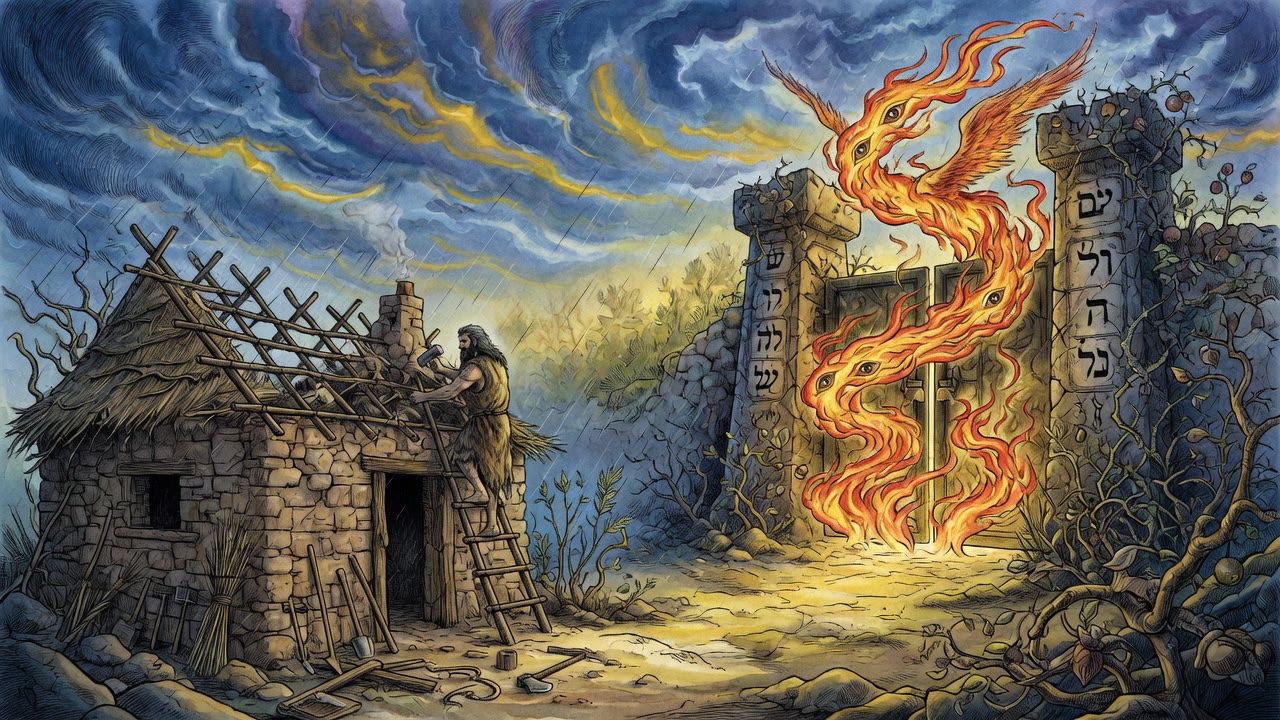
The beasts lowered their heads to the first man. He refused the bow. After the gate shut, he would not walk farther than the nearest mountain.
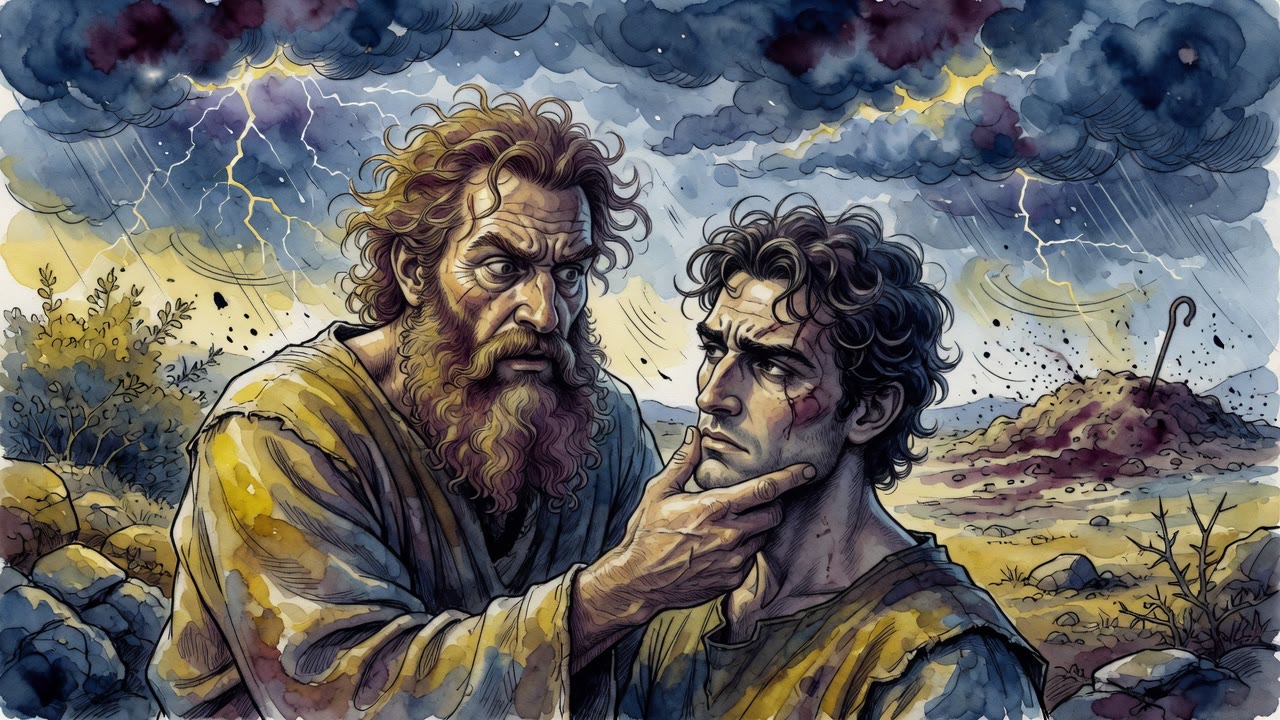
Adam searched Cain's face for his own likeness and found nothing. A hundred and thirty years passed before a son carried his image.
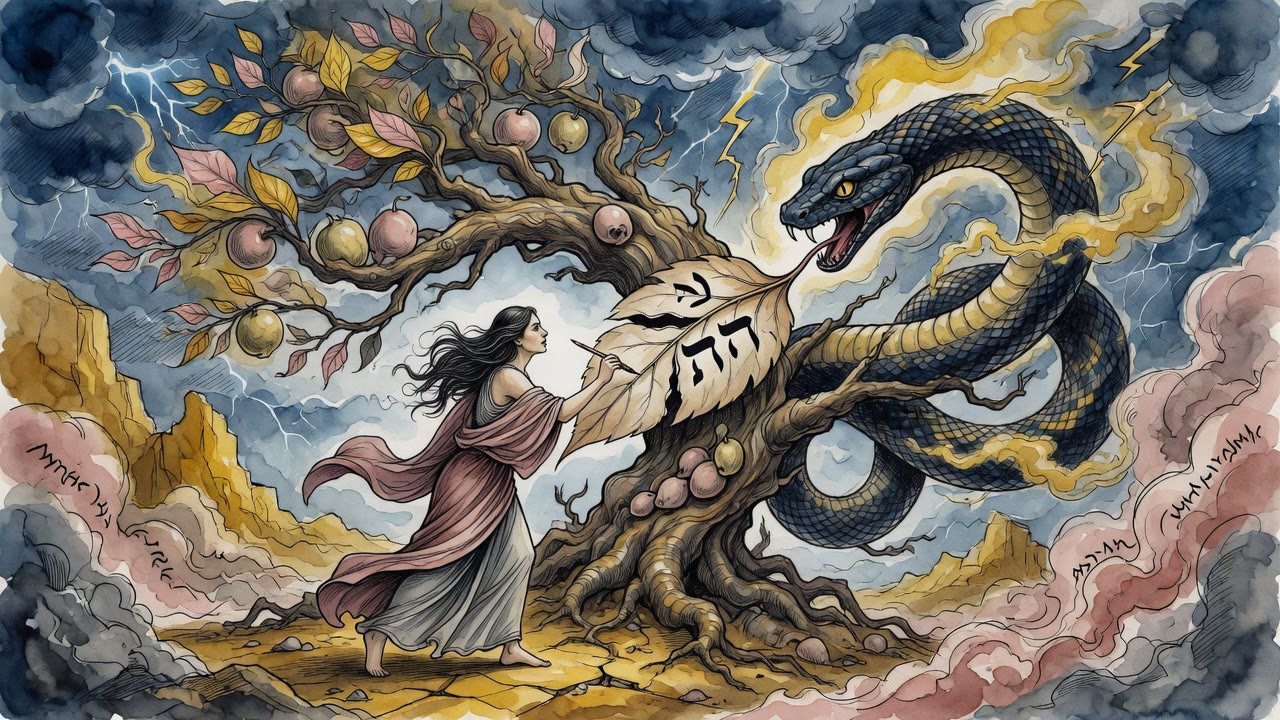
God said do not eat. Eve told the serpent do not touch. The rabbis traced Eden's fall to that single addition and were not unsympathetic about it.
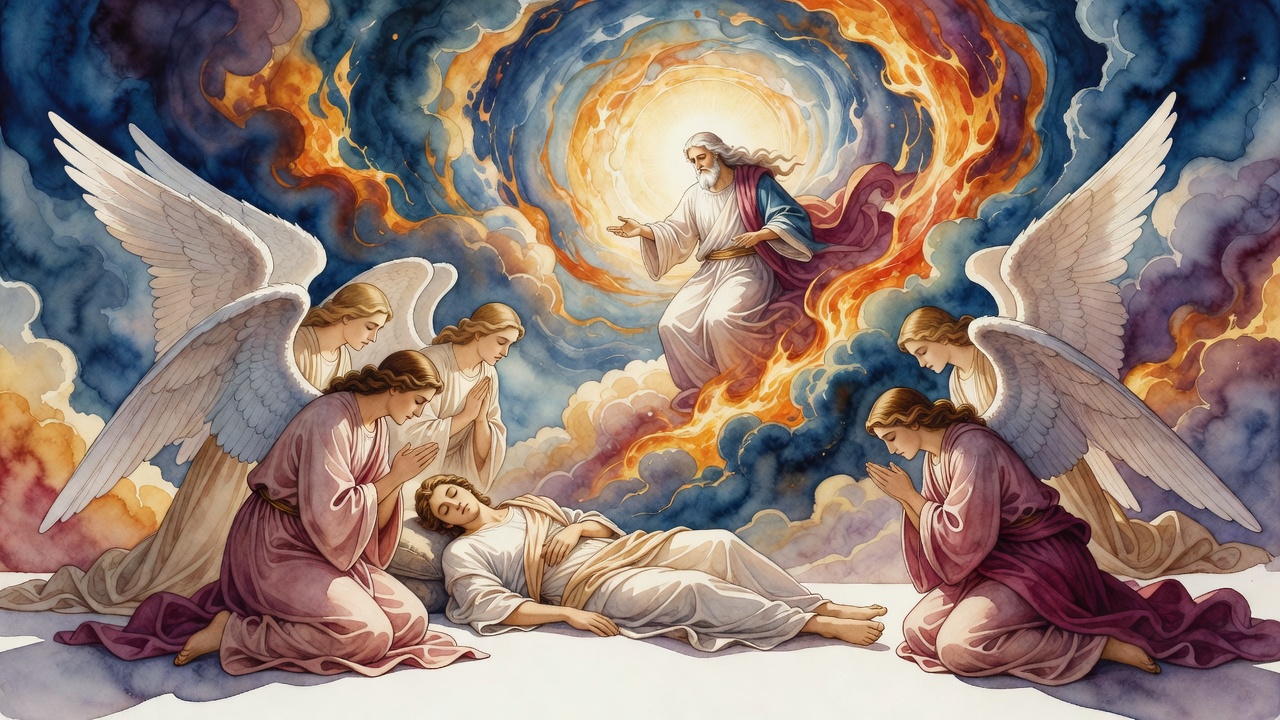
The ministering angels were one breath from crying Holy over the new man, using the word kept for God alone. God put Adam to sleep in front of them.
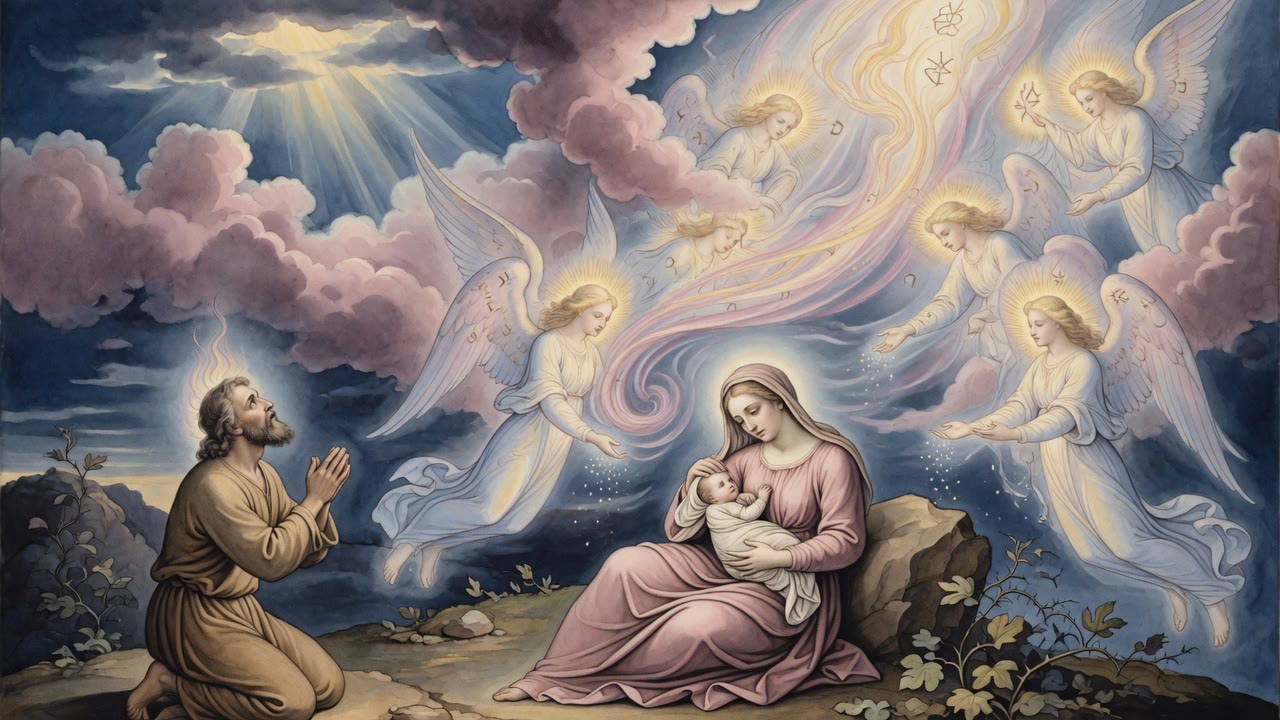
When Eve went into labor with the first child ever born, no one had ever survived it before. Adam prayed and God sent angels down to help.
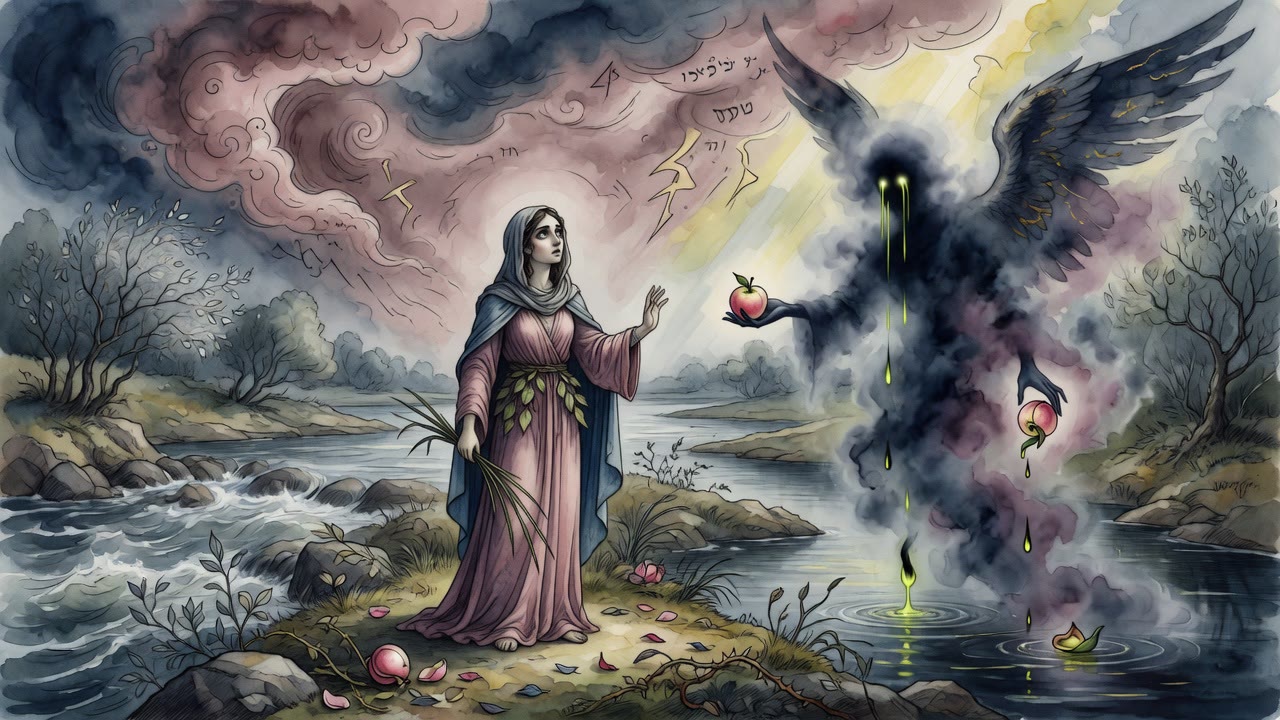
Eighteen days in the Tigris without bread. A stranger wept on the bank and told Eve that heaven had already said yes.
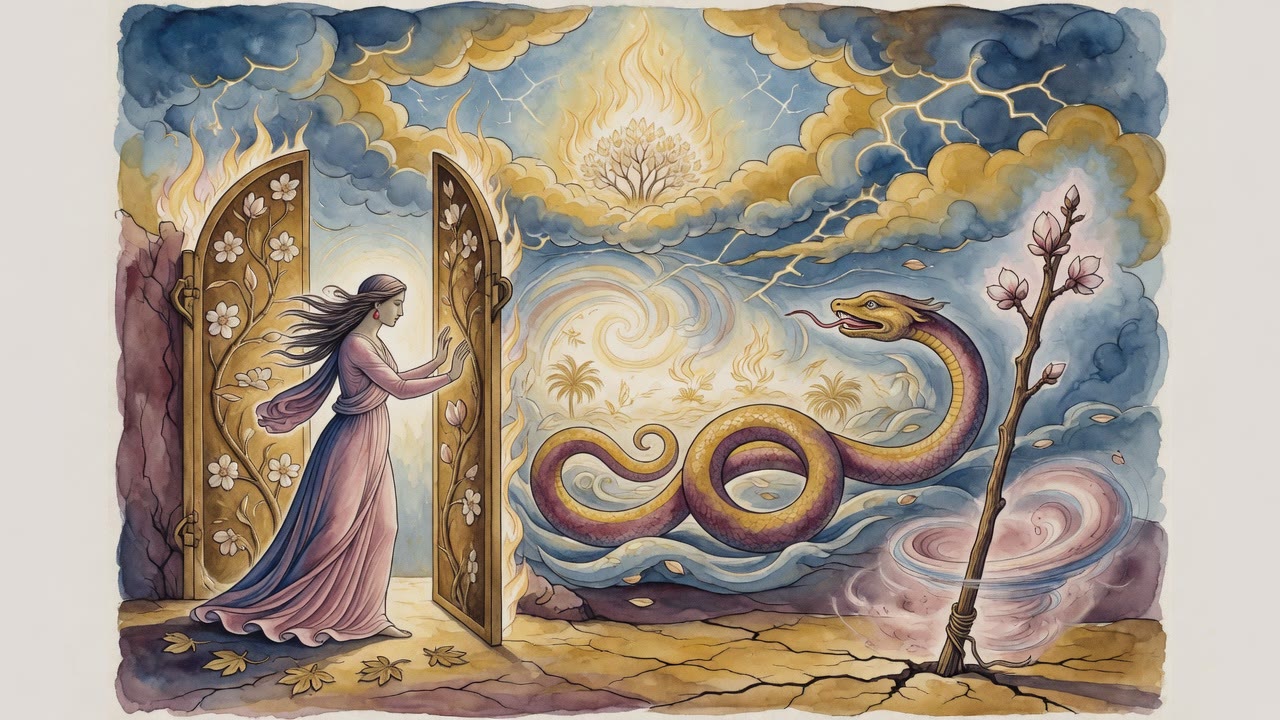
Eve opened the gate of Paradise for a lying serpent; in that same final hour, the staff that would split the sea entered the world.
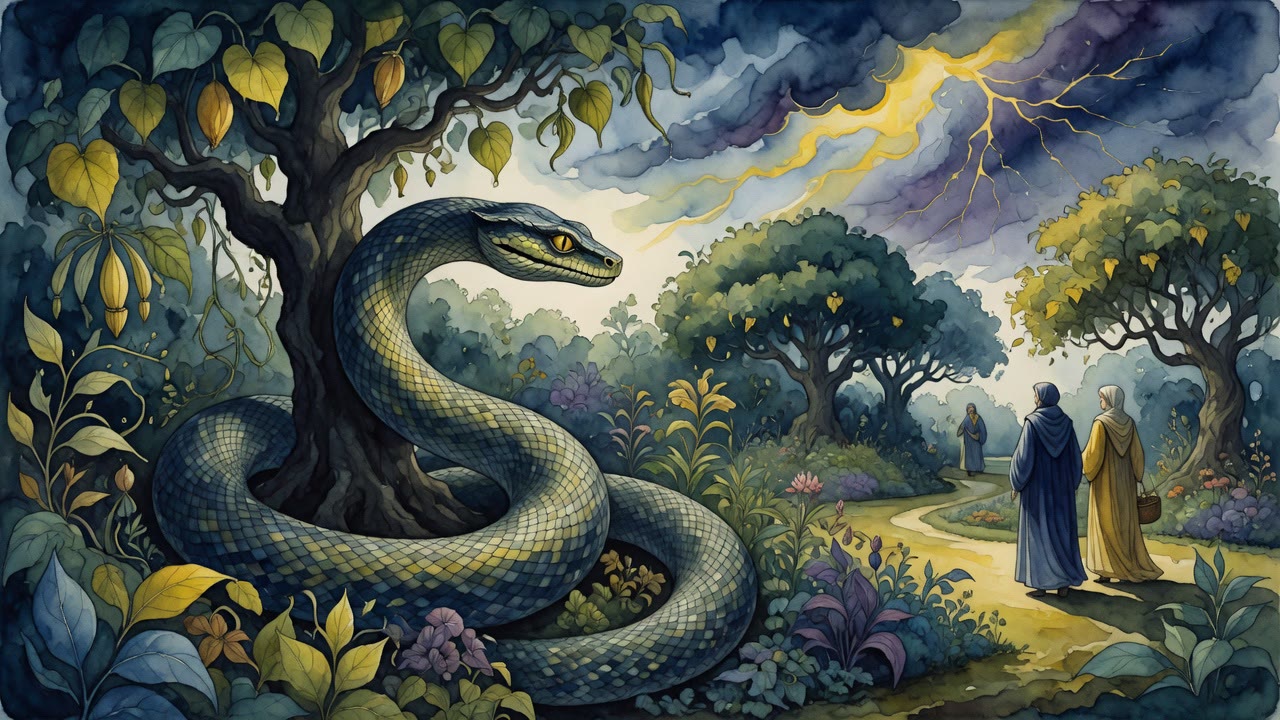
Adam and Eve had seven full years in paradise before the serpent chose his moment. He considered Adam first, then chose Eve, and had his reasons for both.
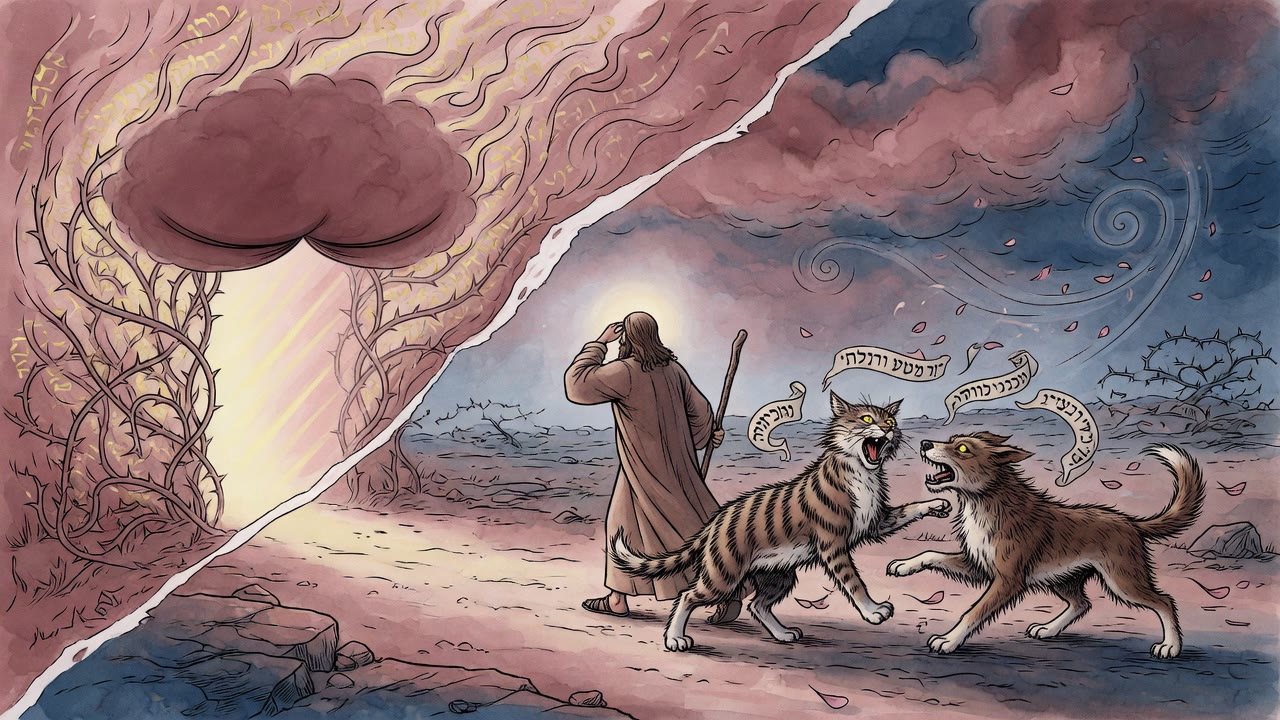
They put their paws together and swore never to share a house. The dog starved his way to Adam's door. The cat was already inside.
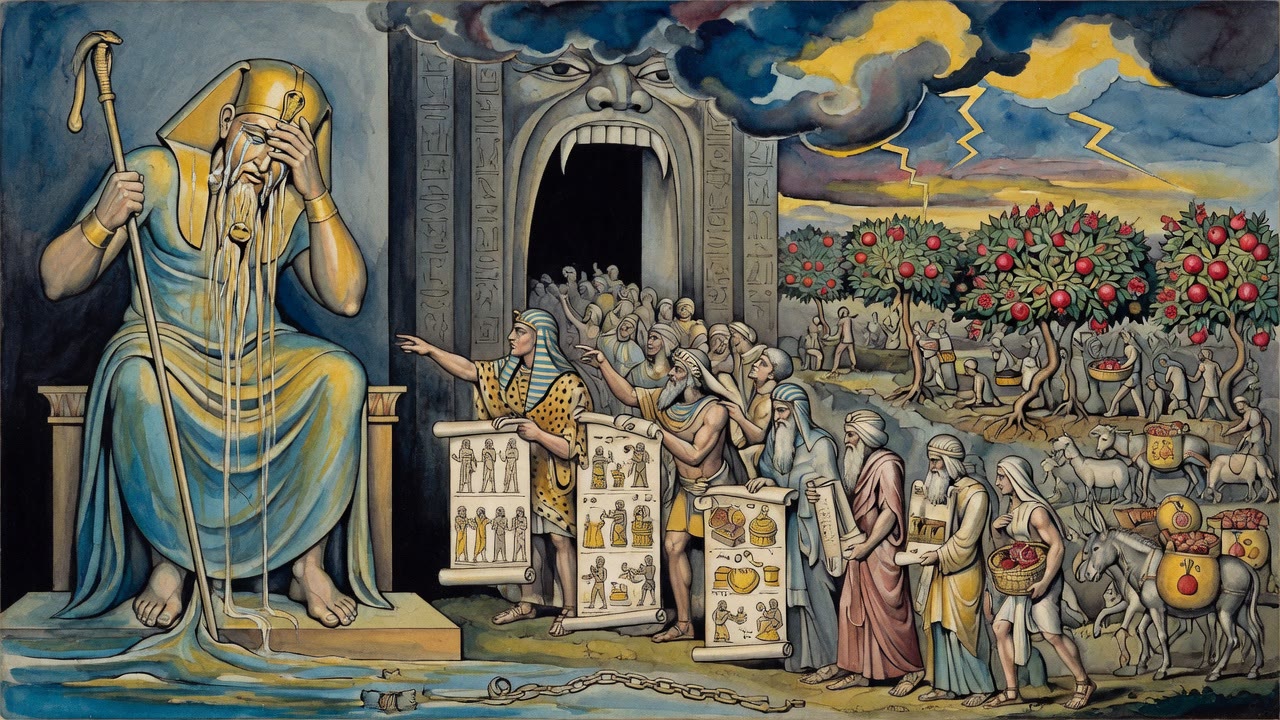
Pharaoh thought he was releasing slaves. His advisors catalogued what walked out, wise men, artisans, wealth, an orchard of pomegranates.
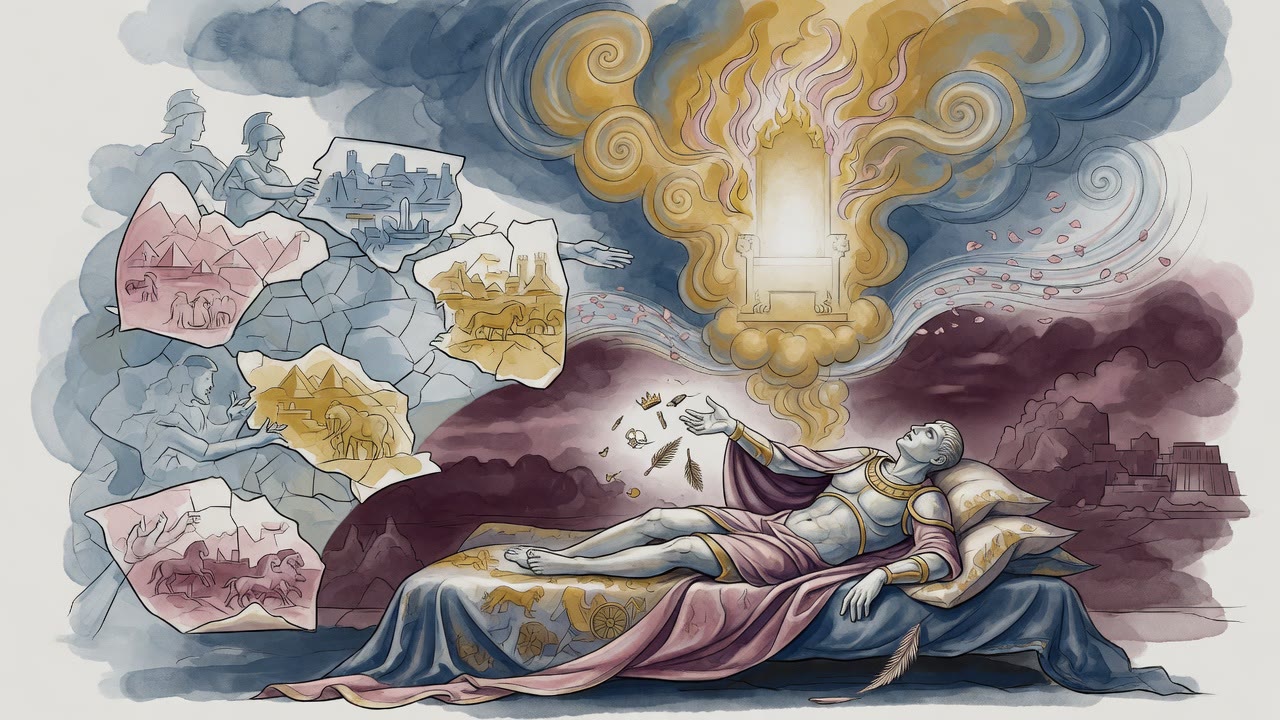
Alexander followed a fragrant stream to the end of the earth, reached the gate of Eden, and was turned away with a bone and a riddle.
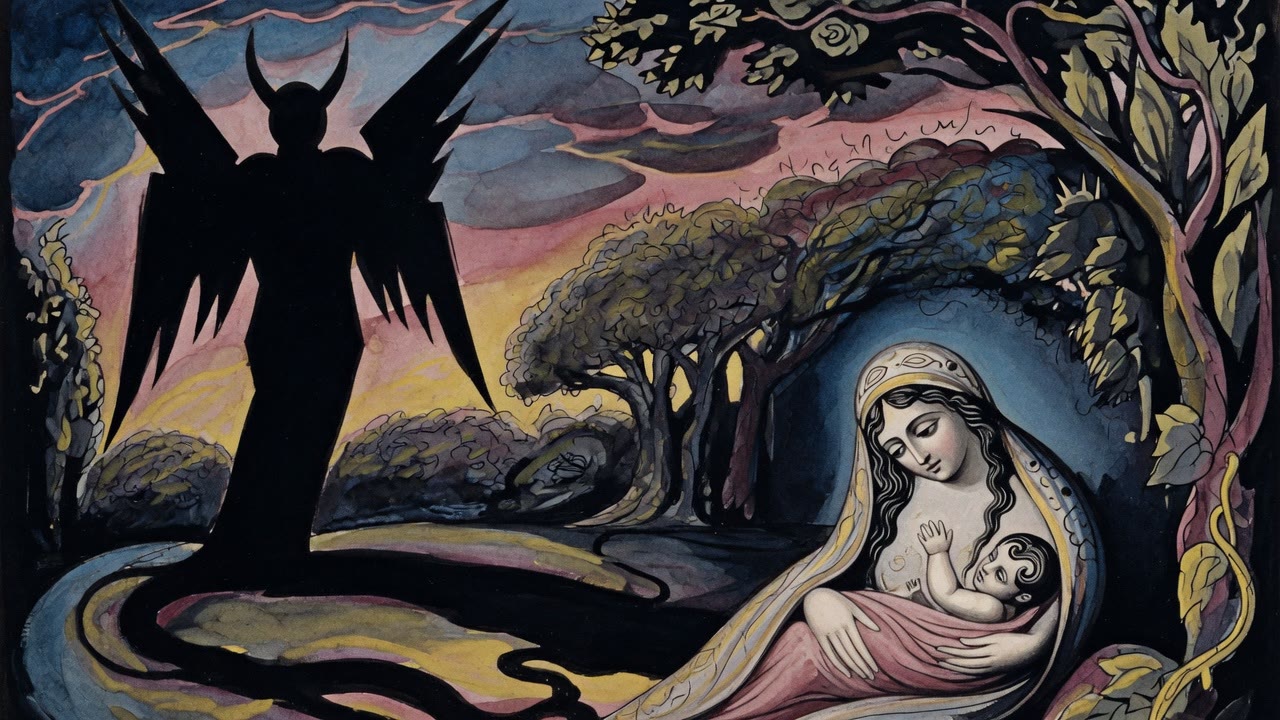
A tradition in Talmud and Kabbalah says Adam was not Cain's father. Samael seduced Eve in the Garden, and the murder of Abel was written into Cain's blood.
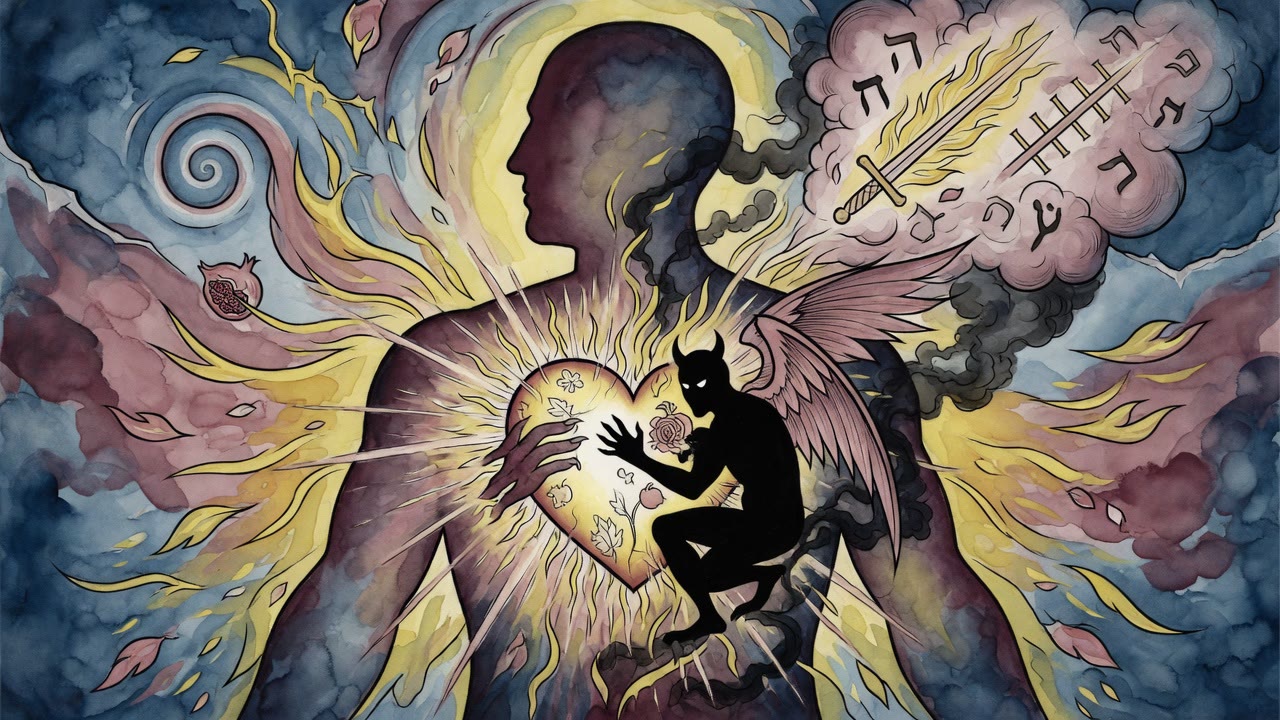
Samael did not tempt from outside the Garden. He entered. A folktale explains how the yetzer hara, the evil inclination, found its home in the human heart.
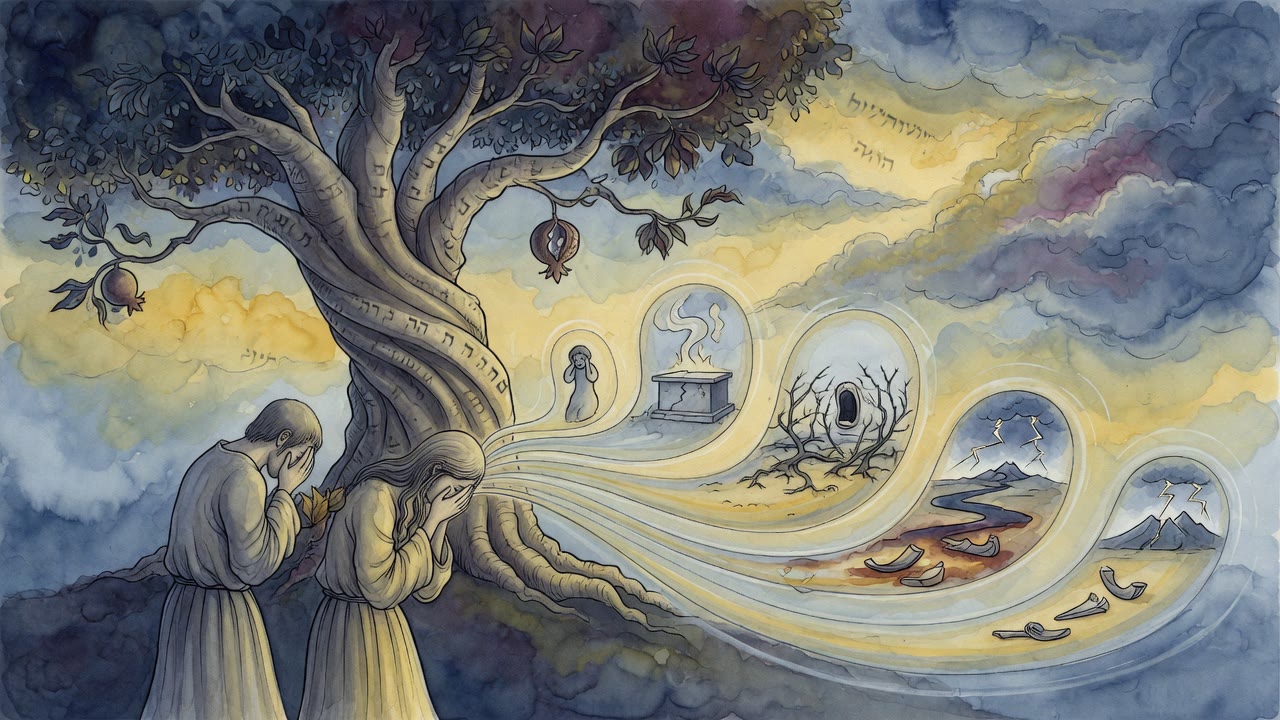
In the first moments after creation, every animal prostrated itself before Adam as if he were their god. What Adam did next set the pattern for all worship.
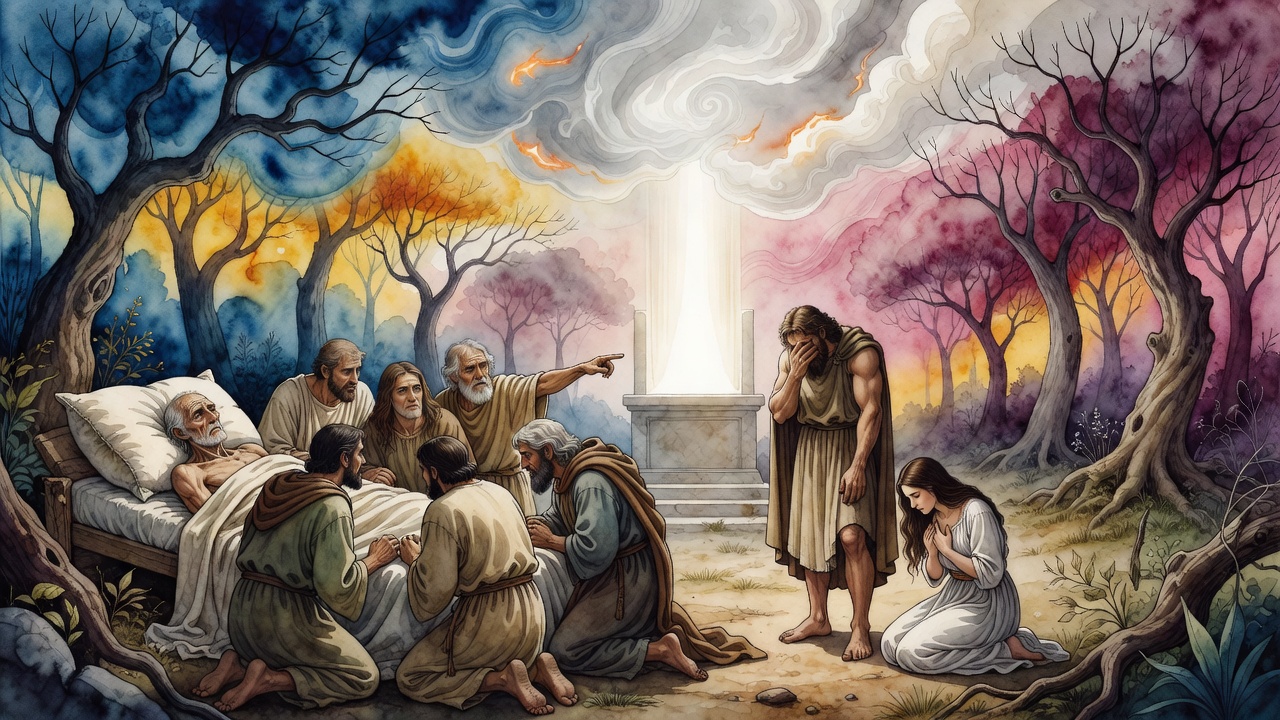
He was a hundred and twenty-five. He kissed his sons, then went back to the tree Eve had looked at until looking became eating.
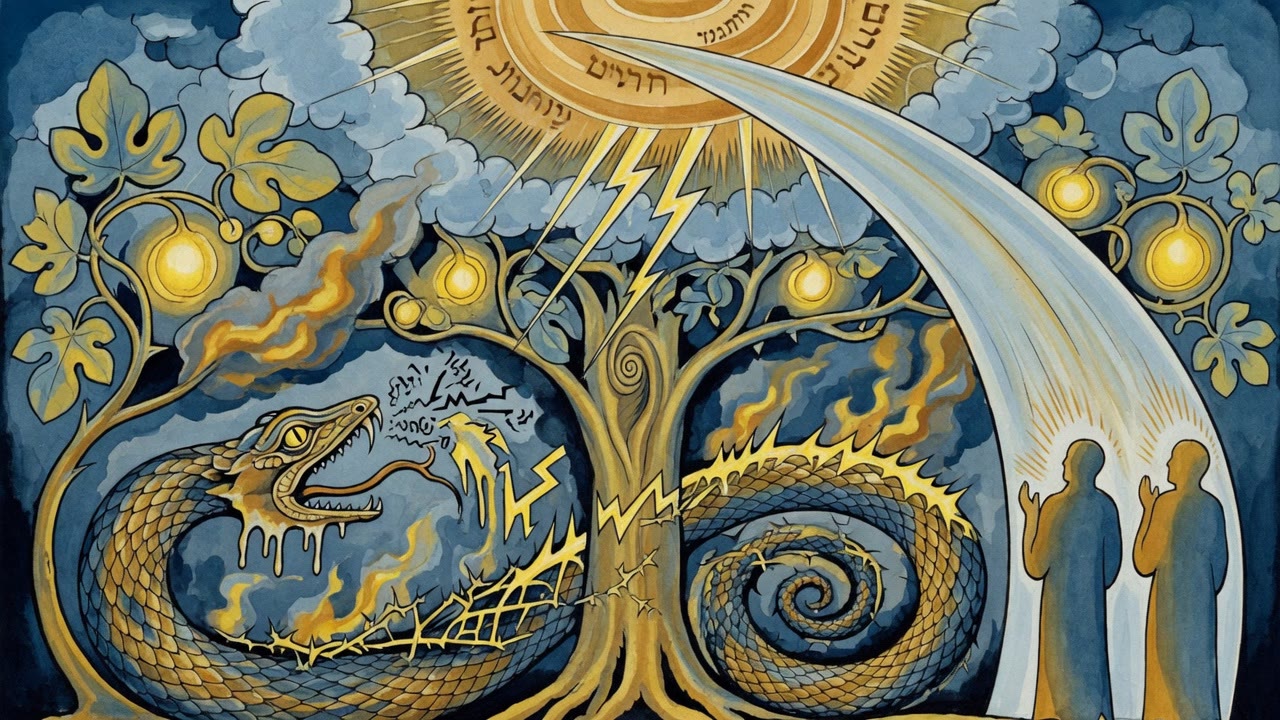
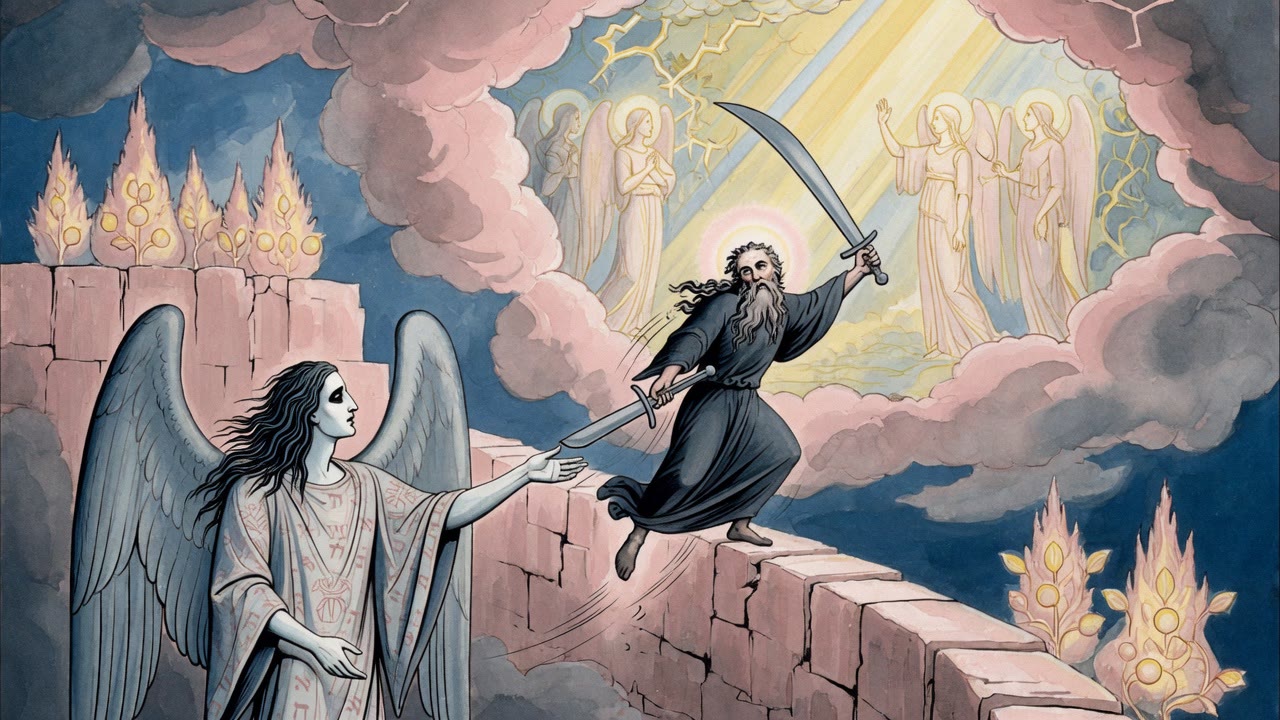
The Angel of Death came with orders to be generous. Rabbi Joshua ben Levi borrowed the angel's blade, vaulted the wall of Eden, and made heaven honor his oath.
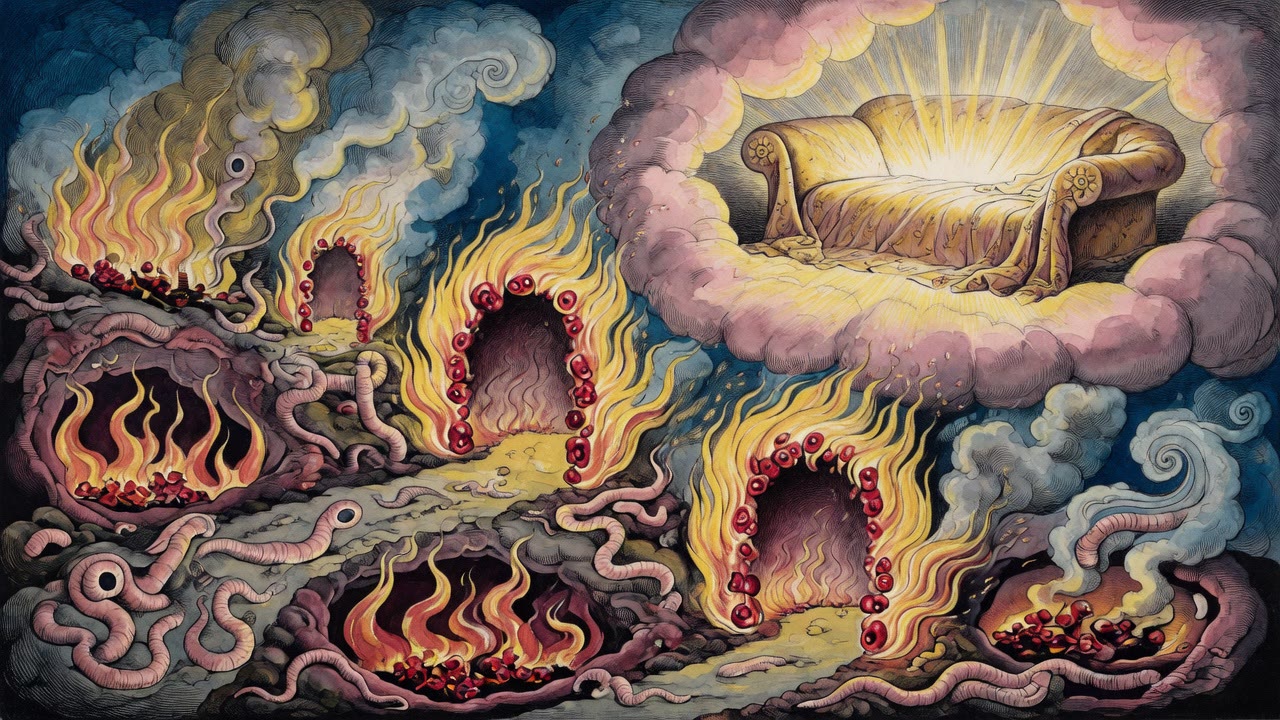
Chronicles of Jerahmeel says the righteous dead emerge from their graves each Shabbat eve to eat, drink, and praise God, then return before nightfall.
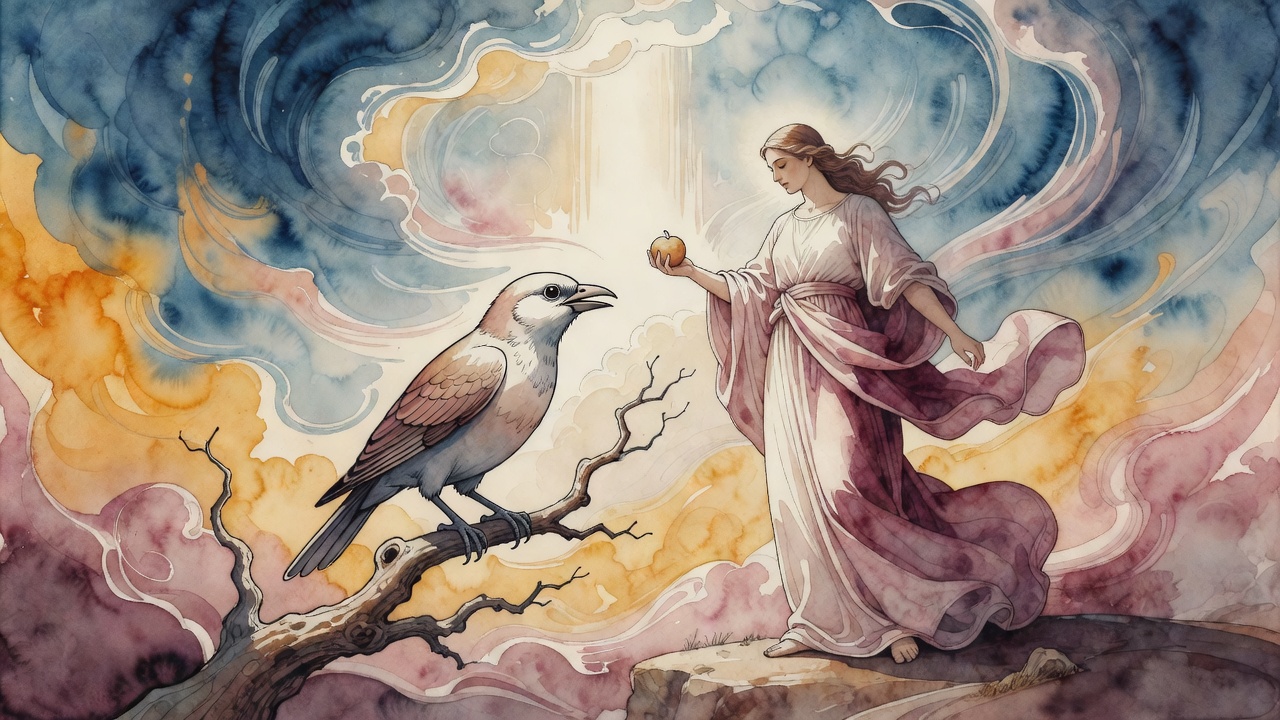
Eve fed the fruit to Adam, then to every animal and bird in the garden, so she would not die alone. One bird kept its beak shut.
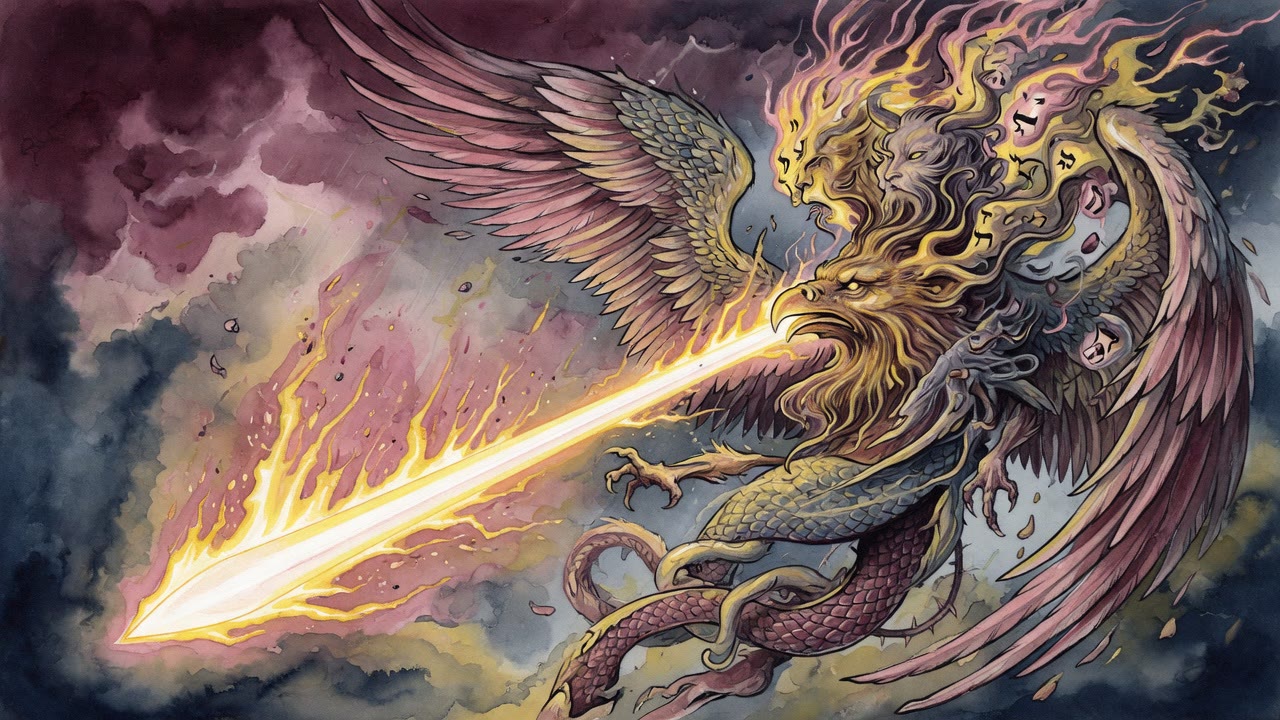
Angels carry Enoch past celestial seas and storehouses of snow into Eden, then to a pit of fire and ice, then to God's left hand to hear creation's secret.
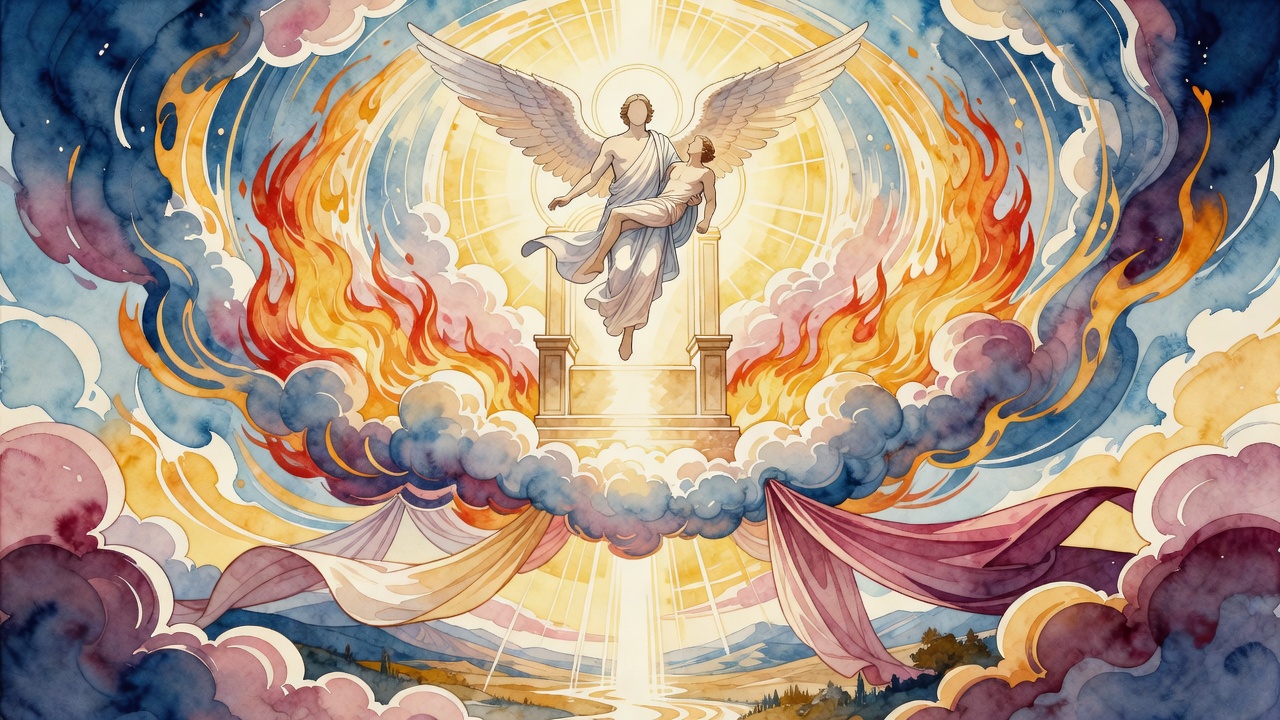
God carried Adam, one day old and still wet from the river of Eden, past every gate to the highest heaven. The first man sang his hymn to the day, not to God.
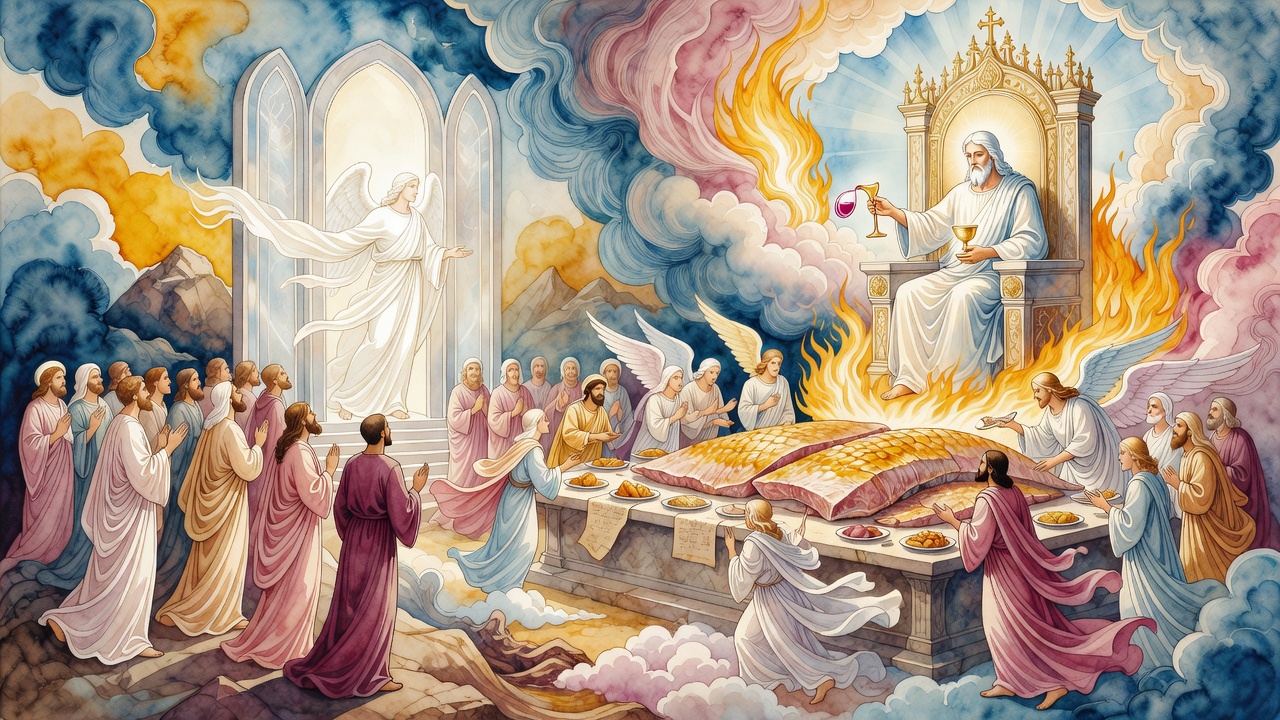
Gabriel greets the righteous at Eden's gate, the salted Leviathan is served, and God Himself sits down to pour the wine and hand over His throne.
The serpent had legs once. It told Eve that God was jealous of her, and because God had already blessed Adam and Eve, the curse landed on the serpent instead.
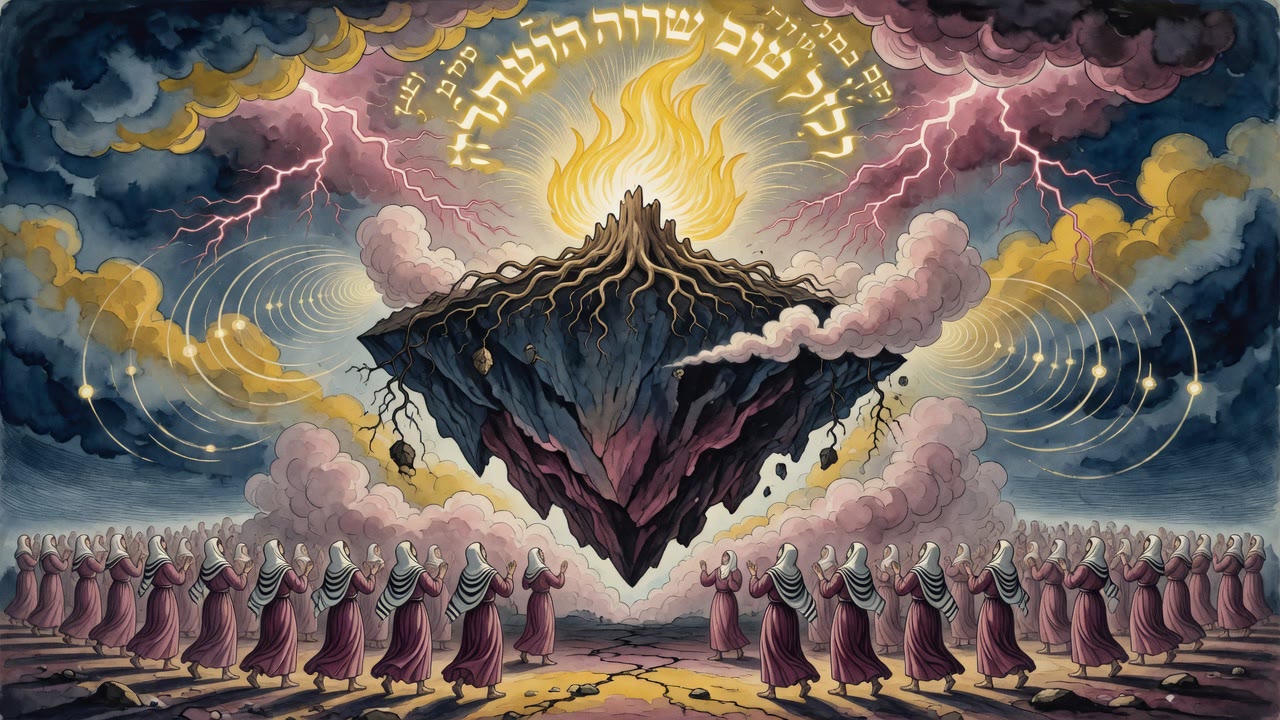
The prophetess who drew water from the rock vanished with her well, and the mystics found her again among the pomegranate trees of paradise.
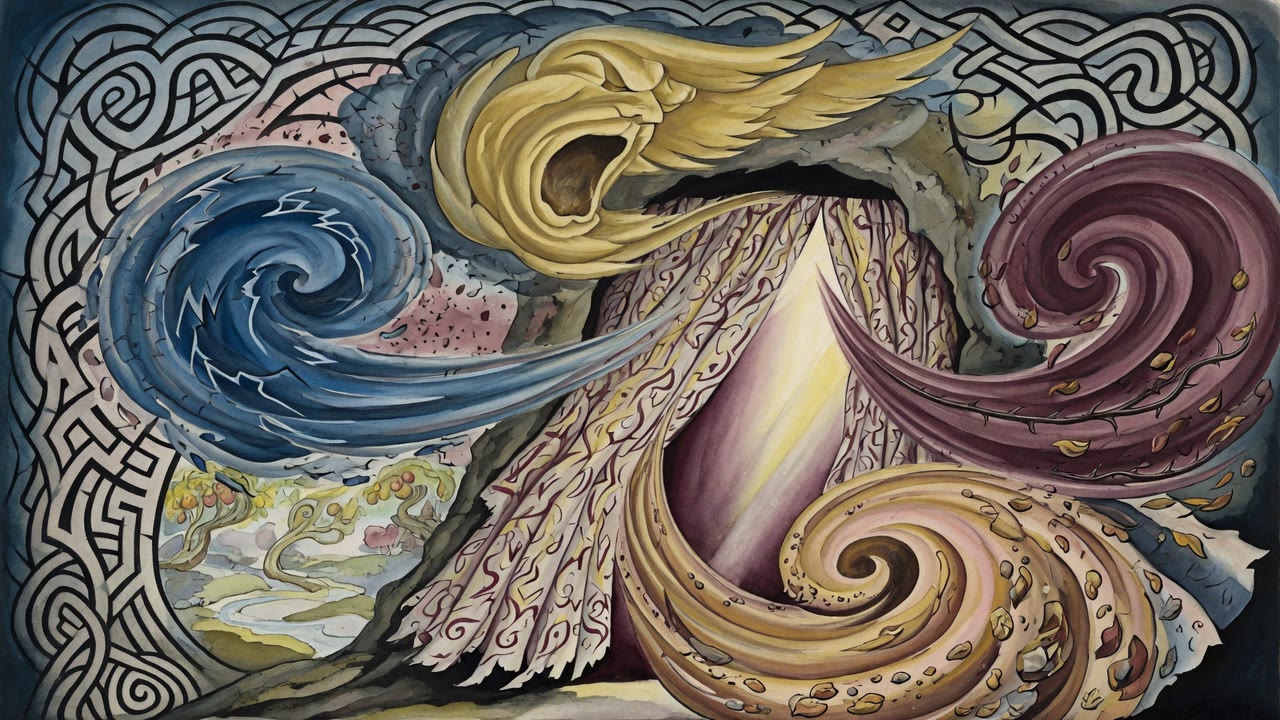
Adam knelt on dry ground and asked for rain. The garden grew. Behind a small cave's curtain, four winds waited to unmake the world.
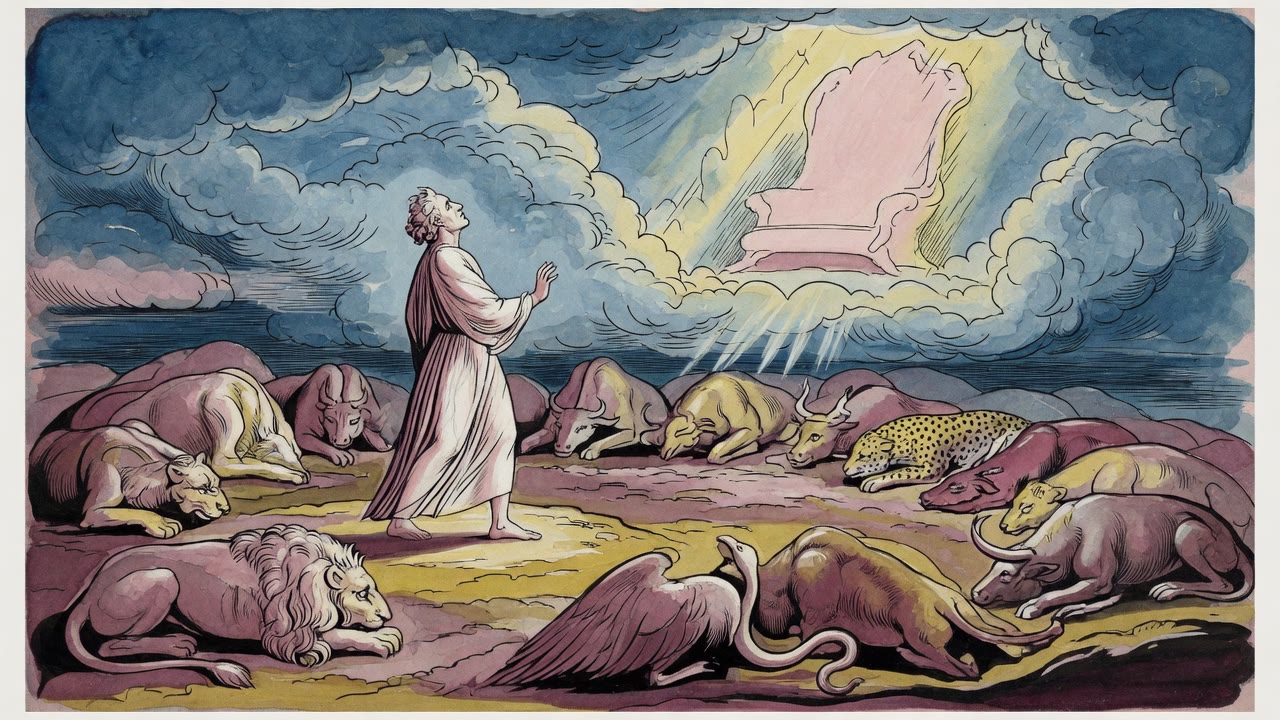
Adam pointed at Eve, Eve at the serpent, and no one would hold the guilt. Then five cries slipped loose into a world too deaf to hear them.
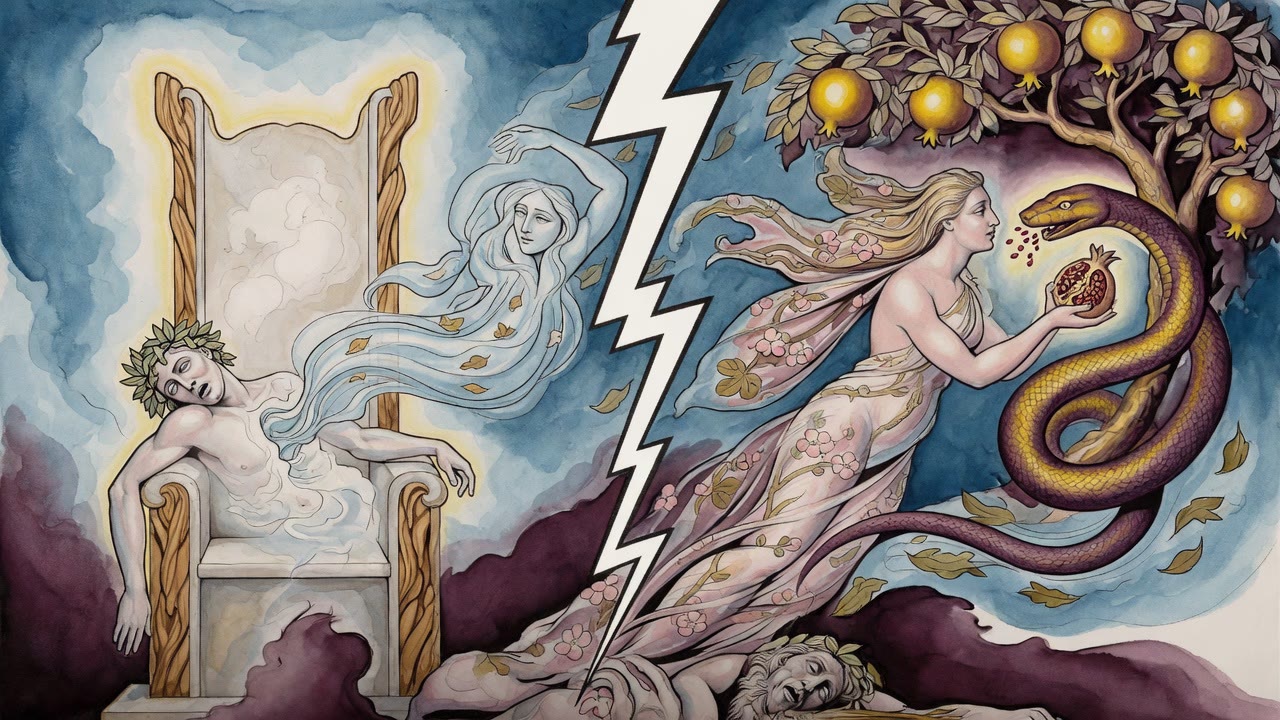
A trance splits the first man, sense-perception rises from his side, and a serpent sells her the wisdom that empties the mind's throne.
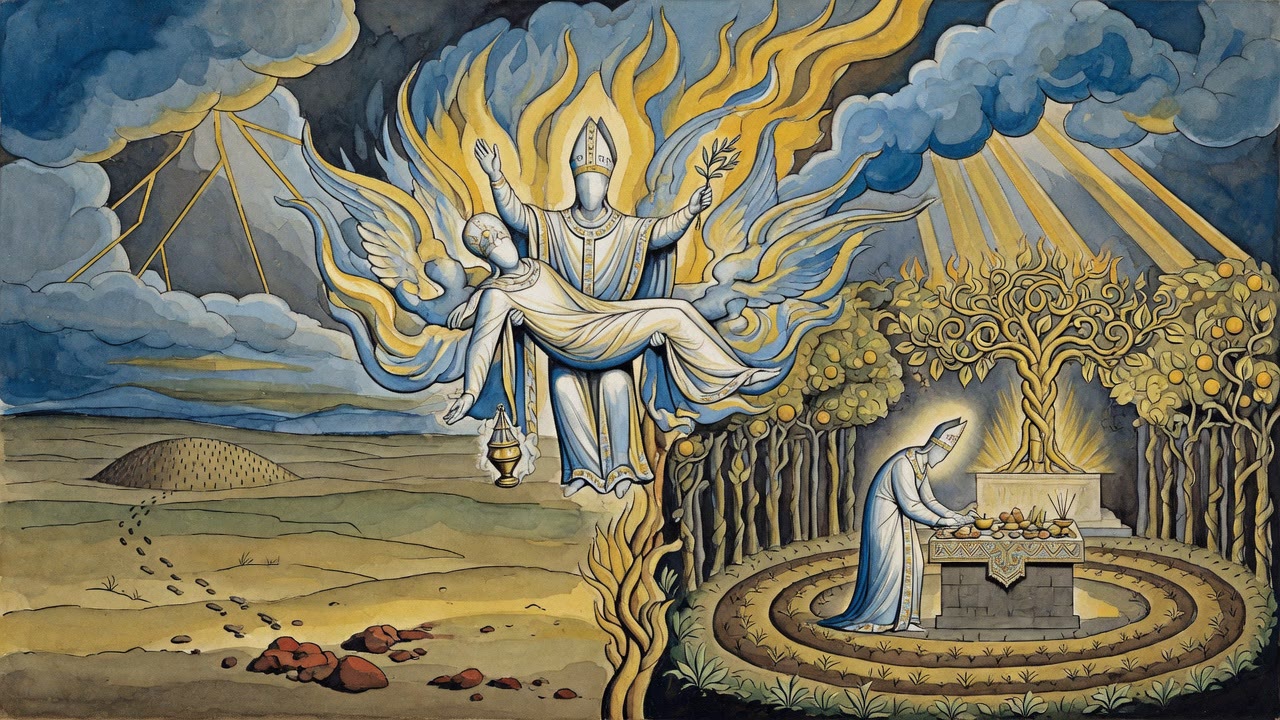
The garden had no weed to pull and no thief to watch for. Adam cut trenches around the roots anyway, and later he heard something walking.
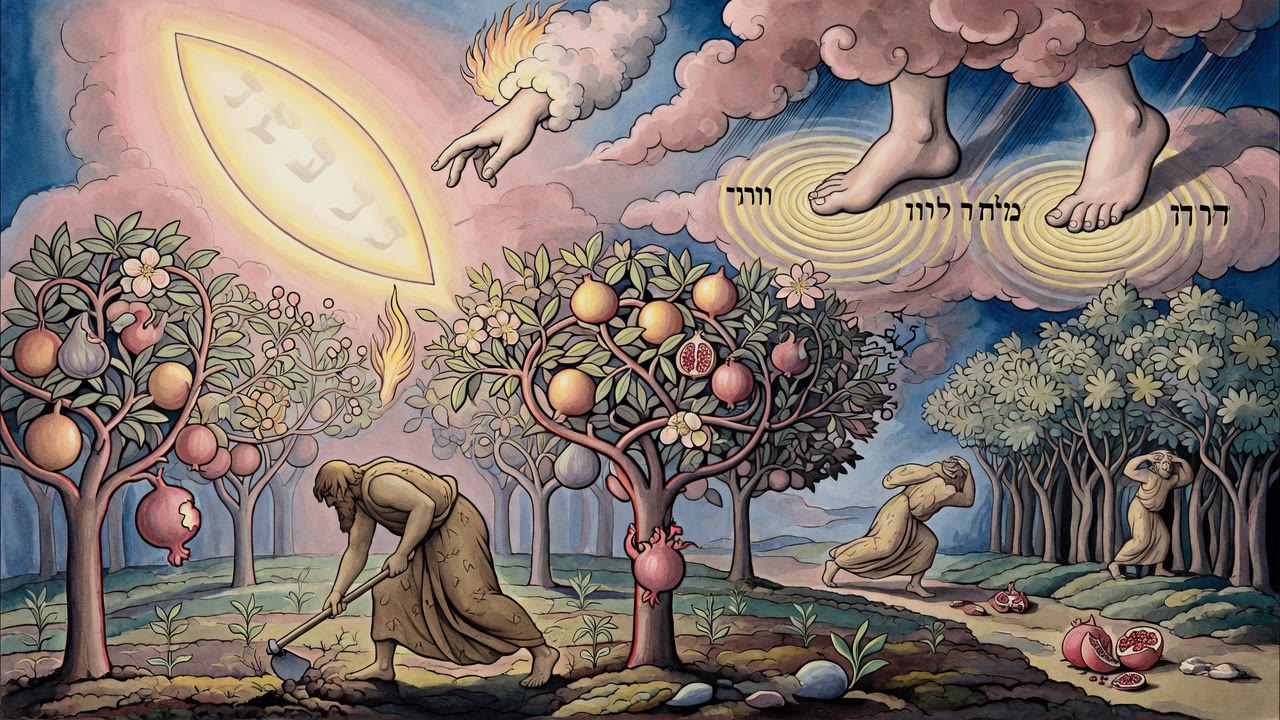
Formed in a field and carried into Eden only on the fortieth day, the first man tended the holiest ground on earth like a priest before an altar.
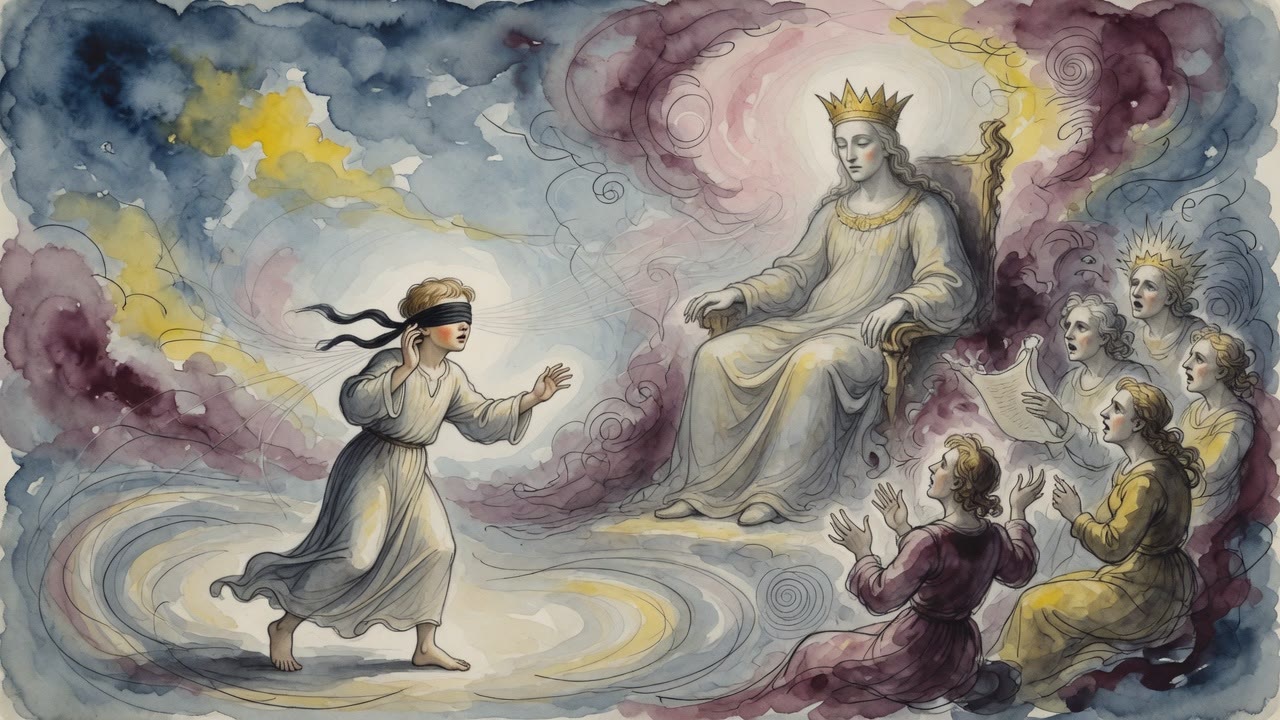
Babylon's court sages plotted to destroy a seven-year-old, so the king blindfolded him and marched an army past to expose the fraud.
