The Oath Abraham Buried With Sarah at the Cave of Machpelah
Abraham paid for a grave and signed a secret deed. His descendants could not take Jerusalem for a thousand years because of what he promised that day.
Table of Contents
 Click for full size
The Whole Town Sitting in the Dust
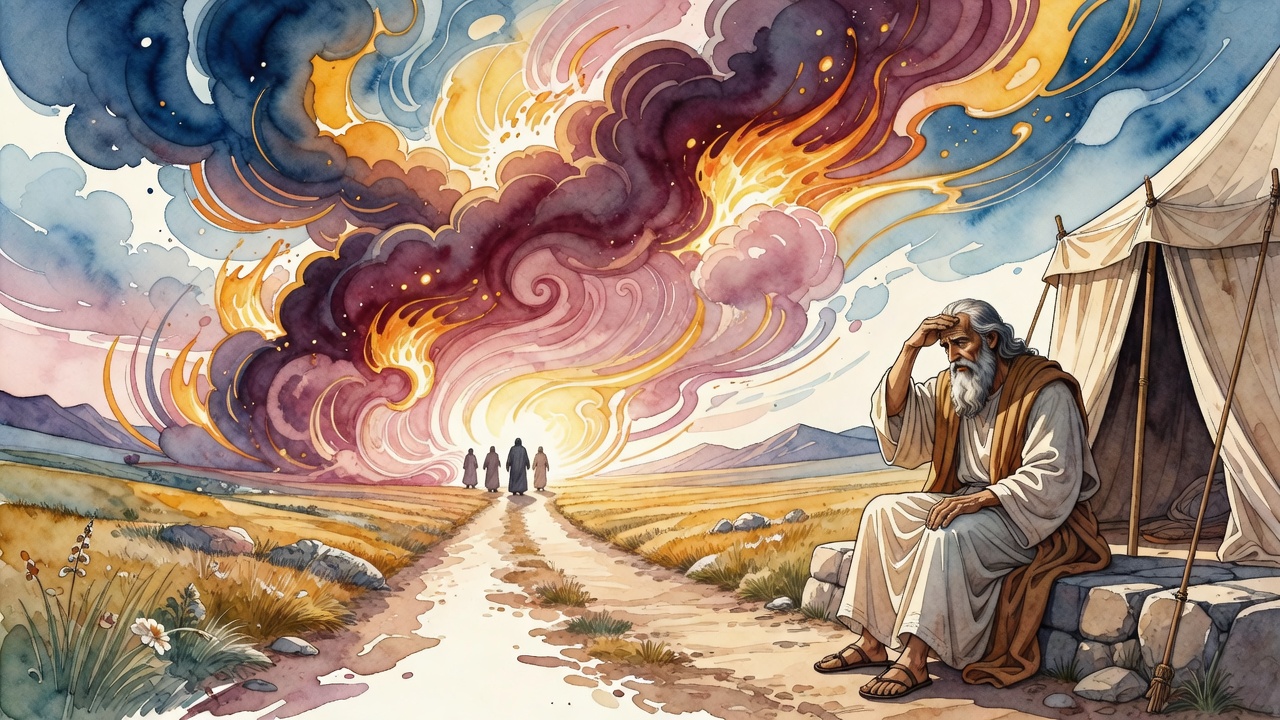
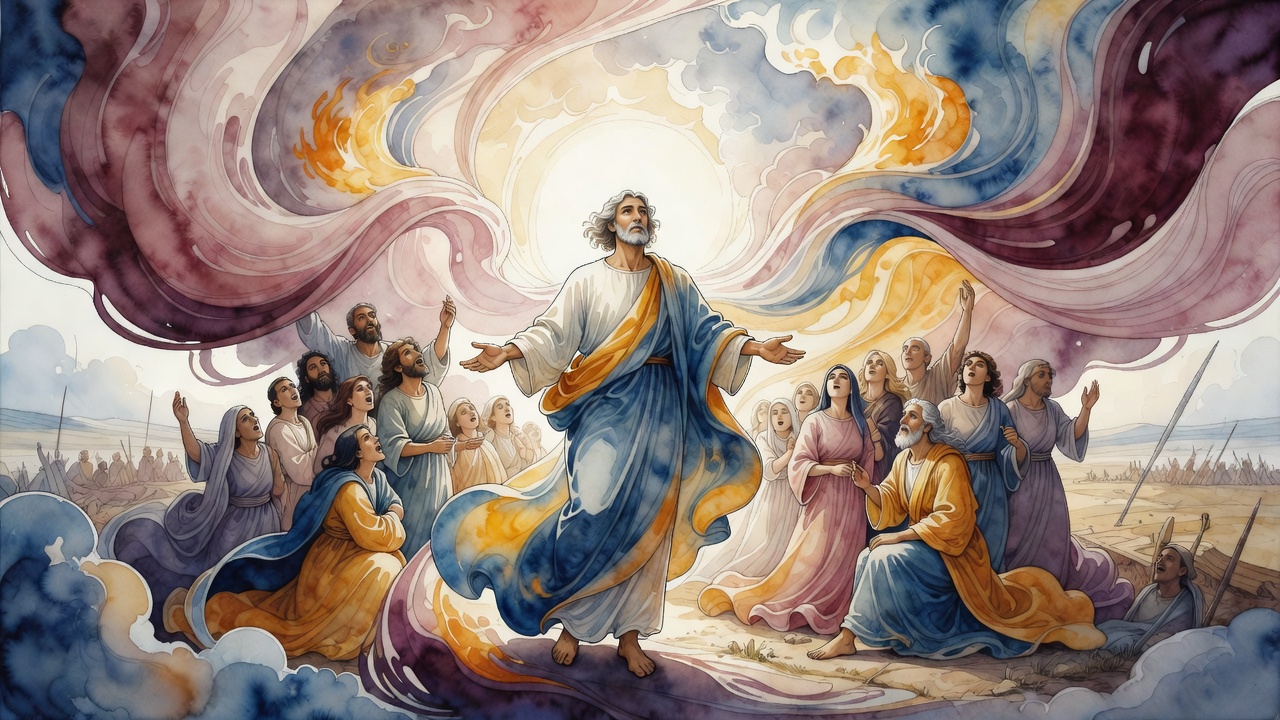
Sarah had died, and the Torah lingers on a phrase most readers pass without stopping. Abraham dealt with all who came in at the gate of his city. The medieval sages of Midrash Aggadah, the Torah commentary gathered in the Buber recension around the twelfth century, read those words as a scene: every person in the town of Hebron had stopped what they were doing and sat down in the street to grieve a woman who had walked among them. Not out of obligation. Not for Abraham's sake. For hers. The whole city mourned a righteous woman, and the depth of that grief mattered because it set the terms of everything that followed.
Because the children of Heth had been generous in their mourning, Abraham would be generous in return. He asked for a burial place among them. They offered him the best of their holdings. He bowed, and the Torah counts the bowing on both sides, and the sages counted the counts. Eight times the children of Heth are named in the chapter. Eight is the number that rises above the seven of natural completion. Eight is covenant. The generosity of the Hittites in that transaction pressed itself into the number of times they were named, and the number itself became a seal.
The Price That Was Too Careful
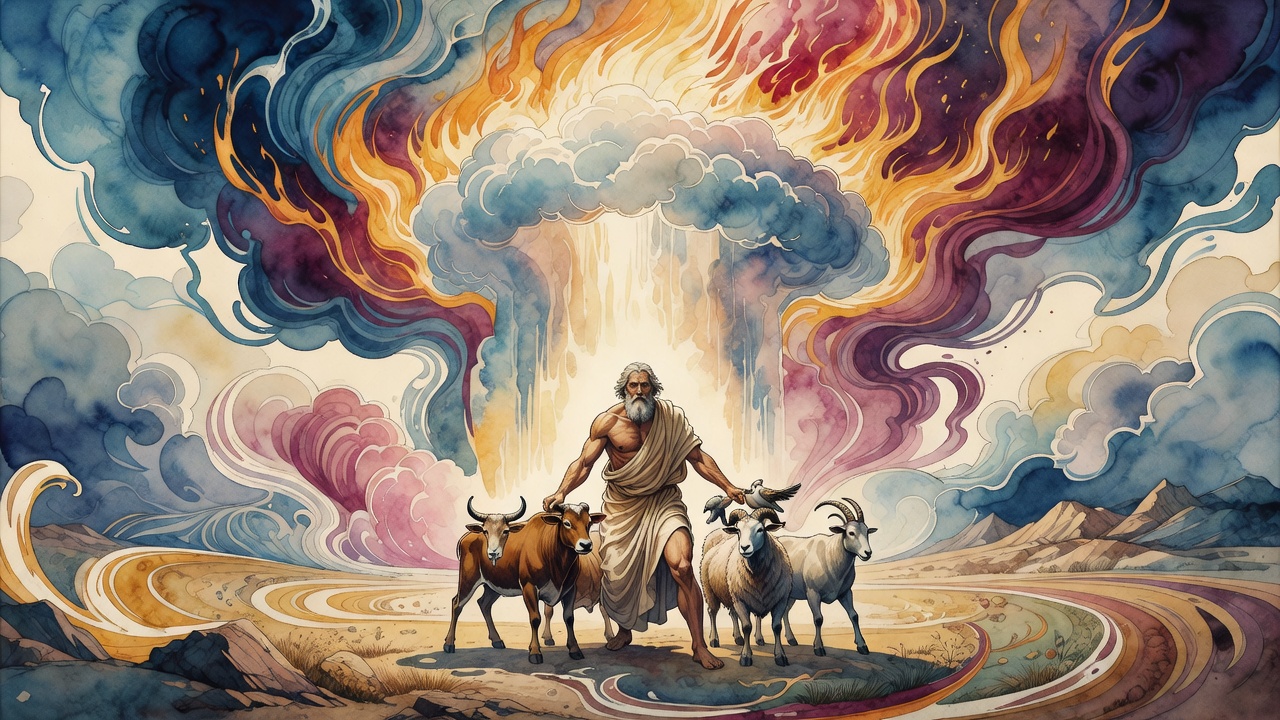
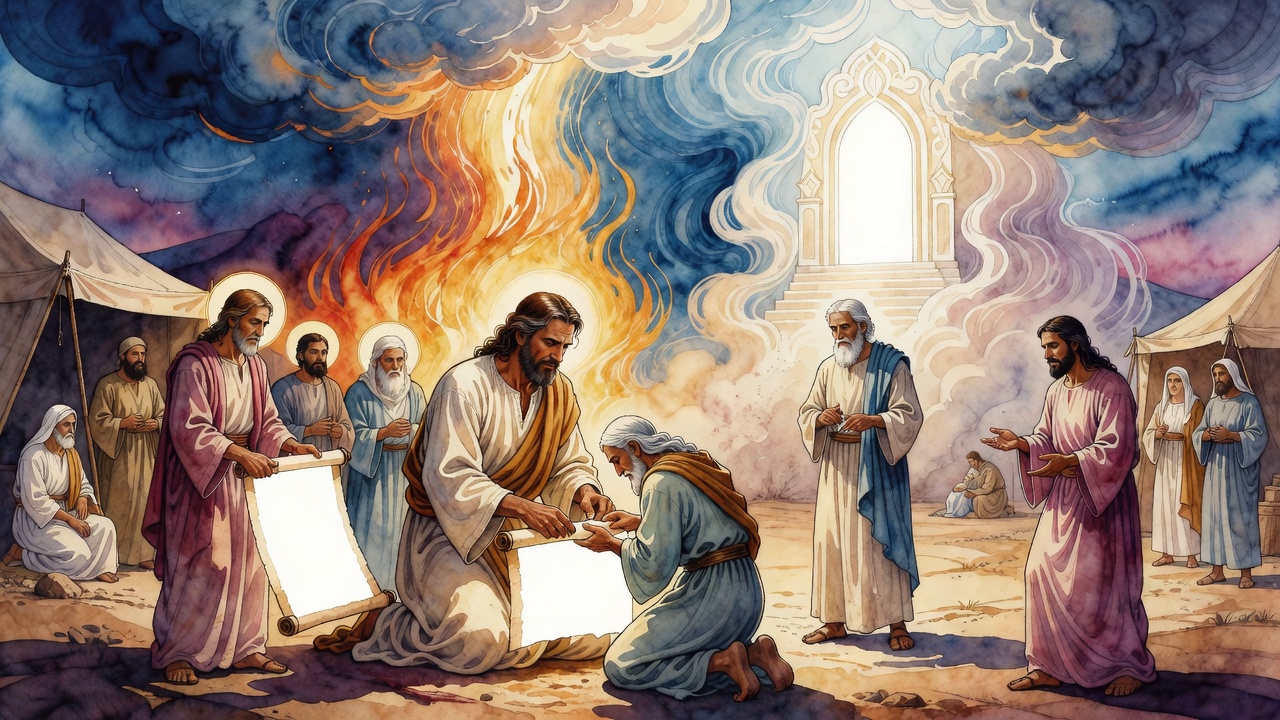
Ephron the Hittite offered to give Abraham the cave of Machpelah outright. Abraham refused. He insisted on paying full price, four hundred shekels of silver, weighed in the current merchant's standard, counted out in public, before witnesses. The generosity of the offer did not move him.
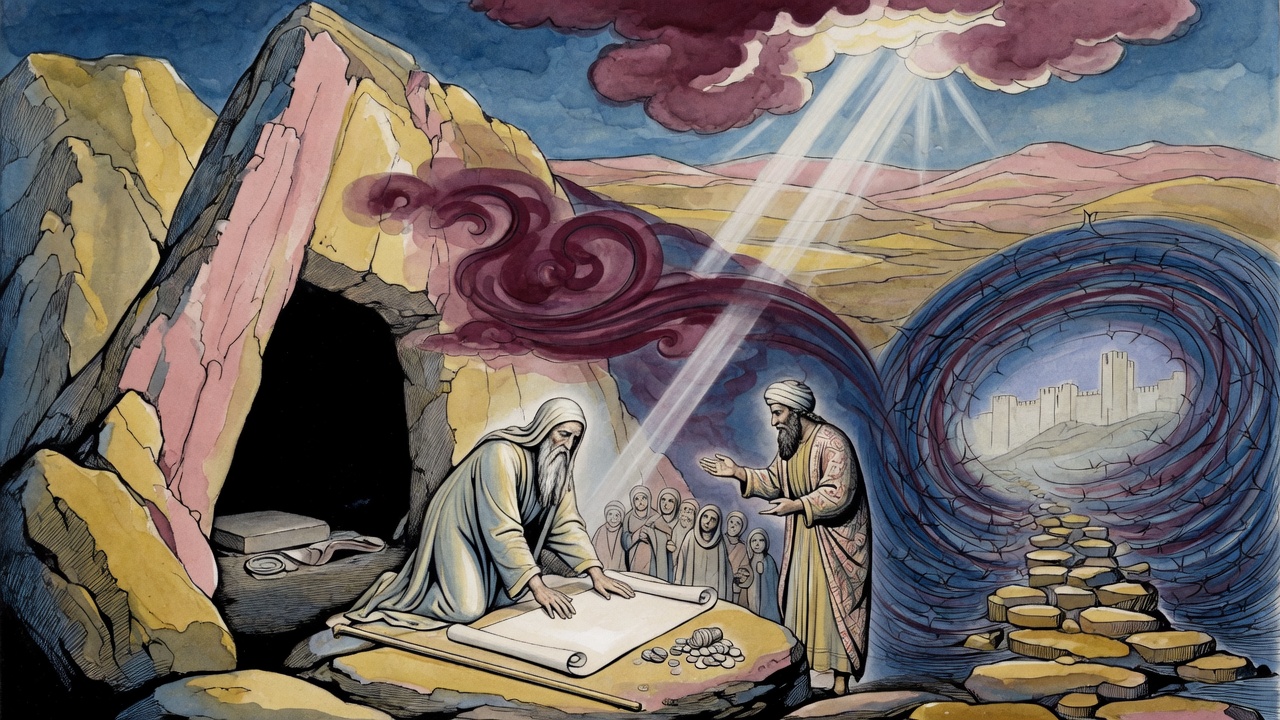
The sages of Midrash Aggadah did not read this as stubbornness. They read it as protection. A gift can be reclaimed. A gift can be contested by heirs who say the giver changed his mind, or the transaction was informal, or the witnesses were partial. A sale at full market value in current silver before a city gate full of witnesses is a document. Abraham was buying the land and burying the document in the ground with Sarah's body, where no one could get to it without disturbing the dead.
The cave of Machpelah was the first piece of the Land of Israel that belonged, legally and irrevocably, to Abraham's family.
The Document That Cost a City
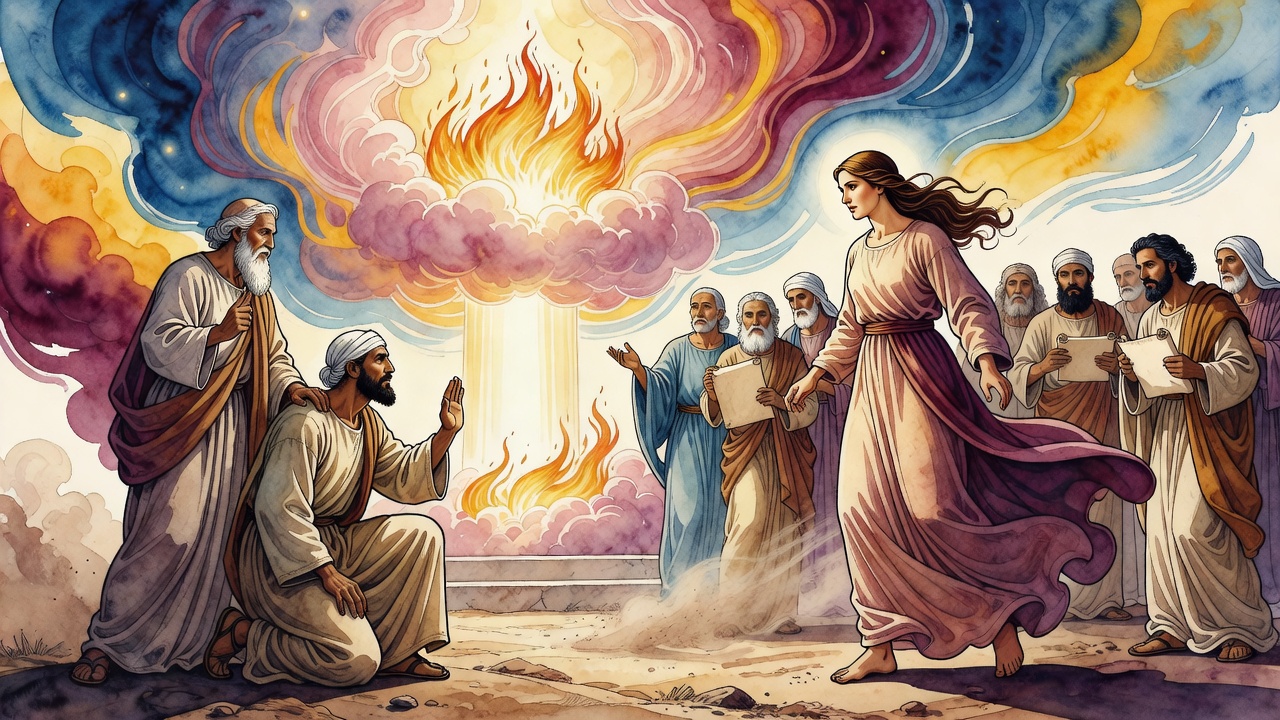
But the Midrash Aggadah found something else buried in the transaction, something no buyer would want. Hidden in the terms of the purchase, in the way Abraham pledged to the children of Heth that he would live peaceably among them, was an oath that bound his descendants. When Abraham's great-great-grandchildren arrived at the walls of Jebus, the Canaanite city that would become Jerusalem, the people of the city threw the deed back in their faces. They produced the document from the day of Sarah's burial. You swore. Your ancestor swore among us. You cannot take this city by force until the terms of the oath expire.
So Israel waited. David would not take Jerusalem by storm or by ordinary conquest. He had to find a way around the oath, to buy the city twice over, to acquire it without breaking what Abraham had given his word on. A thousand years had to pass before the deed lost its force. The cave of Machpelah was the first land, and the price of that first land was Jerusalem itself, locked away behind a piece of parchment until the debt was paid off by time.
Abraham Who Needed No Second Cut
The same section of Midrash Aggadah preserved a detail about Abraham's circumcision that the tradition found instructive. When Abraham circumcised himself at ninety-nine years old, he performed the rite completely. Ishmael, circumcised in the same hour, required a second procedure, the periah, the uncovering, because the first cut alone did not complete the covenant. Abraham did not need it. He had been born, some sages said, already carrying the mark partially formed, or his body received the covenant so fully in the first act that no second act was needed.
Why preserve this detail next to the story of the burial? Because the same man who bought Sarah's grave with four hundred shekels of public silver was also the man whose body carried the covenant without remainder, who did not leave half a promise in the ground. He completed everything he started. He finished what he began. And when he signed a deed over a grave, every word of it was meant, and every word would stand.
The First Word and the Last
The Midrash Aggadah, reading the covenant hidden inside the first word of Torah, the bet of bereshit, saw the whole transaction of the Land foreshadowed in the letter's shape. The bet is closed on three sides and open on the left, the direction of forward motion, the direction of reading. The world was made with an opening toward what comes next. Abraham's purchase at Machpelah was made with an opening toward what his children would inherit, through patience and time and the slow expiration of an oath that kept Jerusalem waiting for a thousand years.
← All myths