65 myths · Page 1 of 3
Each story names the sources it was written from.
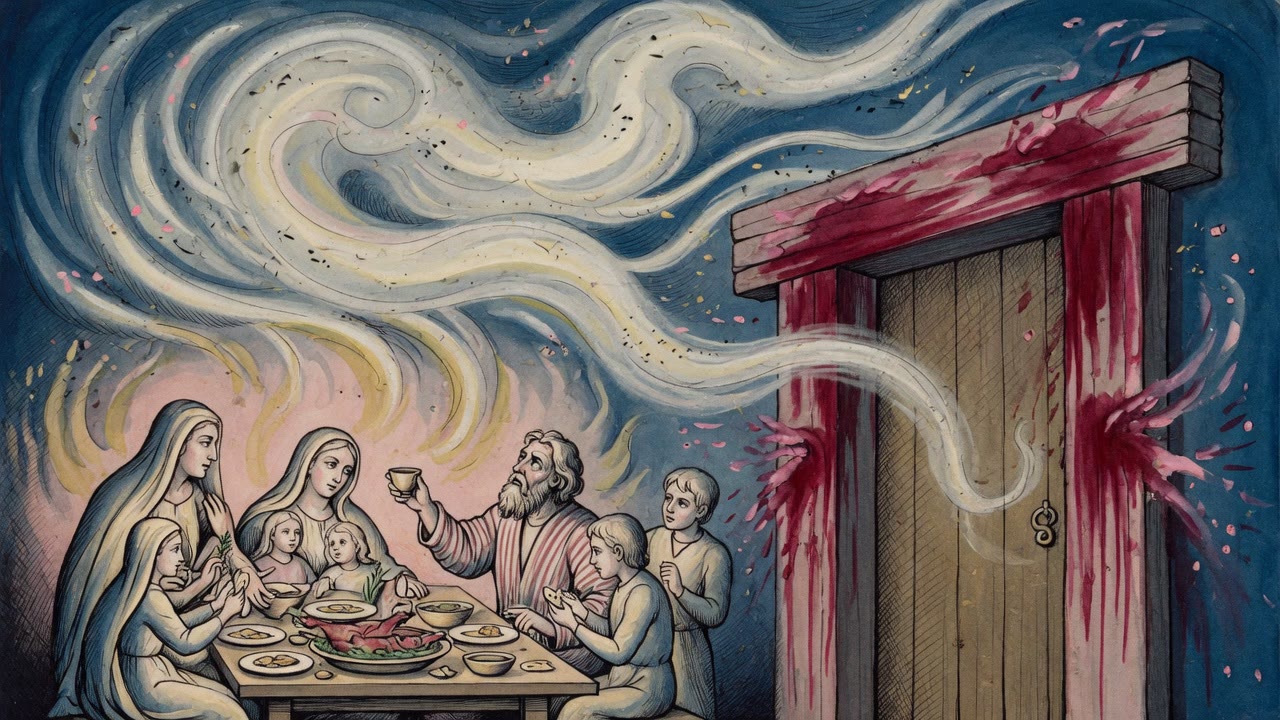
The lamb was gone and the staffs were in hand. Still the doors stayed shut, because Moses would not let Israel leave Egypt like thieves.
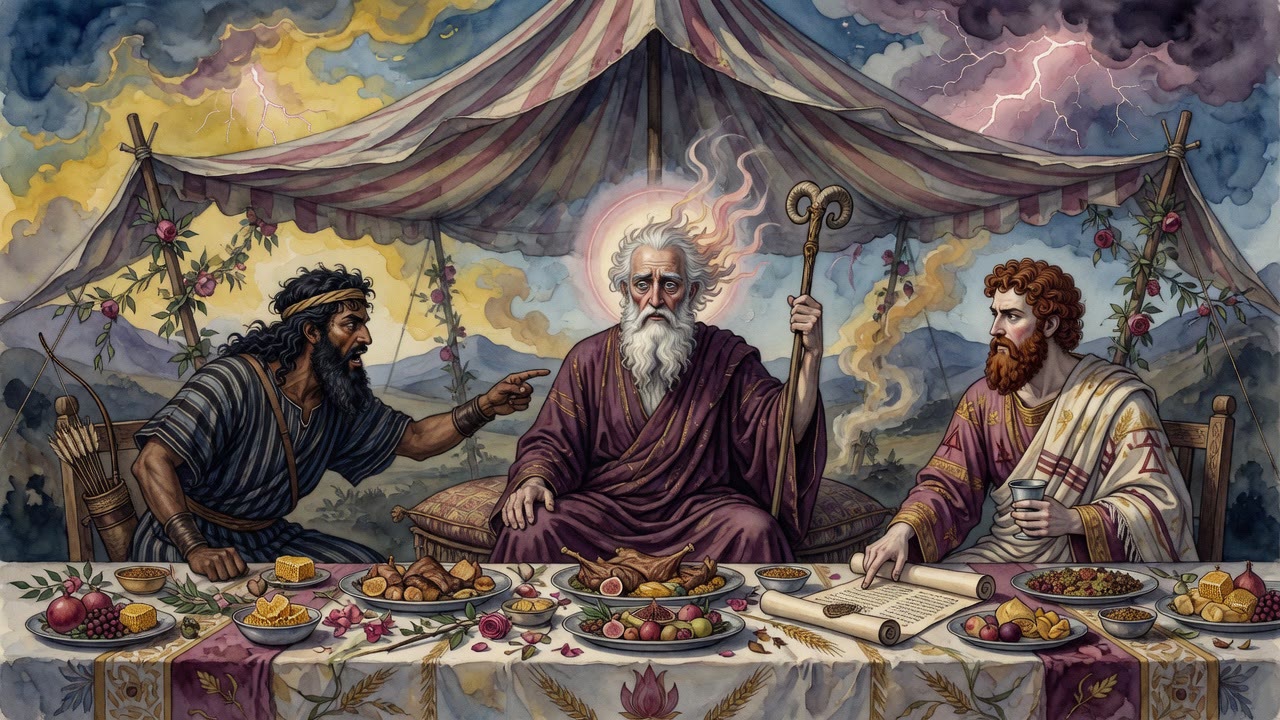
Two half-brothers arrive at Abraham's final Shavuot feast and argue over who deserves the covenant, and who has proven more.
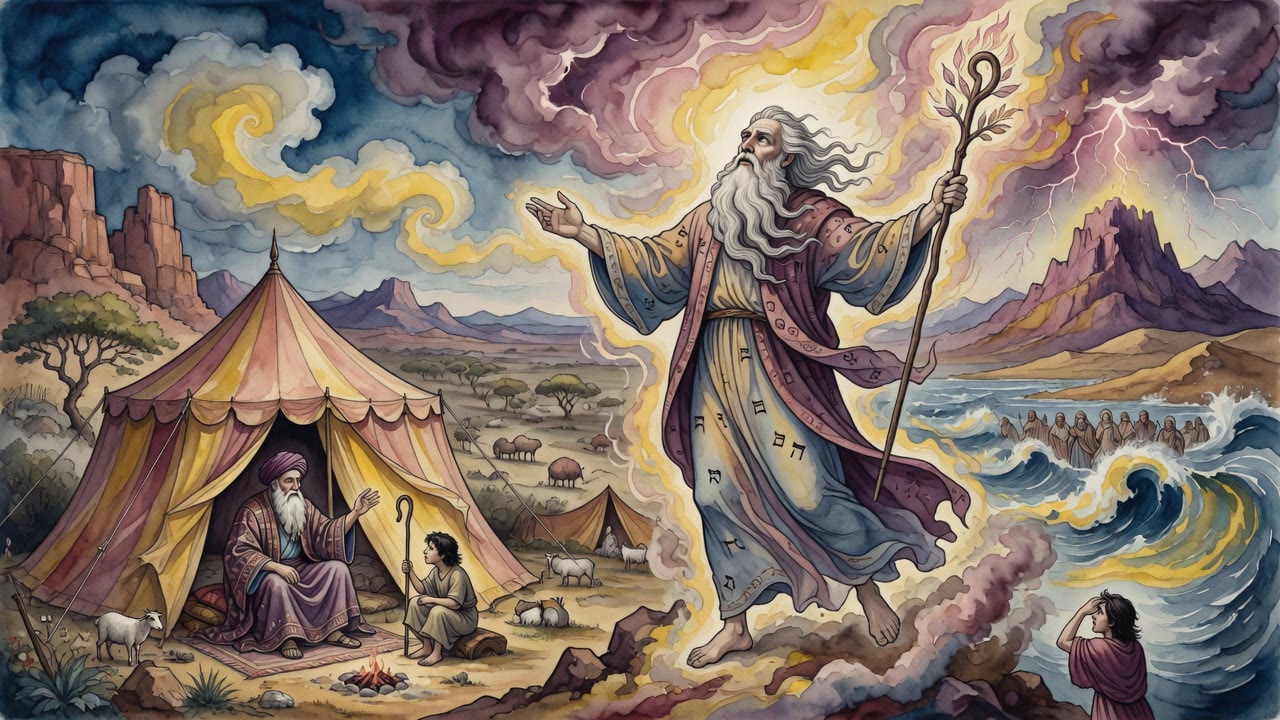
An angel met Moses at the lodging place and sought to kill him. Zipporah took a stone. Circumcision blood bought her husband back.
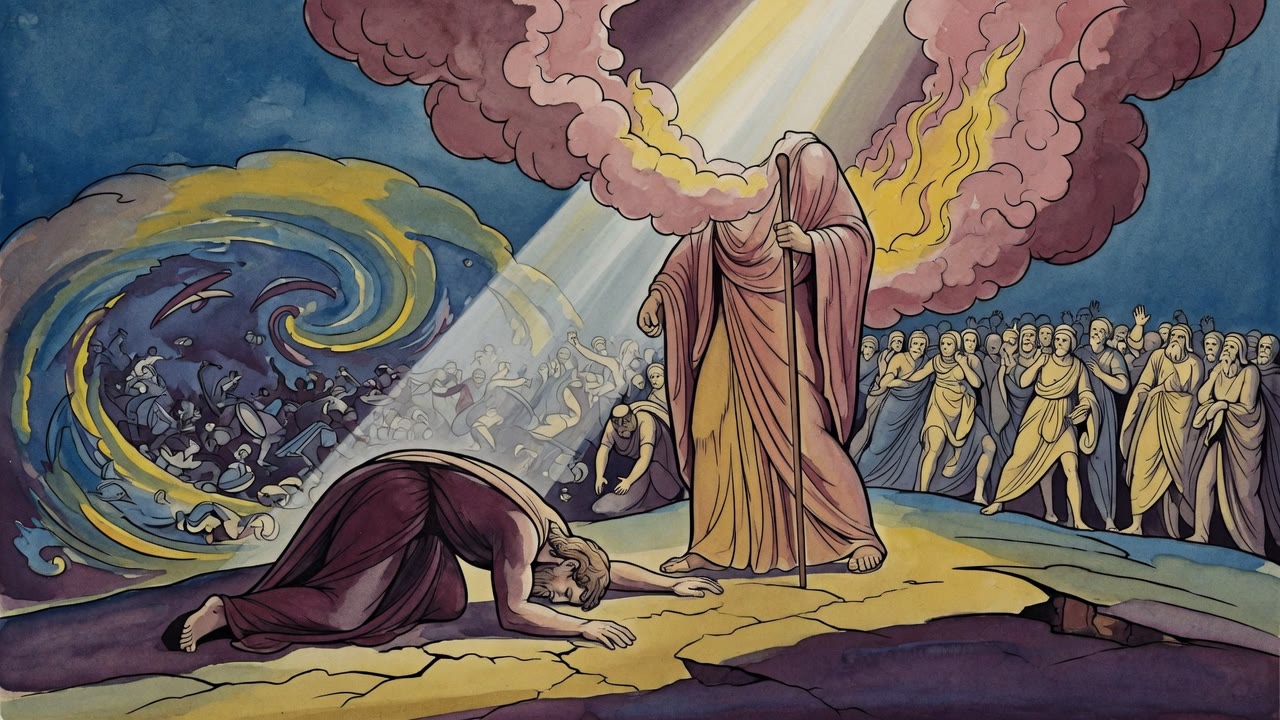
Moses tried to comfort him with wet eyes. Joshua asked who would pray when the Amorites smelled that the defender was gone.
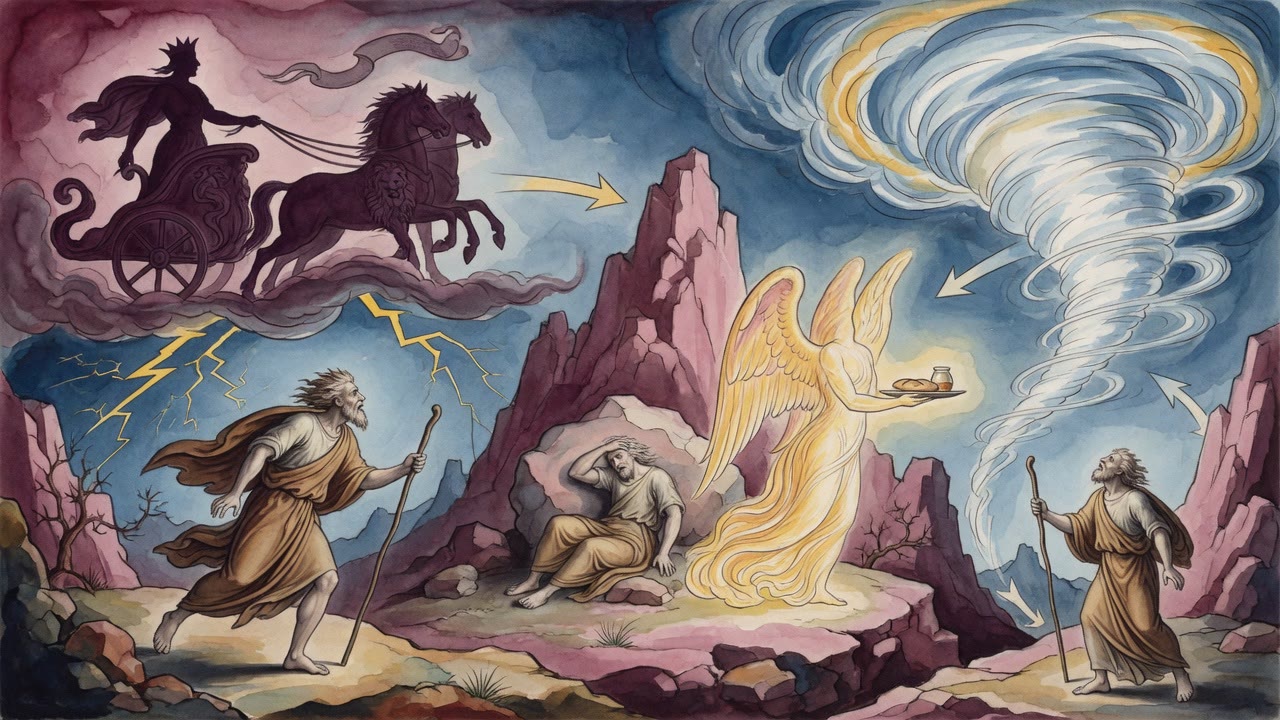
A chair waits beside the child before the knife is lifted. Elijah sits there because he once told God that Israel had thrown the covenant away.
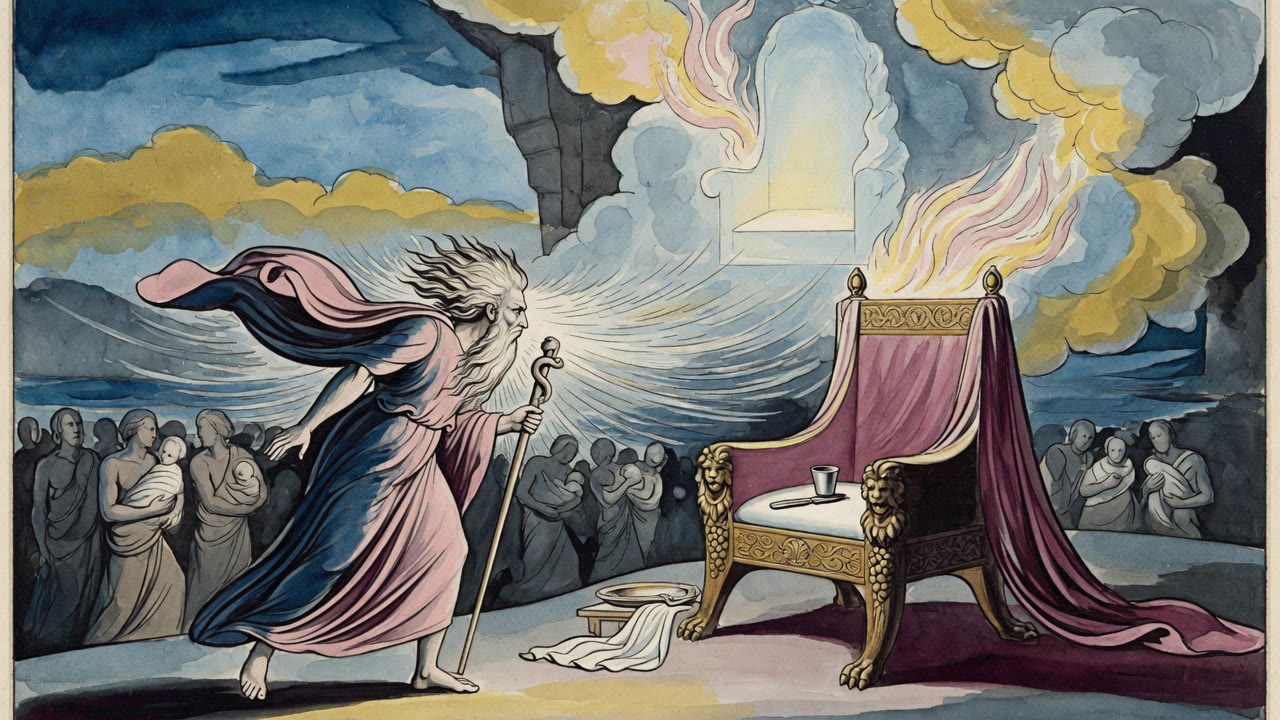
Jezebel's threat drove Elijah into the wilderness, where an angel fed him and God answered his zeal by sending him back.
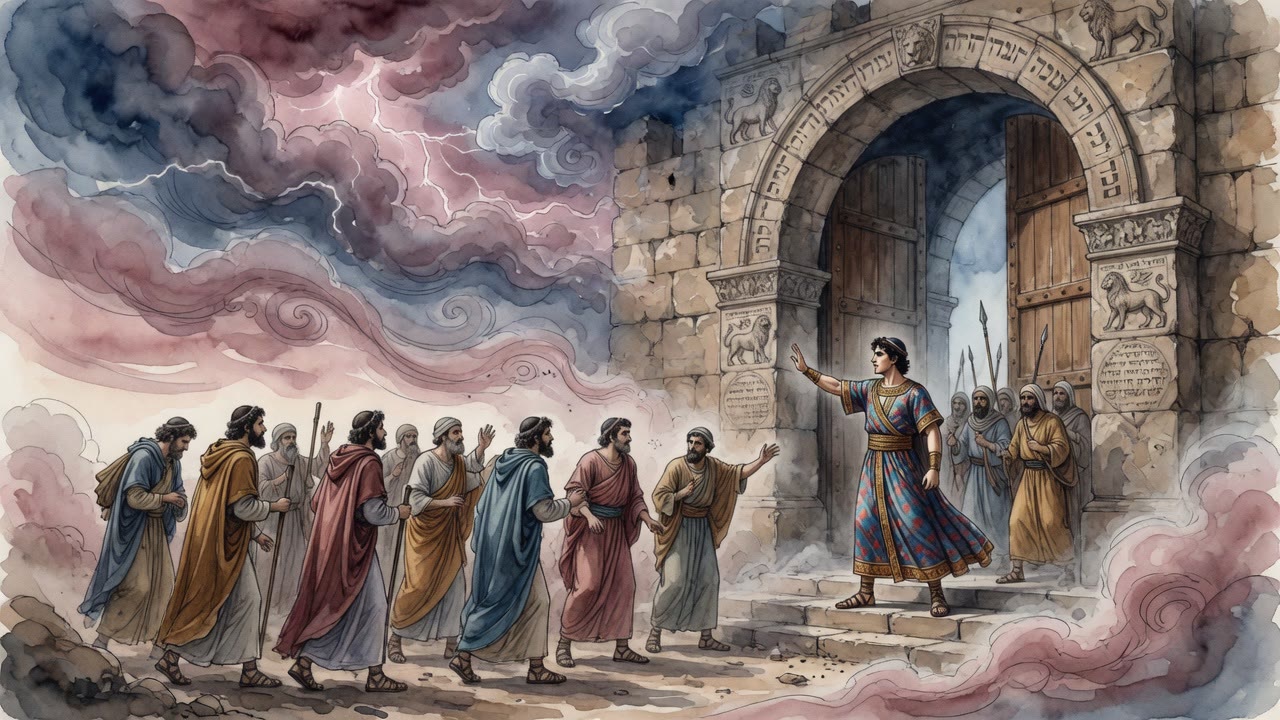
Shechem seized Dinah while his city watched. Jacob's sons invoked the covenant of Noah, and the tradition holds the whole city answered for it.
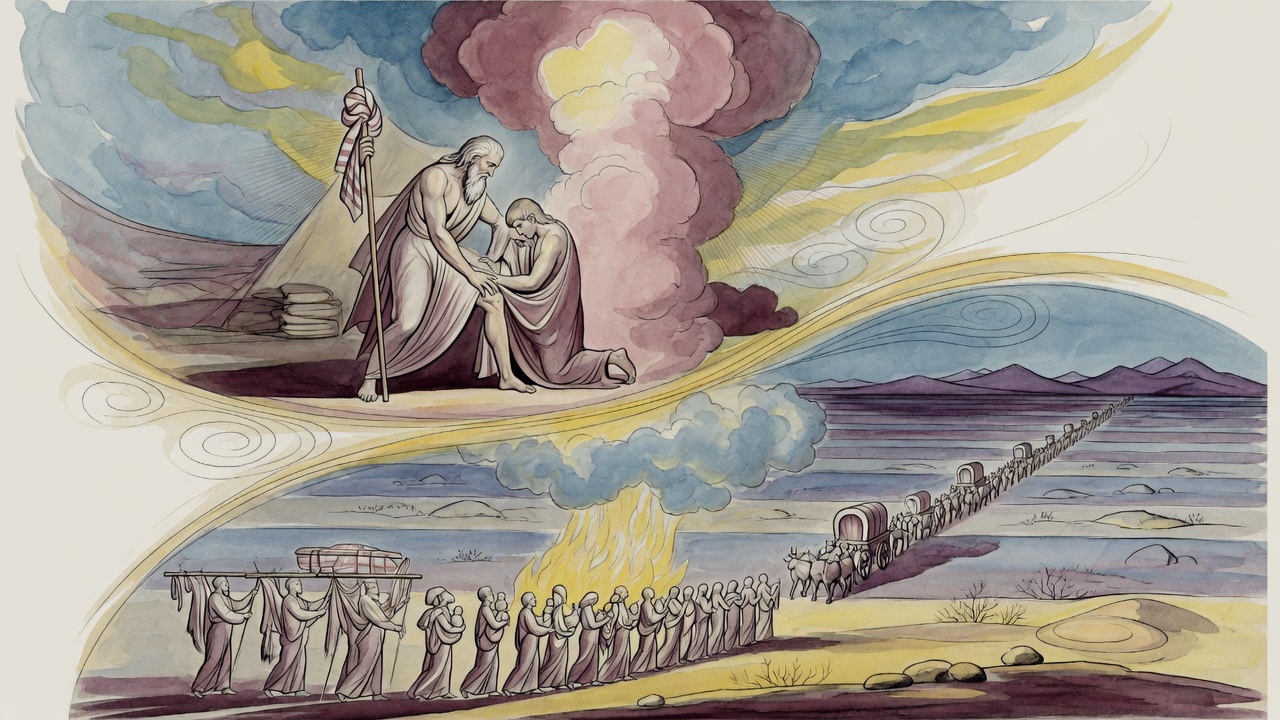
At a night lodging on the road to Egypt, God came for Moses. Zipporah grabbed a flint knife and did what needed doing before anyone else understood the danger.
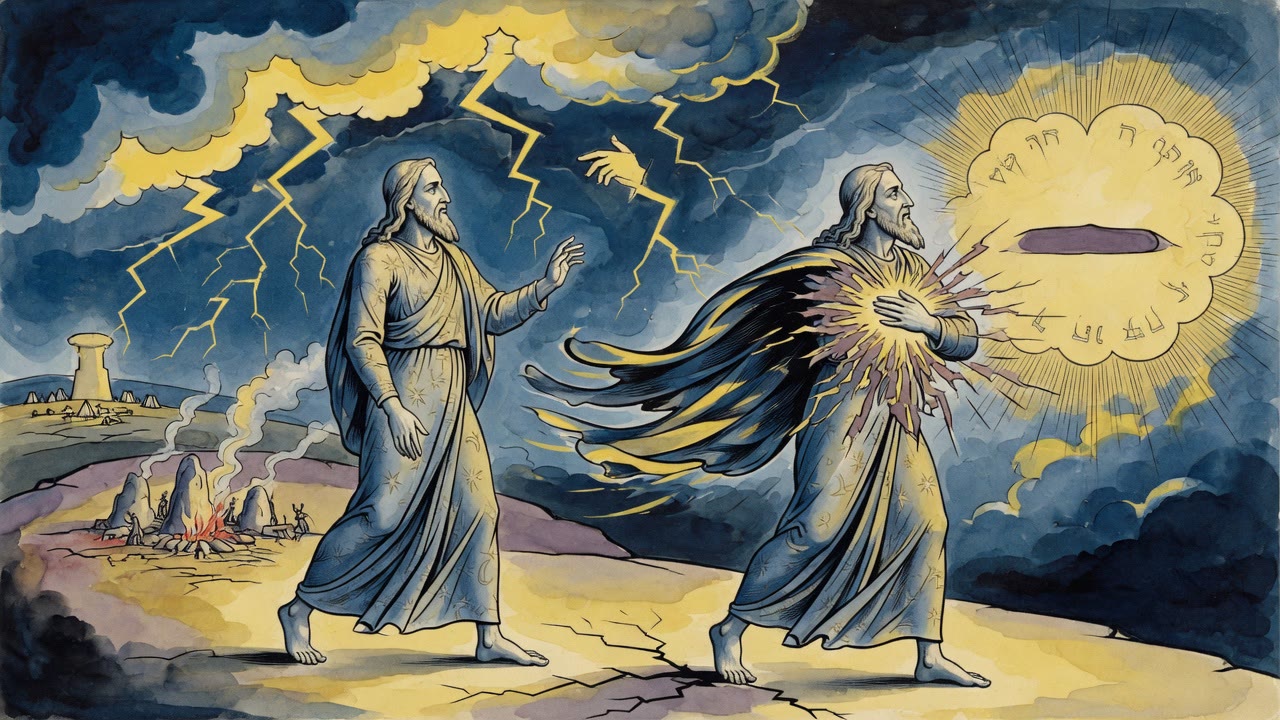
When God finally let Balaam see the angel blocking his road, Balaam fell on his face. He could not stand. His donkey remained upright.
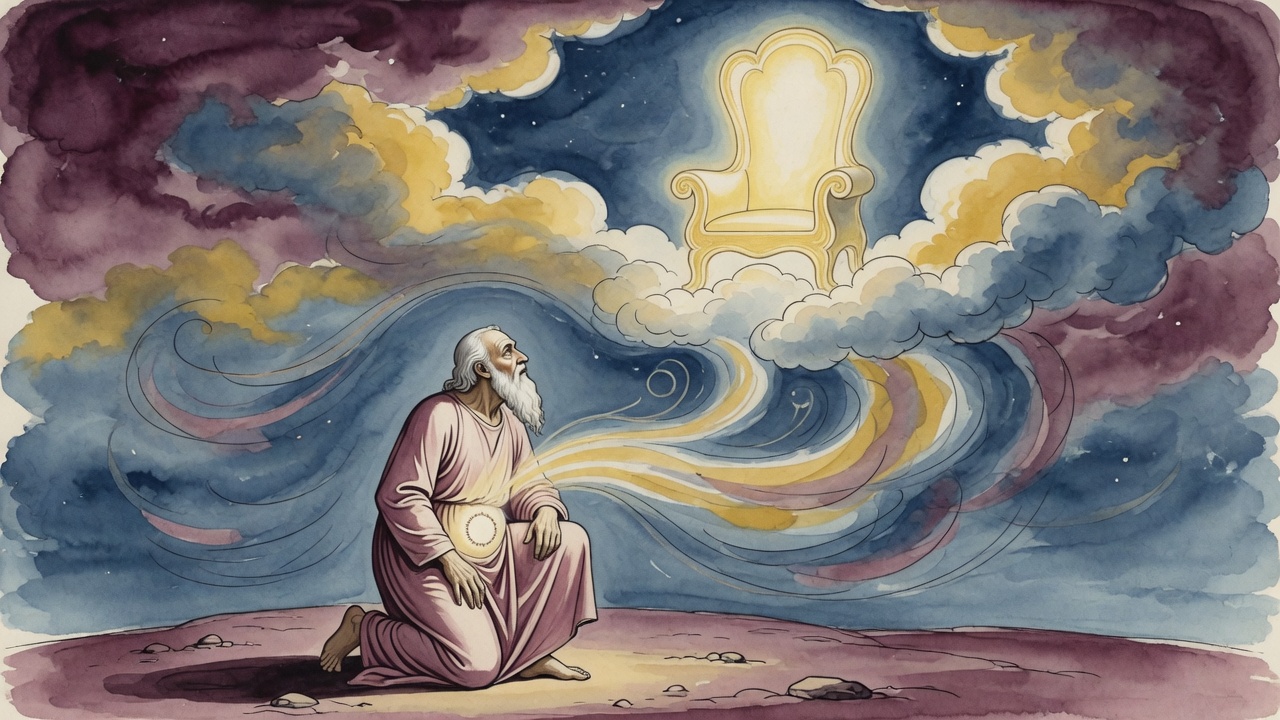
God appeared to Abraham and used a name meaning enough. Enough for the foreskin to have existed until now. At ninety-nine, the body became the covenant's seal.
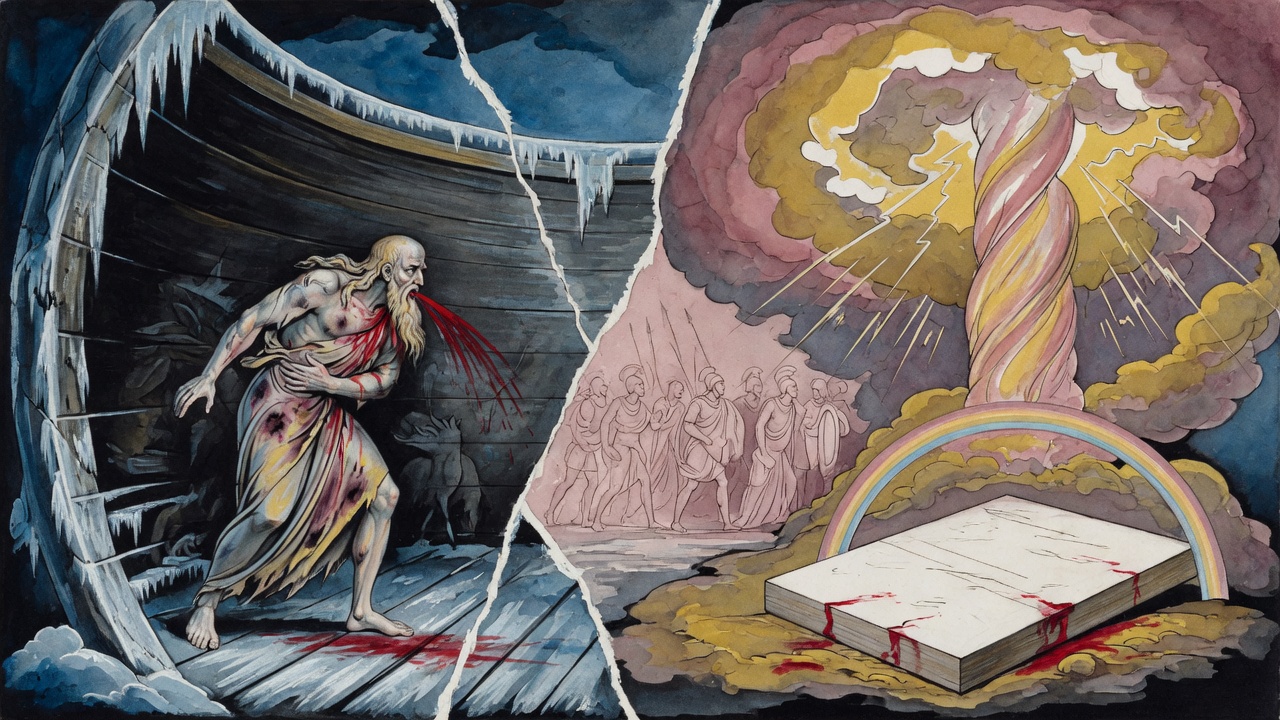
Bereshit Rabbah shows Noah spitting blood in the ark's darkness while cold ate through him, then turns to the covenant Rome's edicts could never undo.
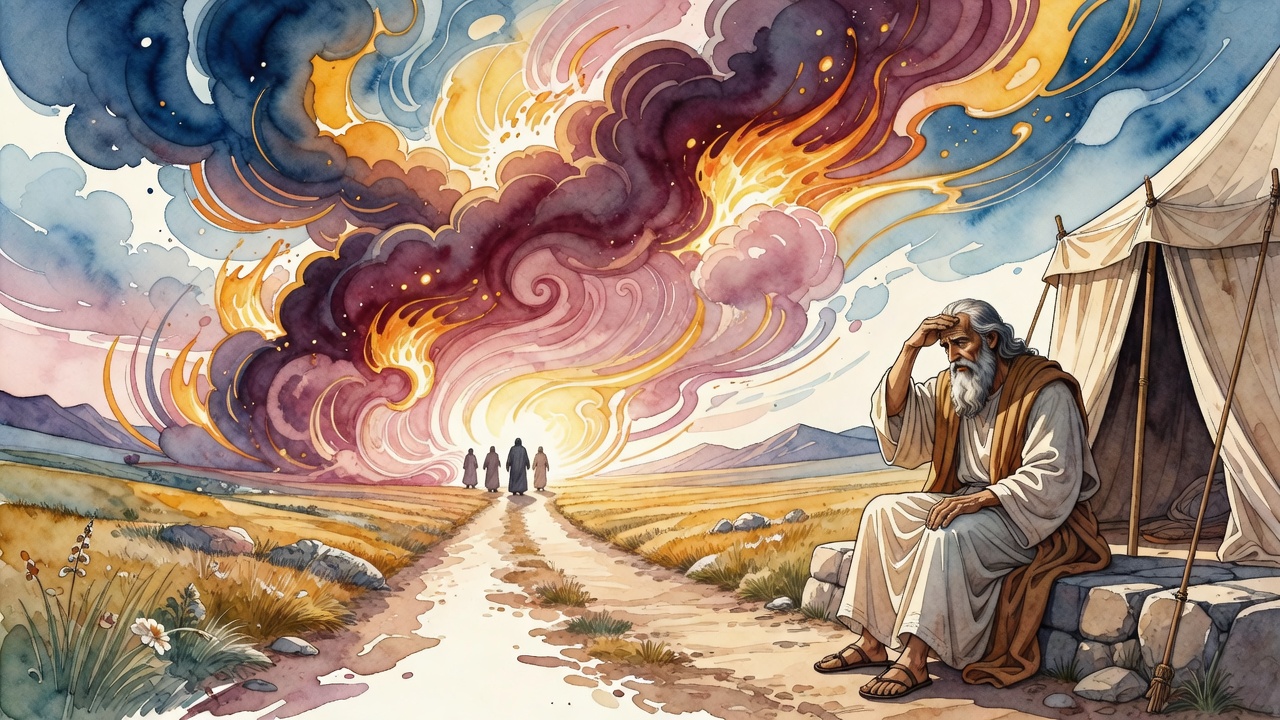
Sodom burned people for putting bread into a beggar's hand. Lot fed two strangers anyway, after dark, and then his wife refused them salt.
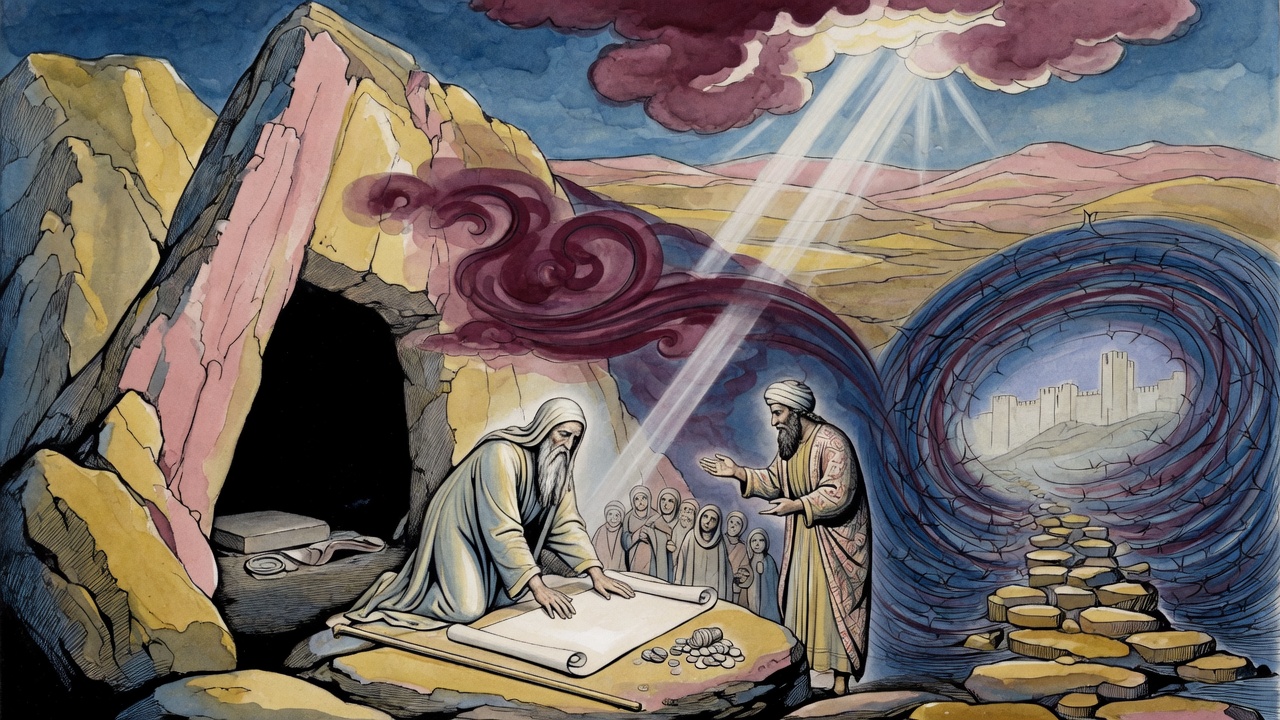
Abraham paid for a grave and signed a secret deed. His descendants could not take Jerusalem for a thousand years because of what he promised that day.
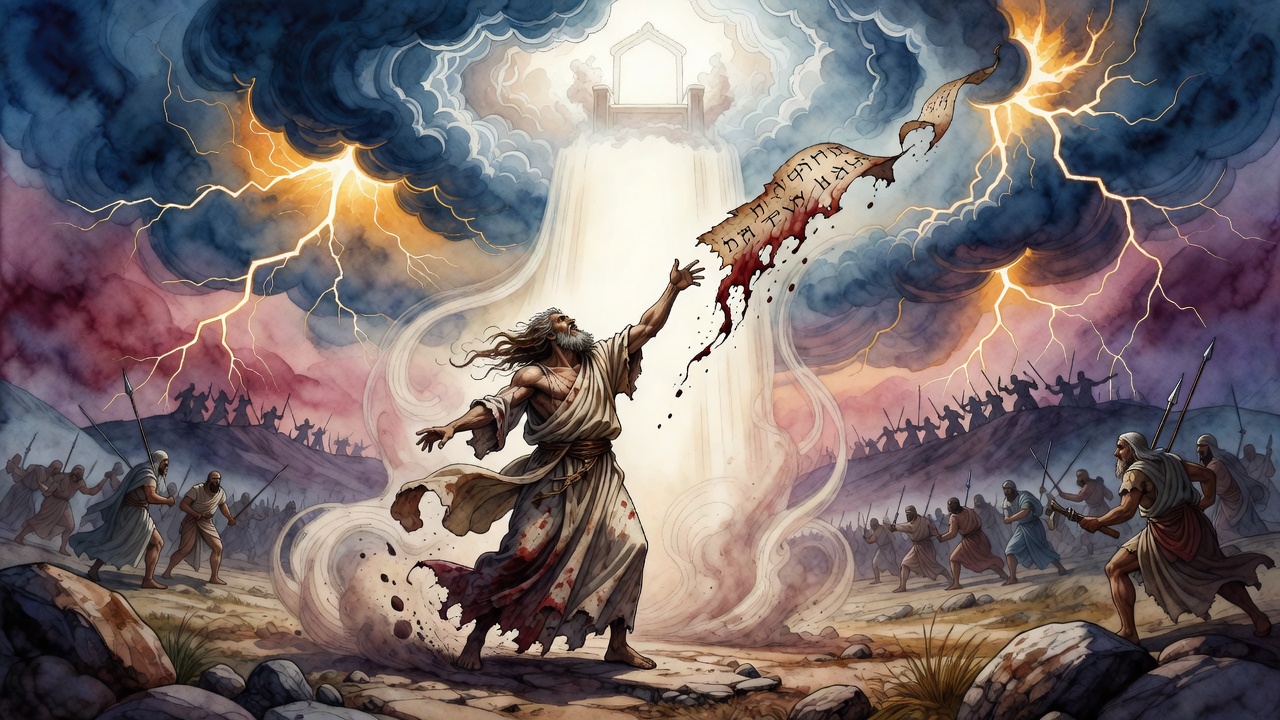
Amalek cut the sign of the covenant from the dead and flung it at the sky. The wars over that covenant began long before, with Jacob's sons.
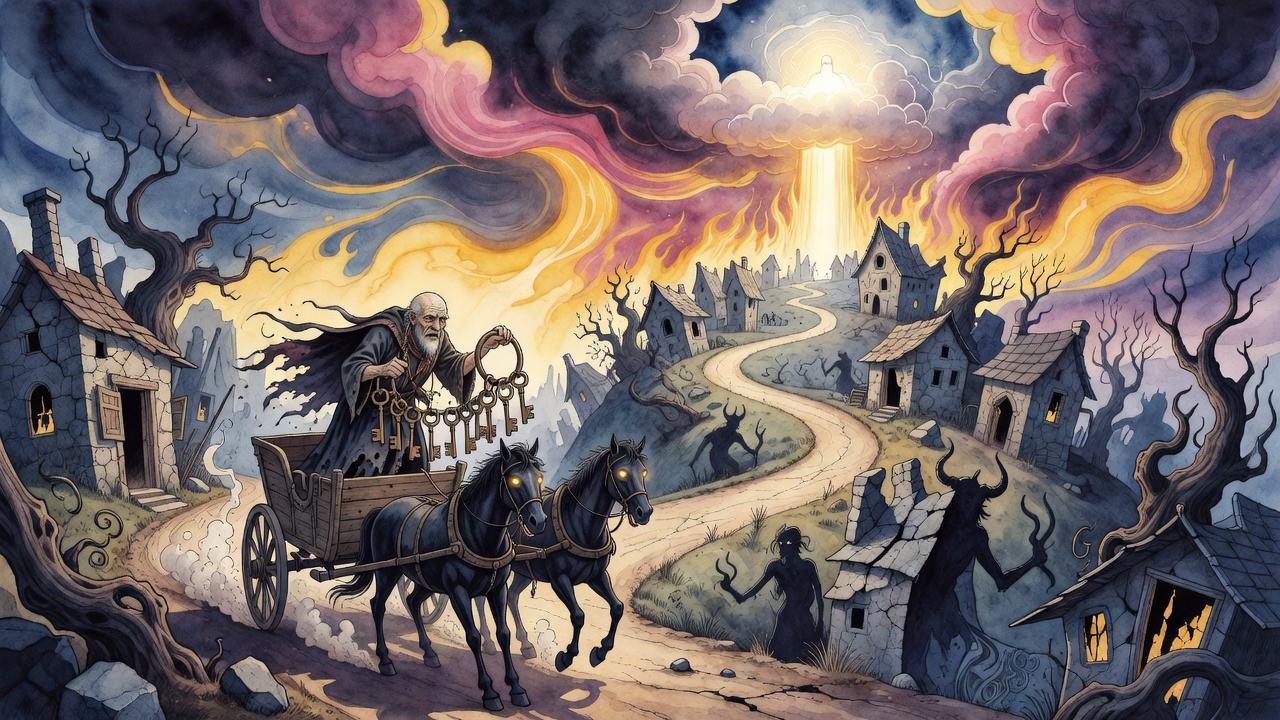
A woman in a strange village pulled him aside. Eat nothing here, she said. The host was not a man, and the food would put a chain on him.
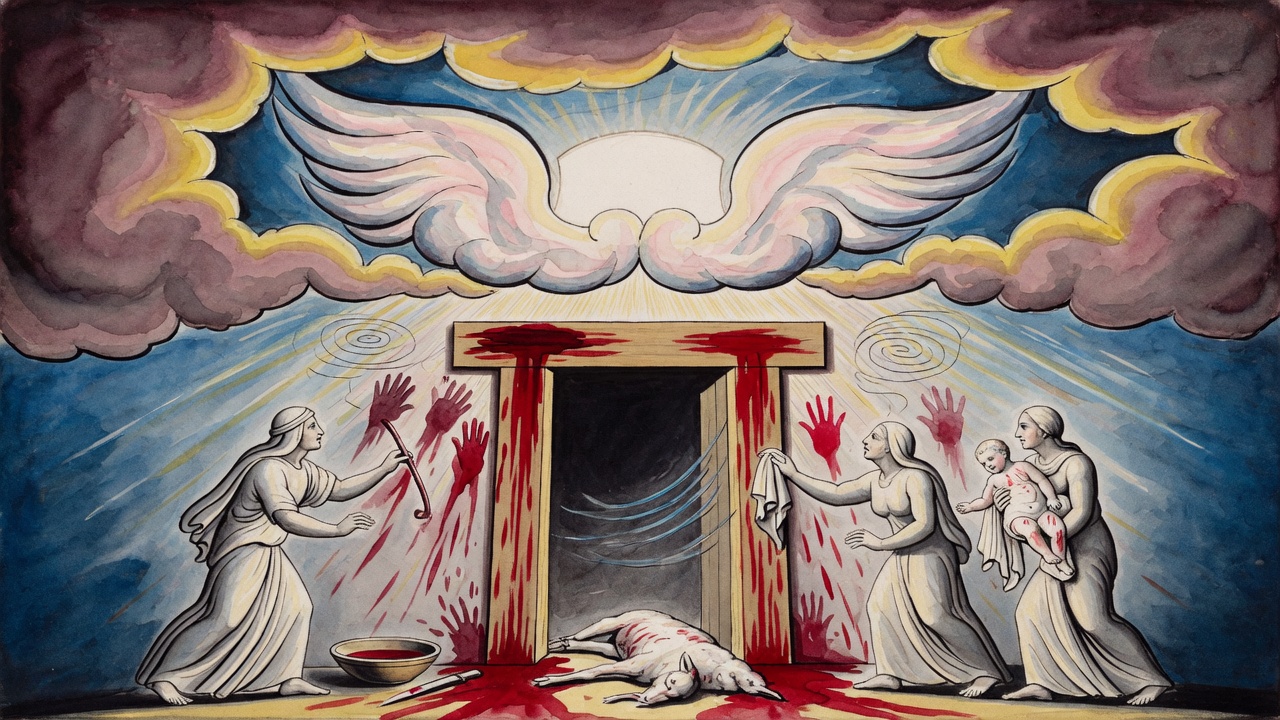
Hands shook over the lintel in Goshen. Lamb blood was not enough. They added the blood of the covenant, and God said live twice.
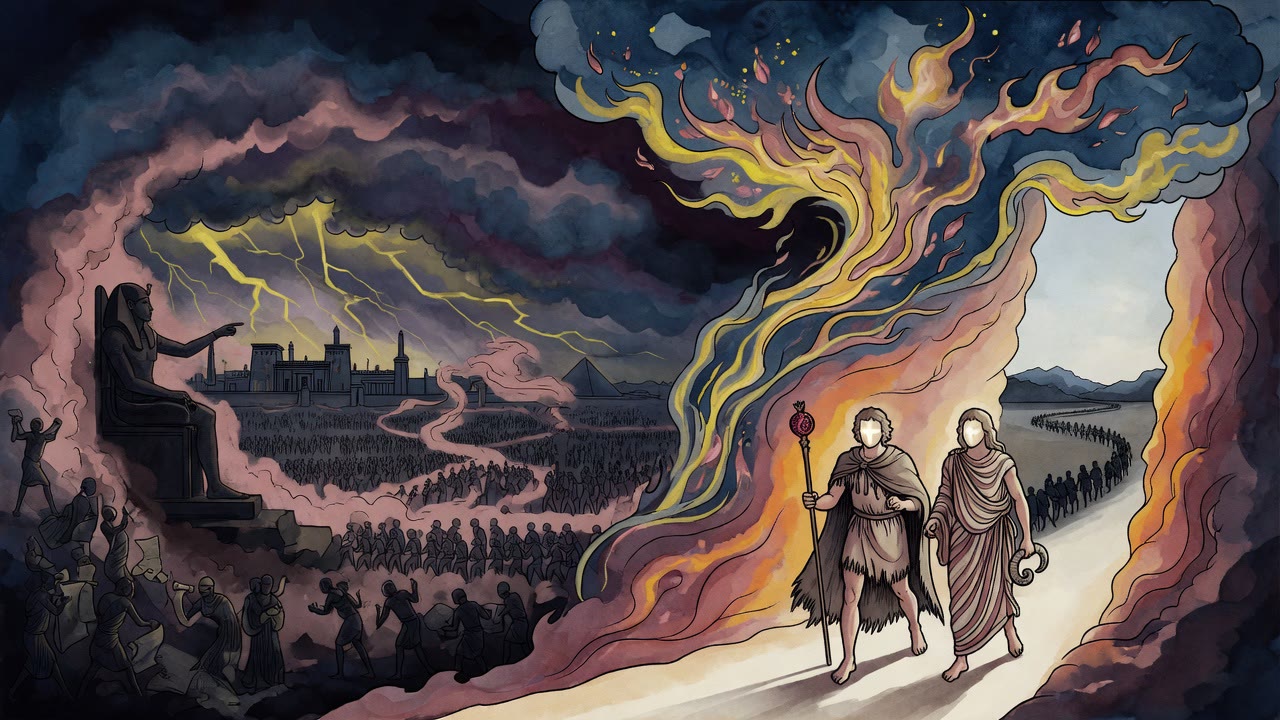
Aner said the cut would leave Abraham too slow to run from kings. Eshkol feared the blood. Mamre sent him to the knife anyway.
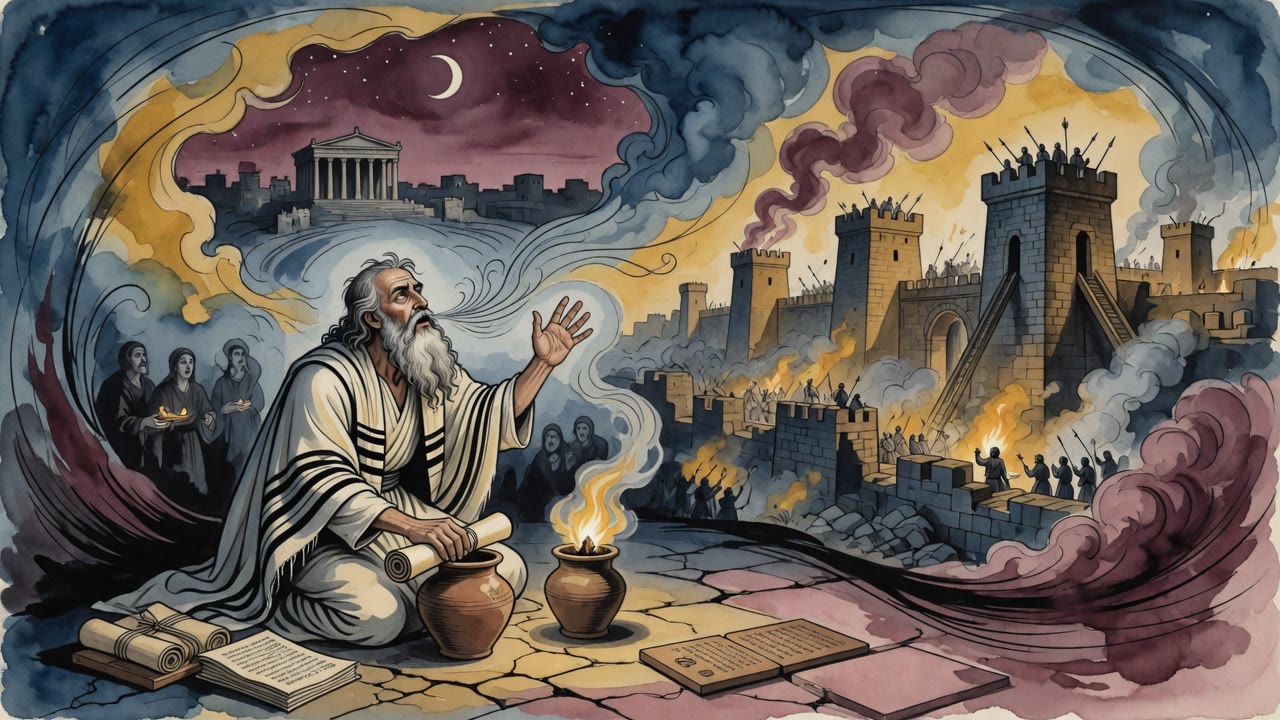
Before circumcision Abraham fell on his face at every word from heaven. After the covenant he stood, and the gate of Gehinnom (afterlife of judgment) closed.
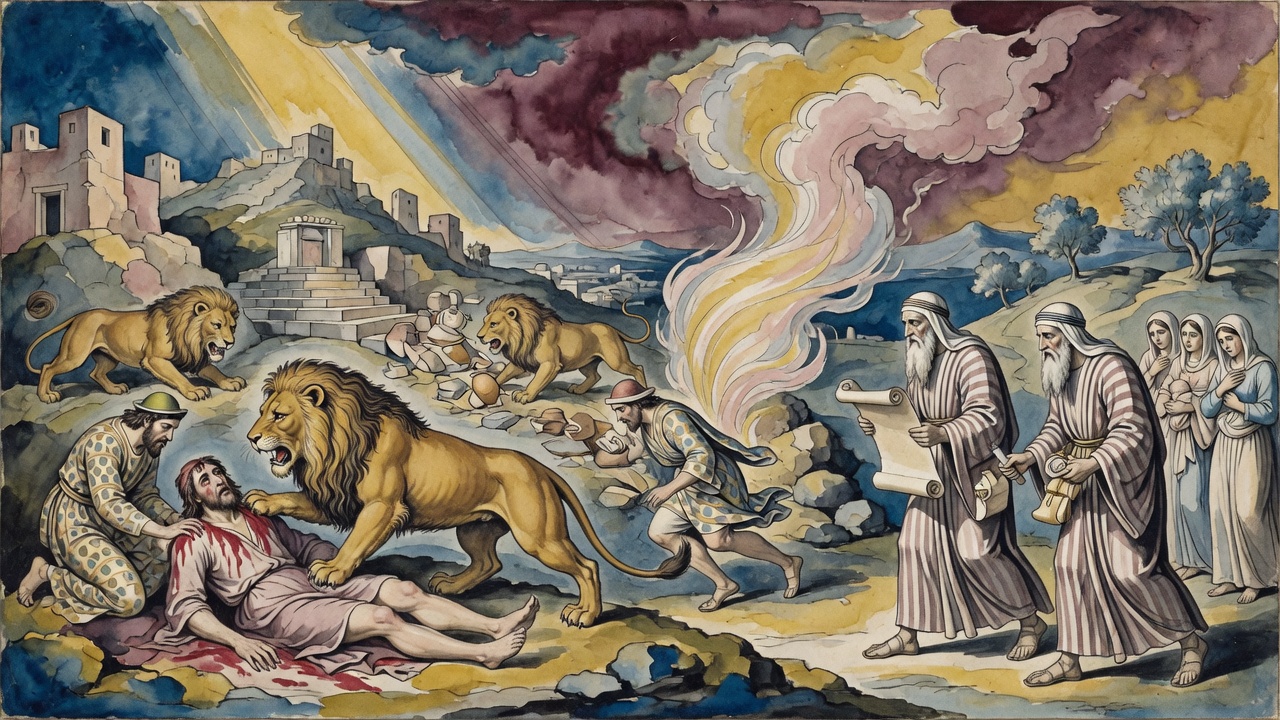
A tax farmer walked a Samaria ditch at dusk and did not walk out. The king still wanted tribute from a land that answered with teeth.
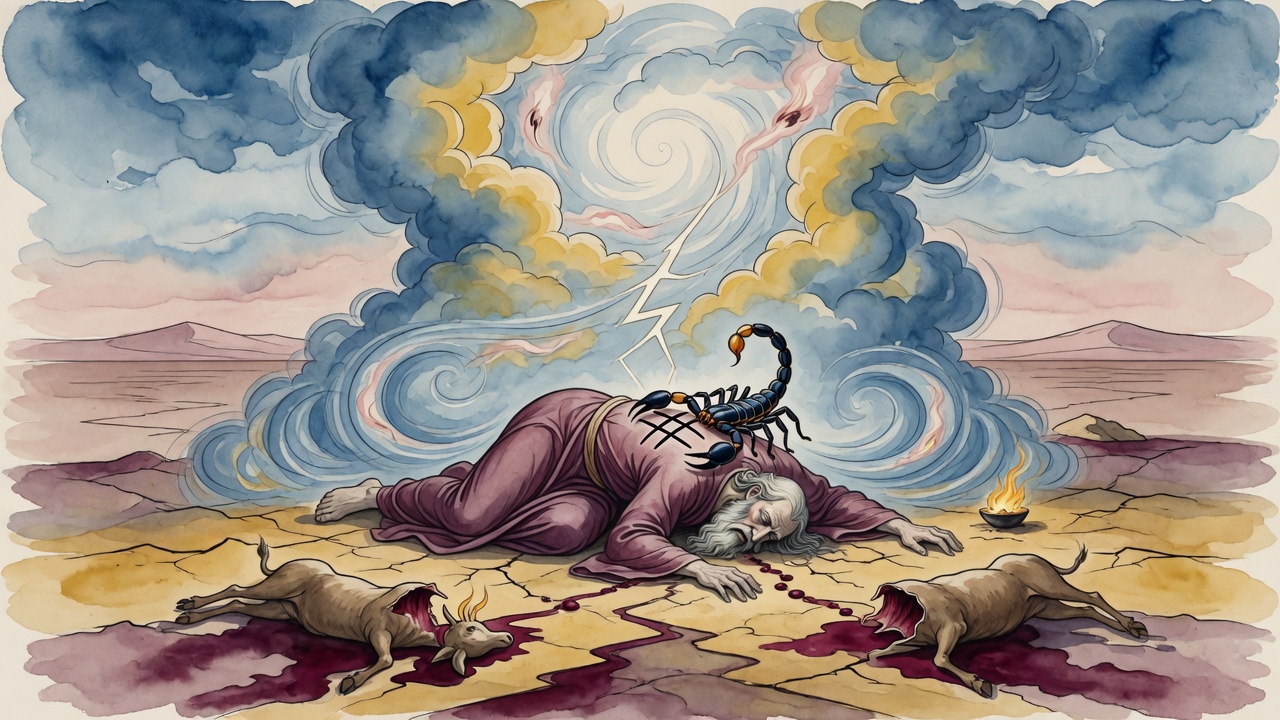
Abraham wondered where to cut the covenant. He fell on his face, a scorpion bit the place, and he rose already marked as God's partner.
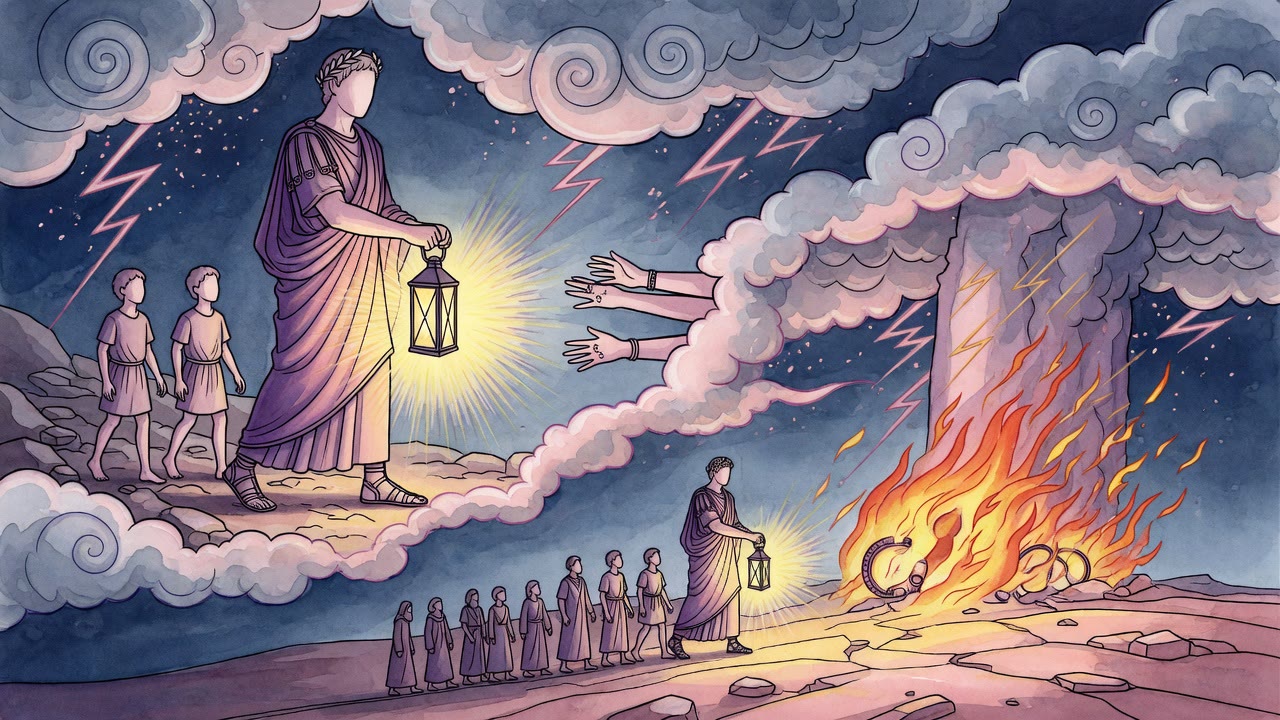
Josephus had a simple reply. Egyptian priests avoid pork and get circumcised too. Then he told how Apion died after his own circumcision.
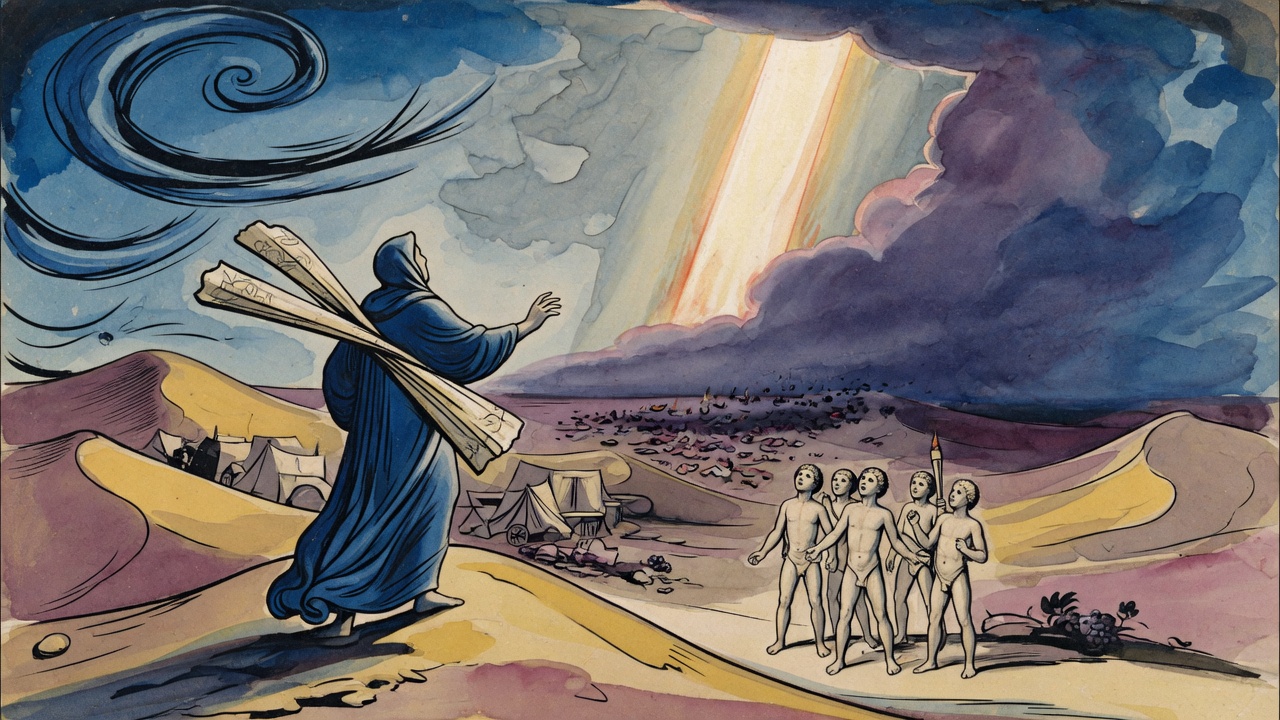
Miriam stood a short while by the river to see what would become of the basket. Years later all Israel waited seven days in the desert for her.
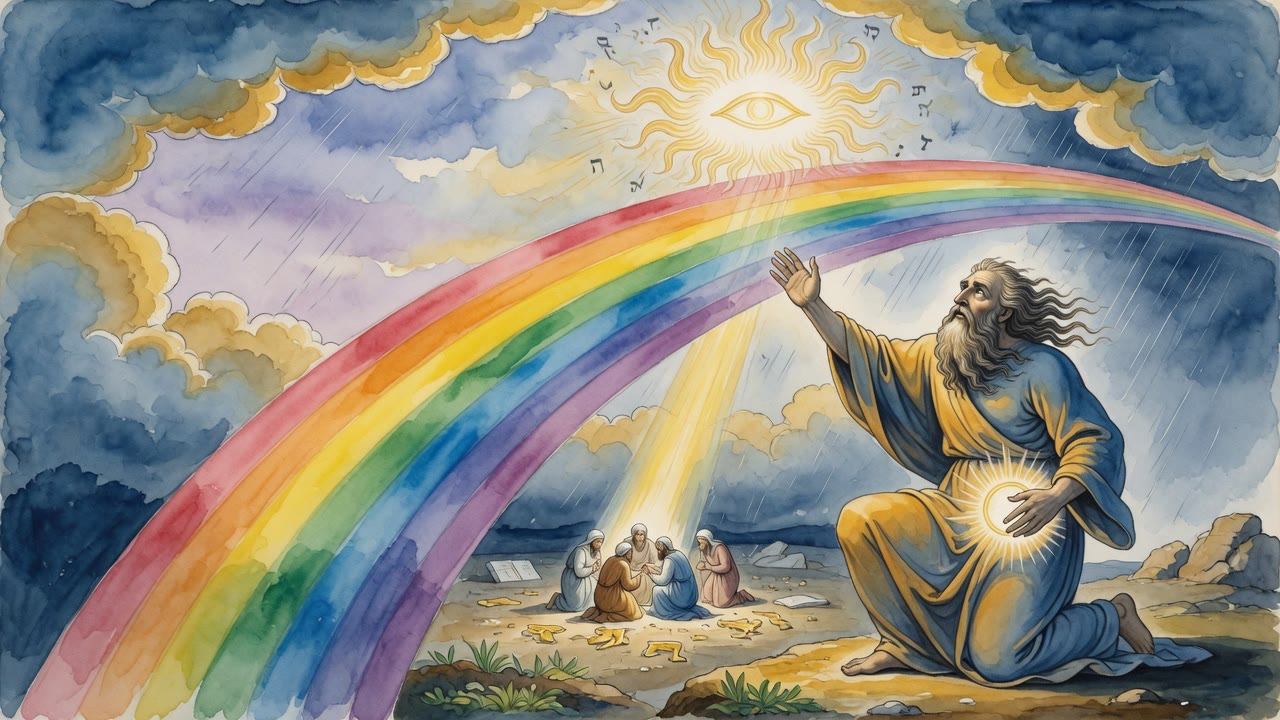
A prophet stood in the Temple court wearing a wooden yoke on his neck. Another prophet walked up, tore it off him, and smashed it in front of the crowd.
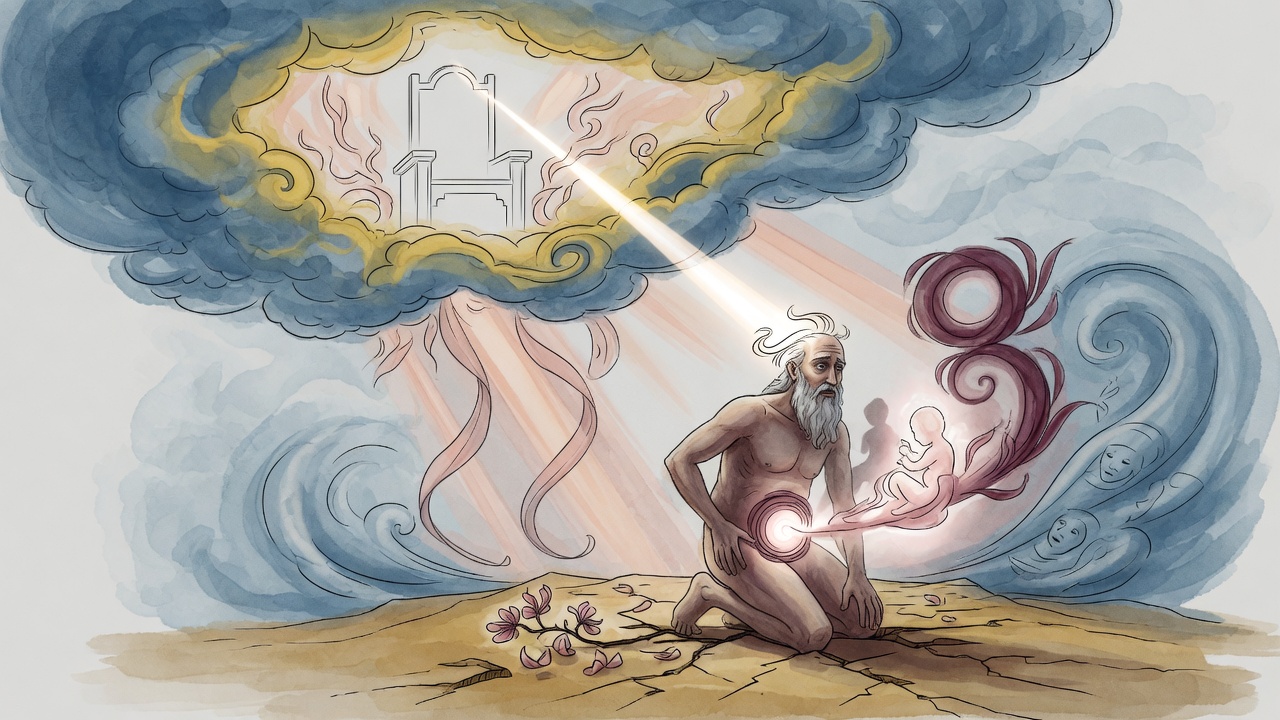
At ninety-nine Abram feared circumcision would leave him incomplete. God added a letter to his name, then marked him with age so no scoffer could deny Isaac.
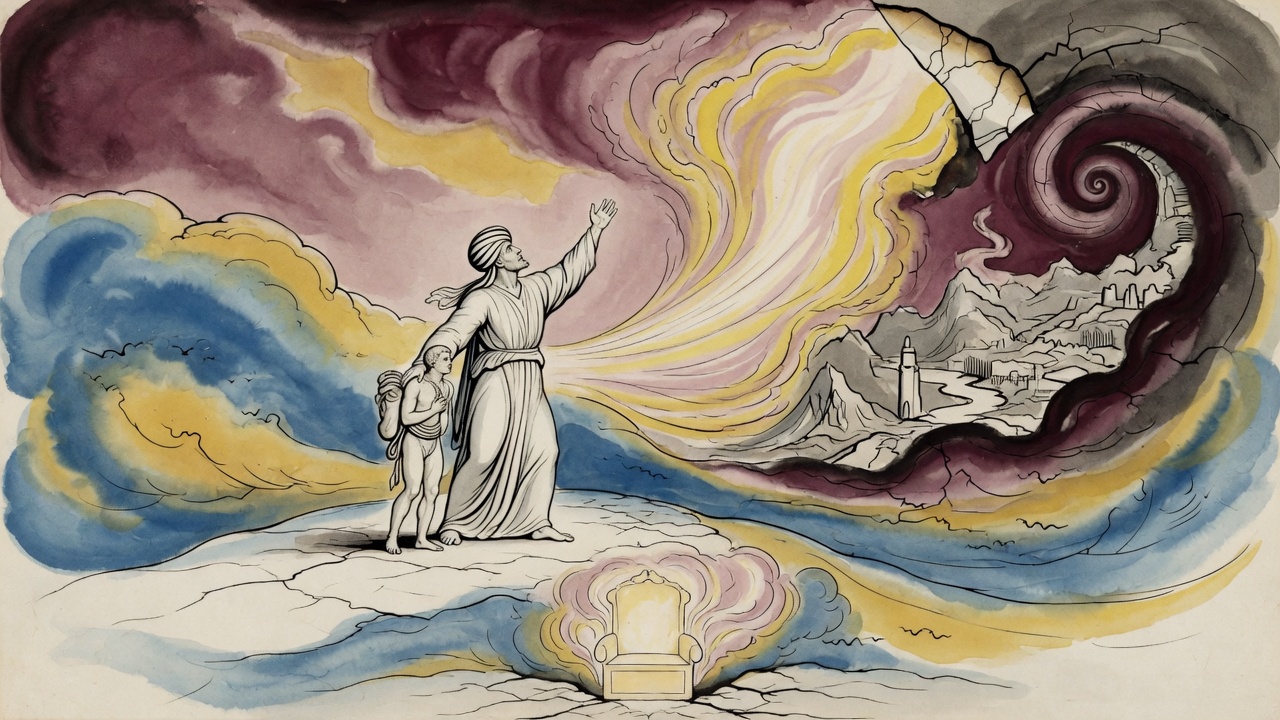
God had waited twenty generations. At ninety He said the world would fold into empty waste if Abraham refused the cut. Abraham took the knife.
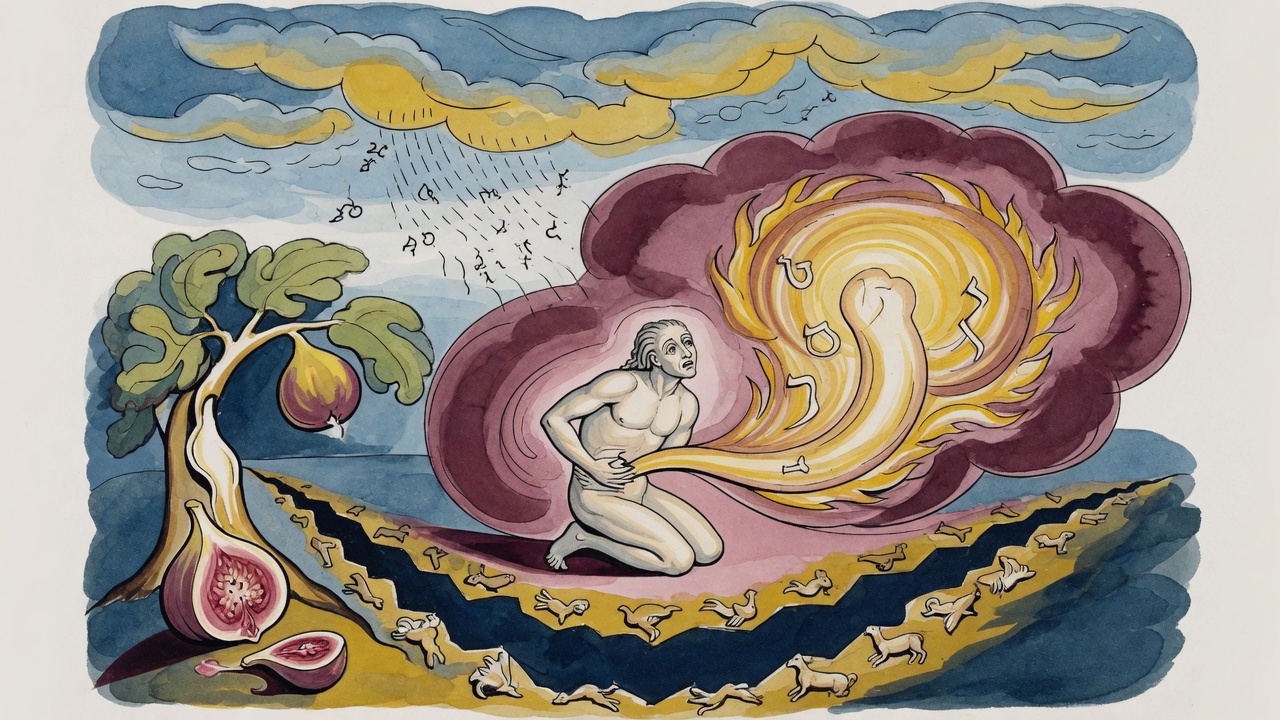
A father with two boys, one born Friday and one on the Sabbath, cuts the wrong son on the wrong day. Neighbors hear a child cry on the Sabbath.
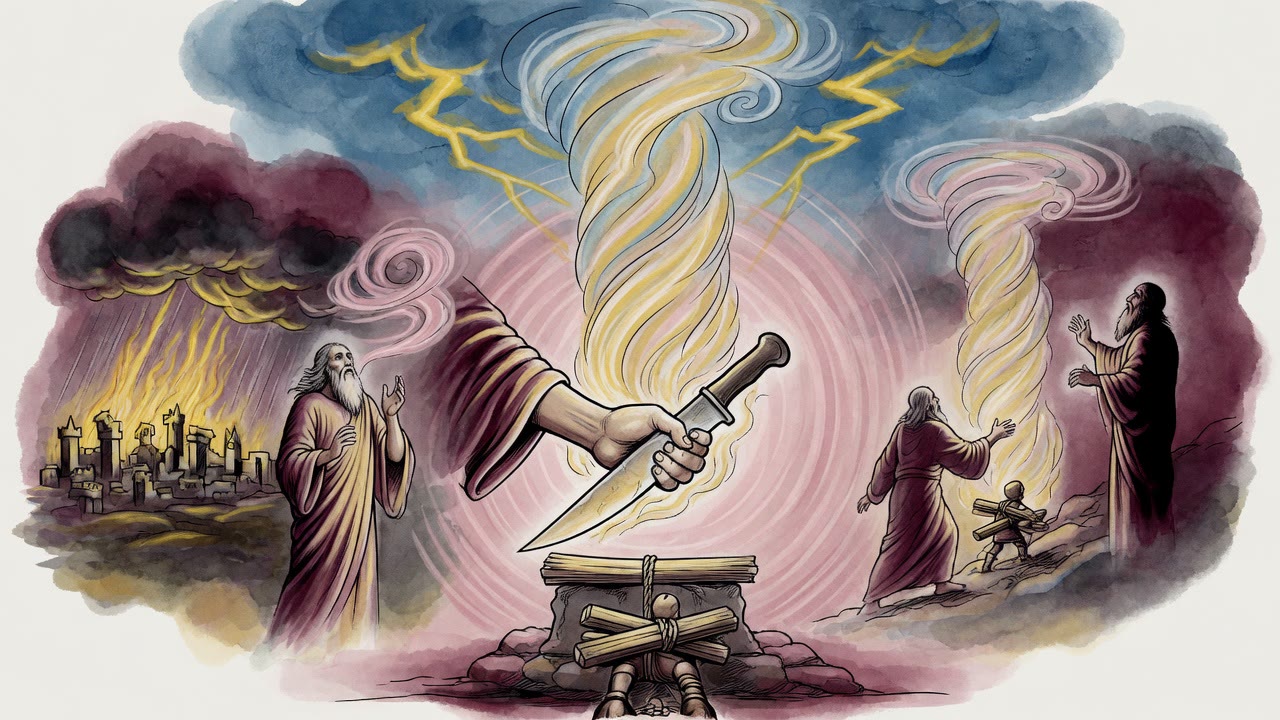
Father and son walked into a city and nobody knew which one to honor. They looked the same age. So Abraham got the first grey hair in the world.
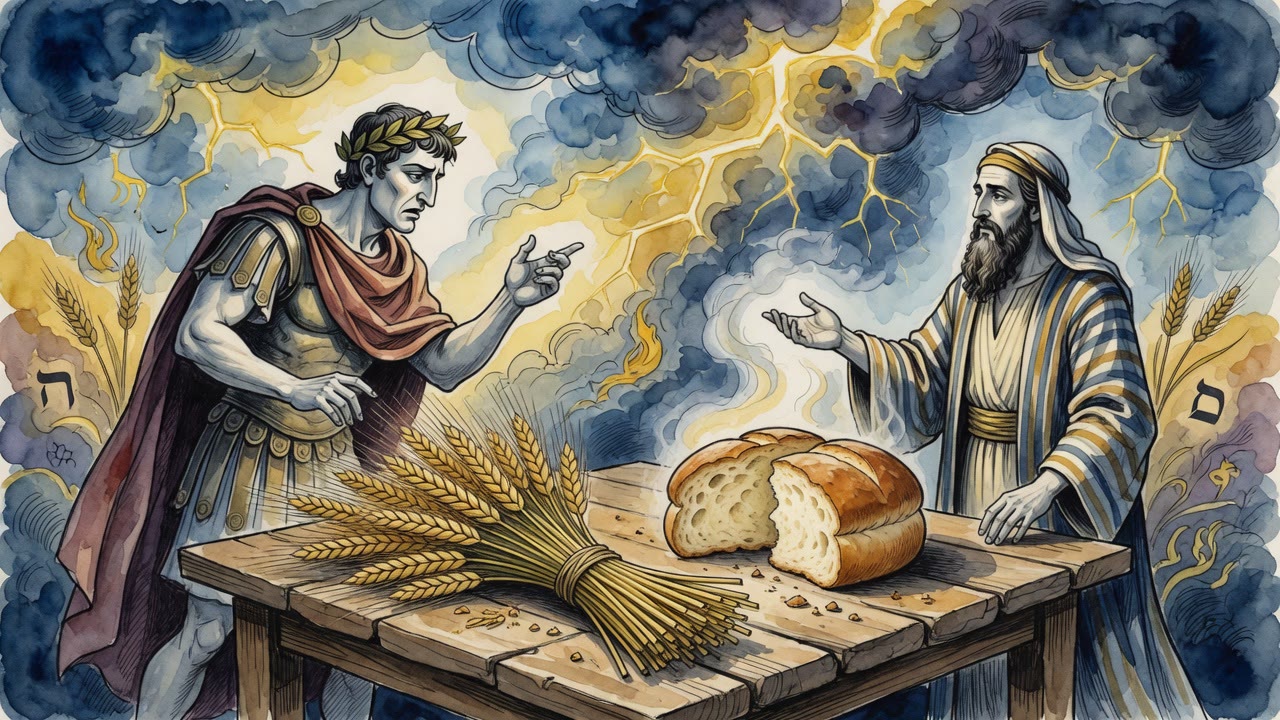
Tyrannus Rufus mocked circumcision as marring God's work. Rabbi Akiva set wheat beside white bread and let the table settle the argument.
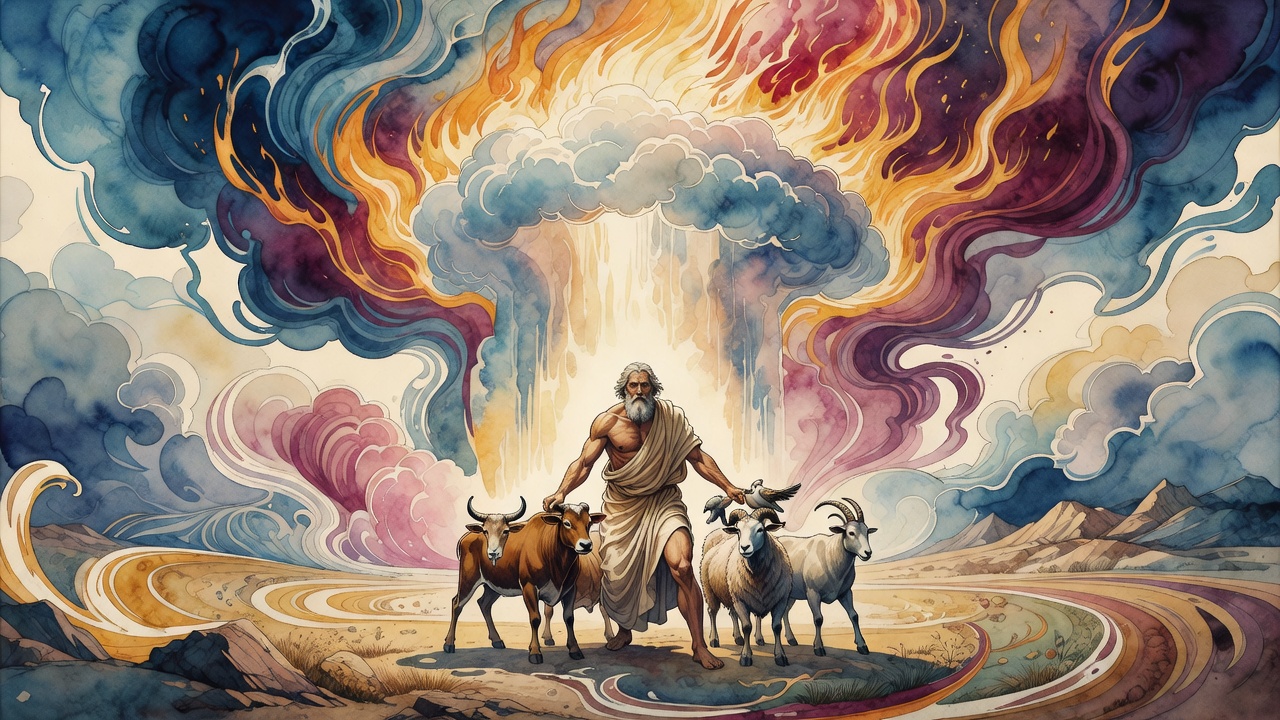
Abraham cut the animals himself and beat the birds off the meat until dark. God did not offer to promote him. God offered to make him.
On the road to Egypt, at a lodging, the Lord met Moses and sought to kill him. An angel of mercy began at the crown.
