61 myths · Page 1 of 2
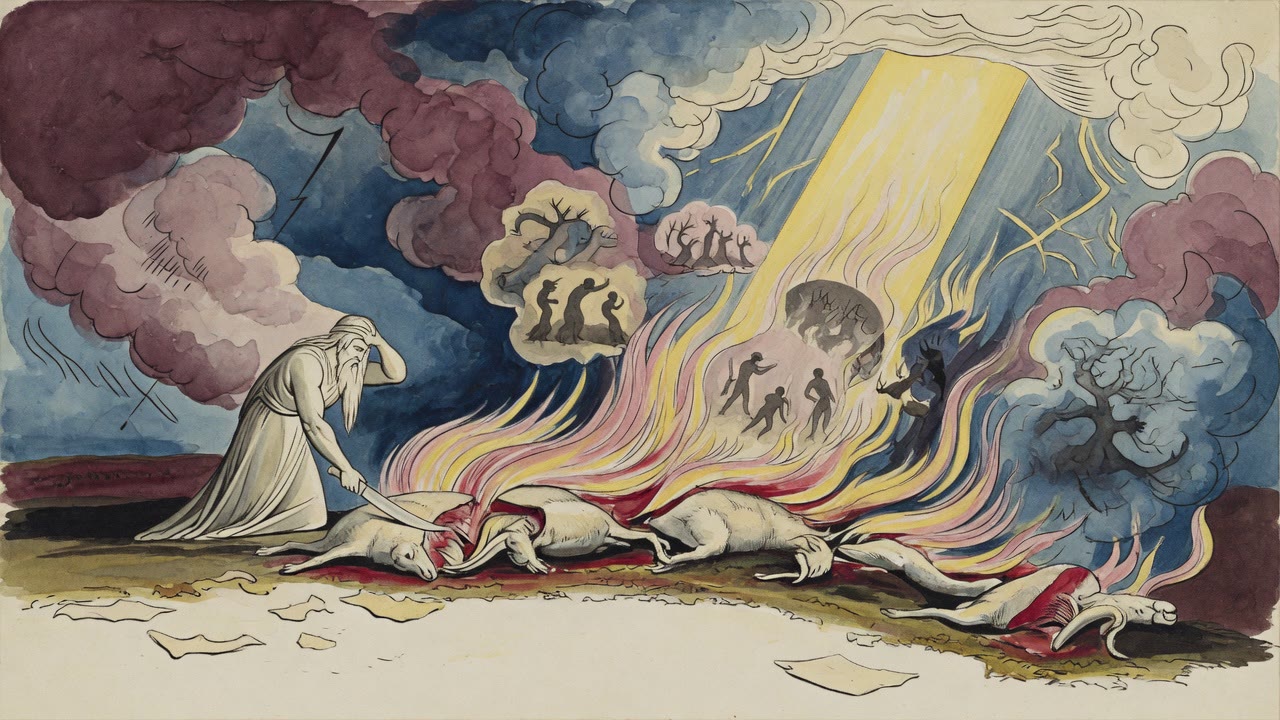
Abraham cuts the covenant animals at God's command. When darkness falls, fire passes through the pieces and shows him hell.
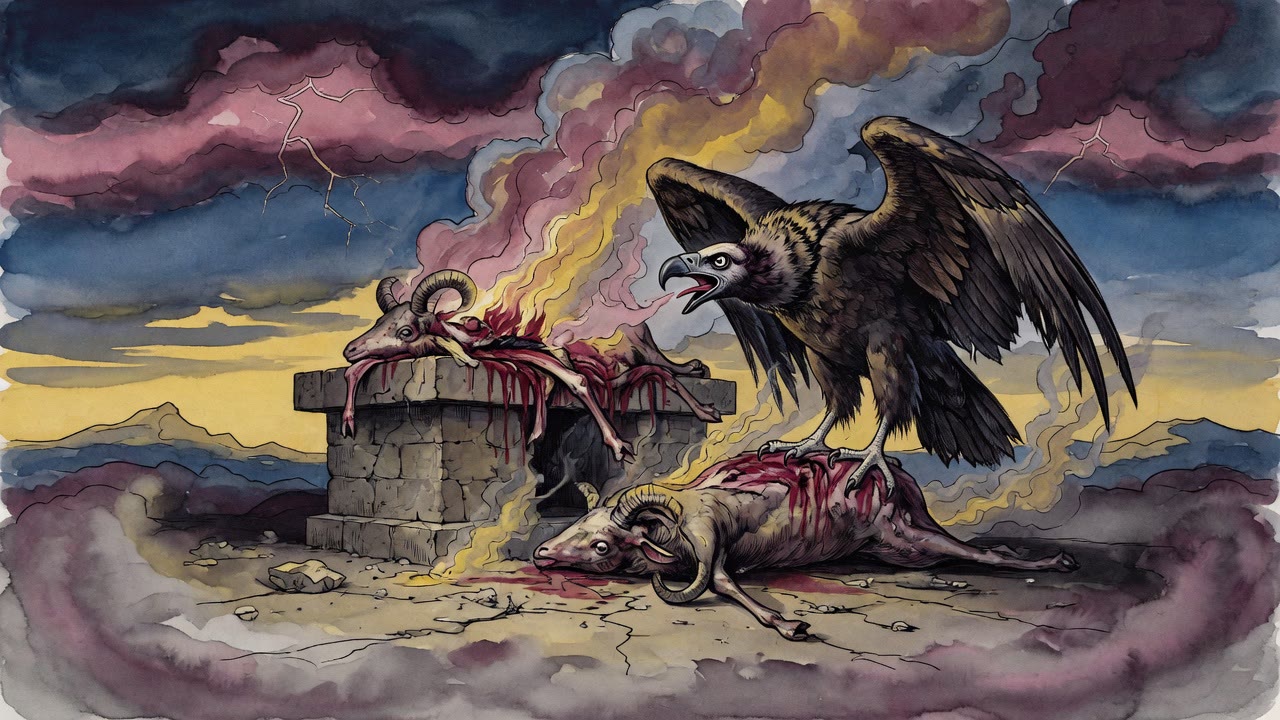
Abraham had already divided the animals. Evening had not yet come. The bird told him the fire on the heights would eat him too.
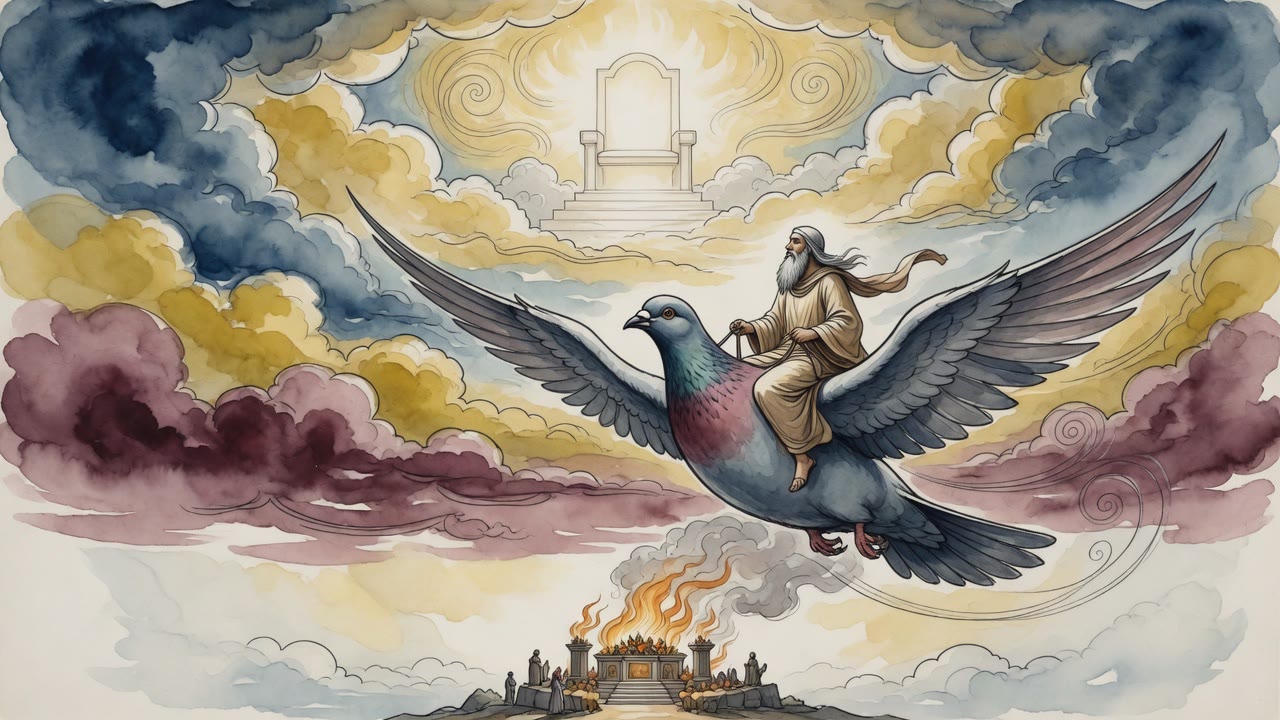
The birds had not been cut. At sundown the angel set Abraham on the pigeon's right wing, and the smoking field dropped away under his feet.
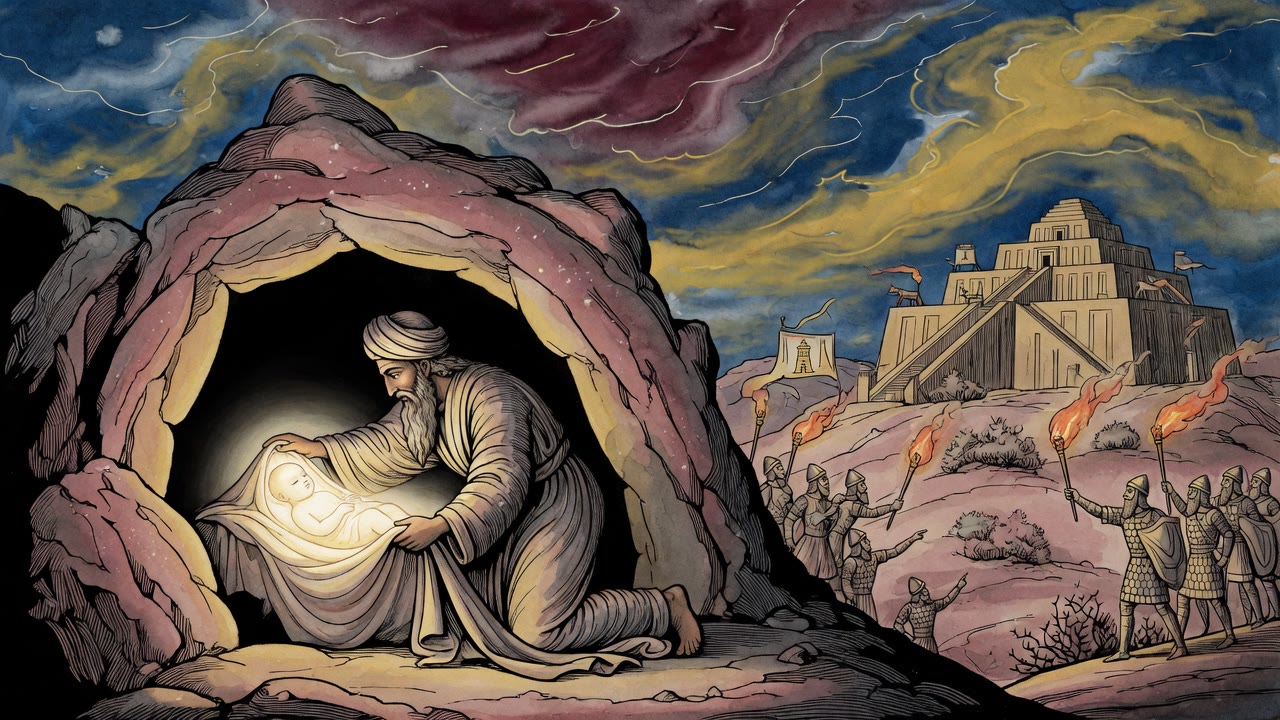
The Torah introduces Abraham as a grown man. The older traditions say his father had already saved his life once by swapping him for a slave child.
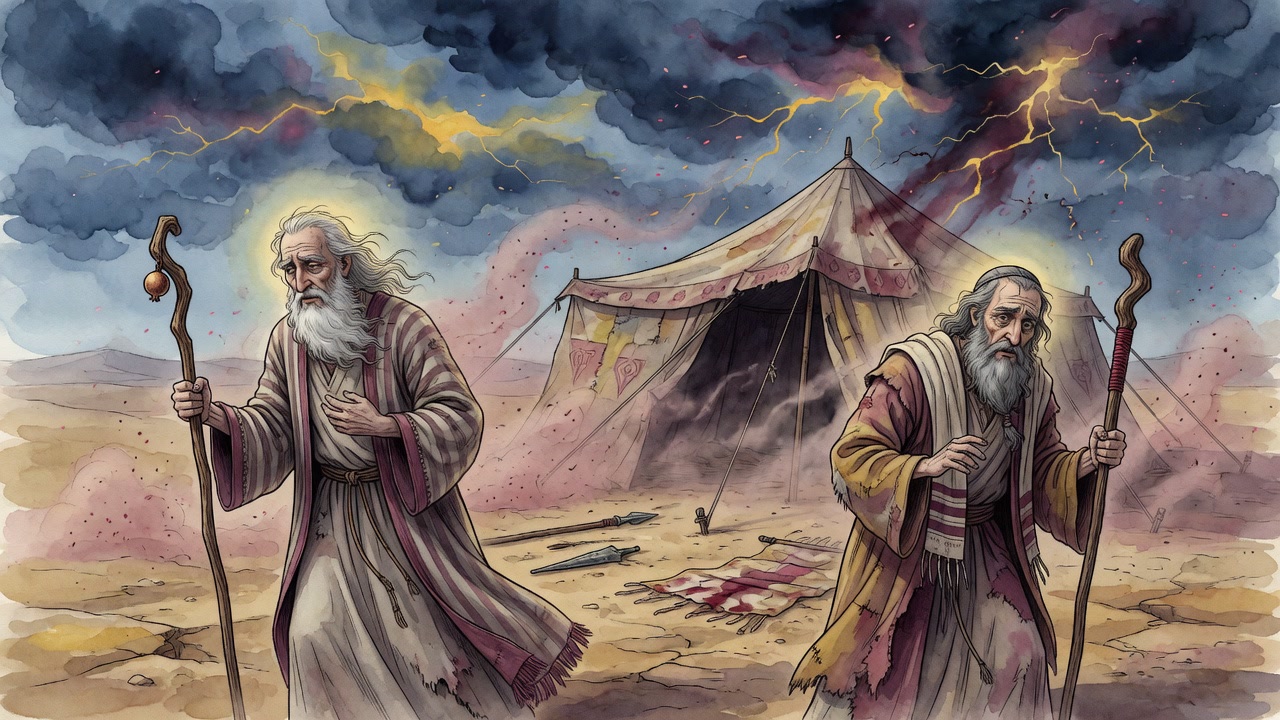
Abraham had killed the sons of a righteous man and rode home expecting to be cursed for it. Shem came out on the road carrying bread and wine.
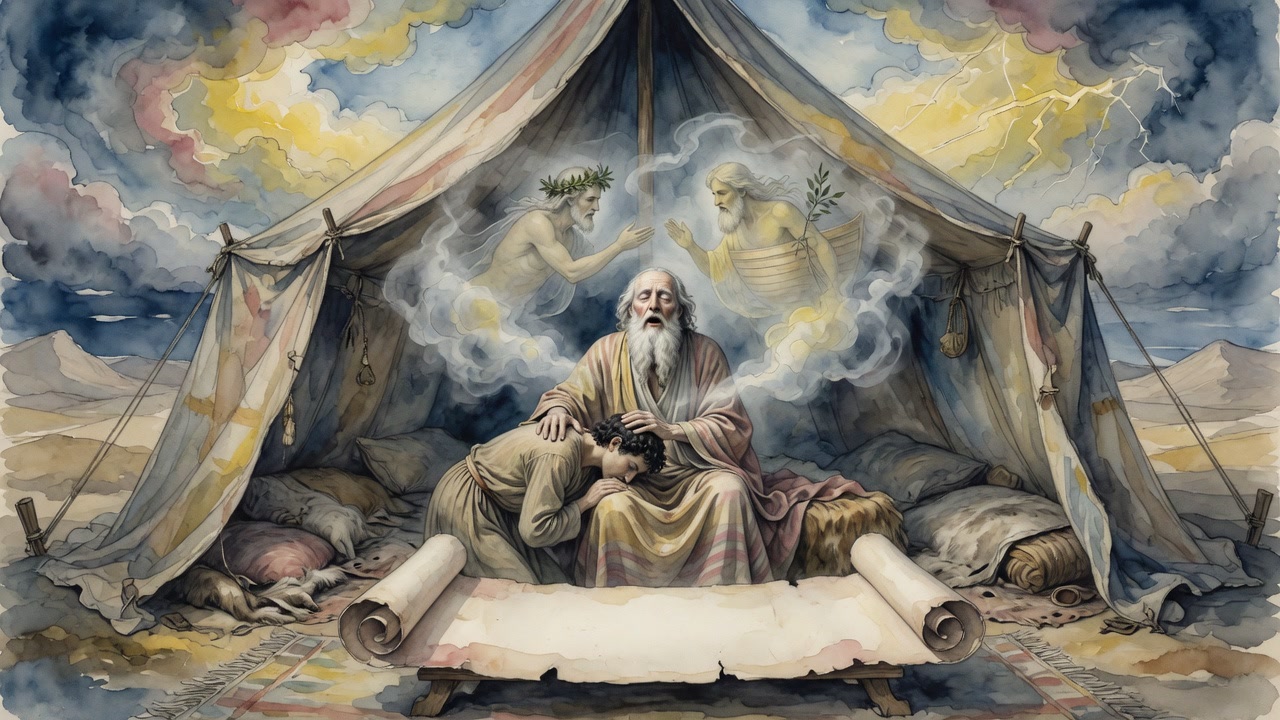
The blessing Isaac spoke over Jacob at Beersheba was not new. The same words had been spoken twice before, first to Adam, then to Noah, now to Jacob.
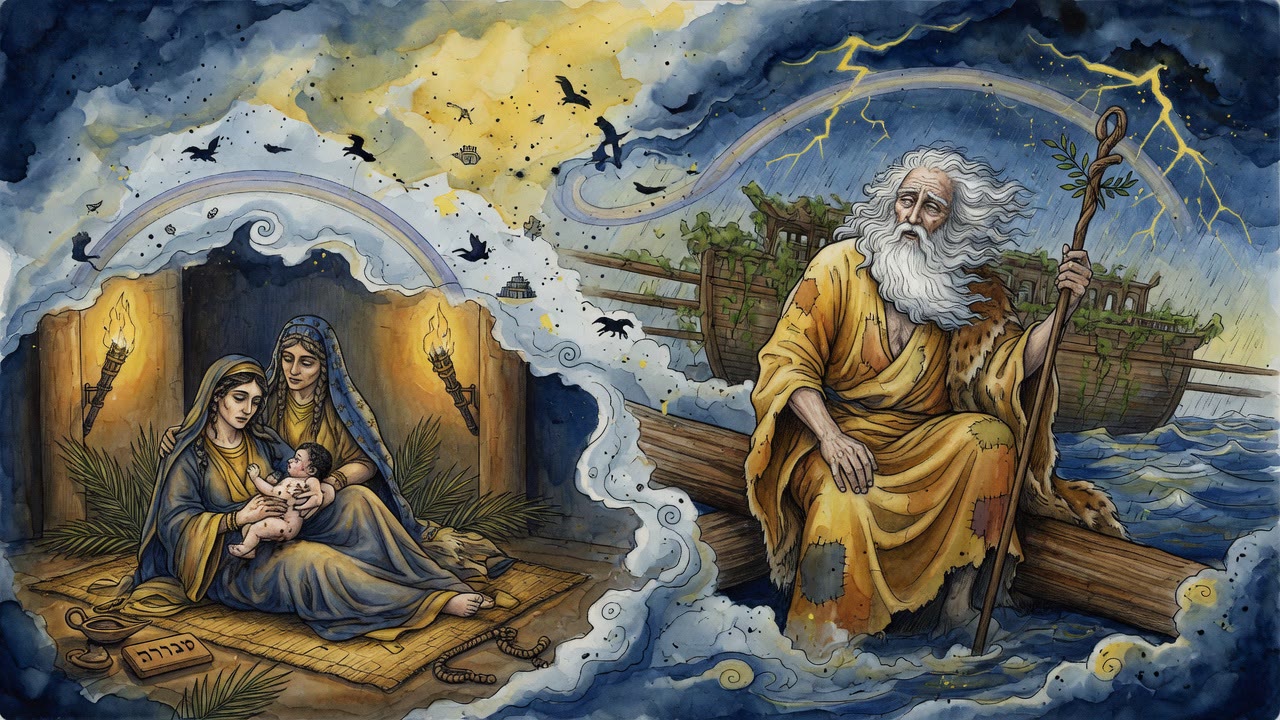
The chronologies of Jubilees place Abraham and Noah in overlapping lifetimes. The man of the flood and the father of the nation shared the same world.
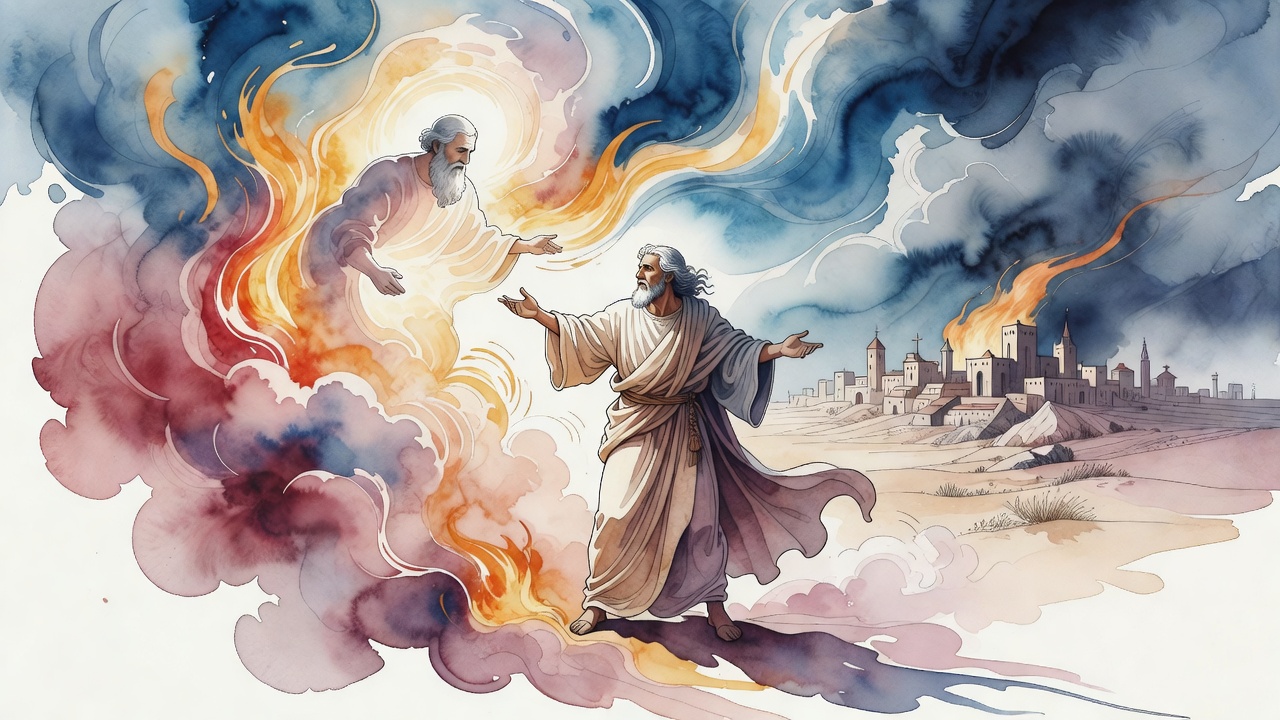
Abraham accused God of slipping out of His own oath. God answered by offering to march every generation He had ever destroyed past him, one at a time.
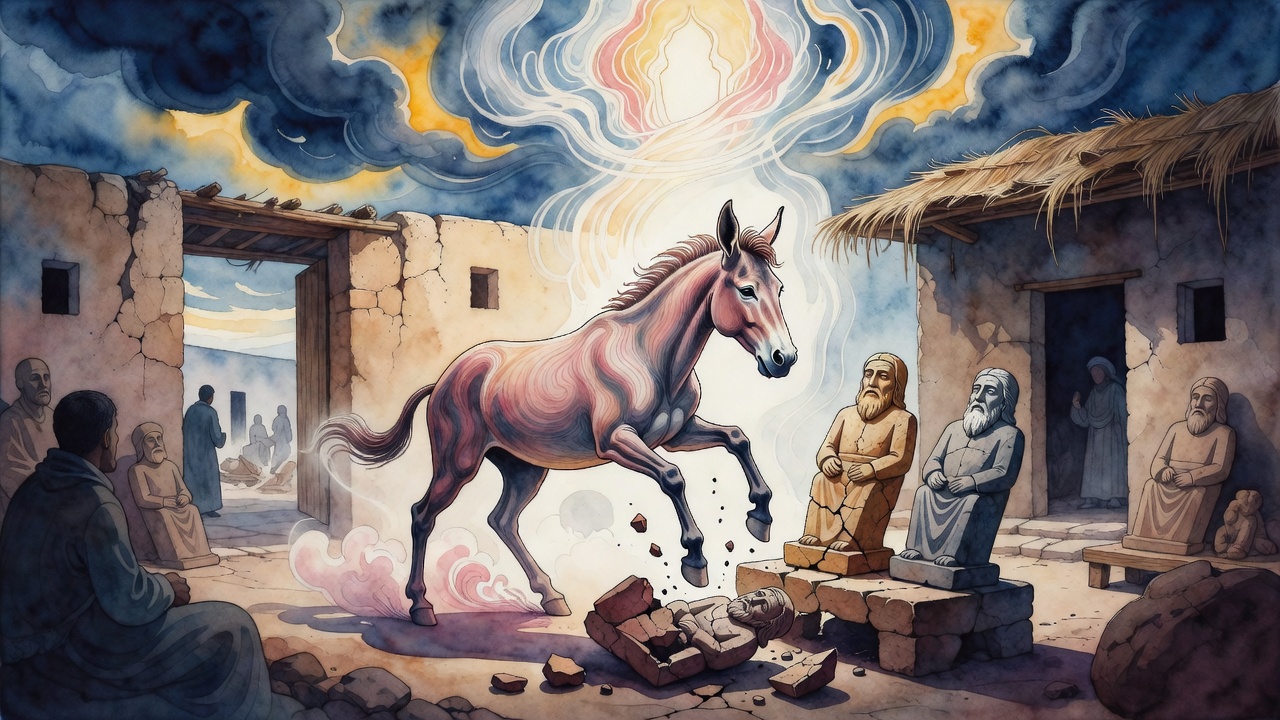
Before Abraham became the great icon-breaker, his mule panicked at a Syrian inn and broke three idols. The first crack came by accident.
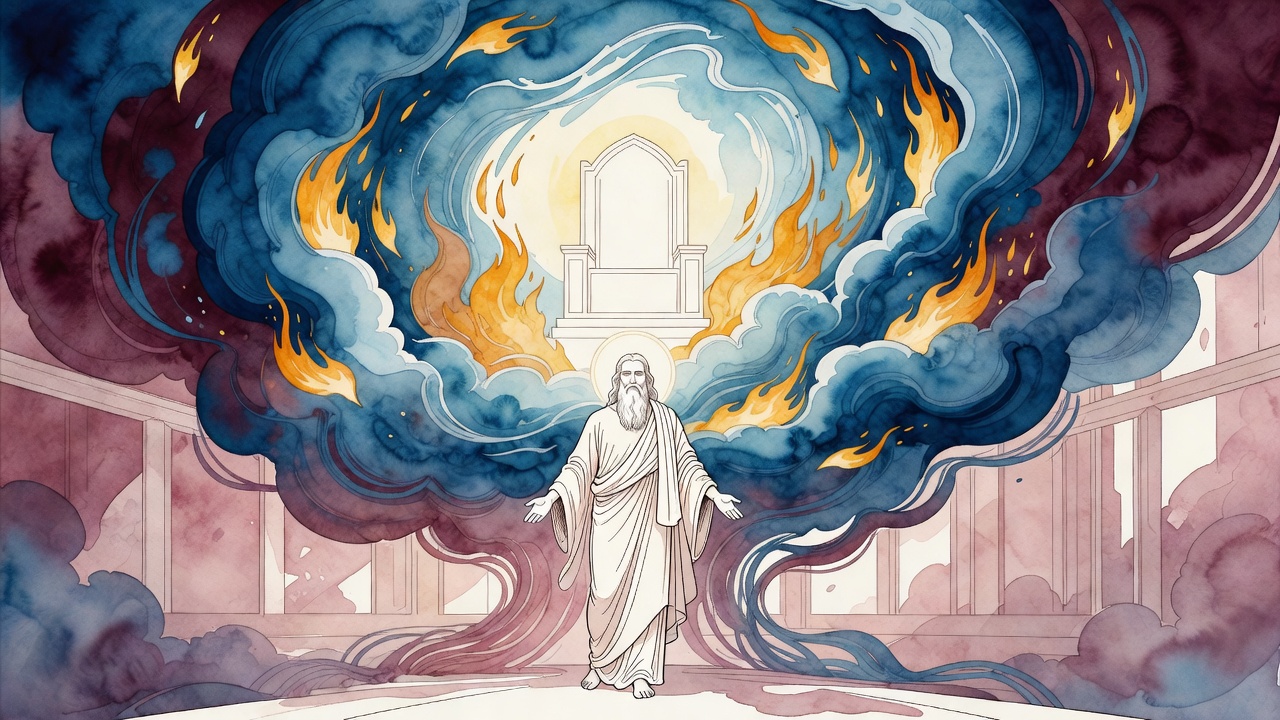
God kept Abraham unmade until Adam had already broken. At Sinai, Moses spent those unused trials on five angels of destruction.
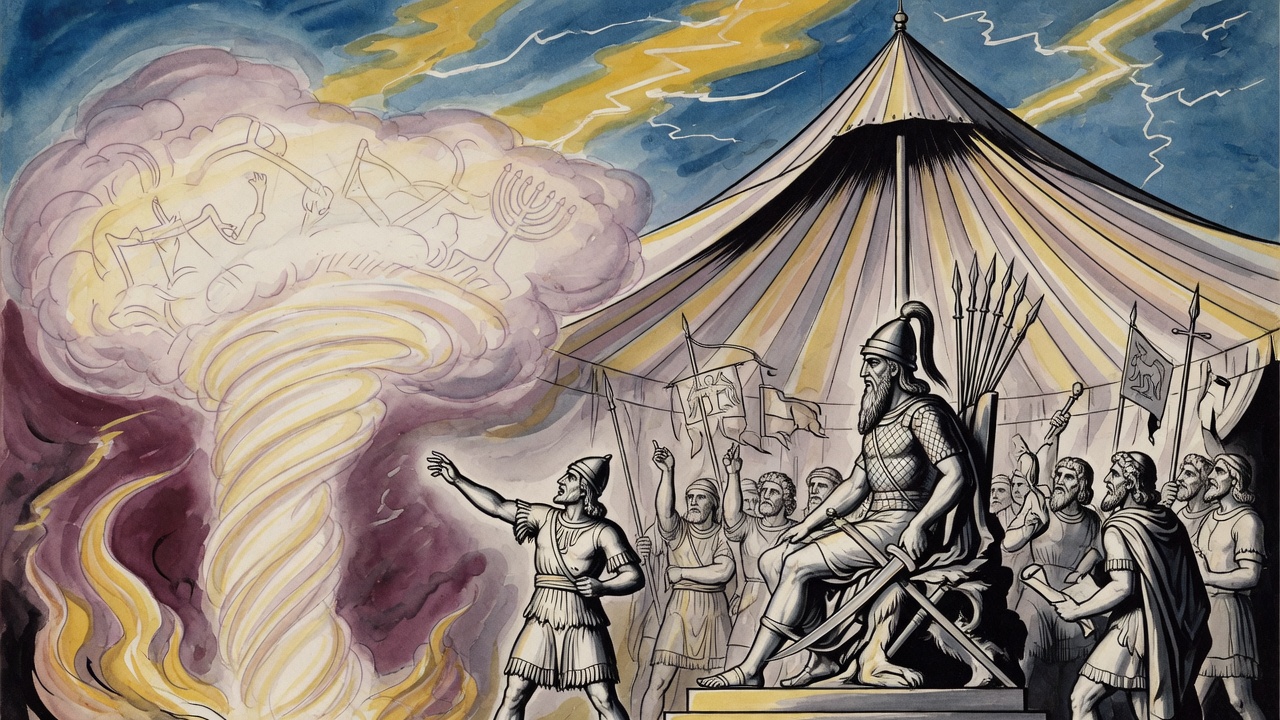
Figs and olives and mountain water met Abraham in Canaan. None of it was his. He asked God how a childless man could inherit a country.
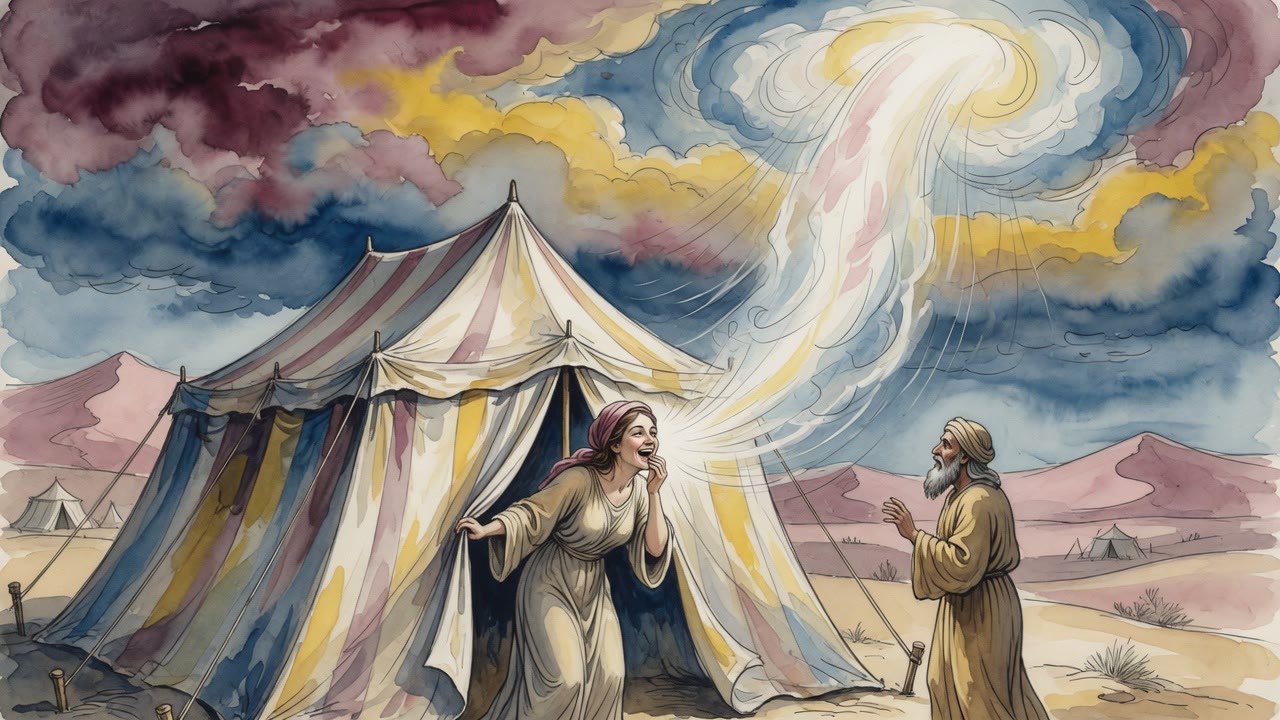
Three visitors promised her a son. She laughed inside the tent and then denied the laugh. The voice that answered her sent no angel.
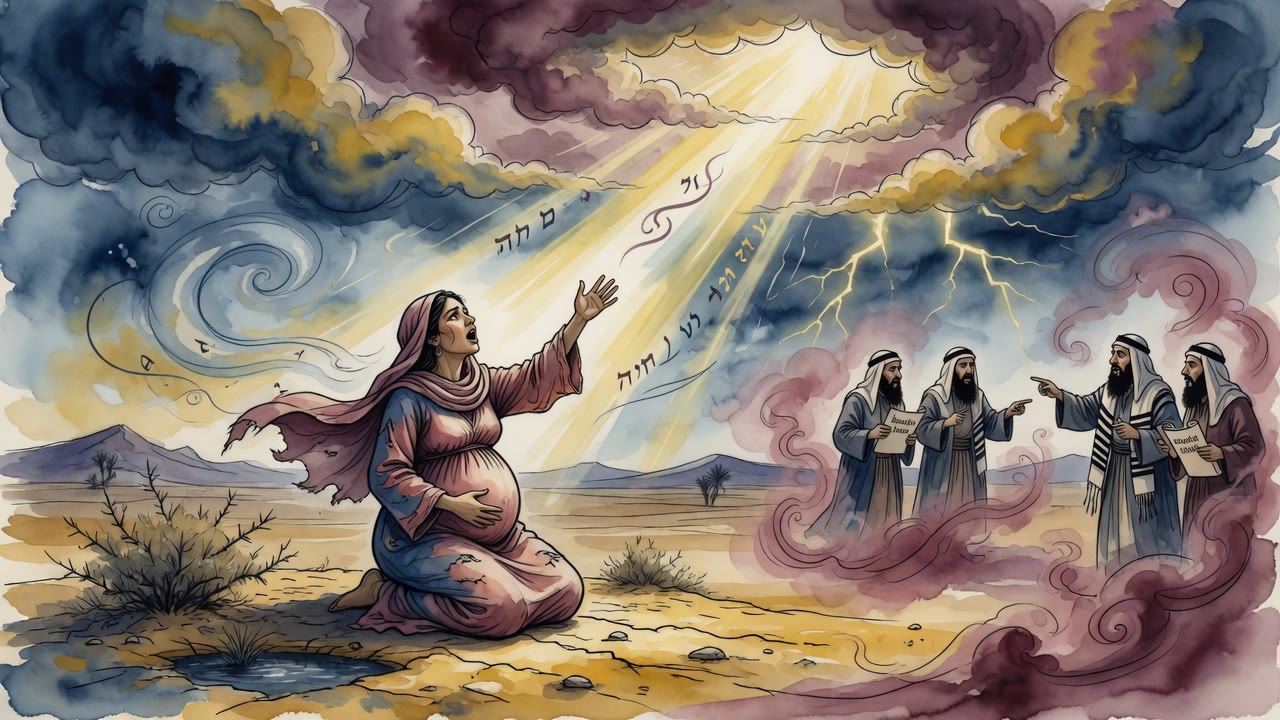
Pregnant in the desert, Hagar called the voice she heard El Ro'i, God Who Sees Me. Bereshit Rabbah and Philo's Midrash disagree about who she spoke to.
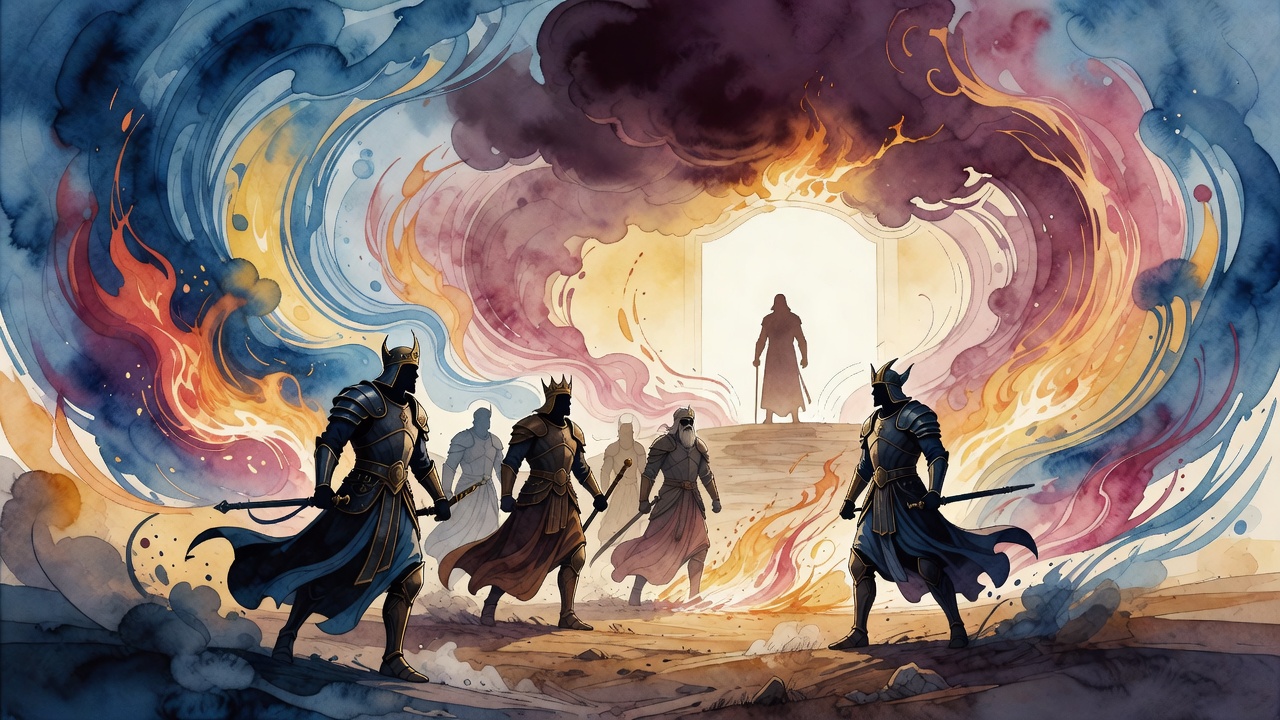
The four kings who captured Lot were not really after Lot. They were after Abraham. The texts trace the grudge back through Nimrod to the furnace at Kasdim.
Abraham was ninety-nine and already had a son he loved. He asked God to let that boy carry the promise. The answer to him began with the word yes.
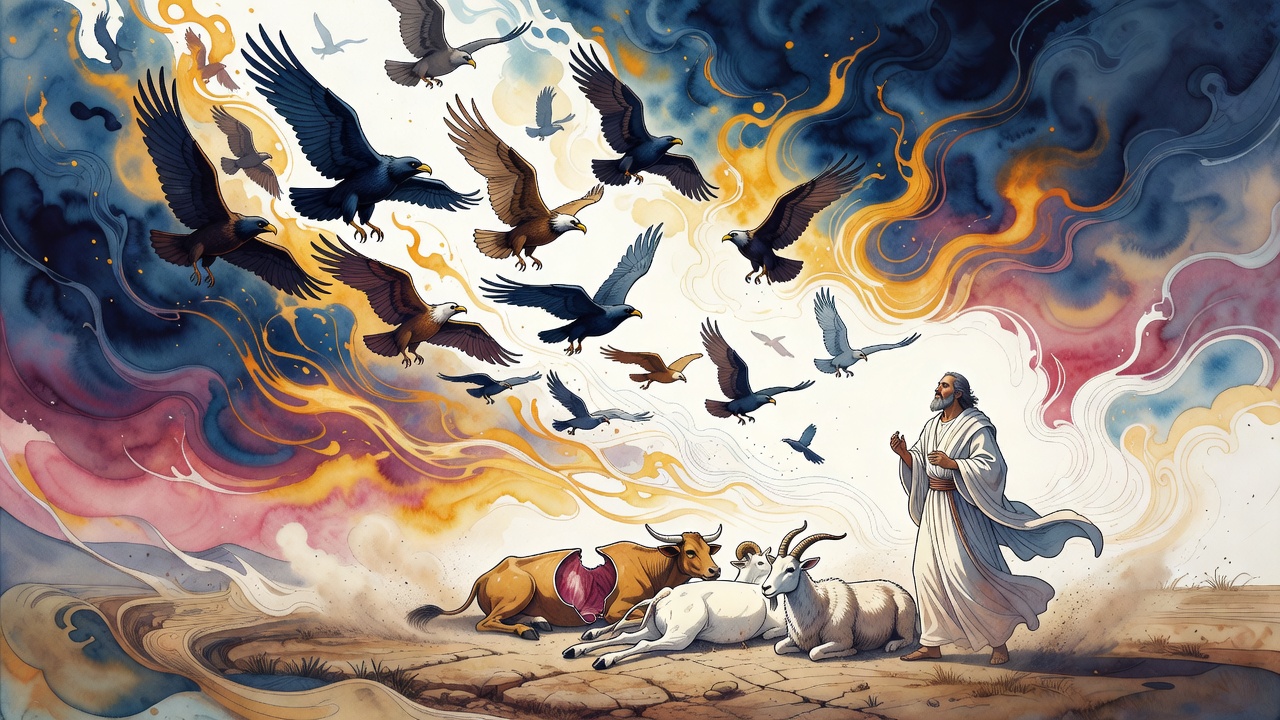
Abraham cut the heifer, the goat, and the ram and laid the halves facing each other. Then the birds came, and God had not yet passed.
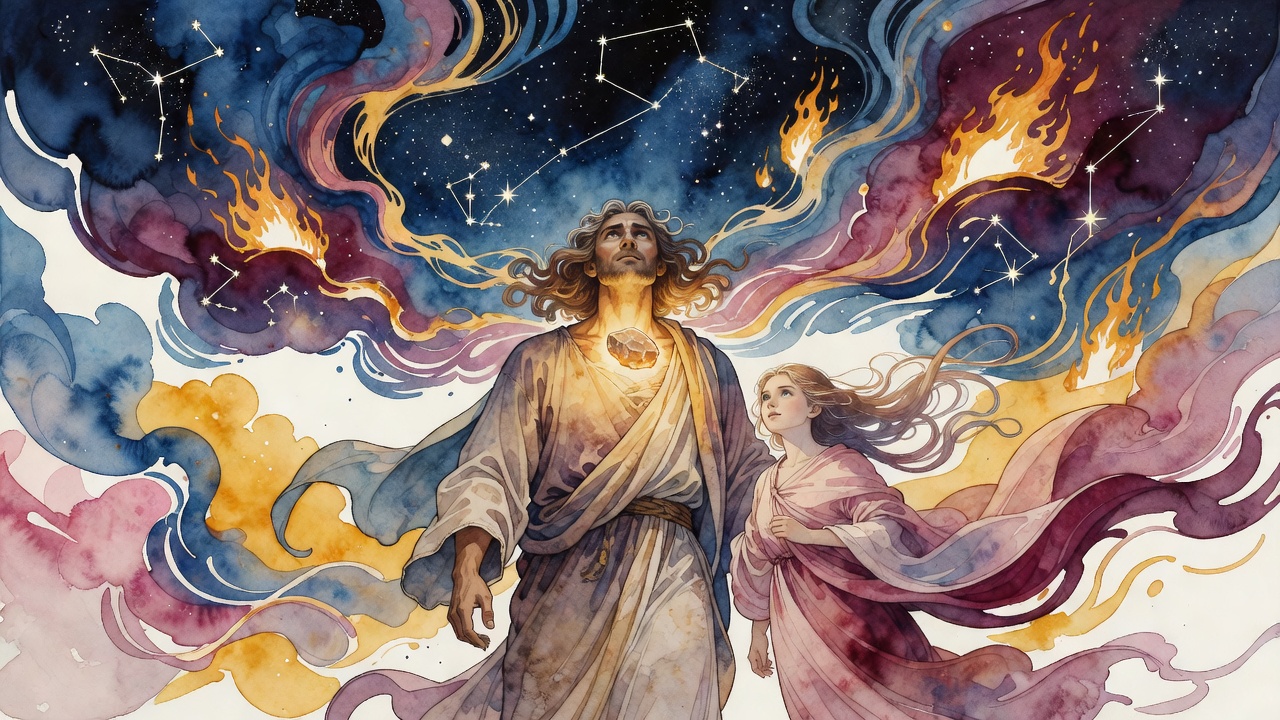
Sick men looked at the stone on his throat and stood up well. When Abraham died, God hung that stone on the wheel of the sun.
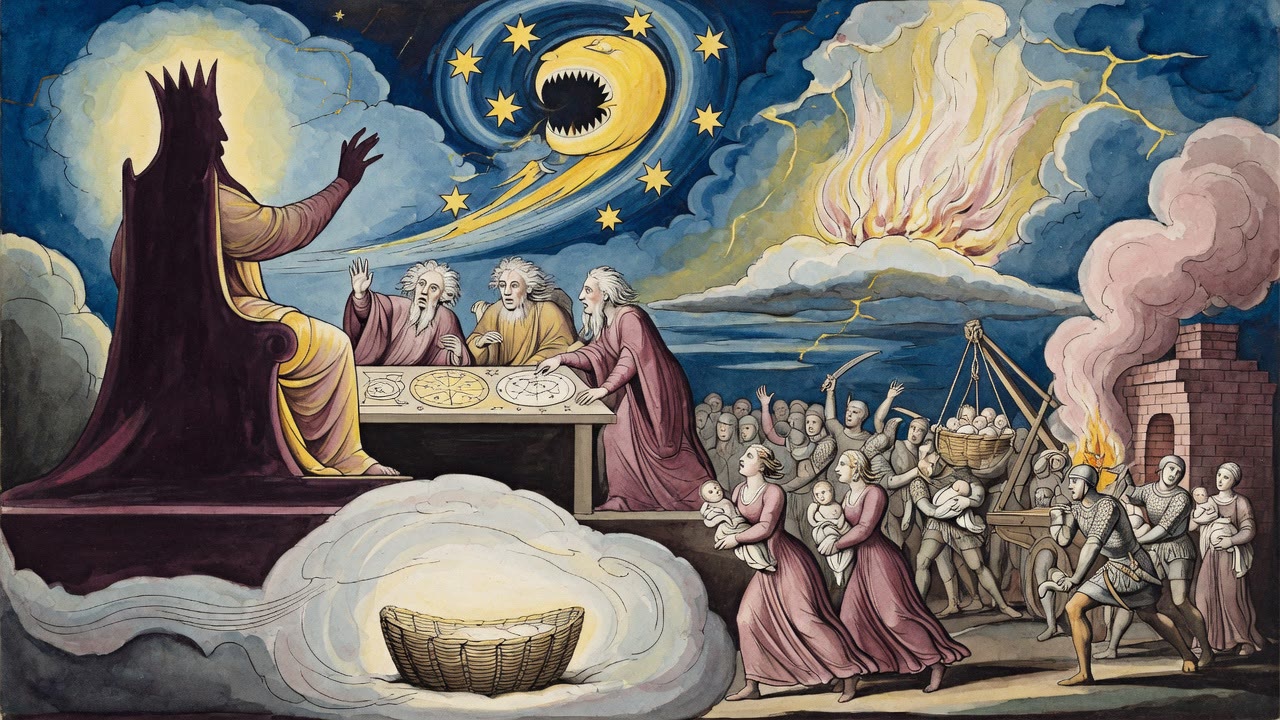
Abram knew how to read a horoscope, and his own said he would never father a son. God agreed with the reading, then took him up above the sky.
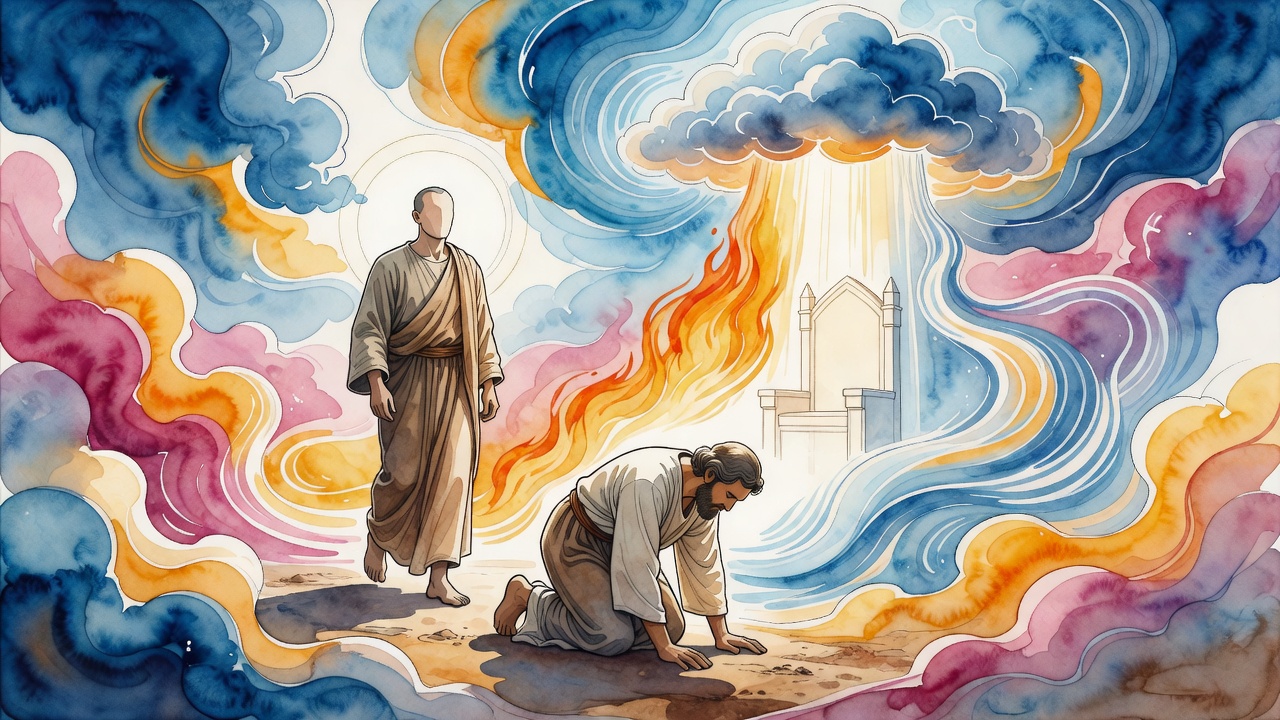
Twenty years after the theft, Jacob sent word ahead to Esau. The message listed his cattle, his servants, his donkeys. It never mentioned the blessing.
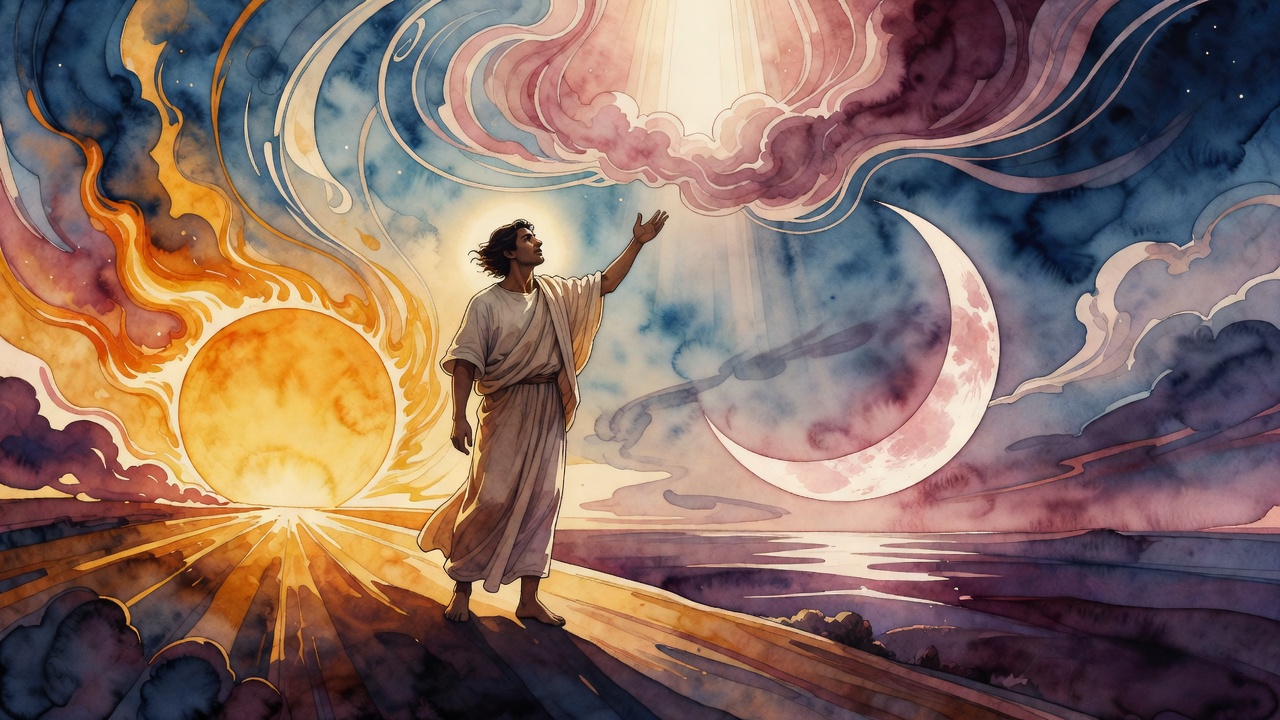
Young Abraham serves the sun until it sets, then serves the moon until it sets, and understands that anything replaceable cannot be God.
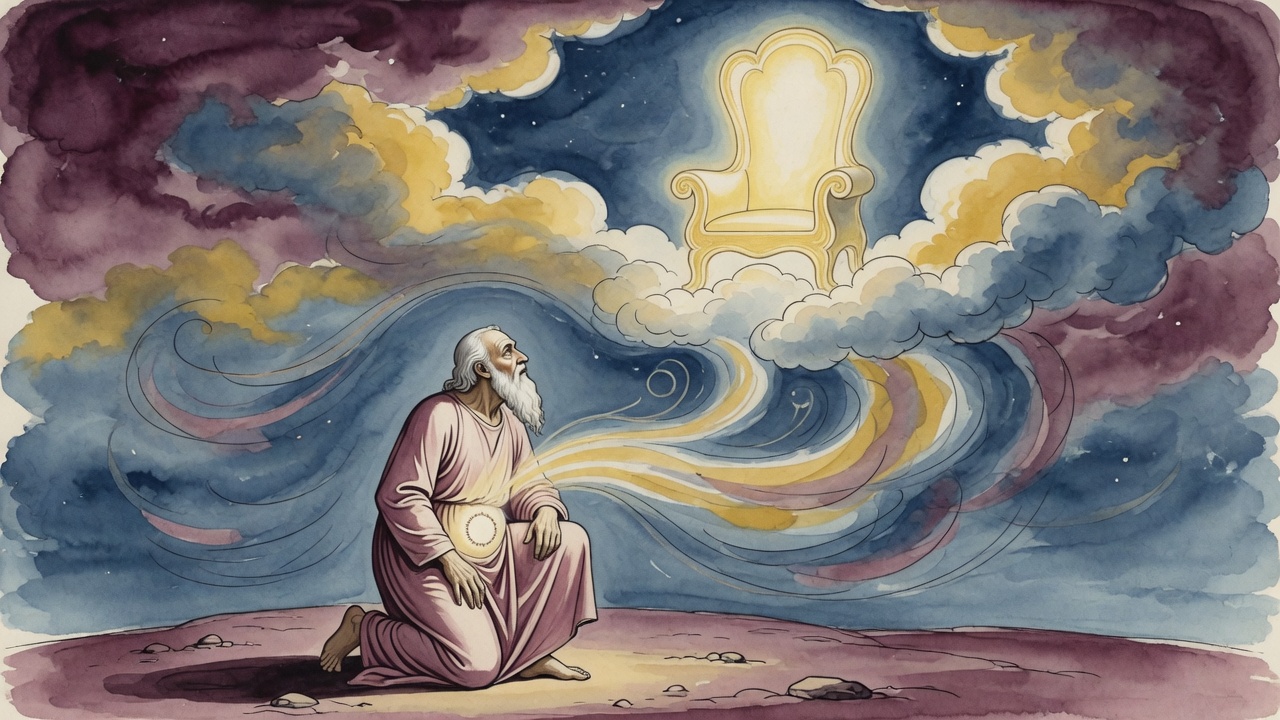
God appeared to Abraham and used a name meaning enough. Enough for the foreskin to have existed until now. At ninety-nine, the body became the covenant's seal.
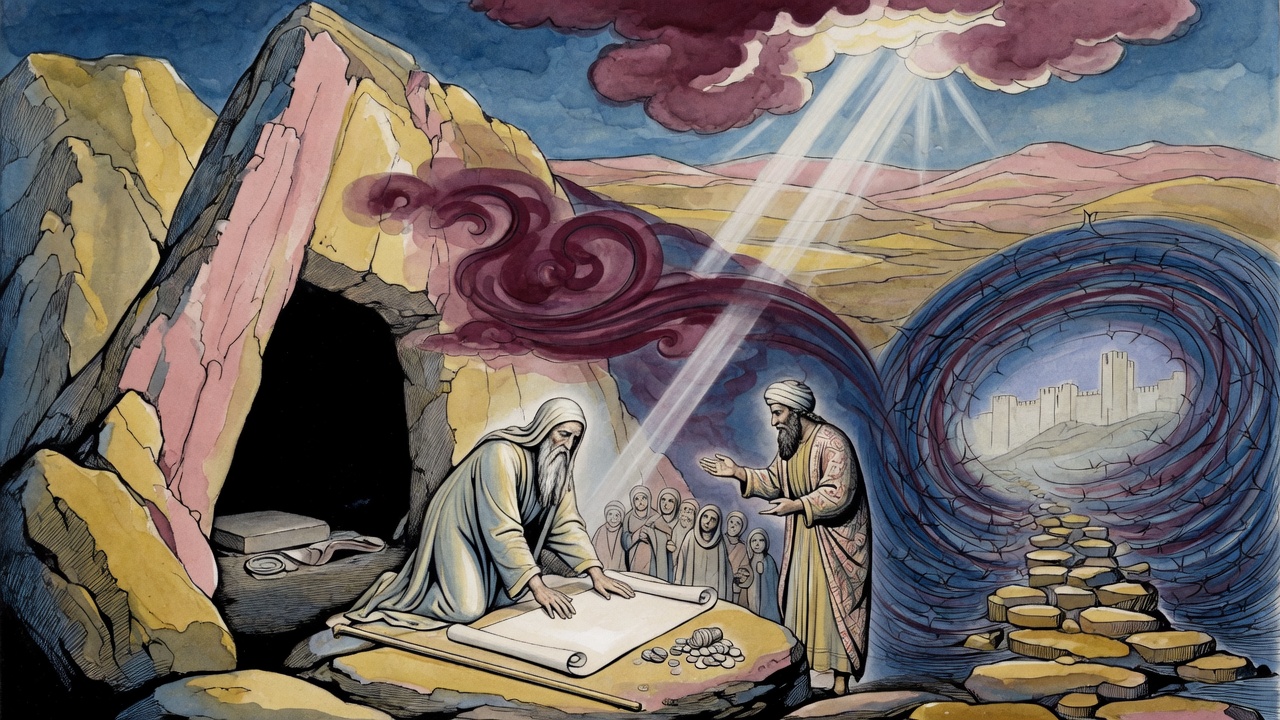
Abraham paid for a grave and signed a secret deed. His descendants could not take Jerusalem for a thousand years because of what he promised that day.
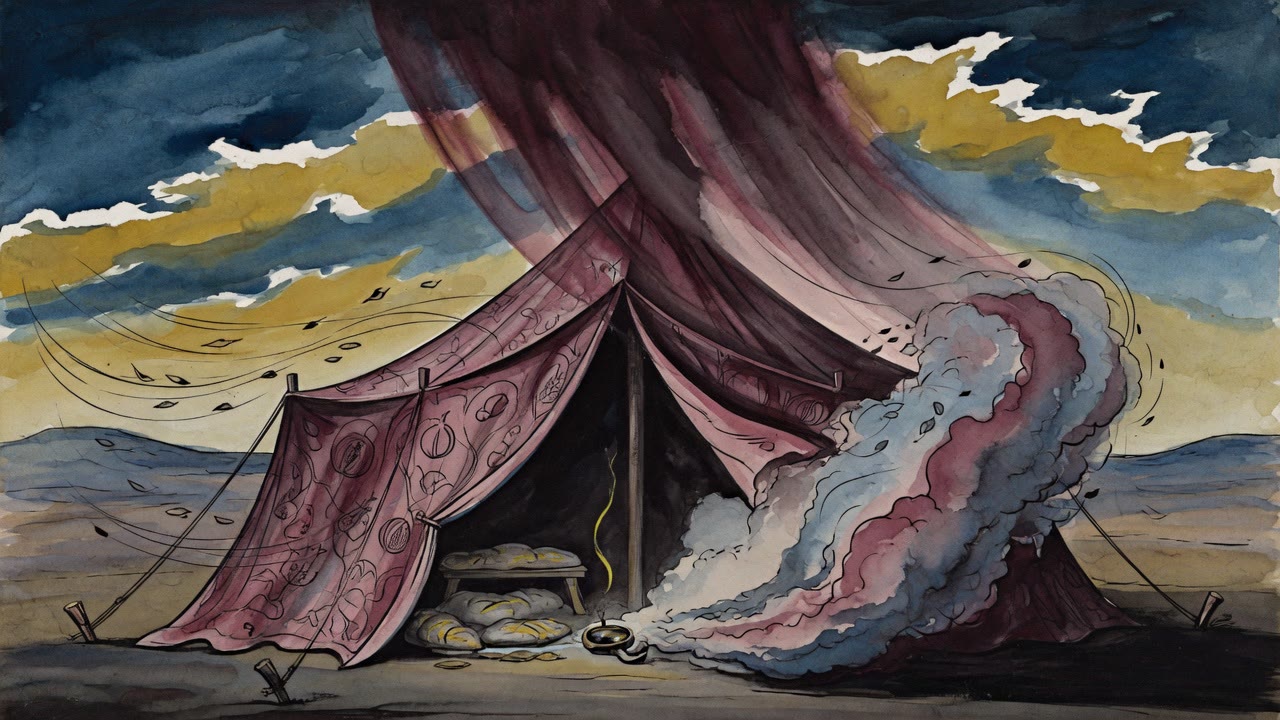
The knife came down on nothing. When Abraham looked up, an animal was fighting free of one thicket only to catch in the next, and it would not stop.
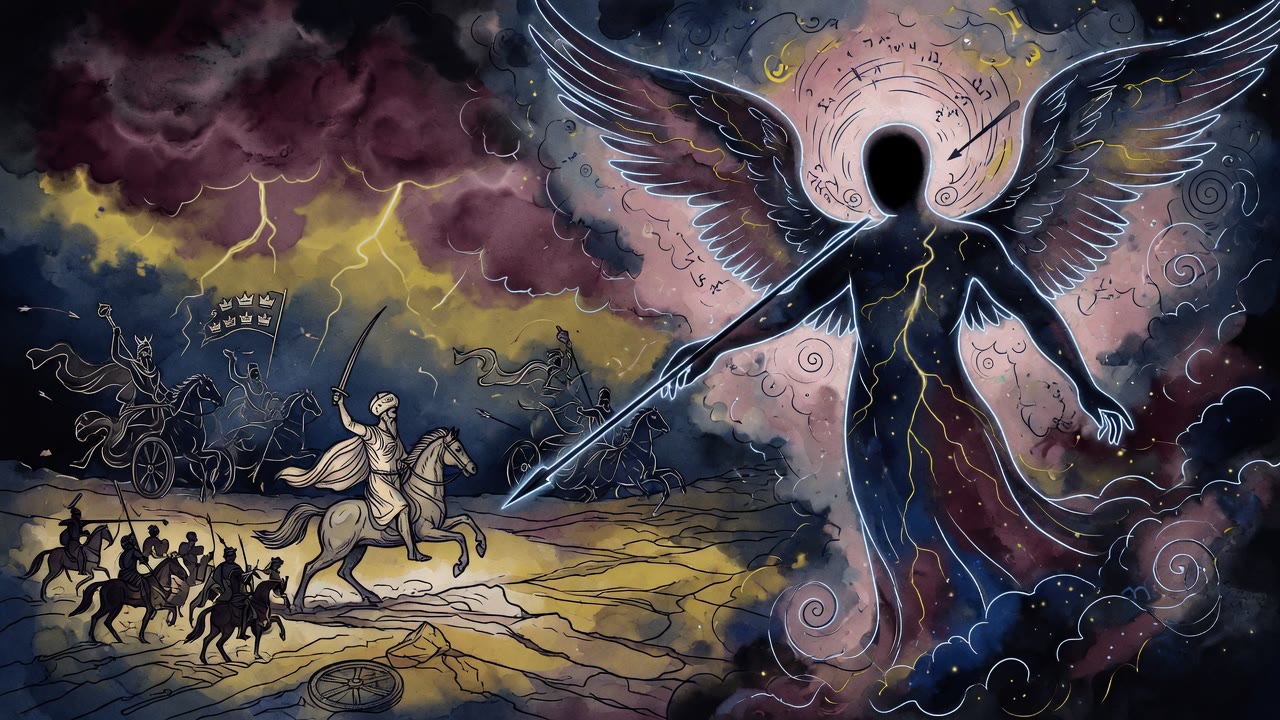
Abraham rode against four kings with too few men, so the sages named who fought in the dark beside him, an angel called Night.
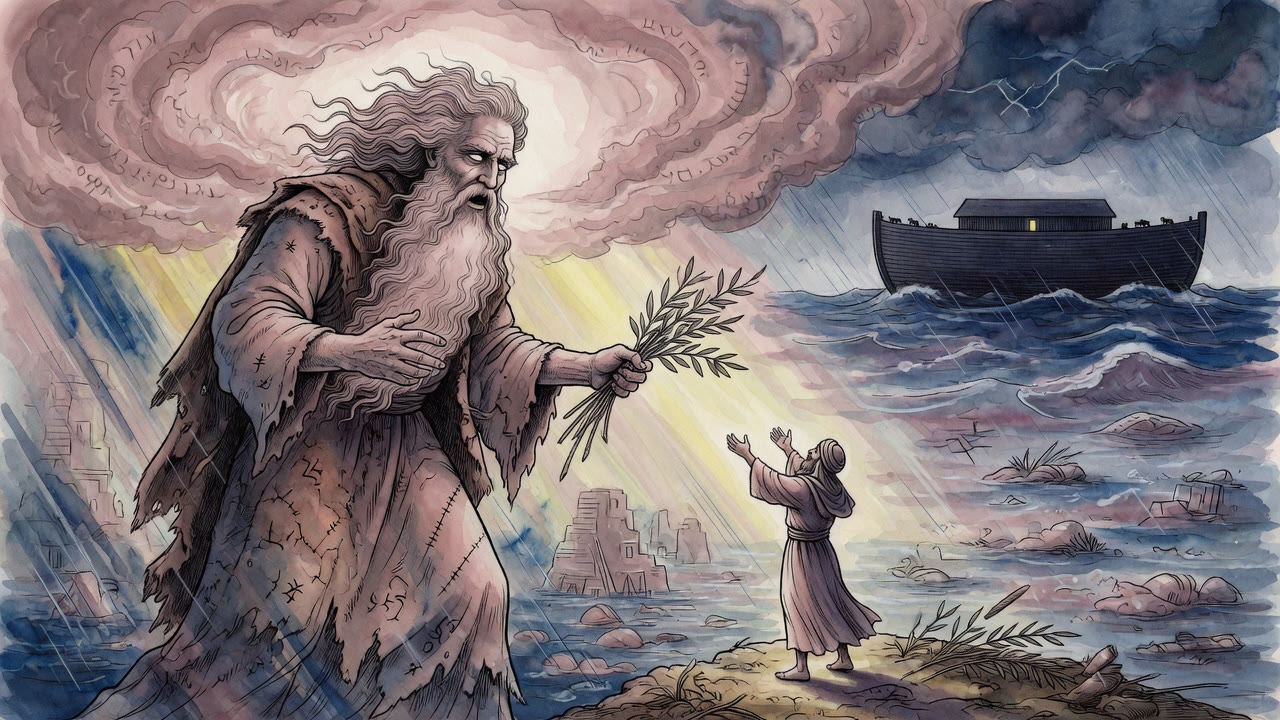
The lone survivor of the Flood walked out of the drowned earth and into the tent of Abraham, carrying news that would send a patriarch to war.
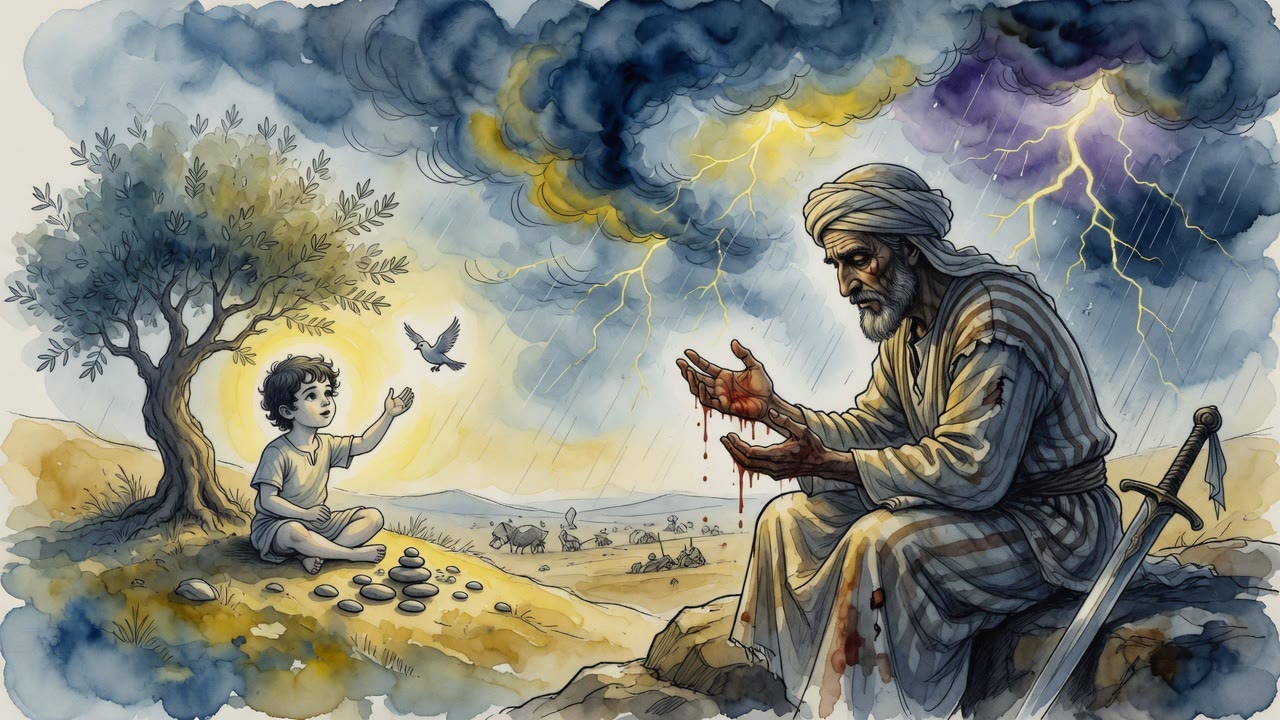
Twice the man the world remembers as unshakably certain lay awake and doubted himself, once a cave-born child, once a warrior sick with blood.
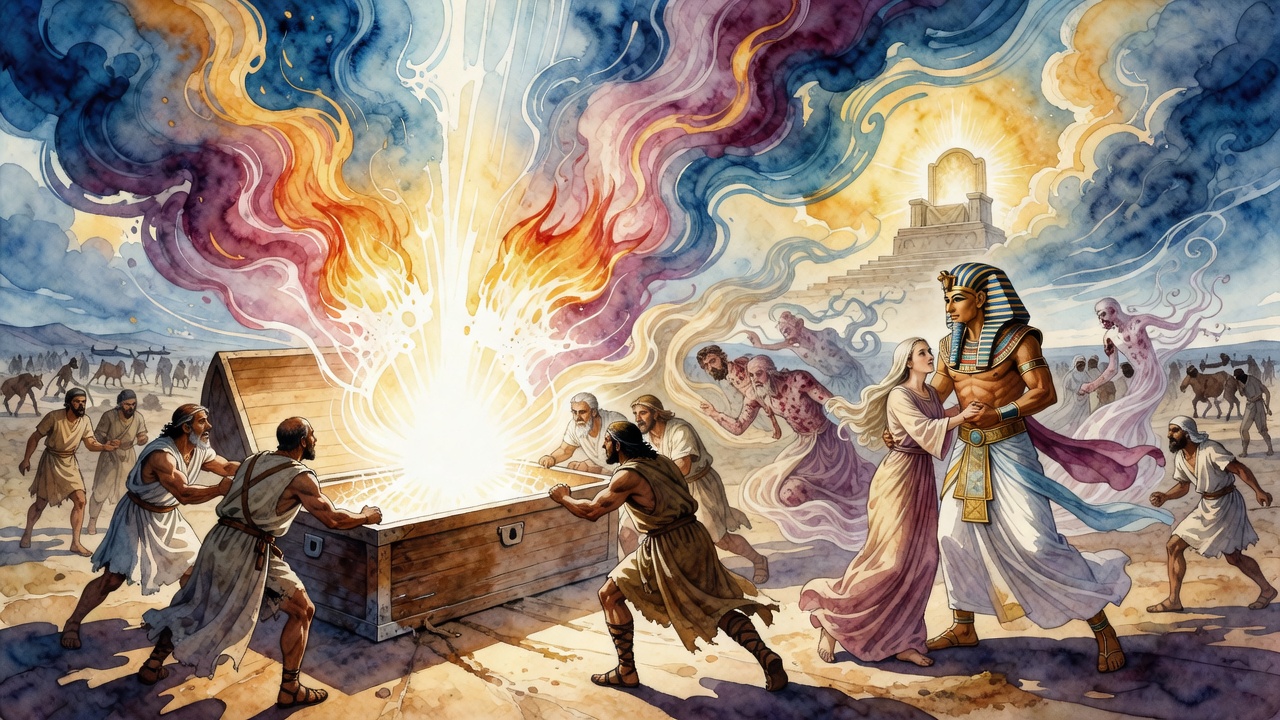
He paid for barley, then wheat, then gold. They forced the lid anyway. An angel waited in Pharaoh's room with a stick.
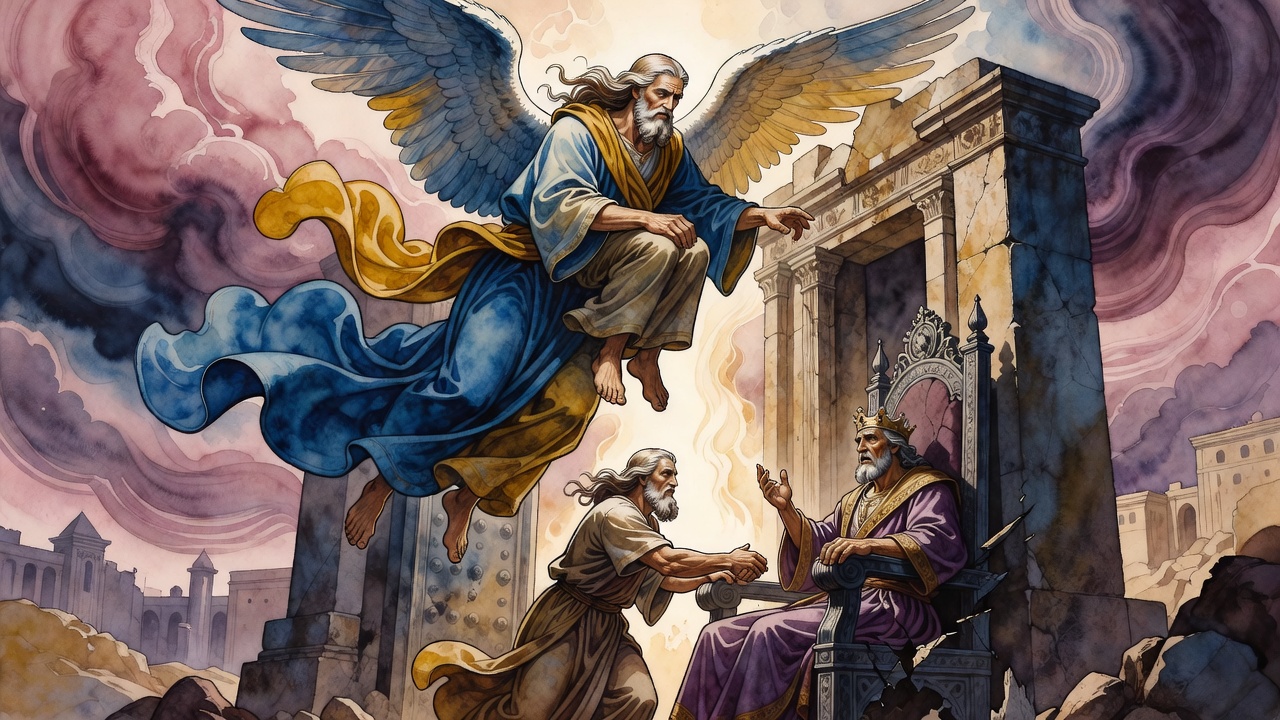
Abraham protested he had no army. The angel Gabriel set him on a shoulder, set him at Babylon's gate, and watched him shake a king's throne barehanded.
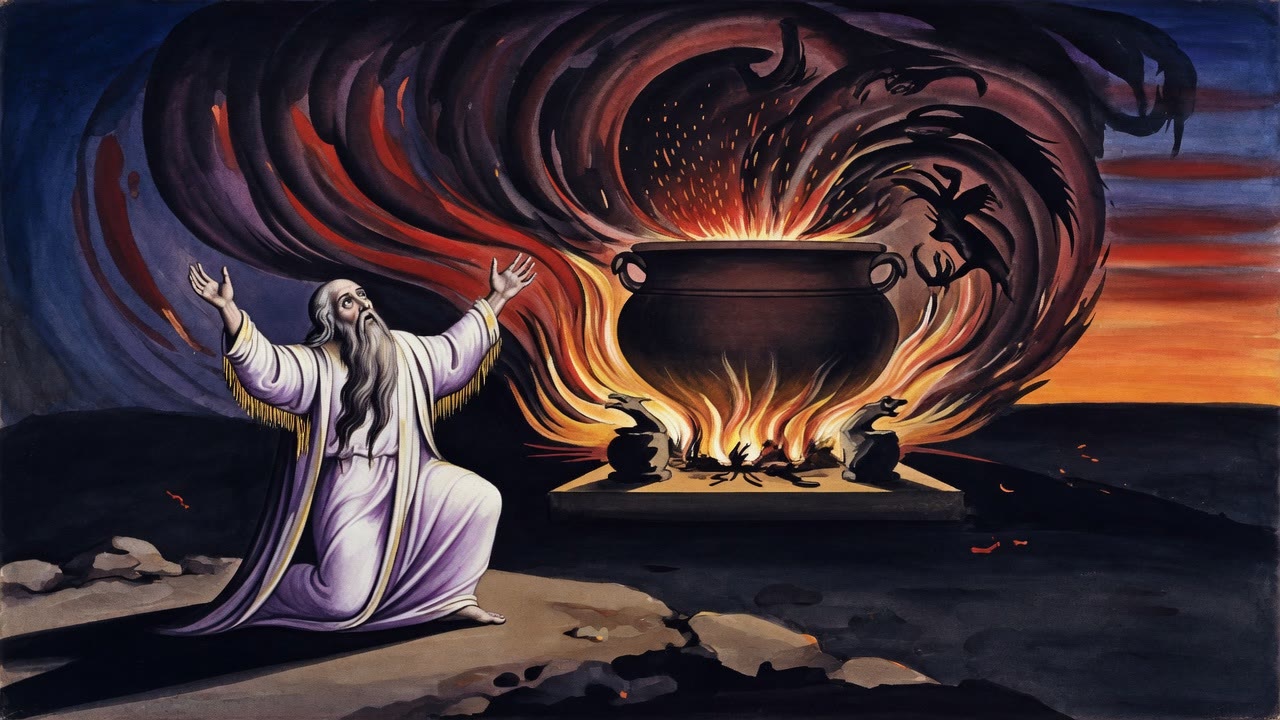
Heifer, goat, and ram lay cut in halves, and the birds of prey came down for them. Abraham drove the birds off and sat with the meat until sundown.
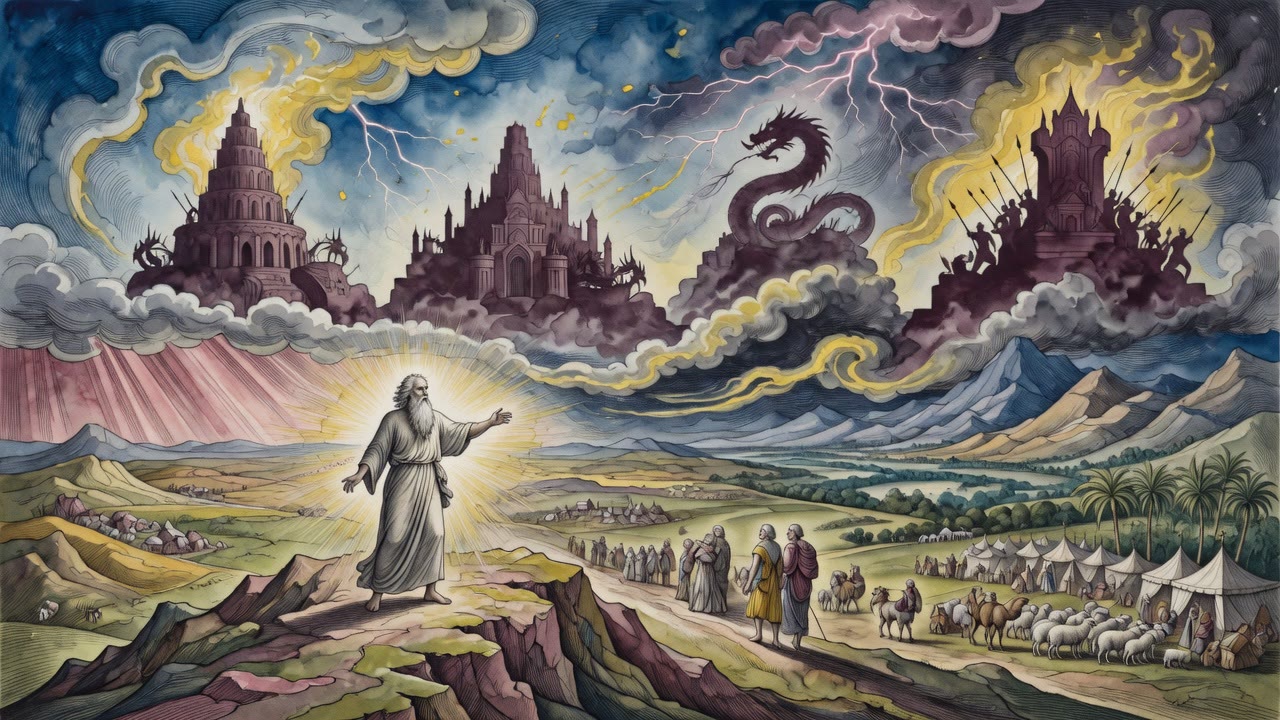
Between the pieces Abraham saw Babylon, Greece, and other powers march through sacrifice. He also learned how study would stand in for a fallen Temple.
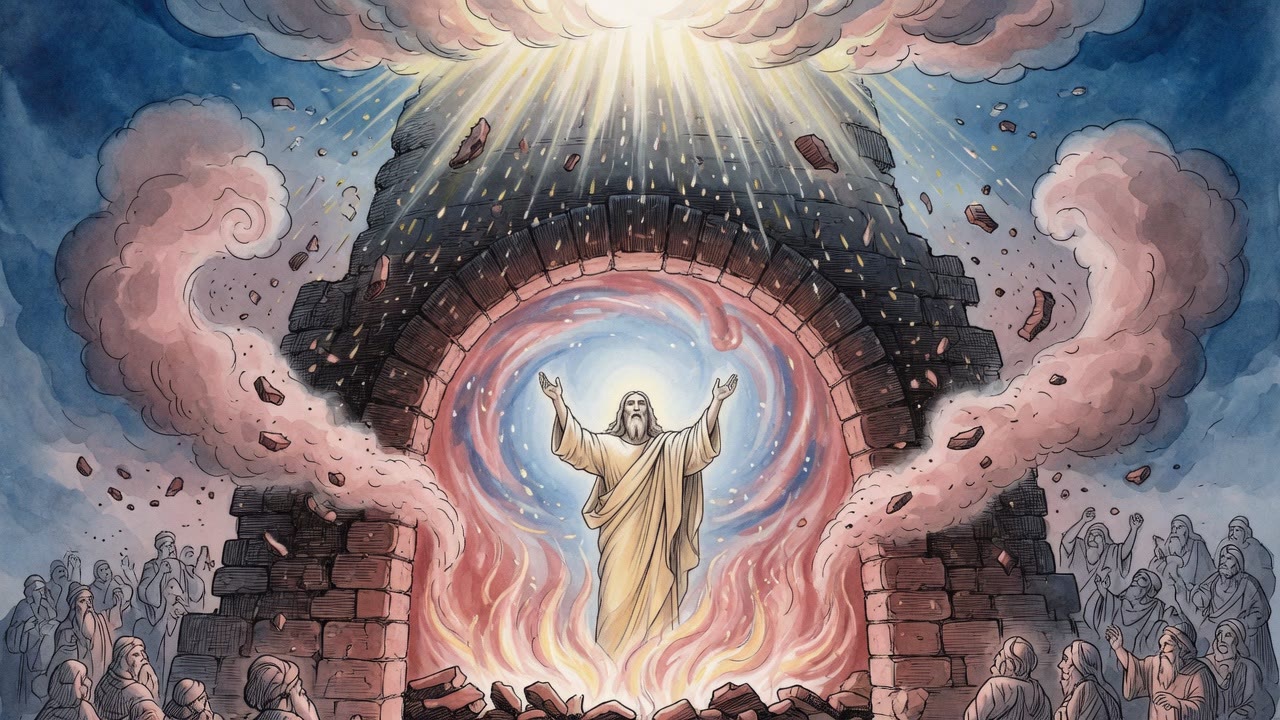
The warden shouted into the heat. Abraham answered that he was living. The God who fed him, he said, was Nimrod's God too.
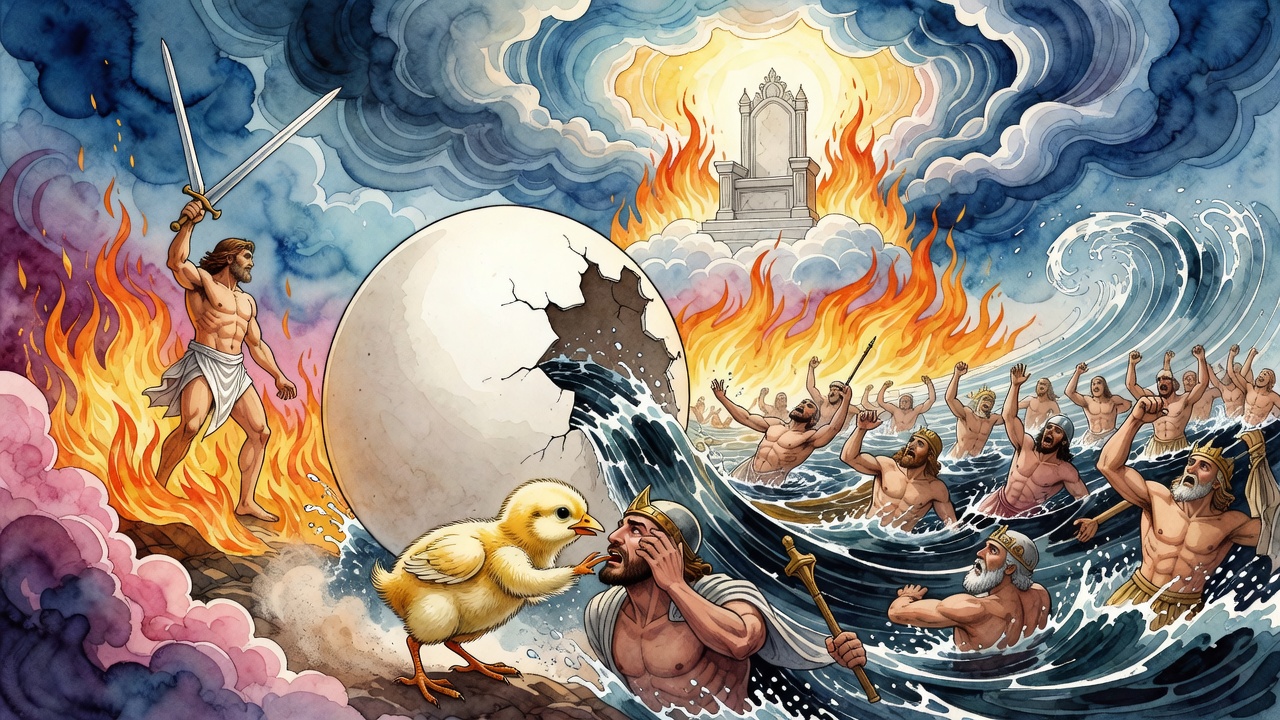
Two years after Abraham walked out of the furnace, Nimrod woke from a dream with a chick on his head. It had already taken one eye.
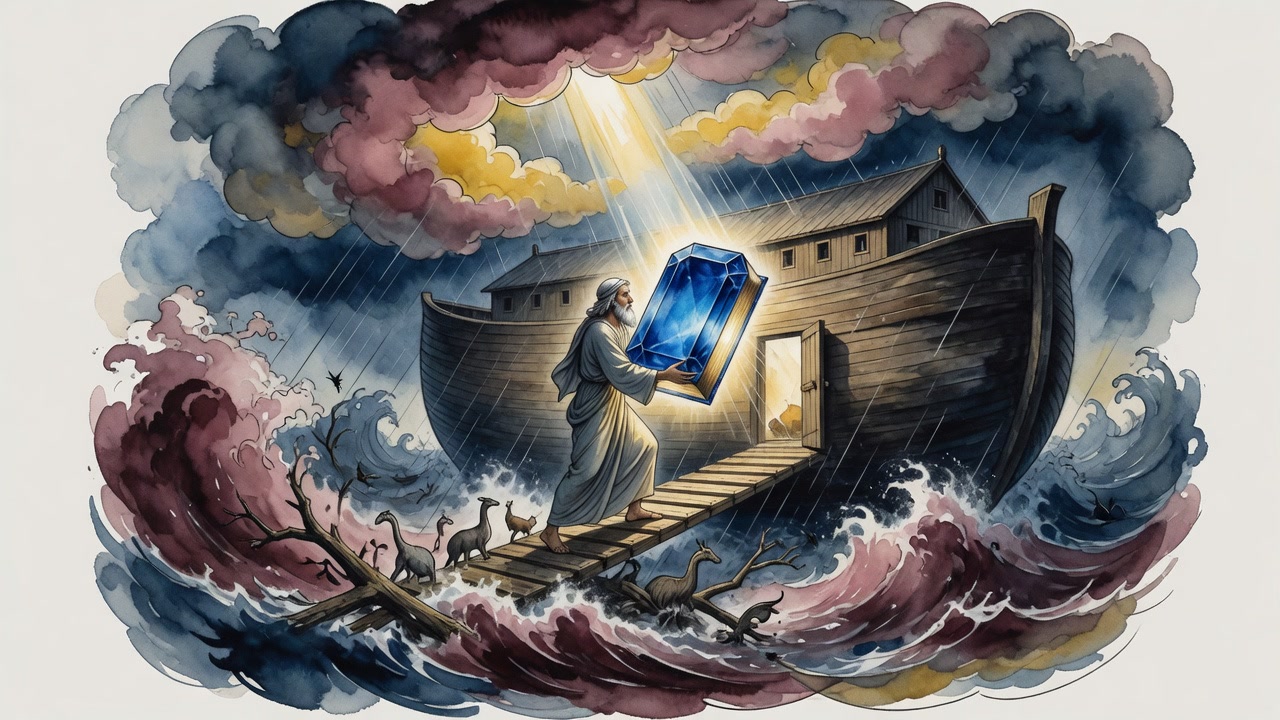
Lot came out of the wagons unchained. The kings' silver followed him like a second army. Abraham would not keep the glory.
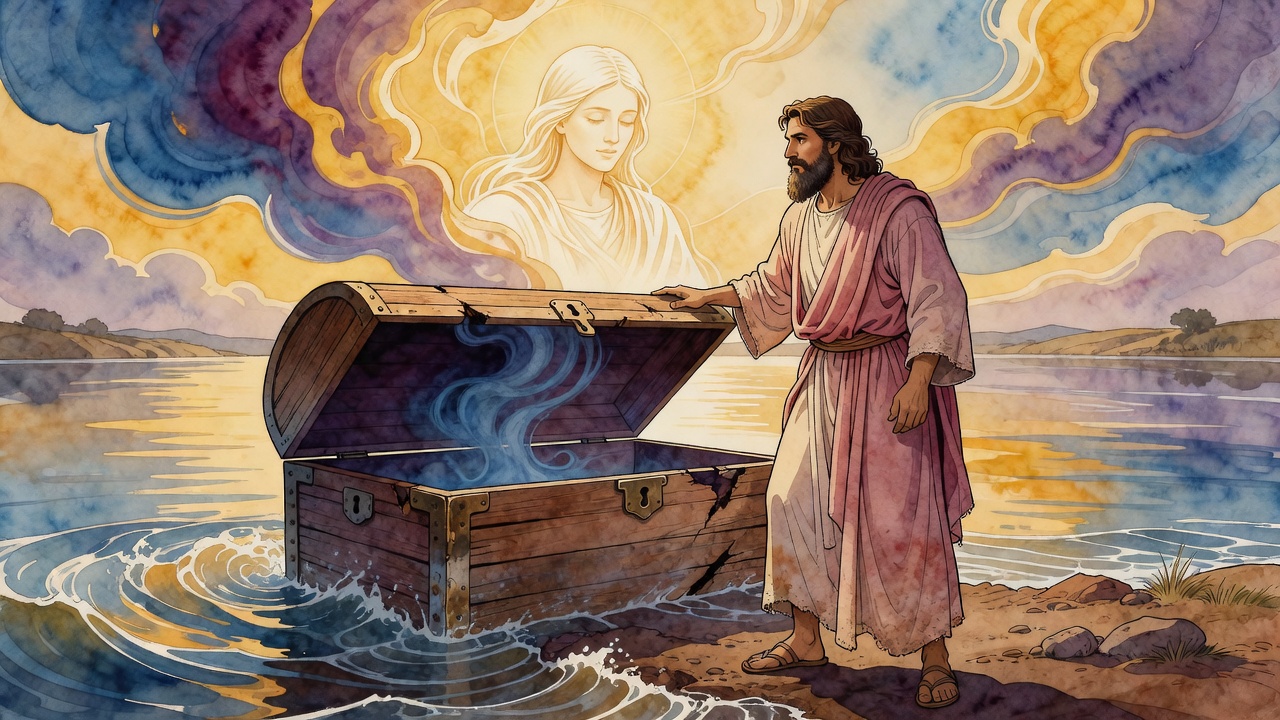
Famine drove them to Egypt. At the river Abraham saw Sarah's face like the sun, locked her in a chest, and bargained tax rates until the lid was forced open.
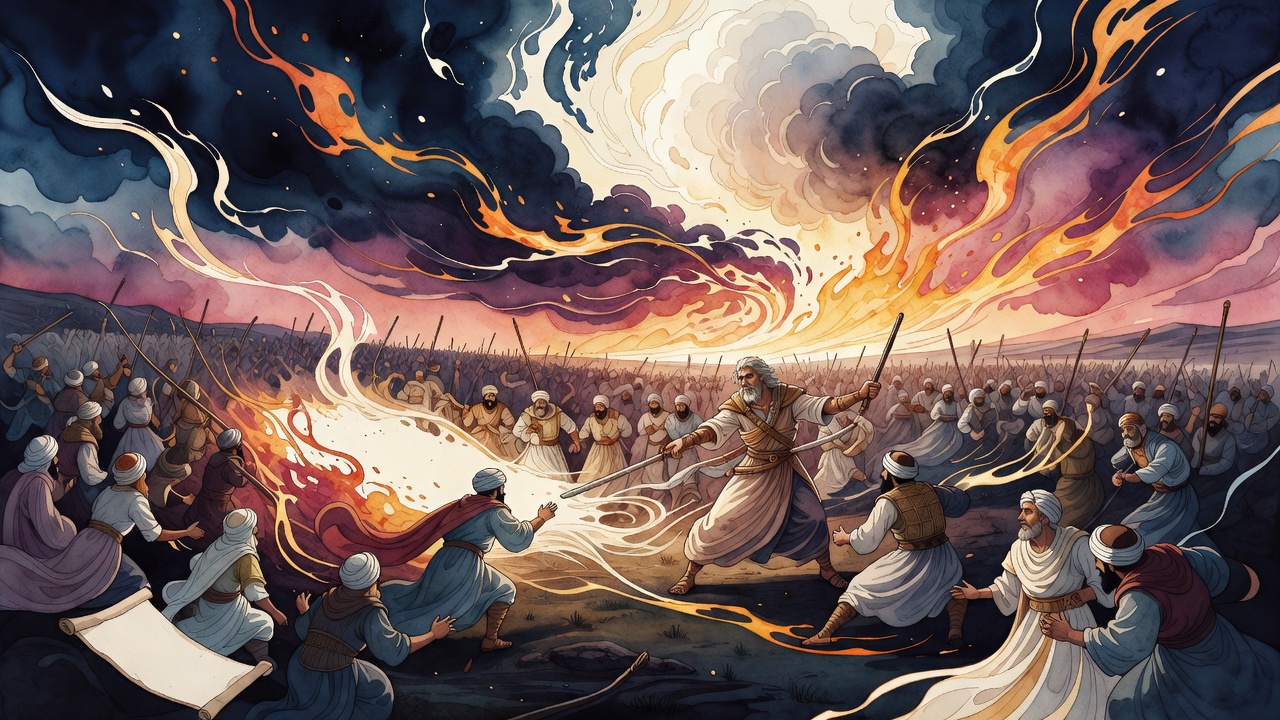
One man against royal armies. Abraham cried that without God's glory he was nothing, and the night itself split so he could slaughter enemies until morning.
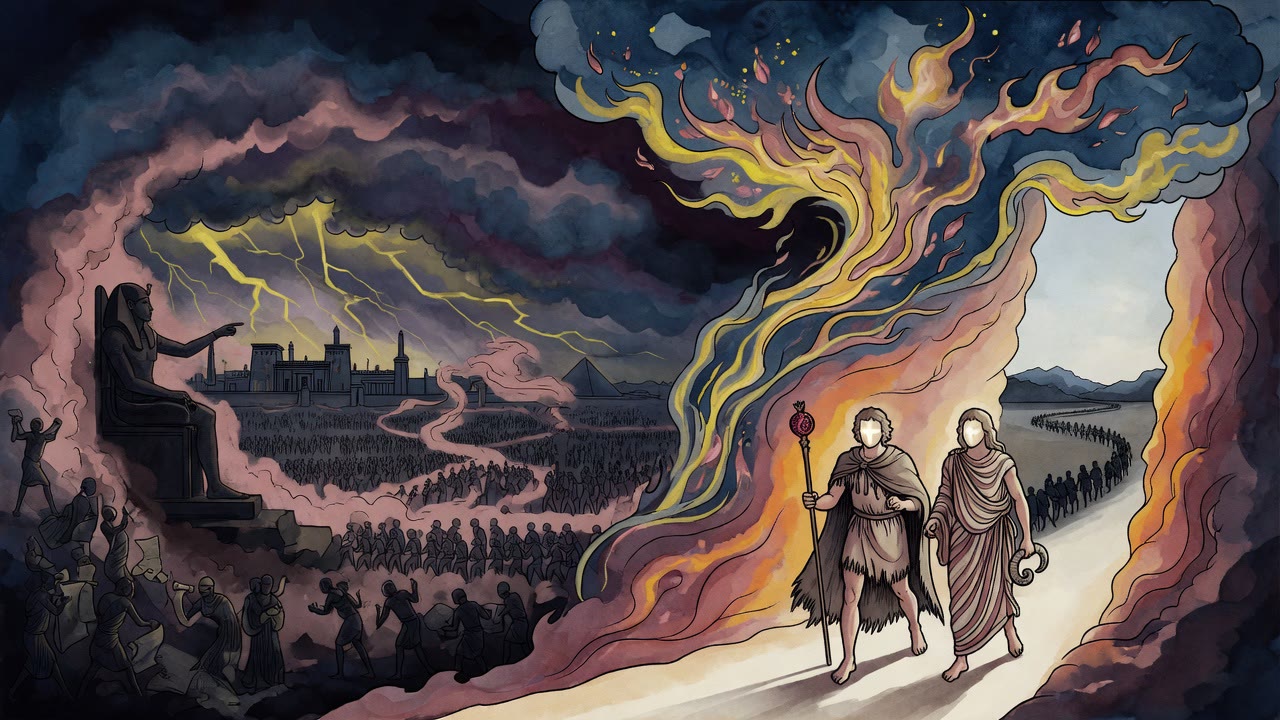
Aner said the cut would leave Abraham too slow to run from kings. Eshkol feared the blood. Mamre sent him to the knife anyway.
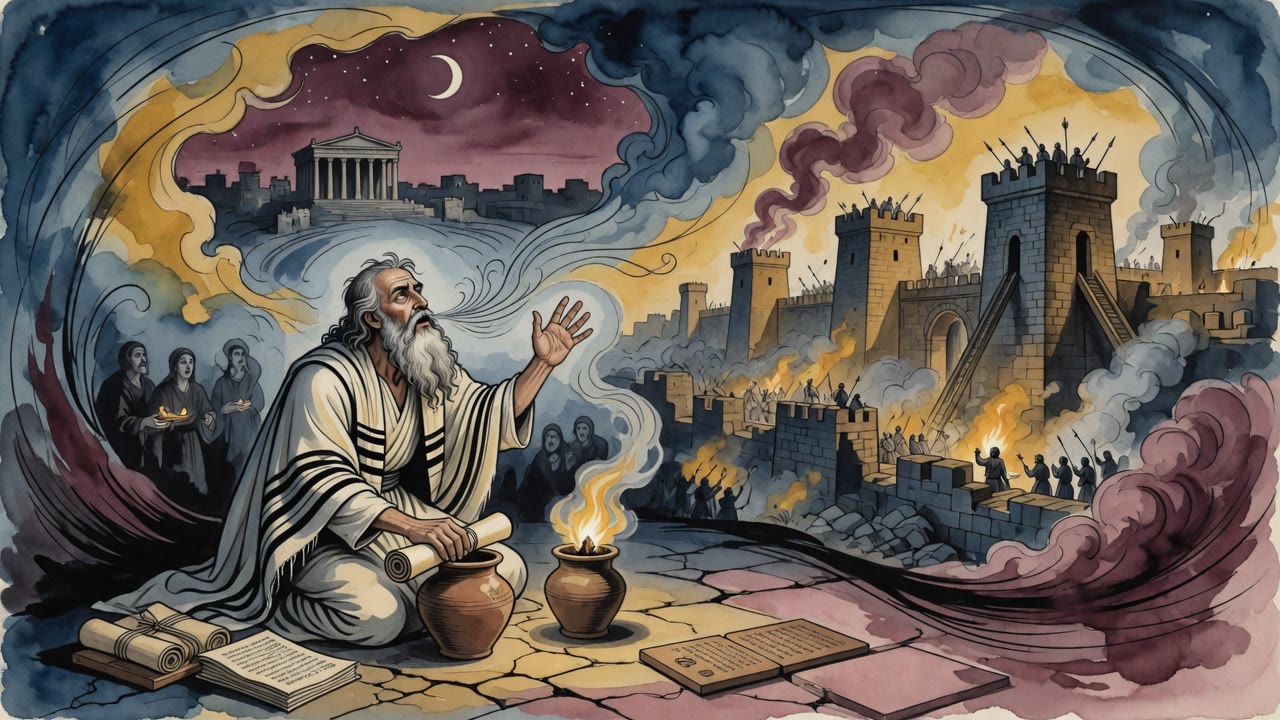
Before circumcision Abraham fell on his face at every word from heaven. After the covenant he stood, and the gate of Gehinnom (afterlife of judgment) closed.
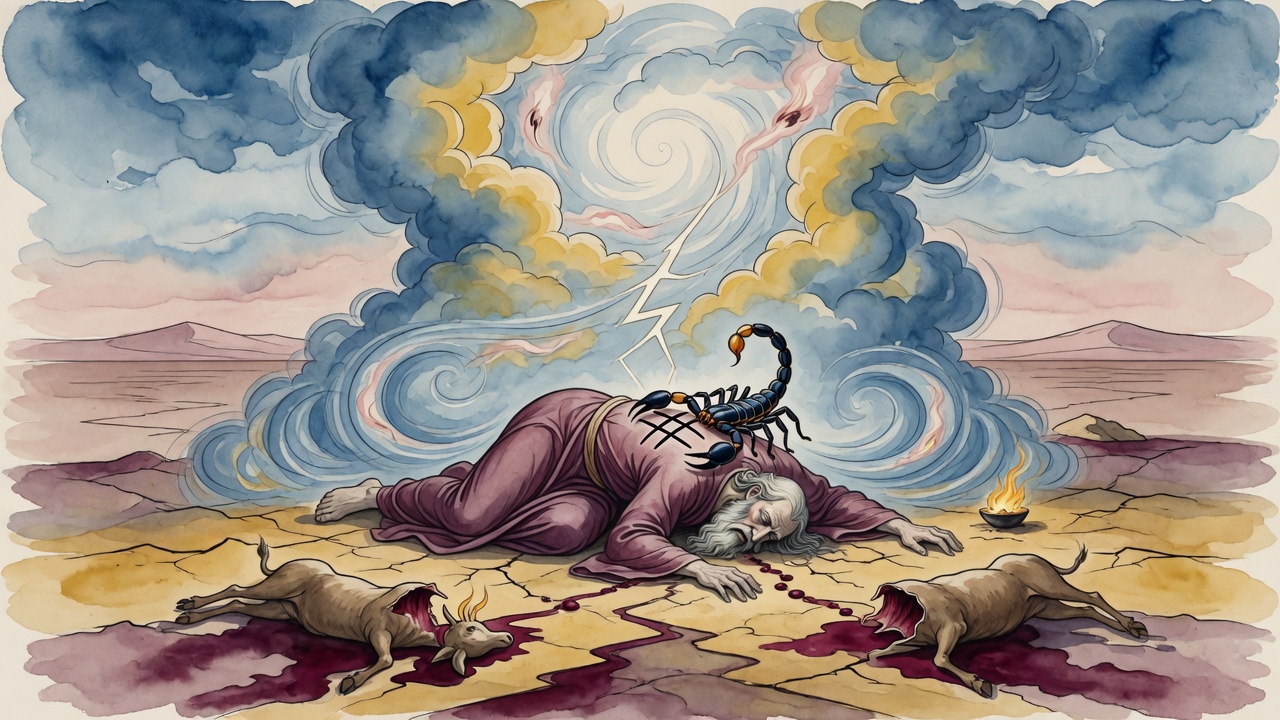
Abraham wondered where to cut the covenant. He fell on his face, a scorpion bit the place, and he rose already marked as God's partner.
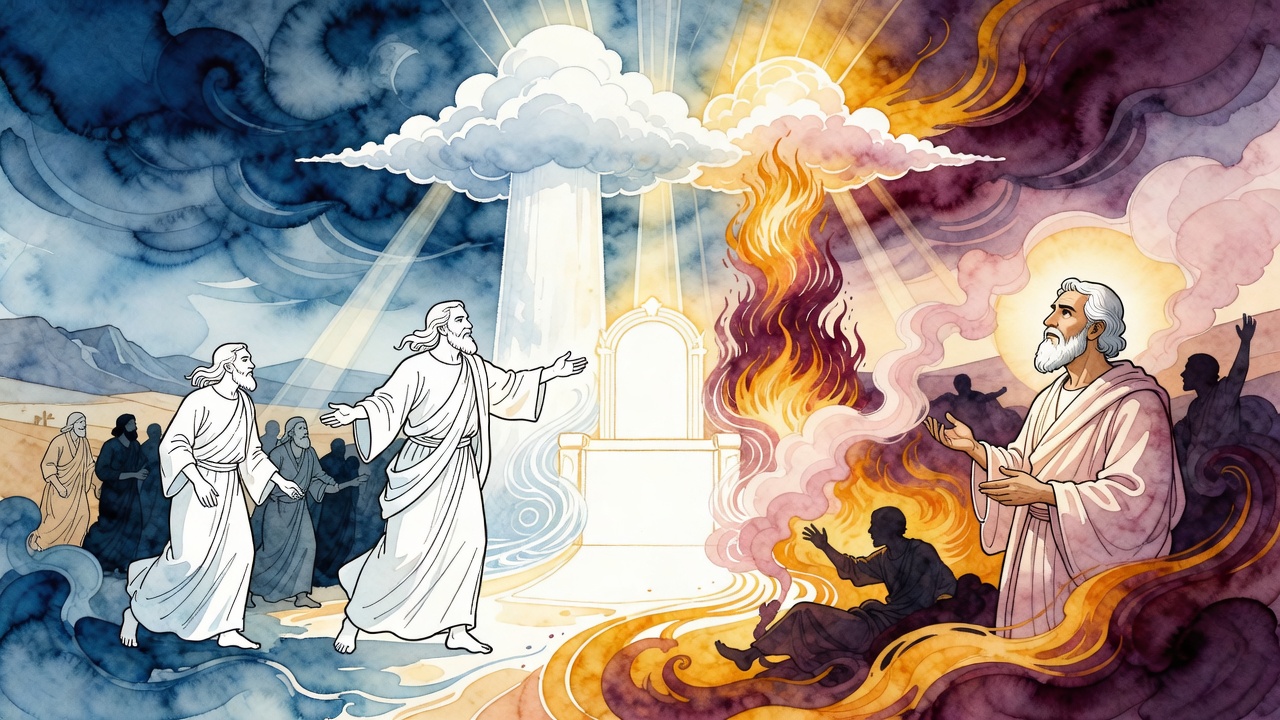
A runner reached the oaks of Mamre with the news that Lot was gone. Abraham armed three hundred and eighteen house servants and went after four kings.
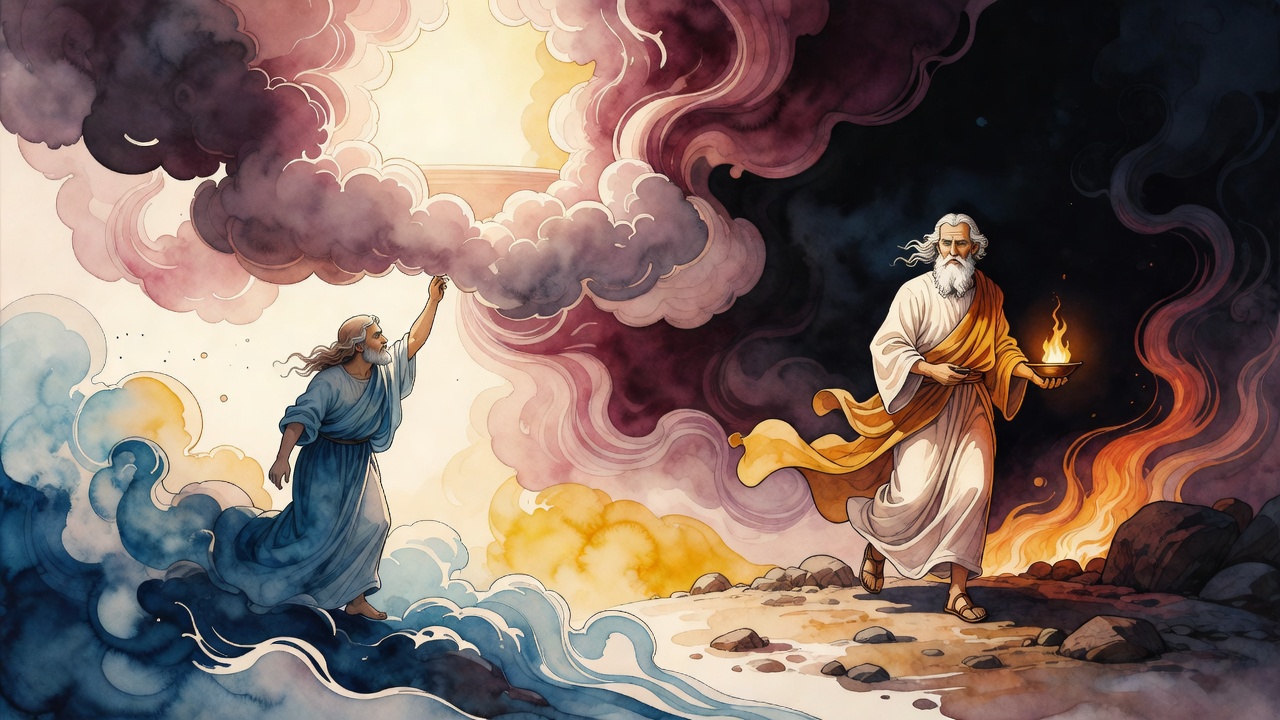
Noah walked with God like a child holding a father's hand. Abraham was told to walk before God, a lamp bearer sent ahead into darkness.
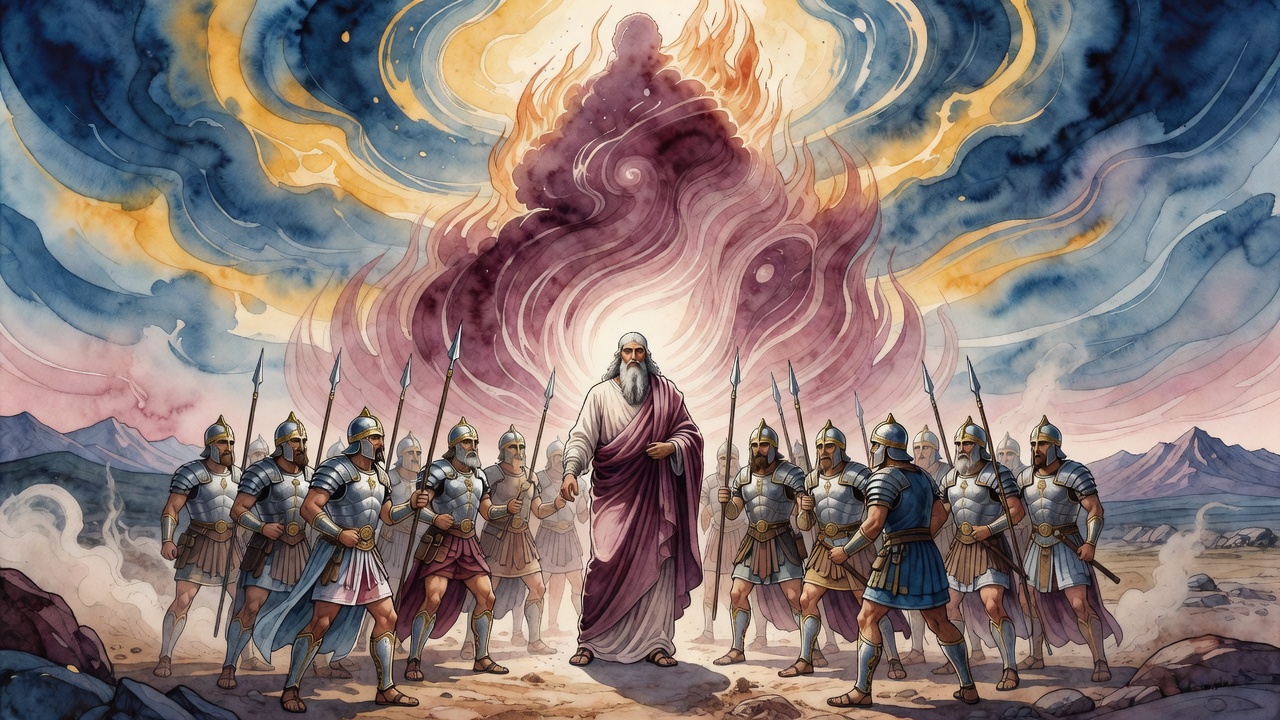
Do not put your eyes on the money, he told three hundred and eighteen men. If it is silver and gold you want, it is already on your backs.
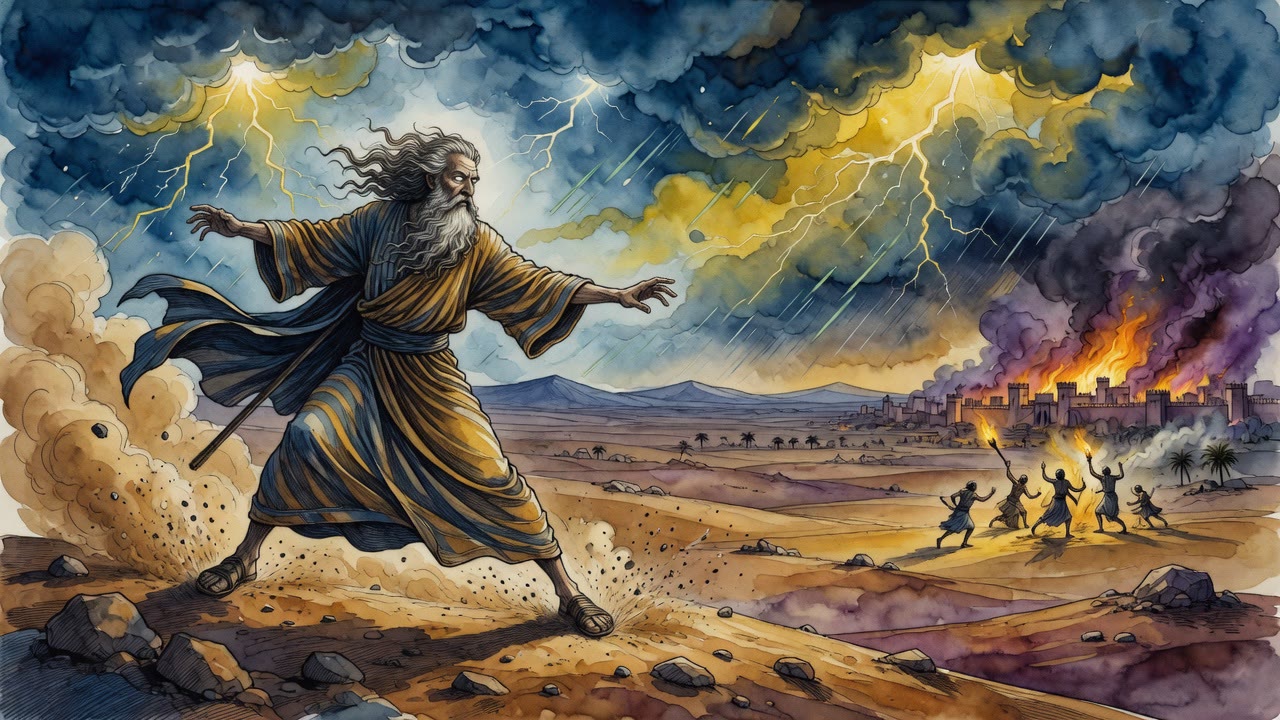
Lot was already in the kings' net. Abraham's stride stretched four miles at a step, and he would not let Sodom pay him for the rescue.
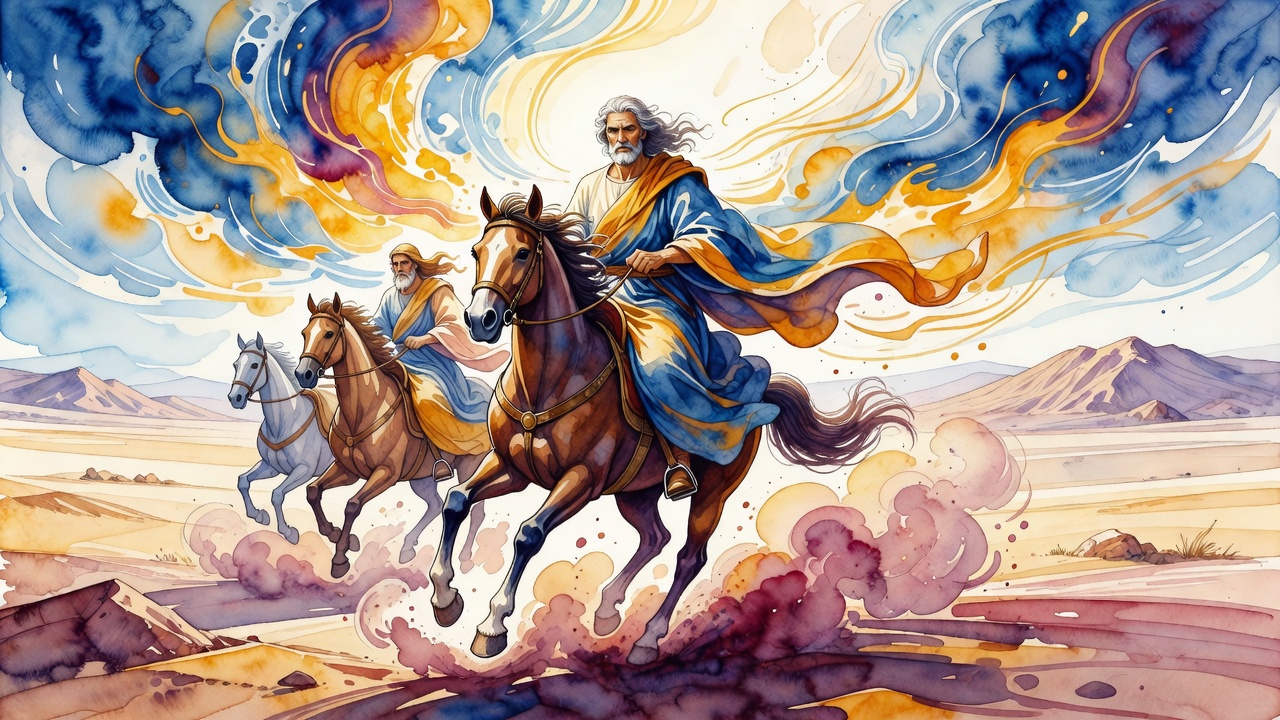
After the quarrel over pasture, Abraham still names Lot brother, thins his army to Eliezer alone, and chases kings past Dan into Hobah.
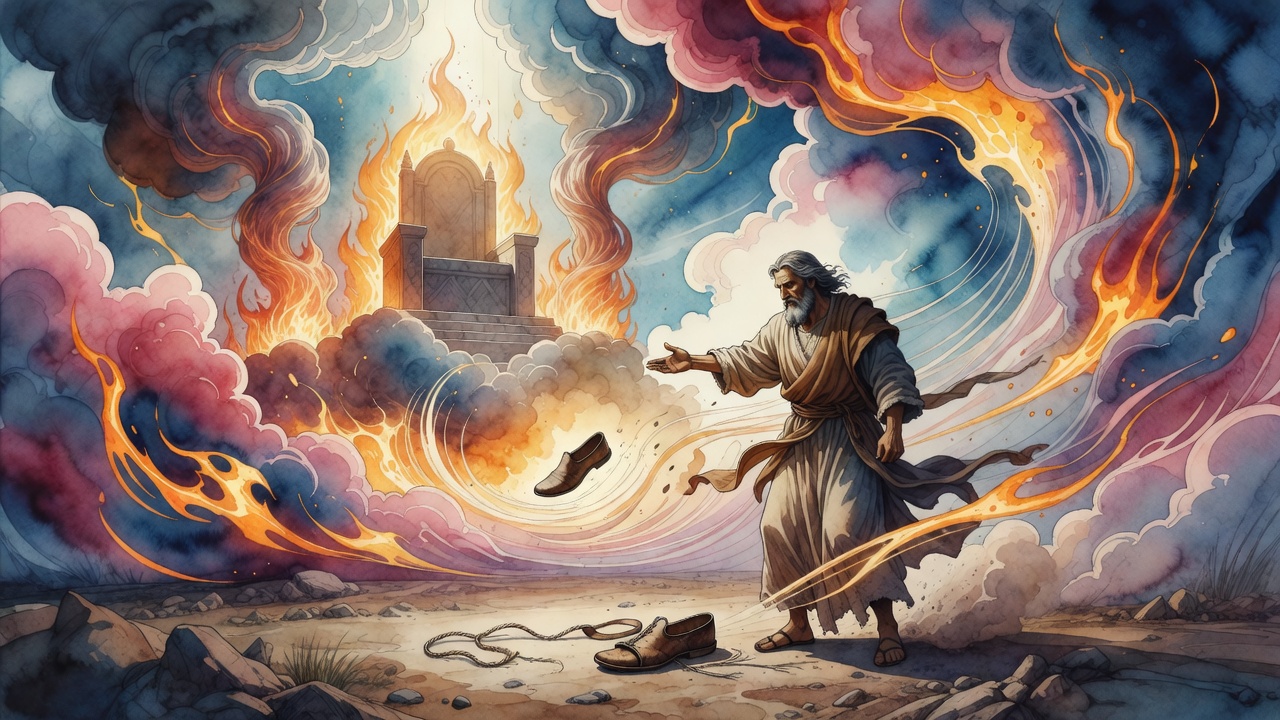
The king of Sodom pushed the goods across the dust. Abraham would not take a strap that would let that king claim him.
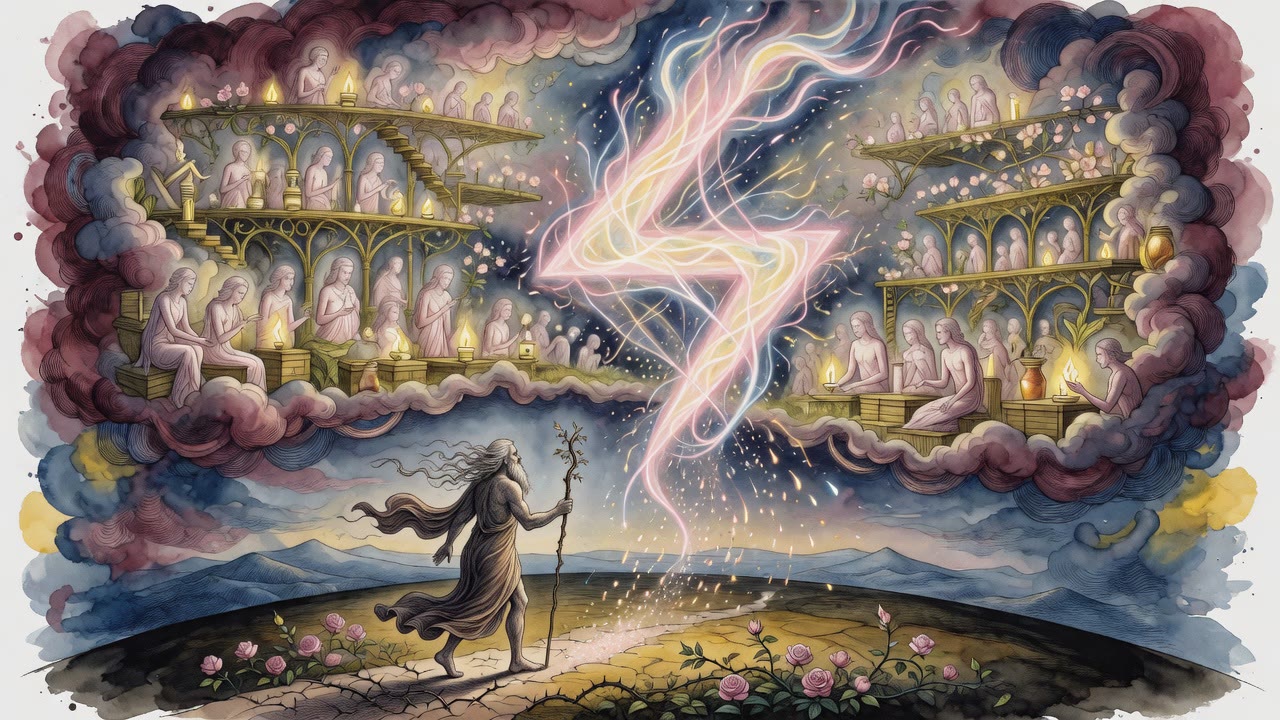
They hung unfinished above a stained field. Abram smashed idols and still wore a thin name. The door stuck until a letter arrived.
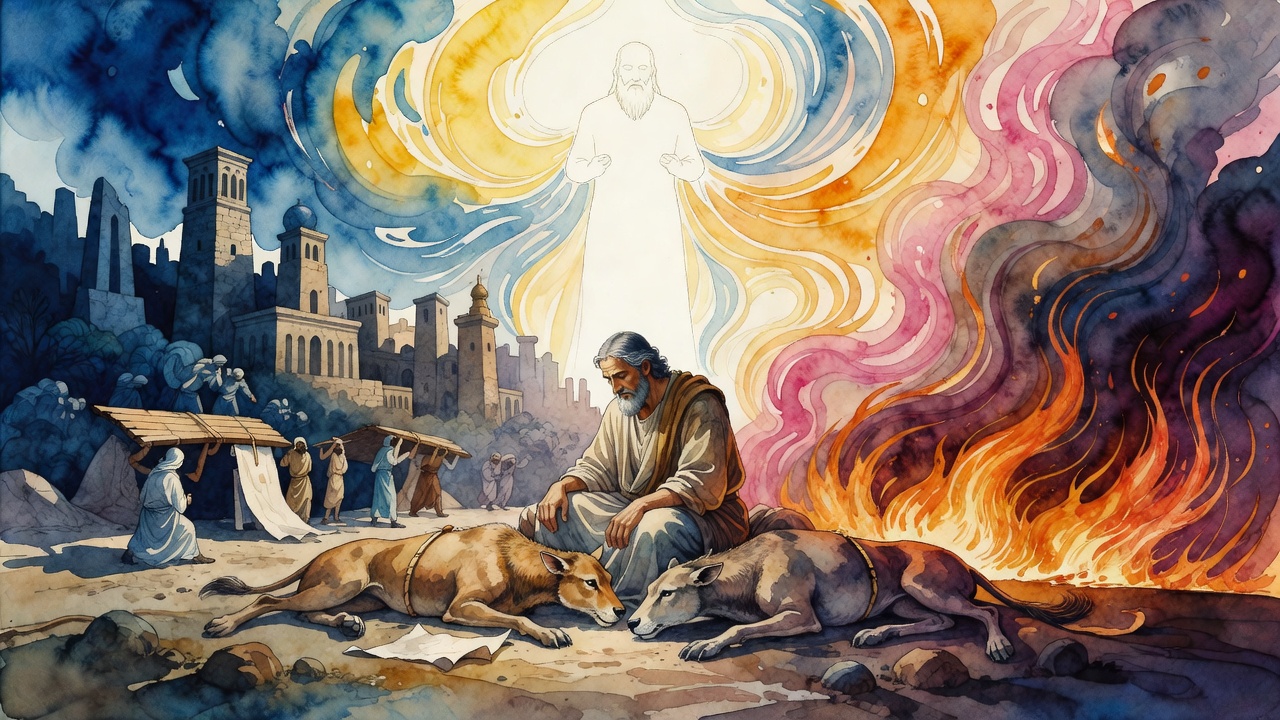
Between the pieces Abraham sees two futures, empire's yoke or Gehinnom (afterlife of judgment)'s oven. He sits all day, then chooses exile over the fire below.
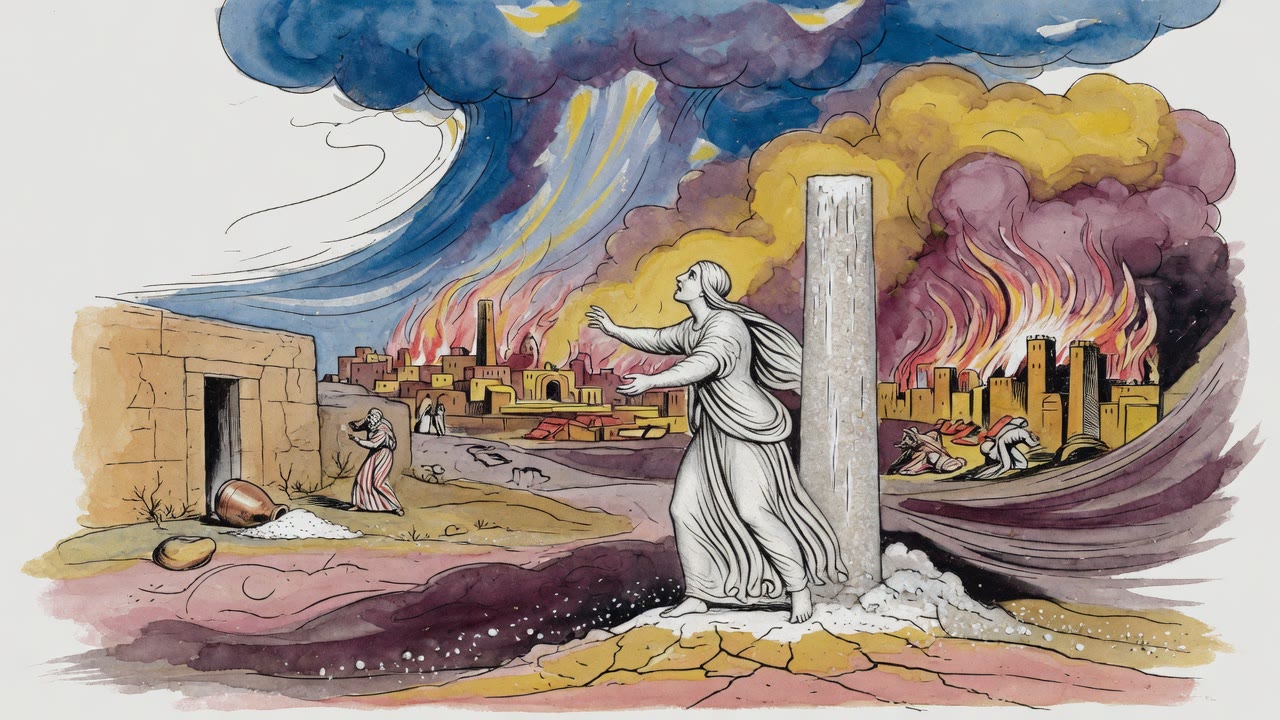
Abram still had dust on him from four kings. The priest of Shalem blessed the man first. God came second, and the office moved.
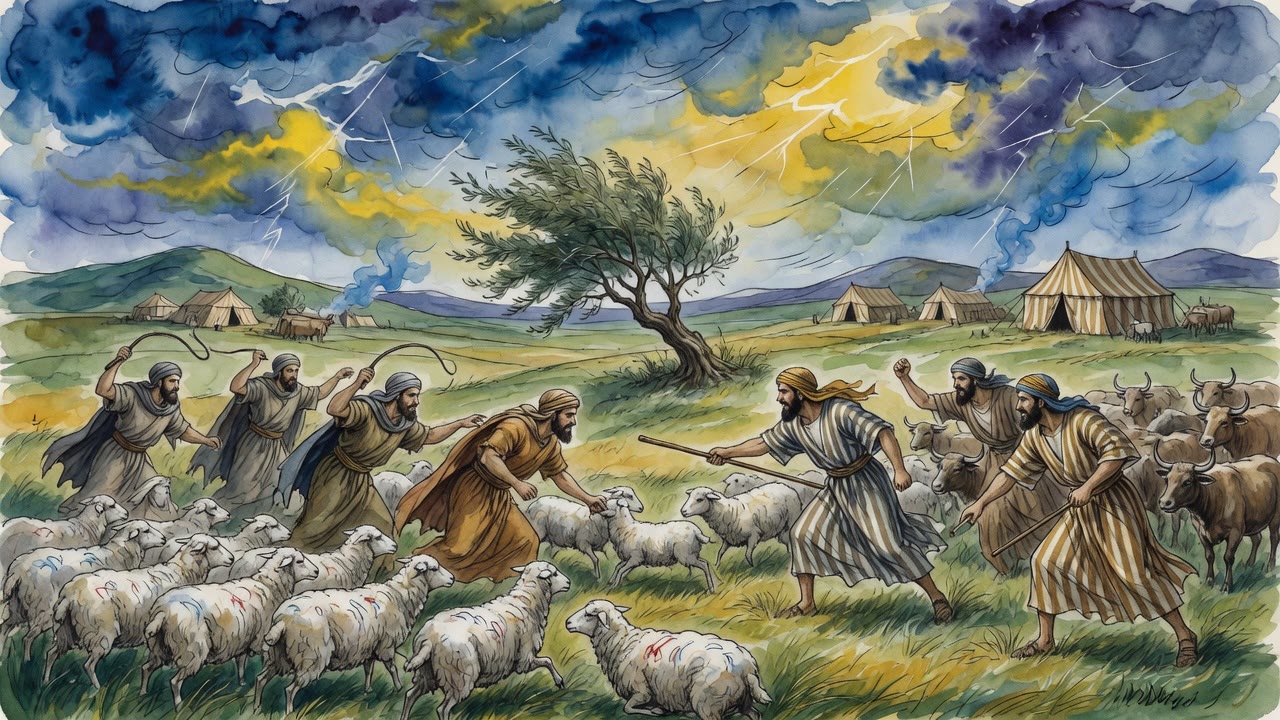
Abram's men tied muzzles on the cattle. Lot's men did not. They called the grass theirs because a barren uncle would leave no heir.
