105 myths · Page 2 of 4
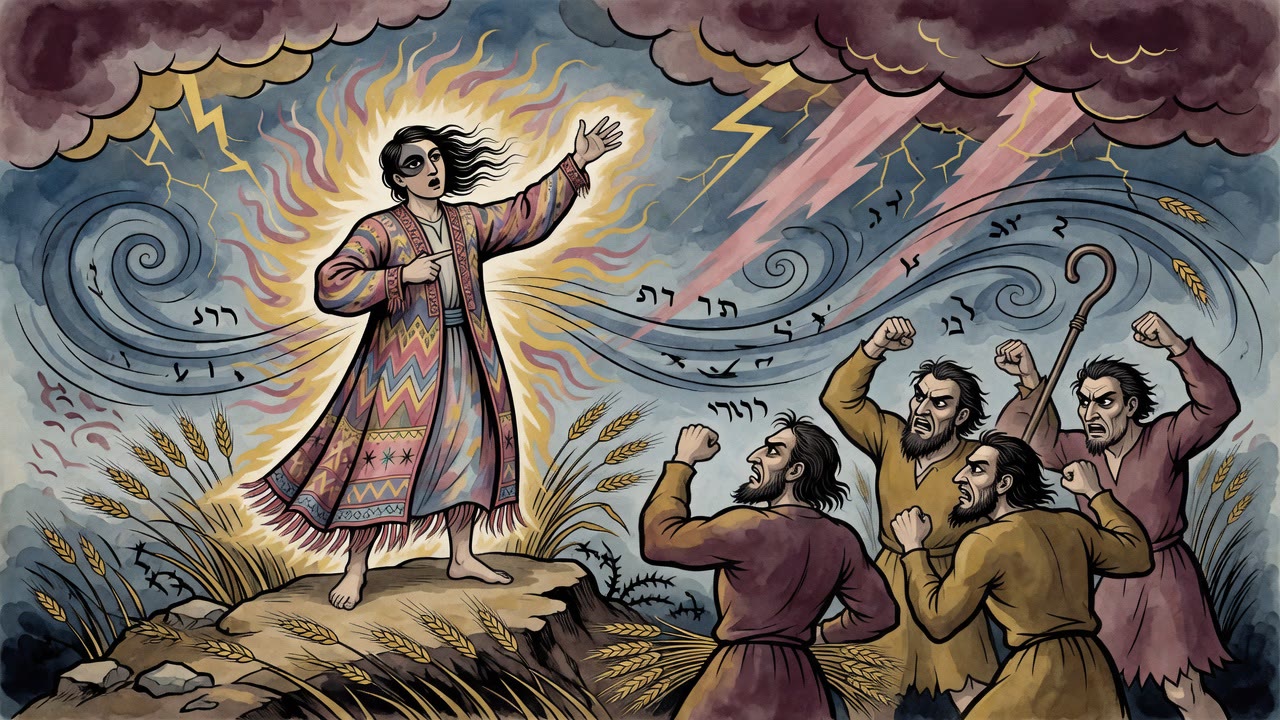
Gad pulled a lamb out of a bear's mouth and had to put it down. Joseph went home and told their father the handmaids' sons were eating the herd.
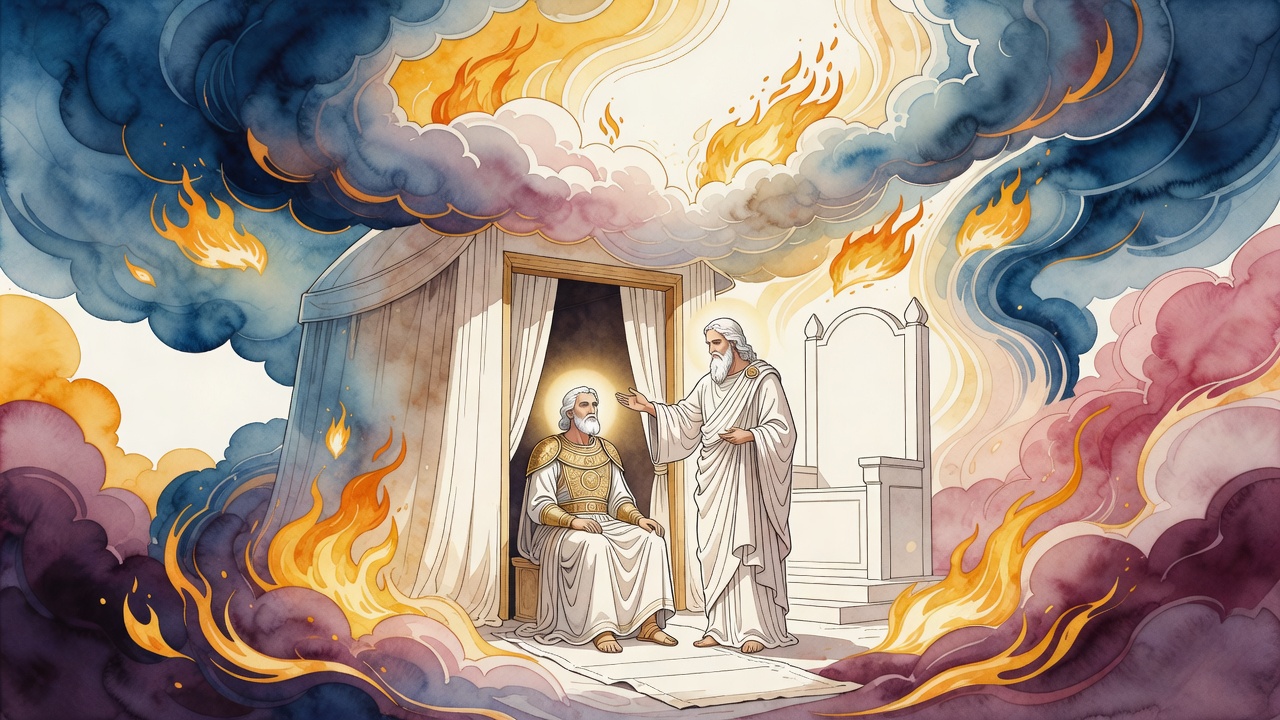
Moses anointed Aaron as High Priest and then told him he could not serve for seven days. He sat at the door of the Tabernacle and watched.
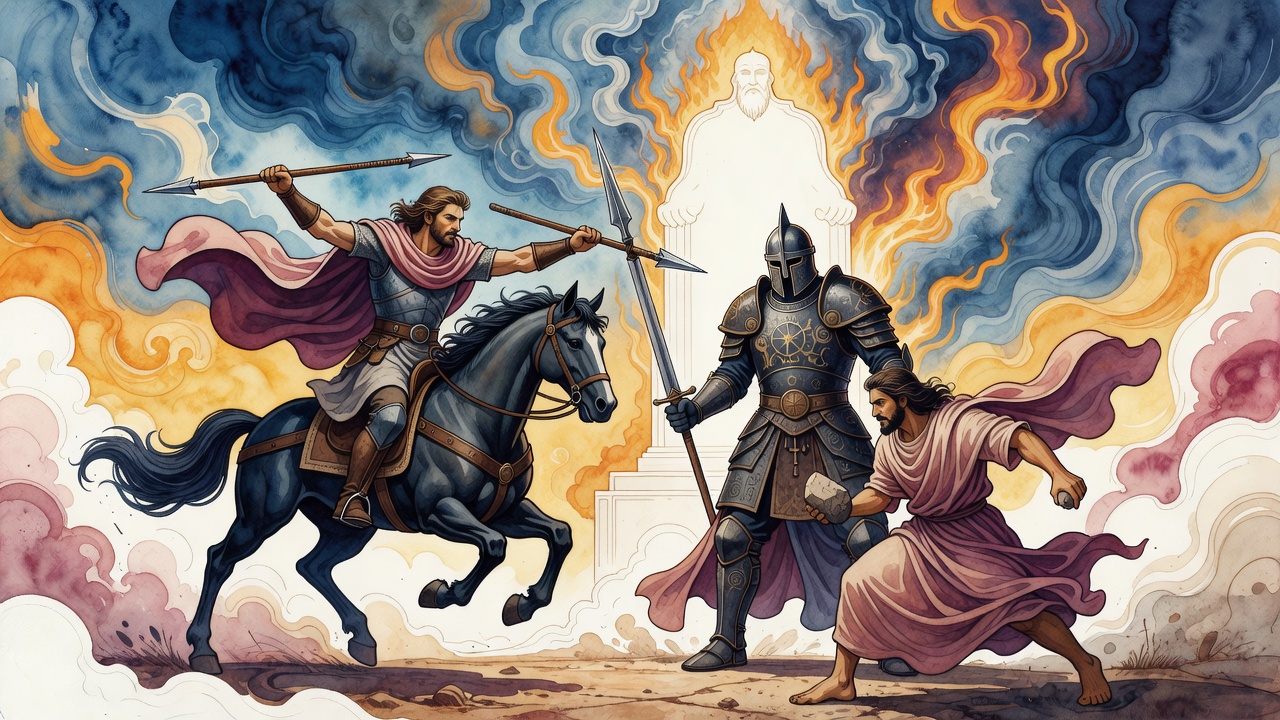
Jashub of Tapnach threw javelins from horseback with both hands and never missed. Judah had no horse and no spear. He picked up a stone.
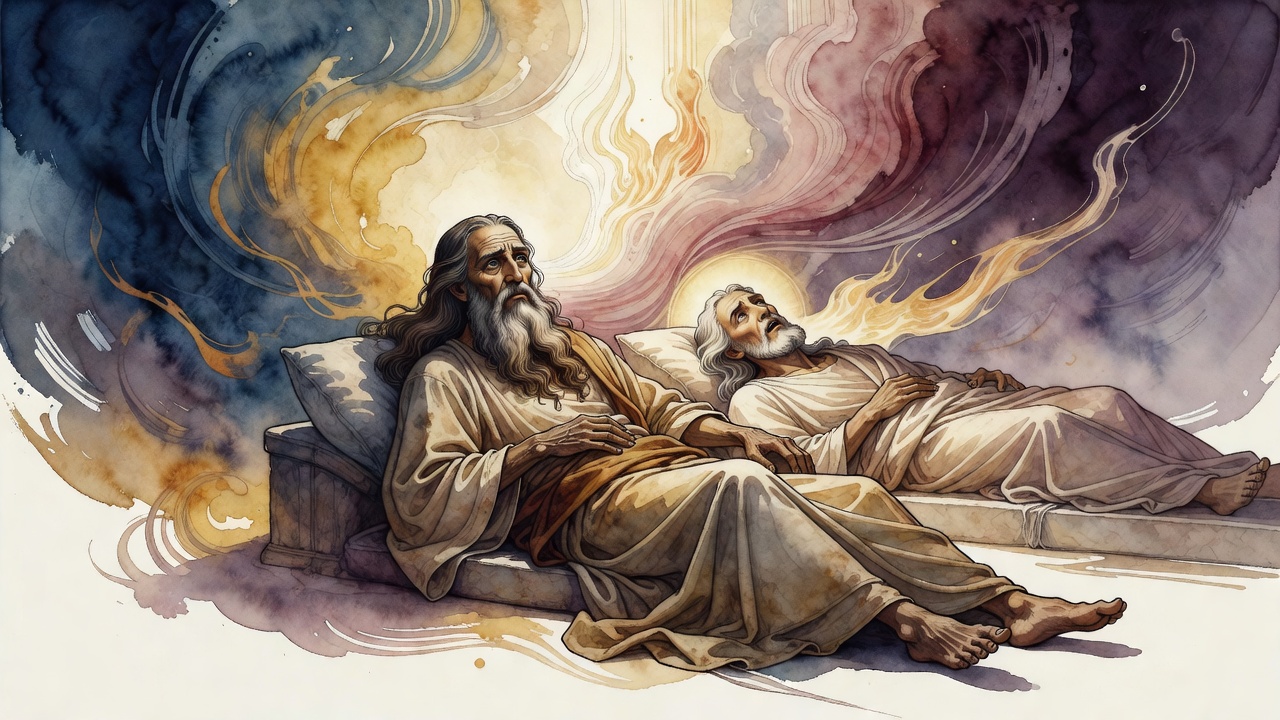
Judah's last words listed the lion he killed barehanded and the bear he flung off a cliff. Levi told his sons to teach their children to read the Torah.
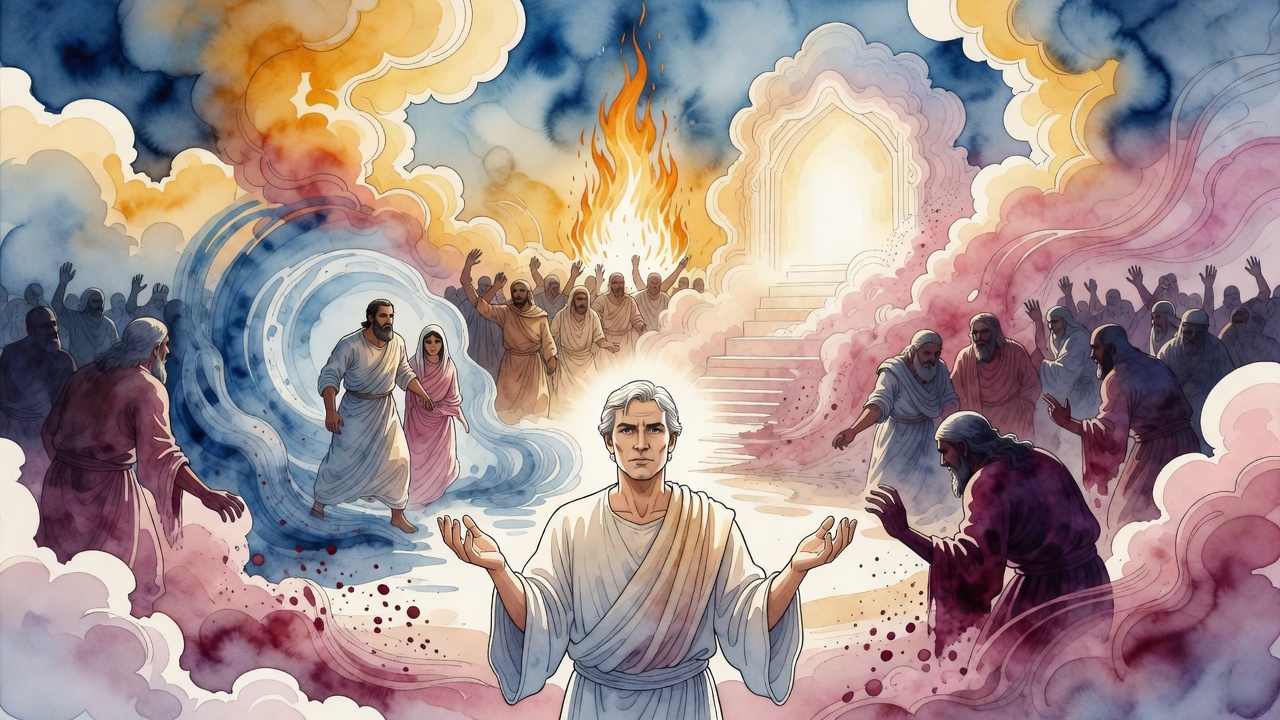
A plague was killing thousands. Zimri stood in the open with a Midianite woman. Every tribal leader was compromised. Only one man had clean hands.
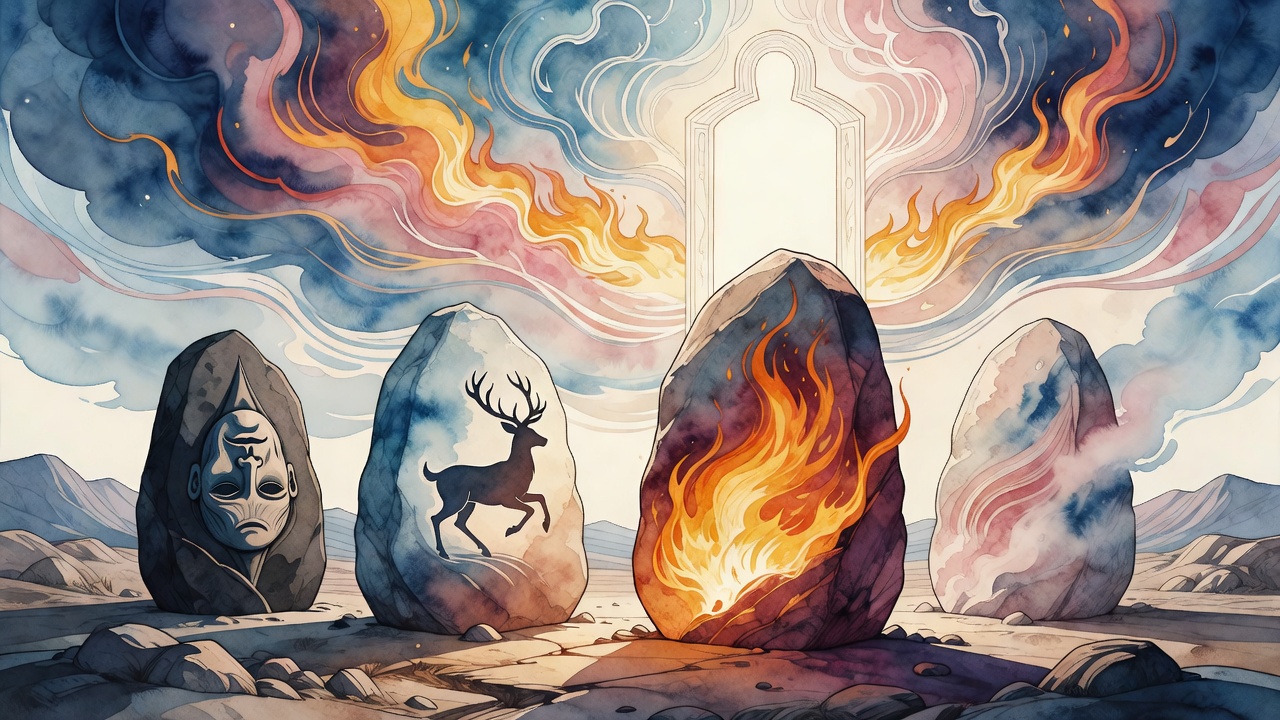
Dan's stone showed an inverted face. Naphtali's held a running deer. Gad's blazed with justice. Each stone said something its tribe could not hide.
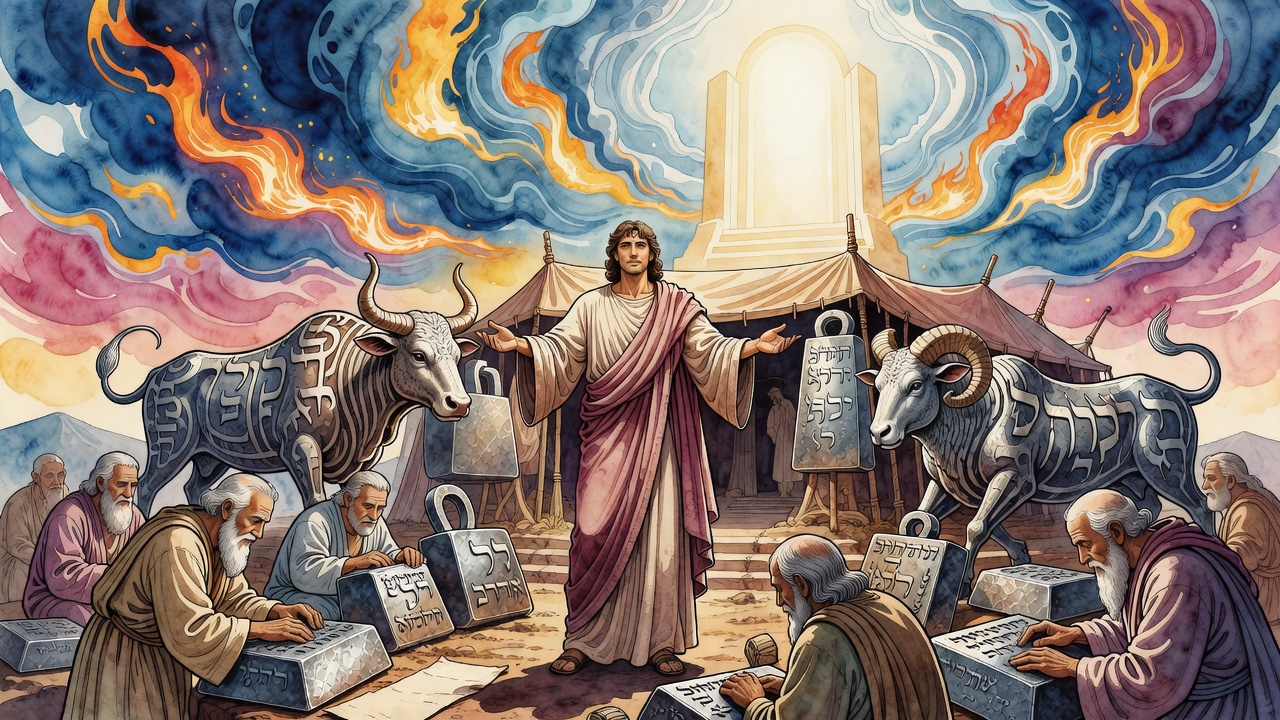
Reuben's prince walked toward the altar on the second morning. Moses stopped him. The desert march would set the offering order too.
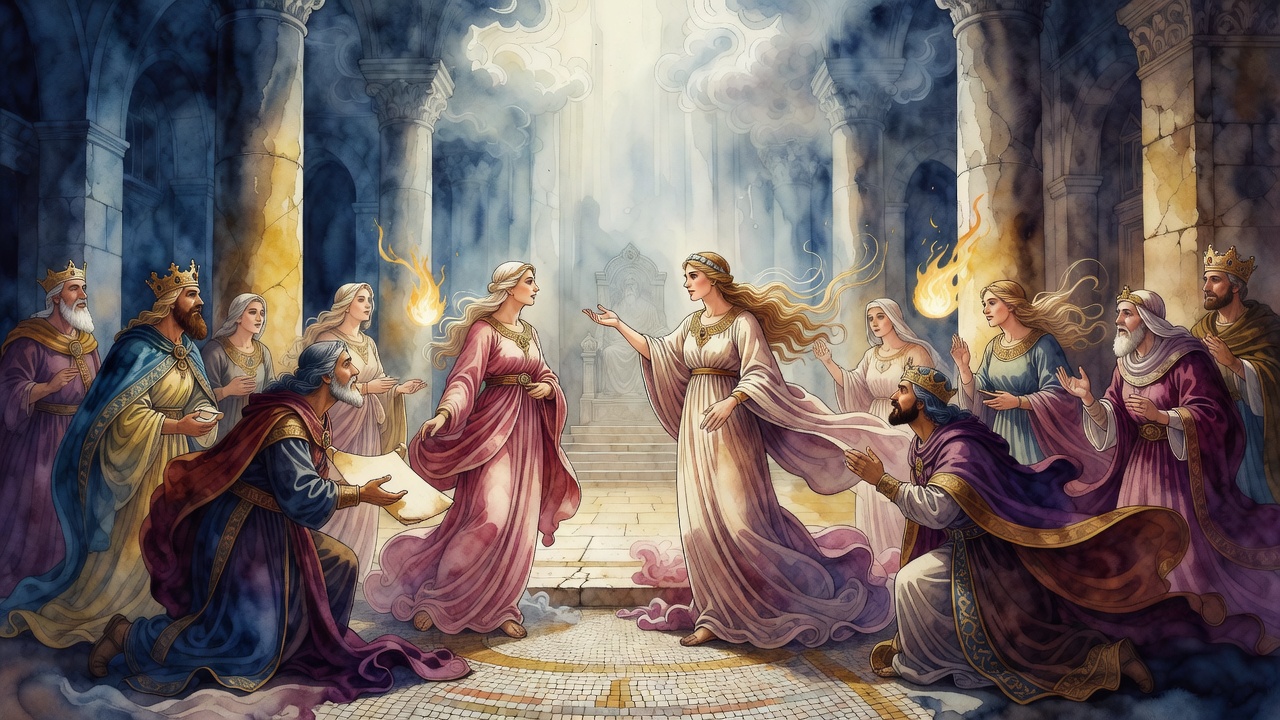
The court had already closed. A woman of Asher was still inside the palace, and she spoke for a man already condemned to die.
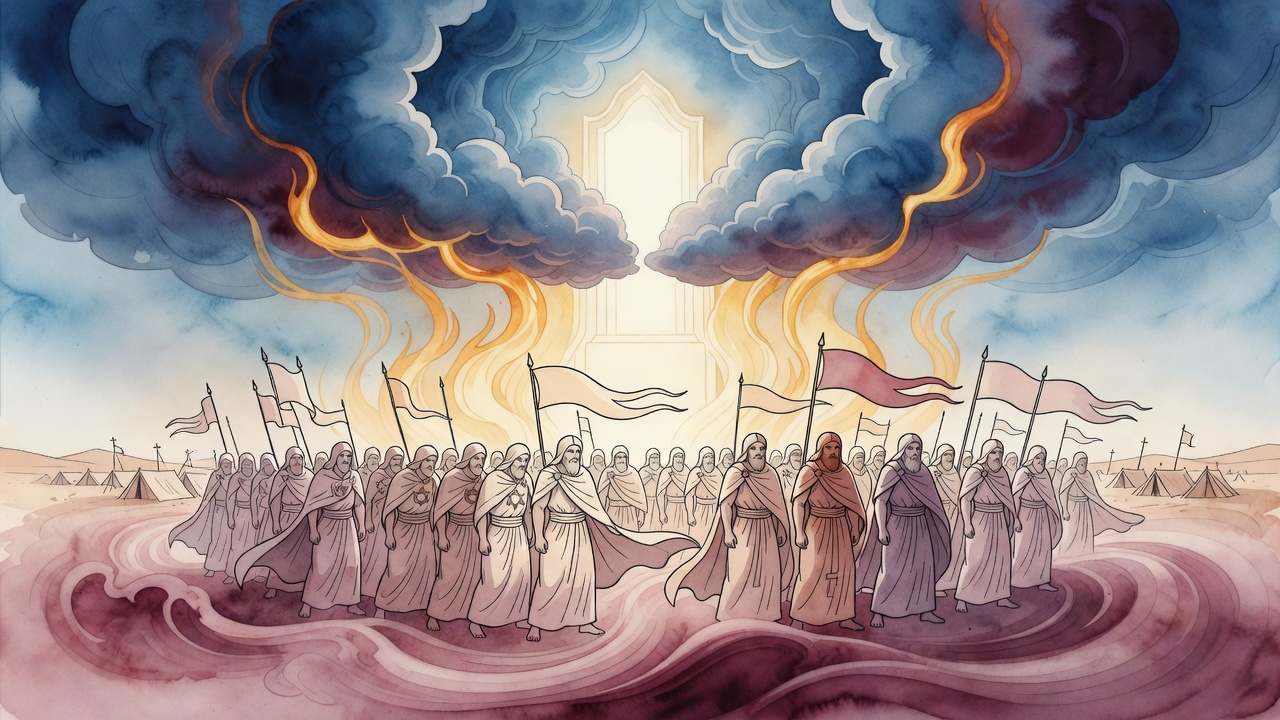
Dan was prone to idolatry and placed at the rear of the camp. The tribes beside them were not chosen at random to fill a gap in the formation.
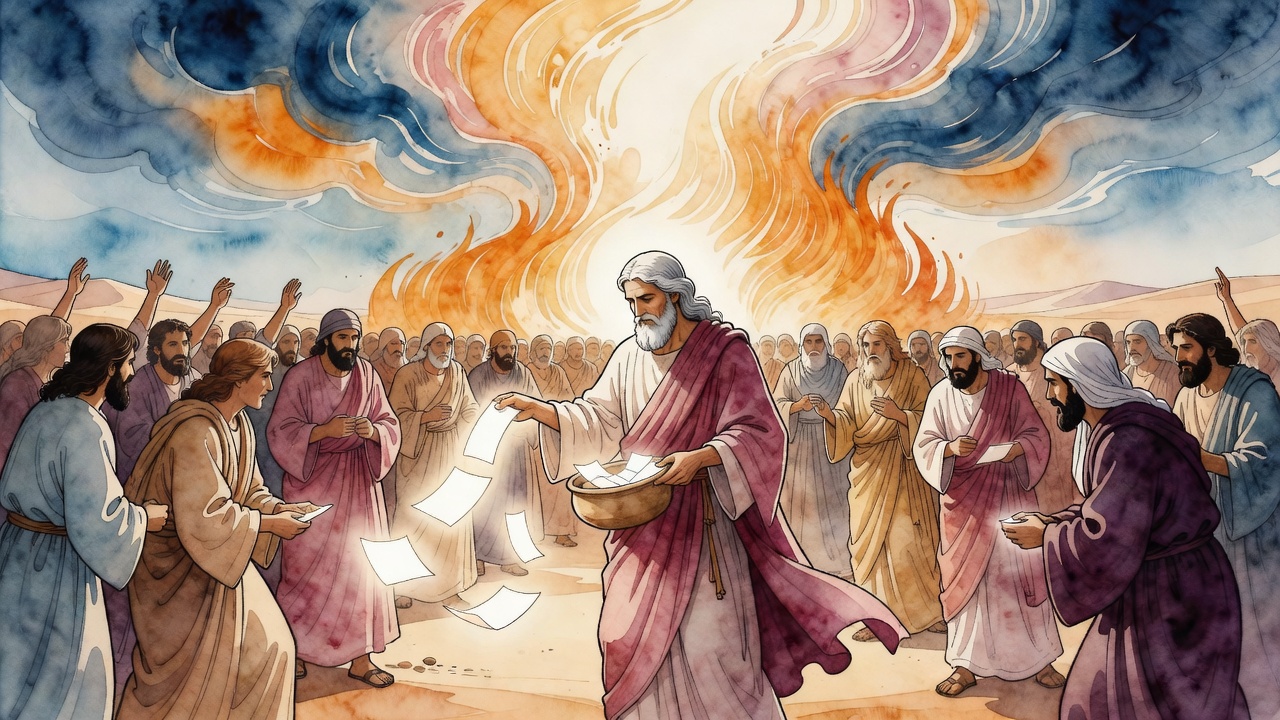
Two hundred seventy-three firstborn sons had no Levite to stand for them. Moses put slips in an urn so no father could cry that the count was fixed.
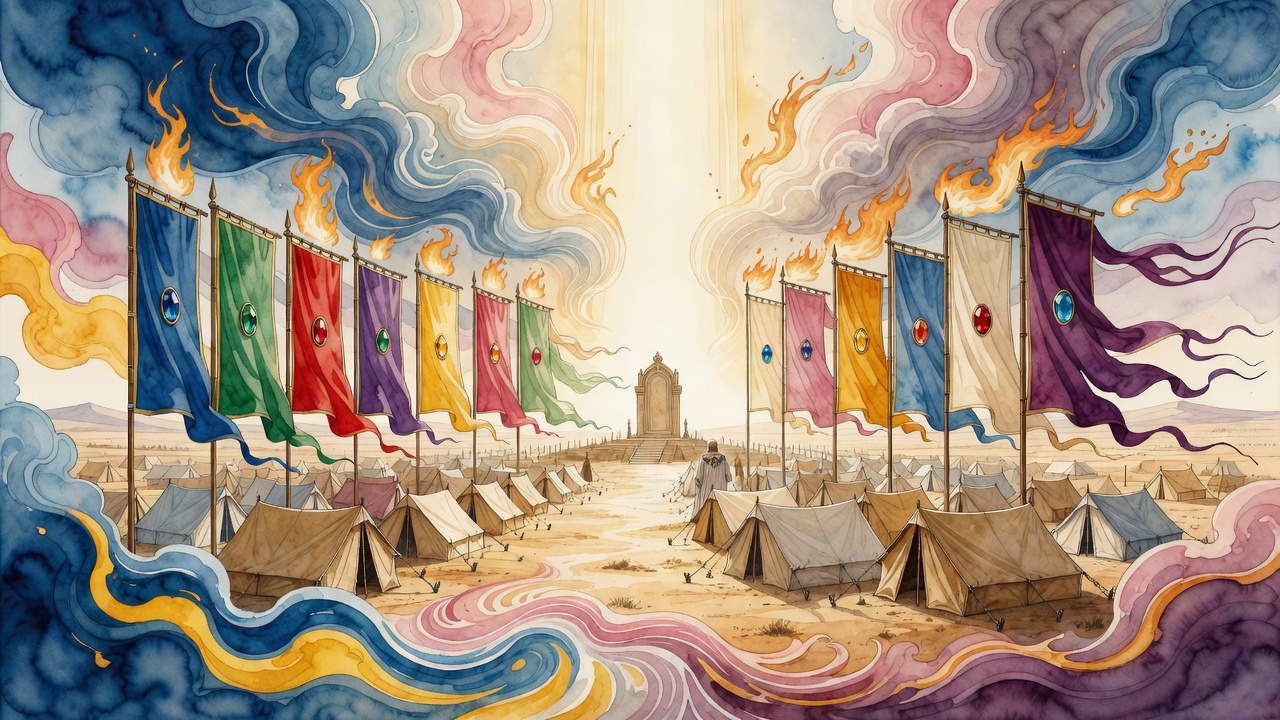
Each of the twelve standards flew colors matching the High Priest's breastplate. The camp was arranged as a portable extension of the Tabernacle itself.
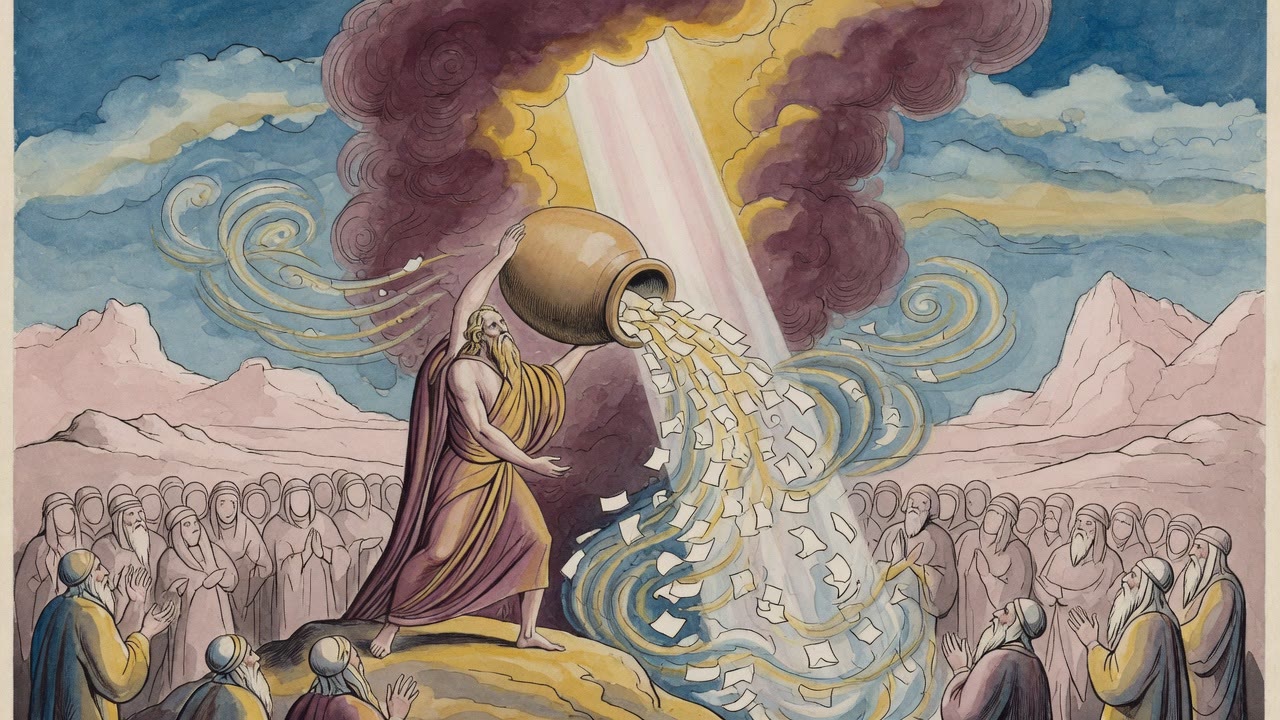
Moses had seventy-two worthy candidates and only seventy spots. He designed a lottery that left no human hand to resent and no accusation to sustain.
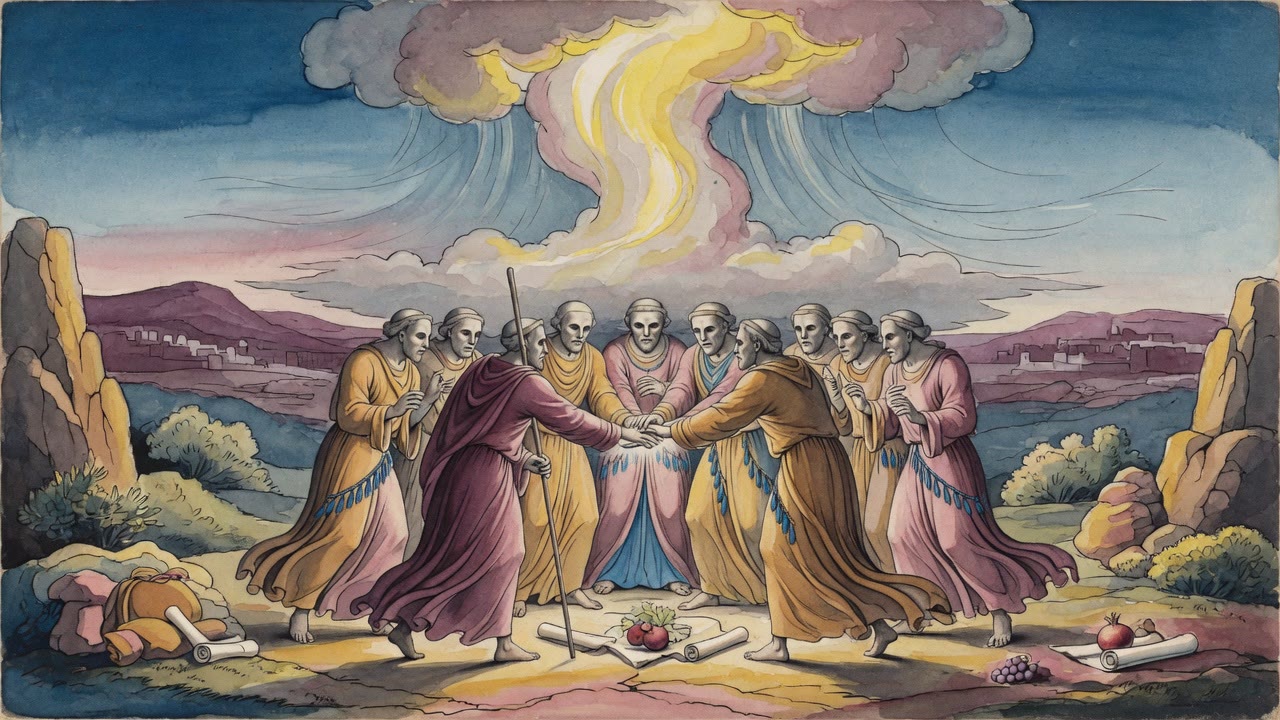
God approved every name Moses wrote. Two men came back under a grape cluster hung from a pole. Ten mouths had already called the land a grave.
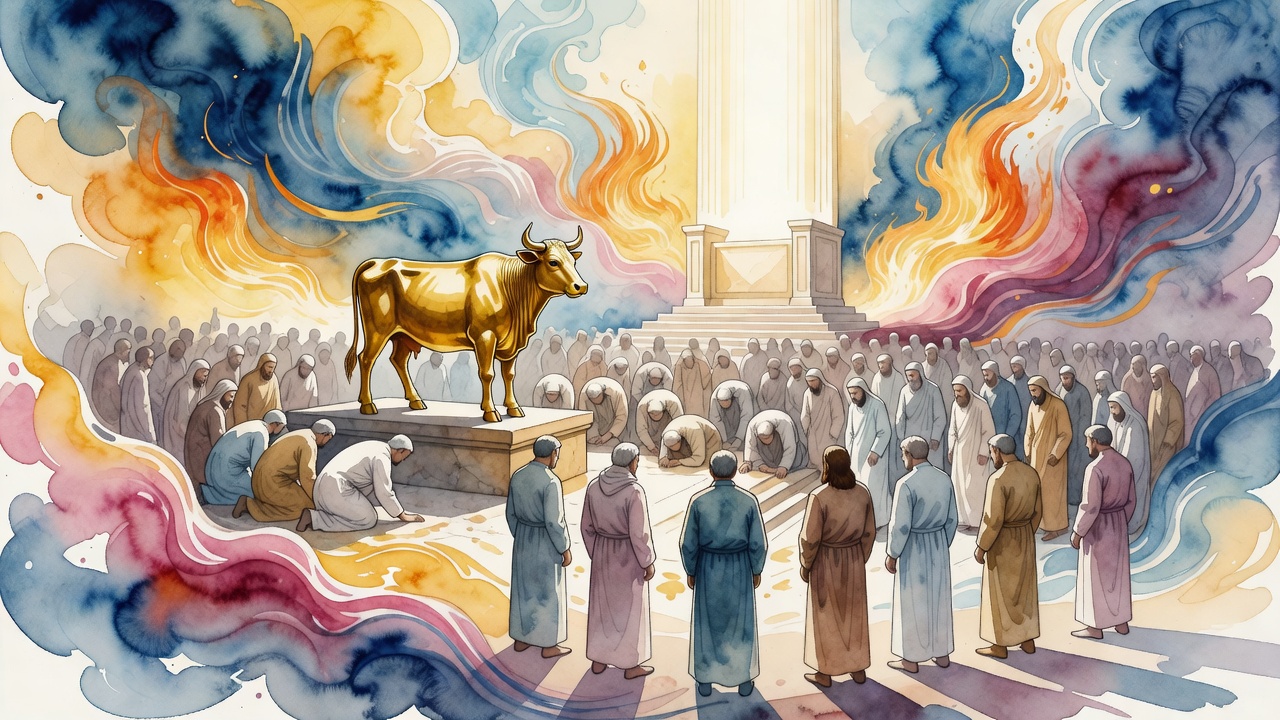
Forty days without Moses was enough. Every tribe bowed before the golden calf. The Levites stood still and earned the altar instead of the land.
The Egyptian governor made small talk with the youngest brother. How many sons do you have? Ten. And what are they called?
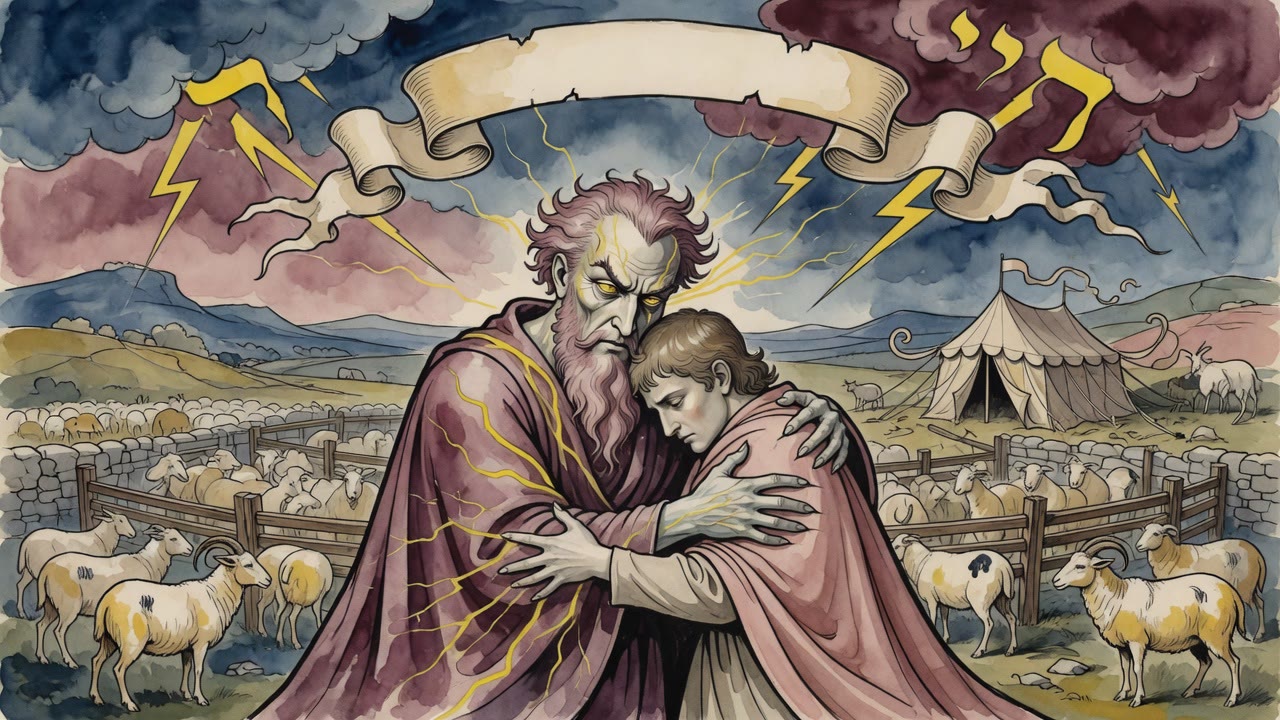
Laban called Jacob his brother though Jacob was his nephew. The word was a bid, not an embrace, and it opened twenty years of systematic fraud.
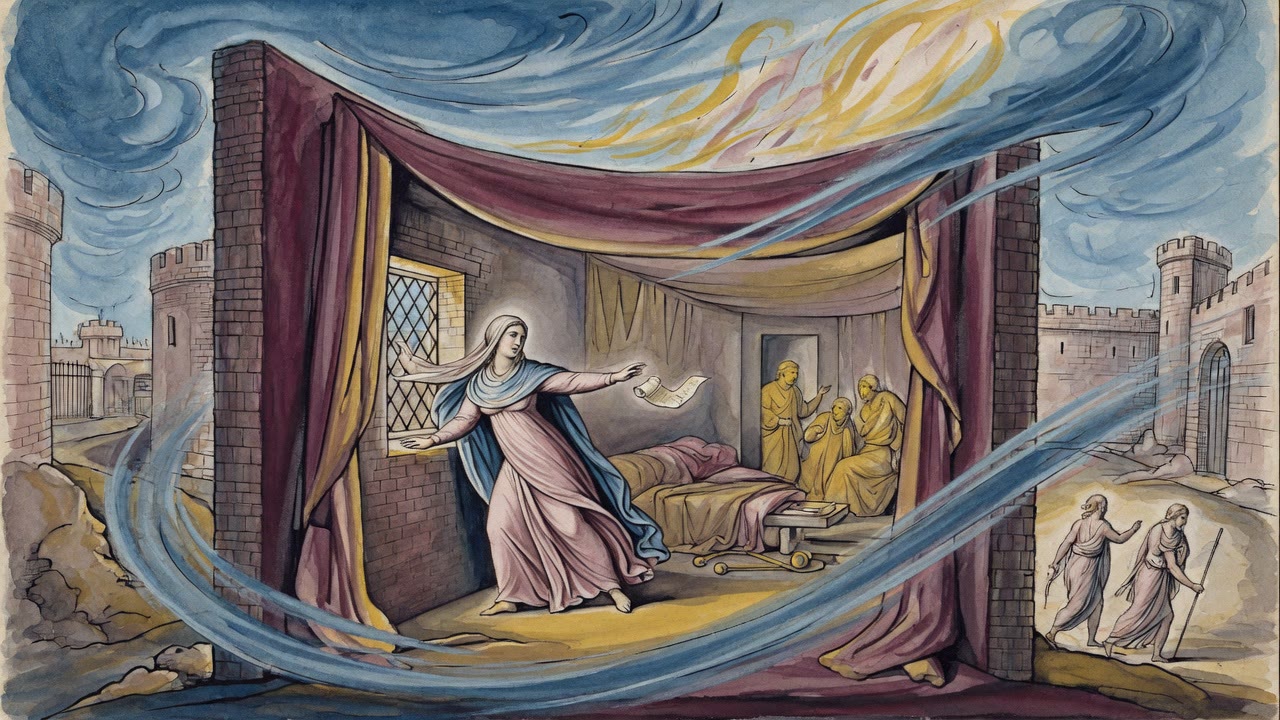
She was twelve and she was being held in the prince's house when she overheard what the men downstairs were planning to do to her family.
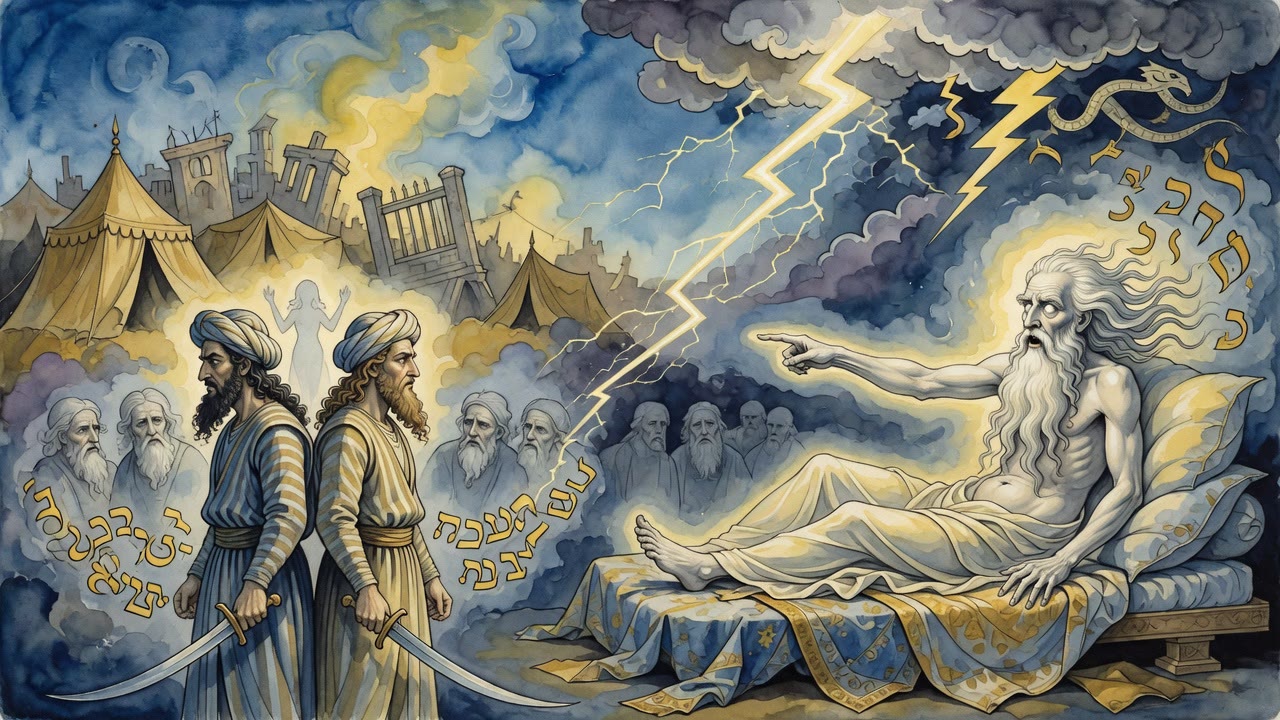
Simeon and Levi avenged Dinah at Shechem. Jacob cursed their anger at his deathbed, forty years after the swords were put away.
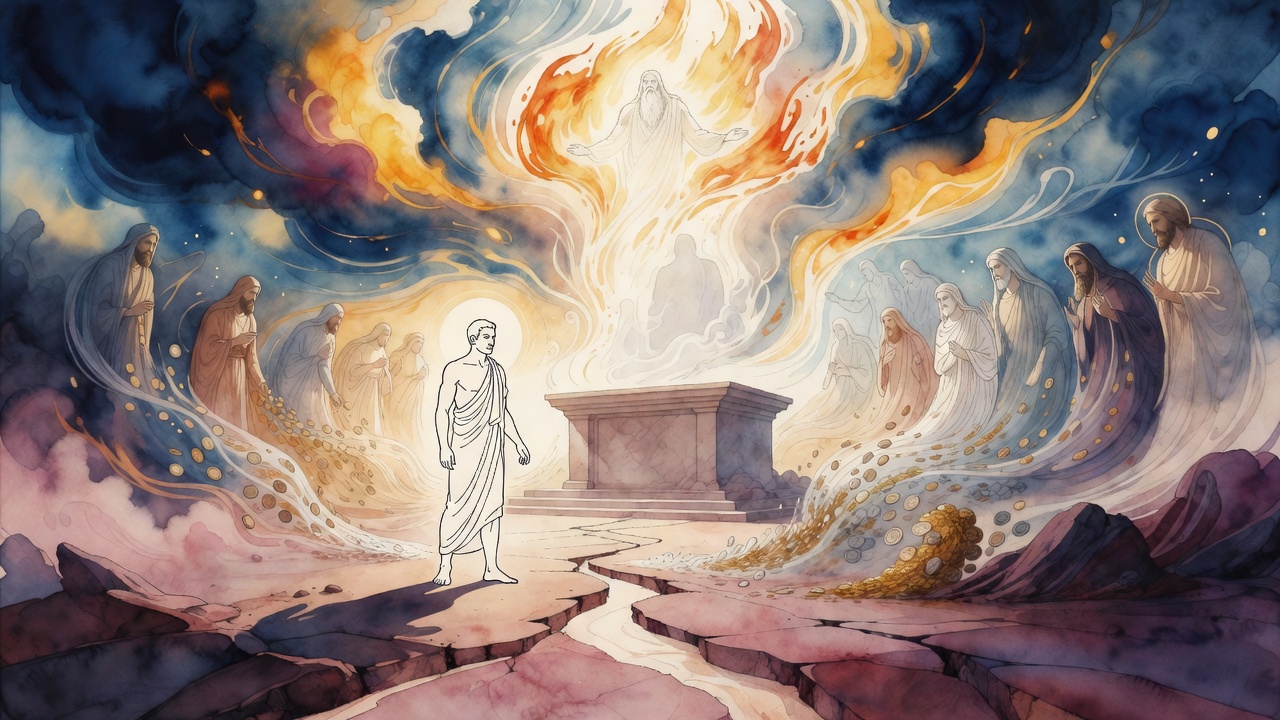
Rachel named him son of my sorrow and died that night. Years later his tribe held the soil where the Temple altar stood.
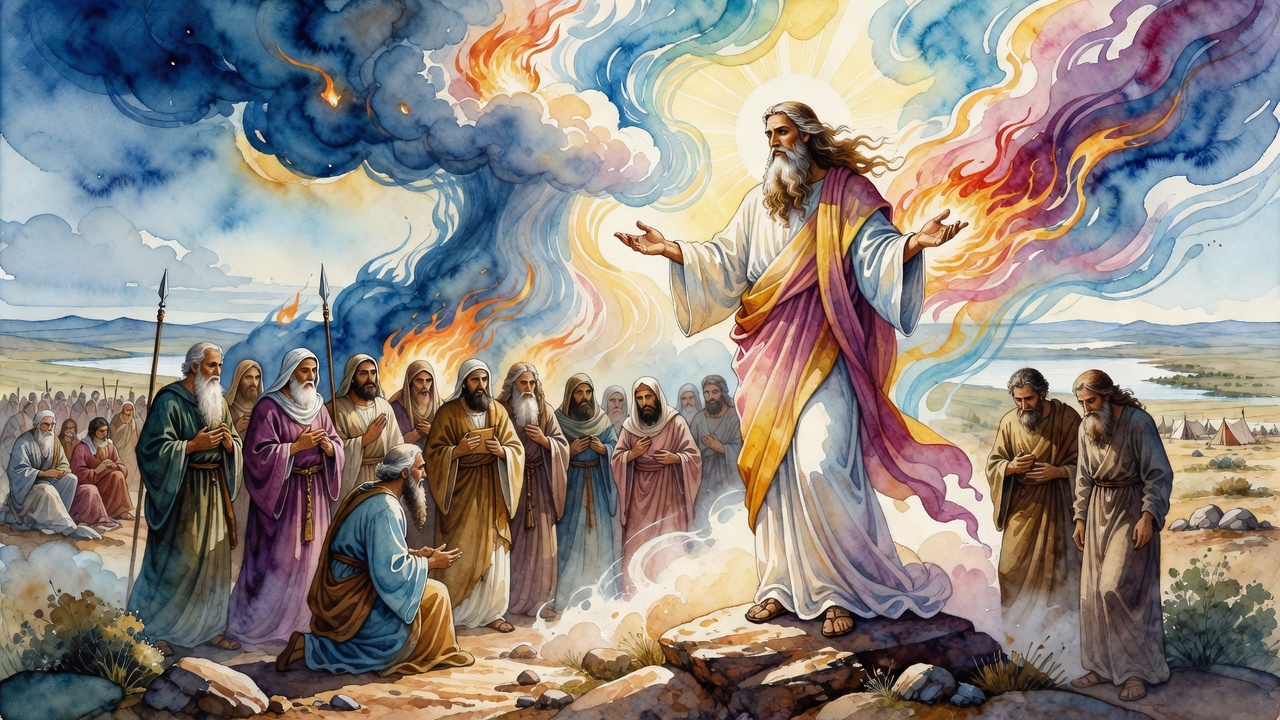
Pinchas stood over Zimri with a spear still wet. Moses kept going down the list of tribes and never reached the name that had paid nothing.
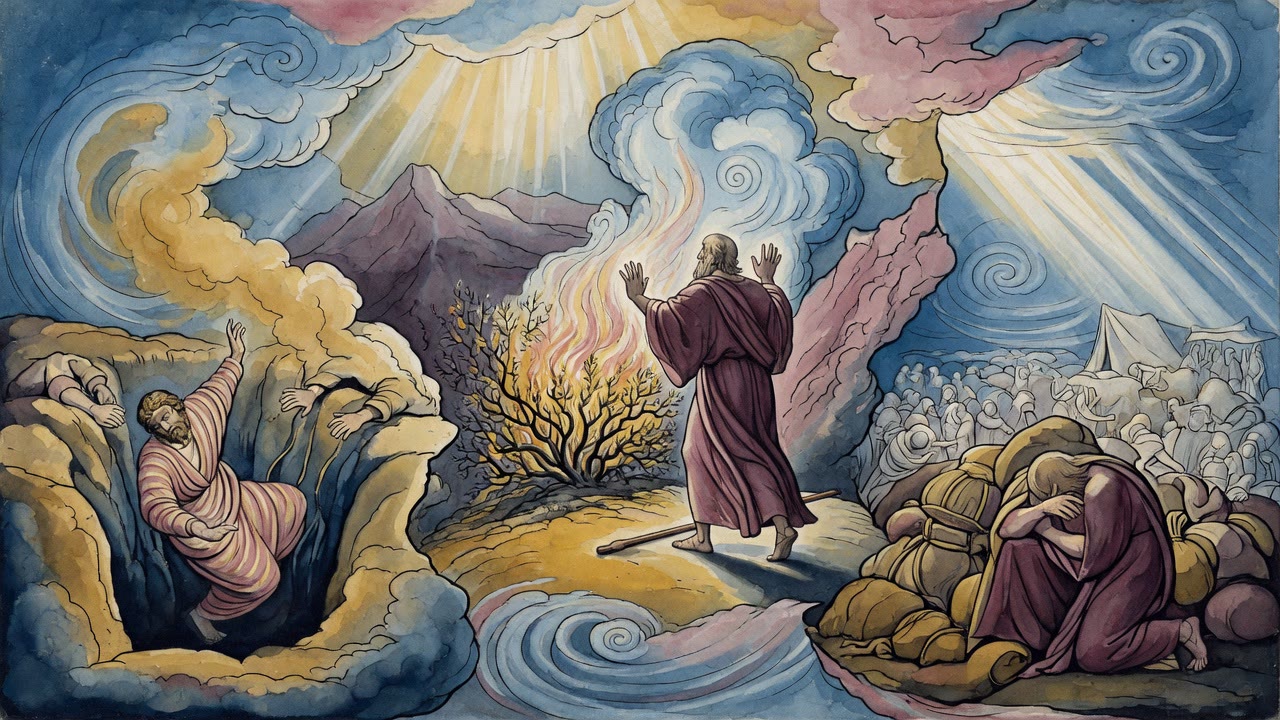
Ten men came back from the land certain it would kill them. When Joshua stood up to answer them, they shouted that a childless man had nothing to lose.
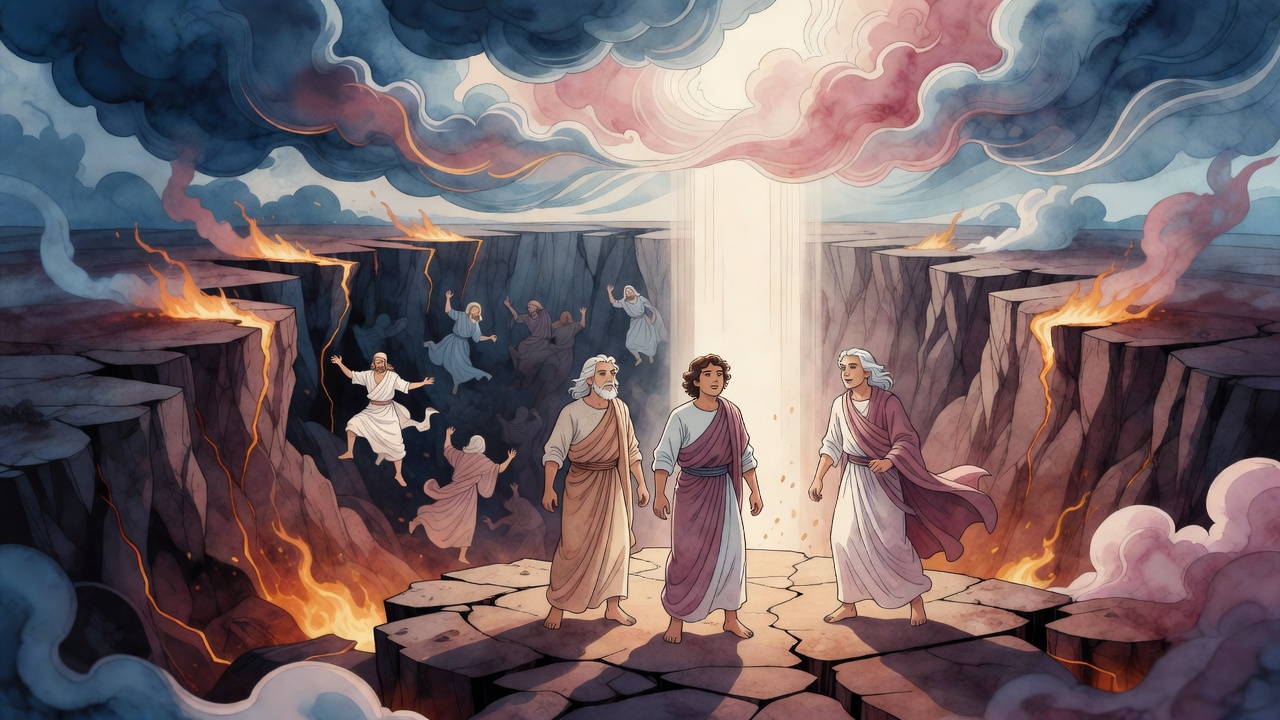
When the earth opened and swallowed Korah's rebellion, his sons were not among the dead. They had made a different choice while their father was still alive.
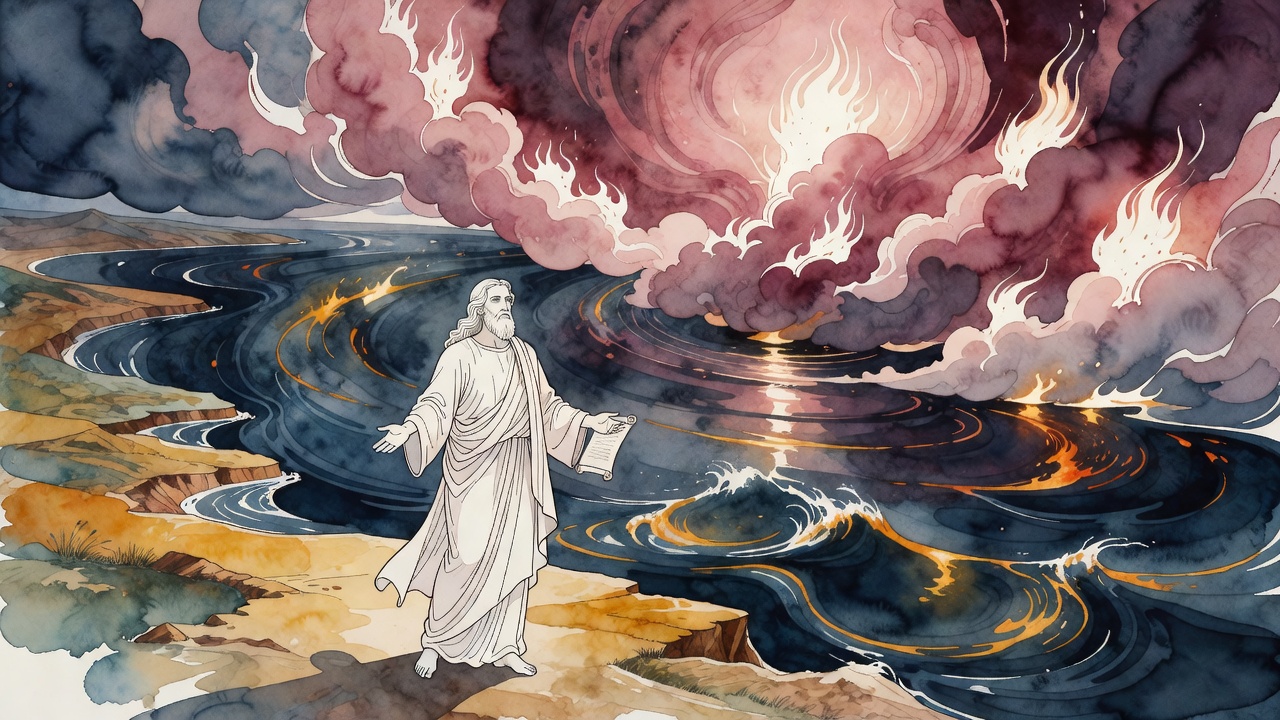
On the plains of Moab, Moses named a western edge no walker could pace. The line dropped through the sea into water older than the sky.
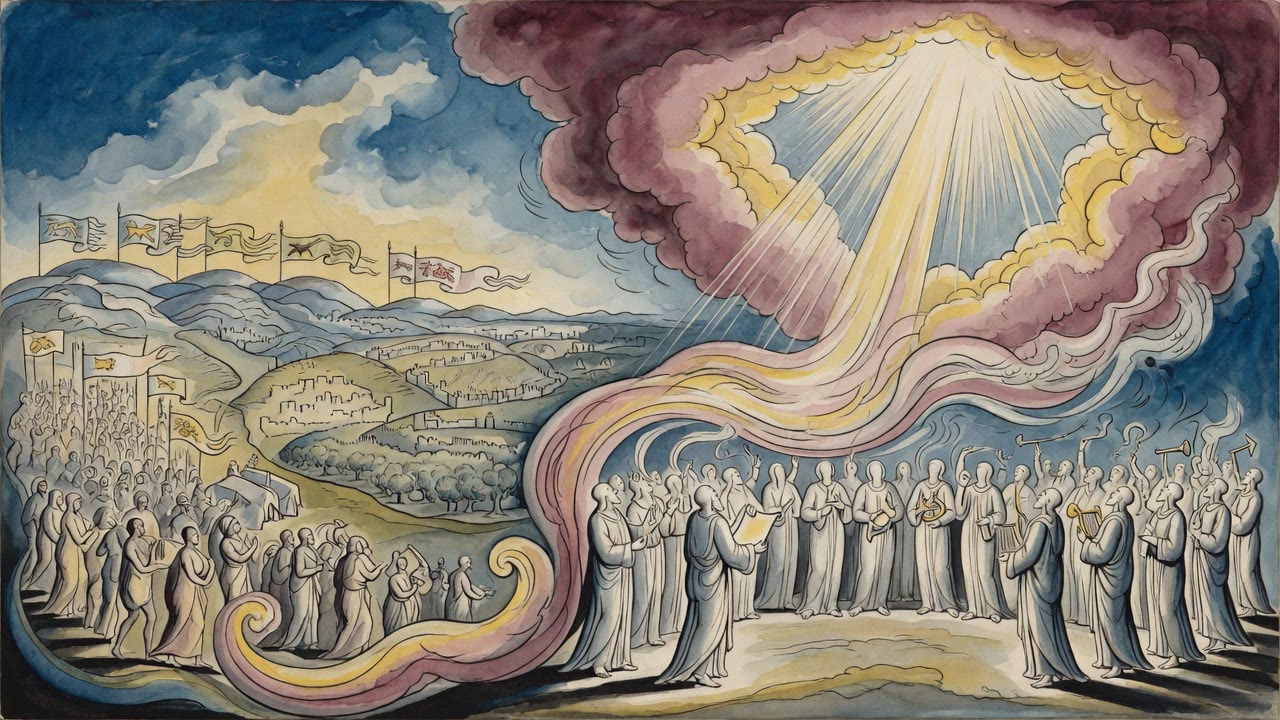
Every tribe received territory in Canaan. Levi received God. The rabbis insist this was not a penalty but the highest gift a tribe could be given.
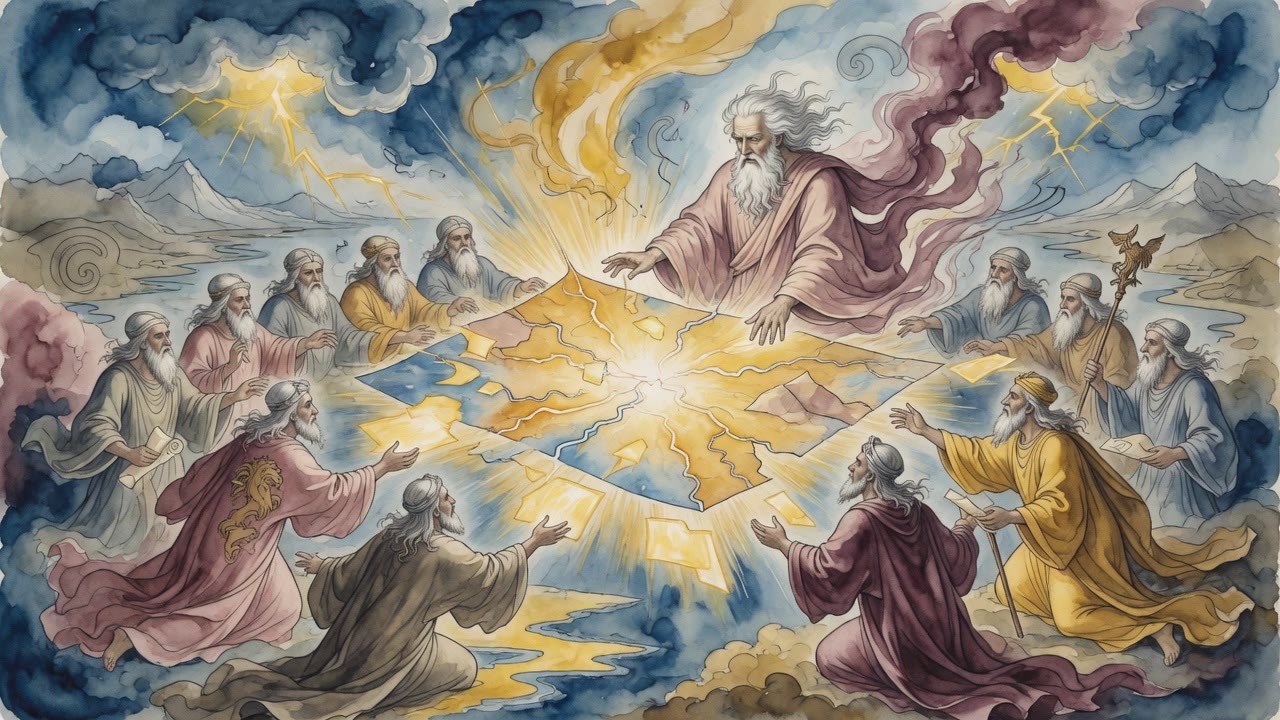
Seven years of war ended with a harder problem than any battle: the lots spoke aloud and each tribe received the land prepared for it.
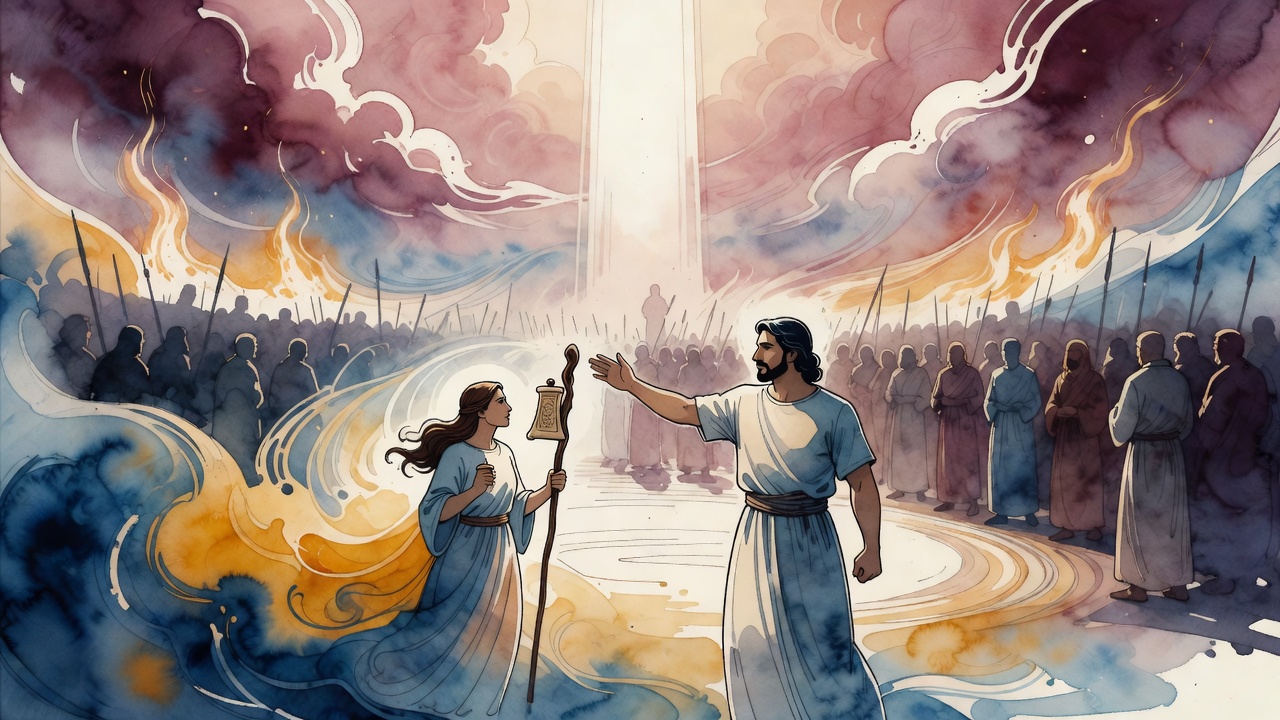
His roar carried four hundred parsangs. Hushim son of Dan heard it in Canaan and jumped. Egypt came close to turning over that afternoon.
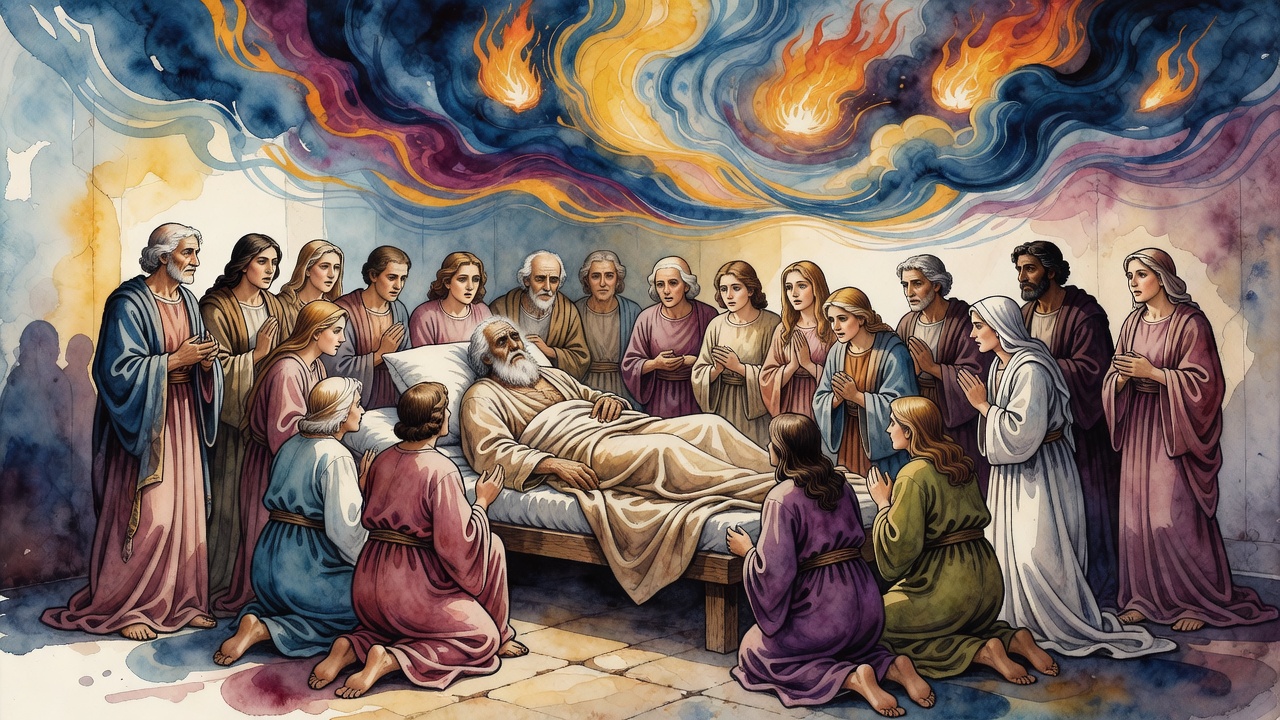
On his deathbed, the patriarch Simeon gathered his children and named the force that had once brought him to the edge of fratricide: not hatred, but envy.
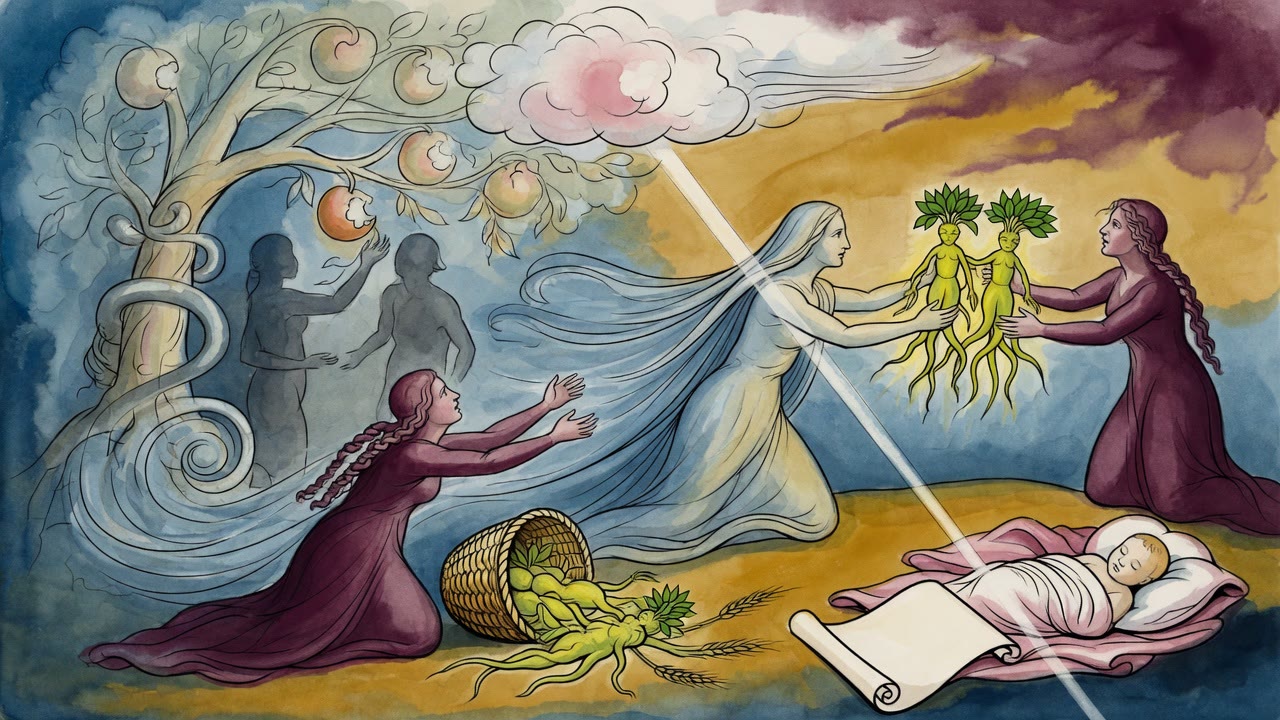
Reuben tied his father's donkey to a mandrake root and walked off. He came back to find the plant torn out of the ground and the donkey dead beside it.
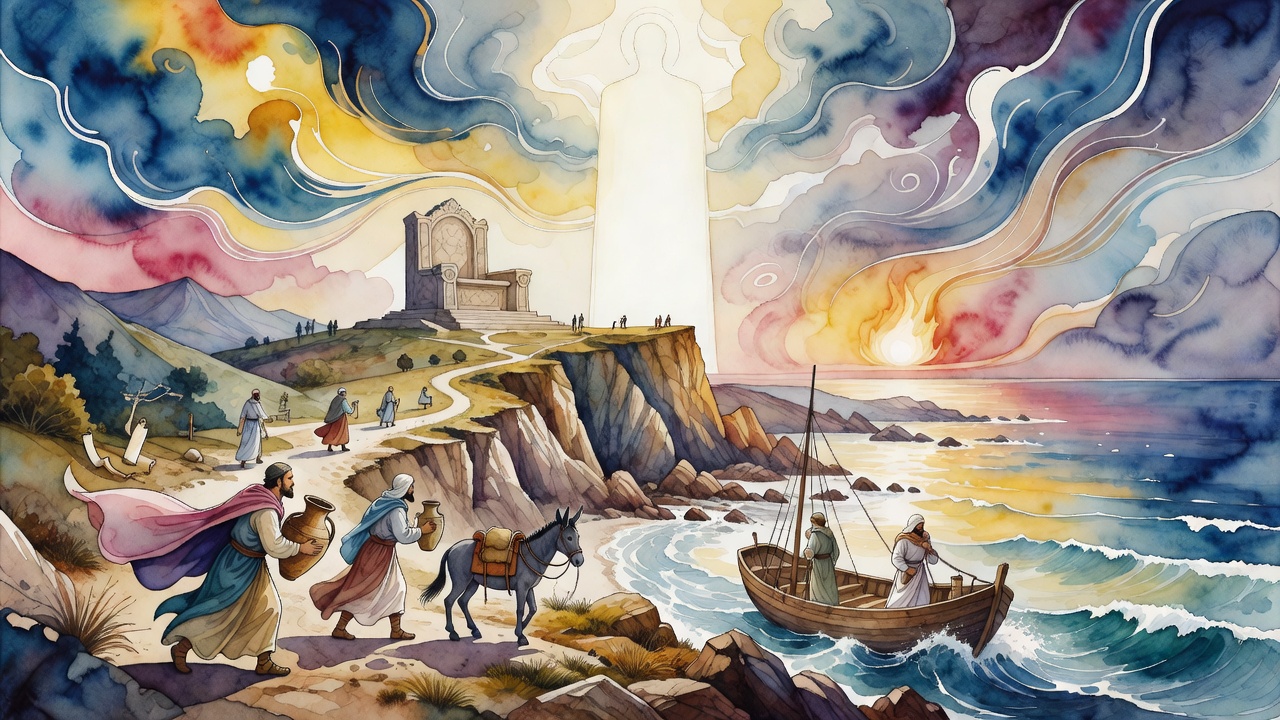
Zebulun is the forgotten tribe. No miracles, no prophets, no famous kings. Just trade routes and a coastline. The rabbis say that coastline built the Torah.
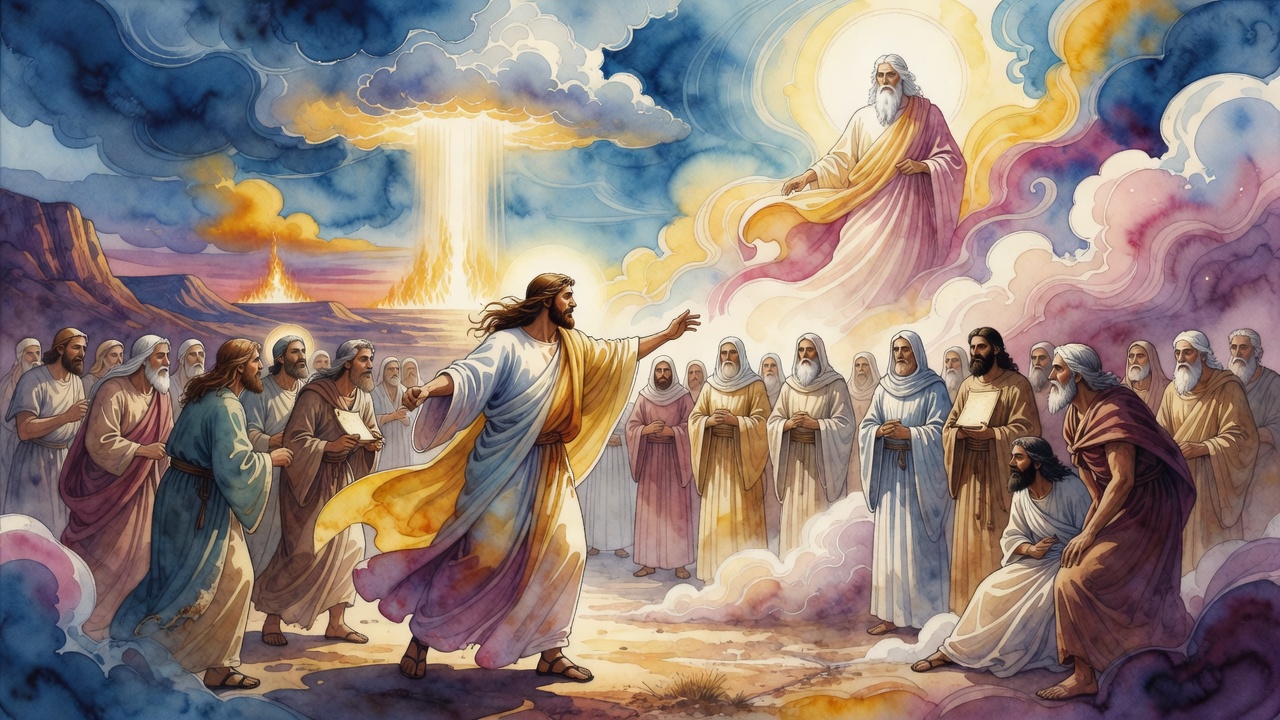
When Jacob blessed Dan and compared him to Judah, the tribal princes went silent. Dan led the rearguard, gathered the lost, and produced Samson.
