Levi Refused to See His Father at the Golden Calf
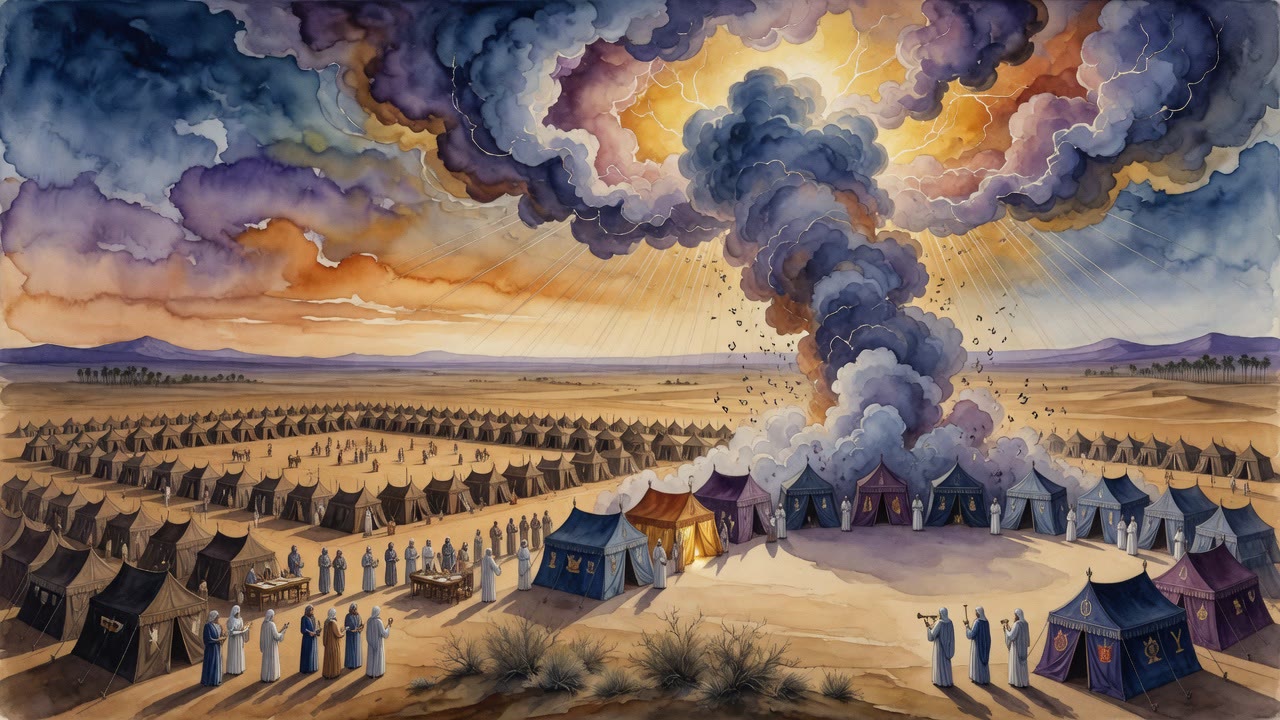
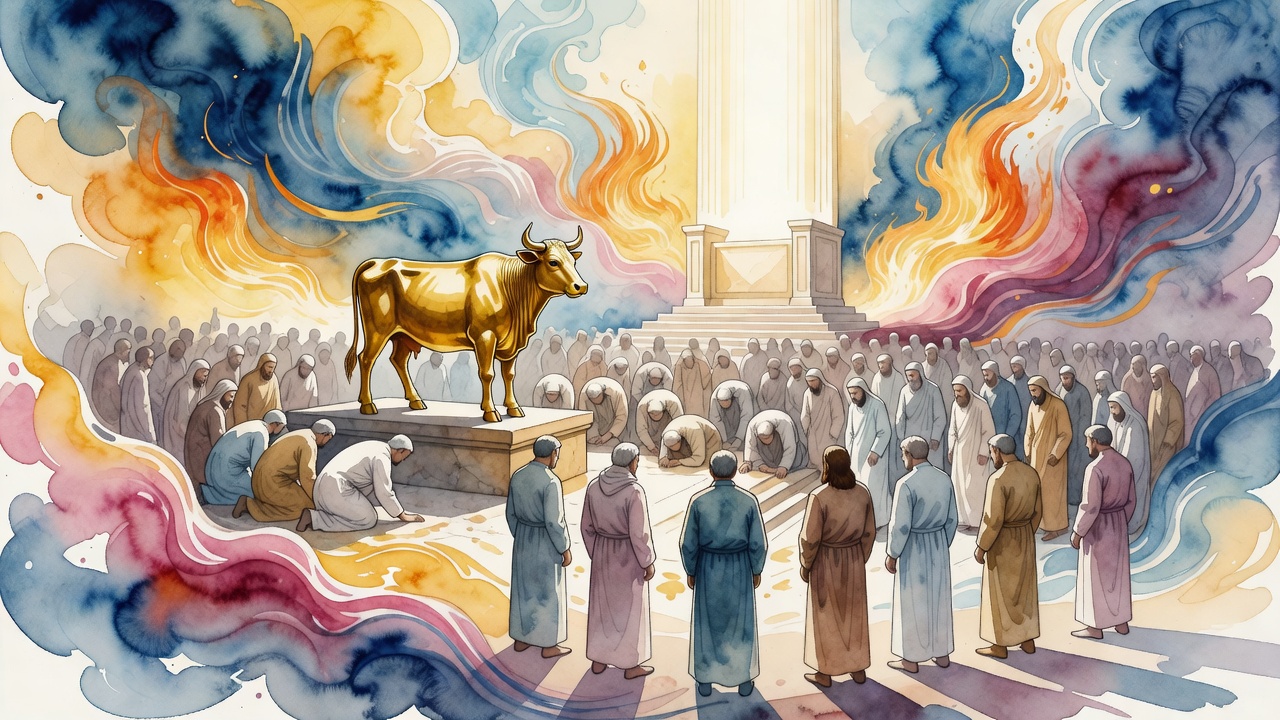
Gold dust still clung to beards when Moses reached the camp gate. Only one tribe crossed the open ground, and they had not given a ring to the calf.
Table of Contents
The calf still glittered when Moses reached the gate.
 Click for full size
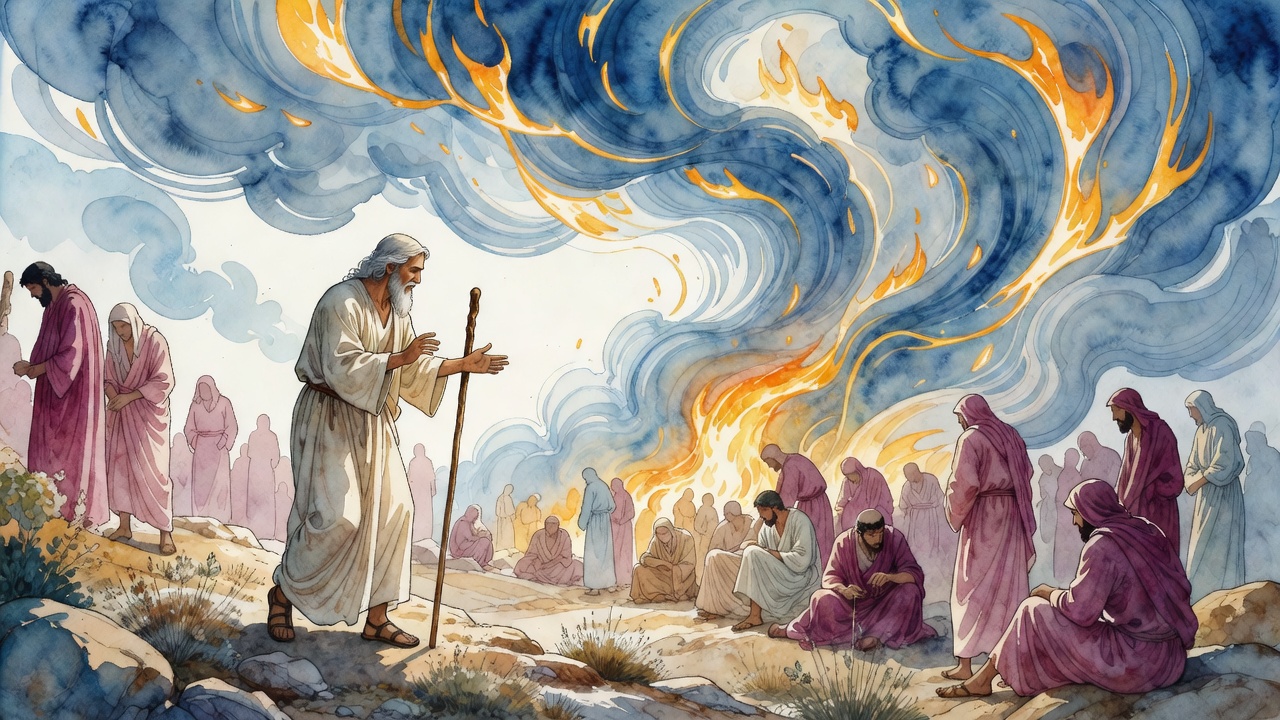
Gold dust clung to hands, mouths, beards, and water skins. The camp smelled of smoke and panic. Men who had danced a few hours earlier now listened for judgment in the wind.
The Call at the Camp Gate
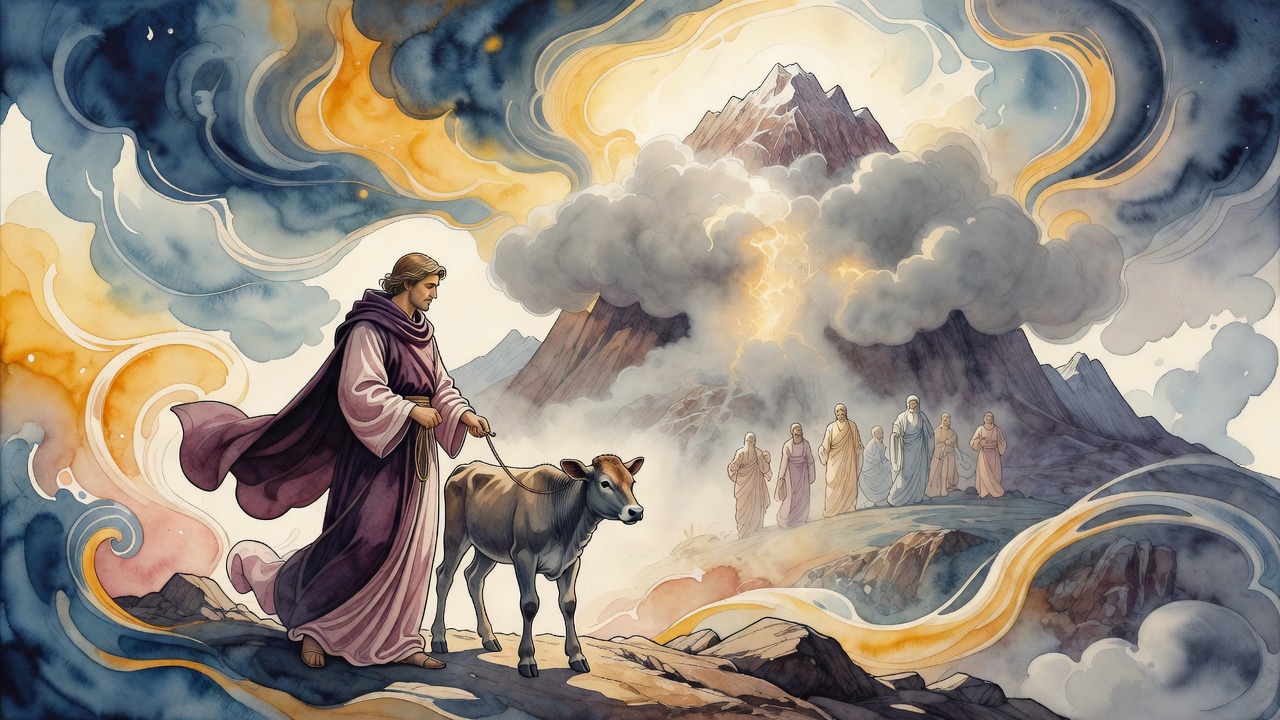
Moses did not walk into the center of the camp. He stood at the edge, at the sanhedrin gate, the place where elders render a verdict, and he cried out a single sentence. "Whoever fears the Lord, let him come to me." (Exodus 32:26)
The words cut cleanly. Whoever still belonged to Heaven had to move. No one could stay in the middle and call it peace.
The sons of Levi came first. They crossed the open ground toward Moses, not slowly, not after bargaining with cousins, not after measuring what the rest of Israel would do. Their feet made the answer before their mouths did. The tribe that would one day stand nearest the holy things now stood nearest the wound.
The Hands That Gave No Gold
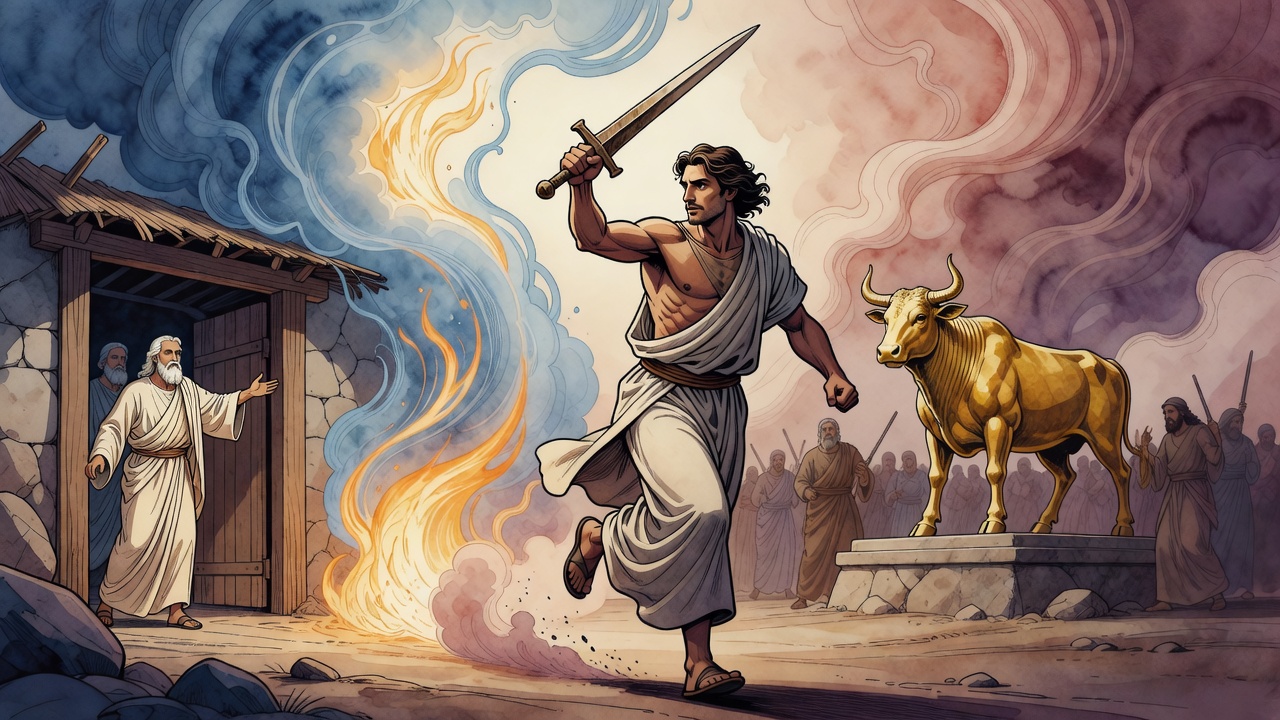
Some hands in the camp had stripped gold from their fingers for the calf. Levi had not. A ring that never fed the idol could grip a sword without pretending the past had disappeared.
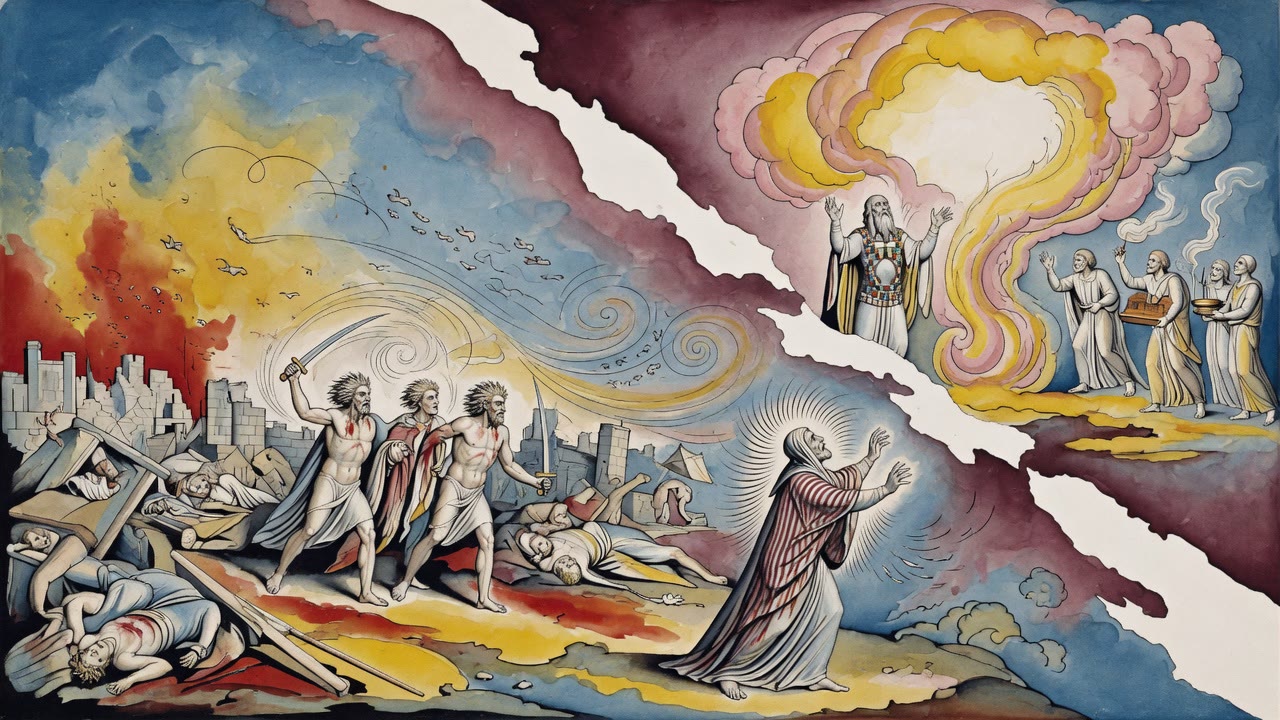
The whole tribe came. They had not bowed. They had not given metal to the statue. The blade in Levi's hand was not the panic of guilty men trying to purchase innocence. It was obedience arriving before the dust had settled.
Other tribes hesitated, hid, or already wore gold dust on their nostrils. Only Levi walked to the gate before anyone knew what the cost would be.
The Father Who Was Not Levi
Then a Levite raised his eyes and saw a face he knew.
The man standing with the calf was not a stranger. He was the father of the Levite's mother, an Israelite from another tribe who had stood with the gold. The Levite's own father, of Levi's house, was not in that crowd. Later a blessing would sound as if Levi had stared at his own father and said, "I have not seen him." The face in front of him was kin, and it was not Levi.
He took one step. The older man's mouth was still wet from the dance. Gold glittered at his throat. The Levite's own mother's father. For a breath the camp noise fell away, and the only question left was whether a household name could outweigh the Name that Moses had just called from the gate.
He did not lower the sword.
The brother he would not recognize was a brother from his mother, kin by blood but not by Levi's full house. The son he would not know was the son of his daughter, a grandson tied through marriage into another tribe. That did not make the sword light. It made the grief exact. He passed faces he knew. He heard names spoken at weddings and births. He decided that kinship could not cover the calf when the camp itself had become a court.
Blood Across Mixed Houses
The line ran through mixed households like a knife through cloth. A Levite's mother could be from Israel. His sister could have married beyond the tribe. His daughter could have sons among those who danced. Family spread wider than tribal duty, and the calf had used that width as shelter.
Levi refused the shelter. Affection had not died. The covenant had been dragged into the dirt before everyone's eyes. A man who could see only his family would spare the guilty. A man who could see only guilt would become hard as iron. Levi stood in the narrow place between them, where love still knew the face and judgment still raised the hand.
Priesthood began in that hour, not in clean robes or altar smoke. It began when a household name pulled one way and the Name of Heaven pulled the other, and Levi walked toward Moses anyway.
Staffs After the Stumble
Later, Israel would stumble again, with spies as well as with gold. A people needs something to lean on after the knees fail. Two tribes rose with staffs in their hands. Levi rose toward priesthood. Judah rose toward kingship. Oil for one, oil for the other. Crown for one, crown for the other. Nearness for one, nearness for the other.
Moses blessed Levi with the impossible words. He had not seen his father. He had not recognized his brother. He had not known his son. He had seen the calf, seen the breach, and walked to the gate while gold dust still floated in the air.
The tribe that would stand nearest the holy things had first stood nearest the wound, with a sword in a hand that had never given a ring.
← All myths