530 texts · Page 3 of 12
So, picture this: The Israelites are on the cusp of finally entering the land promised to their ancestors. Moses, following divine instruction, needs to get a lay of the land, so h...
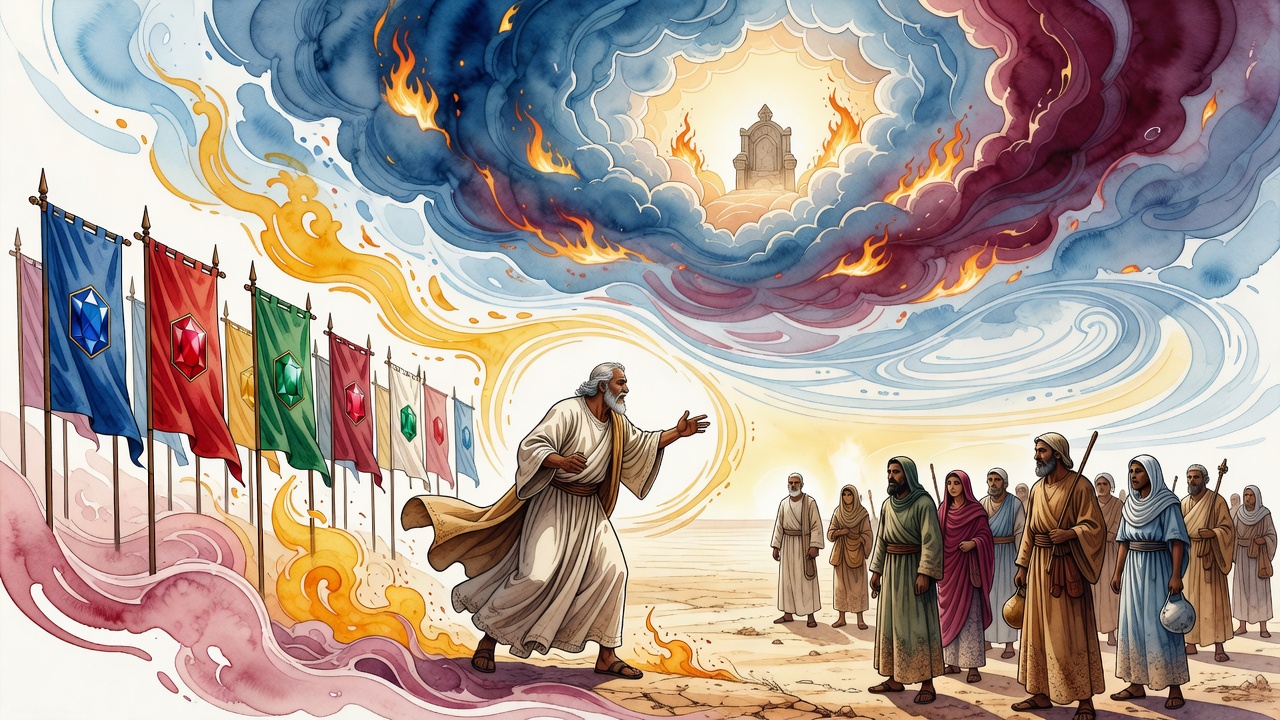
There's a fascinating little moment in the Torah that really highlights this human tendency, and it involves the tribes of Reuben and Gad. They come to Moses with a proposition. Th...
The rabbis of old certainly thought so. They saw names as holding the very essence of a thing, a little piece of its soul. Think about the Israelite tribes staking their claim to t...
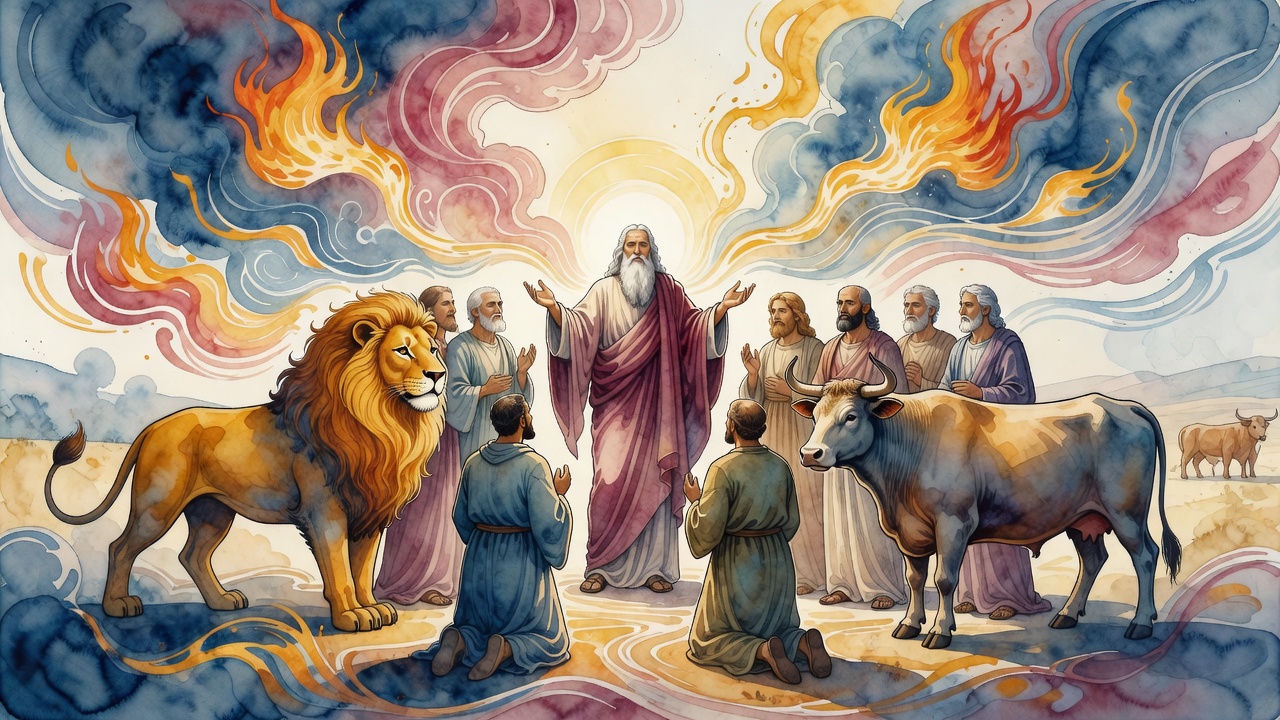
to a fascinating corner of Jewish legend, a story about the tribe of Asher, one of the twelve tribes of Israel, and the blessings they received. According to tradition, Moses himse...
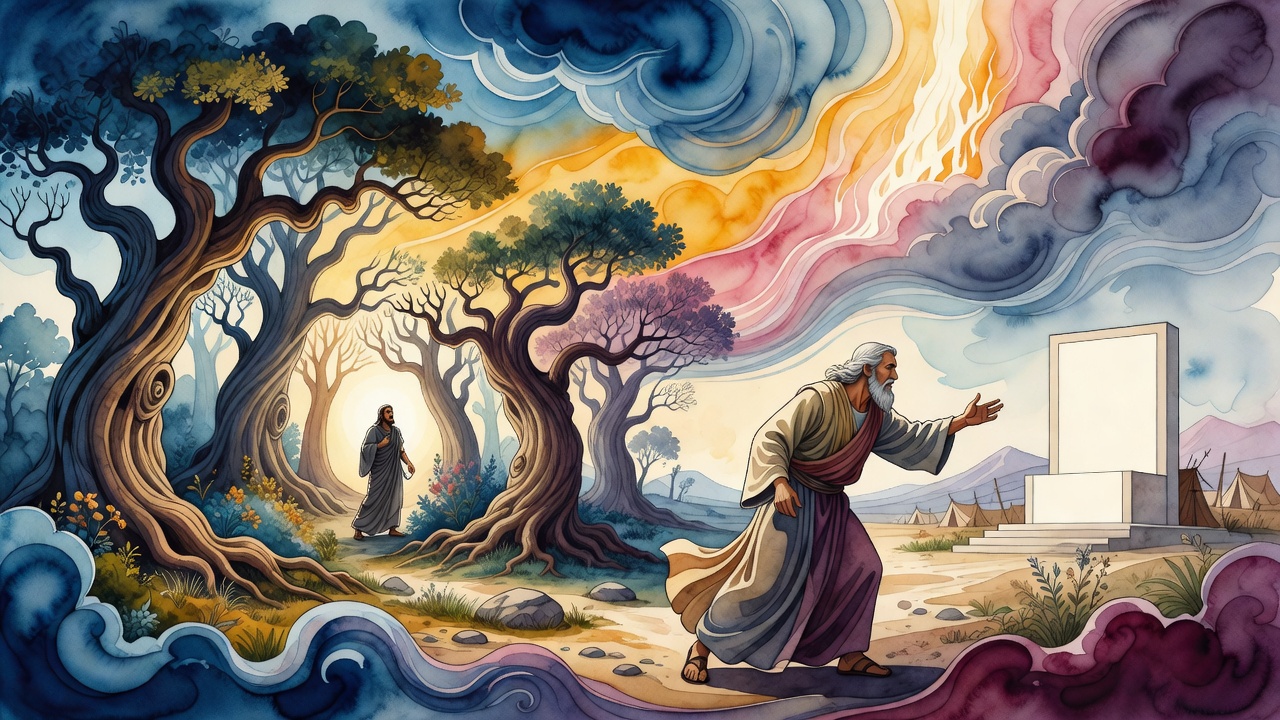
He went straight to the top, appealing to God Himself. Why? What went wrong? But God wouldn't answer. Why the divine silence? It wasn't just some cosmic mood swing. According to th...
It wasn't just a matter of drawing lines on a map. It was, according to tradition, a divinely orchestrated process, a fascinating blend of the practical and the miraculous. After s...
You return, weary but victorious, only to find… things aren't exactly as you left them. That's what happened to the two and a half tribes who ventured east of the Jordan River in t...
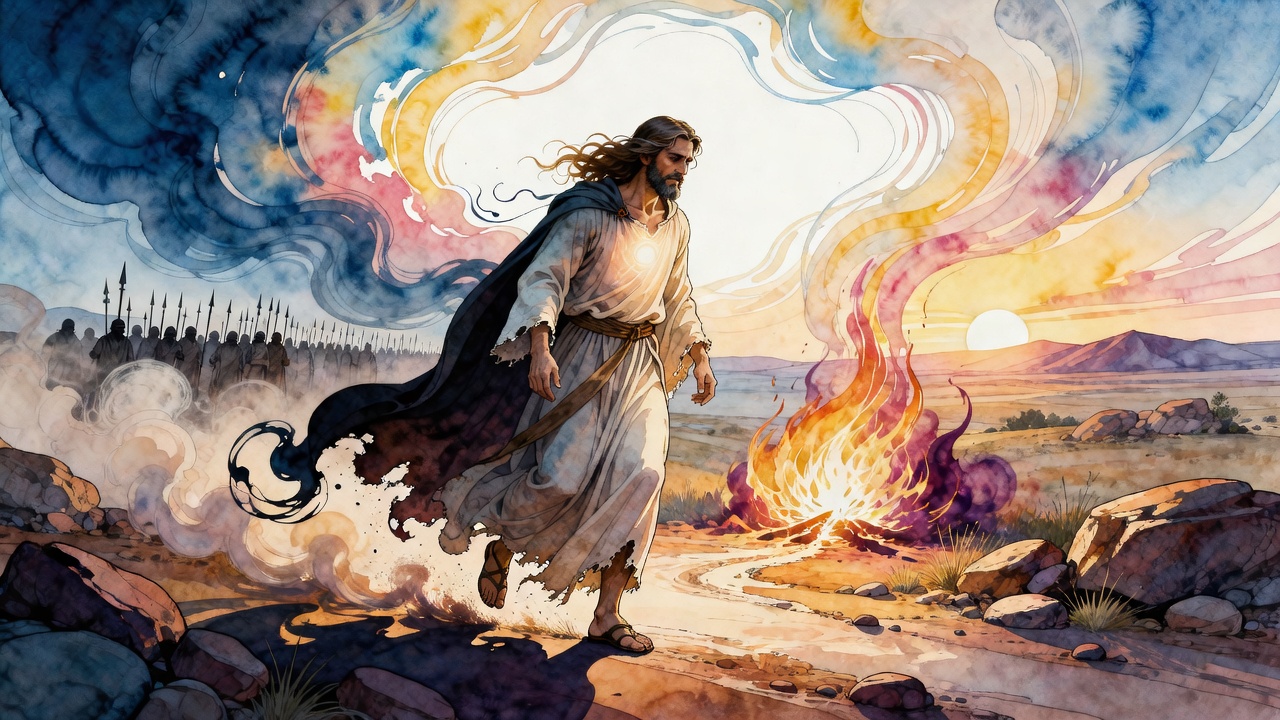
We pick up the story with a fiery display of divine retribution. Imagine this: an angel, not just any angel, but one wielding the power to incinerate a thousand men. The unfortunat...
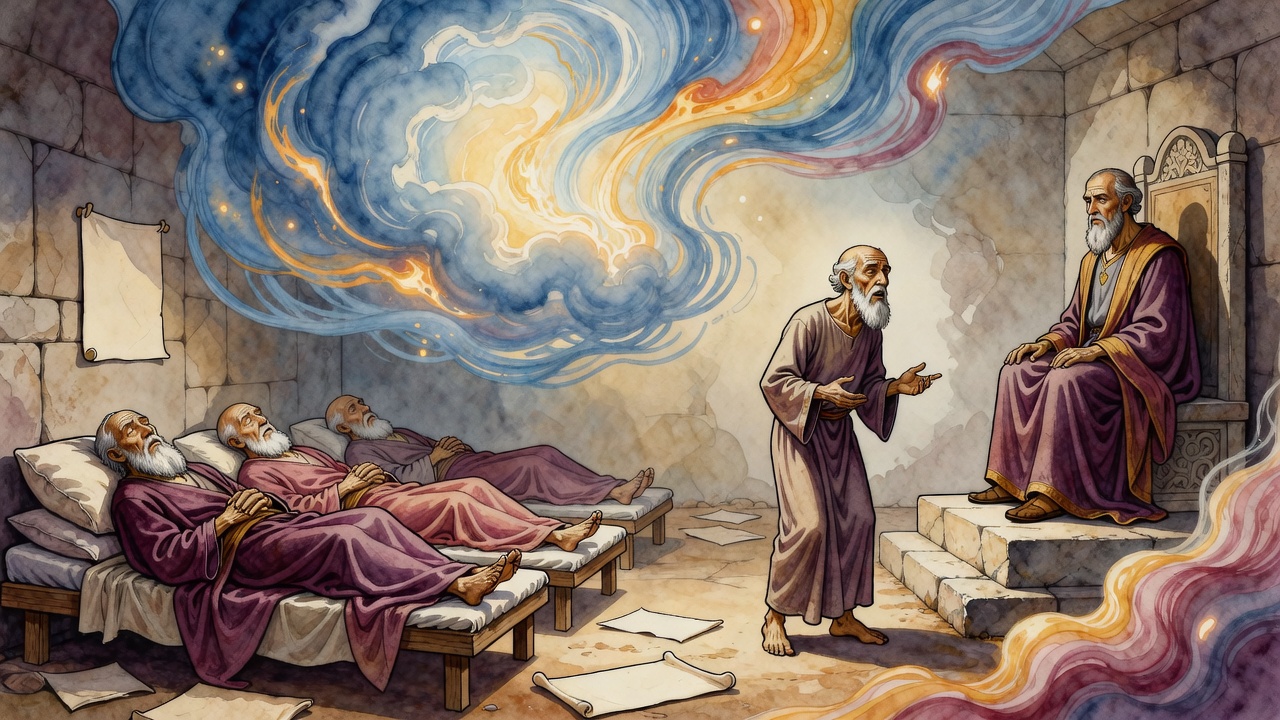
The Talmudic sages certainly did, wrestling with these questions in their interpretations of scripture. Take the story of Phinehas and the eleven tribes, for instance. Imagine this...
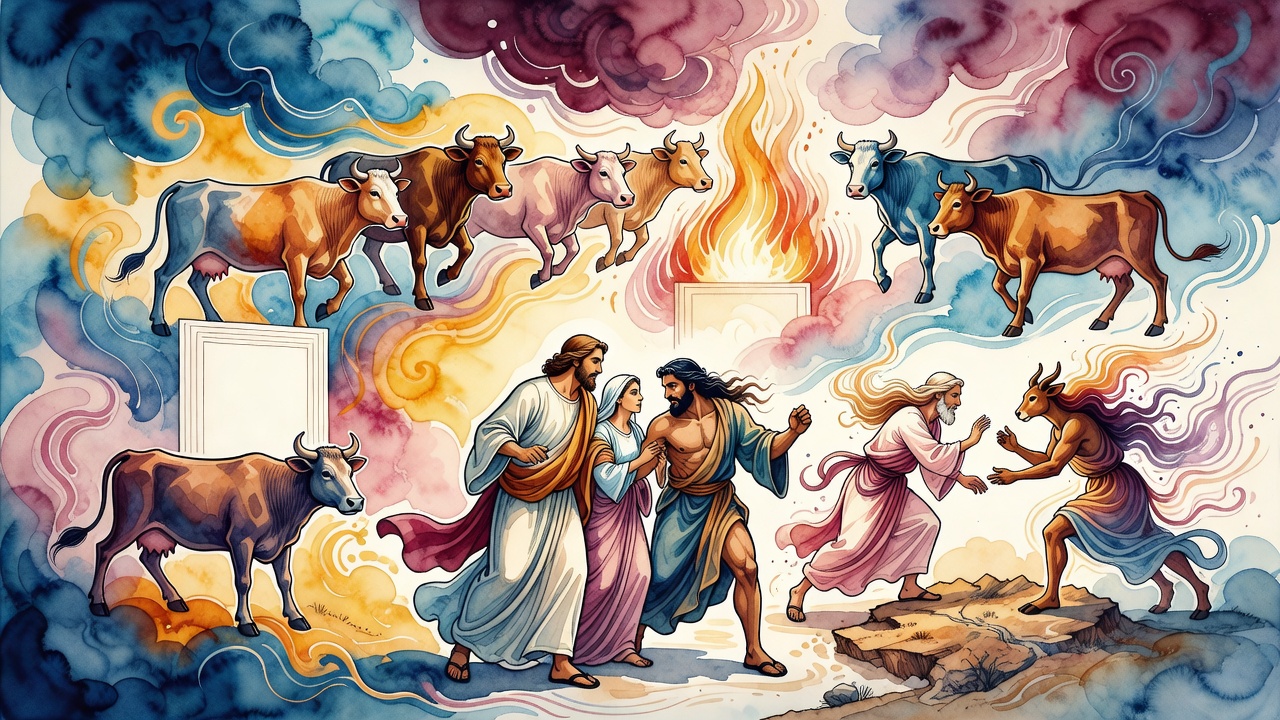
According to Legends of the Jews, he ingested a noxious reptile. Yikes! Now, you might expect a divine plague, or some sort of cosmic retribution. But instead, Elijah appears. Not ...
Now, Manasseh wasn't just any king. We’re talking about a guy who, according to tradition, knew fifty-two different interpretations of the Book of Leviticus! Leviticus! That's some...
He was keen on everyone, including the Jewish exiles in his kingdom, worshipping his gods. But Daniel? Daniel was proving to be a particularly tough nut to crack. So, according to ...
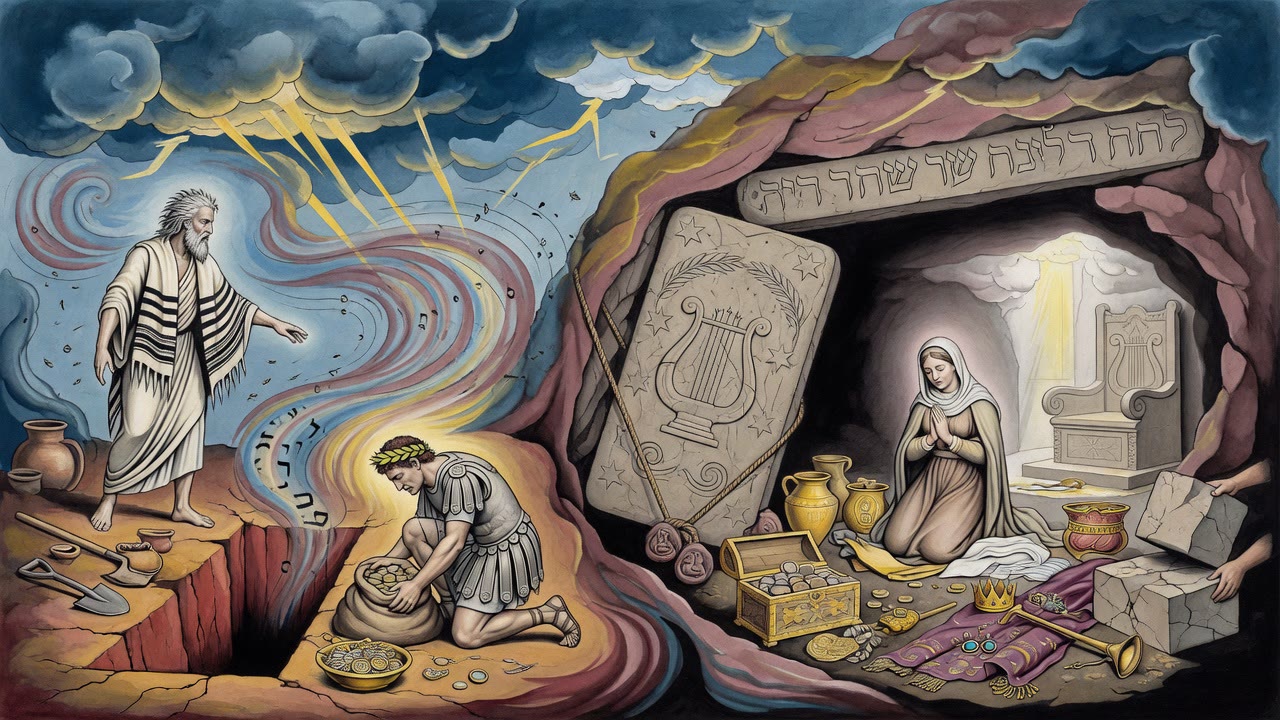
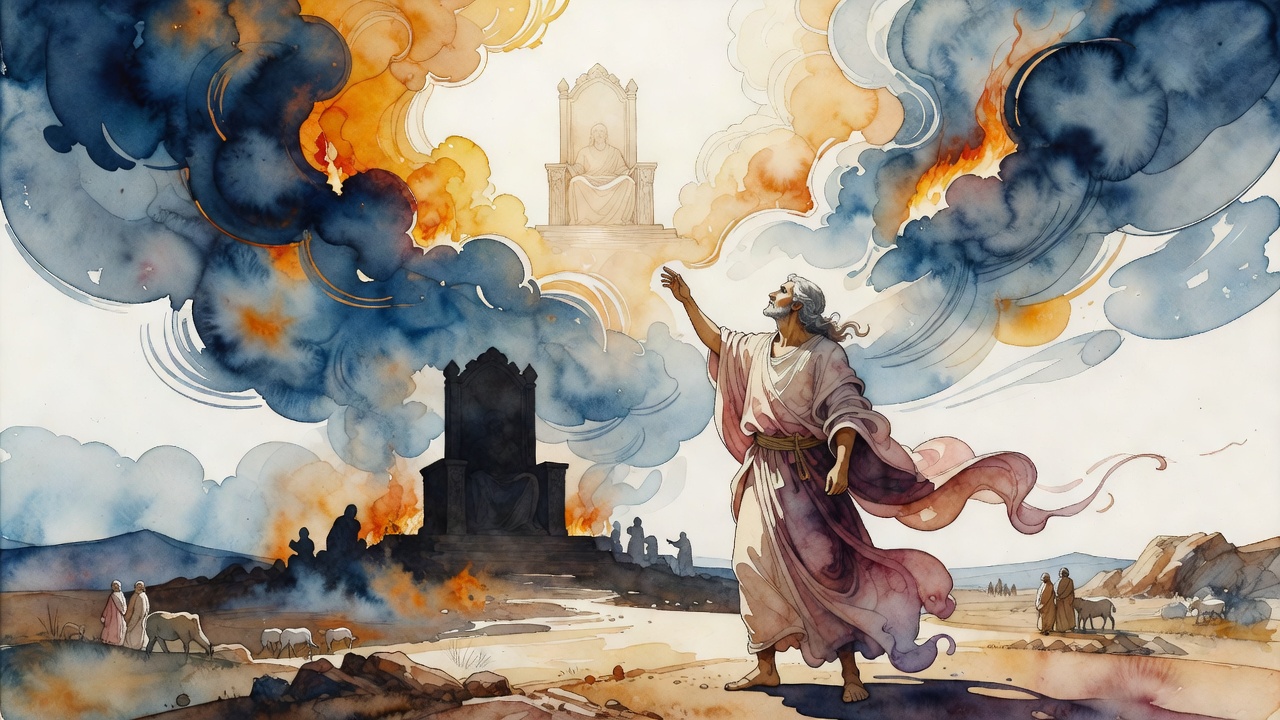
Instant mood killer. That’s precisely what happened to King Belshazzar. As we read in the Book of Daniel, the writing was on the wall—literally. And it foretold doom. The prophet D...
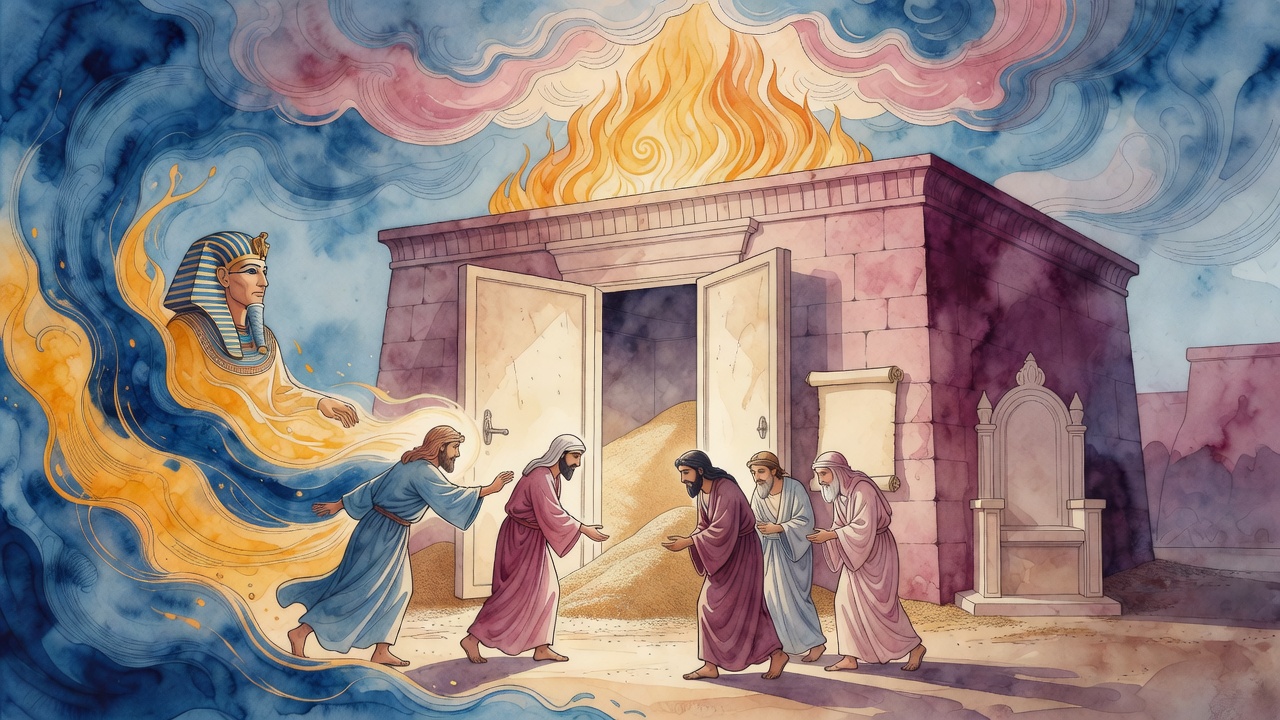
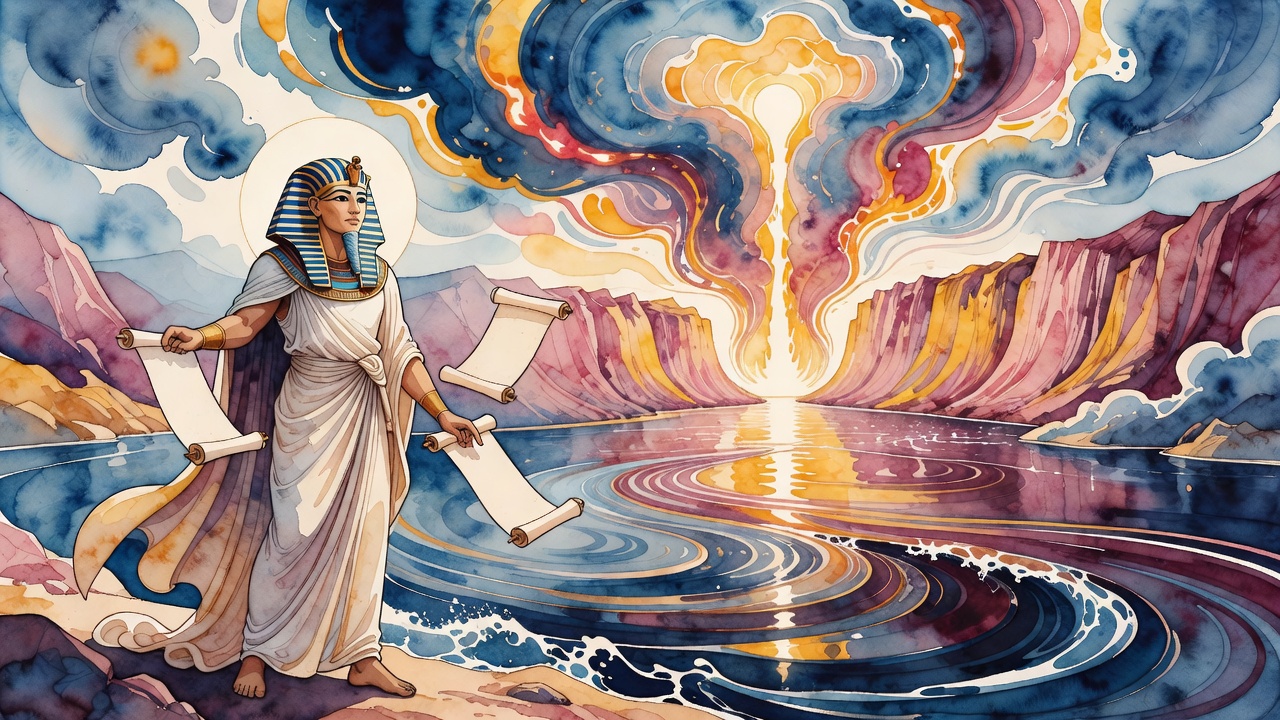
Sometimes, the most fascinating details are found in the stories around the stories, passed down through generations. Take Cyrus the Great, for instance. The Book of Ezra paints hi...
Even between the mightiest of rulers, it seems, human nature prevails. We often think of Cyrus and Darius as figures in history, names in textbooks. But consider their relationship...
We all know he plotted to annihilate the Jewish people in ancient Persia. But the Legends of the Jews, that incredible collection of rabbinic tales compiled by Louis Ginzberg, give...
The moment Joshua and Eleazar the high priest died, Israel began to unravel. Josephus does not soften this. The generation that had conquered Canaan gave way to one that could not ...
A famine drove one family out of Bethlehem and into the land of Moab. Elimelech took his wife Naomi and their two sons, Mahlon and Chillon, across the border to survive. The sons m...
Nine hundred and forty-seven years after the Exodus from Egypt, the northern kingdom of Israel ceased to exist. Shalmaneser, king of Assyria, discovered that Hoshea, the last king ...
Baal HaSulam, in his profound "Introduction to Zohar," offers a breathtaking insight. He tells us that God’s satisfaction in bestowing goodness upon creation is directly tied to ou...
We all probably have at some point. But what happens when that unwavering commitment actually causes harm? That's the kind of sticky situation that Baal HaSulam, in his remarkable ...
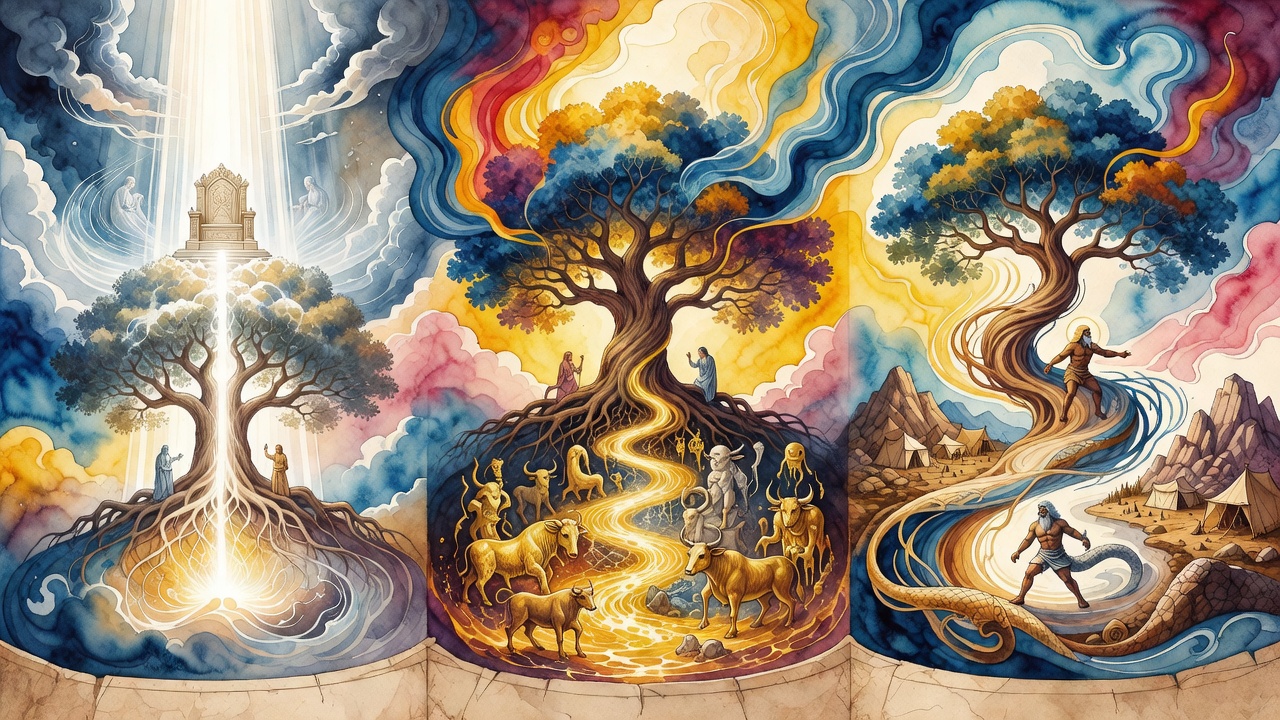
It's not just some vague, formless energy. In Kabbalah, the divine manifests in intricate structures called partzuf (a divine configuration)im (divine countenances or configuration...
Kabbalah, with its intricate symbolic language, offers a fascinating way to understand such barriers – and how we might overcome them. Today, we're diving into a concept from the S...
That feeling might be more cosmically significant than you think! In Kabbalah, the ancient Jewish mystical tradition, we often explore complex relationships between different aspec...
That's actually a pretty insightful way to think about Kabbalah, the ancient Jewish mystical tradition. Specifically, it touches on this idea of how divine abundance, what's called...
Today, we're diving into a concept from Kabbalah, specifically from the Petichah LeChokhmat HaKabbalah, that deals with exactly that: the collision of lights and its profound conse...
That feeling… it's not new. Generations have felt it. And sometimes, you hear echoes of their struggles, their fears, and their hopes in the most unexpected places. Take, for examp...
We'll be exploring a small, but incredibly rich, fragment of his work, the Asarah Perakim – Ten Chapters. Specifically, we're looking at a passage that speaks about the formation o...
It’s a profound and beautiful concept explored in the teachings of the Ramchal, Rabbi Moshe Chaim Luzzatto, specifically in his work Asarah Perakim LeRamchal. The Ramchal unveils a...
It’s a question that’s echoed through Jewish mystical thought for centuries. And Rabbi Moshe Chaim Luzzatto, the Ramchal, gives us a glimpse into that profound mystery in his work,...
But they're not just abstract concepts. They’re active forces, constantly shaping and influencing our reality. Think of them as the building blocks of creation, the very energies t...
It paints a picture of the universe, and everything in it, as intricately linked, a cosmic dance of interconnectedness. And where do we find this idea laid out? In a text called Ka...
Let’s talk about the flow, the transfer of shefa, divine abundance, through the sefirot (the divine emanations), those emanations of God's light. Specifically, how it moves from Ab...
And in the intricate tapestry of Kabbalah, the answer lies in a fascinating interplay of divine forces. We're talking about the delicate dance between Israel Sabba and Tevunah, and...
Kabbalah, Jewish mysticism, offers a fascinating explanation, and it all revolves around the concept of Partzuf (a divine configuration)im (the divine configurations). Now, Partzuf...
The core idea revolves around a cosmic dance, a reciprocal flow between the feminine and masculine aspects of the divine. Think of it as a spiritual ecosystem, where what ascends i...
The Sefer HaBahir, one of the earliest and most influential texts of Kabbalah, invites us to see more than just symbols. It urges us to see pathways, flows of divine energy, right ...
The text presents us with two versions: Y-Q-Q-V (י־ק־ק־ו) and Y-V-Q-Q (י־ו־ק־ק). What does it all mean? According to the Tikkun (spiritual repair)ei Zohar, these arrangements repre...
The Tikkun (spiritual repair)ei Zohar, a profound and intricate companion to the Zohar, opens up a whole universe of mystical meaning just in the curves and points of the alphabet....
to a passage from Tikkun (spiritual repair)ei Zohar 91, a section that unpacks the different ways we encounter and understand the divine presence, represented here as a feminine fo...
Rabbi Levi Yitzchak of Berditchev, in his Kedushat Levi commentary on the opening verse of the Torah, makes a claim that sounds simple but overturns how most people think about cre...
"These are the generations of Isaac, the son of Abraham; Abraham begot Isaac" (Genesis 25:19). The repetition seems redundant. If Isaac is the son of Abraham, we know Abraham begot...
"He blessed them on that day, saying: may God make you like Ephraim and Manasseh" (Genesis 48:20). Rabbi Levi Yitzchak of Berditchev uses Jacob's blessing to explain a peculiar tea...
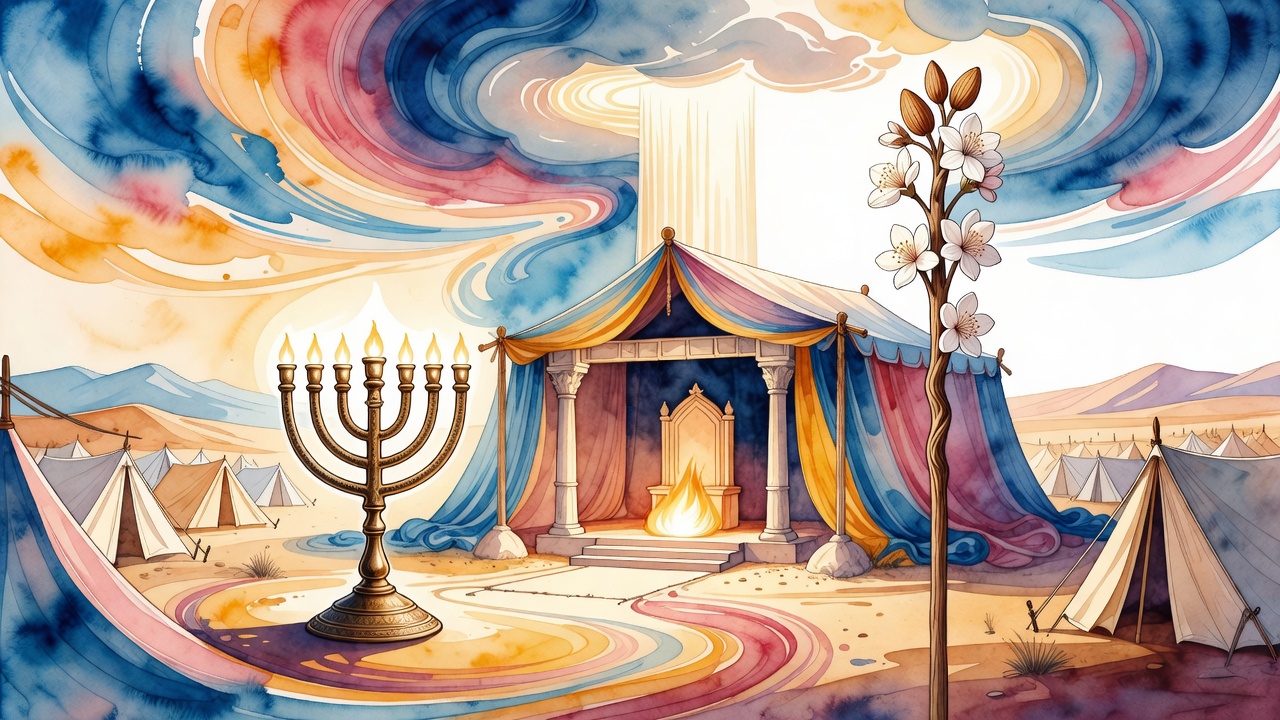
"They shall take for Me a contribution" (Exodus 25:2). The first commandment God gave after the revelation at Sinai was to build Him a home. Rabbi Levi Yitzchak of Berditchev finds...
Parashat Pekudei opens with an accounting of the Tabernacle's materials (Exodus 38:21), but the Kedushat Levi (Rabbi Levi Yitzchak of Berditchev) sees something far deeper than a l...
Before Aaron was chosen for the priesthood, every member of Israel was eligible to serve as a priest. The entire nation stood on equal footing when it came to approaching God throu...
Even when God spoke to the prophets outside the land of Israel, He did so only in the merit of the patriarchs — and even then, only in a ritually clean place near water. The Mekhil...
(Ibid. 3) "On the tenth day of this month, they shall take": This tells me that only the tenth day is kasher for taking. Whence do I derive (the same for) the fourteenth day? It fo...