Tribes

530 texts · Page 4 of 12

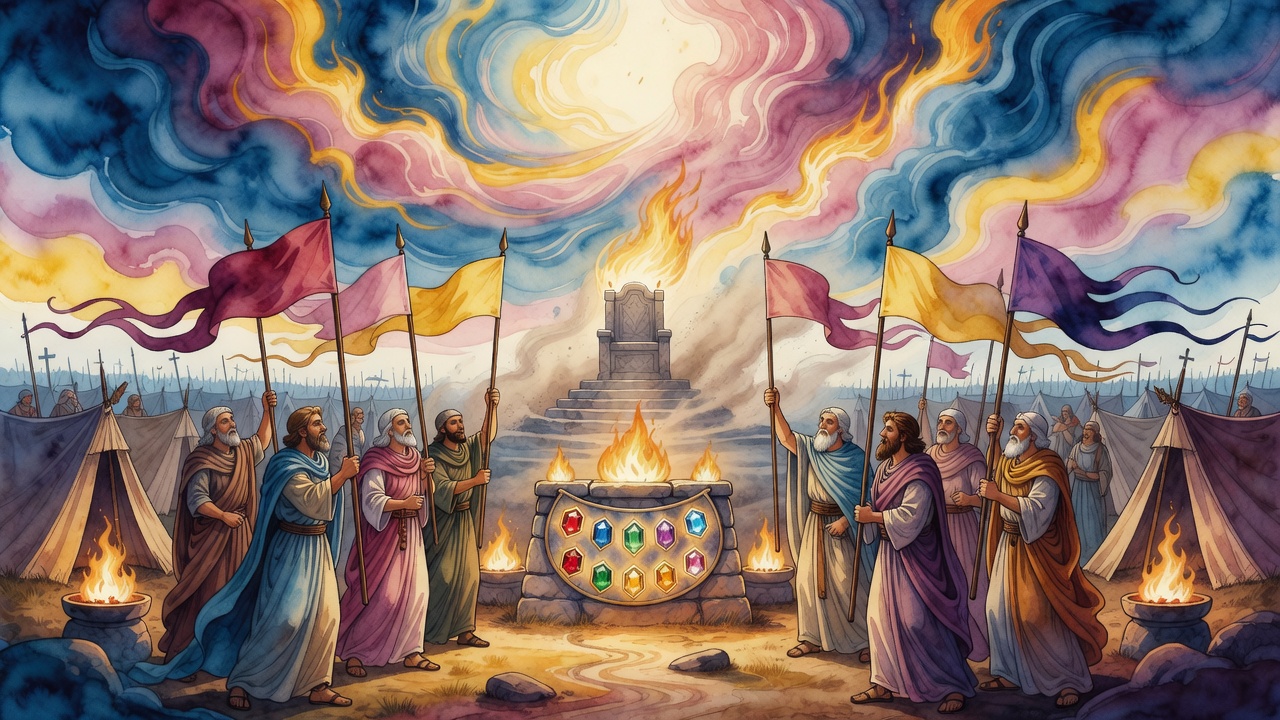
The twelve tribes of Israel, their blessings, their banners, their territories, and the lost ten tribes scattered beyond the Sambatyon River.

) "according to the michsah of souls" — "michsah" connotes a

Mekhilta DeRabbi Yishmael Mekhilta DeRabbi Yishmael

The Torah uses an unusual word — "michsah" — when describing how the Passover lamb should be allocated. (Exodus 12:4) says the lamb must be divided "according to the michsah of sou...

Yossi Haglili said — If a ram, which is unfit (as an

Mekhilta DeRabbi Yishmael Mekhilta DeRabbi Yishmael

Rabbi Yossi Haglili employed one of the most powerful tools in rabbinic reasoning — the kal vachomer, the argument from lesser to greater — to settle a question about the Pesach (P...

of the lambs and of the goats shall you take it" — of each

Mekhilta DeRabbi Yishmael Mekhilta DeRabbi Yishmael

The Torah specifies that the Passover offering must come "from the lambs and from the goats" (Exodus 12:5). Does this mean both species are required together, or can either one suf...

from Israel" — I might think that it is cut off from Israel

Mekhilta DeRabbi Yishmael Mekhilta DeRabbi Yishmael

The Torah warns that whoever eats chametz during Passover will have their soul "cut off from Israel." The punishment is kareth — spiritual excision from the community. But the Mekh...

All labor shall not be done in them" — Neither you nor your

Mekhilta DeRabbi Yishmael Mekhilta DeRabbi Yishmael

The Torah states in (Exodus 12:16) that "all labor shall not be done" on the festival days. The Mekhilta asks a pointed question: who exactly is covered by this prohibition? The an...

Similarly, (Leviticus 10 — 3) "This is as the L–rd spoke

Mekhilta DeRabbi Yishmael Mekhilta DeRabbi Yishmael

The Mekhilta, the tannaitic midrash on Exodus, explores a striking rhetorical pattern found throughout the Hebrew Bible: moments where a prophet says God "has spoken," and the rabb...

Similarly, (Isaiah 1 — 19-20) "If you acquiesce and pay heed

Mekhilta DeRabbi Yishmael Mekhilta DeRabbi Yishmael

The Mekhilta, the halakhic midrash on Exodus from the 2nd century CE, examines one of the starkest either-or passages in the Prophets. Isaiah delivers God's ultimatum: "If you acqu...

The Promise of Peace Under the Grapevine Traces Back to Leviticus

Mekhilta DeRabbi Yishmael Mekhilta DeRabbi Yishmael

The prophet Micah painted one of the most beloved images in all of Jewish prophecy: "And each man will sit under his grapevine and under his fig tree, and none shall make them afra...

Similarly, (Isaiah 66 — 20-21) "And they will bring all your

Mekhilta DeRabbi Yishmael Mekhilta DeRabbi Yishmael

The Mekhilta, the halakhic midrash on Exodus from the tannaitic period, examines a stunning prophecy from Isaiah about the final ingathering of exiles. Isaiah declares: "And they w...

And thus with Chananiah, Mishael, and Azaryah, viz

Mekhilta DeRabbi Yishmael Mekhilta DeRabbi Yishmael

The Mekhilta, the tannaitic midrash on Exodus, illustrates a remarkable principle about obedience to authority through the story of Chananiah, Mishael, and Azariah — three Jewish m...

Similarly, (Leviticus 6 — 5) "And the Cohein shall burn wood

Mekhilta DeRabbi Yishmael Mekhilta DeRabbi Yishmael

The Torah commands: "And the priest shall burn wood upon it every morning" (Leviticus 6:5), referring to the daily kindling of fire on the altar. The Mekhilta immediately asks: why...

Variantly — "from day to day" — We are hereby apprised that

Mekhilta DeRabbi Yishmael Mekhilta DeRabbi Yishmael

How often must a person inspect their tefillin (leather phylacteries worn during prayer) to make sure the scrolls inside are still intact? The Mekhilta derives the answer through a...

Azzai says — What is the intent of "Veha'avarta"

Mekhilta DeRabbi Yishmael Mekhilta DeRabbi Yishmael

Shimon b. Azzai says: What is the intent of "Veha'avarta"? From (Leviticus 27:32) "Whatever (beast) passes ('ya'avor') under the staff" (for tithing), I would think that an orphan,...

I have not succeeded (in deriving the halachah) by logic alone

Mekhilta DeRabbi Yishmael Mekhilta DeRabbi Yishmael

I have not succeeded (in deriving the halacha (Jewish religious law)h) by logic alone. (I must, therefore, derive it thus:) It is written here (Exodus) "Veha'avarta," and there (Le...

) "And chamushim did the children of Israel go up from the

Mekhilta DeRabbi Yishmael Mekhilta DeRabbi Yishmael

(Ibid.) "And chamushim did the children of Israel go up from the land of Egypt": "chamushim" indicates "armed," as in (Joshua 1:14) "Then you shall cross over chamushim" (in contex...

) "and you shall bring up my bones from here with you" — I

Mekhilta DeRabbi Yishmael Mekhilta DeRabbi Yishmael

Joseph's dying request to his brothers included a subtle but legally significant phrase: "And you shall bring up my bones from here with you" (Genesis 50:25). The Mekhilta zeroes i...

) "The desert has closed upon them" — When Israel saw the

Mekhilta DeRabbi Yishmael Mekhilta DeRabbi Yishmael

When Israel stood at the edge of the Red Sea and saw the water raging before them, their first instinct was to flee into the desert. But God had sealed that escape route too. The M...

What is written of the kingdom of Greece

Mekhilta DeRabbi Yishmael Mekhilta DeRabbi Yishmael

The Mekhilta turns to the prophet Daniel's vision of the four kingdoms, focusing on the terrifying image assigned to Greece. In (Daniel 7:6), the kingdom of Greece appears as a leo...

And thus is it written (Genesis 49 — 9) "A lion's whelp is

Mekhilta DeRabbi Yishmael Mekhilta DeRabbi Yishmael

The Mekhilta draws yet another proof of prayer's supreme power from Jacob's blessing over the tribe of Judah. The Torah declares: "A lion's whelp is Judah" (Genesis 49:9). On the s...

Yehudah of Bortutha says — In the merit of the tribes I will

Mekhilta DeRabbi Yishmael Mekhilta DeRabbi Yishmael

Rabbi Eliezer ben Yehudah of Bortutha declared that God split the Red Sea in the merit of the twelve tribes of Israel. The tribal structure of the nation — not the faith of any sin...

And thus with Egypt, viz

Mekhilta DeRabbi Yishmael Mekhilta DeRabbi Yishmael

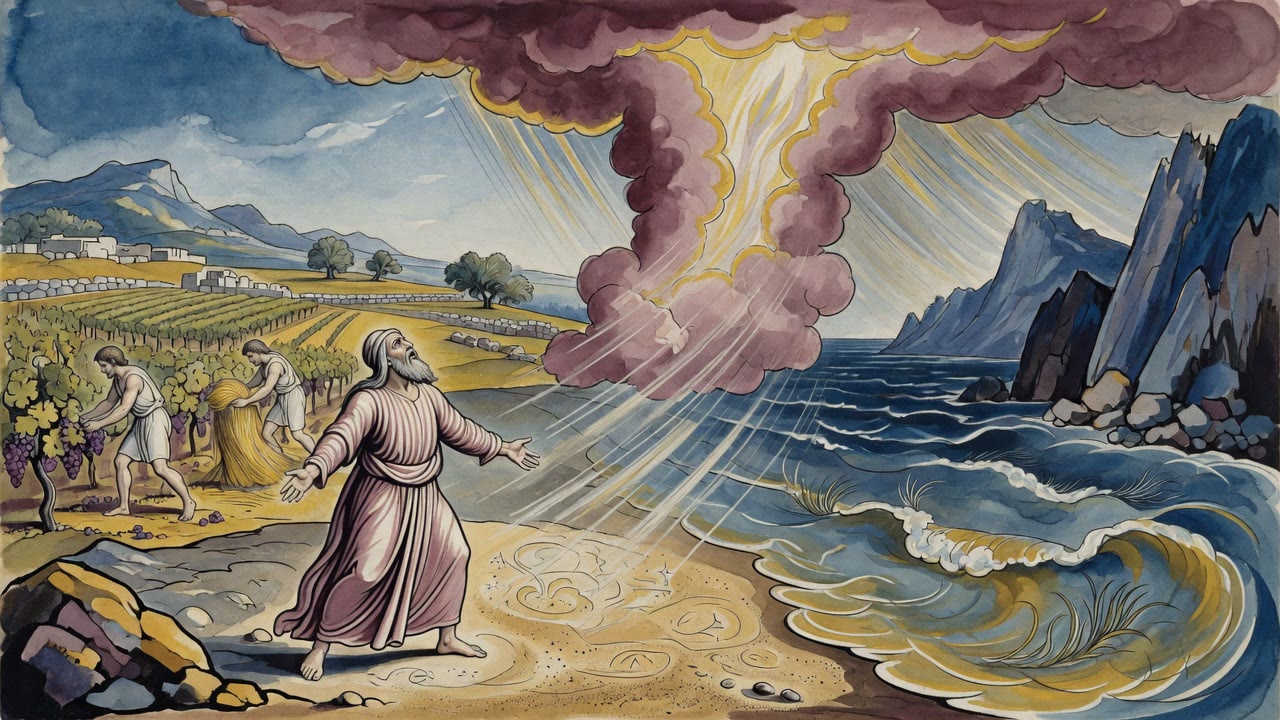
God uses the east wind as an instrument of judgment, and the pattern repeats across the Hebrew Bible with striking consistency. In Egypt, it was the east wind that brought the plag...

(Exodus 14 — 22) "And the children of Israel came in the

Mekhilta DeRabbi Yishmael Mekhilta DeRabbi Yishmael

(Exodus 14:22) "And the children of Israel came in the midst of the sea on the dry land": R. Meir perceives it one way; R. Yehudah, another. R. Meir: When the tribes were standing ...

Did Judah Earn Kingship by Offering Himself for Benjamin

Mekhilta DeRabbi Yishmael Mekhilta DeRabbi Yishmael

The Mekhilta preserves a rapid-fire debate about what exactly earned the tribe of Judah the right to kingship over Israel. The exchange is compressed and dramatic, as rabbinic dial...

They — Master, you tell us

Mekhilta DeRabbi Yishmael Mekhilta DeRabbi Yishmael

The students asked their teacher: "Master, you tell us — in what merit did the tribe of Judah attain kingship over Israel?" Rabbi Tarfon gave an answer that has echoed through Jewi...

Nevuchadnezzar and all his hosts," viz

Mekhilta DeRabbi Yishmael Mekhilta DeRabbi Yishmael

Nebuchadnezzar, king of Babylon, stood as the supreme example of human arrogance brought low. The Mekhilta recounts how this mighty ruler dared to place himself above all creation....

8 — 1-6) "King Belshazzar made a great banquet, etc

Mekhilta DeRabbi Yishmael Mekhilta DeRabbi Yishmael

Belshazzar, king of Babylon, threw the banquet that ended his dynasty. The Mekhilta cites (Daniel 5:1) — "King Belshazzar made a great banquet" — and reads it as the culmination of...

Variantly — When Israel crossed the Jordan, all the kings of

Mekhilta DeRabbi Yishmael Mekhilta DeRabbi Yishmael

The Mekhilta offers a variant tradition that shifts the scene from the Red Sea to the Jordan River. When Israel crossed the Jordan into the Promised Land, all the kings of Canaan b...

Similarly, (Genesis 34 — 25) "Shimon and Levi, the brothers

Mekhilta DeRabbi Yishmael Mekhilta DeRabbi Yishmael

The Torah recounts that when the city of Shechem violated Dinah, it was specifically Shimon and Levi who took up swords and avenged her. The verse calls them "the brothers of Dinah...

Eliezer says — It was like "haggadah" (from "gad"), which

Mekhilta DeRabbi Yishmael Mekhilta DeRabbi Yishmael

The Mekhilta DeRabbi Yishmael preserves two interpretations of the manna's name, both attributed to tannaitic authorities, and both reveal how the rabbis found layers of meaning in...

and Aaron and Chur supported his hands—one on one side

Mekhilta DeRabbi Yishmael Mekhilta DeRabbi Yishmael

During the battle against Amalek, Moses stood on a hilltop with his arms raised, channeling divine power to the Israelite warriors below. But holding your arms up for hours is grue...

and, in the end, Moses arose and implored (that he be

Mekhilta DeRabbi Yishmael Mekhilta DeRabbi Yishmael

and, in the end, Moses arose and implored (that he be permitted to enter the land, etc.), viz. (Devarim 3:24) "And I entreated the L–rd at that time, saying, etc." An analogy: A ki...

Moses — L–rd of the universe, since it has been decreed upon

Mekhilta DeRabbi Yishmael Mekhilta DeRabbi Yishmael

Moses stood before God and made one final, desperate plea. The decree had been issued — Moses would not enter the Promised Land. But Moses, ever persistent in prayer, tried to nego...

Yochai says — This verse is not needed, for it is already

Mekhilta DeRabbi Yishmael Mekhilta DeRabbi Yishmael

Rabbi Shimon ben Yochai examined the verse in which God tells Moses he will not cross the Jordan, and he declared: this verse is not needed. The Torah already states the same thing...

Whence is it derived that He showed Him also Shimshon the

Mekhilta DeRabbi Yishmael Mekhilta DeRabbi Yishmael

The Mekhilta describes a stunning moment in which God showed Moses a panoramic vision of the future, including the mighty Samson, son of Manoach. The proof that Samson was included...

Variantly — "until Dan" ("ad Dan")

Mekhilta DeRabbi Yishmael Mekhilta DeRabbi Yishmael

The phrase "until Dan" appears in the vision God granted Moses from Mount Pisgah (Deuteronomy 34:1). But the Mekhilta raises an obvious problem: at the time of Moses, the land had ...

Similarly, (Genesis 14 — 14) "And he (Abraham) pursued (them)

Mekhilta DeRabbi Yishmael Mekhilta DeRabbi Yishmael

The phrase "until Dan" appears not only in Moses' vision but much earlier in the Torah, when Abraham "pursued them until Dan" (Genesis 14:14) during his rescue of his nephew Lot. T...

God Showed Moses That Joshua Would Rule Ephraim

Mekhilta DeRabbi Yishmael Mekhilta DeRabbi Yishmael

Before Moses died, God showed him the future of every tribe of Israel, a panoramic vision of the land and its leaders stretching across generations. The Mekhilta asks: how do we kn...

And whence is it derived that He showed him David in his kingdom

Mekhilta DeRabbi Yishmael Mekhilta DeRabbi Yishmael

When God took Moses to the summit of Mount Pisgah and showed him the entire Promised Land, the vision included far more than hills and valleys. The Mekhilta asks: how do we know th...

Elazar Hamodai says — "statutes" (the laws governing)

Mekhilta DeRabbi Yishmael Mekhilta DeRabbi Yishmael

Rabbi Elazar Hamodai offers a striking interpretation of the word "statutes" as it appears in the Torah's legislation. Where one might expect this term to refer to ritual laws or c...

And the sages say twelve monuments for each tribe

Mekhilta DeRabbi Yishmael Mekhilta DeRabbi Yishmael

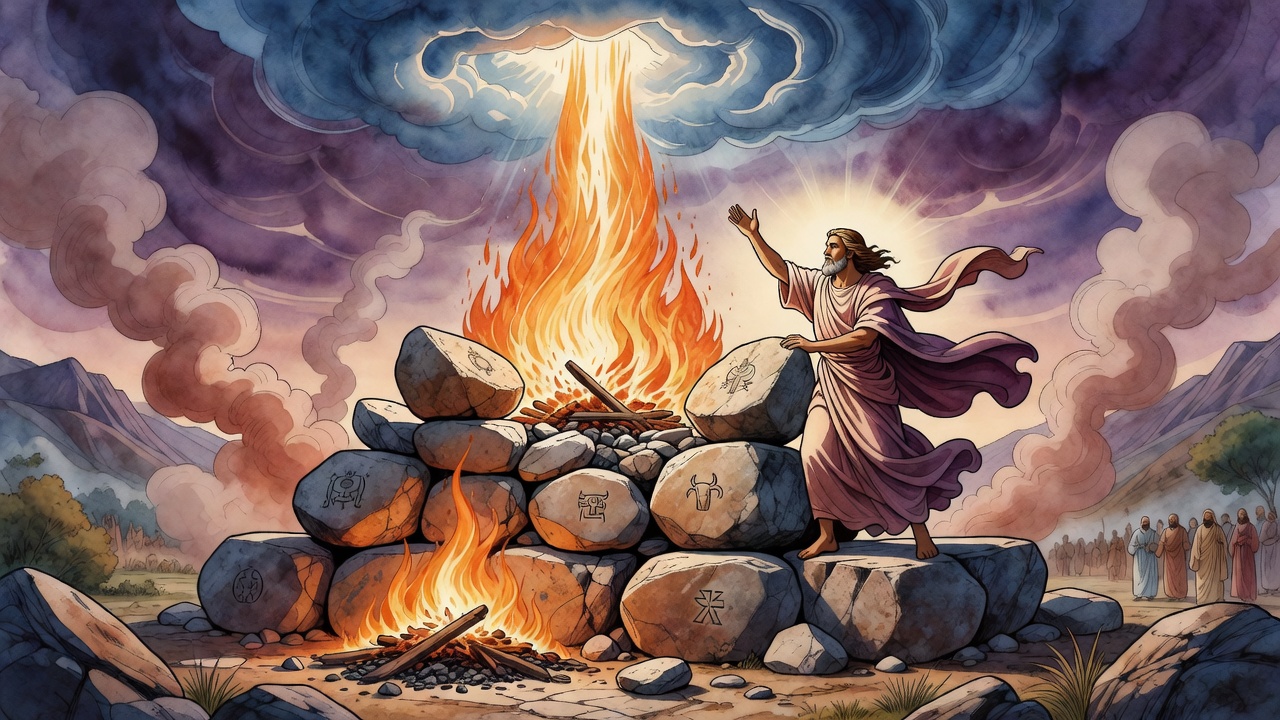
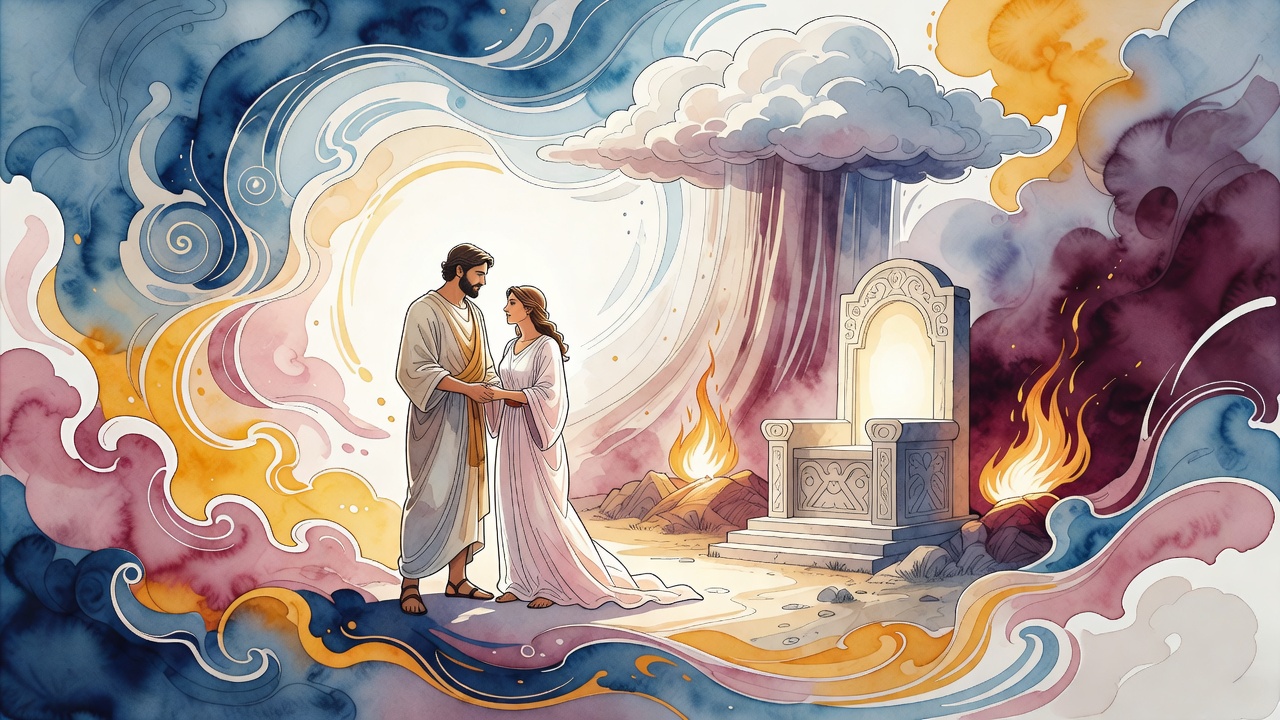
And the sages say twelve monuments for each tribe. He built an altar, sacrificed thereon a burnt-offering and peace-offerings, took of the blood of the burnt-offering in two recept...

Concerning this it is stated in the Tradition (Song of

Mekhilta DeRabbi Yishmael Mekhilta DeRabbi Yishmael

Concerning this it is stated in the Tradition (Song of Songs 2:14) "My Dove in the clefts of the rock … Show me Your face; let me hear Your voice. For Your voice is sweet and Your ...

And why was the Holy Spirit (i

Mekhilta DeRabbi Yishmael Mekhilta DeRabbi Yishmael

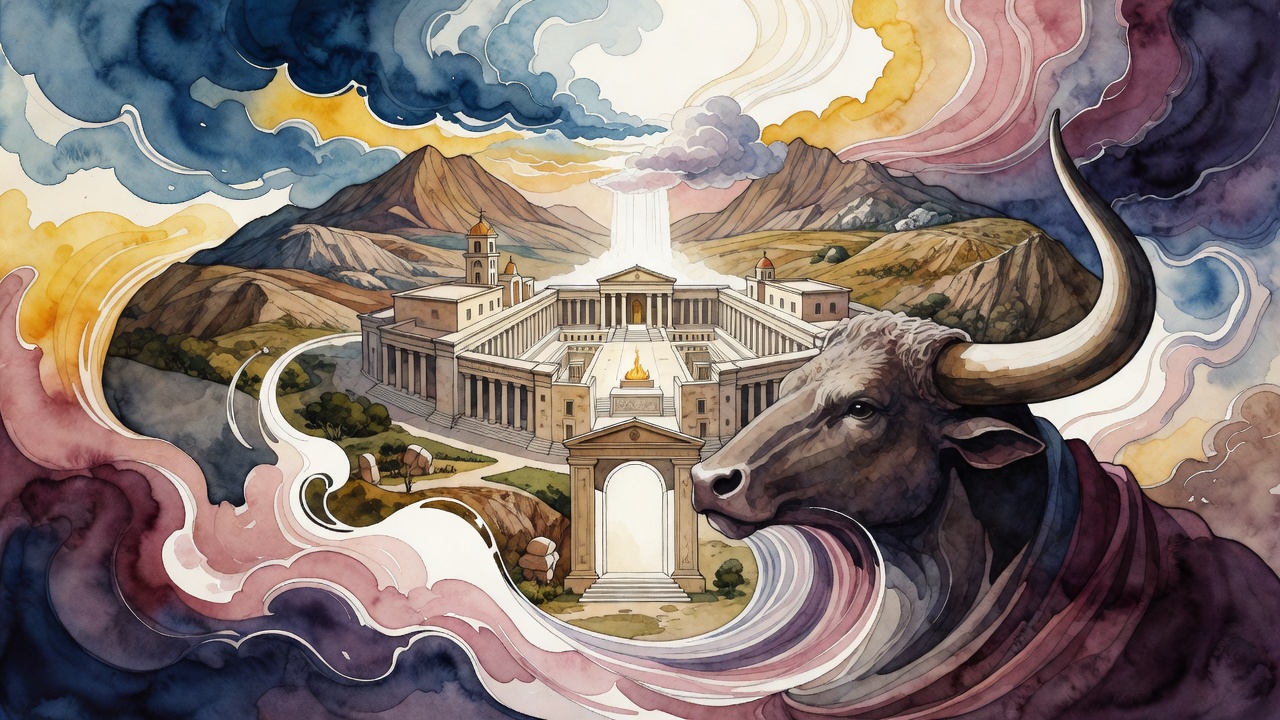
Why was the Temple — the dwelling place of the Divine Presence on earth — built specifically on the tribal territory of Benjamin? The Mekhilta provides two remarkable reasons, both...

7) "You shall not take the name of the L–rd your G–d in

Mekhilta DeRabbi Yishmael Mekhilta DeRabbi Yishmael

(Ibid. 7) "You shall not take the name of the L–rd your G–d in vain": A vain oath, too, was included in (Leviticus 19:12) "You shall not swear falsely in My name," and Scripture re...

Variantly — "Honor your father and your mother' — (Leviticus

Mekhilta DeRabbi Yishmael Mekhilta DeRabbi Yishmael

The Mekhilta DeRabbi Yishmael raises a question about who is obligated to honor parents. The commandment says "Honor your father and your mother," but a related verse in (Leviticus...

Nechemiah says — Beloved are afflictions

Mekhilta DeRabbi Yishmael Mekhilta DeRabbi Yishmael

Rabbi Nechemiah made a bold claim: afflictions are beloved by God. Not merely tolerated, not merely permitted — beloved. And he backed this claim with a comparison to sacrificial o...

(Exodus 20 — 21) "And you shall slaughter thereon" — alongside it (i

Mekhilta DeRabbi Yishmael Mekhilta DeRabbi Yishmael

(Exodus 20:21) "And you shall slaughter thereon": alongside it (i.e., alongside the top). You say "alongside it, but perhaps it is to be understood literally, i.e., "upon it"? And ...

Yehudah says — From half the altar northwards is regarded as

Mekhilta DeRabbi Yishmael Mekhilta DeRabbi Yishmael

R. Yossi b. R. Yehudah says: From half the altar northwards is regarded as north, and from half the altar southwards is regarded as south. And this tells me only that the north of ...

Akiva says — What is the intent of "And these are the judgments"

Mekhilta DeRabbi Yishmael Mekhilta DeRabbi Yishmael

R. Akiva says: What is the intent of "And these are the judgments"? From (Leviticus 1:2) "Speak to the children of Israel and say to them," I would think, only once. Whence do I de...