The Wells Kept Their Names and So Did the Tribes
The Philistines filled Abraham's wells with dirt after he died. Isaac dug them open and spoke his father's names over the water again.
Table of Contents
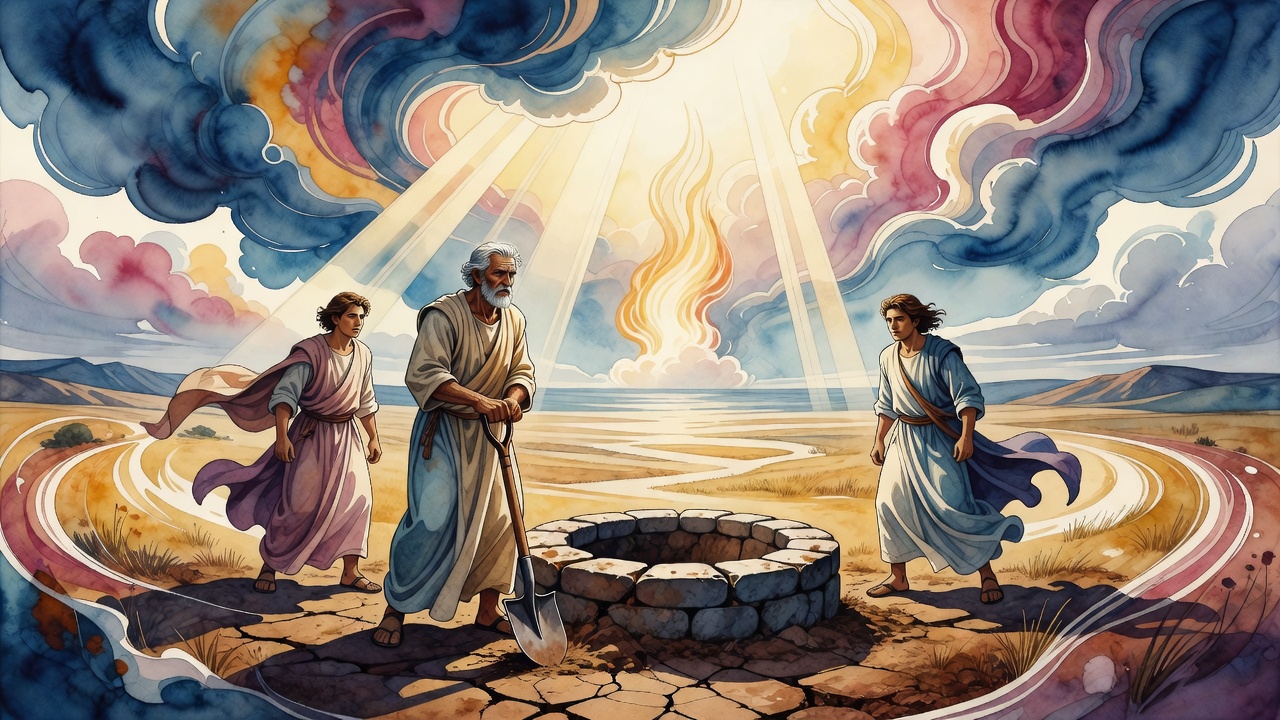
After Abraham died, the Philistines went to work. They walked from well to well across the Negev, the wells Abraham's servants had spent years digging, and they filled every one of them with dirt. They were not stealing water. They were erasing a man. A covenant between Abraham and their grandfathers had obligated them to leave the wells alone. They had waited until the old man was in the ground before they broke it.
 Click for full size
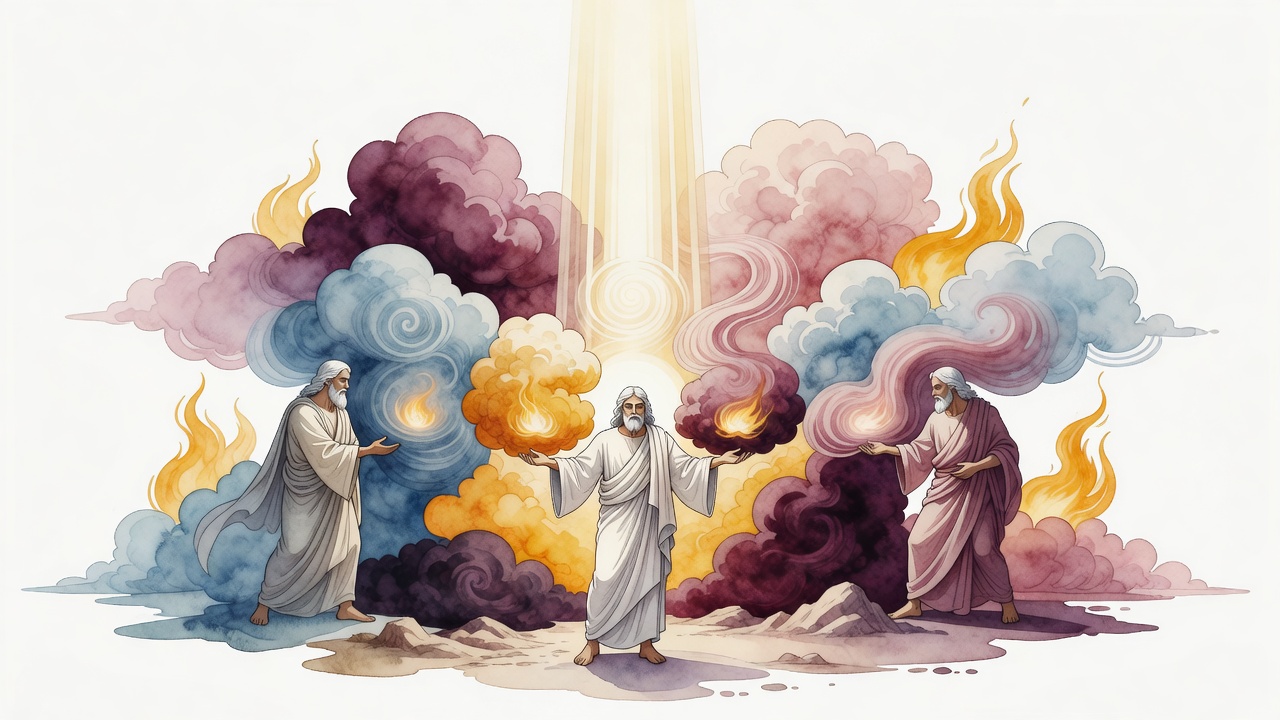
Isaac came back to those buried wells with a shovel and a memory. He dug them open. Water rose, slow at first, then steady, the same water the Philistines had tried to smother under packed earth. And then he did the thing they had not expected. He gave each well back the exact name his father had used. Not a new name. Not his own name. Abraham's.
The Name God Did Not Touch
Isaac had already been told to stay in the land when famine came. God called him a perfect offering, and an offering taken outside the sanctuary is made unfit. So he stayed. He sowed. The ground, barren that year, gave a hundredfold. People said they would rather have the dung of Isaac's mules than Abimelech's gold. Envy followed the harvest the way it had followed Abraham, and the stopped wells were the shape that envy took.
Isaac left Gerar and went back to the filled mouths in the earth. Four times he dug. Four times he waited. On the fourth try he found the well of water that had followed the patriarchs. Abraham had obtained it after three diggings. Isaac restored the names anyway, even on the dry attempts, because the names were the point of the work.
For this he received a quiet reward. God renamed Abraham. God renamed Jacob. Isaac alone kept the name his parents gave him at birth, untouched from cradle to grave. The man who would not rename his father's wells was the man God would not rename either.
Children Crying for Bread
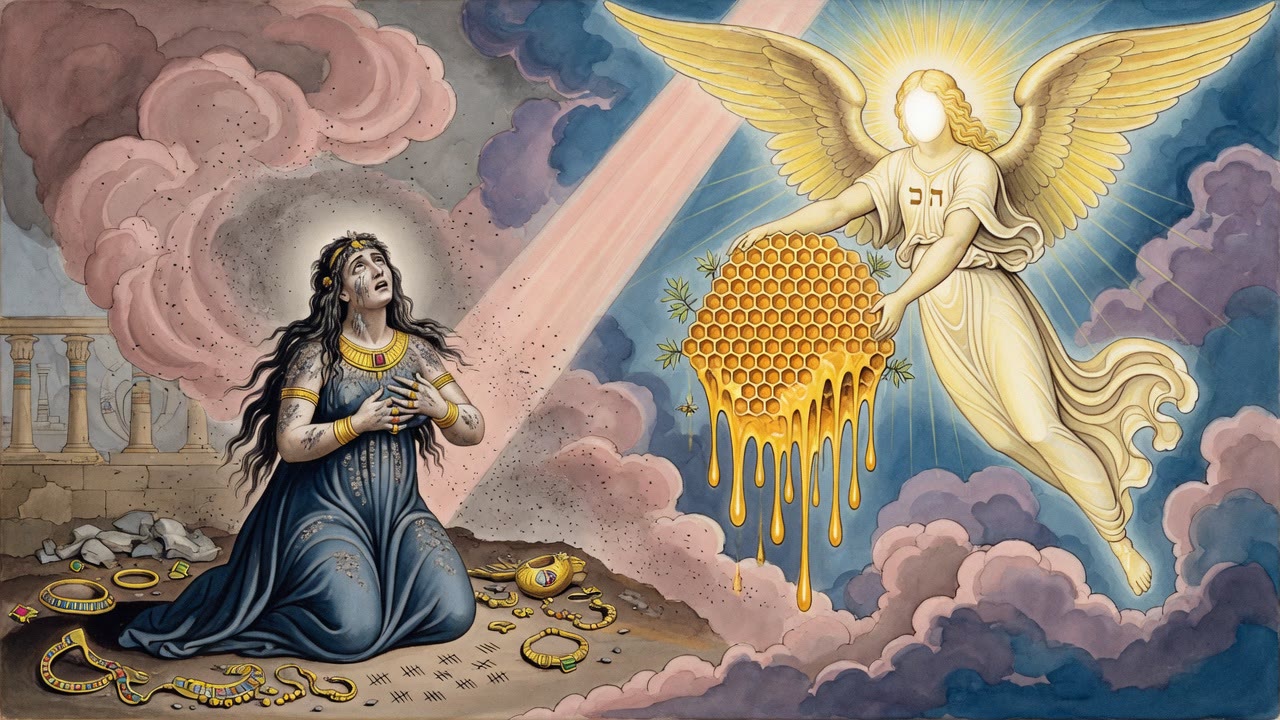
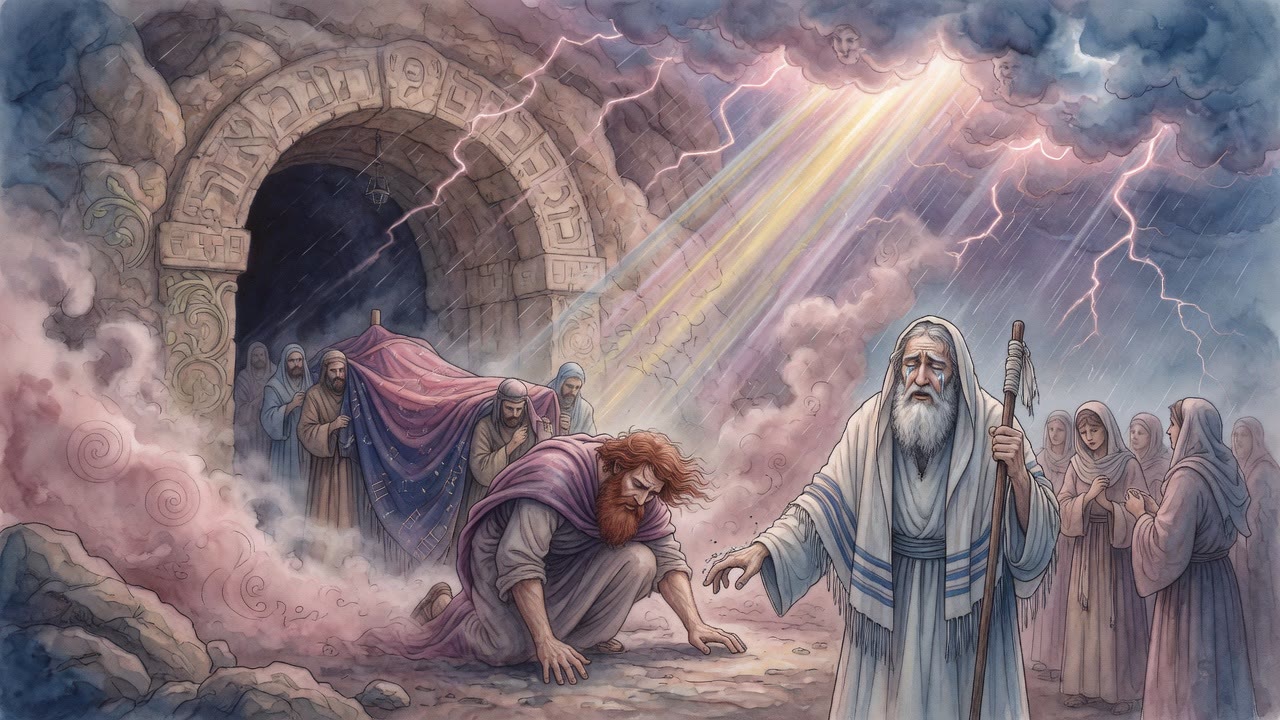
Generations later the names came under pressure again, this time not through a shovel but through hunger. The sons of Jacob were out of grain. The little children came to him and said, "Give us bread, that we die not of hunger before thee." The words brought tears up in Jacob's eyes. He told his sons to go down to Egypt again.
Judah stopped him. The man in Egypt had sworn they would not see his face unless Benjamin came with them. Jacob flared. Why had they told that man they still had a brother. It was the first empty talk of Jacob's life, and God heard it. Judah answered that the man had already known the wood their baby coaches were made of. Taking Benjamin was a risk. Starvation was not. "It is better not to concern thyself about what is doubtful, and guide thy actions by what is certain."
They went. They took the youngest. They walked toward a throne occupied by a brother whose name they had tried to stop saying.
I Am Joseph
The man on the throne still carried his name. He still carried his father's face in his own face. He still occupied the slot in the family they had tried to empty when they sold him. The famine had brought them to that slot and made them knock.
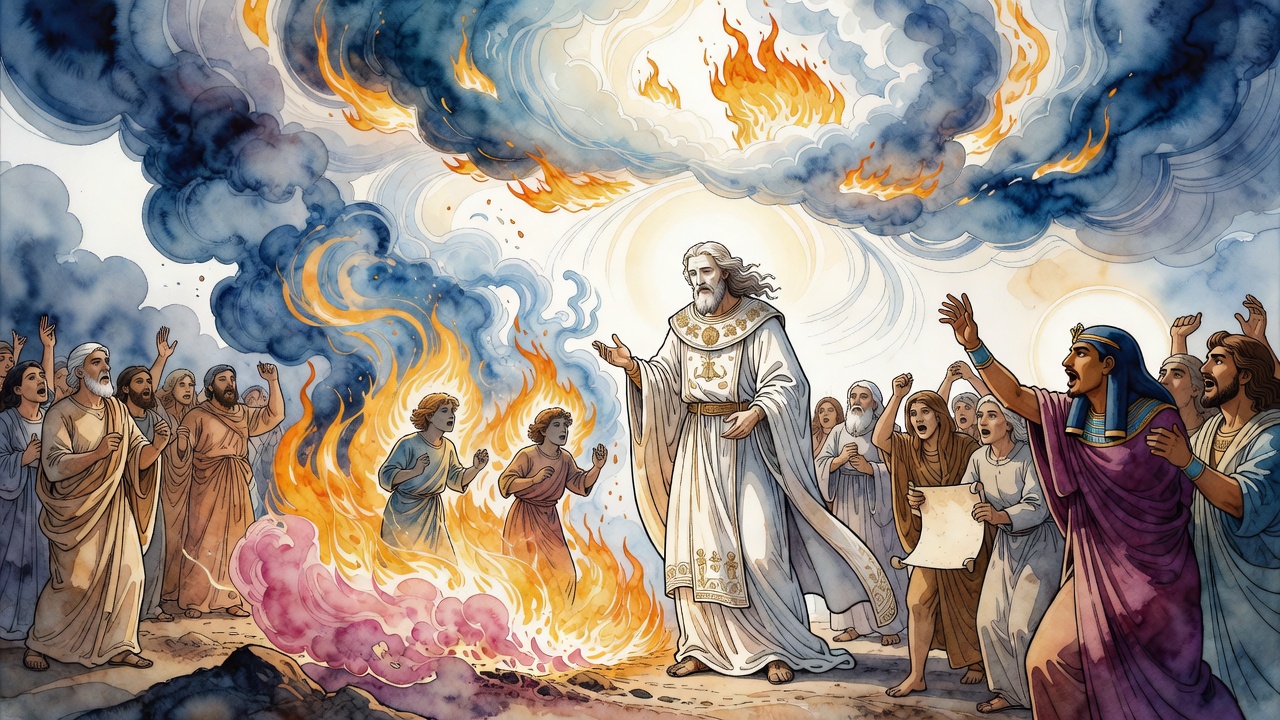
When Joseph finally identified himself, the reversal was not only tears. It was a name coming back up the way water comes back up a reopened well. They had tried to write him out of the family ledger. The ledger had kept the line. He said the name they had buried, and the room had to hear it.
"I am Joseph."
Judah, whose mother had named him for praise in the heat of a household quarrel, stood in a foreign court and learned that praise can wait years underground and still rise. The names the mothers had given in tents, in jealousy, in relief, were still the names the brothers carried into Egypt. Nothing the famine did to their bodies had rewritten them.
The Names That Outlasted the Dirt
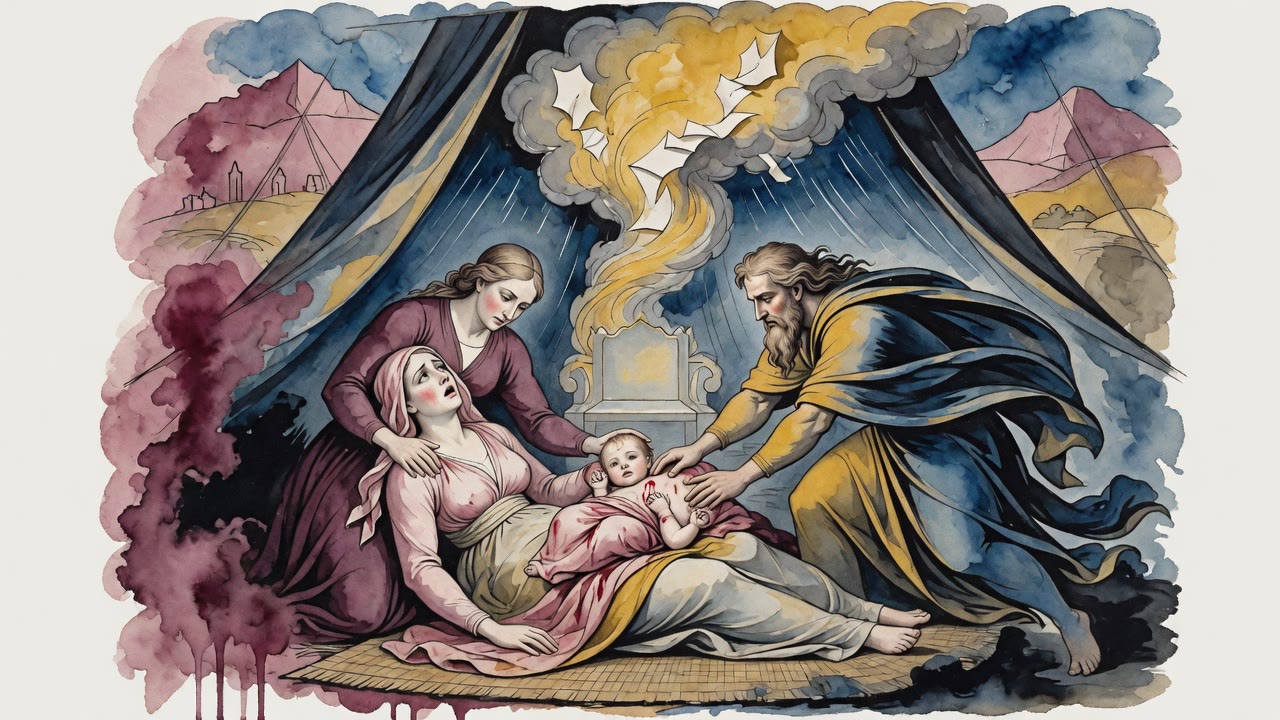
Jacob had raised those sons in the fear of God, and the tradition that remembered them said the names themselves pointed forward. Reuben, because God sees affliction. Simeon, because He hears groaning. Levi, because He joins Himself to a people in pain. Judah, because Israel will thank God for deliverance. Joseph, because God will add a second redemption to the first.
Leah and Rachel had not been thinking of tribes marching out of Egypt when they named the boys. They had been thinking of who was loved and who was not. The names fit anyway. A name in this house is not decoration. It is the covenant's signature on a person. You cannot bury it permanently. It comes back up.
Isaac's wells. Joseph's mouth. The twelve names still worn by hungry men on an Egyptian road. The covering did not hold. Water rose. Brothers recognized each other. Tribes would march later under the same words their mothers had spoken in a moment of personal pain.
In the Negev the restored wells kept Abraham's names in the stone. In Egypt a sold brother spoke his own. Both times the dirt had been packed down hard, and both times it failed.
← All myths