Jacob Called Dan a Serpent, and the Tribe of Dan Produced Samson
When Jacob blessed Dan and compared him to Judah, the tribal princes went silent. Dan led the rearguard, gathered the lost, and produced Samson.
Table of Contents
 Click for full size
The Serpent in the Blessing
On his deathbed, Jacob spoke blessings over each of his sons. Most of the blessings are comprehensible: Judah gets the lion, Naphtali gets the swift deer, Joseph gets the fruitful vine by the spring. Then he reached Dan and said: Dan shall judge his people as one of the tribes of Israel. Dan shall be a serpent on the road, a viper on the path (Genesis 49:16-17). A serpent. Not a predator of the open field or the air. A creature found in the dust of the road, hidden, striking from below.
The rabbis could not let that image pass without an explanation.
The Serpent and Samson
Bereshit Rabbah, the midrashic commentary on Genesis compiled in fifth-century CE Palestine, pulls the thread from Dan's blessing directly to Dan's most famous descendant: Samson. The connection is precise. A serpent is found among women, the text notes, and Samson's entire story is shaped by his relationships with women he should not have pursued. Delilah, the Timnite, the woman in Gaza: each one represented a entanglement the blessing had already named. The serpent of Dan's blessing is not a random animal comparison. It is a prophecy about the man who would be the tribe's defining figure, told in advance by a dying patriarch who had not yet met his grandson's grandson.
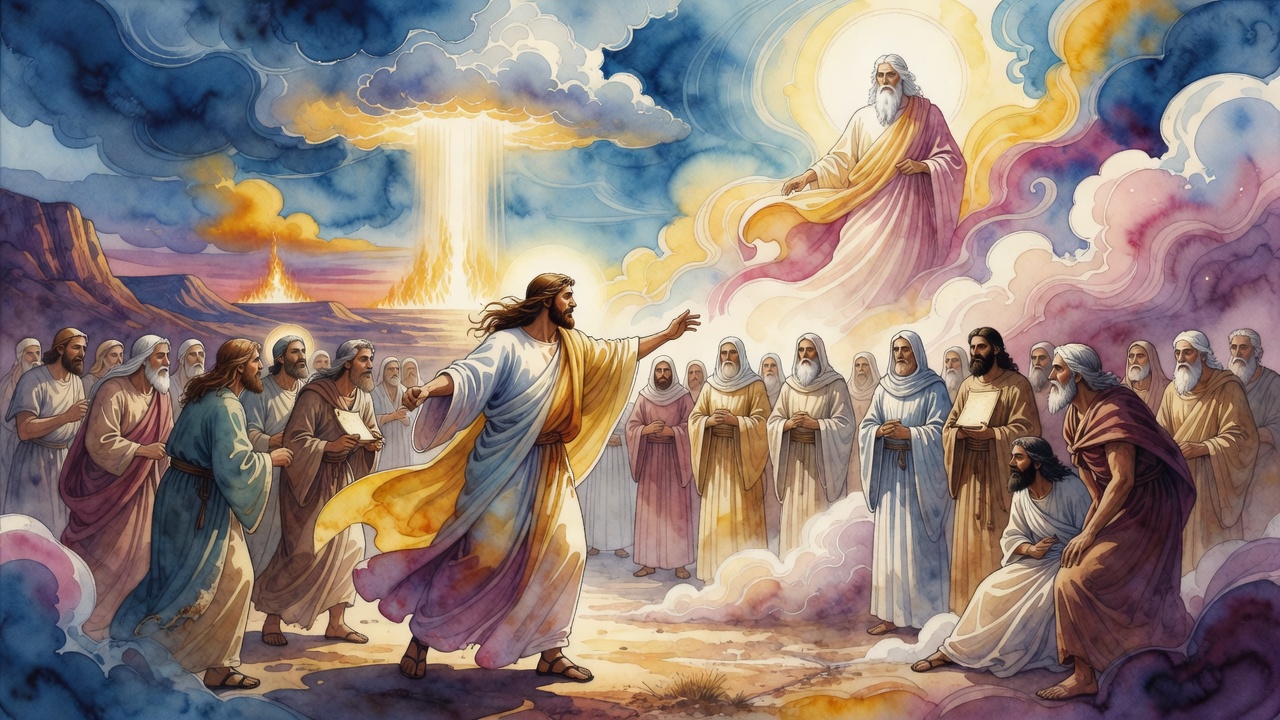
Legends of the Jews, Louis Ginzberg's synthesis of the rabbinic tradition, records that when Jacob blessed Dan by comparing him to Judah, the tribal princes fell into stunned silence. To be compared to Judah was the highest honor possible. Judah was the royal tribe, the one from whom David would come. Calling Dan Judah's equal elevated the tribe of the serpent to the company of lions, and that comparison was the reason Dan led the fourth division of the Israelite camp in the wilderness, with other tribes following behind.
The Tribe That Gathered the Stragglers
In the wilderness arrangement, Dan's position was the rear. Every Israelite encampment had a front and a back, and Dan guarded the back. The rabbis observed that the rear position was not a demotion. It was a specific assignment that required a specific character. When Israel moved through the wilderness, people fell behind. The sick, the exhausted, the discouraged, the ones who could not keep pace with the main column. Dan gathered them. The serpent on the road, the viper on the path, was also the tribe that made sure no one was left in the dust.
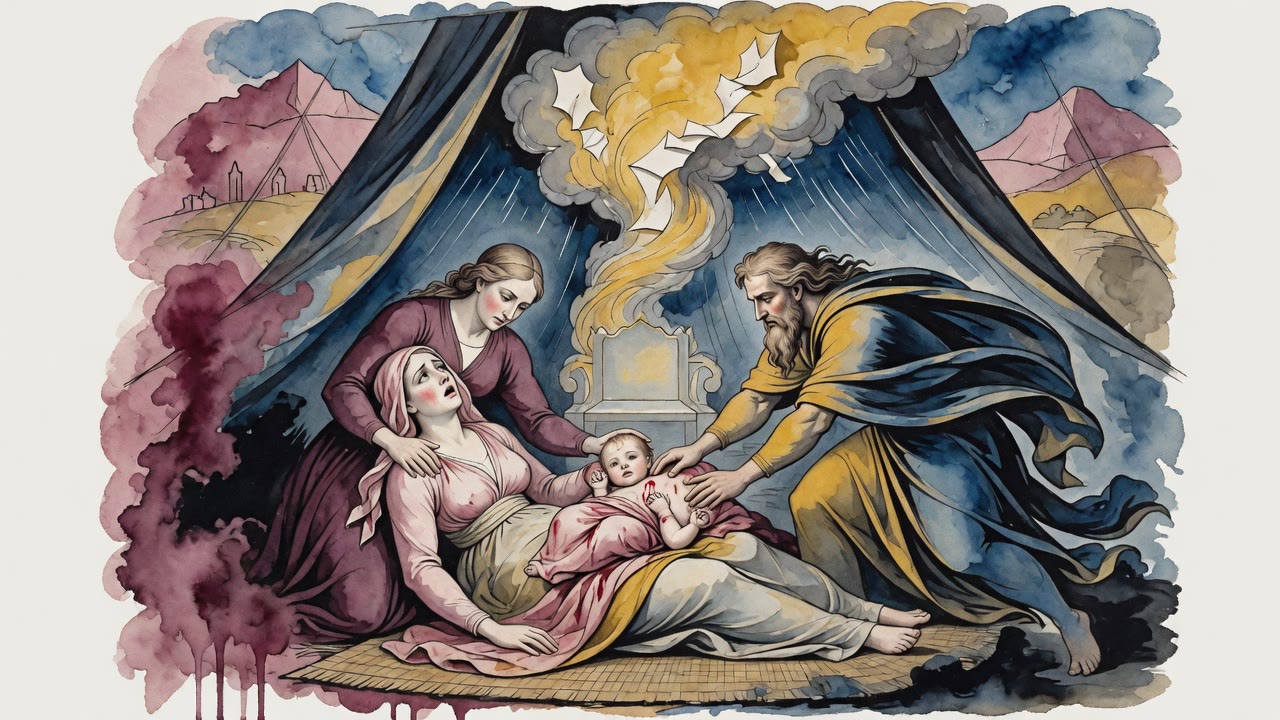
Bamidbar Rabbah, in its commentary on Numbers 7, explains why Dan offered ninth among the princes at the Tabernacle dedication. Three tribes remained: Dan, Asher, Naphtali. Dan offered first among them because Jacob's blessing had likened Dan to Judah, the leader, and just as Judah led the full assembly, Dan led the remaining group. The offering of the Dan prince was not a tribal gift. It was a gift that alluded to Samson: each element of the sacrifice connected to a moment in the strongman's story, the dedication offerings of a tribe reading like a condensed biography of the man who had not yet been born.
Dan's Confession
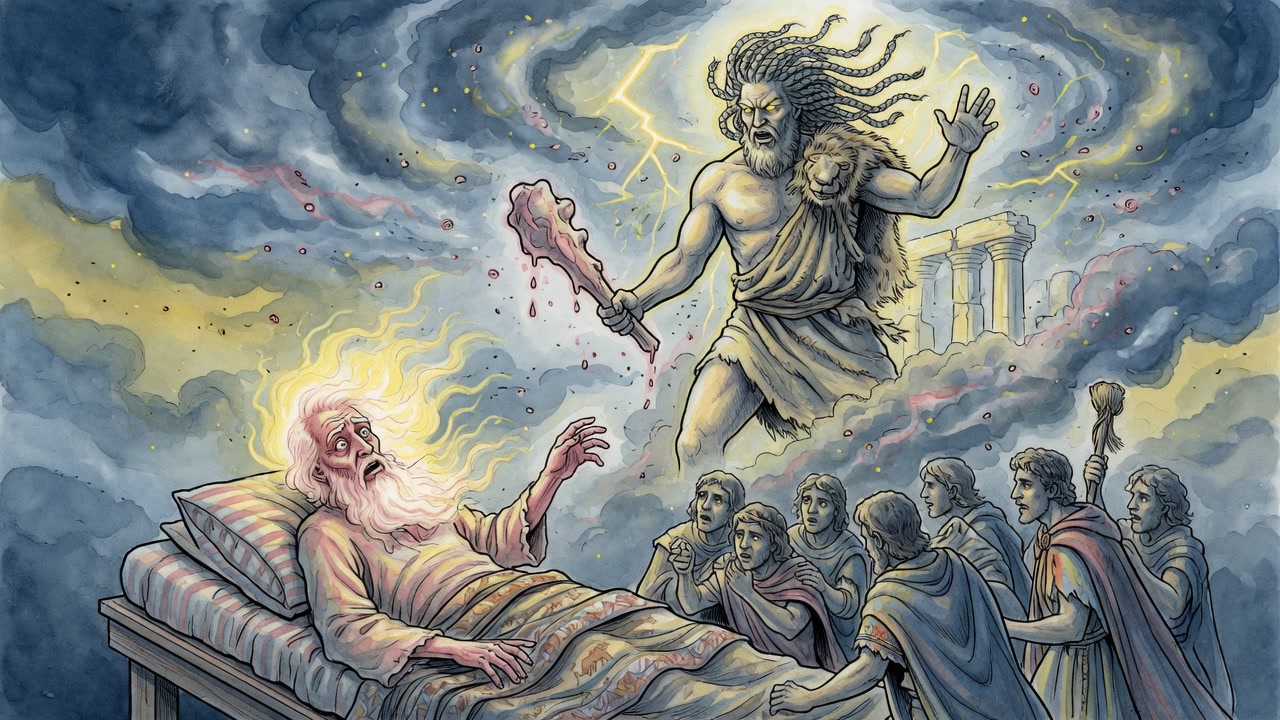
Legends of the Jews preserves Dan's own account of what drove him at the crisis point in Joseph's story. When Dan gathered his children around him at the end of his life, he confessed that he had resolved to kill Joseph. He said it directly: the spirit of envy and boastfulness had told him, you too are the son of Jacob. He had been goaded toward murder by his own sense that Joseph's elevation was a comment on his own lesser status. He did not kill Joseph. But he had thought it through, had gotten close enough to the thought that he needed to name it before he died.
The confession has a structural role in the tribal narrative. Dan is the tribe that guarded the rear, gathered the fallen, produced the man who would destroy Philistine power while destroying himself. The same qualities that made Dan capable of standing at the edge and watching what others missed made Dan capable of standing at the edge of murder and, just barely, turning back.
Dan and Naphtali at the Outermost Borders
Both Dan and Naphtali, according to Legends of the Jews, received their territorial allotments in two separate sections of the Holy Land, stationed at the outermost edges. Their role was not the interior work of priests and scholars and kings. Their role was the perimeter. Dan, in particular, later migrated north after losing its original coastal territory to the Philistines, and the northern Dan became one of the two sites where Jeroboam later placed a golden calf. The tribe of the serpent, which had gathered the lost and guarded the rear and produced the strongest man in history, ended its national career at the place where Israel's northern boundary met its most famous religious catastrophe.
← All myths