What Moses Knew Before He Died That He Could Not Tell Anyone
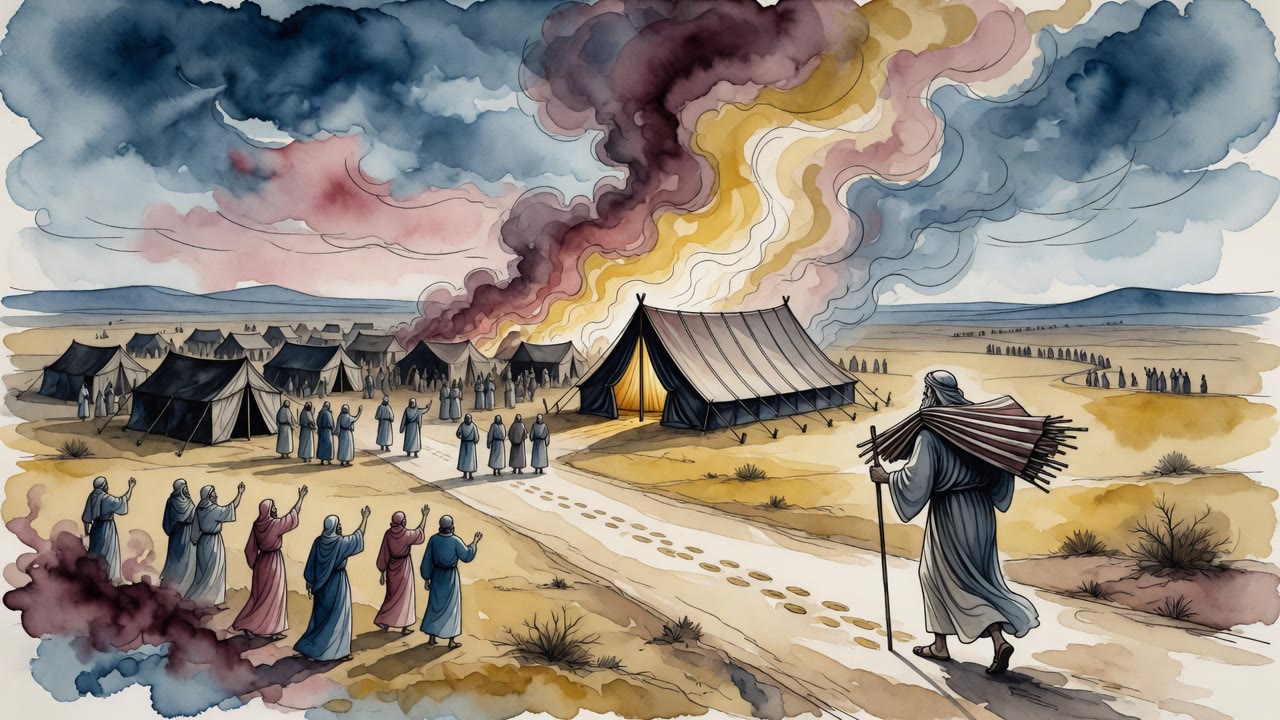
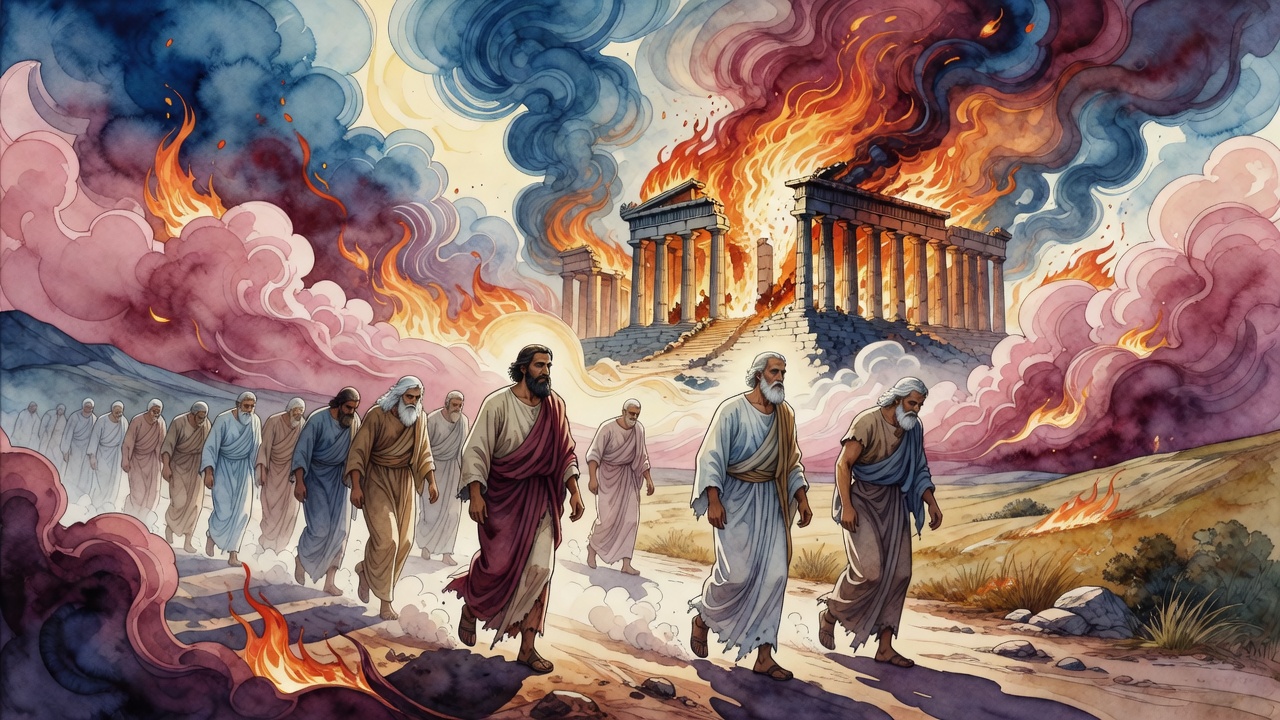
Before Moses died, he was shown the Temple burning and Israel in exile. He found Jeremiah on the roads to Babylon and walked alongside the dead.
Table of Contents
 Click for full size
What God Showed Him on the Mountain
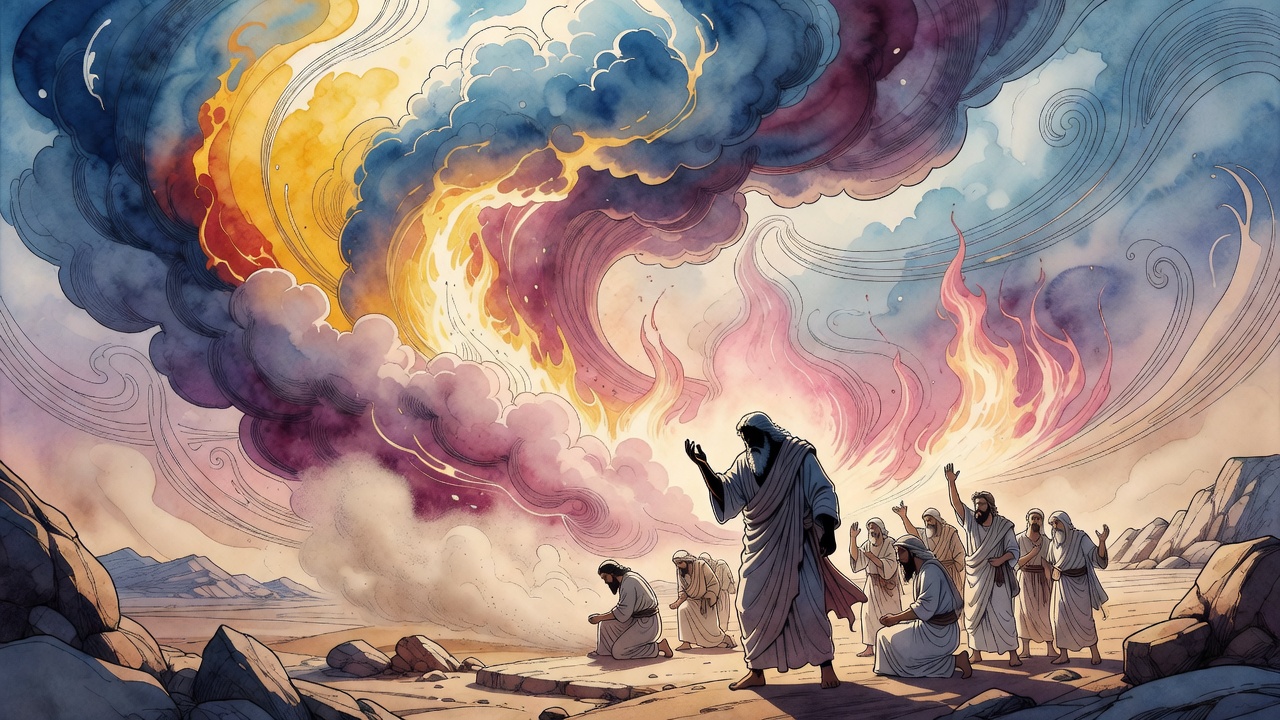
The argument about entering the land had been going for months. Moses had tried every approach: justice, mercy, the covenant with the patriarchs, his own decades of service. God had refused each petition with the same finality. Moses would see the land from Mount Nebo. He would not cross the Jordan. The decree was sealed and Moses knew it was sealed and he kept arguing anyway, because not arguing was not something Moses knew how to do.
But there was something else he was shown before the end. Not only the land spread below him in its green and golden reaches. The Legends of the Jews preserves a layer of the tradition that is quieter and more devastating: Moses was shown what would come after his death. The Temple built. The Temple burning. The roads to Babylon lined with the bodies of Israel's children. He saw the whole arc of what his people would endure, and he died knowing it, and he could not stop any of it.
Moses and Jeremiah on the Road to Babylon
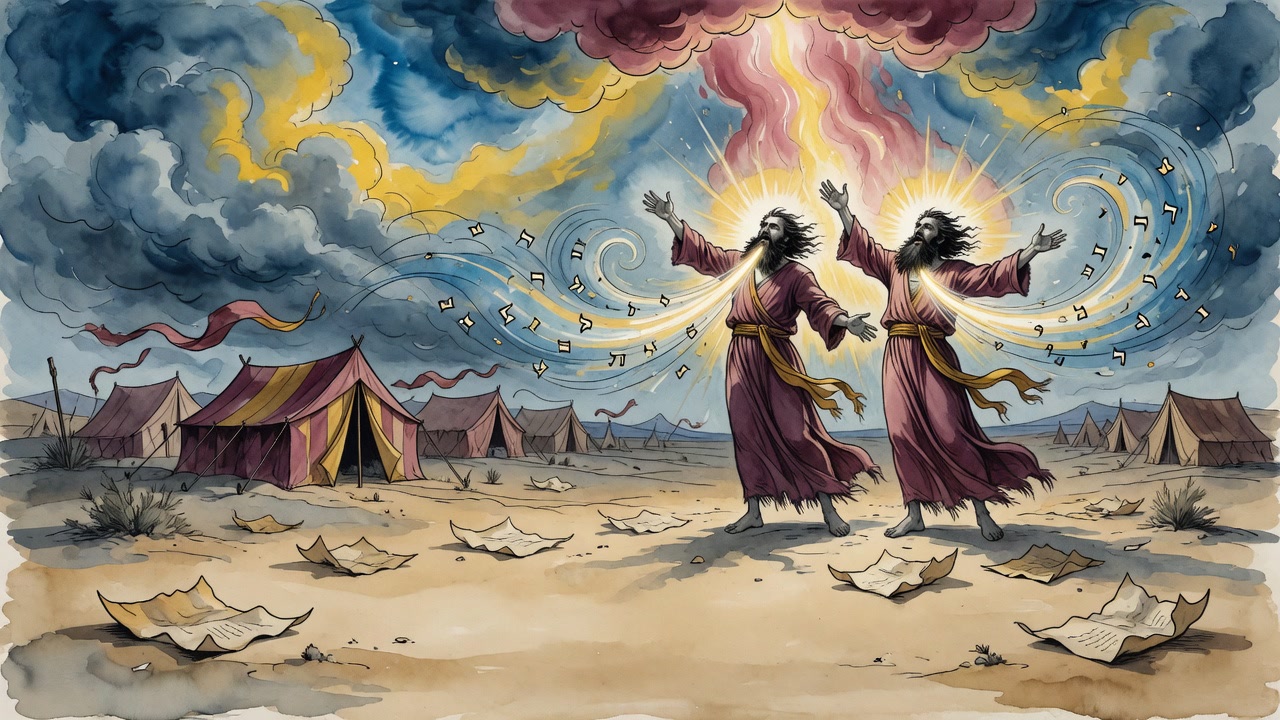
Long after Moses died, his spirit cried out from wherever spirits go. He had run before Israel like a horse for forty years. He had argued with Pharaoh, argued with God, argued with the people themselves when they deserved it. He had been a faithful shepherd. And now the Temple was ash and the people were walking to Babylon in chains and Moses wanted to do something.
He found Jeremiah. The prophet who had lived through the actual destruction, who had watched it happen from inside Jerusalem, who had written Lamentations in the rubble. Moses proposed a plan: walk before me, and I will lead them back. Jeremiah told him what the roads looked like. They were blocked with bodies. Moses said: walk before me anyway. And so the two of them went together toward Babylon, the living prophet and the dead one, the man who had led Israel out of the first great exile walking alongside the man who had watched them enter the second.
Why Human Life Is So Short
Moses had asked about this too. Not just his own death, but the brevity of all human life, the way people bloom and are gone, the way seventy years feels insufficient to the soul that inhabits them. The Midrash records his meditation on this question as something more than philosophical. Moses had watched the wilderness generation die one by one over forty years. He had presided over the slow extinction of everyone who had left Egypt. He understood, from personal experience, what it meant to watch human beings disappear.
The tradition answers his question the way it usually answers the hardest questions: not with comfort, but with context. Life is short because this world is not the final account. Moses, who had argued to remain in it as a bird, as a blade of grass, as anything that could cross the Jordan, understood the answer better than almost anyone. He had been shown what comes after. He was not consoled by it, but he knew.
The Lottery That Filled the Council of Seventy
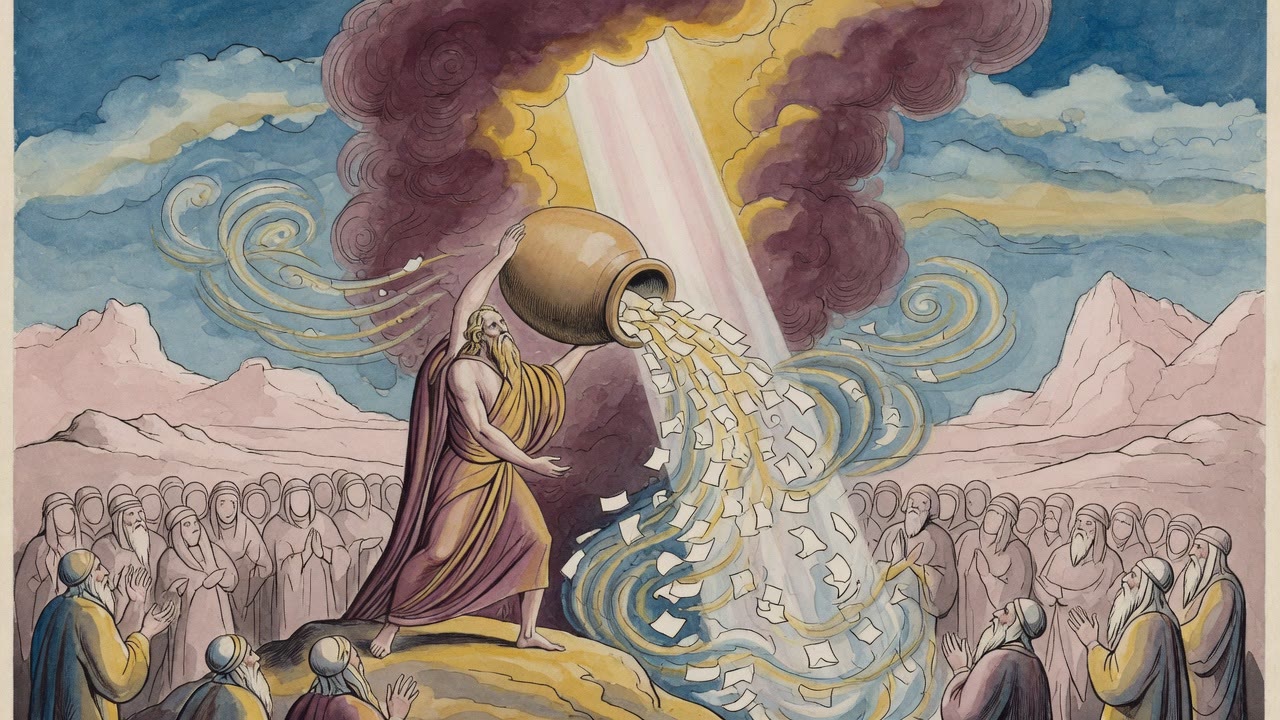
Earlier, Moses had the problem of picking seventy elders. More than seventy people deserved the appointment; fewer than seventy would have been enough. He could not choose among them without causing offense. The solution Moses found was characteristically clever: he wrote the names of seventy-two candidates on lots and placed them in a box. Two of the lots were blank. Every man who drew a name would serve. Every man who drew a blank would know that God had made the choice, not Moses.
It was exactly the kind of solution Moses favored: one that transferred the weight of an impossible decision from human preference to divine selection, and in doing so, preserved the dignity of everyone who did not make the final list. He had been doing this kind of careful, quiet administrative work for forty years, and the people had never fully appreciated it, and he had kept doing it anyway.
← All myths