When the Angel Announced That God Had Left Jerusalem
Jerusalem did not fall because Babylon was stronger. It fell after Jeremiah left the city and an angel stood on the wall to invite the enemy in.
Table of Contents
 Click for full size
The Errand That Emptied the City
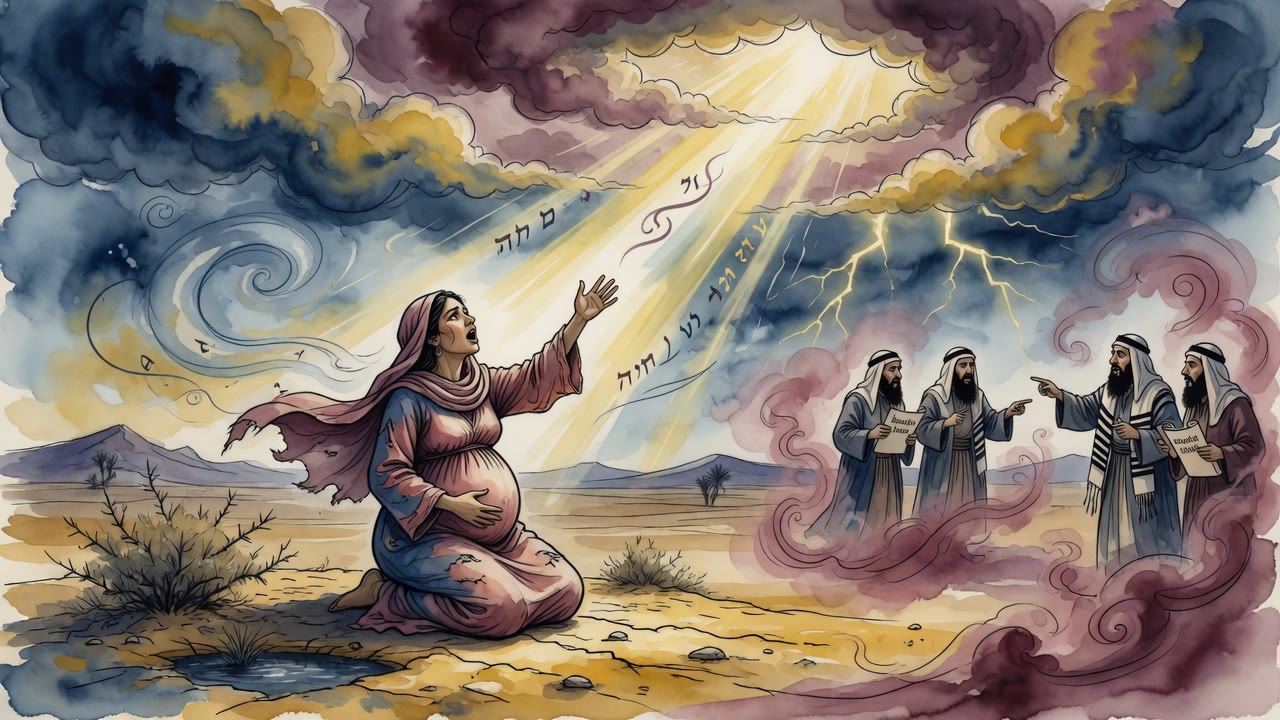
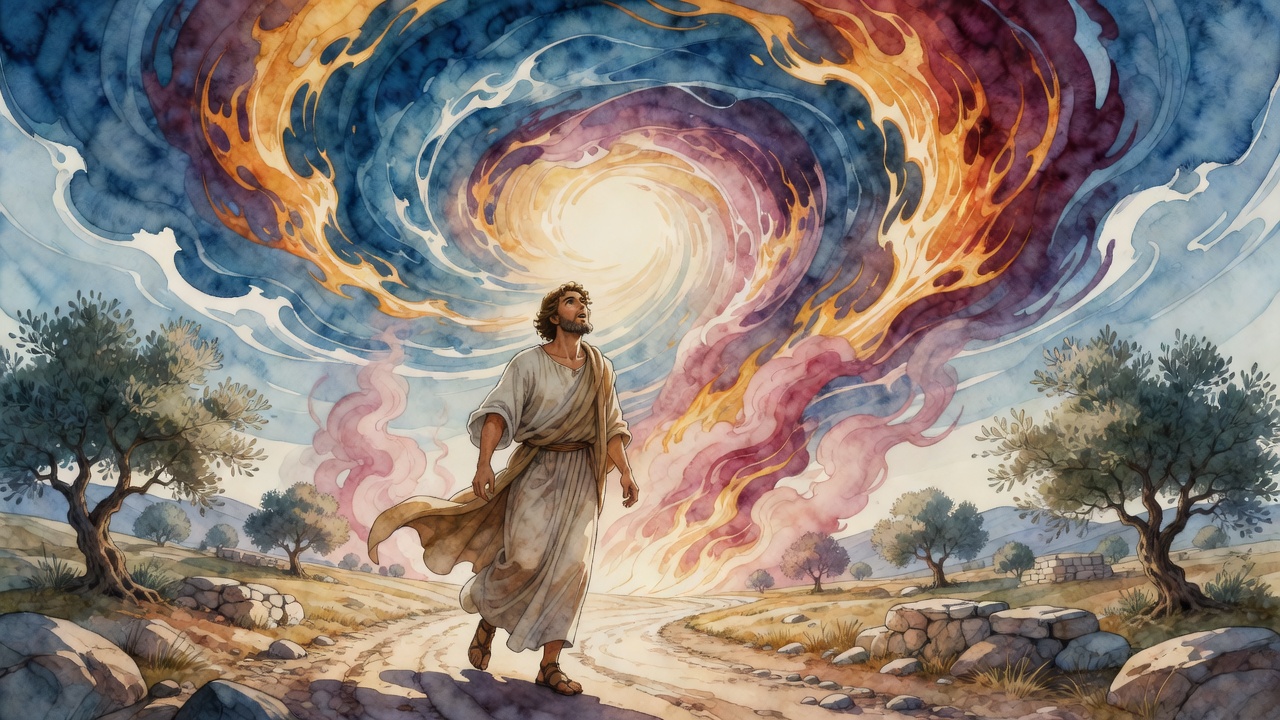
God told Jeremiah to travel to Anathoth, his hometown, and take possession of a field he had inherited. It read, on its face, like good news. A field was an investment. An investment implied a future. If God was directing his prophet to plant roots in the land, perhaps the Babylonian threat would pass. Jeremiah took the trip gladly, with something close to hope.
He did not understand what the trip meant until he was already gone.
The Babylonian Talmud, tractate Yoma, carries the principle: the presence of a righteous person can protect an entire city. The inverse is equally true. When that person leaves, the protection leaves. Jeremiah had been functioning as a pillar for Jerusalem, his prayers standing like a stone wall between the city and what was coming for it. The military engineers of Babylon had not been fighting a city. They had been fighting a prophet's proximity to God, and they could not breach it. When God sent Jeremiah to Anathoth, the protection moved with him, and Jerusalem was left open.
What the Angel Did on the Wall
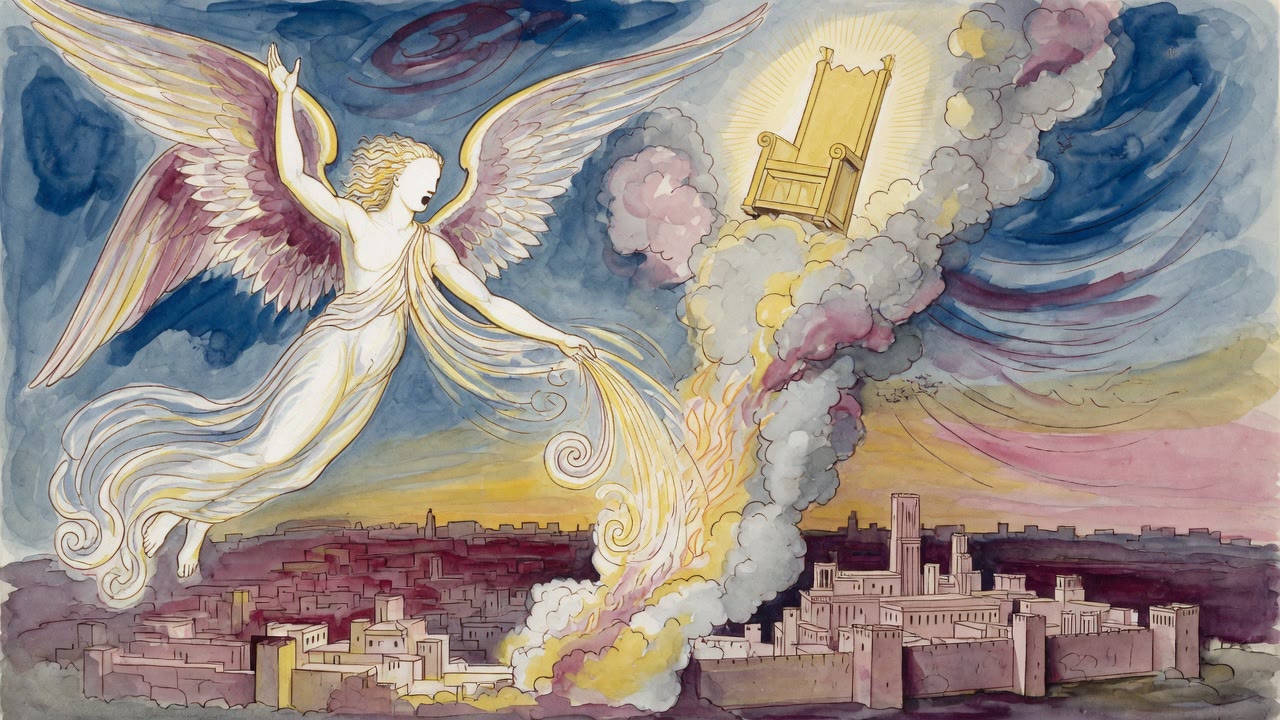
An angel appeared on the walls of Jerusalem. It stood in a visible position, and it spoke in a voice that the tradition records as carrying the weight of a formal announcement. The words were addressed to the enemy outside: the master of the house has left. Come in. The protection has been lifted. What you could not take while the righteous man was present, you may take now.
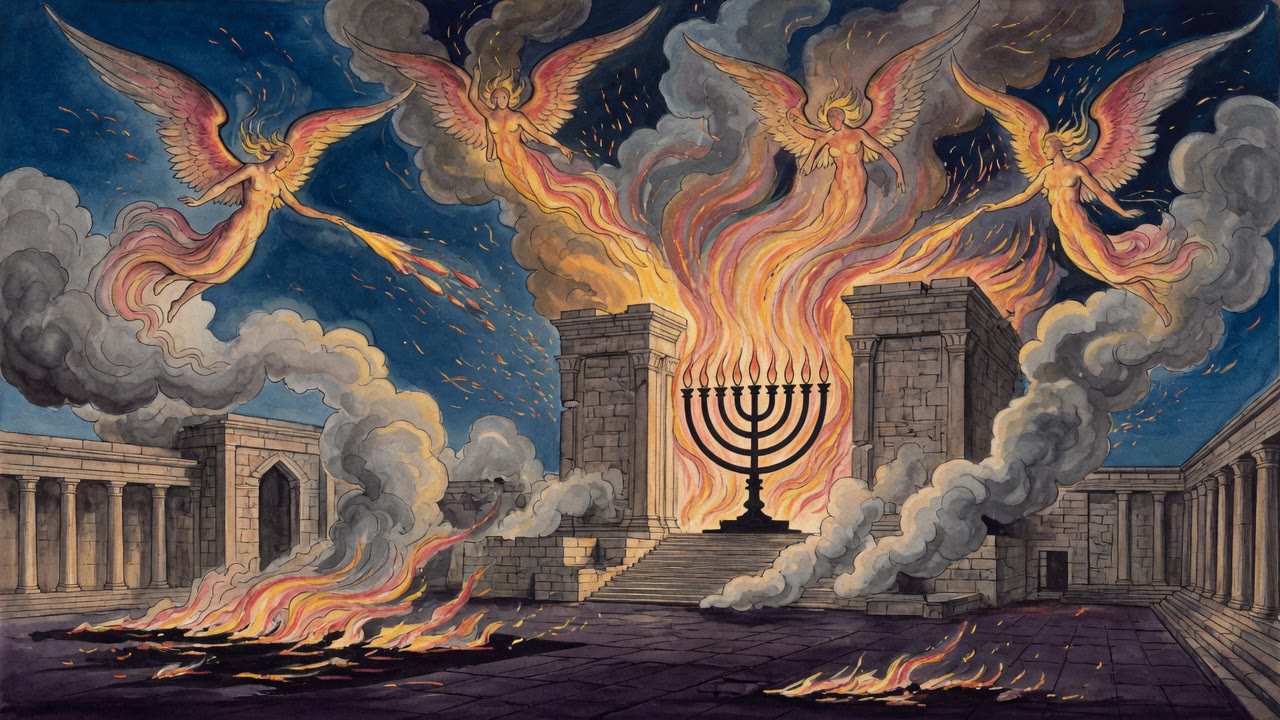
The armies of Nebuchadnezzar did not breach Jerusalem's walls. An angel invited them in. The siege engines and the battering rams and the fires that followed were real, but they came after the decision had already been made at a different level entirely. The angel on the wall was not a sign of abandonment in the sense of God walking away from Israel in disgust. It was an announcement that the sentence had been passed and the time had come to carry it out.
The City That Prayed for Its Destroyer
This detail changes the entire frame of the fall. The tradition is not saying that Babylon was stronger. It is saying that strength had nothing to do with it. The walls of Jerusalem were still standing when the angel spoke. The city had not been militarily defeated in the moment of that announcement. It had been spiritually vacated, and the army outside the walls was simply waiting for the lock to open.
Jeremiah, when he returned from Anathoth and understood what had happened, did not express surprise. He had known from the beginning that the walls of Jerusalem were not the relevant walls. The relevant walls were the ones built from prayer and presence, and he had been the last stone in those walls, and God had removed him specifically and deliberately, because the sentence required execution and Jeremiah's presence had been the last impediment.
The Angel's Announcement and the Prophet's Lament
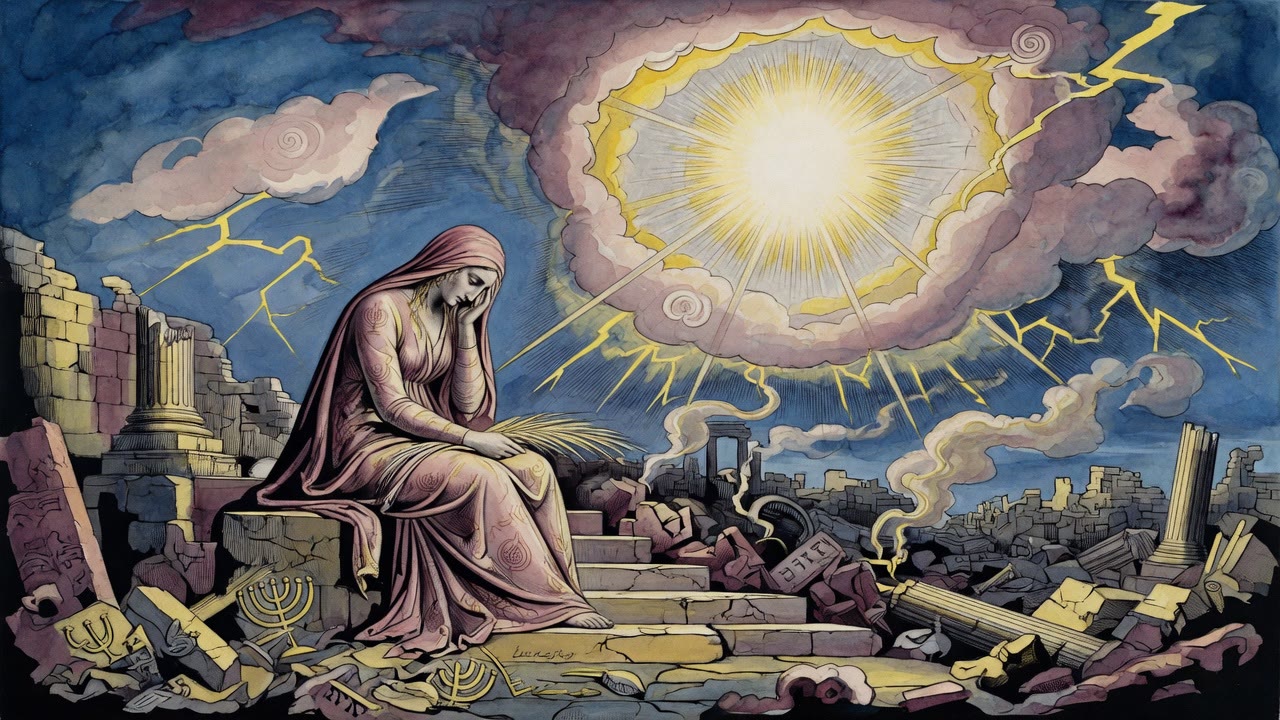
The Book of Lamentations, which tradition ascribes to Jeremiah, opens with the city personified as a woman sitting alone in her desolation, with no one to comfort her. What the angel announced from the wall is what the book mourns: the Divine Presence had departed before the army arrived. The destruction that followed was not cause but effect. First the Presence left. Then the enemies entered. Then the fire came. The sequence was fixed.
The tradition does not present this as abandonment. It presents it as the consequence of what the people had done over generations, the accumulated weight of failures that had finally bent the will of the divine protector away from this city at this time. The angel on the wall was not triumphant. The tradition does not record its tone. It was simply carrying out an assignment it had been given, and the assignment was to open a door that had been locked as long as a righteous man lived inside the city.
← All myths