Solomon Made Ten Candelabras but Lit the Menorah of Moses First
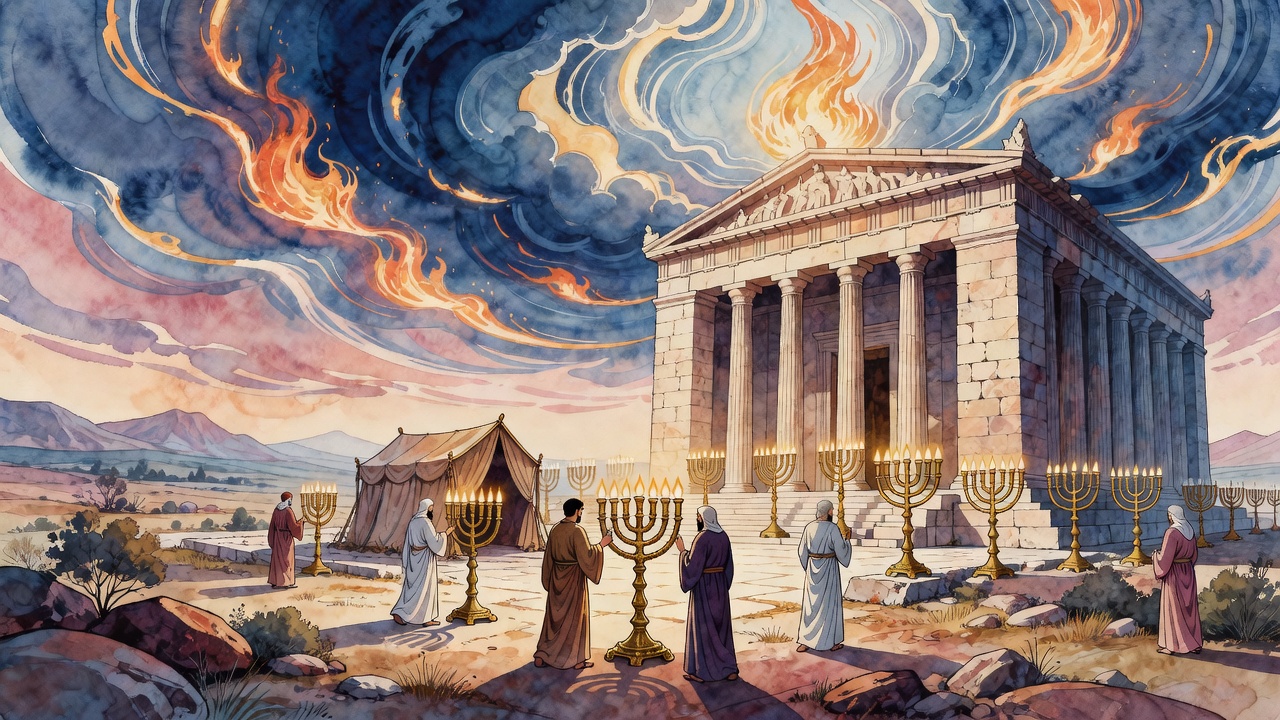
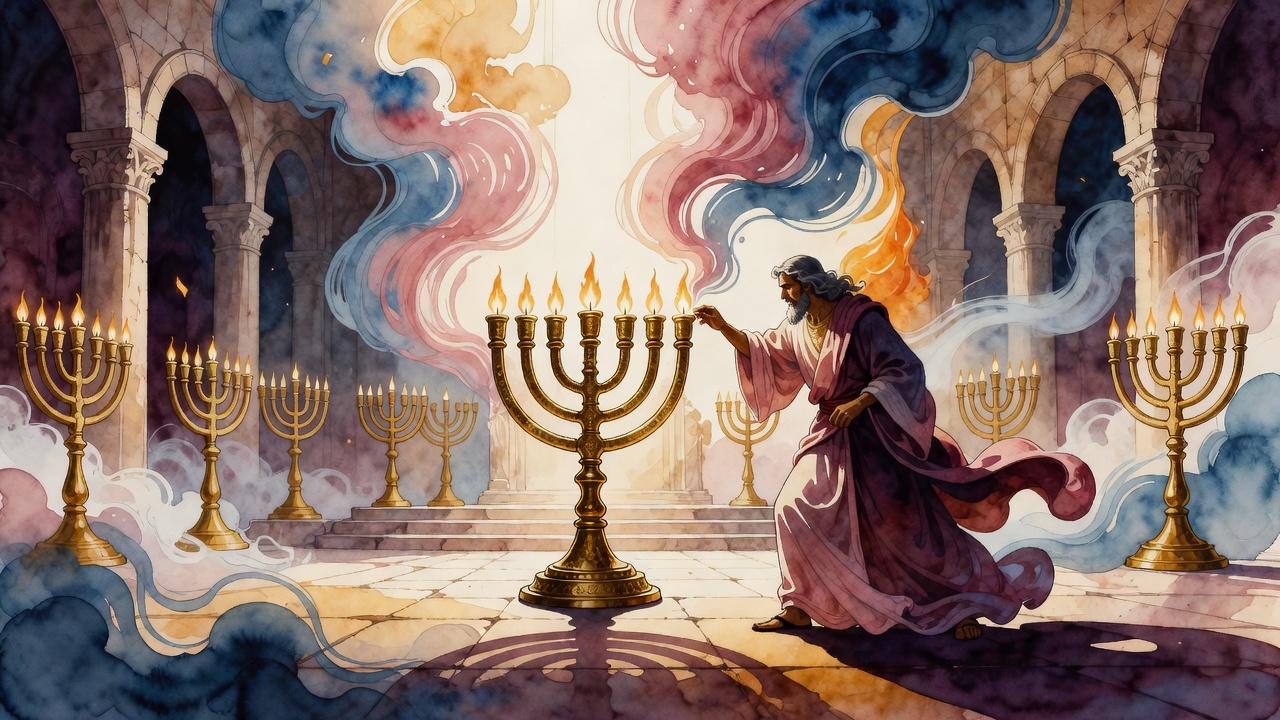
Seventy flames waited in the new sanctuary, five candelabras on the south wall and five on the north. Solomon lit the lamp that had crossed the wilderness.
Table of Contents
 Click for full size
Ten Candelabras for the New Temple
Solomon did not simply move the old furniture into the new building and call it done. He commissioned ten golden candelabras, each one a masterwork, each one meant to honor the scale of what he had built. The Temple dwarfed the desert Tabernacle in every dimension. It was fitting that its light should be multiplied accordingly.
He chose the number ten deliberately. Ten to mirror the Ten Commandments, the Ten Utterances spoken at Sinai. Each candelabra held seven lamps, so seventy flames burned at any given moment in the sanctuary. Seventy was the number of nations in the world. The rabbis understood the arithmetic as a theological statement: as long as those seventy flames burned, the nations' power over Israel was held in check. Not symbolically. Actually. The day those flames went dark, something would shift in the order of the world.
Where He Placed Them
Solomon arranged the candelabras carefully. Five stood on the south side of the sanctuary, five on the north. The arrangement was not purely decorative. The south was the side of light and wisdom. The north, in the tradition's geography, carried a different weight. But this was a Temple at peace, under a king whose name meant peace, and both sides were held together in balance.
Then came the moment that the tradition preserved because it said something no amount of gold could say on its own. When all ten candelabras were in place, gleaming and prepared, Solomon lit the original menorah first. The one Moses had placed in the Tabernacle. The one that had traveled through forty years of desert. The one that had been in the camp at Sinai, at the edge of the Jordan, in the years before there was a kingdom at all.
Why Moses Could Not Remember the Design
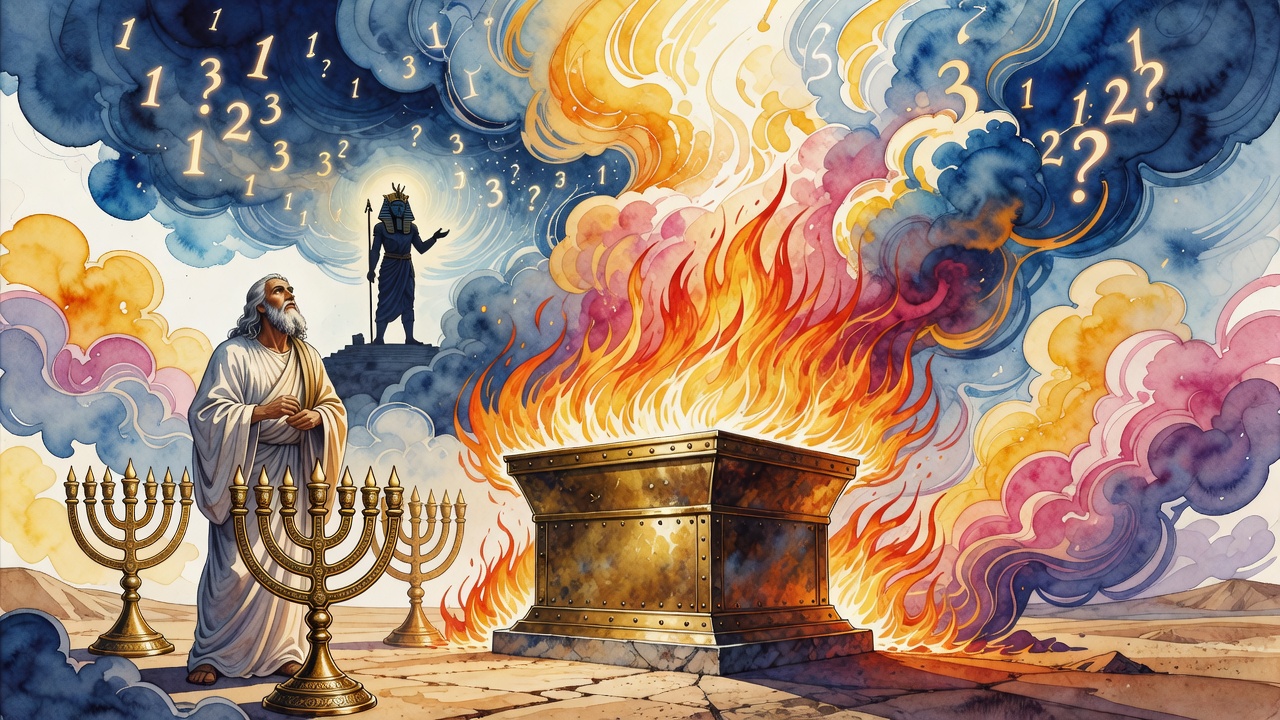
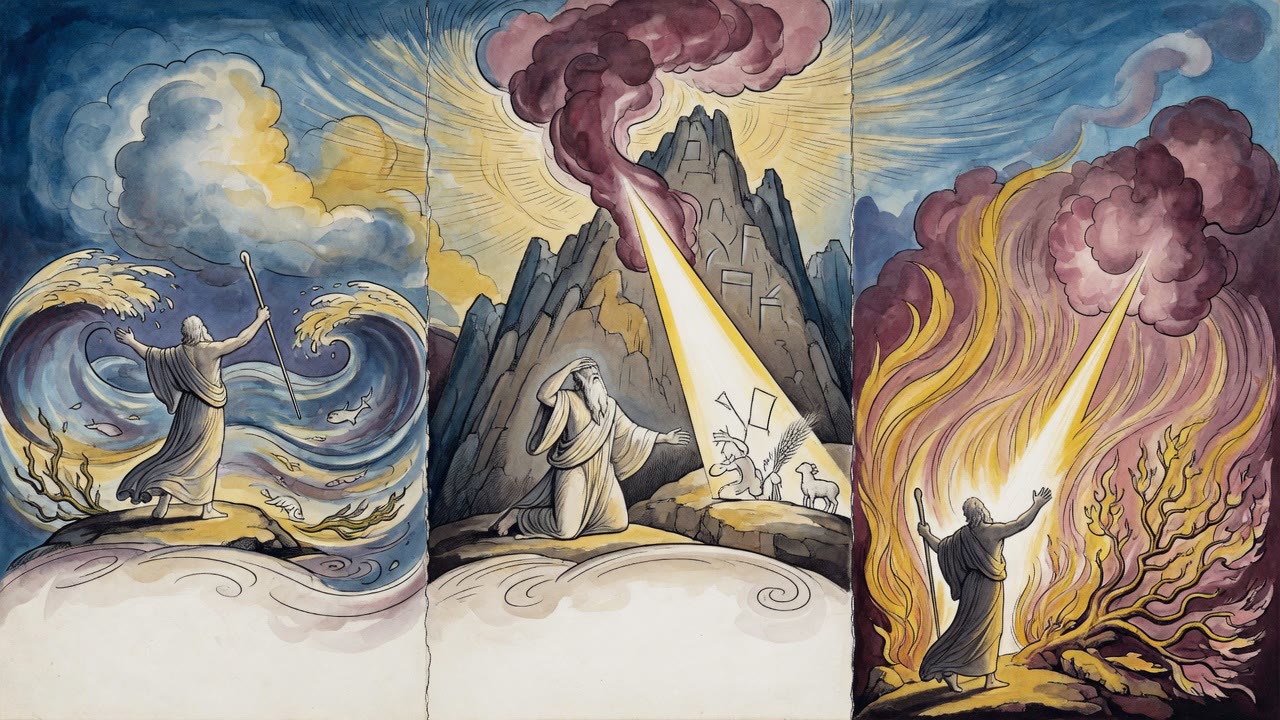
That menorah (the lampstand) had its own strange history. When God showed Moses the instructions for it on the mountain, Moses descended and forgot the details. He went back. God showed him again. Moses came down a second time, and the design slipped from his mind again. A third time God demonstrated it, this time with a menorah of fire, a visual aid that had no precedent. Still Moses could not hold the image in his hands when he tried to transfer it to craftsmen.
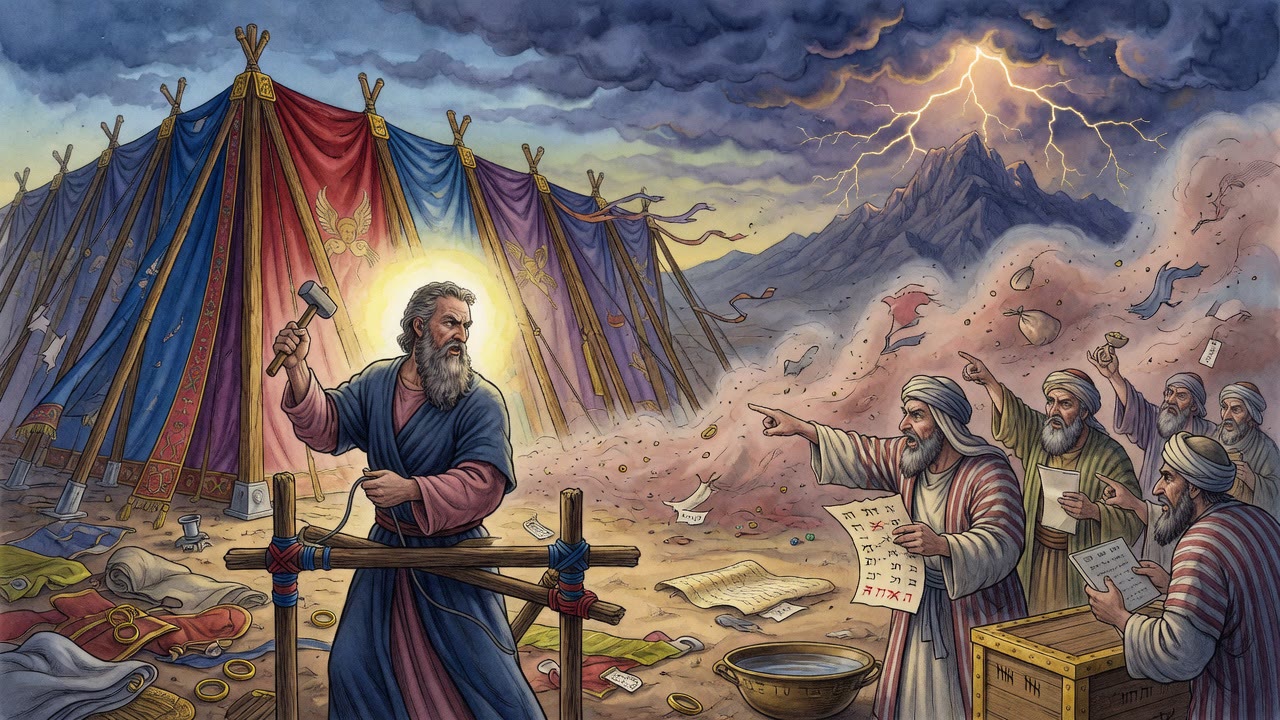
God's response was not frustration. It was a redirection. "Go to Bezalel," God told him. "He will do it right."
The tradition found something worth preserving in this forgetting. Moses was perhaps the greatest mind Israel ever produced. He stood at Sinai for forty days without food or sleep and received the entirety of Torah. But the menorah's design would not stay in him. It had to be made by someone else, by a craftsman whose name had been written in the book of Adam before Bezalel's own ancestors had drawn breath. The menorah was not something Moses was supposed to carry in his head. It was something that had to pass through hands chosen before the world was made.
What Solomon's Lighting Order Admitted
This is why, when Solomon stood in the finished Temple surrounded by ten gleaming candelabras of his own commission, he reached for the old one first. Not because it was more beautiful. Not because it gave more light. Because it was the one that had already been lit, the one whose flame had already crossed the desert, the one that had been tended by priests who were dead before Solomon was born.
No human achievement, however large, is permitted to displace what was first. The Temple was magnificent. The candelabras were perfect. And the menorah Moses could not remember how to build, the one Bezalel had to make in his place, burned before all of them.
← All myths