The Salamander Blood That Kept Hezekiah From the Fire
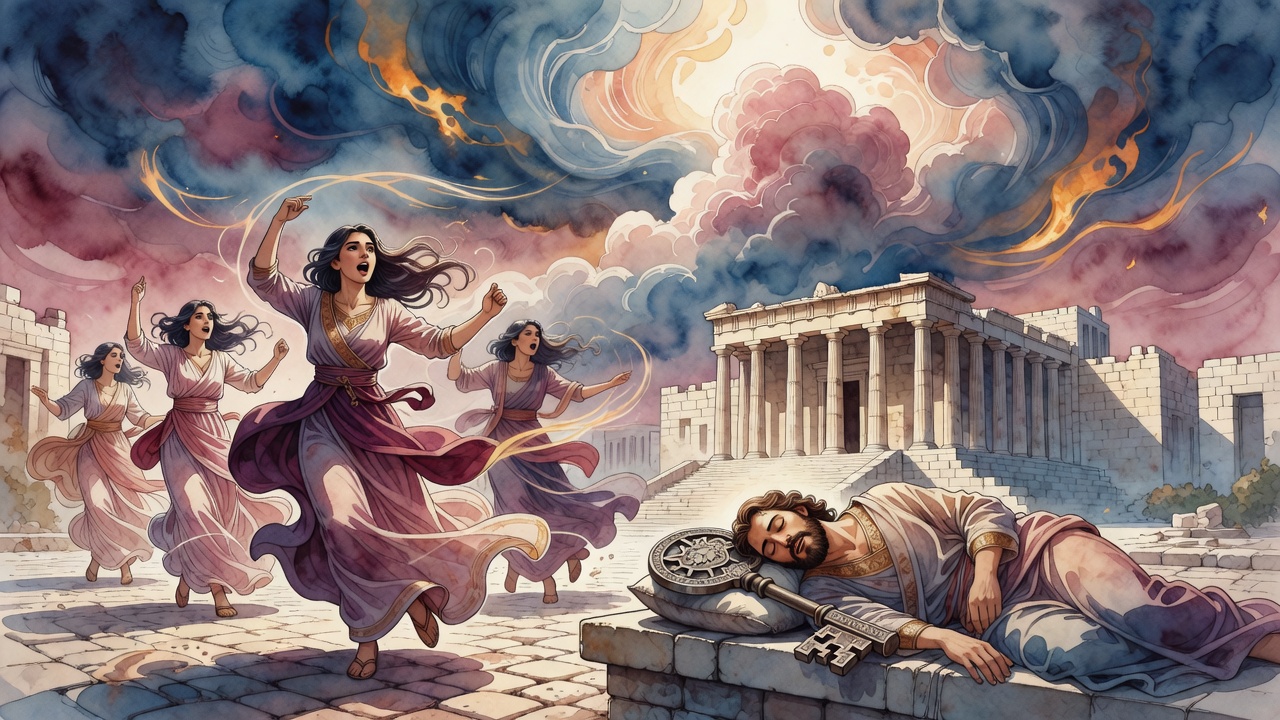
Ahaz carried the infant toward Molekh's furnace. The child's skin already held seven years of fire in a thin smear of blood.
Table of Contents
Ahaz came for the child with fire already in his mind.
 Click for full size
He was king in Jerusalem, of David's line, and he had given a son to Molekh before. The furnace in the Valley of Ben-Hinnom waited for another. Hezekiah was still an infant. His mother had already finished her work.
She Anointed Him Before Ahaz Arrived
The salamander is born from fire. Build a fire in the same hearth and keep it burning seven years without a break, and from that accumulated heat a small pale animal will crawl out, a body that has lived inside flame so long the flame is all it remembers. Kill it, and the blood it yields will do what fire cannot do to the one who wears it. Smear it on skin, and that skin becomes untouchable by fire.
Hezekiah's mother knew this. She obtained the blood. She painted her son with it while he still fit in her arms, before Ahaz reached the door. The smear dried. The child looked like any other child. Then the king came, and the furnace was lit, and she had nothing left to do but watch.
The Fire Took Nothing
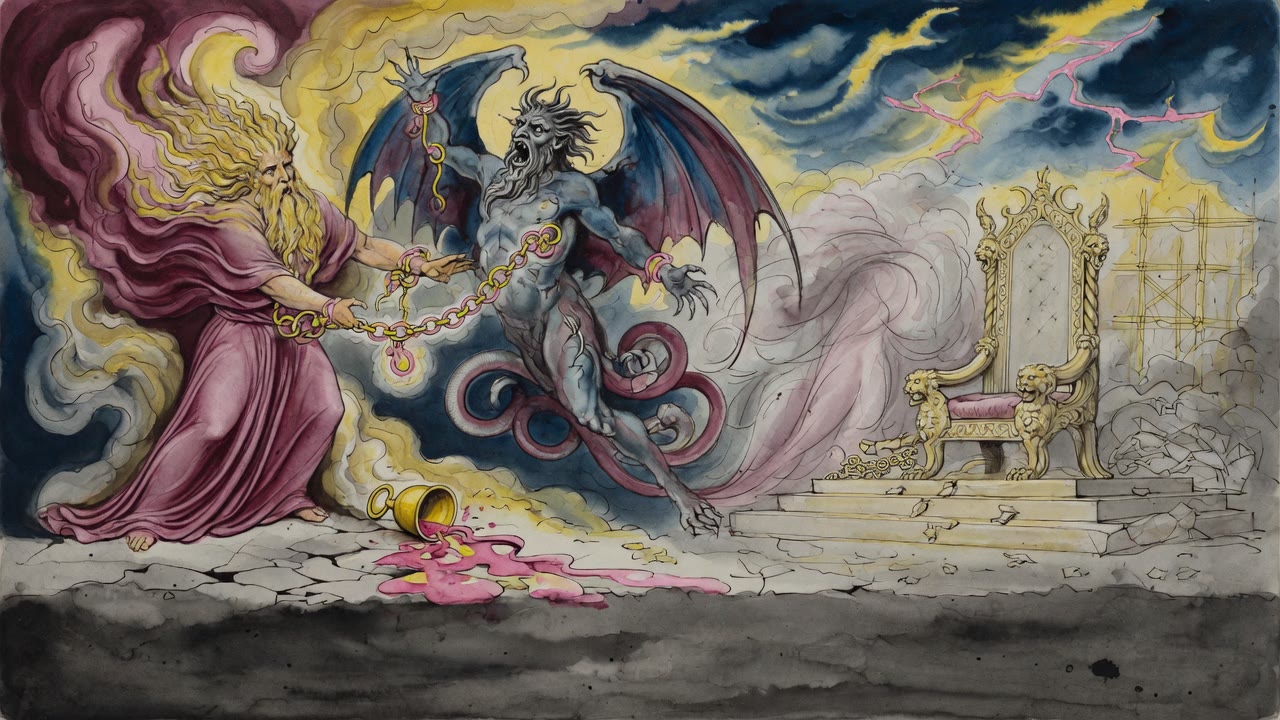
Ahaz carried the infant to Molekh. The flames rose. The child did not burn.
Heat that had eaten other sons of that house found no purchase on this one. The blood remembered seven years of fire and would not let a new fire in. Hezekiah walked out of Molekh's furnace without a mark on him.
Ahaz lived on in his faithlessness. The child lived on too. He grew up to become the king who smashed the idol altars, who cut down the asherah, who restored the Temple service his father had emptied. The furnace that had failed to take him became the first altar he would refuse.
His mother had not known, when she dipped her fingers in that pale blood, that the creature had been waiting since the last hour of the sixth day of Creation. She had only needed her son to live.
Twilight Had Made Another Tool
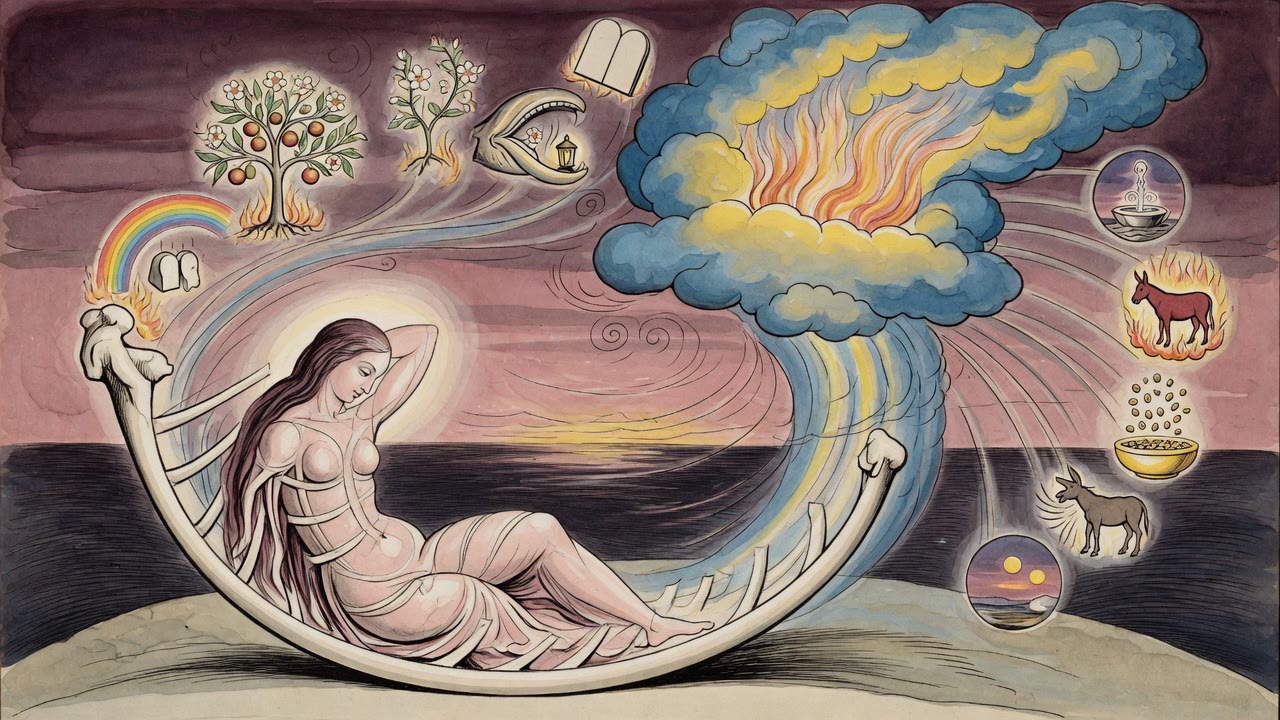
In that same last hour, just before God rested, ten things were made that did not fit the world as it had been assembled all week: the rainbow, the manna, the mouth of the earth that would swallow Korah, the rod of Moses, the writing on the tablets, the shamir, and the salamander among them. They were not afterthoughts. They were preparations. The world would need work that ordinary fire and ordinary iron could not do.
The salamander had done its work in a mother's hands. The other twilight creature was still in the sea.
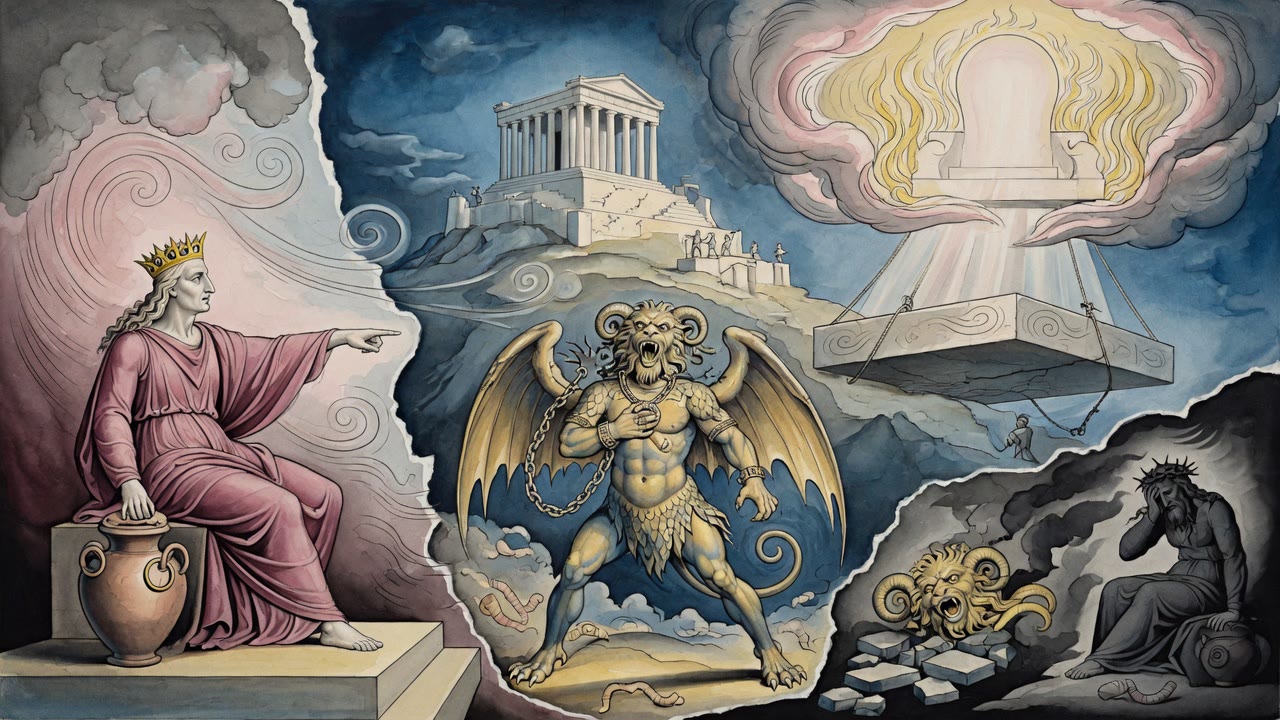
The shamir was a worm, or something like a worm, no larger than a barleycorn, whose touch split stone and iron and hard wood. There was no substance it could not cut. God had given it to the Angel of the Sea, and the angel had entrusted it to a hoopoe. The bird used it on barren mountains, splitting rock so seeds could take in the cracks and a waste could grow green. She had sworn to guard it with her life.
Solomon Needed Stone Without Iron
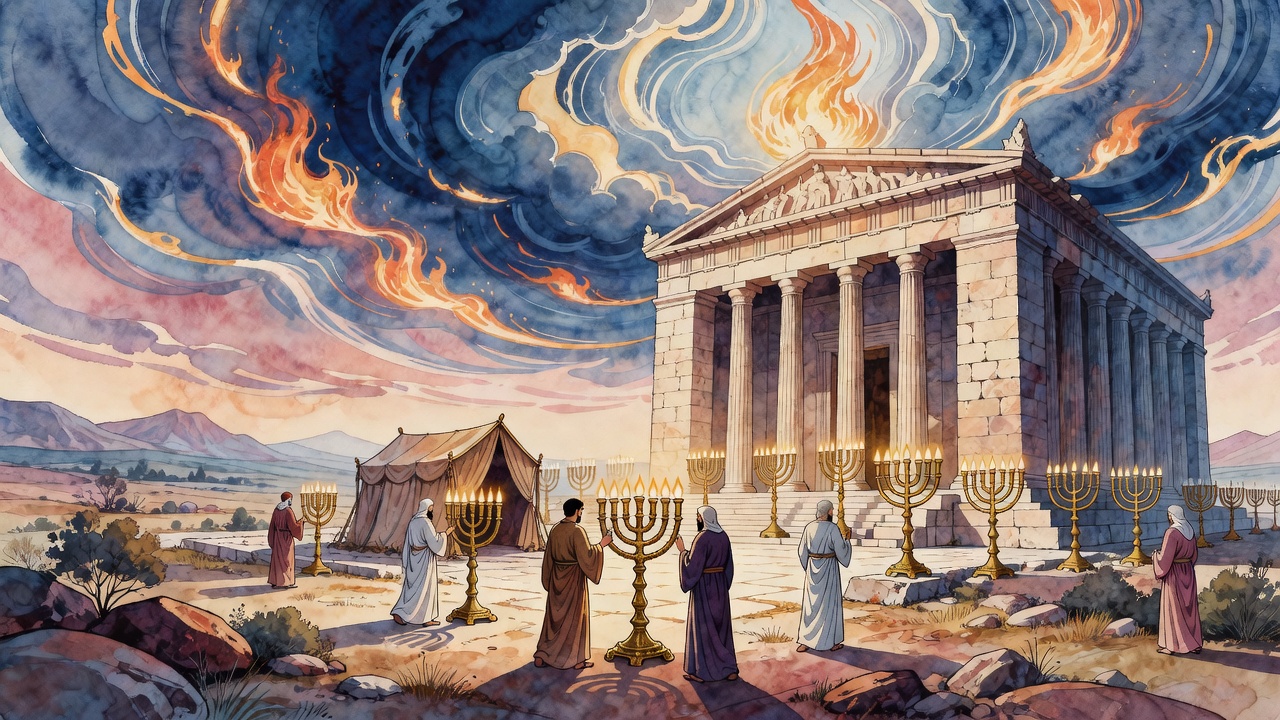
When Solomon began the Temple, he learned the Law would not let iron tools dress the altar stones. The stones were to come to their finished shape without the instrument of war touching the instrument of worship. (1 Kings 6:7) Hammers were useless. Chisels were forbidden. He needed the worm from twilight.
The demons knew where it was. Solomon's servants found the hoopoe's nest and covered it with glass. When the bird returned and found her young blocked by a wall she could see through but not pass, she fetched the shamir to cut the glass. The servants drove her off, took the worm, and brought it to the king.
With it the Temple stones were dressed without the sound of iron in the whole complex. The shamir did the work hammers were forbidden to do. The names of the tribes were traced in ink on the High Priest's breastplate stones, and the shamir passed over the lines, and the letters sank in without a speck of dust coming off.
The Worm Was Lost
After Solomon died, the shamir was lost. Some said the hoopoe carried it back to the sea. Some said it is still in the world, waiting for another task that requires a stone to be split without a human hand lifting a blade. The Temple the shamir helped build was destroyed. The worm that nothing material could destroy went back into the margin where it had been made.
The salamander and the shamir were companions from the beginning, both made in the last hour of the sixth day. One kept a king from his father's fire. The other built the house where God would accept worship without iron. Seven years of flame for the blood. The patience of the deep sea for the worm. Hezekiah walked out unmarked. The Temple rose without a hammer's ring. Then both tools were gone, and the fire and the iron went back to doing what they always do.
← All myths