Jacob Dreamed the Temple Before David Was Born
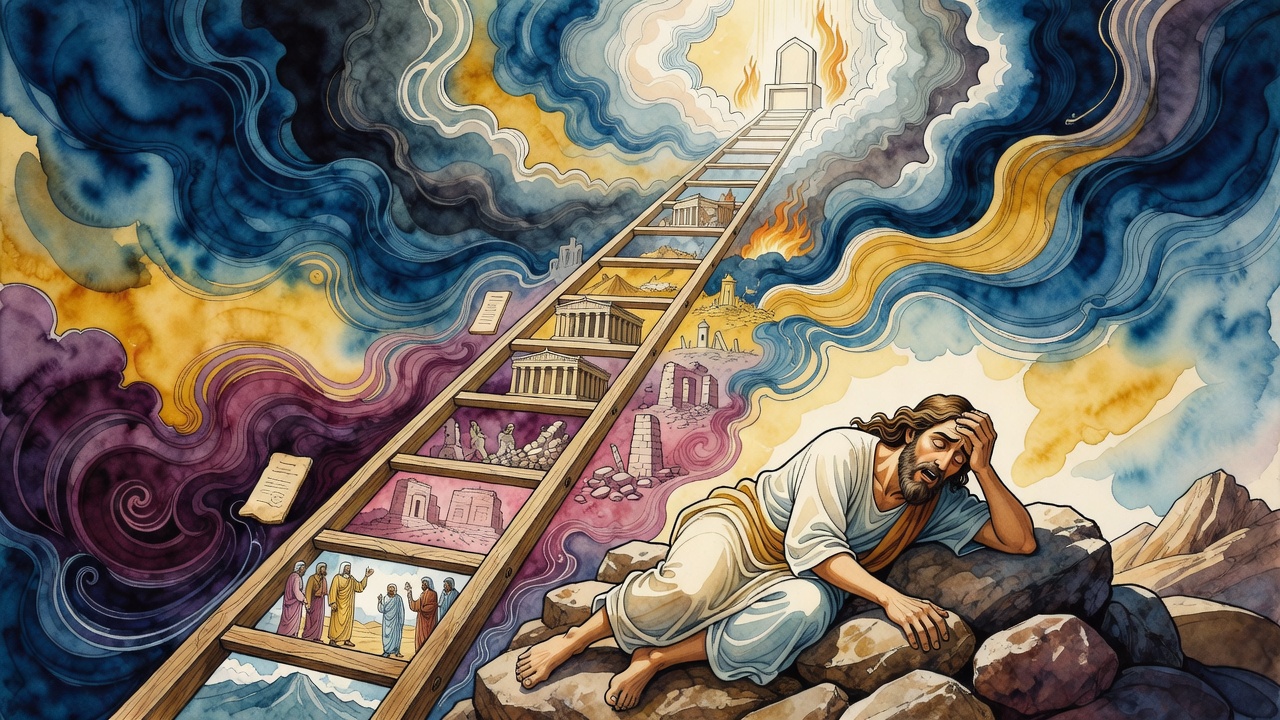
God contracted the daylight to strand Jacob at Mount Moriah. In his sleep the stones quarreled, fused into one, and all of Israel history unrolled before him.
Table of Contents
 Click for full size
The Sun That Set Too Early
Jacob was walking from Beer-sheba toward Haran when the sun went down in the middle of the afternoon.
Not sunset. The sun had barely passed the fifth of its twelve stages. It should have given Jacob hours more of road. According to Ginzberg's Legends of the Jews - that synthesis of midrashic tradition spanning the first through medieval periods - God contracted the daylight deliberately on that day to stop Jacob at a specific place. Mount Moriah lay in his path, and God wanted Jacob there, at night, alone, with nowhere else to go. A miraculous spring followed Jacob as he walked, appearing wherever he needed water and then disappearing, and now it had led him to the foot of the mountain that would one day hold the Temple of Solomon.
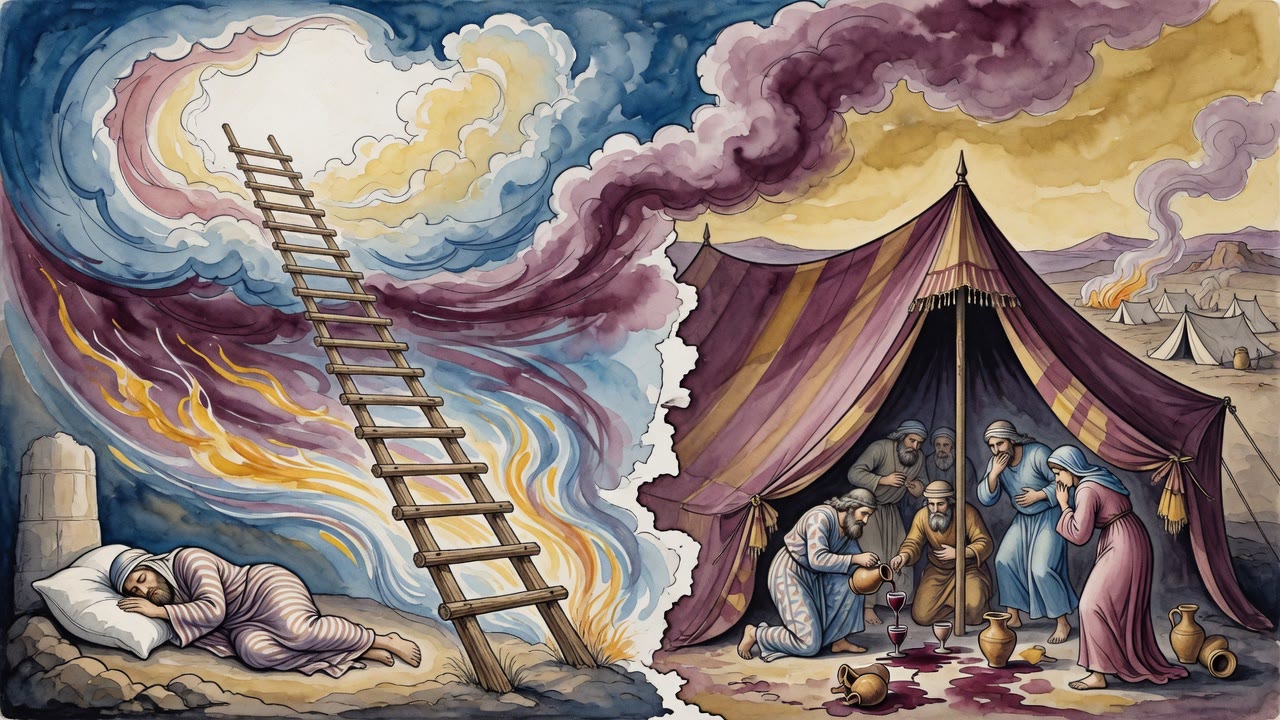
Jacob lay down to sleep on the mountain. He gathered stones for a pillow. The stones immediately began to quarrel.
The Stones That Fused Into One
Each stone wanted to be the one the patriarch's head rested on. This detail from Ginzberg's collection of rabbinic tradition is not decorative. Every stone on Mount Moriah had already been consecrated by history: this was the mountain where Abraham had laid Isaac on the altar, where Adam had offered the first sacrifice, where Cain and Abel had brought their offerings. The stones knew what they were. God resolved the dispute by fusing them all into a single stone. That stone became the Foundation Stone, the even shetiyah - the rock at the navel of the world, the floor of the Holy of Holies, the first solid thing that existed when God created the earth.
Jacob's pillow was not a rock from a field. It was the axle of creation.
What the Dream Showed
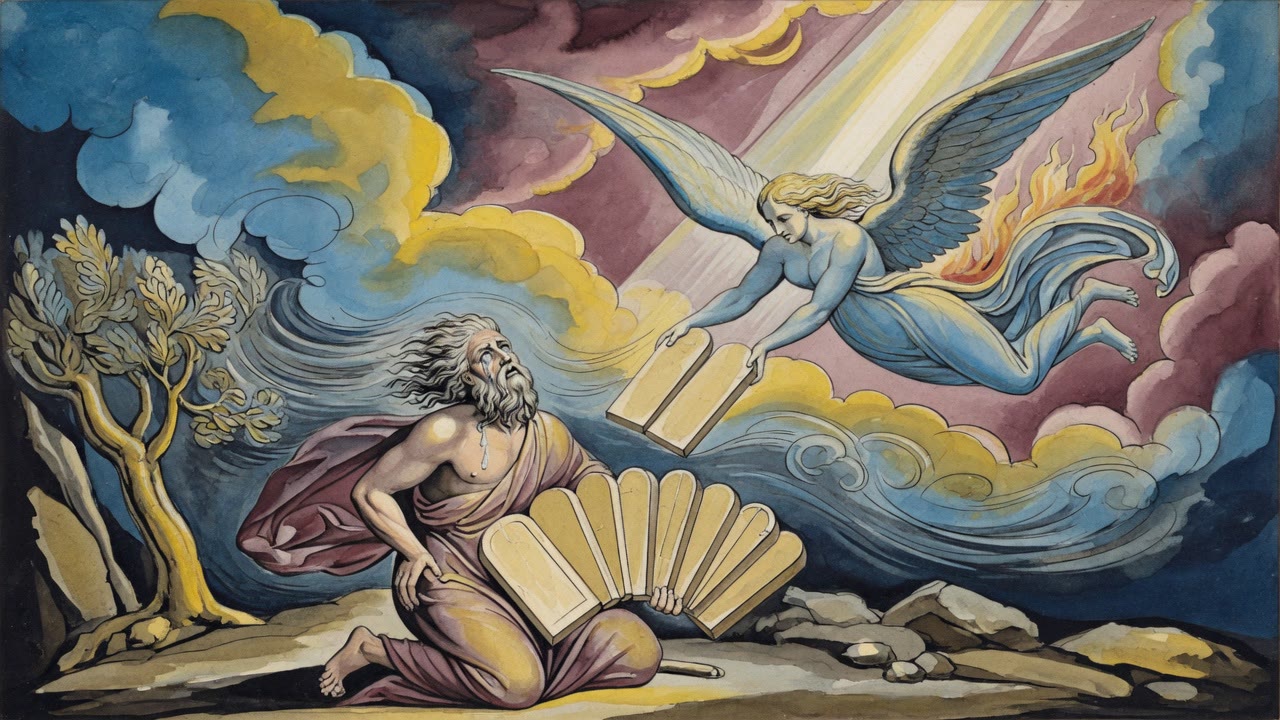
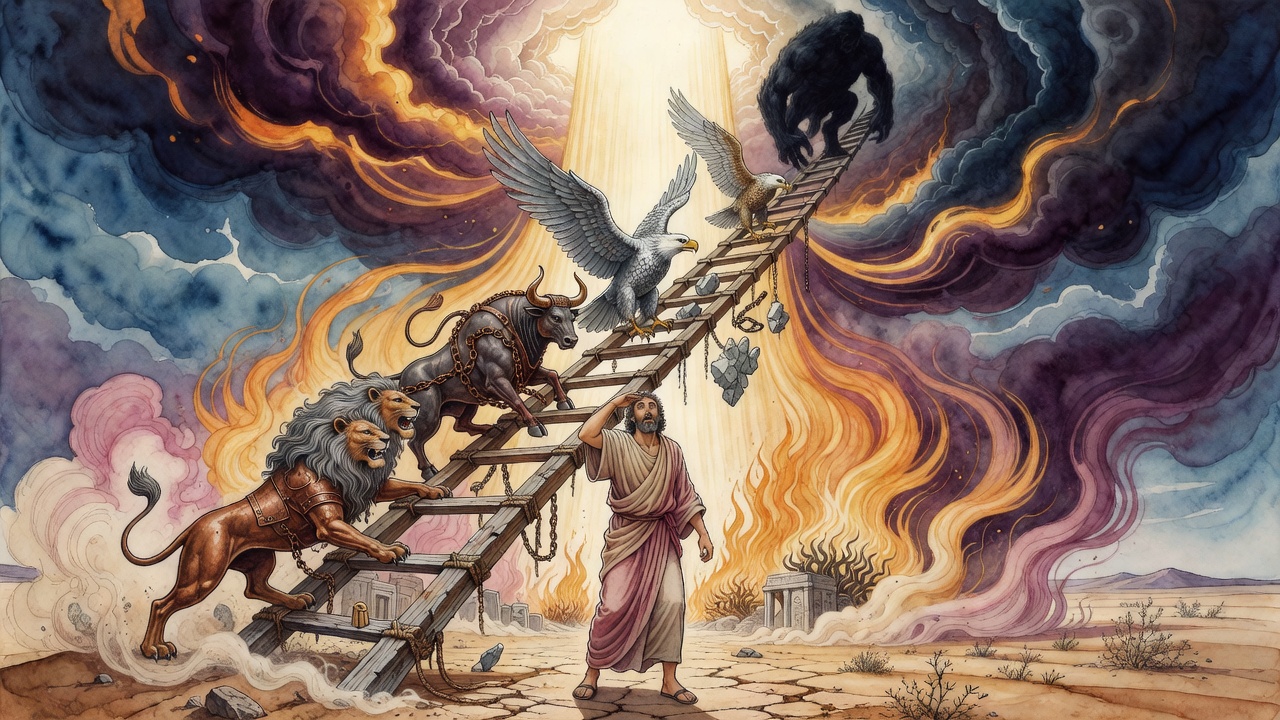
The ladder in Genesis 28 is four words of description. The tradition built an entire vision inside it. Jacob saw the revelation at Sinai: the thunder, the lightning, the two million people standing at the foot of the mountain while Moses ascended. He saw Elijah carried into heaven. He saw the Temple - both its building and its destruction. He saw Nebuchadnezzar ordering Hananiah, Mishael, and Azariah thrown into a furnace. He saw Nebuchadnezzar himself reduced to grazing like an animal.
The dream included the Messiah. What Jacob saw was the full timeline of Israel, from Sinai to the end of days, compressed into a single night on a mountain he had reached by accident on a road he had taken to flee his brother. Nothing in the vision was withheld. He saw the destruction of what he had just been shown being built. He woke trembling.
The Words He Said Upon Waking
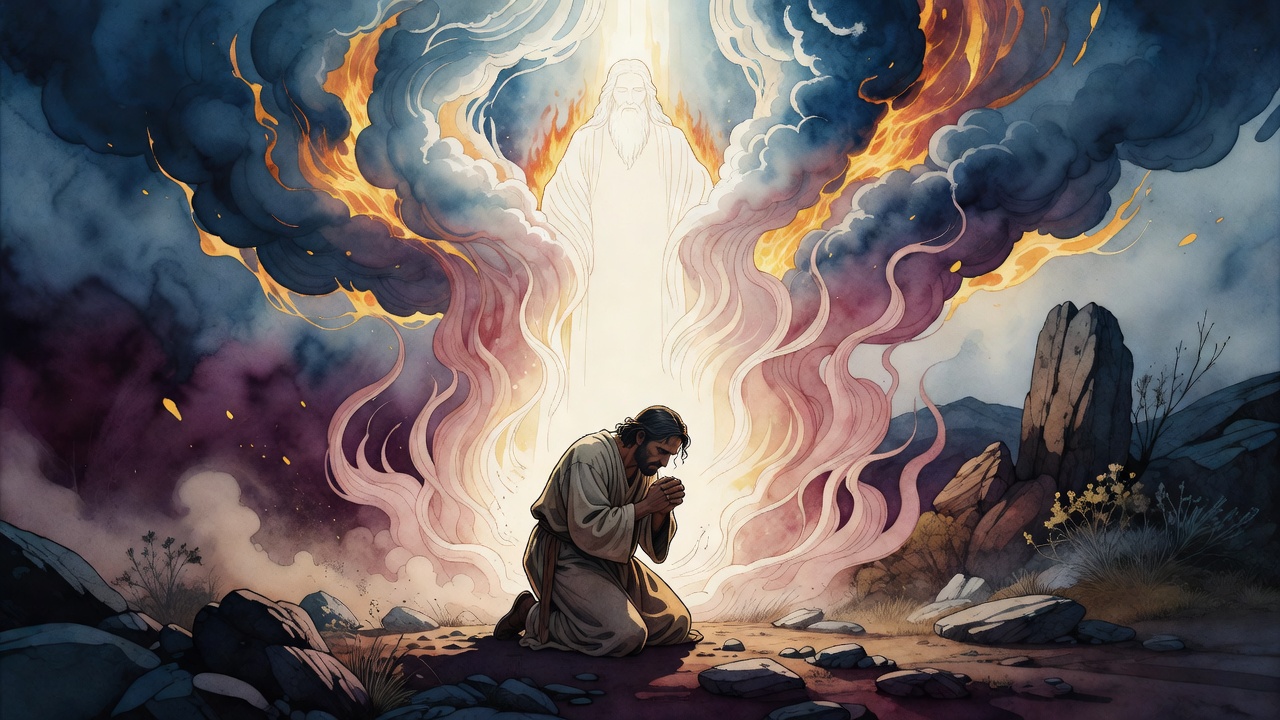
How dreadful is this place. This is none other than the house of God and the gate of heaven.
The trembling was not fear of punishment. It was recognition. The place where he had slept without knowing what it was had just revealed itself as the place where heaven and earth were nearest to each other - not metaphorically but structurally, as a fact about geography. Jacob took the twelve stones that had fused into one, anointed it with oil, and named the place Bethel. House of God. He had not built anything there. He had found what was already there and given it its correct name.
Jerusalem Before David
David did not discover Mount Moriah. The Jebusites who held Jerusalem when David arrived had lived there since the time of Abraham. Ginzberg's account records that Abraham himself had made an agreement with the sons of Heth who sold him the Cave of Machpelah: they would cede the land only if their descendants were never forcibly removed from Jerusalem. The Jebusites erected brass monuments to memorialize the agreement. When David's army appeared, the Jebusites pointed to the monuments. Abraham's promise, engraved in metal, was right there.
David took the city anyway, but the tradition preserves the memory that the ground had been sacred long before any Israelite claim to it. Adam had walked there. Noah had built an altar there after the flood. Abraham had nearly sacrificed Isaac on the mountain's summit. And Jacob had slept there one night on the way to Haran and woken up knowing that he had slept on the Foundation Stone, the place where whatever holds the world together is most visible from the human side.
← All myths